Some of the best Oklahoma discoveries hide down quiet county roads, far from any billboard. I went looking for a simple farm stop and found sheep, spinning wheels, warm treats, and a whole new appreciation for the sweater in my closet.
Learning how fluffy wool turns into yarn feels a little like magic, and it connects you to a skill people have practiced for thousands of years. If you have a free Saturday and a curious streak, this working fiber farm might surprise you the way it surprised me.
A Working Sheep Farm Outside Claremore
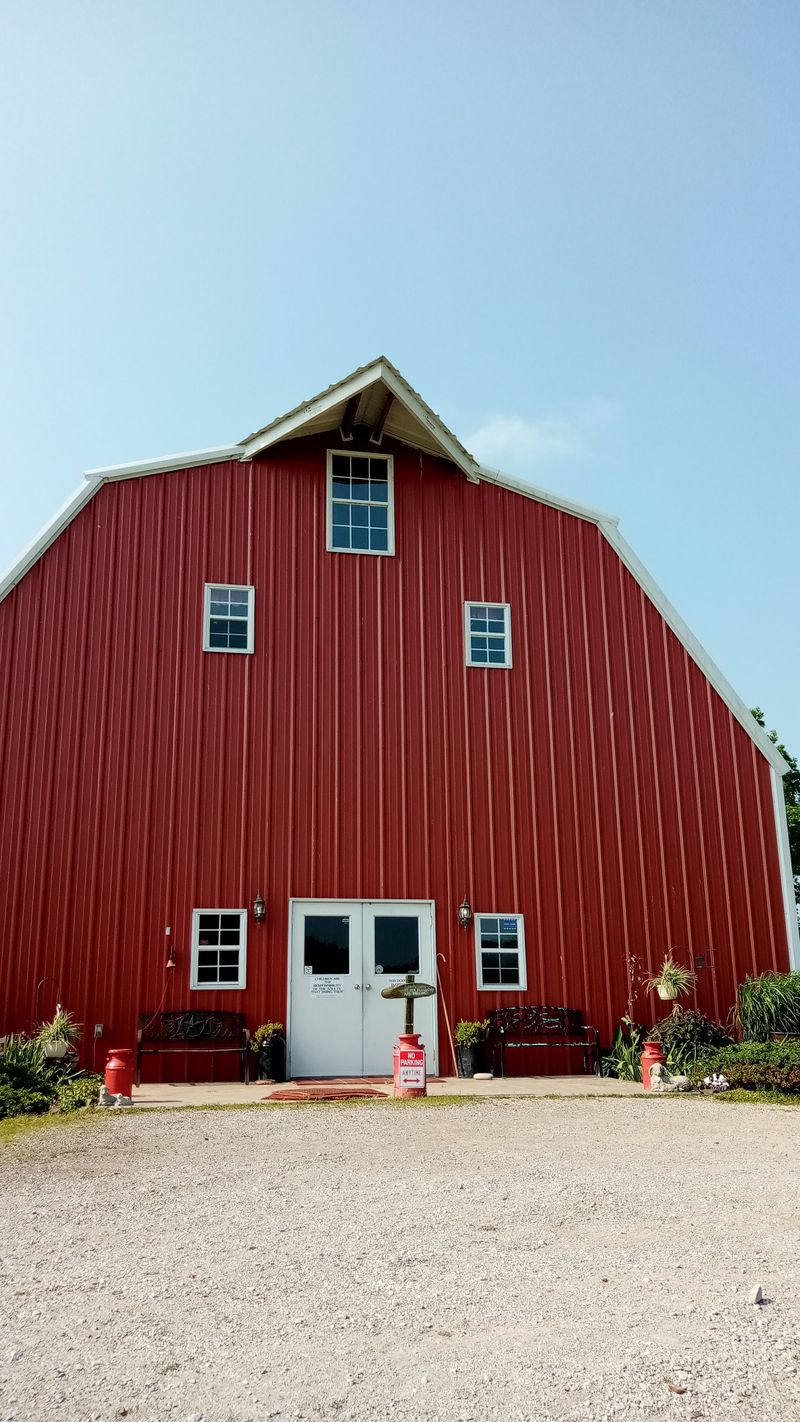
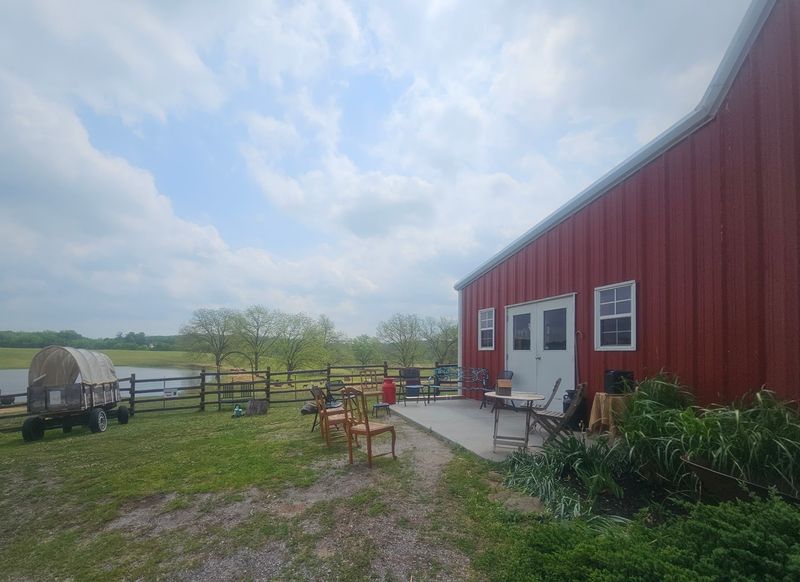
Out east of Claremore, along a rural stretch called E 450 Road, sits a farm that does a lot more than raise sheep. Shepherd’s Cross is a working farm with its own wool mill, a shop tucked inside the barn, a garden, and a small museum.
Visitors often call it one of the state’s hidden gems.
What makes it stand out is the full journey it shows. You can see the sheep, learn how they are sheared, and follow the wool as it gets cleaned, spun into yarn, and sometimes knitted or woven into something beautiful.
Few places let you watch that whole story unfold in one afternoon.
The farm is also a Christian public non-profit organization, and that faith shapes the feel of the place. Guests mention a peaceful, welcoming mood the moment they pull in.
Families, homeschool groups, crafters, and curious road-trippers all find their way here.
The best part might be the price of entry. According to the farm, there is never a charge to visit, and guests attend on a donation basis.
Things like wagon rides and farm products are available to buy, but simply wandering the grounds is open to everyone during regular hours.
Roots of a Faith-Centered Farm
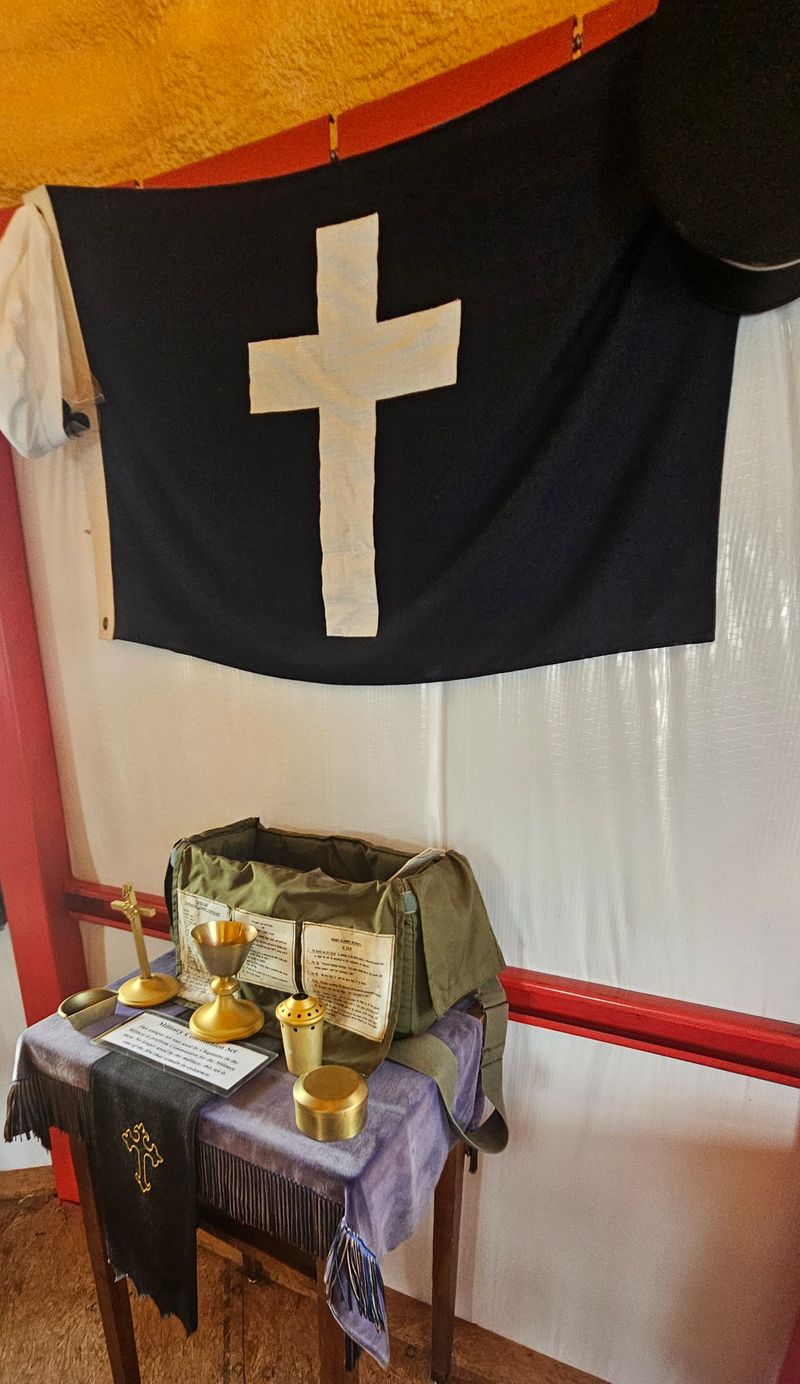
Stories matter here. Many guests leave talking about the family’s history and the reasons behind the farm as much as the animals themselves.
Homeschool visitors have said they loved hearing that story during their trip.
The name itself hints at the mission. Shepherd’s Cross blends farm life with Christian teaching, and some visitors enjoy reflecting on how raw wool being refined into yarn mirrors the idea of personal growth and faith.
One longtime guest encouraged others to think about those parallels while touring.
Money raised through the farm’s work goes toward supporting several missions, which gives a purchase from the shop a little extra meaning. A grandparent who visited mentioned planning to look into the non-seasonal offerings for exactly that reason.
Staff members, often young women from the farm community, share facts about sheep, animal care, and their own personal stories. Some visitors find these conversations to be the highlight of the day.
The setting feels sincere rather than polished, which is part of its charm.
If faith-based spaces are not your usual thing, you can still enjoy the animals, history, and crafts. The welcome extends to everyone who walks through the gate.
Sheep, Shearing, and Fleece
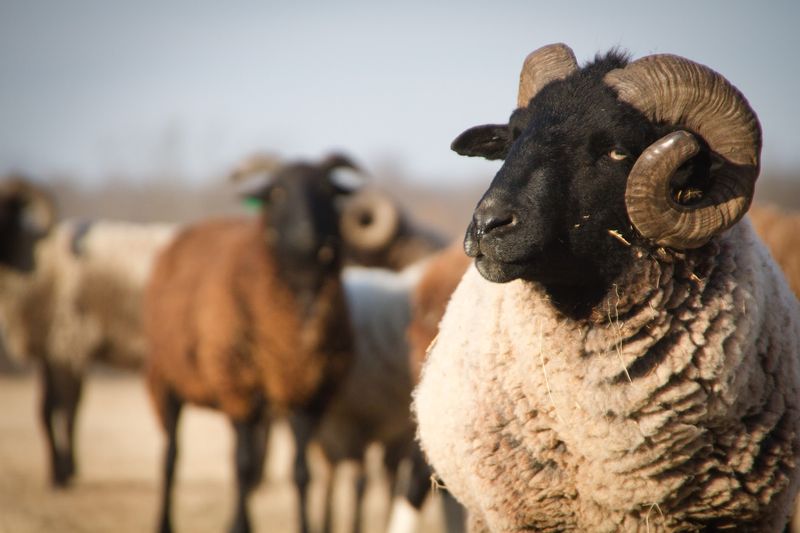
Picture a fluffy sheep wearing an entire winter coat of future sweaters. That is where every yarn story at this farm begins.
The sheep are the stars, and visitors can learn how they are cared for and how their wool is harvested. Demonstrations of sheep shearing have been part of the museum experience, giving guests a close look at how fleece comes off in one big piece.
It is surprisingly calm to watch when done by skilled hands.
After shearing comes cleaning. Raw wool holds dirt, bits of hay, and natural oils, so it must be washed and prepared before anyone can spin it.
Seeing this step helps you understand why handmade yarn takes so much time.
Kids especially enjoy the sheep petting area, where they can feel how soft and springy wool really is. Some guests have also spotted hardworking sheep dogs on the property, which adds to the authentic farm feeling.
Fun fact: one sheep can grow several pounds of wool each year. Standing next to the flock, you start to see how a single animal can supply enough fiber for scarves, hats, and blankets.
The Wool Mill and Spinning Wheels
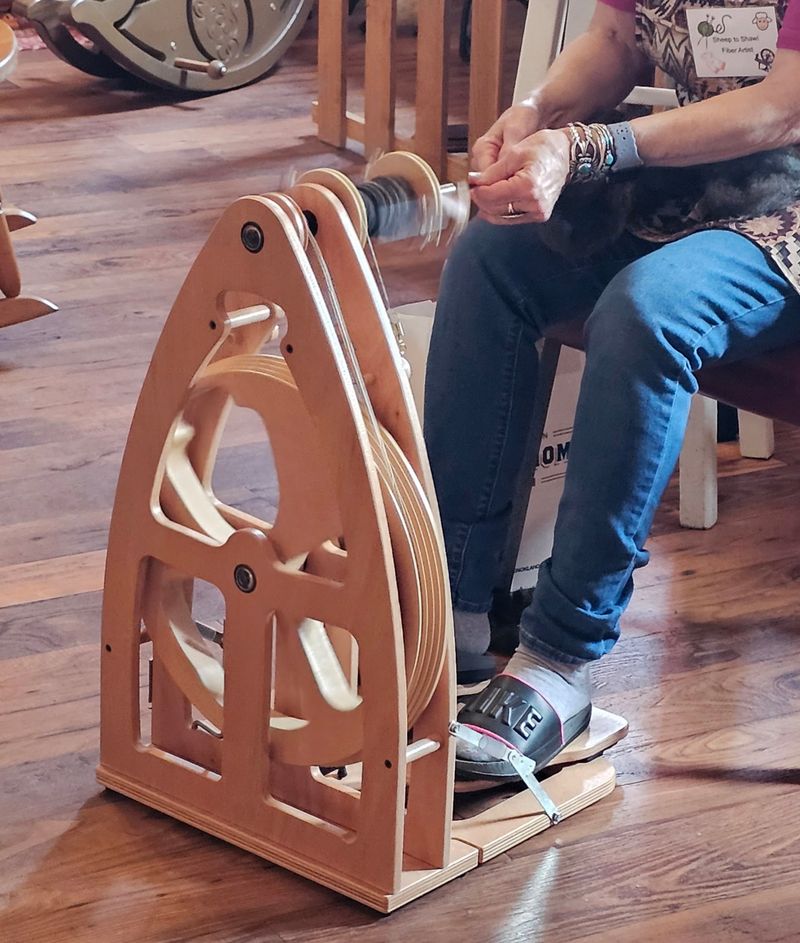
Here is the heart of the Saturday adventure. Shepherd’s Cross runs a working wool mill, and visitors say the farm turns its own sheep’s wool into thread and yarn right on site.
Watching a spinner at work feels almost hypnotic. Fluffy fiber feeds through skilled fingers, the wheel turns, and suddenly a strong, twisted strand appears.
Demonstrations of yarn spinning, felting, and knitting have all been featured, so you get a sense of the many ways wool can be used.
Guests describe the experience as very informative and educational. You learn why wool needs twist to become strong, and how thickness changes depending on the spinner’s touch.
Want something to take home? The shop has offered huge balls of wool, the kind people use to make chunky blankets.
Animal furs and fibers are on the shelves too, which is great news for knitters and crafters looking for something local.
Even if you never plan to pick up a spinning wheel, seeing the process up close changes how you look at your socks and sweaters. Suddenly, every stitch carries a little more respect for the hands and animals behind it.
Spin-N-Knit-In Saturdays
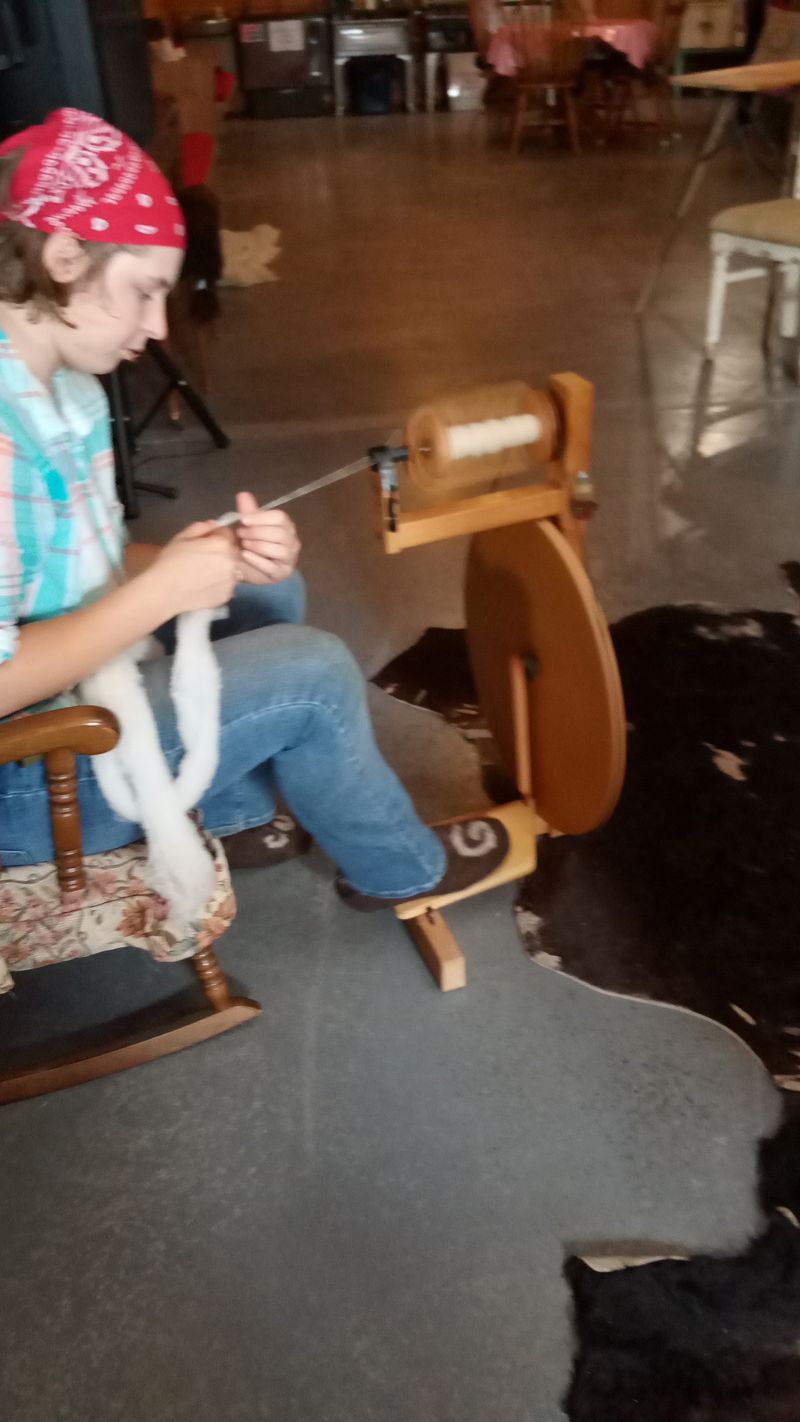
Crafters, mark your calendars. One of the most loved gatherings here is the Spin-N-Knit-In, a three-hour block where people bring their own projects and work side by side.
The idea is wonderfully simple. You choose what to work on, whether it is spinning, knitting, or another fiber craft, and you chat with anyone else who wants to share the time.
A visitor described it as an outstanding concept in this day and age, and it is easy to see why.
At the time of that visit, the gathering was held on the second Saturday of each month. Schedules can change, so calling the farm before you go is a smart move.
For beginners, the event offers a gentle way to absorb tips just by watching others. Experienced spinners get to swap tricks and admire each other’s yarn.
Everyone gets a slower, screen-free afternoon in a peaceful setting.
The farm also offers classes and teachings, which some guests have mentioned enrolling in. Pairing a class with a monthly knit-in could turn a single visit into a brand-new hobby.
Bring a project bag and an open mind.
Sheep to Shawl in Springtime
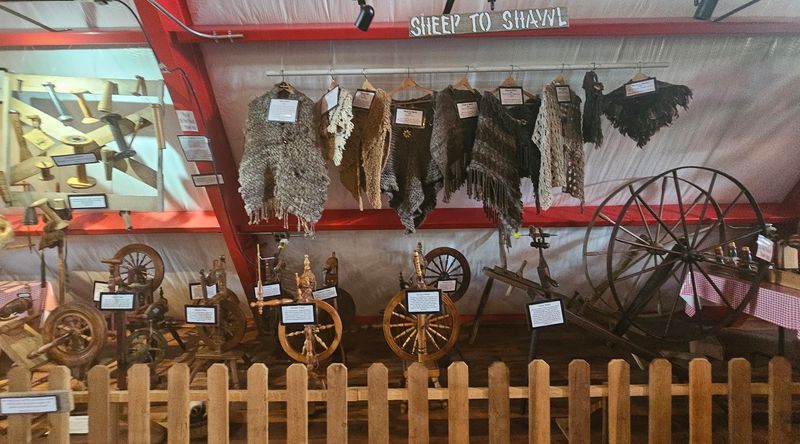
Ever wondered how long it takes a sheep’s coat to become a cozy shawl? A springtime event at the farm answers that question step by step.
One enthusiastic visitor described an event they believed was called Sheep to Shawl. Guests watch sheep being sheared, see how the wool is cleaned, and follow each stage of turning that fiber into yarn and then into a finished shawl.
It is the whole fiber story told in a single day.
Better still, it is hands-on. Visitors can join in during major steps, which makes the lesson stick far better than any textbook could.
Kids remember things they touch, and adults do too.
A petting zoo has reportedly been part of the fun around that time as well. Between the animals and the crafts, there is plenty to fill an afternoon for every age.
Since event dates shift from year to year, check the farm’s website or call ahead before planning a trip around it. If you can make it work, this might be the single best day to see why this Oklahoma farm earns so much affection from fiber lovers.
Silo Museum Discoveries
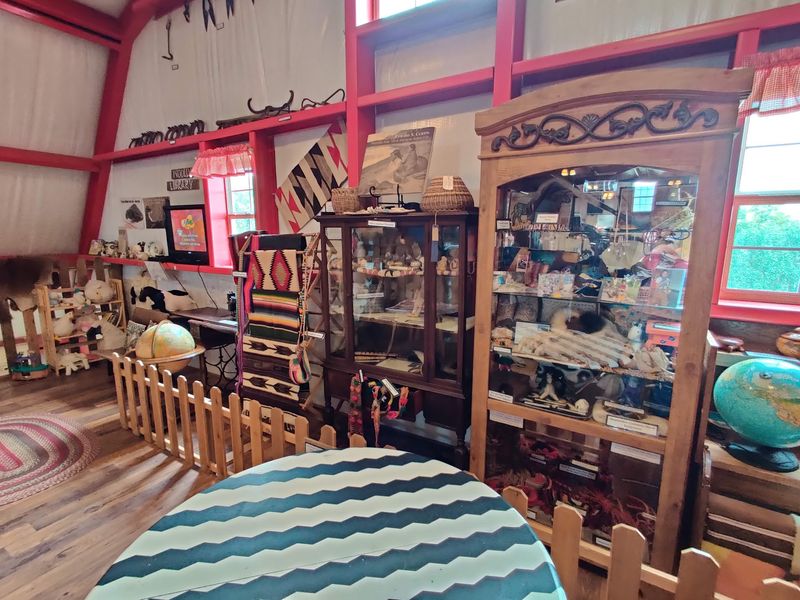
Who would expect a museum inside a silo? That quirky twist is exactly what makes this stop memorable.
The silo museum is open year-round and covers a wide range of topics. Visitors mention learning about sheep, plants, farm machinery, and more.
Some displays have featured demonstrations of felting, knitting, spinning, and shearing, along with games for kids.
Informative displays fill the barn as well. A homeschool family once noted that much of the information came through recordings rather than a live guide, though someone was always nearby to answer questions.
That mix lets you move at your own pace while still getting help when you need it.
Guests describe the experience as different in the best way. It is not a big city museum, and that is the point.
The small scale makes it easy to focus, and the farm setting makes every exhibit feel connected to what is happening right outside.
History buffs will enjoy seeing older tools and learning how farm life has changed. Pair the museum with a stroll past the flock, and the exhibits suddenly come to life in front of you.
Goats, Alpacas, Donkeys, and Friends
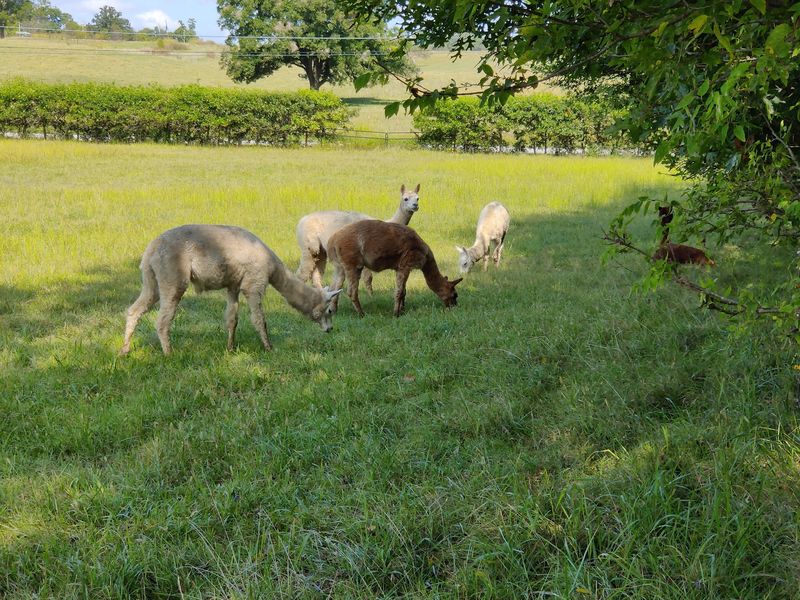
Sheep may get top billing, but they have plenty of company. Goats, alpacas, and donkeys also live on the farm, and many are happy to receive a gentle pat.
Little ones go wild for the animal areas. One grandmother shared that her granddaughter, just a year and a half old, loved the visit.
Another family said their kids simply did not want to leave.
Alpacas are a fiber-lover’s bonus. Their fleece is famously soft, and seeing them near the sheep helps explain why the shop carries different kinds of animal fibers.
It is a quiet lesson in how many creatures contribute to the clothes we wear.
Staff members share helpful facts about animal care, so you leave knowing a bit more than when you arrived. Visitors appreciate learning how the animals are fed and looked after day to day.
Quick tip: bring hand wipes or plan a stop at a sink after petting time. Farm animals are friendly but famously dusty.
Comfortable closed-toe shoes are a good idea too, since barnyard ground can be uneven and occasionally messy after a rain.
Barn Shop Treasures and Farm Treats
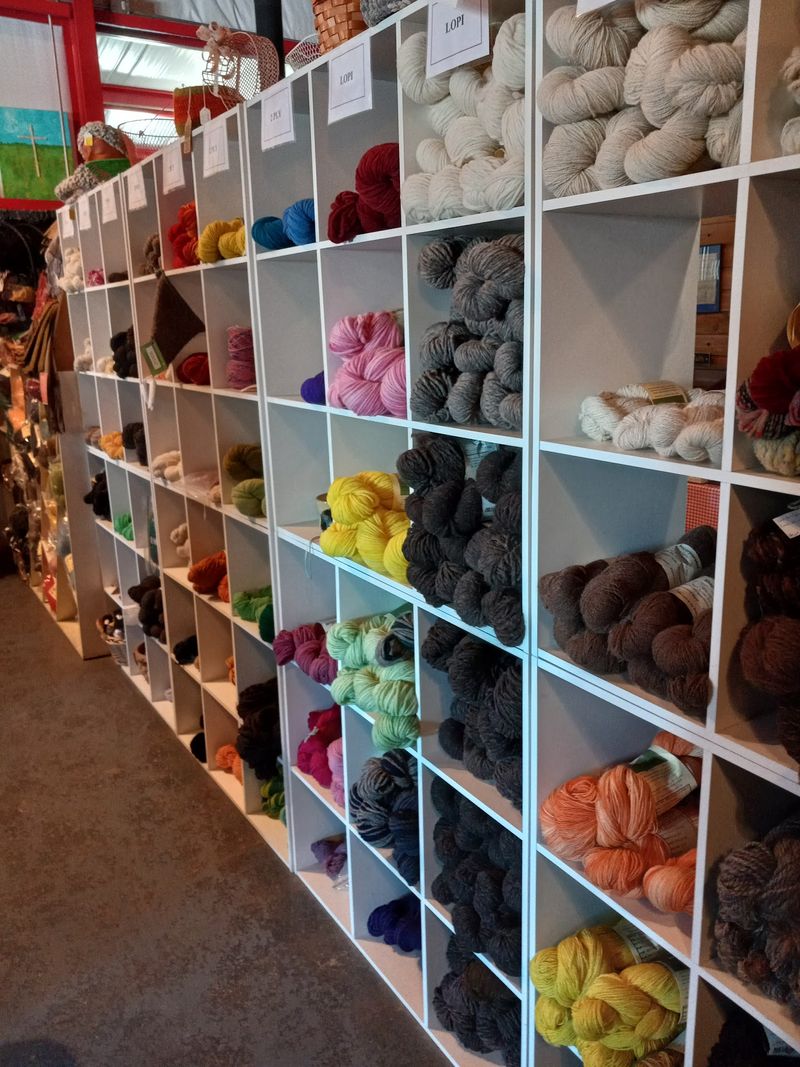
Walk into the barn shop and you might forget you came for yarn. Shelves hold all sorts of odds and ends that visitors describe as charming.
Guests have found homemade jams and jellies, lye soaps, honey, farm fresh eggs, and apple fritter bars. One shopper raved about products made with good ingredients and none of the unhealthy extras.
Another left with honey and a heartfelt blessing from the staff.
Fiber fans can browse animal furs and fibers plus those giant balls of wool perfect for chunky blankets. It is a lovely place to pick up supplies after watching the spinning demonstrations.
For bigger needs, the farm has offered half or whole lamb for purchase. In fall, you can even buy hay bales and corn stalks for porch decorating.
A play area with toys sits inside, which parents appreciate while they shop. You can also grab treats and enjoy a picnic on the property, so packing a blanket is never a bad idea.
Every purchase helps support the farm’s missions, which makes souvenir shopping feel extra good.
Bible Garden Calm and Seasonal Celebrations
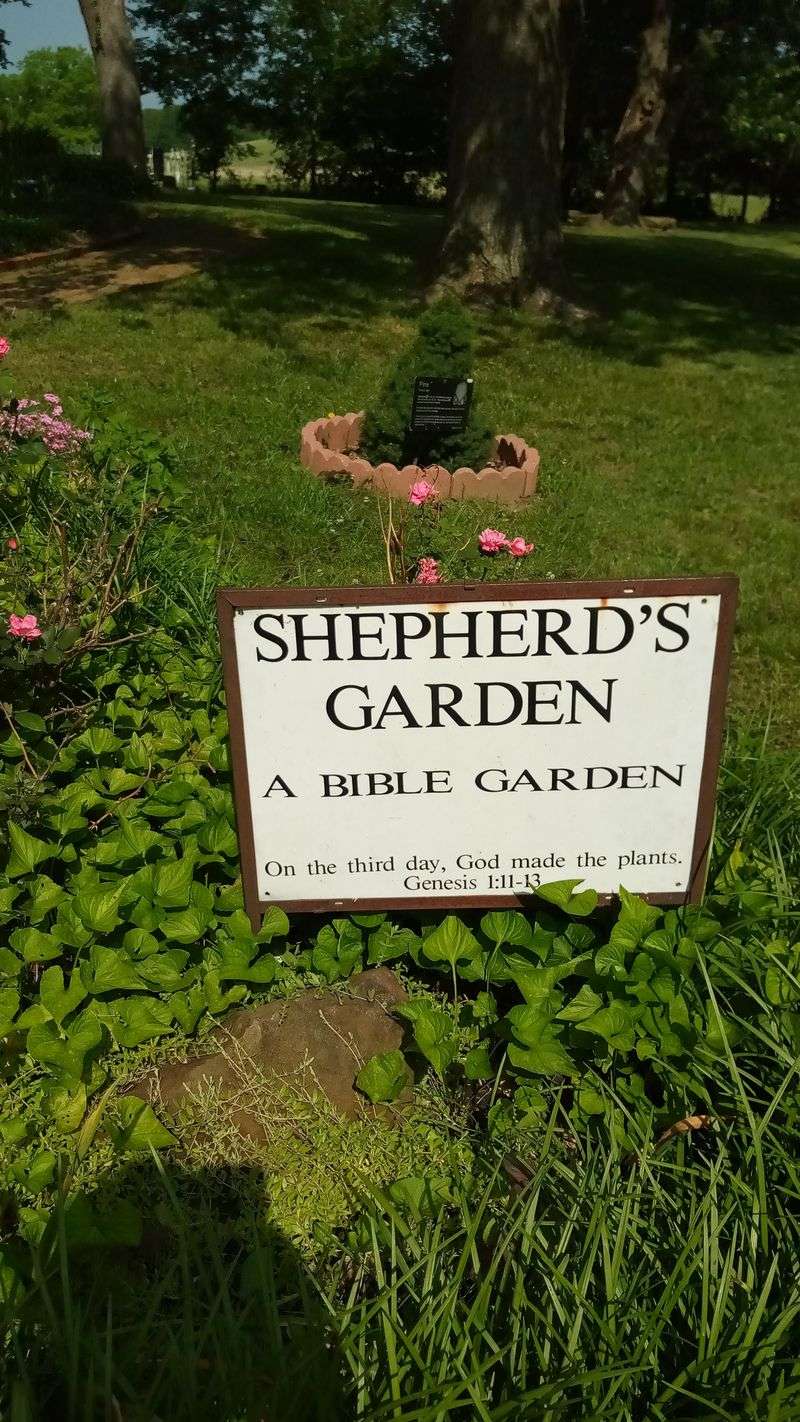
Slow down for a minute in the Bible Garden. Visitors describe it as a delightful, quiet corner where you can sit, reflect, or enjoy a picnic lunch.
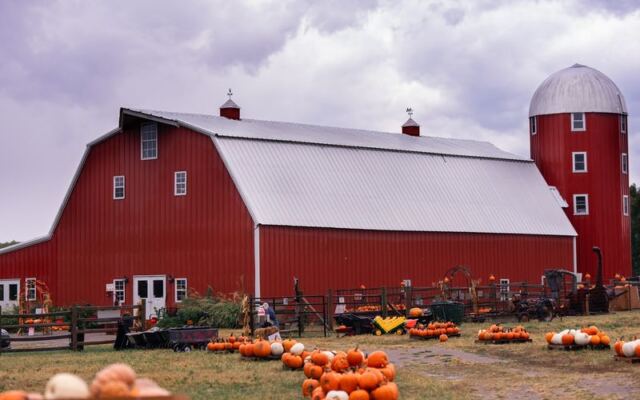
Beyond the garden, the calendar keeps things lively. Fall is the farm’s busiest season, with a pumpkin patch that regulars call one of the best around.
Families enjoy hayrides, tractor rides, games, and a maze, plus lots of pumpkin varieties to choose from.
One fun tradition stood out to a visitor: bringing a child’s outgrown clothes, which were stuffed into festive decorations. It is a sweet, creative touch that shows the farm’s playful side.
Winter brings the Living Nativity at Christmas, which guests say you should not miss. It is a heartfelt event that draws people back year after year.
Some families have returned for a decade or more, first as field trip chaperones and later with their own children. That kind of loyalty says a lot.
Whether you come for spinning in spring or pumpkins in October, there is always a seasonal reason to return.
Hours, Donations, and Getting There
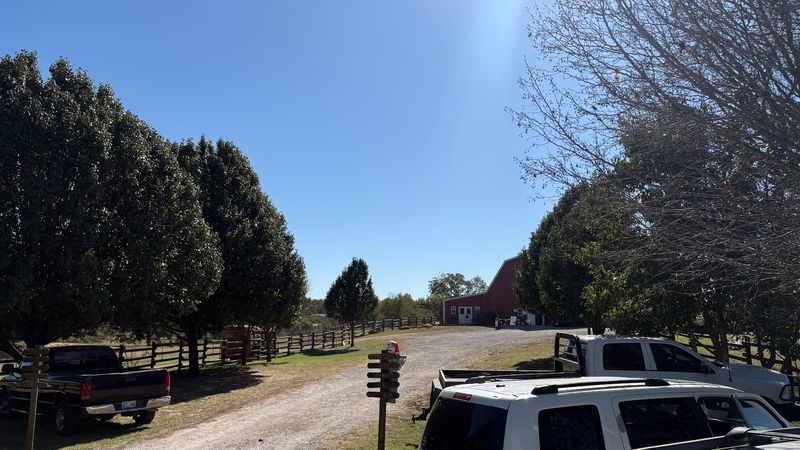
Planning is easy once you know the basics. Shepherd’s Cross sits at 16792 E 450 Rd in Claremore, in the countryside northeast of Tulsa.
The farm opens Tuesday through Saturday from 9 a.m. to 6:30 p.m. It is closed on Sundays and Mondays, so a Saturday trip fits nicely for most weekend explorers.
Admission works on a donation basis, and the farm says there is never a charge just to visit. Extras like wagon rides and farm goods cost money, so bring a little cash or card for treats and yarn.
One family drove over from Owasso and called it a bit of a drive but not too long. They also noted it was not crowded even at midday on a Saturday, which made the visit relaxing.
For class times, Spin-N-Knit-In dates, or seasonal events, call 918-342-5911 or check shepherdscross.com. Event schedules shift, and a quick call can save you a wasted trip.
Wear sturdy shoes, pack water in summer, and consider bringing a picnic to enjoy on the grounds afterward.
Worth the Detour for Curious Hands
Leaving with a skein of yarn in hand feels different after you have met the sheep that grew it. That connection is the real gift of a Saturday here.
Shepherd’s Cross suits a wide crowd. Crafters will love the mill, demonstrations, and monthly knit-ins.
Families get animals, games, and room to roam. History fans find the silo museum surprisingly engaging.
The faith-based mission is woven through everything, and most guests find it warm and sincere. A rare visitor felt differently about staff during one school trip, but the farm responded kindly and the overwhelming tone from guests is peaceful and welcoming.
It is not flashy, and that is exactly the appeal. You will not find crowds or rides with lines.
Instead you get slow moments, honest work, and the quiet satisfaction of learning an old skill.
If you are building a list of offbeat Oklahoma stops, add this one near the top. Come for the spinning wheel, stay for the honey and the alpacas, and return when the pumpkins ripen.
Chances are, you will drive home already planning your next visit.
Share this story