There is a stretch of road in northeastern Oklahoma so narrow that two cars can barely pass each other, and yet it might be the most historically significant strip of pavement you will ever drive on. Most people zoom past it without a second glance, but road history enthusiasts know exactly what they are looking at.
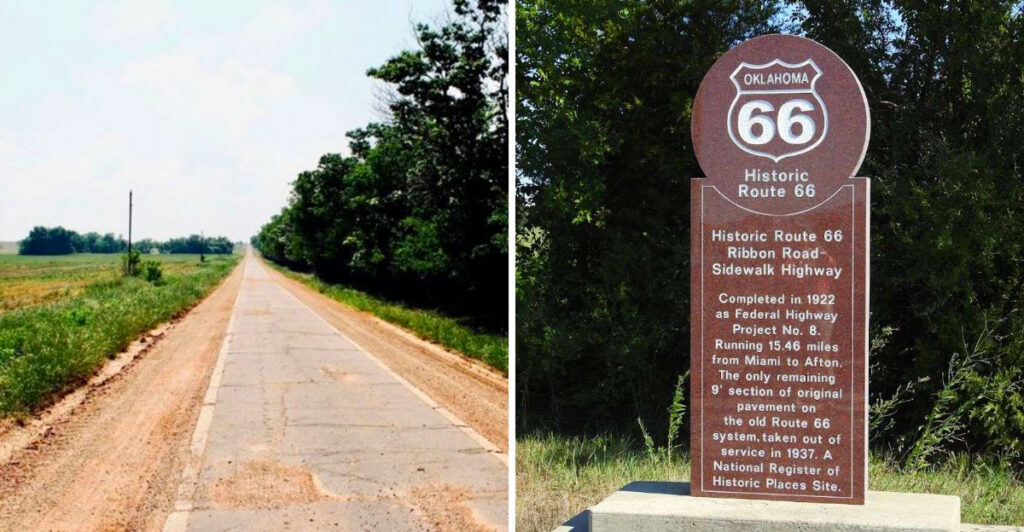
This is one of the oldest surviving sections of the original Route 66 roadbed, a concrete ribbon just nine feet wide that dates back to the 1920s. The fact that it is still here, still mostly intact, and still accessible is nothing short of remarkable.
Buckle up, because this little road has a big story to tell.
Where Exactly This Historic Road Lives
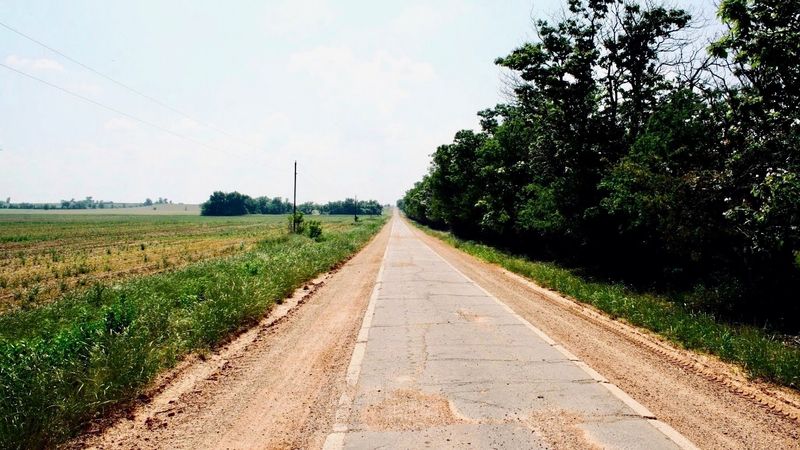
The address is S 540 Rd, Miami, OK 74354, tucked into the rural countryside just outside Miami in Ottawa County, northeastern Oklahoma. Miami, pronounced my-AM-uh by locals, sits near the Kansas border and serves as the county seat of Ottawa County.
The ribbon road runs through a quiet, flat stretch of land that feels entirely removed from the modern world. There are no traffic lights, no fast food signs, and no billboards competing for your attention out here.
The GPS coordinates 36.8154888, -94.9268434 will get you close, but the real fun is the moment you realize the road you are driving on is nearly a century old. The surrounding landscape is modest and understated, which somehow makes the concrete strip beneath your tires feel even more special.
The site is open 24 hours a day, seven days a week, so there is no rush to arrive at a specific time. That said, daytime visits are strongly recommended, since the road and its surroundings are best appreciated when you can actually see what you are standing on.
The Nine-Foot Wide Wonder of 1920s Road Engineering
Back in 1926, when Route 66 was officially established as one of the first U.S. numbered highways, road construction was a very different enterprise. Engineers were working with limited budgets, basic equipment, and a public that was still getting used to the idea of paved roads at all.
The result was a highway that was often only nine feet wide in its earliest sections, which is barely wider than a standard parking space today. Drivers of that era mostly had narrower vehicles, and traffic volumes were nothing like what we see now, so the logic made sense at the time.
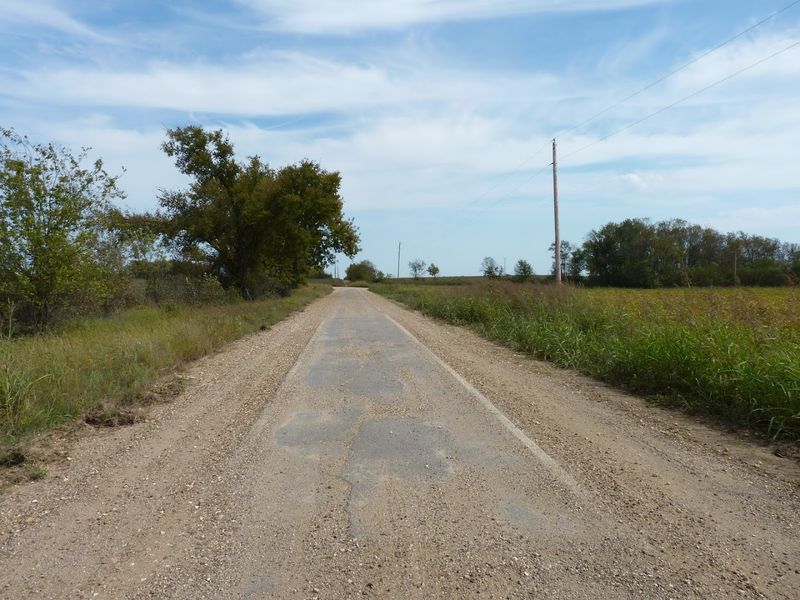
This section near Miami preserves that original nine-foot concrete width almost exactly as it was poured. The concrete has aged considerably, with cracks, rough patches, and weather damage adding texture to its surface.
Some visitors have described it as feeling more like a dirt road now, since years of exposure have left the surface quite uneven.
What makes it truly extraordinary is that so few original sections of the early Route 66 roadbed still exist anywhere along the 2,400-mile highway corridor, making this narrow strip a genuinely rare piece of American transportation history.
How the Ribbon Road Got Its Nickname
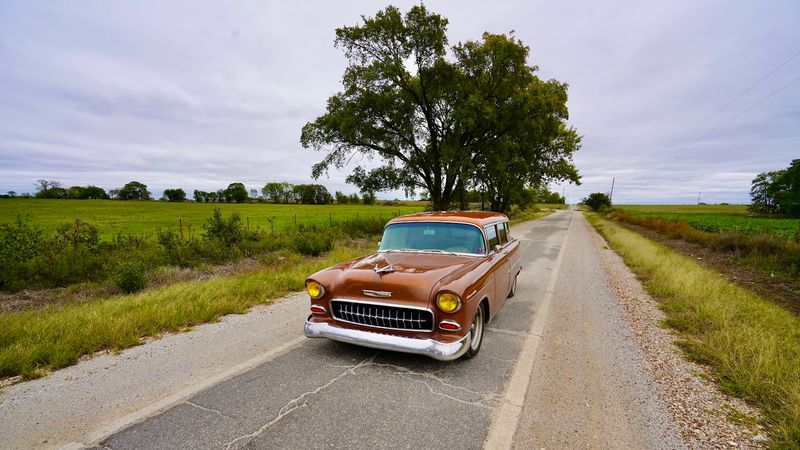
The term ribbon road is not an official engineering designation or a name assigned by any government agency. It is a nickname that grew organically among Route 66 historians, enthusiasts, and road trippers who looked at these thin strips of early concrete and thought they resembled a ribbon laid across the land.
The name has a poetic quality that suits the road perfectly. From a slight elevation or in aerial photographs, the narrow pale concrete strip does look remarkably like a ribbon threading its way through the Oklahoma countryside.
These early concrete roads were sometimes also called portland cement roads, reflecting the material used in their construction. Portland cement concrete was considered a premium surface in the 1920s, far more durable than the gravel or packed dirt roads that most Americans traveled on at the time.
The ribbon road nickname eventually became the popular way to refer to surviving sections of these original nine-foot highways, and the one near Miami became one of the most well-known examples. Today, the name carries a sense of affection and nostalgia that perfectly captures how Route 66 fans feel about every surviving scrap of the original Mother Road.
A Timeline of Route 66 and This Particular Section
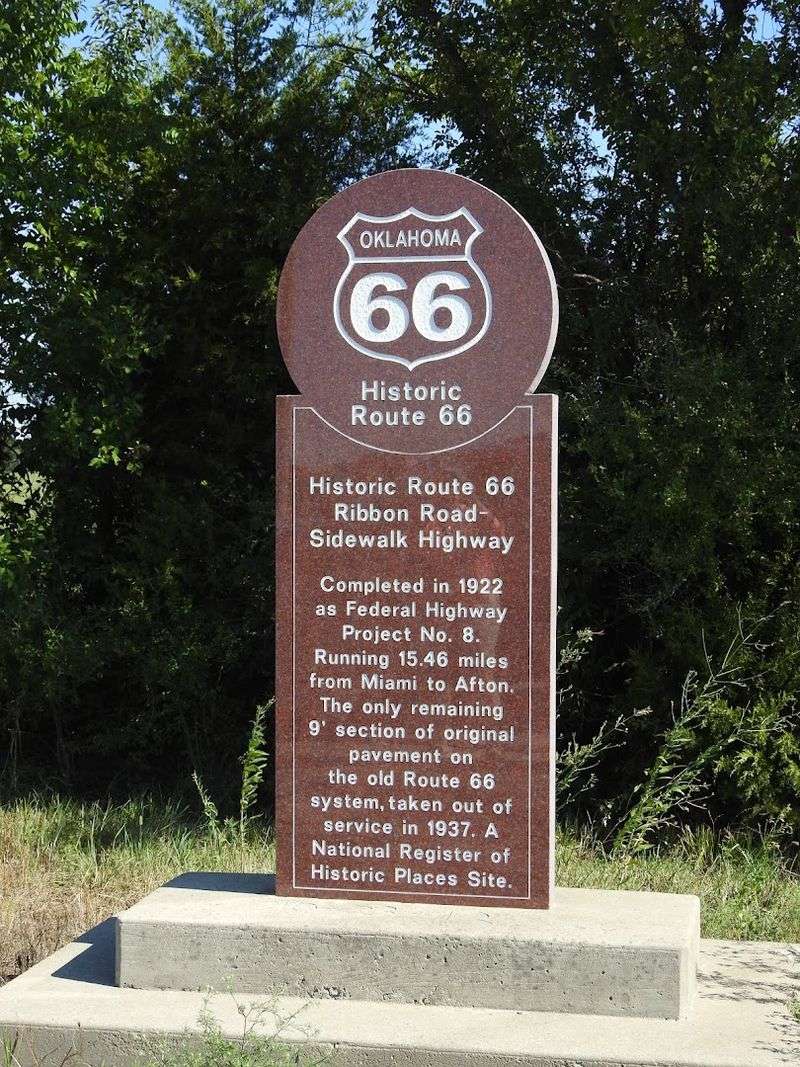
Route 66 was officially designated on November 11, 1926, making it one of the original highways in the U.S. highway system. The route stretched from Chicago, Illinois, all the way to Santa Monica, California, covering approximately 2,400 miles through eight states.
Oklahoma had a significant portion of the route running through it, roughly 400 miles of the total highway. The section near Miami was among the earliest paved portions, reflecting the state’s early commitment to improving its road infrastructure for both commerce and travel.
Through the 1930s, Route 66 became famous as the road that many families traveled during the Dust Bowl migration westward, a period that John Steinbeck immortalized in The Grapes of Wrath by calling it the Mother Road. That emotional resonance has never fully faded from the highway’s identity.
By 1985, Route 66 was officially decommissioned as a U.S. highway, replaced by the interstate system. Yet the ribbon road section near Miami survived, largely because it was bypassed rather than demolished, leaving this quiet strip of concrete as a time capsule from the highway’s earliest days.
What the Road Looks and Feels Like Up Close
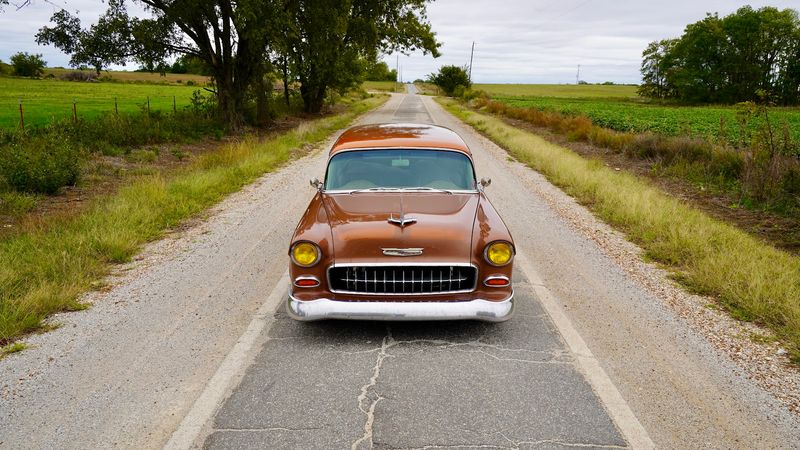
The first thing you notice up close is how genuinely rough the surface is. This is not a restored replica or a cleaned-up tourist attraction.
The concrete is original, weathered, and in places quite deteriorated, with grass and weeds pushing up through cracks that have widened over decades.
The road is narrow enough that standing in the center and extending both arms would bring your fingertips close to both edges. That nine-foot width feels surprisingly tight once you are actually on it, especially compared to the 12-foot lanes that modern highways use as their standard.
Some visitors have noted that approaching from the north when traveling east to west gives the best experience of the road’s full length and character. The surface texture underfoot or under tire is uneven enough that high-clearance vehicles handle it far better than low-slung cars.
There is a quiet, almost eerie stillness to the place on most visits. No crowds, no noise, just wind across flat land and the crunch of old concrete beneath your feet, which is a sensory experience that no museum exhibit could ever fully replicate.
Current Condition and Recent Repair Work
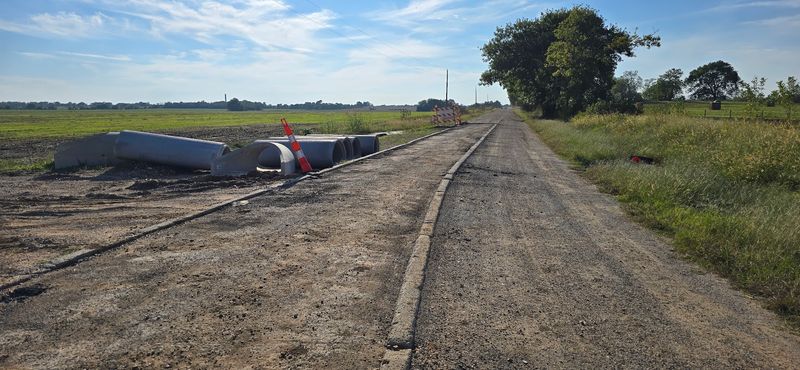
Recent visitors have reported that the ribbon road near Miami has been temporarily closed or partially obstructed by construction activity. The nature of the work appears to be preservation-related, which is genuinely encouraging news for anyone who cares about keeping this piece of history intact.
The road has suffered significant wear over the decades, and the combination of weather, vegetation growth, and the occasional adventurous driver has taken a toll on the original concrete. Some stretches have become so rough that they are nearly indistinguishable from a gravel or dirt road at first glance.
Preservation efforts along Route 66 in Oklahoma have gained momentum in recent years, supported by both state initiatives and national historic preservation organizations. The fact that any repair or restoration work is happening at this site is a positive sign that local and regional stakeholders recognize its historical value.
Before planning a visit, checking current conditions through the website at route66times.com or contacting the listed phone number at +1 980-981-3500 is a smart move. Construction schedules can change, and the last thing you want is to make the trip only to find the access point blocked.
Why So Few Original Sections Still Exist
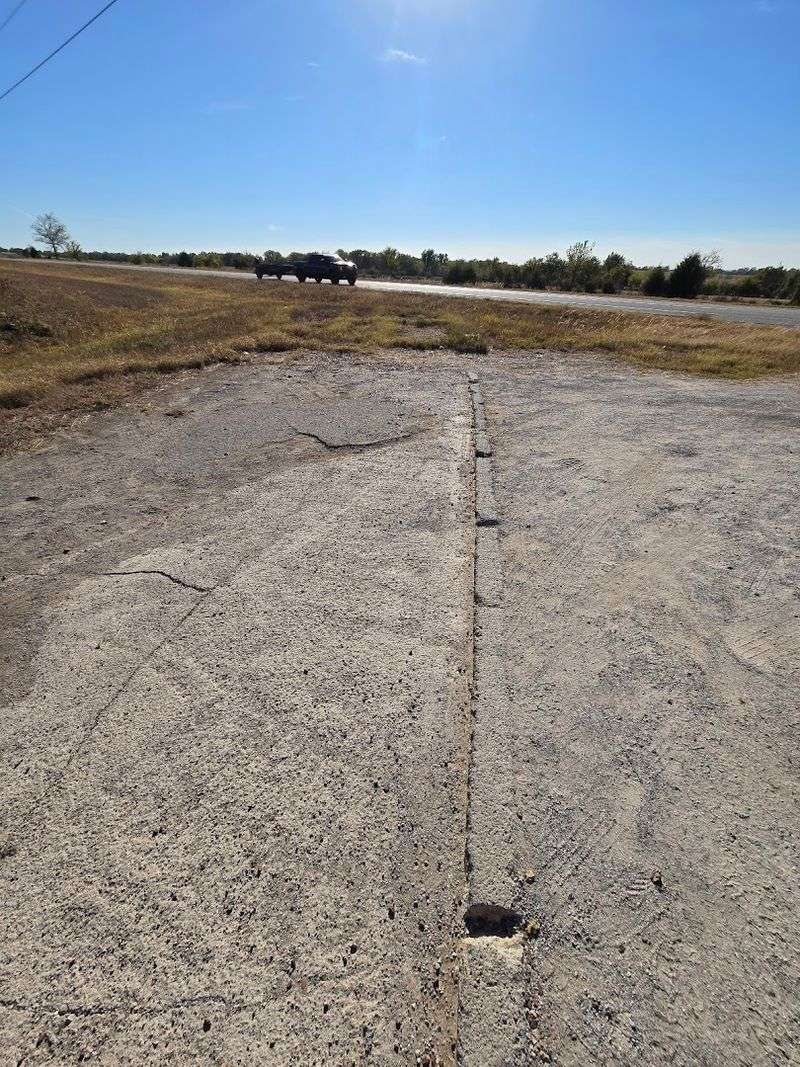
The survival of the ribbon road near Miami is something of a minor miracle when you consider how aggressively the American highway system was rebuilt and expanded through the mid-20th century. The interstate highway program, launched in 1956, triggered a nationwide wave of road widening, rerouting, and demolition that wiped out enormous stretches of the original Route 66.
Sections that were not converted into wider modern roads were often simply abandoned, and abandonment in rural areas usually means nature reclaims the surface within a generation. Trees, grass, flooding, and frost heave can reduce a concrete road to rubble surprisingly quickly without regular maintenance.
The Miami ribbon road survived partly because of its remote location and partly because it was bypassed rather than repurposed. Nobody needed to tear it up, so it was left in place, which turned out to be a lucky outcome for history enthusiasts everywhere.
Today, researchers and Route 66 historians estimate that only a handful of nine-foot original concrete sections remain anywhere along the entire route. Each surviving stretch is therefore not just a local curiosity but a nationally significant artifact of American infrastructure and culture, sitting quietly in the Oklahoma countryside.
The Broader Route 66 Culture Around Miami, Oklahoma
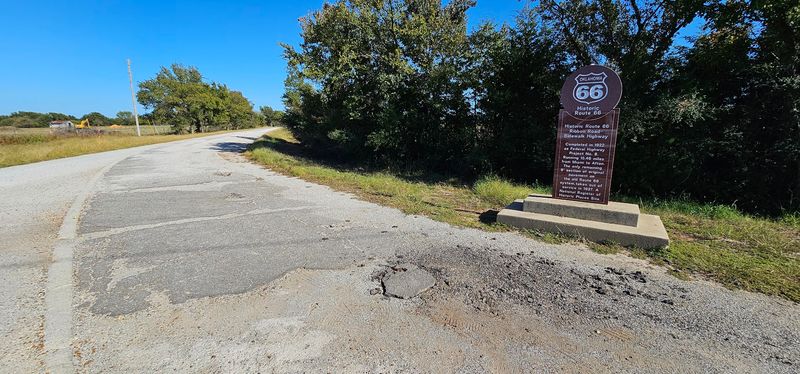
Miami, Oklahoma sits right in the heart of one of the most Route 66-rich stretches of the entire highway. The northeastern corner of Oklahoma, sometimes called Green Country, offers a dense concentration of historic Route 66 landmarks within a short drive of each other.
The Sidewalk Highway near Afton, the Coleman Theatre in downtown Miami, and the Buffalo Ranch are all within a reasonable drive of the ribbon road. This part of Oklahoma rewards travelers who slow down and actually stop at the smaller, less-publicized sites rather than just blasting through on the interstate.
Miami itself has a downtown that retains some of its historic character, with the Coleman Theatre standing as one of the finest examples of Spanish Colonial Revival architecture in the region. Built in 1929, just a few years after the ribbon road was poured, the theater is a beautiful reminder of the optimism that defined that era.
The local community takes genuine pride in its Route 66 heritage, and that pride shows in the way small businesses, historical societies, and tourism groups work together to keep these stories alive for visitors who make the effort to seek them out.
Tips for Visiting the Ribbon Road
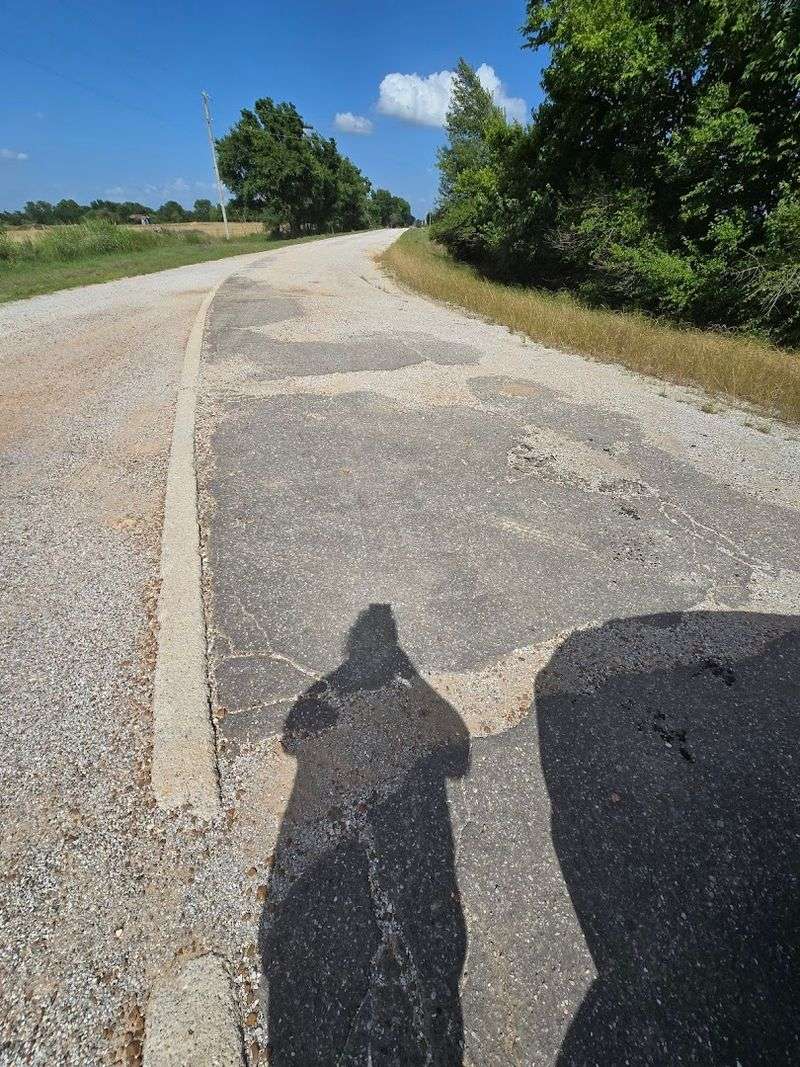
A few practical notes can make the difference between a satisfying visit and a frustrating one. The road surface is genuinely rough, so bringing a vehicle with decent ground clearance is a smart call.
Several visitors have noted that low-clearance cars risk scraping on the uneven concrete, which would put a quick damper on the experience.
Approaching from the north when traveling in an east-to-west direction gives the best view of the road’s full length and makes navigation easier. The surrounding roads are rural and not always clearly marked, so having GPS coordinates loaded before you arrive is helpful.
The site is open around the clock, but a daytime visit is far more rewarding. The light helps you see the texture and condition of the original concrete, and you can take photographs that actually capture the character of the place.
Comfortable walking shoes are a good idea, since the surface is uneven enough that walking it is more enjoyable than trying to drive it in a standard vehicle. Bring water, especially in summer, since there are no facilities of any kind at this location.
The experience is simple, quiet, and completely free, which honestly makes it even better.
Why Road History Enthusiasts Make the Pilgrimage
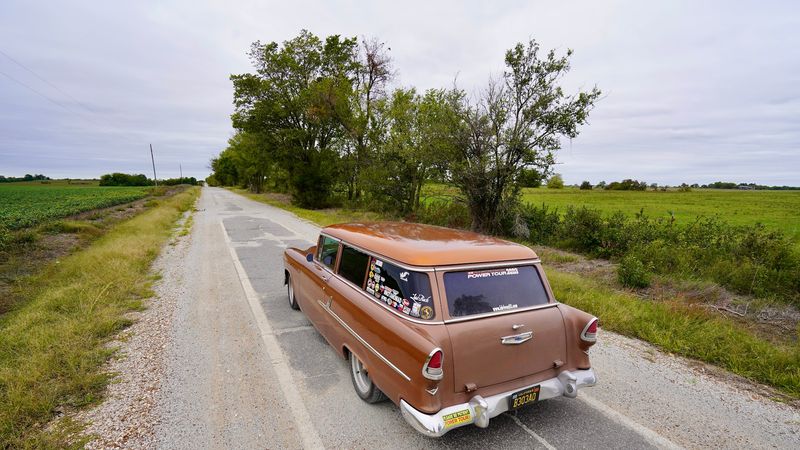
For the community of Route 66 devotees that spans the globe, the ribbon road near Miami is not just a curiosity. It is a pilgrimage site, one of the few places where you can stand on the actual original roadbed and feel a direct physical connection to the highway’s earliest days.
International visitors have made the trek to this quiet Oklahoma corner specifically to see this stretch of concrete. Reviews in French and Spanish among the site’s visitor comments reflect just how far the road’s reputation has traveled.
Route 66 enthusiasts often describe the experience in terms of reverence rather than entertainment. The road is not visually spectacular, and there is no interpretive center or gift shop to soften the encounter.
What it offers instead is raw, unmediated contact with a piece of American history that most people will never know existed.
That combination of obscurity and authenticity is exactly what draws serious road history fans to places like this. The ribbon road does not try to be anything other than what it is, an old piece of concrete that somehow outlasted almost everything around it, and that quiet stubbornness is its greatest appeal.
Share this story