Some of the tools that changed daily life never got a spot in the spotlight. They sat in museums, lab drawers, and old patents while newer gadgets took the credit.
This list brings together 17 inventions and ideas that most people rarely hear about, from ancient gears to towers that sent messages across France. Each one left a mark on how we travel, talk, work, and learn.
A few were never finished, a few were overshadowed by famous rivals, and one was never even a real machine. Together they show that big changes often start with quiet experiments.
Read on to see how much of your day depends on the work of people you may never have heard of.
Antikythera Mechanism
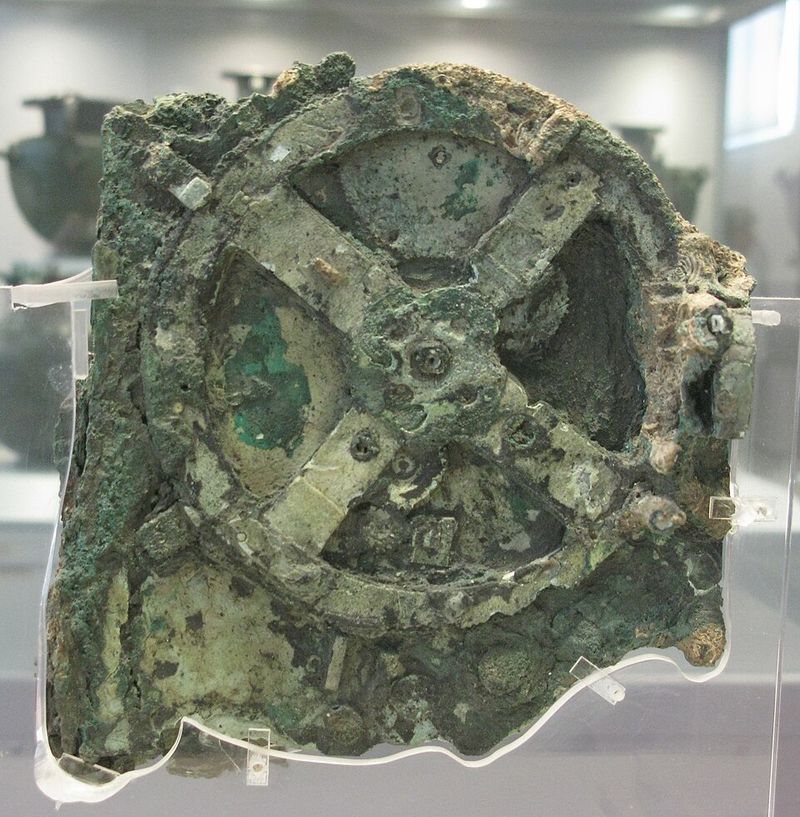
More than 2,000 years before digital computers, Greek engineers built a machine packed with interlocking bronze gears. Divers recovered it from a shipwreck near the Greek island of Antikythera, and researchers date it to around the second century BCE.
Studies show it displayed astronomical information and tracked cycles of the Sun and Moon. It could also predict eclipses, which required some seriously clever calculations for its time.
Because of this complexity, many people call it the world’s oldest known analog computer. No surviving device with a comparable system of gears is known from the centuries that followed.
Its discovery changed how historians view ancient Greek engineering. Skills once thought to appear much later were clearly already in the toolbox, and that makes this corroded lump of bronze one of the most surprising finds ever pulled from the sea.
Semaphore Telegraph
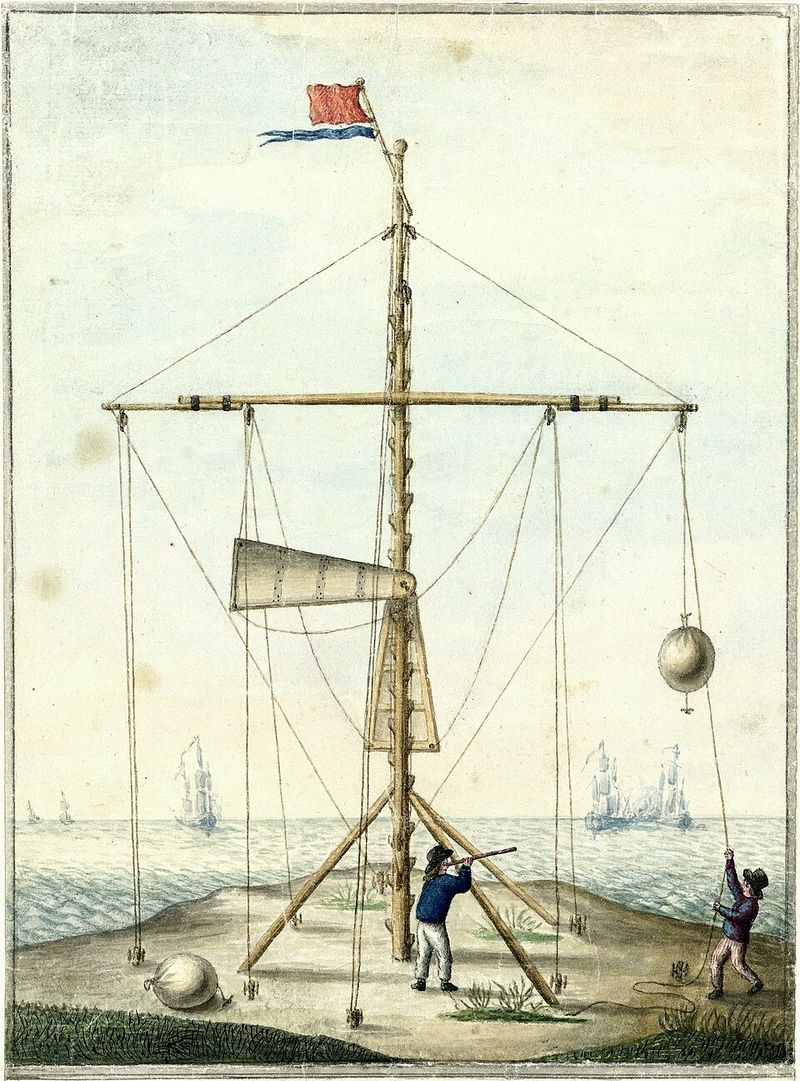
Picture a hilltop tower with big wooden arms waving at the next tower miles away. That was the semaphore telegraph, developed by French inventor Claude Chappe during the French Revolution.
Towers were placed so an operator could see the neighboring station through a telescope. The arms were set into fixed positions that stood for coded information.
An operator watched the signal, copied it on the next tower, and the message moved down the line. Government and military news that once needed a rider for hours or days could travel much faster.
Electrical telegraphy eventually made the system obsolete. Still, the idea changed how people thought about communication, since it proved that information could move far faster than the person carrying it.
That lesson paved the way for everything from telephones to texting.
Davy Lamp
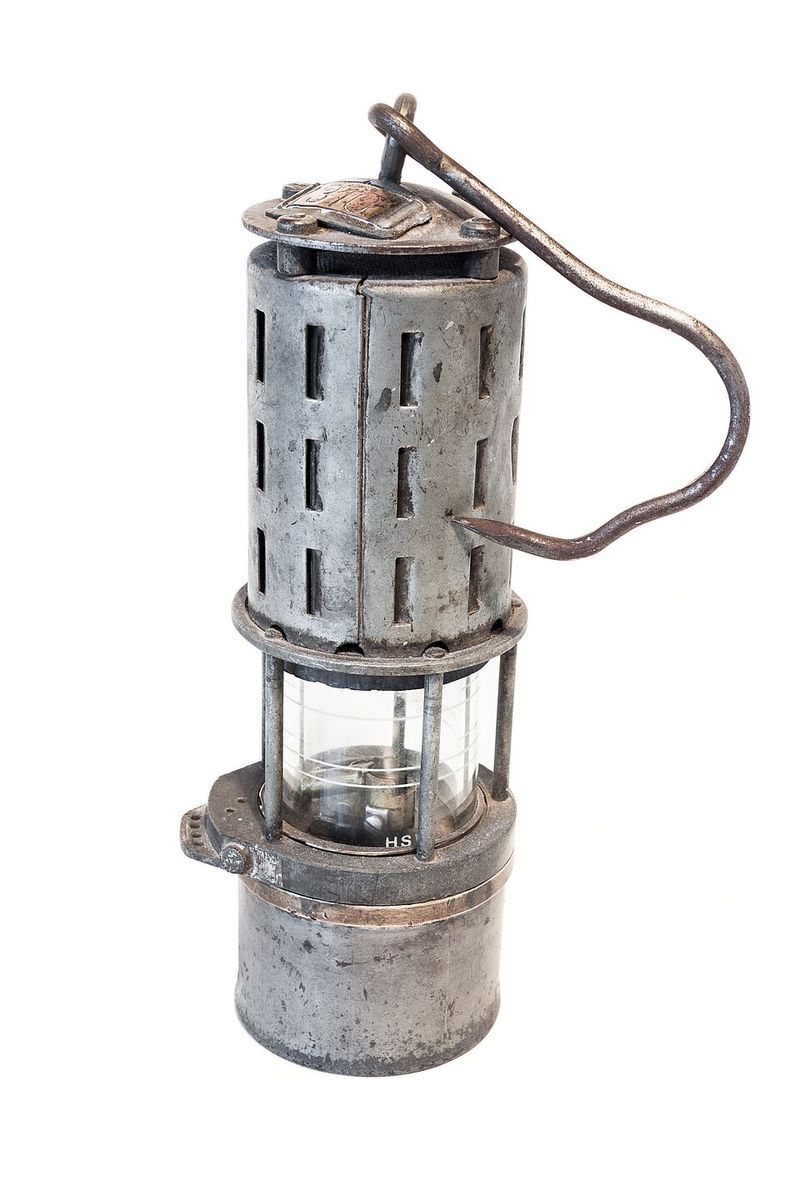
Coal miners once worked with a quiet danger overhead and around them: pockets of methane that could ignite from an open flame. British chemist Humphry Davy introduced his safety lamp in 1815 as one answer to that problem.
The flame sat inside fine metal gauze. The gauze let light and air pass through while keeping enough heat inside to avoid easily igniting the gas outside.
The story is a bit more crowded than the name suggests. Other inventors were working on mining safety lamps during the same period, so no single person solved everything.
Even so, the Davy lamp became one of the best-known symbols of early industrial safety. It was more than a light source, because it showed that smart engineering could make hard and risky jobs safer for the people doing them.
Telautograph
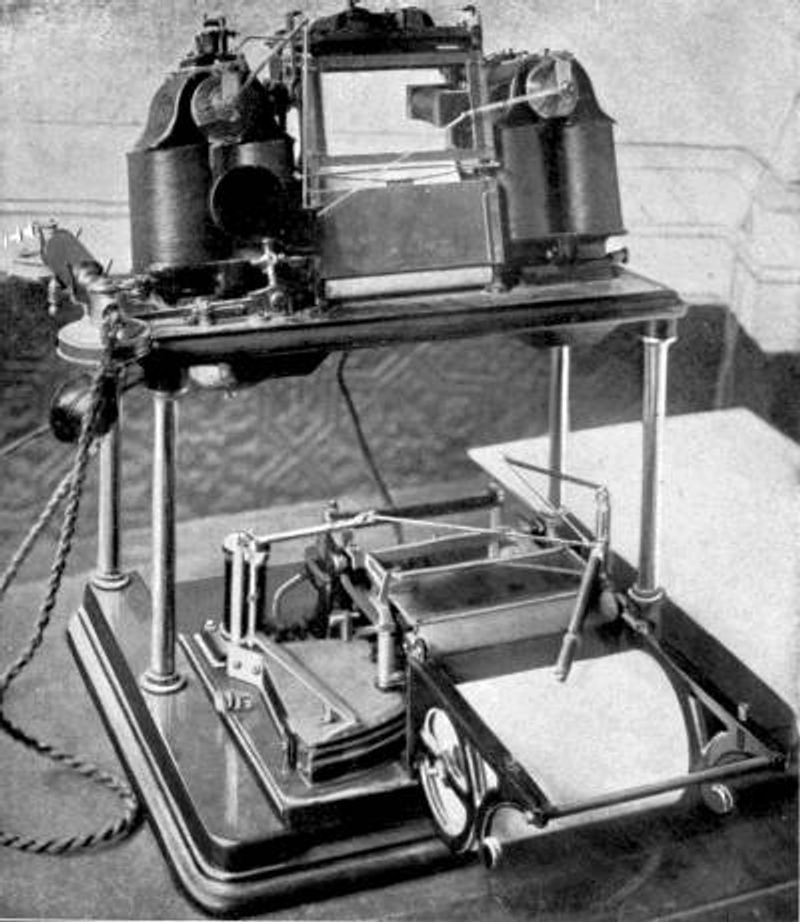
Sign your name in one city and watch a second pen copy it in another. That was the promise of the telautograph, which existed more than a century ago.
Inventor Elisha Gray received patents for the technology in 1888 and 1891, and it was shown to the public in the 1890s. A transmitter followed the movement of a pen, and electrical signals carried those movements over wires.
At the other end, a receiving pen reproduced the motion on paper. In other words, it was an early attempt to send handwriting from place to place.
More convenient systems eventually took over, but the goal still sounds familiar. Fax machines, digital signatures, stylus input on tablets, and electronic document sharing all chase a version of the same idea, and this old device got there first.
Stirling Engine
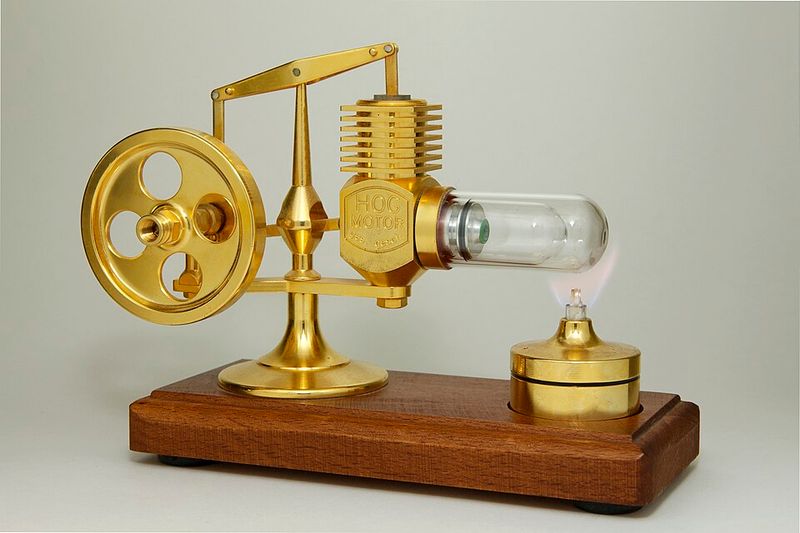
In 1816, Scottish clergyman Robert Stirling patented an engine meant to be a safer option than the steam engines of his day. It works with an external heat source instead of burning fuel inside the cylinders.
Gas sealed inside the engine expands as it is heated and contracts as it cools. That repeated motion produces mechanical work.
One big advantage is flexibility, since many kinds of heat can power it in theory. Even so, the engine never replaced steam or internal-combustion engines on a mass scale because of power-to-weight limits and other practical issues.
The principle has survived, though. Modern Stirling engines appear in specialized power generation, refrigeration, research, and solar energy projects.
An idea patented over two centuries ago still attracts engineers who want efficient ways to turn heat into useful energy.
Aeolipile
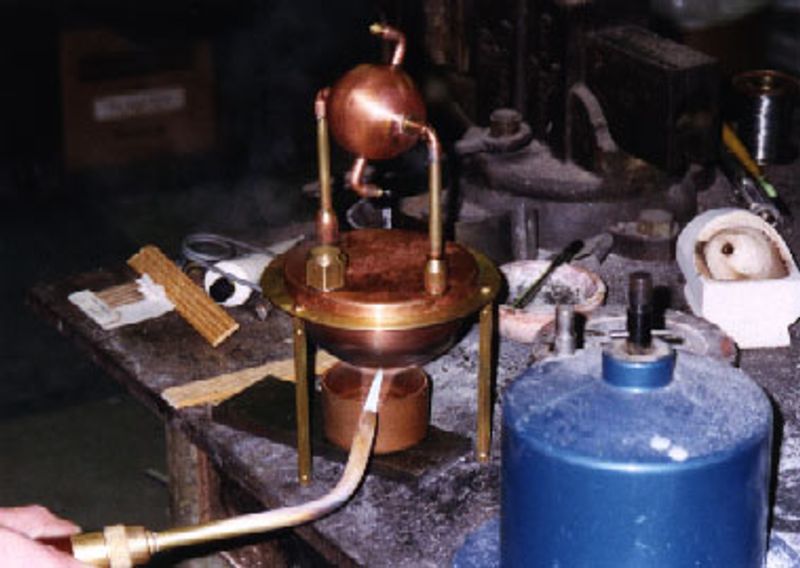
Nearly 2,000 years before steam locomotives rolled onto tracks, a small spinning sphere showed that steam could create motion. The aeolipile is most closely linked to Hero, also called Heron, of Alexandria, who described it in the Roman era.
The device was a hollow sphere set to turn on an axis. Steam flowed in and escaped through bent nozzles, and the push from the escaping steam made the sphere spin.
Calling it the first practical steam engine would be misleading, since it never grew into machinery that could run factories or vehicles.
Its value lies in the principle it demonstrated. Steam pressure can be turned into movement.
Centuries later, that same basic truth powered the Industrial Revolution, so this little spinner deserves a nod as an early hint of what was coming.
Vacuum Flask
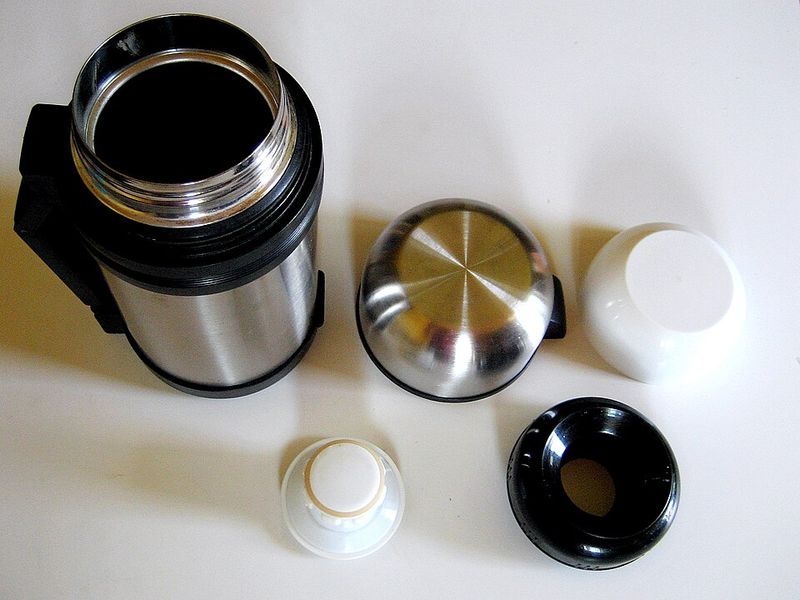
The thermos on your lunch table started life in a science lab. Scottish scientist James Dewar developed the vacuum flask in 1892 while studying extremely cold liquefied gases.
His design placed one glass vessel inside another with a partial vacuum between them. Since a vacuum greatly reduces heat transfer, the contents stay at a steadier temperature for much longer.
Dewar never patented the flask. German glassmakers saw its commercial promise, and the product became widely known under the Thermos name.
Today the same basic principle shows up in insulated coffee cups, water bottles, food jars, laboratory containers, and industrial equipment. A tool built to help researchers handle super cold materials now rides along in backpacks and lunch boxes everywhere.
Pneumatic Tube System
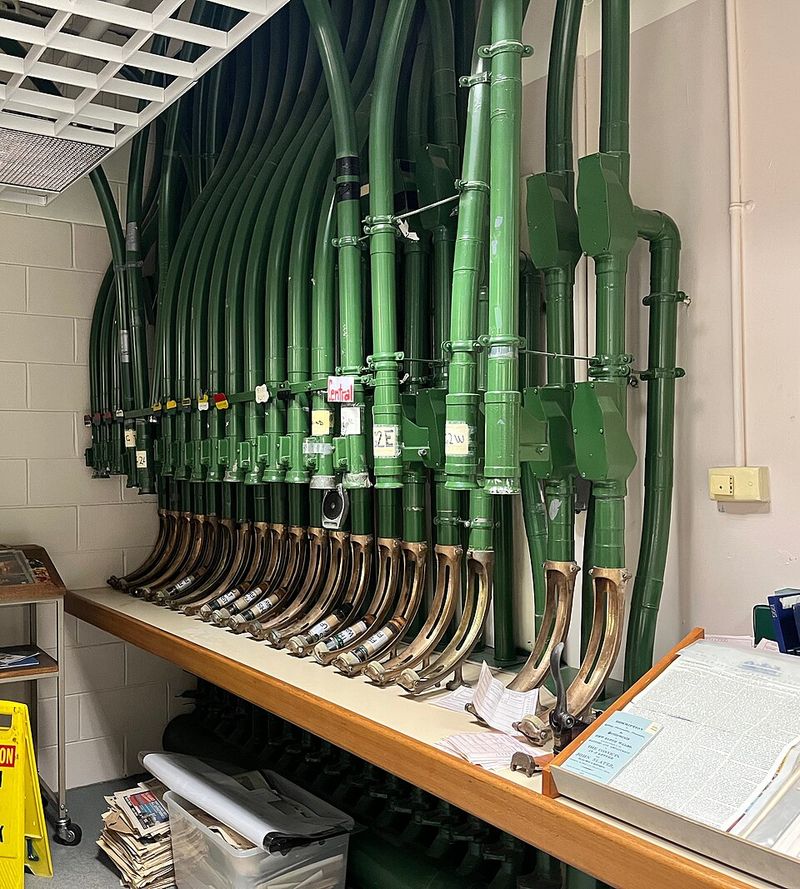
Before email and banking apps, paper and cash could be blown through buildings and under city streets. Pneumatic tube networks used differences in air pressure to push cylindrical carriers through pipes.
Banks, department stores, government offices, hospitals, and postal services adopted them because they moved money, paperwork, samples, and messages faster than a person on foot.
New York City’s postal network opened in 1897 and grew to roughly 27 miles of tubes beneath Manhattan and Brooklyn. Millions of letters traveled through it before service ended in 1953.
The technology never vanished completely. Hospitals still rely on tubes to send lab specimens, medication, and documents between departments quickly.
Some old ideas stick around simply because they still do the job remarkably well.
Edison Tinfoil Phonograph
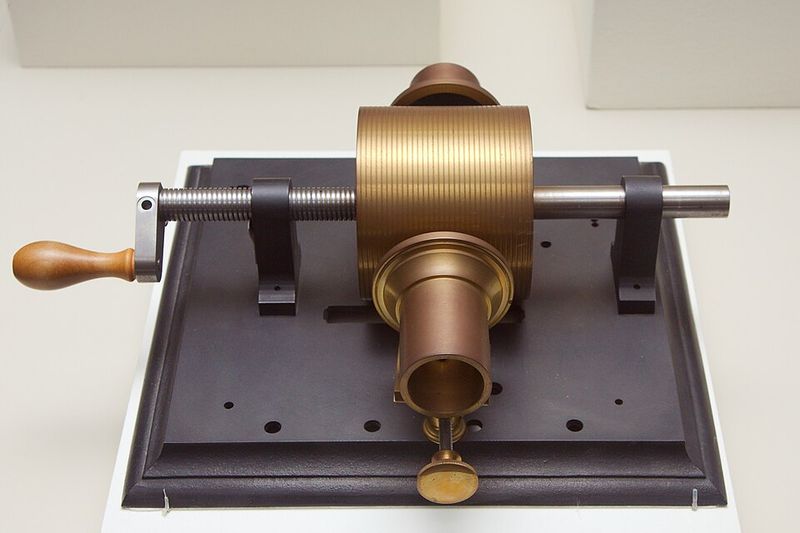
For most of human history, a voice vanished the moment someone stopped talking. Thomas Edison changed that in 1877 with a machine that could both record sound and play it back.
His first system used a cylinder wrapped in tinfoil and a stylus attached to a vibrating diaphragm. Earlier devices such as the phonautograph by Edouard-Leon Scott de Martinville traced sound waves, but they were not built to play them back.
Early tinfoil recordings were fragile and low in quality, so the format itself did not last.
The idea certainly did. Wax cylinders, gramophone records, magnetic tape, compact discs, MP3 files, podcasts, and streaming music all trace back to the simple thrill of capturing sound for later.
Wimshurst Machine
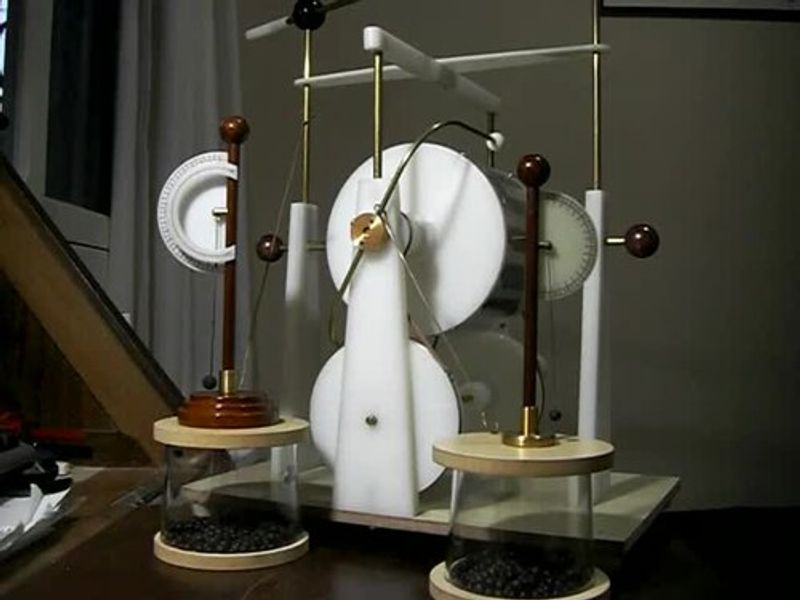
Two big spinning discs and a crackling spark make the Wimshurst machine look like a prop from an old science fiction film. Its real story is just as interesting.
British engineer James Wimshurst perfected the electrostatic influence machine that carries his name in the late 19th century. He did not invent the type from scratch, since Wilhelm Holtz and August Toepler had already built rotating disc generators.
Wimshurst refined the design into a reliable one. The discs turn in opposite directions and build up electrical charge through electrostatic induction, until a high-voltage spark jumps between terminals.
Scientists used such machines to demonstrate and study electrical effects before modern electronics made those experiments easier. Today you can still spot the Wimshurst machine in museums, laboratories, classrooms, and science demonstrations.
Jacquard Loom
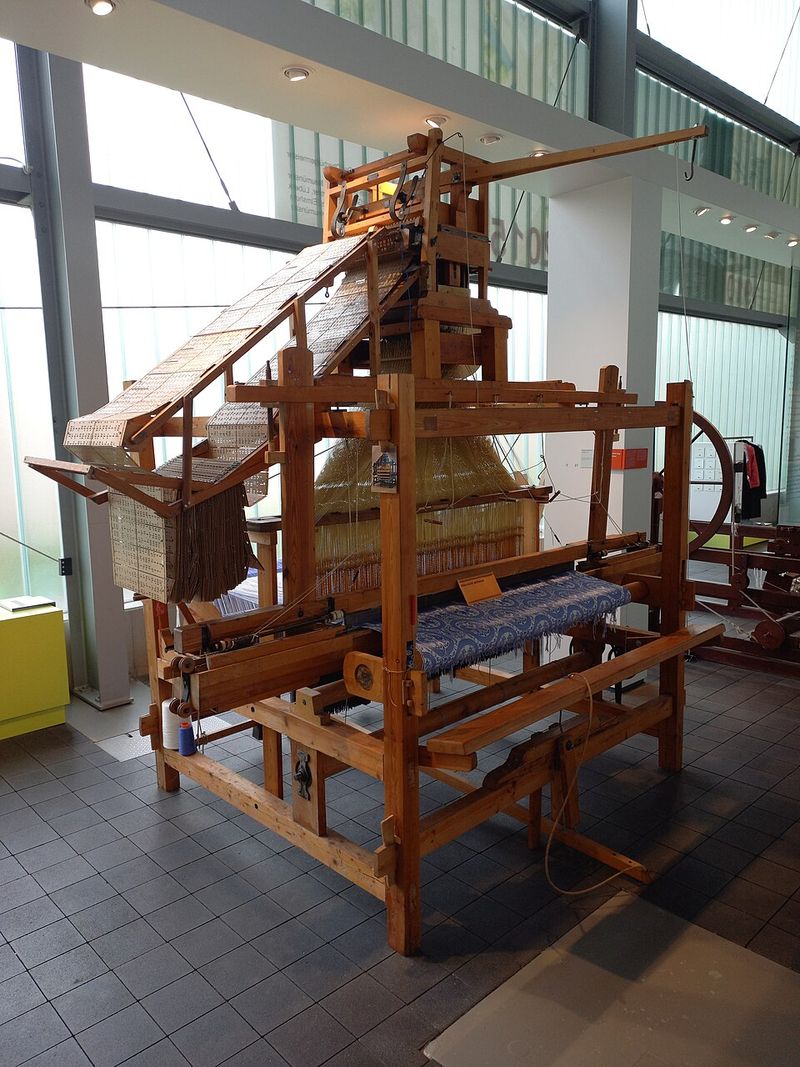
Nobody admiring a fancy woven silk pattern thinks of computer code. Yet an early 19th-century loom helped plant an idea that later became central to computing.
In 1801, Joseph Marie Jacquard demonstrated a French loom that used chains of punched cards to control which warp threads were lifted. Different hole patterns made different designs.
Instead of a worker handling every part of an intricate pattern, the instructions could be stored on cards and repeated by the machine.
Charles Babbage later planned to use punched cards in his Analytical Engine, and punched-card data processing became hugely important in early computing.
The loom was made for textiles, not for calculating. But its core concept was powerful: information can be stored physically and used to control a machine automatically.
Marine Chronometer
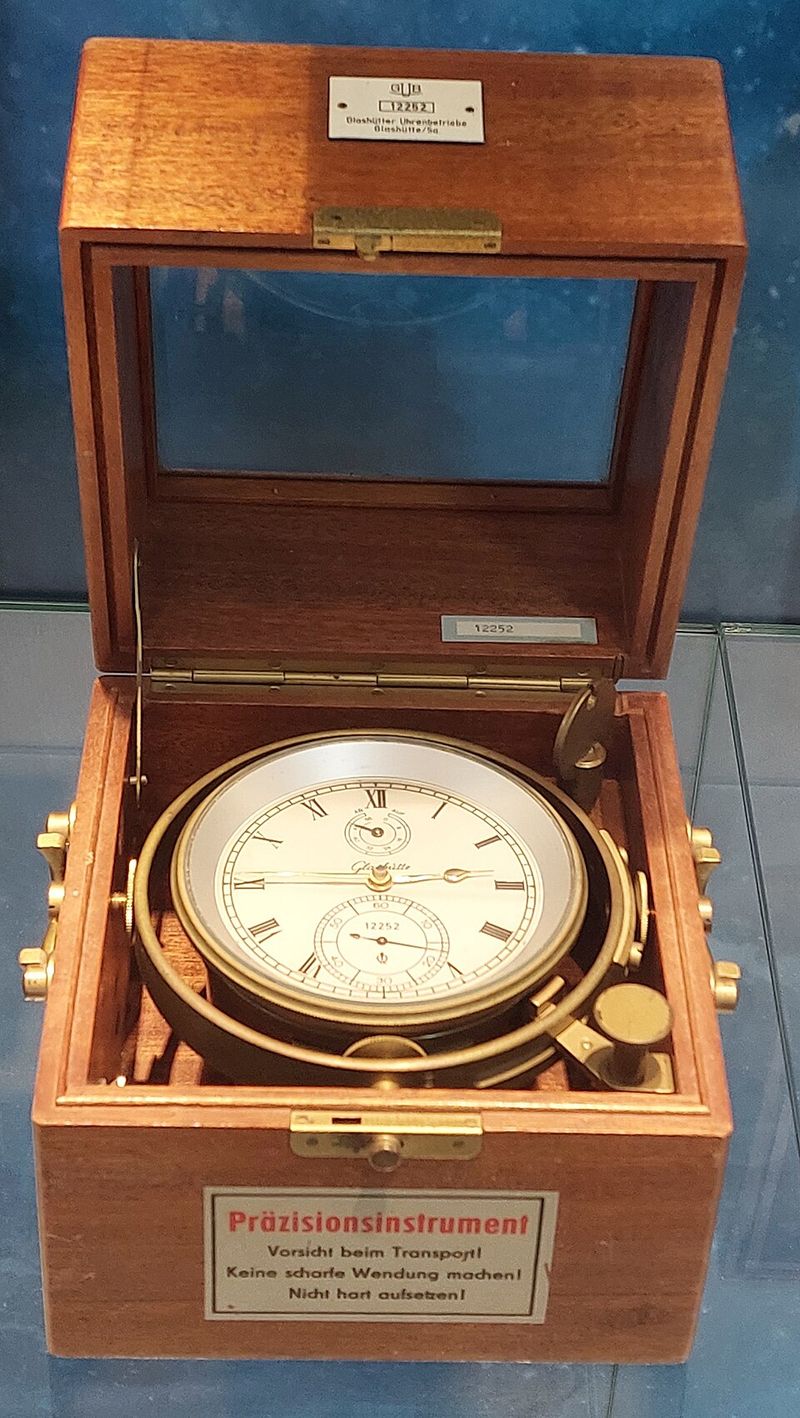
Sailors could find latitude fairly well, but longitude was a much tougher puzzle. The fix depended on knowing the exact time at a reference point while also knowing local time on the ship.
That meant building a clock accurate enough to keep working on a vessel facing temperature swings, damp air, and constant motion.
English clockmaker John Harrison spent decades on the problem in the 18th century and produced increasingly refined marine timekeepers. His work showed that accurate portable timekeeping could make reliable longitude calculations possible.
The marine chronometer helped make long voyages safer and maps more accurate. It also supported trade, exploration, and naval operations.
GPS now gives a position almost instantly, but accurate time at sea was once among the most valuable things a ship could carry.
Maxwell’s Demon
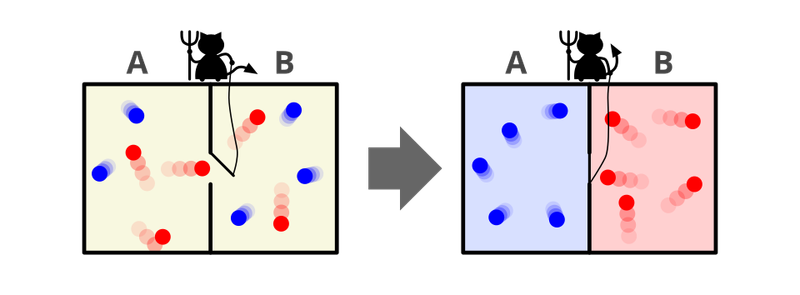
Here is the odd one out on this list, because Maxwell’s Demon was never a real machine. It was a thought experiment.
Physicist James Clerk Maxwell imagined a tiny being operating a door between two chambers of gas. By letting faster molecules go one way and slower ones the other, the creature seemed able to create a temperature difference without the energy cost that classical thermodynamics expects.
Maxwell introduced the idea in the 19th century. It became an important way of thinking about entropy, thermodynamics, measurement, and information.
Modern physicists have even built experimental systems inspired by the concept to explore how information and energy are connected.
It may not be a forgotten invention in the strict sense, but its influence on science earns it a place here.
Electric Telegraph
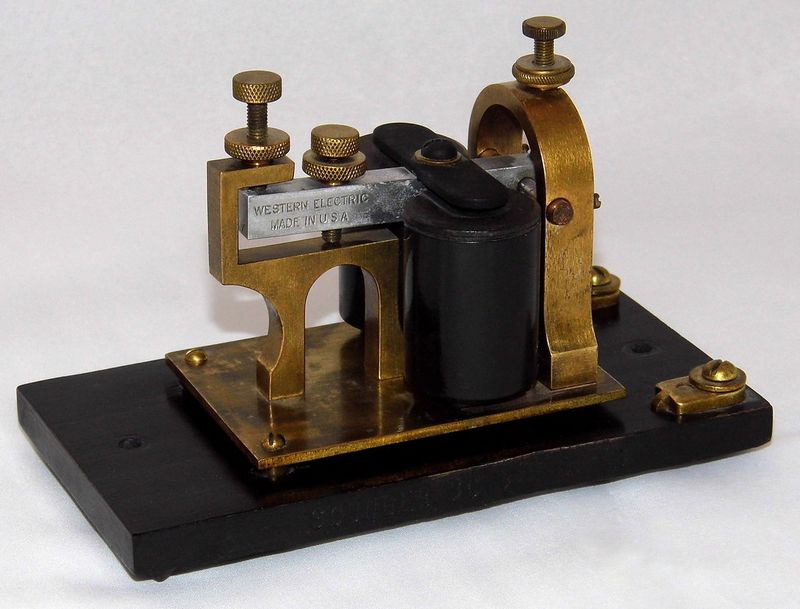
The electric telegraph split the speed of communication from the speed of travel, which earlier generations could barely imagine. Instead of sending letters by ship, train, or coach, people sent electrical signals down wires almost instantly.
No single inventor deserves all the credit. In Britain, William Fothergill Cooke and Charles Wheatstone built commercial systems, while in the United States Samuel Morse and his collaborators developed another influential system and the code tied to his name.
Telegraph lines eventually linked cities, countries, and continents. News, market prices, government orders, personal notes, and military messages suddenly moved at a pace nobody had seen.
The telephone, radio, internet, and instant messaging later passed it by. The telegraph had already shown the world what near-instant long-distance communication could do.
Camera Obscura
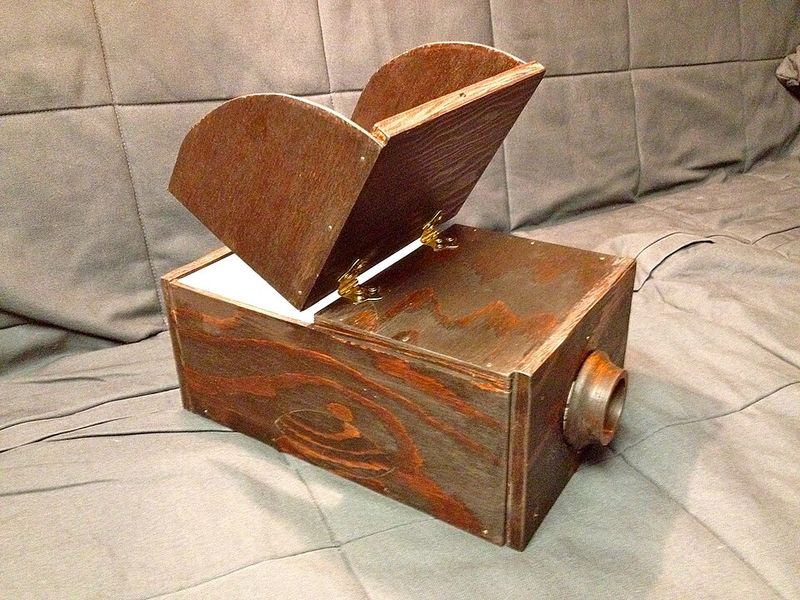
Long before anyone could save a photograph, the basic idea behind the camera was already known. A camera obscura is a dark room or box with a small opening on one side.
Light passing through that opening projects an upside-down image of the outside scene onto the opposite surface. Scholars in many cultures studied the effect since ancient times.
Artists later used portable versions to help with perspective and to copy scenes accurately.
The big limit was clear, though. The image could be projected but never kept.
Chemistry advances in the 19th century solved that by letting images be fixed onto light-sensitive materials. Modern cameras are far more advanced, yet they still rely on the same principle of controlling light entering an enclosed space to form a picture.
Difference Engine
Charles Babbage was tired of math tables full of human errors, which caused headaches in 19th-century science and navigation. His answer was a machine.
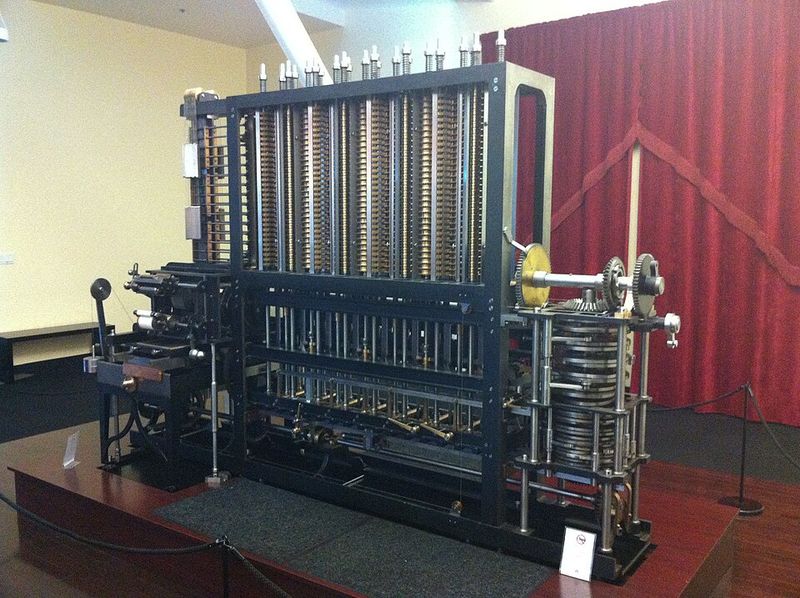
In the 1820s he designed the Difference Engine to calculate mathematical tables automatically using gears and precision parts. The full machine was never finished in his lifetime, but that does not mean the design was impossible.
More than a century later, the Science Museum in London built Difference Engine No. 2 from his plans. The Computer History Museum notes that a working version was completed in 1991.
Babbage also conceived the Analytical Engine, which included ideas resembling general-purpose computing.
His machines belonged to the mechanical age, yet the question behind them sounds modern: could a machine process instructions and handle complex calculations on its own? History answered yes.
The Glider
Powered airplanes did not appear fully formed in 1903. Before engines could carry people through the air, pioneers had to learn about wings, lift, drag, stability, and control.
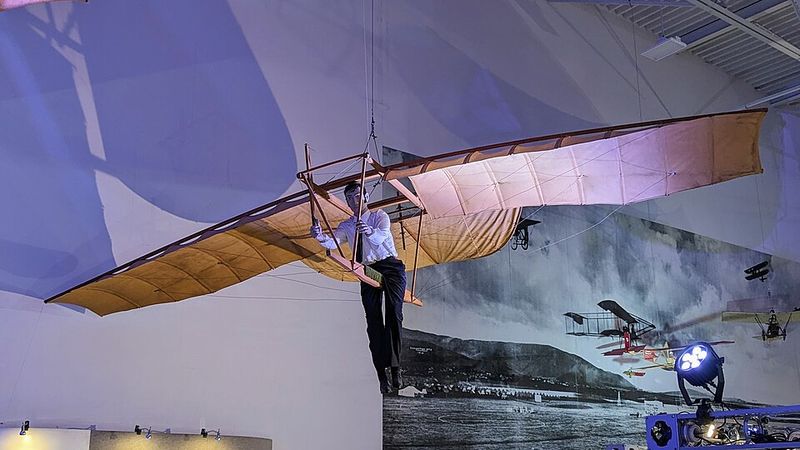
Gliders became their testing ground. German aviation pioneer Otto Lilienthal ran detailed aerodynamic experiments and made nearly 2,000 short glides between 1891 and 1896, showing that controlled human flight was possible.
His work strongly influenced Wilbur and Orville Wright. They built and tested their own gliders at Kitty Hawk, and their 1900 aircraft let them try out wing warping and pitch control.
That knowledge was essential before their powered flights.
Modern gliders are now a separate form of aviation, but their history reaches far beyond recreation. They formed the experimental bridge between the old dream of flying and the aircraft that later connected the planet.
Share this story