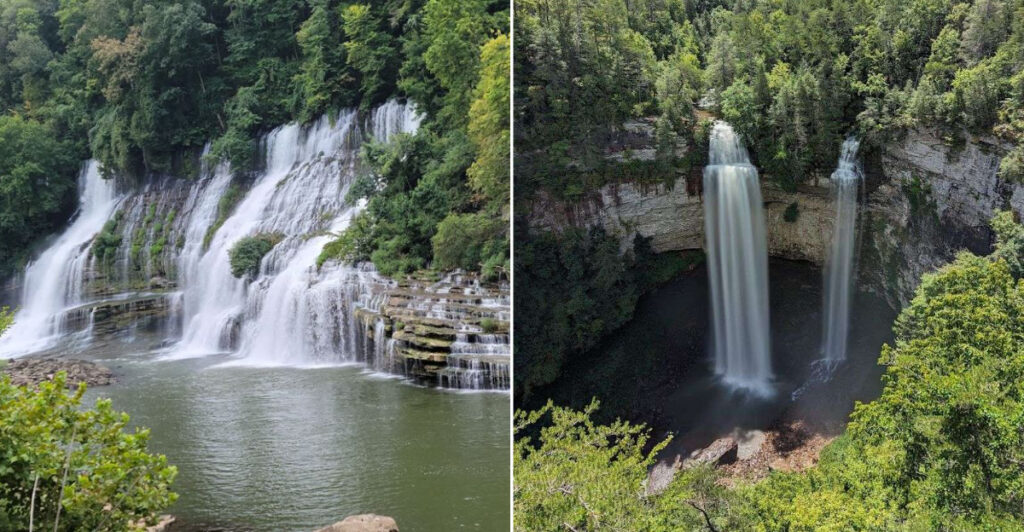
Tennessee is loaded with some of the most jaw-dropping waterfalls in the entire Southeast, and the best part is that many of them are within a few hours of each other. Whether you are planning a weekend getaway or a full road trip loop through the state, chasing waterfalls here is genuinely one of the best ways to see what Tennessee has to offer.
From thundering 256-foot plunges to quiet backcountry cascades tucked inside remote gorges, the variety is remarkable. This list covers 11 waterfall hikes across the state that reward you with real scenery, real adventure, and the kind of views that make you want to pull over and stay a little longer than planned.
Fall Creek Falls, Tennessee
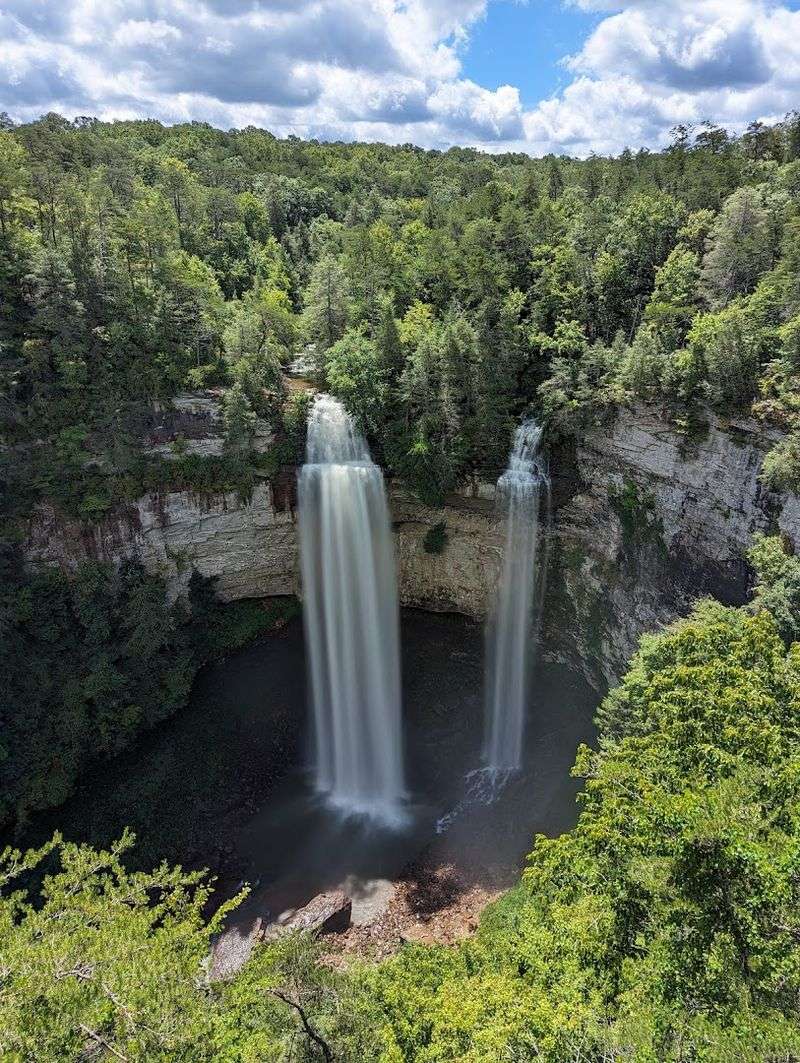
At 256 feet, Fall Creek Falls is one of the tallest free-falling waterfalls east of the Rocky Mountains, and standing at the overlook for the first time genuinely stops you in your tracks. Located inside Fall Creek Falls State Park near Spencer, Tennessee, this is one of the most visited natural landmarks in the entire state.
The park offers multiple trail options ranging from easy overlook walks to more challenging gorge hikes that bring you right to the base of the falls. The Gorge Overlook Trail and the Paw Paw Trail are both popular routes for visitors who want different perspectives of the falls and the surrounding forest.
Beyond the main waterfall, the park also features Cane Creek Falls, Piney Creek Falls, and Rockhouse Falls, making it possible to see several impressive cascades in a single visit. Camping, cabins, and a lodge are available if you want to extend your stay.
Burgess Falls, Tennessee
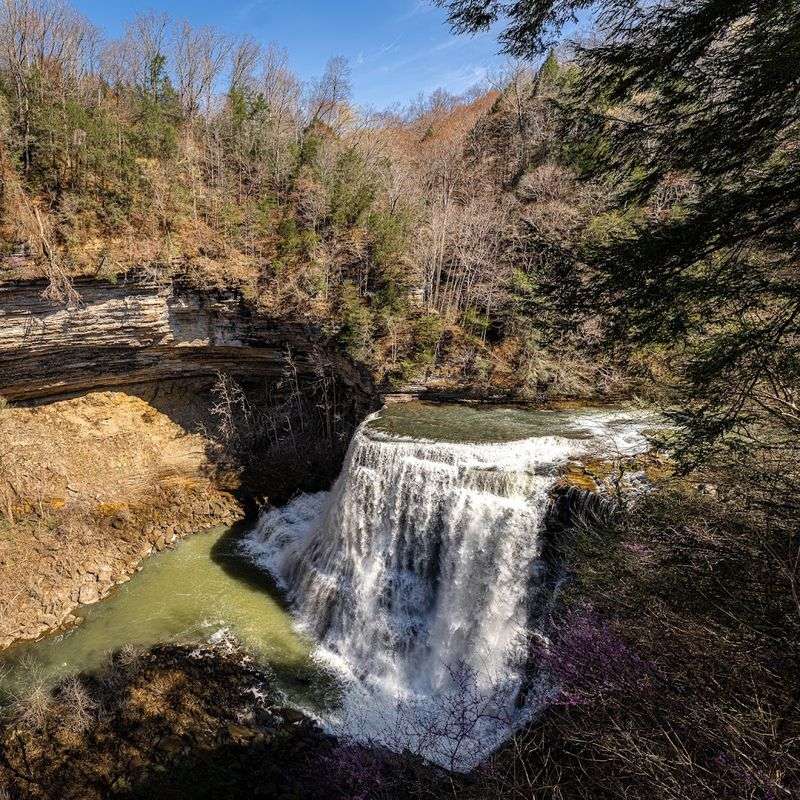
Burgess Falls State Park sits along the Falling Water River near Cookeville, Tennessee, and the trail here is one of the most rewarding waterfall hikes in the state for the effort required. The main trail runs about 3.5 miles round trip and passes four distinct waterfalls before reaching the dramatic 136-foot main drop at the end.
Each waterfall along the path builds anticipation for the next one, which makes the hike feel like a progression rather than just a walk to a single destination. The final falls pour into a deep blue-green plunge pool that is genuinely striking, especially in spring when water levels are high.
The trail has some rocky and uneven sections, so solid footwear is a smart call. There is no entrance fee to visit the park, which makes it an easy add to any road trip through Middle Tennessee without needing to plan too far ahead.
Cummins Falls, Tennessee
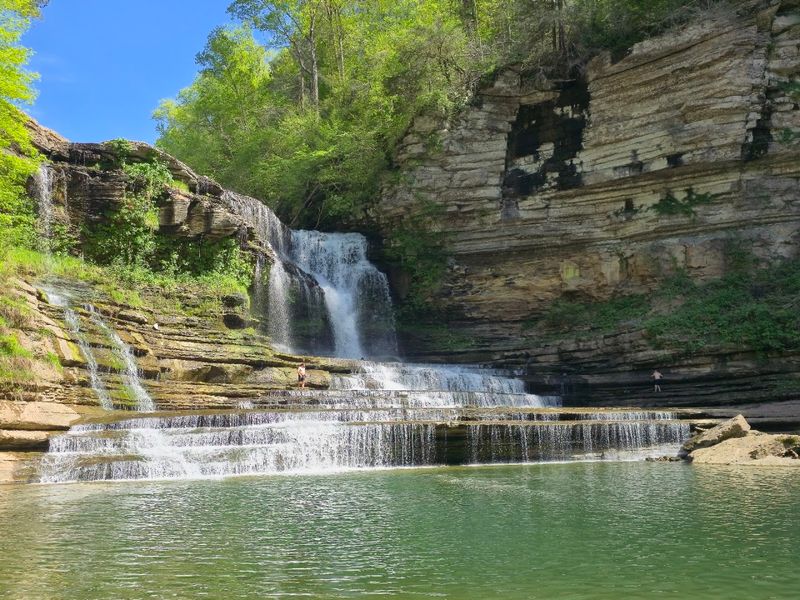
Cummins Falls near Cookeville is one of the few Tennessee waterfalls where swimming at the base is actually part of the experience. The falls drop roughly 75 feet into a wide natural pool, and on warm days the area draws a steady crowd of hikers who come prepared to get in the water.
Access requires a permit through the Tennessee State Parks reservation system, so planning ahead is necessary, especially during summer weekends. The hike itself is about 1.5 miles round trip, but it involves creek crossings and some scrambling over wet rocks, which makes it more adventurous than the distance suggests.
Water levels can rise quickly after rain, so checking conditions before you go is genuinely important here. The payoff is a dramatic waterfall with a swimmable plunge pool that feels almost too good to be real for a hike this short.
It is a strong stop for any road trip through the Upper Cumberland region.
Virgin Falls, Tennessee
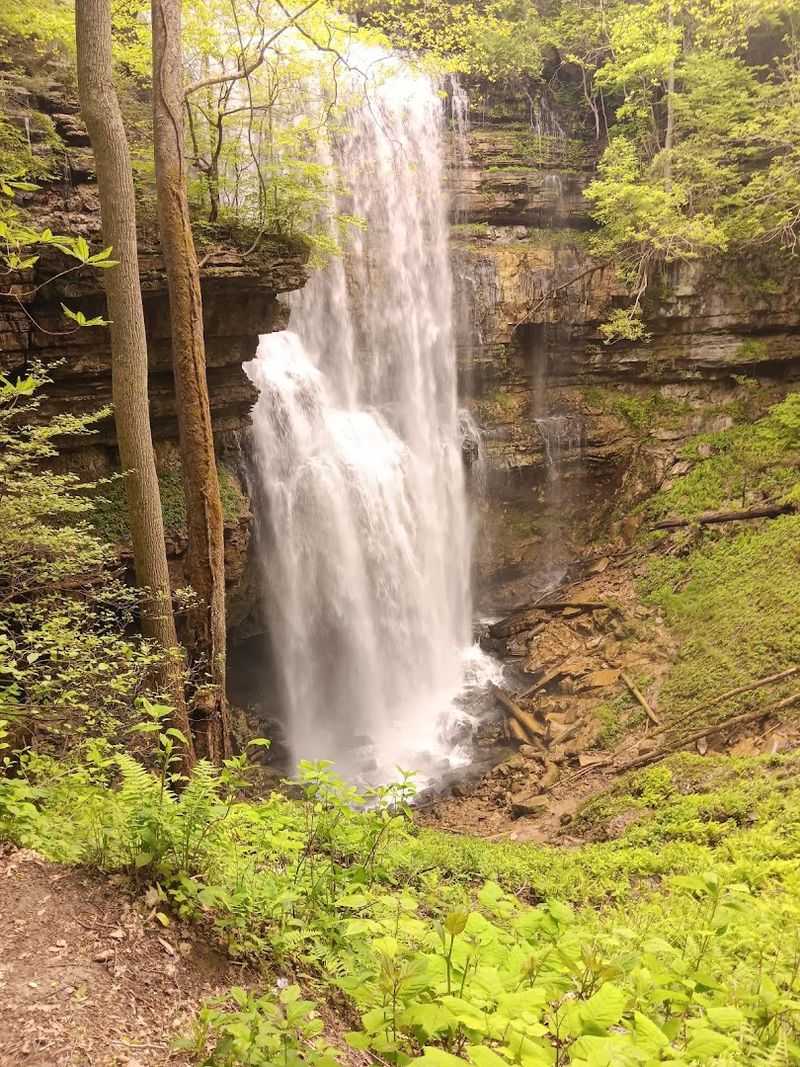
Virgin Falls is one of the most geologically unusual waterfalls in the entire state. Located in the Virgin Falls State Natural Area near Sparta, the falls emerge directly from a cave opening and plunge about 110 feet into a sinkhole below, where the water disappears underground again.
There is nothing else quite like it in Tennessee.
The hike is about 8 miles round trip with significant elevation changes, making it a serious commitment for a half-day outing. Along the trail you will also pass Big Laurel Falls, Caney Fork Falls, and Martha’s Pretty Point, which all add to the experience considerably.
This is a backcountry hike without a lot of infrastructure, so bringing plenty of water and wearing appropriate footwear matters more here than at more developed parks. The remoteness is actually part of the appeal.
If you are road-tripping through the Upper Cumberland Plateau, this hike is worth building your entire day around.
Greeter Falls, Tennessee
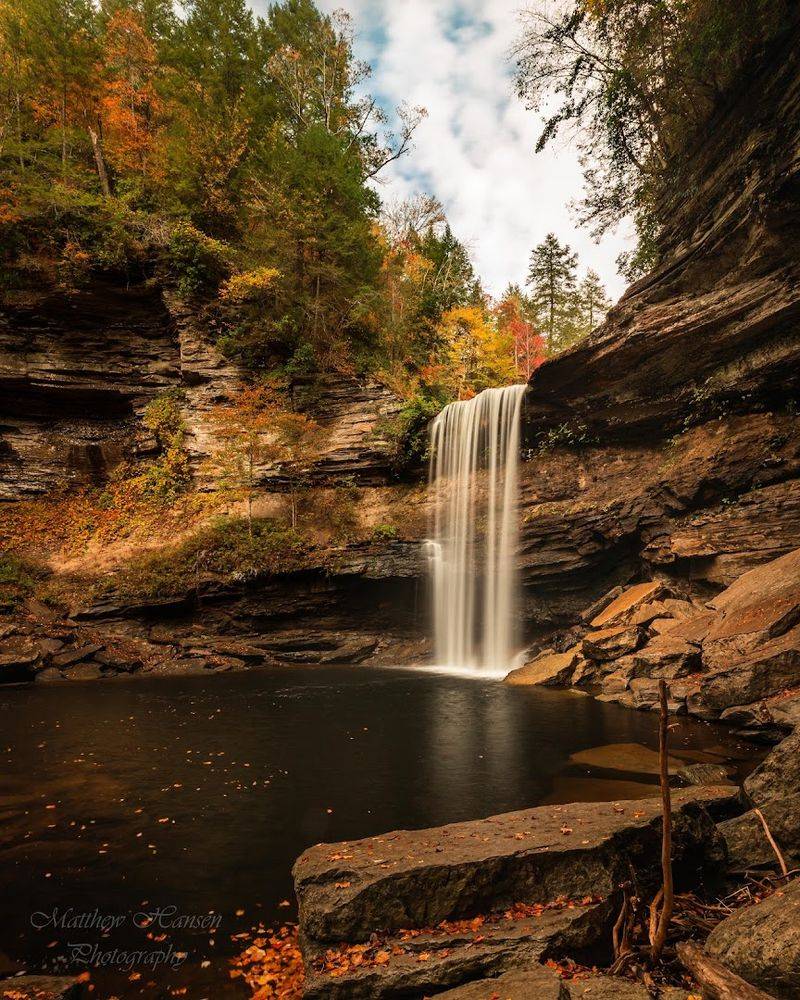
Greeter Falls sits inside Savage Gulf State Natural Area near Altamont, Tennessee, and it offers something a little different from most waterfall hikes in the state. The falls come in two tiers, with an upper cascade and a lower drop that together create a layered scene that photographs well from multiple angles.
The hike to the falls is about 2.2 miles round trip and is considered moderate, with a mix of forested trail and some rocky descent near the water. Swimming is allowed at the base of the lower falls, and the wide sandstone shelves around the pool make it a comfortable spot to rest after the walk in.
Savage Gulf itself is one of the most scenic natural areas on the Cumberland Plateau, with deep gorges and old-growth forest that feel genuinely wild. Greeter Falls is a great entry point into the area if you have not explored this part of Middle Tennessee before.
It pairs well with a longer Savage Gulf trail day.
Foster Falls, Tennessee
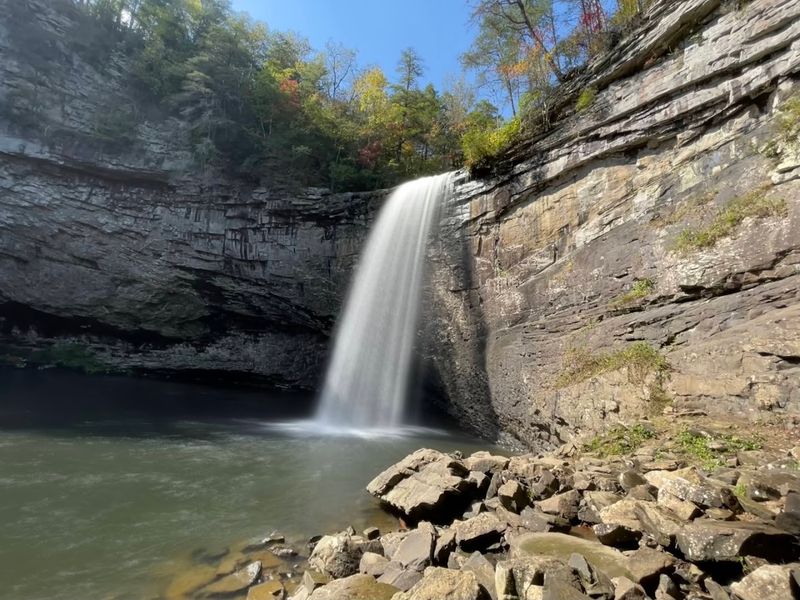
Foster Falls is part of South Cumberland State Park and sits near the small community of Gruetli-Laager, Tennessee. The falls drop about 60 feet into a wide plunge pool at the base of a sandstone cliff, and the setting has a rugged, dramatic quality that feels different from more polished park experiences.
The trail to the falls is short, roughly 0.7 miles one way, making it accessible for hikers of most experience levels. What makes Foster Falls stand out is the rock climbing.
The cliffs surrounding the falls are a well-known climbing destination, and on most weekends you will see climbers working routes along the walls while hikers enjoy the view from below.
There is a small campground nearby with basic facilities if you want to stay overnight. Foster Falls connects to a broader trail network inside South Cumberland State Park, so it works well as a starting point for a longer day of exploring the plateau.
Machine Falls, Tennessee
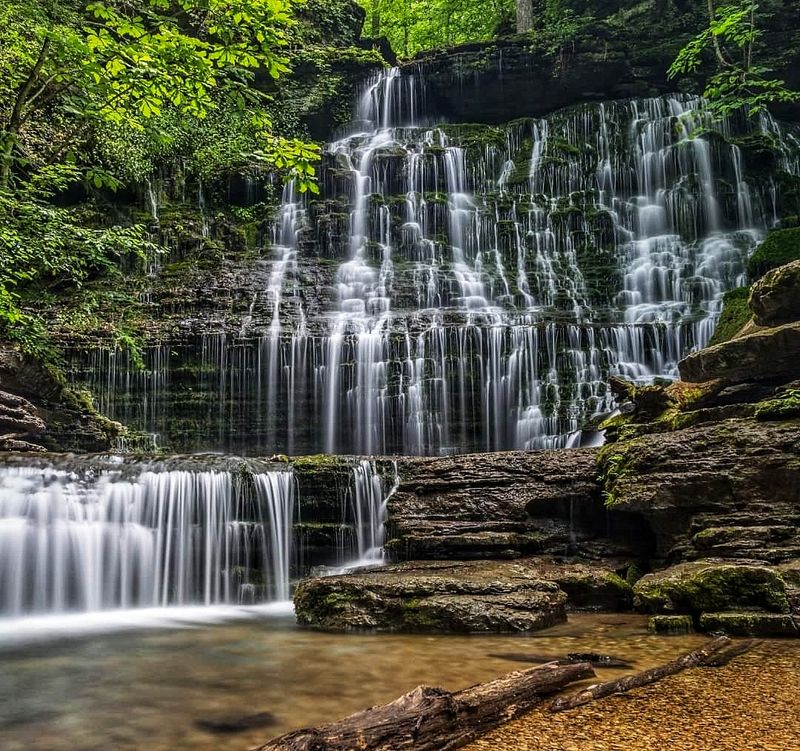
Machine Falls is one of the quieter stops on a Tennessee waterfall road trip, but that is exactly what makes it worth including. Located near Tracy City in Grundy County, the falls are part of the Short Springs State Natural Area and drop in a wide curtain over a mossy sandstone ledge into a shallow pool below.
The hike is short and relatively easy, about 1.5 miles round trip, and the trail passes through a beautiful hemlock and hardwood forest before reaching the falls. It is a good option if you are traveling with younger kids or want a more relaxed outing between bigger hikes.
Short Springs also includes Amy’s Branch Falls nearby, so you can see two waterfalls without adding much distance to your walk. The area sees far less foot traffic than nearby South Cumberland sites, which means you have a better chance of having the falls mostly to yourself on a weekday visit.
Ozone Falls, Tennessee
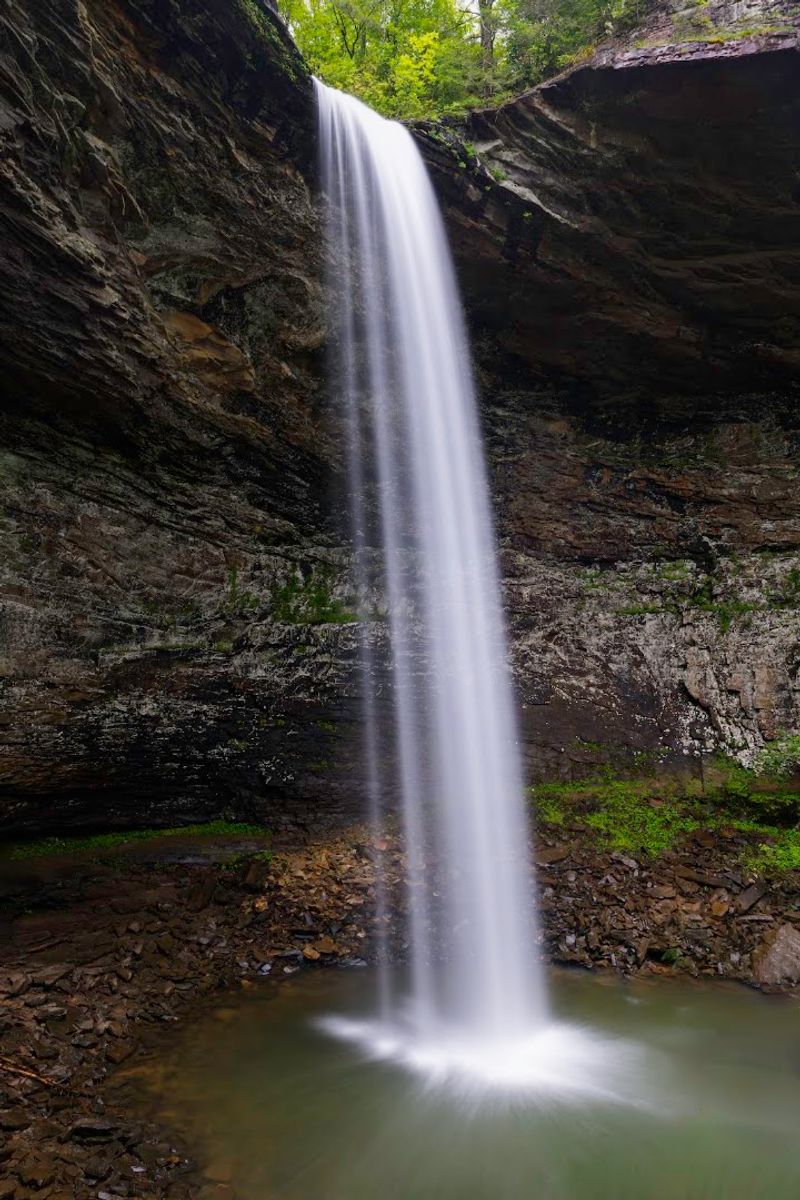
Ozone Falls is one of the most visually striking waterfalls in East Tennessee, dropping about 110 feet into a natural amphitheater of moss-covered sandstone walls near the small town of Rockwood. The geology here is genuinely impressive, with layered rock formations framing the falls on three sides in a way that feels almost theatrical.
Getting to the falls requires a short but steep descent of about 0.2 miles, which means the round trip is quick even though the terrain demands some attention on the way back up. The falls are located in Ozone Falls State Natural Area, which is a small but memorable roadside stop along Highway 70.
Because the hike is so short, Ozone Falls works perfectly as a road trip detour rather than a full-day destination. It pairs well with a visit to nearby Catoosa Wildlife Management Area or as a stopping point between Cookeville and Knoxville.
The setting is dramatic enough to justify pulling off the highway.
Twin Falls, Tennessee
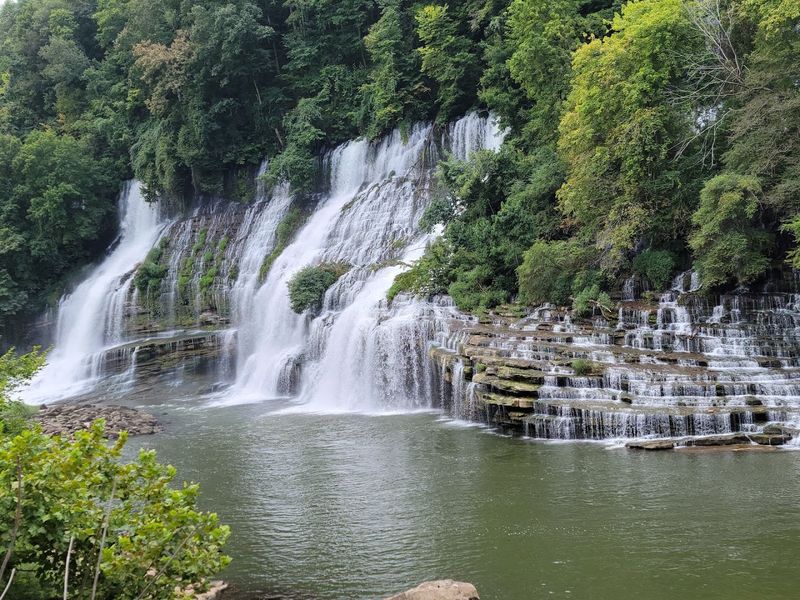
Rock Island State Park near McMinnville is already worth a visit for its dramatic Great Falls gorge, but Twin Falls is the waterfall hike that tends to surprise people the most. Two separate streams drop side by side over a wide rocky ledge, creating a symmetrical scene that looks almost intentional in the way it frames itself against the surrounding forest.
The trail to Twin Falls is part of the Twin Falls Loop, which is about 2.3 miles and winds through a mix of cedar glades and hardwood forest before arriving at the falls. The hike is considered moderate and has some uneven terrain near the water.
Rock Island State Park also features access to the Caney Fork River, a popular spot for fishing and kayaking, so there is plenty to do if you want to make a full day of it. The park has a small beach area and picnic facilities, which rounds out the visit nicely for families or groups with varied interests.
Northrup Falls, Tennessee
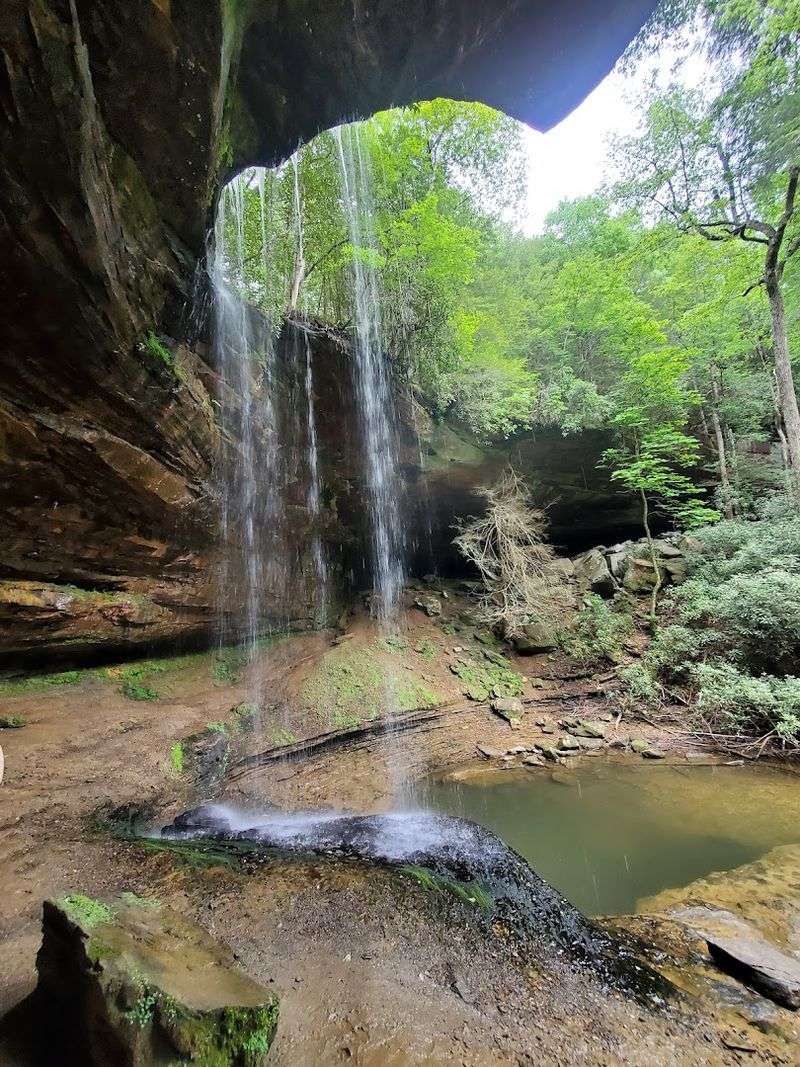
Northrup Falls is one of the lesser-known stops on a Tennessee waterfall itinerary, which is part of what makes it appealing. Located within the Pickett CCC Memorial State Park and Pickett State Forest area in Jamestown, Tennessee, the falls offer a quiet backcountry experience in one of the most biologically diverse corners of the state.
Pickett State Park is known for its unusual combination of natural bridge formations, rock shelters, and cascading streams, and Northrup Falls fits naturally into that landscape. The trail system in the park connects several scenic points, so the falls can be incorporated into a longer loop rather than treated as a standalone out-and-back.
The park sees significantly less traffic than the more publicized Cumberland Plateau sites, making it a solid pick if you prefer solitude on the trail. Pickett is also adjacent to the Big South Fork National River and Recreation Area, so there is no shortage of additional hiking options once you are in the region.
Abrams Falls, Tennessee
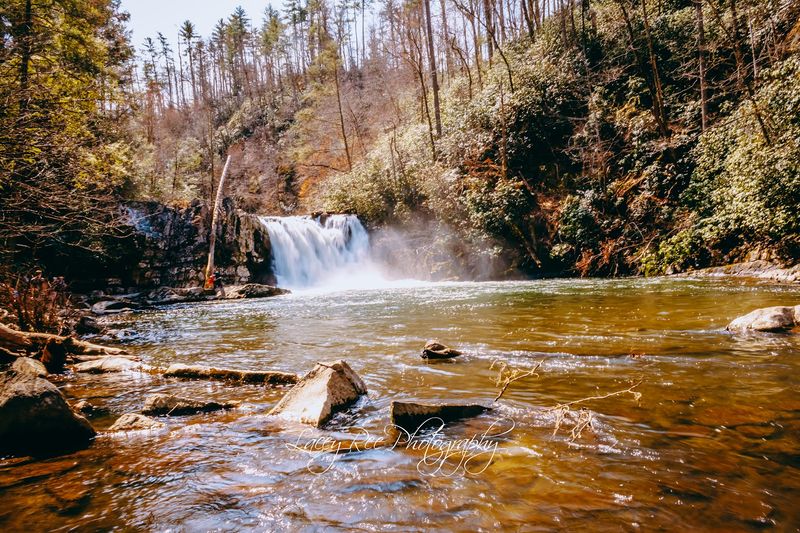
Abrams Falls in Great Smoky Mountains National Park is one of the most popular waterfall hikes in the entire country, and the trail consistently earns its reputation. Located near Cades Cove, the 5-mile round trip hike follows Abrams Creek through a series of smaller cascades before reaching the main falls, which drop about 20 feet into an unusually large and deep pool.
The falls are not especially tall, but the volume of water and the size of the pool below make them genuinely impressive. The pool is a vivid blue-green color that stands out sharply against the surrounding boulders and forest, which is why this waterfall photographs so well across all seasons.
The trail has moderate elevation changes and some rocky sections, but it is manageable for most hikers with reasonable fitness. No permit is currently required for this hike, though a timed entry reservation may be needed to access the Cades Cove area during peak season.
Check the park website before you go.
Share this story