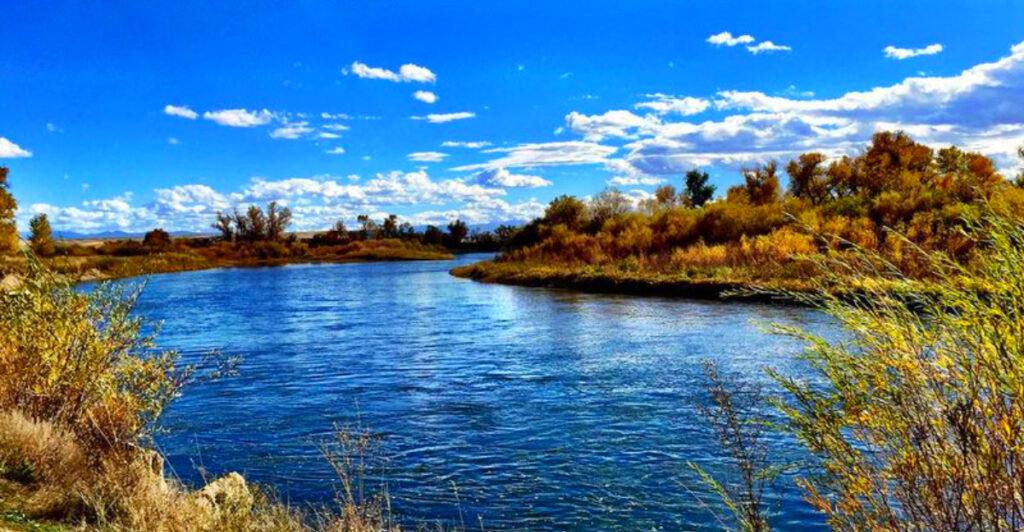
In a quiet corner of southwest Montana, three legendary rivers come together to create one of North America’s greatest waterways. Visitors arrive to witness the birthplace of the Missouri River, explore the landscapes crossed by Lewis and Clark, watch for bald eagles and moose, and experience a place where history and nature have remained closely connected for thousands of years. It’s the kind of destination where every trail, riverbank, and scenic overlook tells a story that helped shape the American West.
The experience extends far beyond the famous confluence. Historic Lewis and Clark campsites, thousands of years of Indigenous history, scenic hiking trails, outstanding fishing and paddling, peaceful campgrounds, abundant wildlife, and sweeping mountain views have made this one of Montana’s most fascinating state parks. Whether you’re planning a road trip, a weekend camping getaway, or simply want to stand where one of America’s greatest rivers begins, it’s easy to understand why this remarkable park deserves far more attention.
Here’s why Missouri Headwaters State Park has become one of Montana’s most significant historic landscapes and one of the best places to experience the birthplace of the Missouri River.
Where Three Rivers Become One: The Confluence Explained
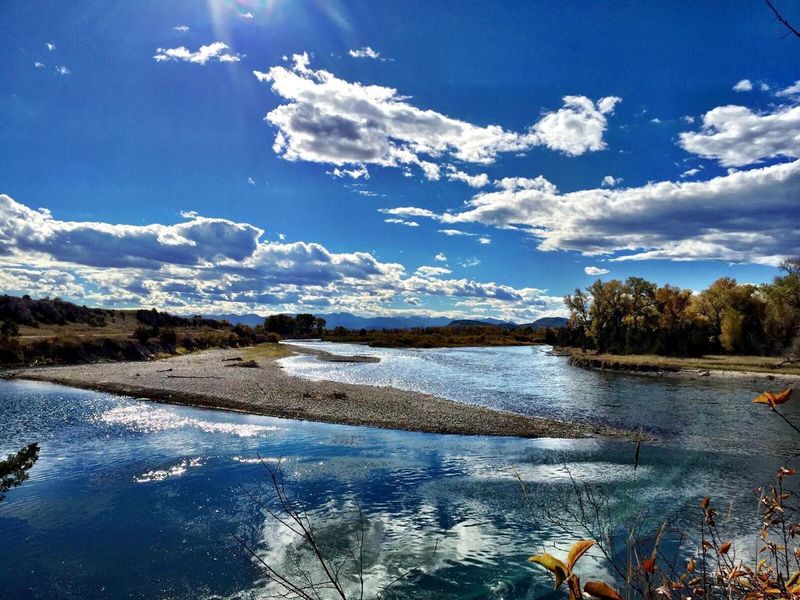
Right at the heart of Missouri Headwaters State Park, located at 1585 Trident Road, Three Forks, Montana 59752, something extraordinary happens that you can actually stand and watch in real time.
The Jefferson, Madison, and Gallatin Rivers flow toward each other and merge into a single, broader current that officially becomes the Missouri River. This is not a symbolic marker or a historical plaque pointing at empty water; you can see the actual meeting point from the trail, watching two distinct currents press together and form one.
The park sits about four miles northeast of Three Forks and is roughly a 31-minute drive from Bozeman. At an elevation of around 4,045 feet, the landscape opens wide, framed by the Tobacco Root and Bridger mountain ranges in the distance. The Missouri River born here will eventually travel 2,300 miles before emptying into the Mississippi, making this quiet corner of Montana the starting line of a truly continental journey.
Lewis and Clark Camped Right Here in 1805
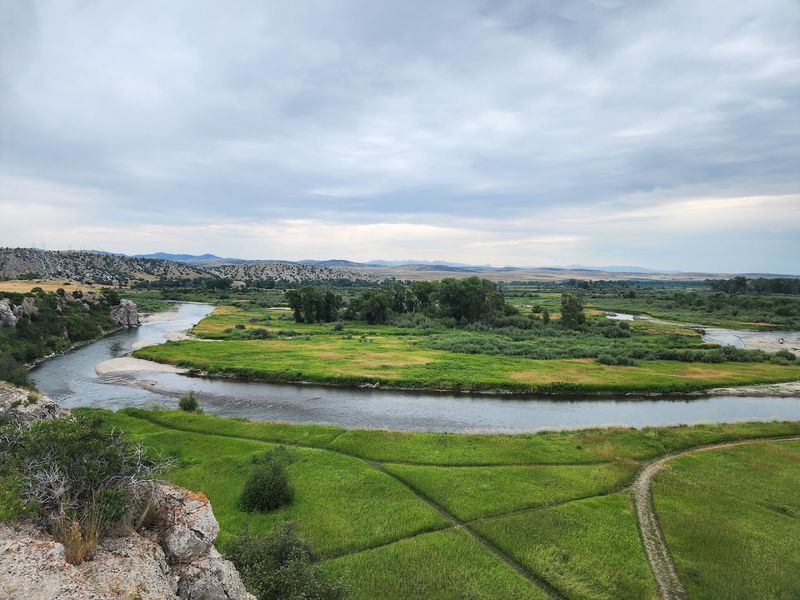
Few American landmarks can honestly say that one of the most famous expeditions in history stopped and made camp right on that exact ground, but this park can.
On July 28, 1805, Meriwether Lewis recorded in his journal that the country opened suddenly into extensive and beautiful plains and meadows surrounded in every direction by distant and lofty mountains. That description still fits today with remarkable accuracy. The Corps of Discovery had been paddling and portaging for months, searching for a navigable route to the Pacific Ocean, and reaching this confluence was a pivotal navigational moment.
It was here that Lewis and Clark named the three tributaries. The southwest fork became the Jefferson, honoring President Thomas Jefferson. The middle fork was named the Madison for Secretary of State James Madison, and the eastern fork became the Gallatin, after Treasury Secretary Albert Gallatin. The park was designated a National Historic Landmark in 1960, cementing its place in the official record of American exploration history.
A Sacred Land With 12,000 Years of Indigenous History
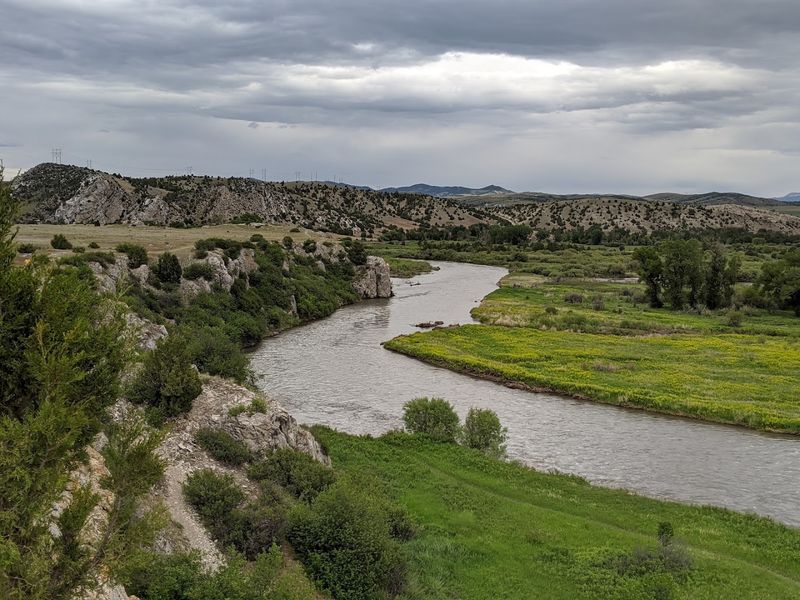
Long before any European explorer set foot in this valley, this confluence was already one of the most significant gathering places on the continent for Native American peoples.
Archaeological evidence suggests human presence here stretching back somewhere between 3,000 and 12,000 years. Tribes including the Flathead, Shoshone, Blackfeet, Crow, Nez Perce, Bannock, Hidatsa, Kootenai, and Salish all recognized this fertile land as a vital crossroads for hunting, trading, and meeting. The bountiful riparian habitat supported bison, elk, deer, and antelope in numbers that made this one of the richest hunting grounds in the region.
One of the most poignant stories tied to this land involves Sacagawea, the Shoshone woman who guided the Lewis and Clark Expedition. She was captured near these very headwaters as a young girl by the Hidatsa tribe. When she returned years later as the expedition’s guide, she recognized the landscape from her childhood. A small cave within the park still holds faint pictographs, offering a quiet, tangible link to those ancient cultures.
The Views That Made Lewis Stop and Write
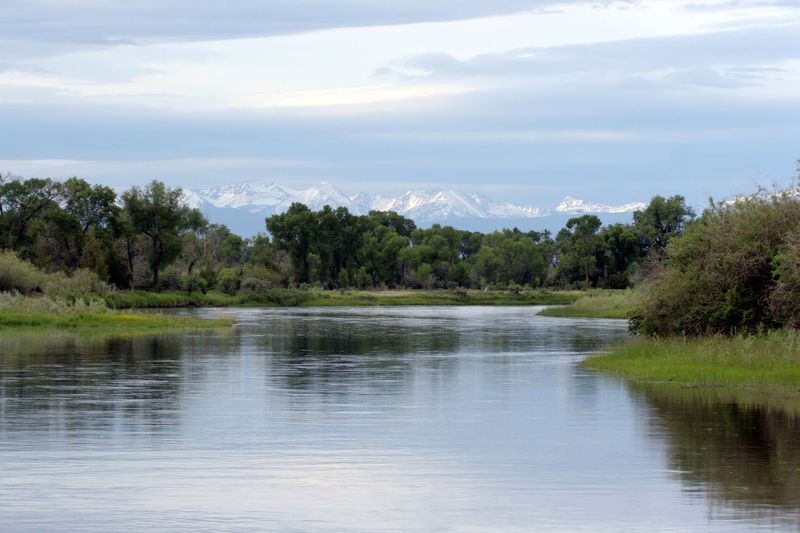
There is a reason Meriwether Lewis put down his paddle and picked up his pen the moment he arrived here. The scenery at Missouri Headwaters State Park is the kind that makes you pause mid-step.
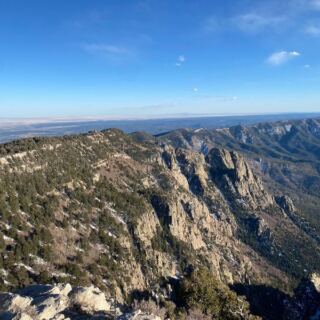
Wide, lush meadows stretch out in every direction, broken up by the braided channels of the three rivers and the dense willow thickets lining their banks. In the distance, the Tobacco Root and Bridger mountain ranges rise in sharp, snow-dusted profiles against the enormous Montana sky. The landscape does not hit you with dramatic cliffs or canyon walls; instead it earns your admiration gradually, through sheer scale and openness.
The park encompasses around 532 to 535 acres, much of it spread across a peninsula flanked by the nascent waterways. Small islands dot the river just below the main confluence, adding texture to the scene. On a clear morning, the broad river surfaces act as mirrors for the mountains and sky, creating a reflection so crisp it almost feels staged. The views here age well, meaning they look just as striking on your tenth visit as on your first.
Wildlife That Will Keep Your Binoculars Busy
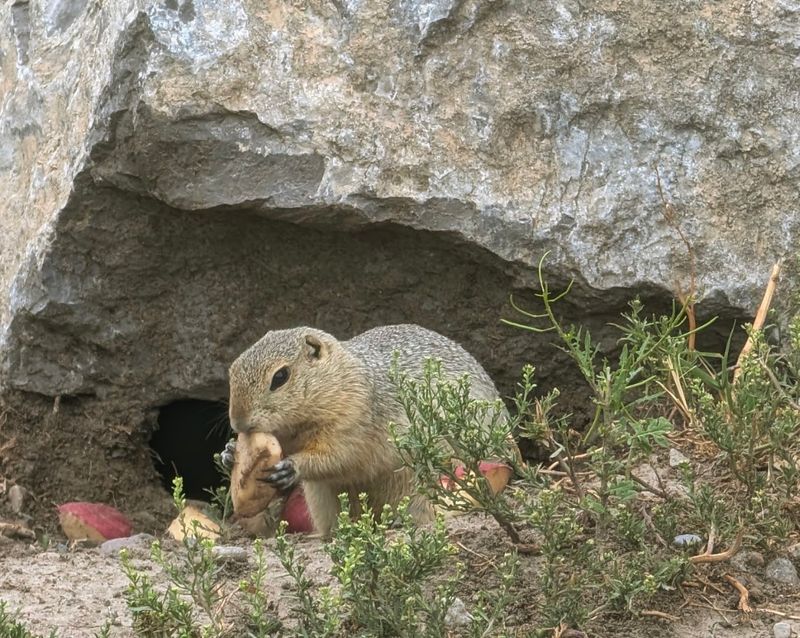
Pack your binoculars before you leave the car, because the wildlife at this park has a habit of showing up when you least expect it and making your whole day.
Birdwatchers in particular are well rewarded here. Bald eagles are a regular presence, pelicans cruise the broader stretches of river, snow geese pass through during migration, and harrier falcons hunt the open meadows. A breeding pair of peregrine falcons returns each year to nest in the limestone cliffs within the park, which is a genuinely thrilling sight if your timing is right.
Mammals are equally well represented. Beavers leave their signatures all along the riverbanks, and signs of their work are easy to spot on a short walk. River otters, mink, deer, pronghorn, and moose also frequent the area, with moose sometimes appearing in the early morning with calves in tow. Larger animals including bison and elk roam the more open sections.
The park’s commitment to preserving original vegetation keeps this ecosystem functioning much as it did when Lewis and Clark first paddled through.
Three Rivers, One Great Fishing Destination
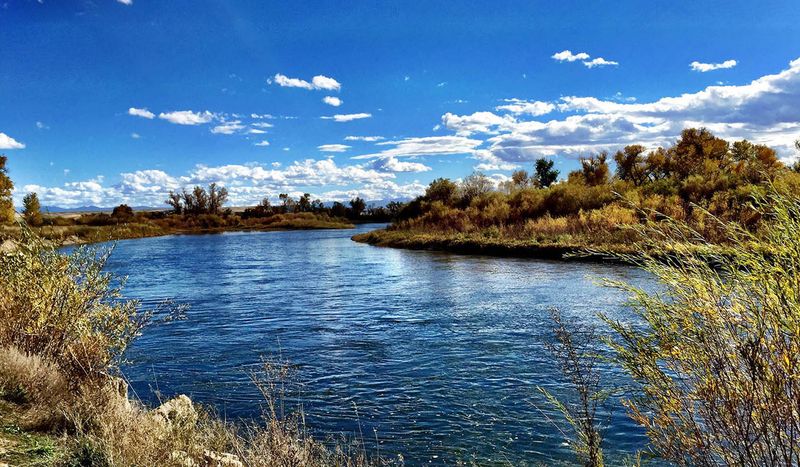
Having three world-class rivers converge in one park is not something most anglers get to experience, and Missouri Headwaters State Park takes full advantage of that geographical luck.
The Jefferson, Madison, and Gallatin Rivers each have their own character, and all three offer excellent fishing access throughout the park. The Jefferson River is particularly praised as an ideal stretch for fly fishing, with steady flows and clear water that make reading the current a genuine pleasure rather than a guessing game. Droulliard Fishing Access within the park vicinity is a well-known trout fishing spot that draws anglers back season after season.
Fall is widely regarded as the best time to fish here. After summer irrigation draws down, the river levels stabilize, making wading and small-boat access more predictable. The reduced crowds in autumn also mean you can often find a stretch of river entirely to yourself. Anyone planning to fish must carry a valid Montana fishing license along with a conservation license, and personal flotation devices are required on any watercraft or the fines are notably steep.
The Joy of Floating Three Rivers
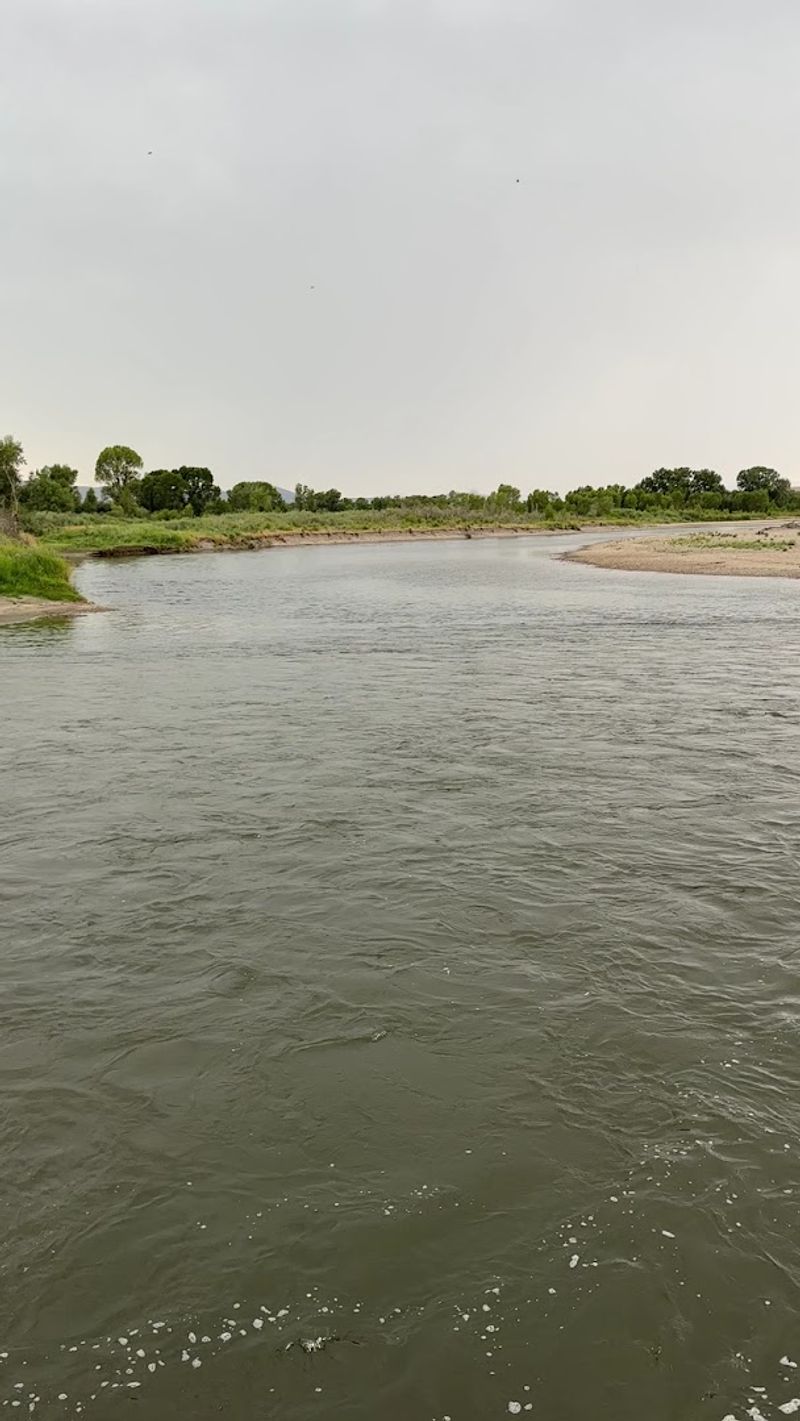
Choosing which river to float at Missouri Headwaters State Park is genuinely one of the better problems to have on a Montana summer afternoon.
The park provides a convenient boat launch that gives non-motorized watercraft easy access to the confluence area. Kayaking and canoeing are both popular choices, and the calmer sections near the headwaters are manageable for paddlers of moderate experience. River floating on an inflatable raft is another relaxed option, letting you drift with the current while the mountain views scroll past at a pace that feels almost cinematic.
A critical rule to remember before launching anything: all watercraft must be inspected prior to entering the water. Montana takes aquatic invasive species seriously, and inspections are not optional. Personal flotation devices must be carried on board at all times, a regulation that rangers enforce actively. The channels near the confluence shift with the seasons, so checking current conditions before your trip is a smart move.
Early morning paddles, before the wind picks up, tend to offer the most glassy and peaceful water.
Trails That Teach You Something at Every Turn
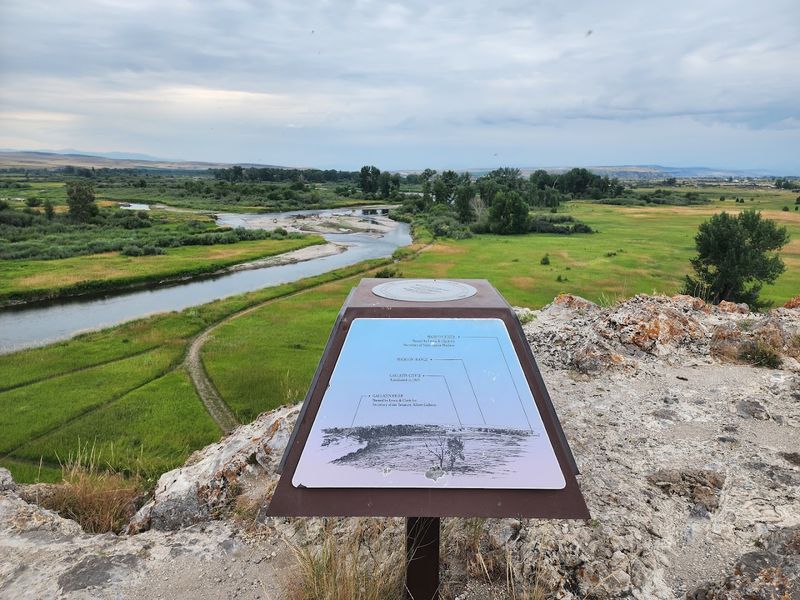
The trail system at Missouri Headwaters State Park is not built for extreme hikers chasing elevation gain; it is built for curious people who want to see a lot without working too hard.
About four miles of well-maintained trails wind through meadows, follow the riverbanks, and connect the various scenic viewpoints and historical markers scattered across the park. An interpretive nature trail is particularly engaging, with displays covering the area’s cultural and natural history that make the walk feel like an open-air classroom. One of the most rewarding stops on the trail network is Fort Rock, a historic landmark where the faint pictographs mentioned earlier can be examined up close.
The paved path near the campground is wheelchair and stroller accessible, which is a thoughtful touch that makes the park genuinely welcoming to all visitors. Bicycling is permitted on the trails as well, though e-bikes are currently not allowed. The trail that begins near the campground actually extends all the way into Three Forks if you are feeling ambitious, passing bird boxes and river overlooks along the way.
Camping Under a Sky That Goes On Forever
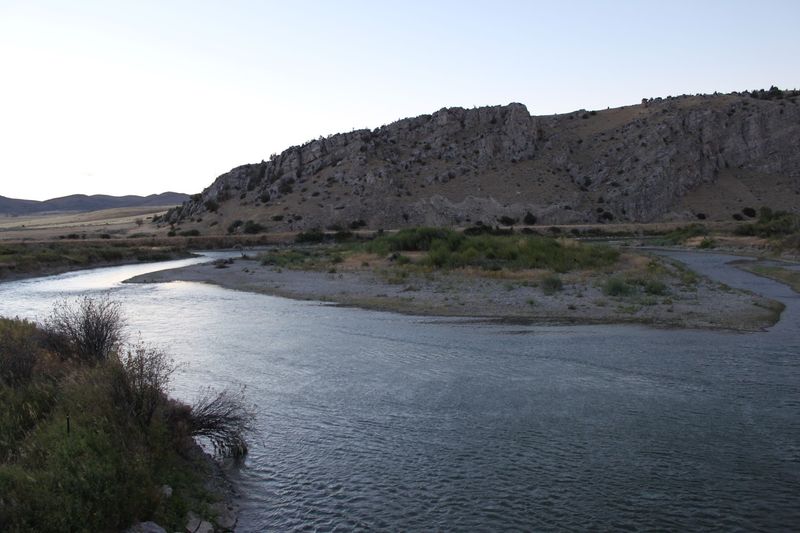
Spending a night at Missouri Headwaters State Park means waking up to a sunrise over the river confluence, which is a considerably better alarm clock than anything on your phone.
The campground offers around 17 sites that accommodate tents and smaller self-contained RVs, though sites with hookups are not available, so RVs need to be fully self-sufficient. A dump station is on-site for convenience. What makes camping here genuinely memorable is the option to rent a tipi, a nod to the region’s deep indigenous heritage that transforms a standard overnight stay into something more atmospheric and unique.
Each campsite comes equipped with a picnic table and fire ring, and the park provides drinking water. Vault toilets and flush toilets are both available, and visitors consistently note that the facilities are kept clean. A camp host is usually present during the main season, ready to answer questions and share local knowledge. The pack-in, pack-out trash policy keeps the grounds tidy.
Reserving early is wise since the tipi option in particular tends to book up quickly during peak summer months.
The Best Seasons to Visit and What Each One Offers
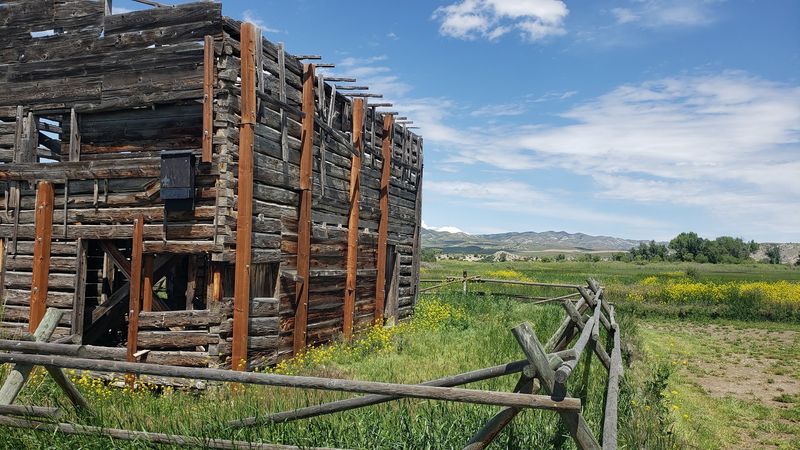
Missouri Headwaters State Park is open every single day of the year, around the clock, which means the question is never whether you can visit but rather what version of the park you want to experience.
Fall, specifically September and October, earns the strongest recommendation for most visitors. Daytime temperatures settle into the comfortable 50s and low 70s, the cottonwoods and willows ignite in warm amber and gold, river levels stabilize after summer irrigation, and the mosquito population finally retreats. Summer brings the full range of amenities and programming, but those wetland mosquitoes are a genuine consideration, so bug spray is not optional.
Spring delivers wildflower blooms and migrating waterfowl in impressive numbers, though evenings can still carry a sharp chill. Winter transforms the park into a quieter, snow-covered landscape suited to snowshoeing and cross-country skiing, with the park typically receiving around 40 inches of snow annually. Even a January visit, as some travelers have discovered, offers clean vault toilets, peaceful trails, and views that feel almost entirely your own.
Programs, History Museums, and Practical Tips for Your Trip
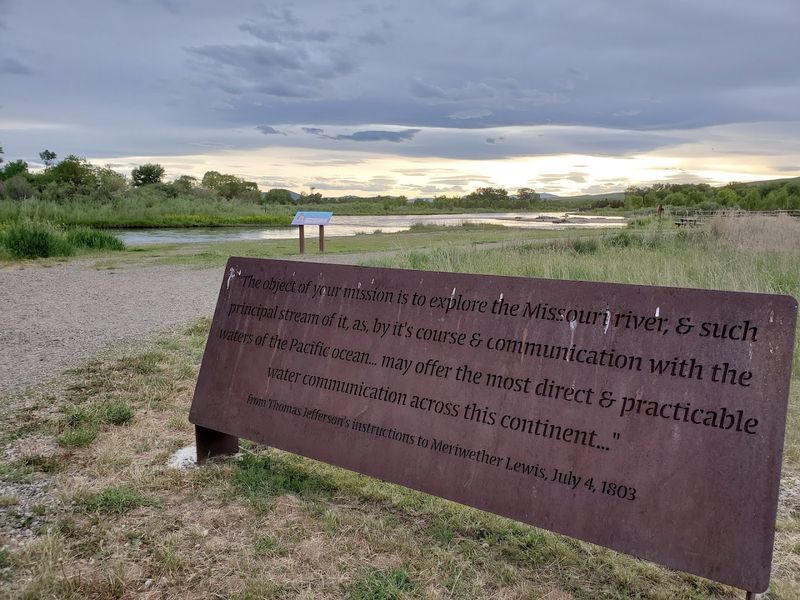
The park’s Saturday evening Summer Speaker Series is one of those free events that quietly punches above its weight. Top-notch presenters share insights into the area’s history and ecology at 7 pm in the picnic area, followed by a marshmallow roast campfire that turns a history lesson into a genuinely fun evening. Bring a chair and arrive a little early.
Family-friendly events run throughout the year, including Halloween hayrides with face painting and broomstick races, Easter programs, and an Earth Day event in partnership with AmeriCorps. Just three miles away in Three Forks, the Headwaters Heritage Museum adds another layer to the story with artifacts from the Lewis and Clark era, the fur trade, Native American cultures, and regional railroad history.
A few practical notes before you go: the entrance fee is $8 per vehicle, pets must be leashed at all times, rattlesnakes are active in summer and fall so watch carefully if you have dogs, and moose require a wide berth if encountered on the trail. The park phone number is (406) 285-3610 and more information is available at stateparks.mt.gov/missouri-headwaters.
Share this story