There is a place in Montana where a Siberian tiger might stare you down from just a few feet away, where red pandas scramble through branches overhead, and where a grizzly bear splashes around in his pond like he owns the place. Most people drive through Billings without expecting to find something this surprising, but once you know it exists, skipping it feels like a genuine mistake.
This 70-acre zoological and botanical garden is Montana’s only accredited zoo, and it focuses exclusively on cold-climate animals from regions along or above the 45th parallel, which means every single animal here is built for the kind of weather Montana actually delivers. From rescued wolverines to playful river otters to majestic bald eagles, the variety on display is genuinely impressive for a zoo of this size.
Keep reading to discover what makes this wild corner of Big Sky Country worth a full morning of your time.
Montana’s Only Accredited Zoo and Botanical Garden
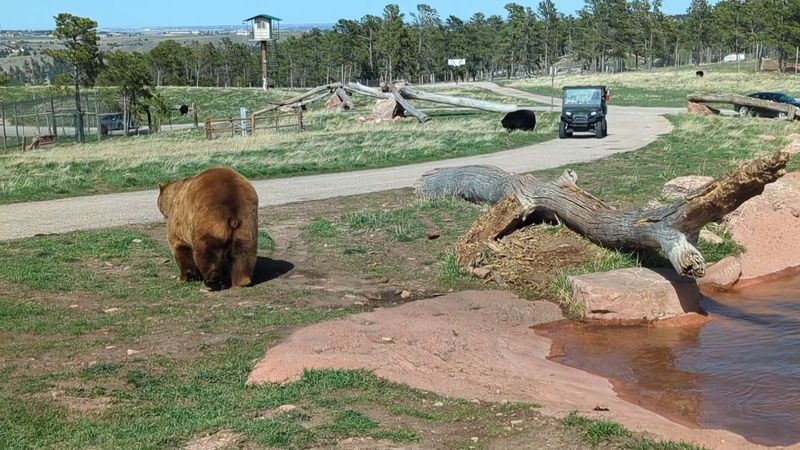
Most people are surprised to learn that Montana has just one fully accredited zoological and botanical garden, and it happens to be right in Billings. ZooMontana, at 2100 Shiloh Road, Billings, MT 59106, holds accreditation from the Association of Zoos and Aquariums, a distinction that fewer than ten percent of animal facilities in the country ever earn.
That accreditation matters because it signals a genuine commitment to animal welfare, staff training, and conservation science. The zoo is also a certified arboretum, making it the only facility of its kind across the entire Northern Rockies region.
The park sits on 70 sprawling acres just off Exit 443 on Interstate 90, with free parking and easy access for families, road trippers, and even semi-truck drivers who need a scenic break. Hours run Monday through Sunday from 10 a.m. to 4 p.m.
The combination of botanical beauty and wildlife viewing in one location makes it a genuinely rare find in this part of the American West.
Cold-Climate Animals Along the 45th Parallel
Here is something that separates this zoo from almost every other facility in the country: every animal on exhibit was chosen because it thrives in cold climates, specifically in regions along or above the 45th parallel. That means no giraffes, no elephants, and no tropical birds.
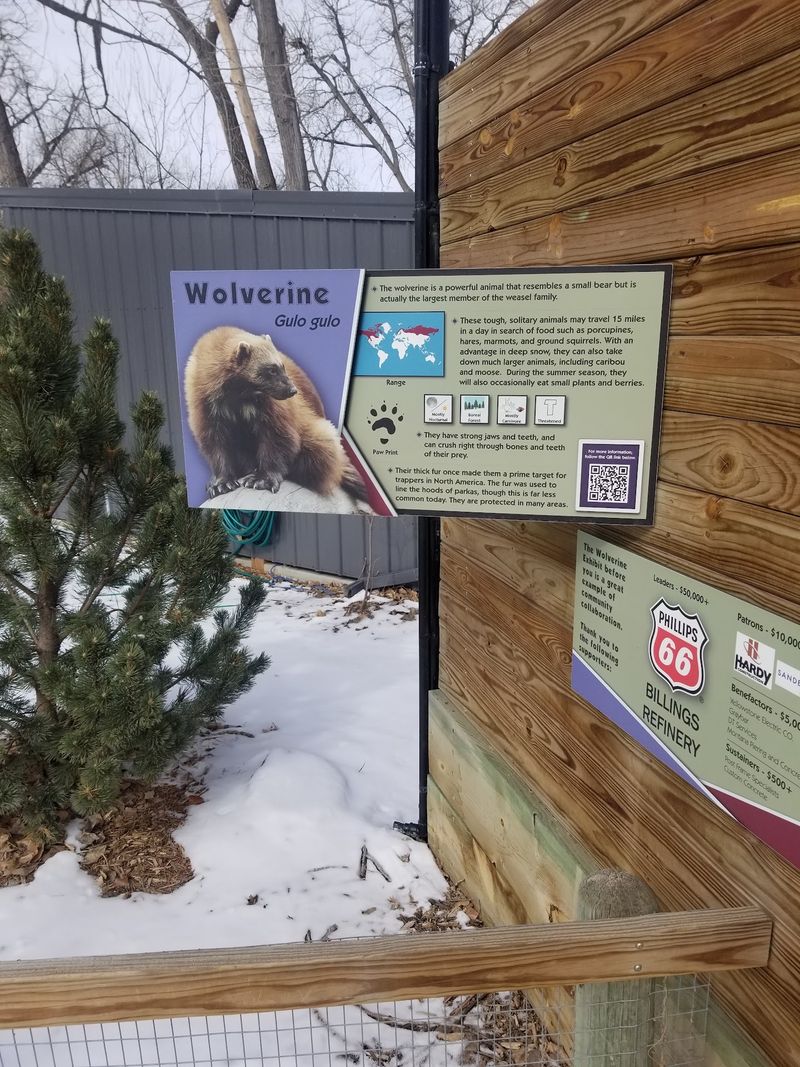
Instead, you get Siberian tigers, Canada lynx, wolverines, grizzly bears, and red pandas, creatures that actually belong in the kind of weather Montanans deal with every winter.
This focused philosophy gives the collection a remarkable coherence. Rather than feeling like a random assortment of species, the exhibits tell a connected story about how wildlife adapts to cold, rugged environments across North America, Europe, and Asia.
The animals spend most of their time outdoors, which means their energy levels and behavior tend to feel more natural than what you might observe in climate-controlled enclosures elsewhere. Catching a lynx pacing through fresh grass or watching a wolverine investigate a new enrichment item is the kind of unscripted moment that stays with you long after you leave.
The Grizzly Bears That Steal the Show
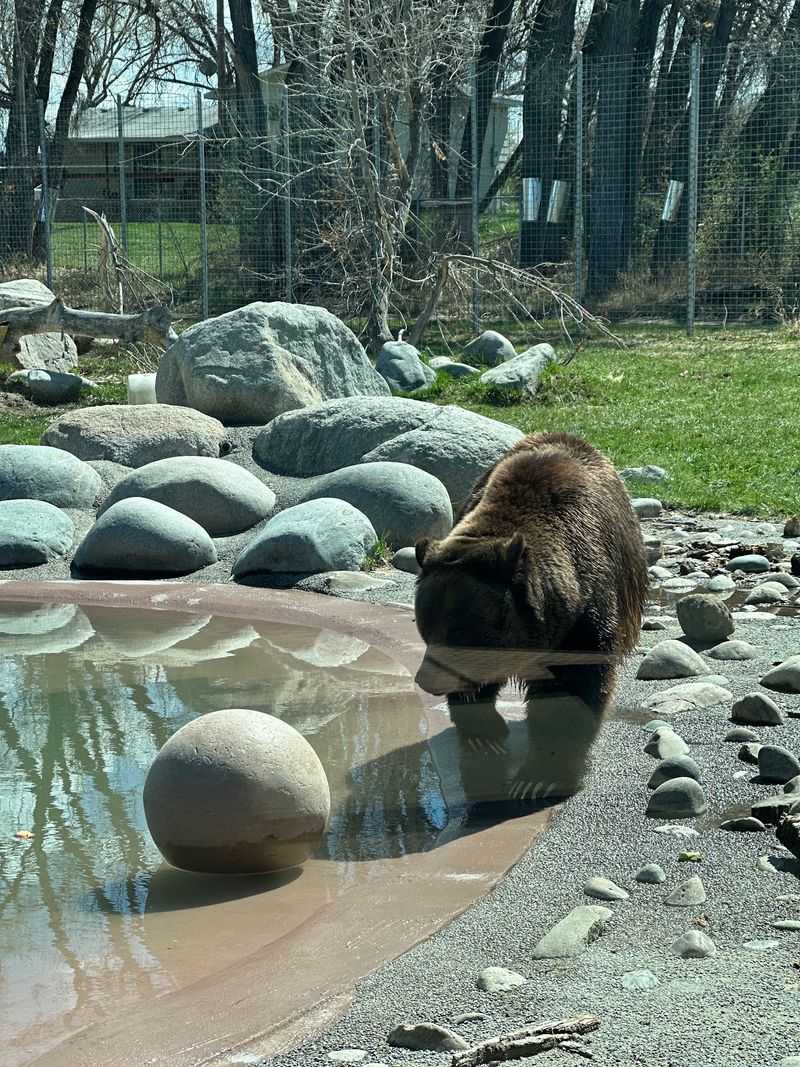
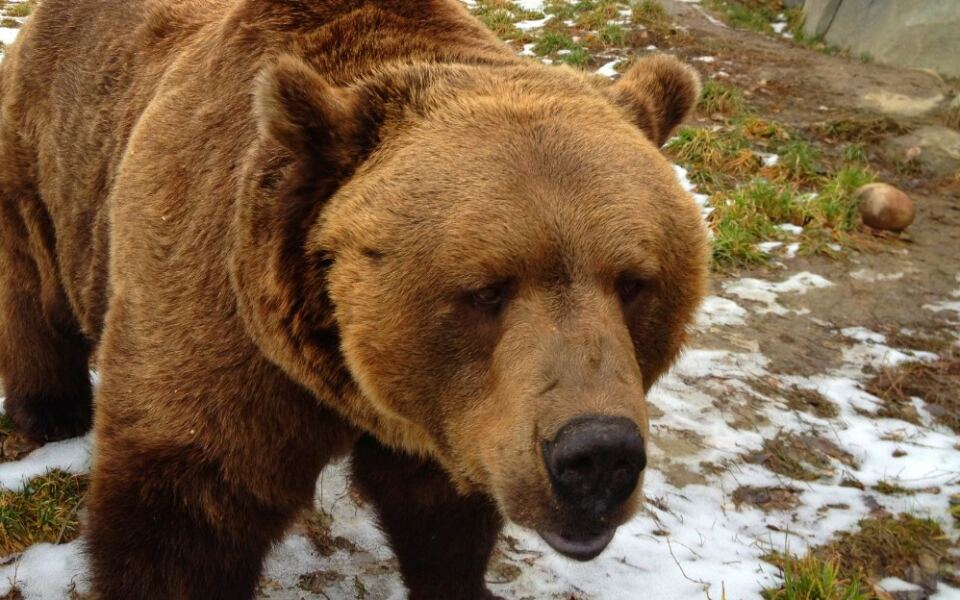
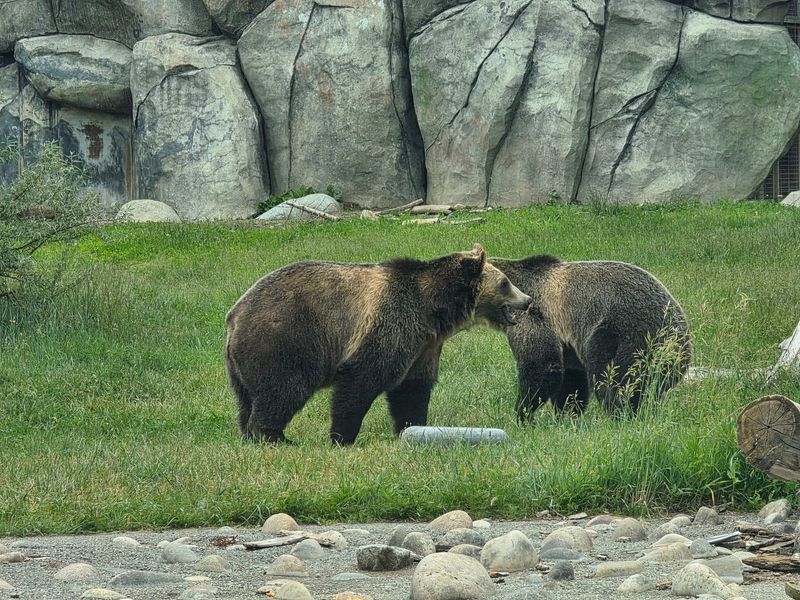
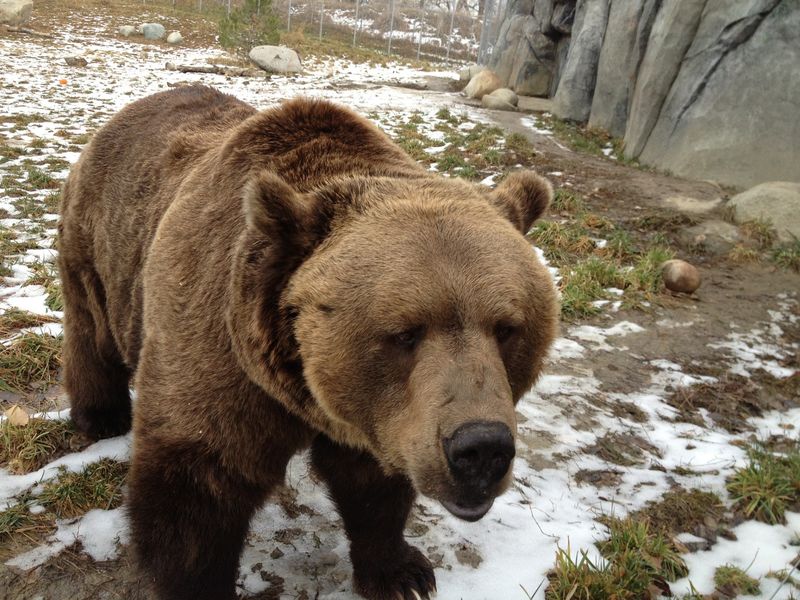
Ask almost any visitor which animals left the biggest impression, and the grizzly bears come up almost every time. The two resident grizzlies have a spacious habitat with a pond, and on active days they can be found splashing, wrestling, and generally putting on a show that no scripted wildlife documentary could replicate.
Watching two full-grown grizzlies play fight in the water from just a short distance away is one of those experiences that makes you briefly forget you are at a zoo at all. The naturalistic design of the enclosure, with its rocky edges and deep pool, gives the bears room to behave like bears rather than display animals.
Each animal at ZooMontana has a name and a personal backstory posted at its habitat, and reading about the grizzlies adds a layer of connection that a simple information plaque never could. After spending time with these two, the red pandas in the Asia Region are waiting with their own brand of charm, and that contrast alone is worth the walk.
Red Pandas, Tigers, and the Asia Region Trail
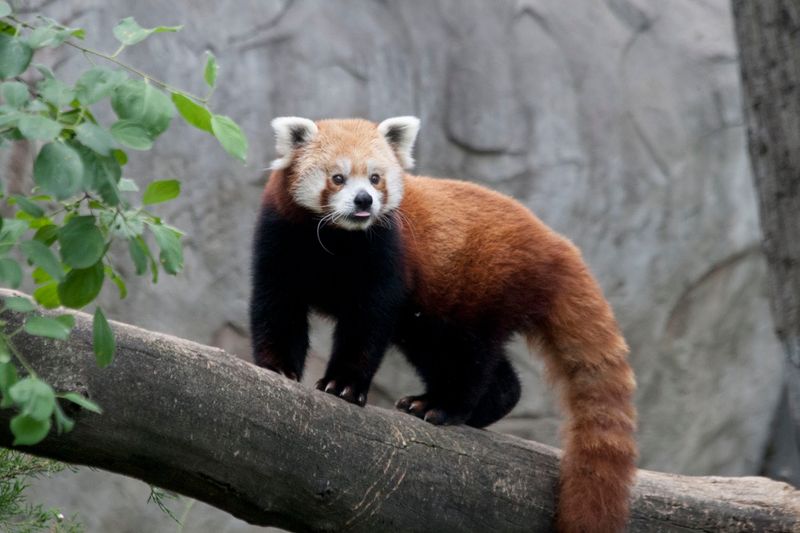
The Asia Region is one of the most visually rewarding sections of the park, and the red pandas tend to draw the longest crowds. These rust-colored animals are surprisingly active, especially in the cooler morning hours, and their enclosure places them at nearly eye level in many spots, which makes observation feel unusually personal.
A paved path winds through a cottonwood forest in this section, creating a shaded, pleasant walk that feels more like a nature trail than a traditional zoo corridor. The Amur tigers, sometimes called Siberian tigers, anchor the far end of this stretch, and their sheer size never stops being impressive no matter how many times you visit.
One particularly charming detail reported by regular visitors is that the tigers have learned to recognize certain familiar faces and will approach the viewing area when those people arrive. That kind of individual recognition is a quiet reminder that these are intelligent, aware animals with their own routines and preferences.
The Asia Region alone justifies the admission price for many families.
River Otters, Bald Eagles, and the North America Section
The North America section of ZooMontana reads like a highlight reel of the continent’s most iconic wildlife. River otters are perennial crowd favorites, and their underwater viewing panel gives visitors a perspective on their swimming ability that is genuinely hard to find anywhere else in the region.
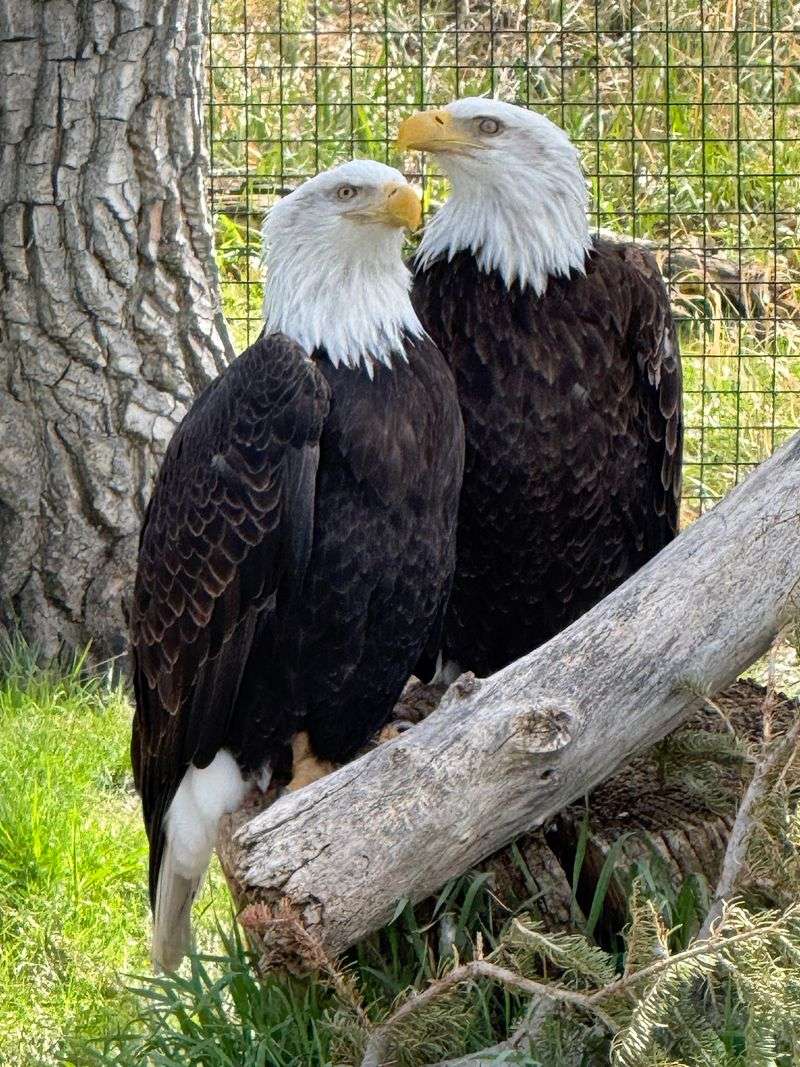
Bald eagles, wolves, and bison round out the lineup, offering a concentrated look at animals that once roamed the Great Plains and mountain ranges in numbers far larger than today. Seeing a bald eagle up close, with its white head and sharp gaze fully visible, carries a different weight than spotting one from a distance in the wild.
The wolves can be elusive on any given day, often hiding in the far reaches of their large habitat, but patience usually rewards visitors who take a second loop around the path. The staff openly acknowledges this unpredictability with good humor, and it reflects the zoo’s broader philosophy of letting animals behave naturally rather than engineering constant visibility.
The North America section connects especially well with younger visitors who are just beginning to learn about native wildlife.
A Rescue-First Philosophy That Changes How You See Every Animal
One of the most quietly powerful things about visiting ZooMontana is the realization that a large portion of its residents arrived here because they had nowhere else to go. Many of the animals are rescues, including individuals that suffered permanent injuries in the wild, were confiscated from illegal private ownership, or could not survive on their own after human contact.
That context transforms every exhibit. Reading the personal backstory of an animal that now has a name, a habitat designed for its specific needs, and a team of trained caregivers creates a connection that a standard zoo label simply cannot produce.
The zoo’s stated philosophy of quality over quantity is visible in the space, enrichment, and care each animal receives.
The rescue mission also shapes the educational messaging throughout the park, weaving conservation awareness into the experience without ever feeling preachy. Children who might otherwise rush past an exhibit slow down when they understand that the animal in front of them has a real story.
That storytelling approach is one of the most effective things this zoo does, and it sets the tone for the entire visit.
Botanical Gardens, the Sensory Garden, and Canyon Creek

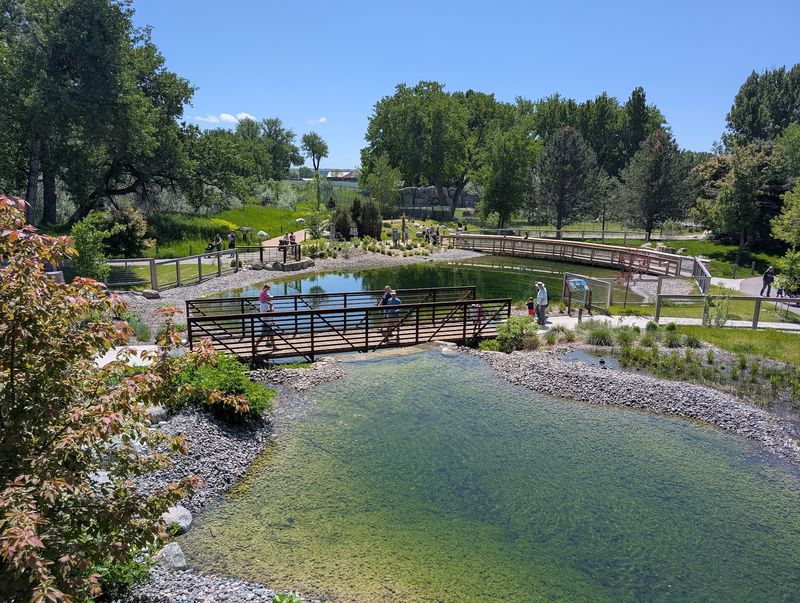
Animals are only part of the story at ZooMontana. The botanical side of the park is genuinely impressive, and the one-acre Sensory Garden is the crown jewel of that collection.
Designed to engage all five senses, it features fragrant herbs, textured plants, vibrant colors, and the gentle sound of moving water, making it a genuinely calming place to pause between exhibits.
The Yellowstone Arboretum, established in 2018, displays a curated mix of native and non-native trees, and the Montana Garden focuses specifically on plants that thrive in the state’s varied climate. Dottie’s Garden takes a waterwise approach, showcasing species that look beautiful without demanding heavy irrigation.
Canyon Creek runs directly through the zoo grounds, adding a natural, living element that no landscaper could fully replicate. The sound of moving water alongside the botanical displays creates an atmosphere that several visitors describe as feeling more like a nature walk than a zoo visit.
The Sensory Garden is popular enough that it occasionally hosts private events, and its peaceful design makes that easy to understand.
The Discovery Center and Its Unexpected Residents
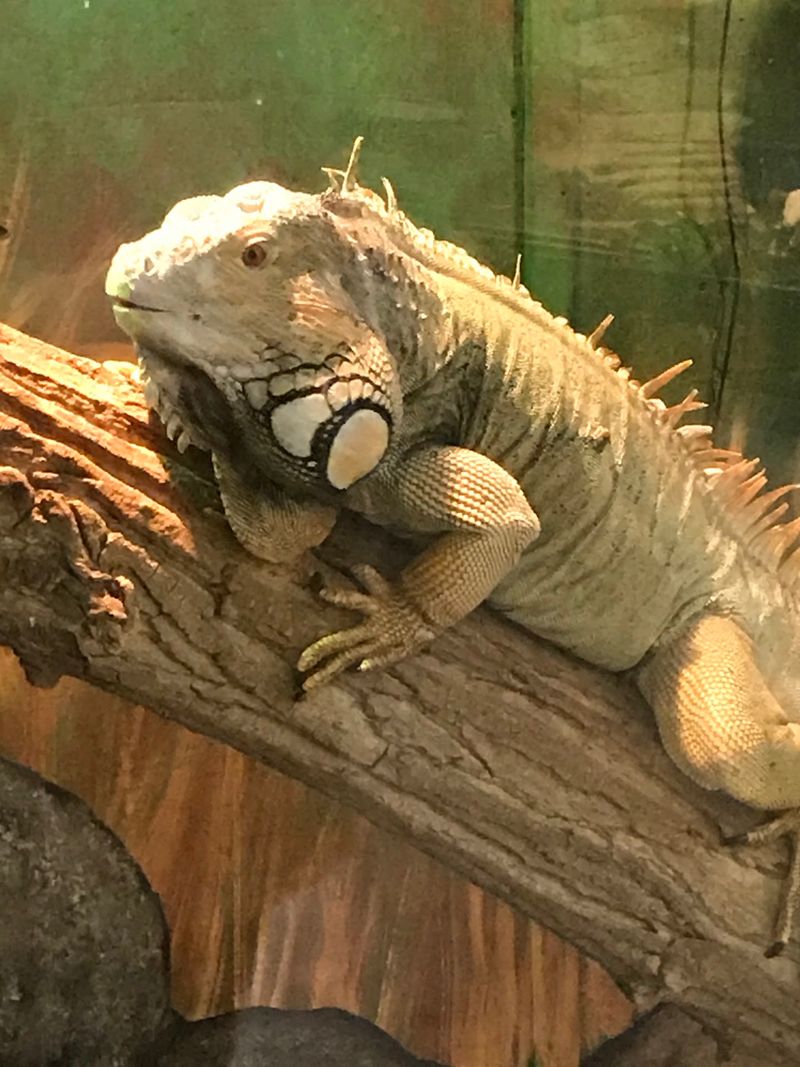
Tucked inside the Discovery Center is a collection of animals that most visitors do not expect to find in a Montana zoo, and that surprise is part of what makes the building worth a dedicated stop. The Living Wall habitats house a range of smaller species from diverse climates, including iguanas, chinchillas, and Madagascar hissing cockroaches, each in a thoughtfully designed display that brings visitors unusually close.
The contrast between the outdoor cold-climate focus and the Discovery Center’s more global lineup creates an interesting educational moment. Suddenly the zoo’s broader mission, connecting people to wildlife from around the world, comes into clearer focus.
The Homestead Exhibit nearby adds a historical dimension that few visitors anticipate. A turn-of-the-century homestead house and barn give context to Montana’s human history alongside its natural one, grounding the wildlife experience in a sense of place and time.
The Discovery Center also provides a welcome indoor retreat on particularly warm summer days or unexpectedly chilly spring mornings, making it a practical as well as educational asset for any visit.
Seasonal Events, Holiday Nights, and Year-Round Access

Visiting ZooMontana once is enjoyable, but visitors who return across different seasons consistently report that the experience changes in meaningful ways throughout the year. Summer brings active animals, blooming botanical gardens, and occasional food trucks parked near the entrance.
Spring introduces baby animals and the first flush of greenery along Canyon Creek.
Winter transforms the park into something entirely different. The Holiday Nights event covers the grounds in light displays that visitors of all ages find genuinely impressive, and the cooler months often mean far smaller crowds, which allows for a more relaxed, unhurried walk through every exhibit.
The Boo at the Zoo Halloween event is another seasonal highlight that families return for year after year. The park closes only for Thanksgiving, Christmas, New Year’s Day, and Easter, which means nearly every other day of the year is a potential visit day.
Regular members often build the zoo into their weekly routine, treating it as a living park that rewards repeated visits rather than a single destination to check off a list.
Education Programs, ZooSchool Preschool, and Community Outreach
Few zoos of this size run an on-site preschool, and that alone signals how seriously ZooMontana takes its educational mission. ZooSchool Preschool holds regular classes right on the grounds, giving young children daily access to animals and nature in a way that no traditional classroom environment can match.
The program creates a foundation of curiosity and environmental awareness that students carry forward for years.
Beyond the preschool, the Zoo to You outreach programs bring animal ambassadors and educators directly into schools, senior care facilities, and corporate events across the region. EdZOOcate ZooTrunks, filled with props, biofacts, and hands-on learning materials, are available for teachers who want to bring the zoo experience into their classrooms without a field trip.
The Science and Conservation Center reinforces the zoo’s commitment to research and wildlife preservation, ensuring that education extends beyond entertainment into genuine scientific engagement. For a private non-profit organization that relies on admissions, memberships, and donations to operate, the breadth of these programs is remarkable.
Every ticket purchase directly funds this work, which gives each visit an added sense of purpose.
Practical Tips for Getting the Most Out of Your Visit
A few practical details can make the difference between a good visit and a great one at ZooMontana. The park opens at 10 a.m. daily, and arriving early tends to mean more active animals, especially the red pandas, which are noticeably energetic in the cooler morning hours.
Most visitors cover the full 70 acres comfortably in about two to three hours at a relaxed pace.
Comfortable walking shoes are a genuine recommendation rather than a formality, as the terrain includes some gentle hills and a fair amount of ground to cover. Bug spray is worth packing during summer months, particularly near Canyon Creek and the botanical garden sections.
The zoo does not have a full food service operation on site, so bringing a packed lunch or snacks is a smart move, though food trucks occasionally appear near the entrance.
The WildSide Gift Shop carries plush animals, Montana-themed souvenirs, and snacks near the entrance, and every purchase supports zoo operations. Annual family memberships offer excellent value for local residents who plan to visit multiple times.
Service animals are welcome, and the paths are fully accessible for wheelchairs and strollers throughout the grounds.
Share this story