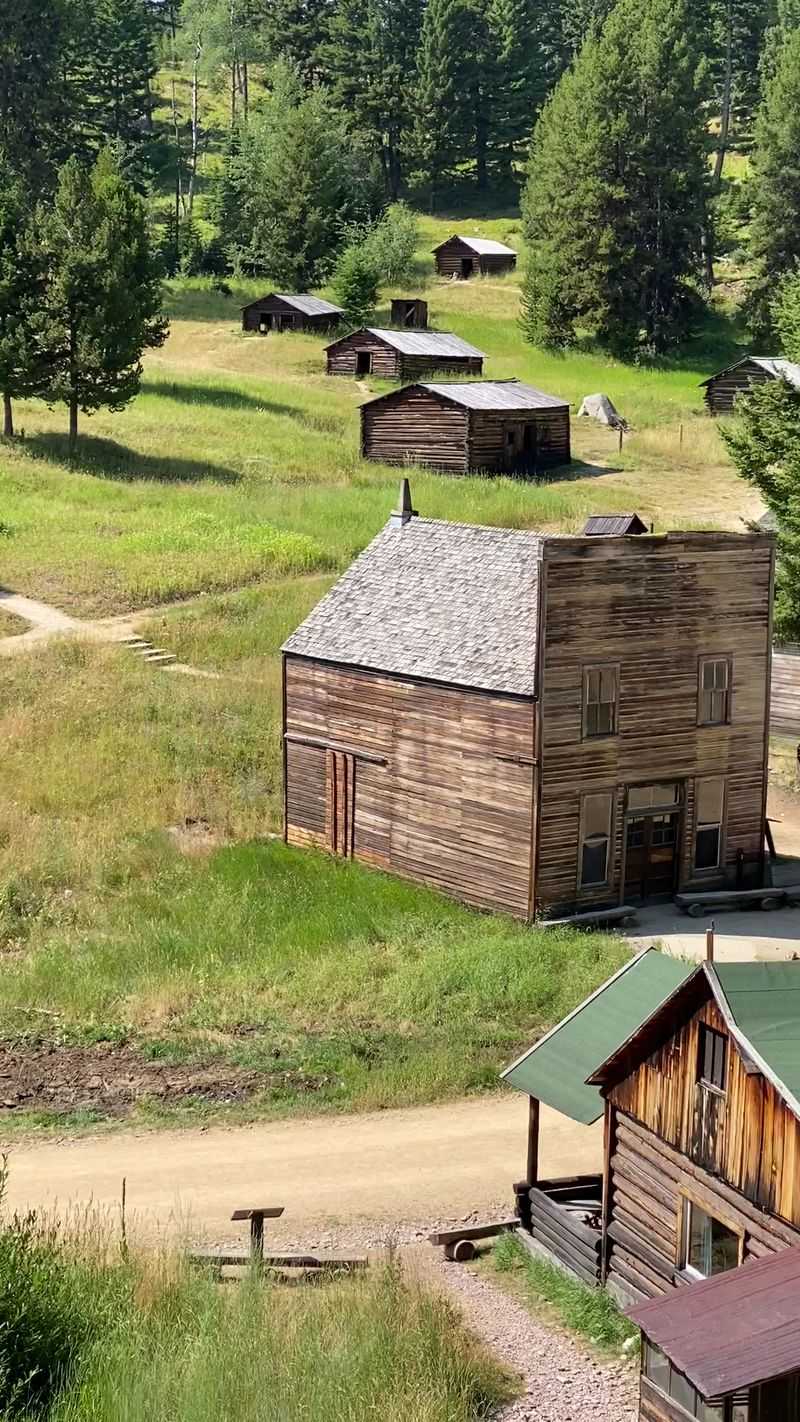
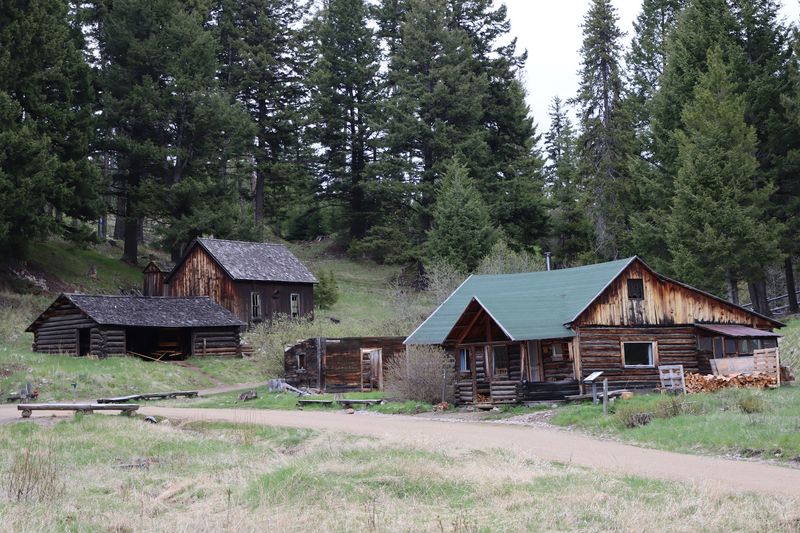
More than 30 historic buildings still stand at Garnet, giving visitors an unusually complete look at a Montana mining town that boomed during the late 1890s.
At its peak, Garnet had roughly 1,000 residents, four hotels, stores, a school and 13 saloons. Today, visitors can explore surviving structures including the J.K.
Wells Hotel, Dahl’s Saloon and F.A. Davey’s Store, with period furnishings helping show what daily life looked like during the town’s mining years.
Garnet eventually declined as its mines produced less gold, but abandonment also helped spare it from extensive redevelopment. Preservation efforts now keep the remaining buildings standing without turning the town into a modern reconstruction.
Finding Gold in the Wild Heart of Montana
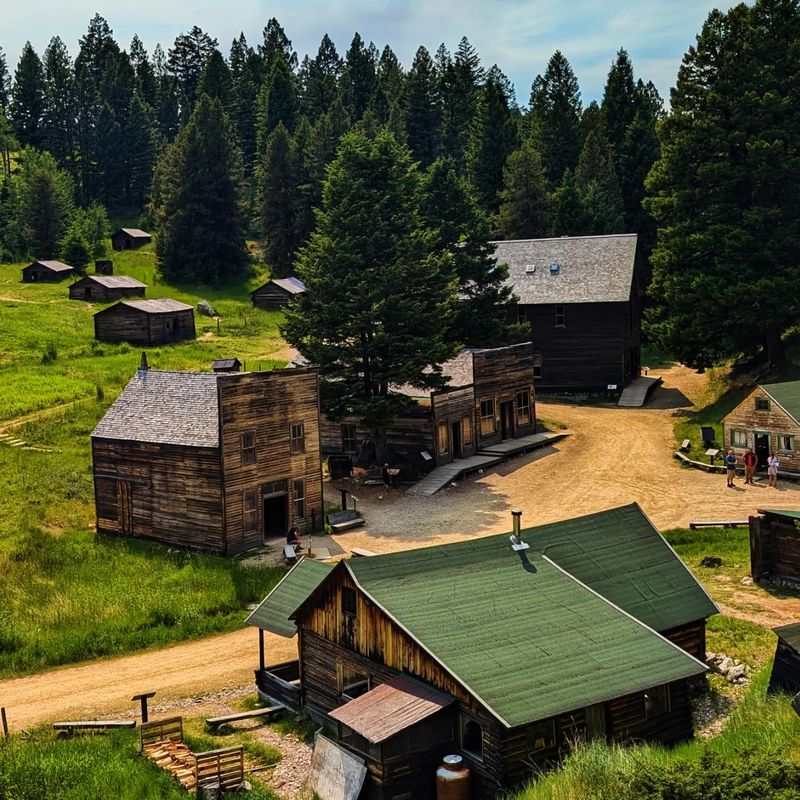
My journey to this captivating slice of history began on a winding road that climbed steadily through the pine-scented mountains of western Montana. Garnet Ghost Town is located at Garnet Range Road, near Drummond, MT 59832, perched at approximately 6,000 feet in the Garnet Mountain Range.
Montana’s best-preserved ghost town sits at the head of First Chance Gulch, surrounded by the very mountains that once held the treasure igniting its brief but vibrant existence. The moment I arrived, a profound quiet wrapped around me, a stillness that instantly transported my imagination back to a time when this mountain gulch buzzed with life and the clamor of hopeful souls.
Far from any bustling metropolis, the isolated setting amplifies the feeling of stepping through a temporal veil. The site is open daily from 9:30 AM to 4:30 PM and can be reached by calling +1 406-329-3914 for current road and access conditions before you head out.
The Roaring Genesis of a Mining Marvel
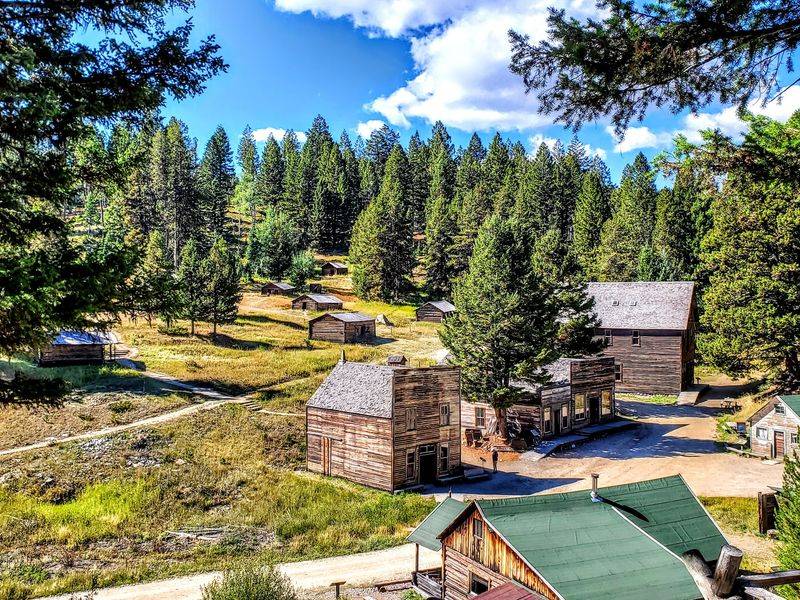
Miners first prospected in the Garnet Mountains as early as the 1860s, drawn by initial placer gold discoveries on Bear Creek. The real boom, however, did not ignite until 1895, when Dr. Armistead Mitchell erected a stamp mill to crush ore at the head of First Chance Gulch, officially kickstarting the community.
Originally called Mitchell, the settlement was renamed Garnet by 1897, a nod to the semi-precious, ruby-colored stones found alongside the area’s rich mineral deposits. The true turning point arrived with Sam Ritchey’s discovery of a rich ore vein in his Nancy Hanks Mine, positioned just above the town’s main street.
By January 1898, a mere three years after its founding, Garnet boasted a population of nearly 1,000 residents. The town quickly established four hotels, a doctor’s office, a school, four stores, and a staggering thirteen saloons, painting a vivid picture of the furious pace at which frontier life unfolded when gold was the ultimate prize.
More Than a Mining Camp: A Real Community
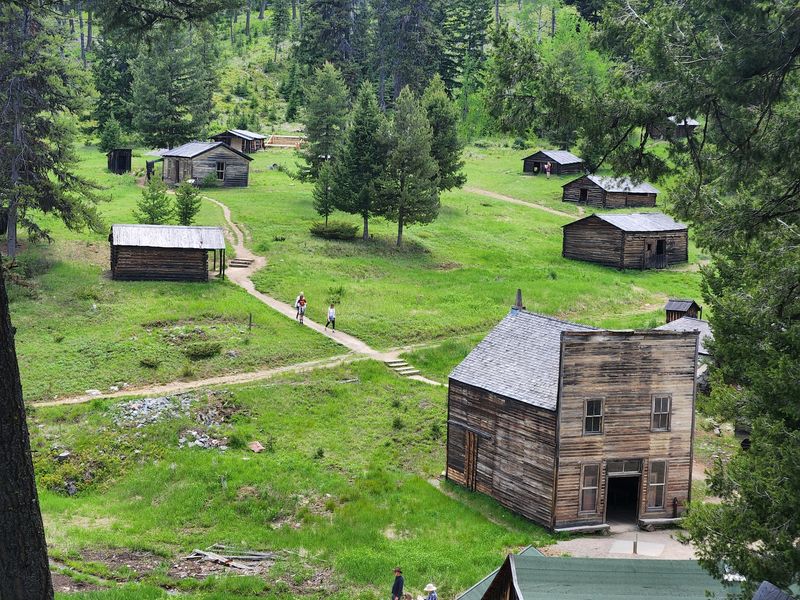
What struck me most about Garnet’s vibrant past was how it defied the rough-and-tumble stereotype of many mining outposts. While gold was undeniably the driving force, Garnet fostered a surprising sense of community, a place where families put down roots, even if temporarily.
Unlike other mining towns populated predominantly by single men, Garnet cultivated a healthy family life, evident in its thriving schoolhouse that once educated over 40 students. Residents found time for social gatherings, picnics, and fishing trips, adding a touch of everyday joy to the arduous pursuit of riches.
There was even a union hall where the mining company endorsed the union and donated the property, hosting Saturday-night socials on a dance floor made of springy maplewood. A visible jail served as an incentive to maintain order, but the overall picture that emerges is of a surprisingly well-organized frontier settlement where people genuinely cared about building something lasting together, not just striking it rich and moving on.
Arrested Decay: A Preservation Philosophy Unlike Any Other
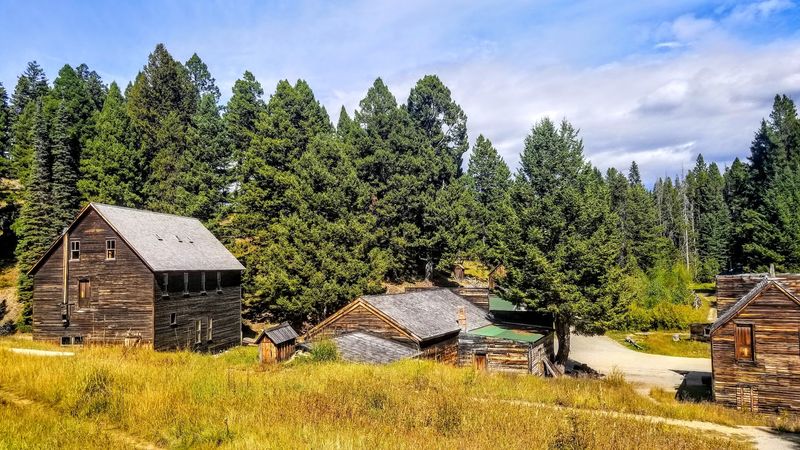
One of the most thought-provoking aspects of visiting Garnet is understanding the preservation philosophy behind what you see. The approach here is called “arrested decay,” and it is brilliantly understated.
Buildings are stabilized and protected from further deterioration, but they are not overly restored or sanitized to look brand new.
This means the structures tell their stories through their very imperfections, showcasing raw authenticity rather than a polished museum replica. Cracked walls, sagging rooflines, and sun-bleached timber all remain, speaking honestly about the passage of time without pretending otherwise.
The Bureau of Land Management and the non-profit Garnet Preservation Association work together to maintain this delicate balance, ensuring historical integrity is never sacrificed for the sake of appearances. Walking amongst these structures, you truly feel the isolated spirit of the place, where the past is not simply displayed behind glass but breathes quietly all around you, making every step feel like a genuine act of discovery rather than a guided tour.
Over 30 Buildings That Invite You Inside
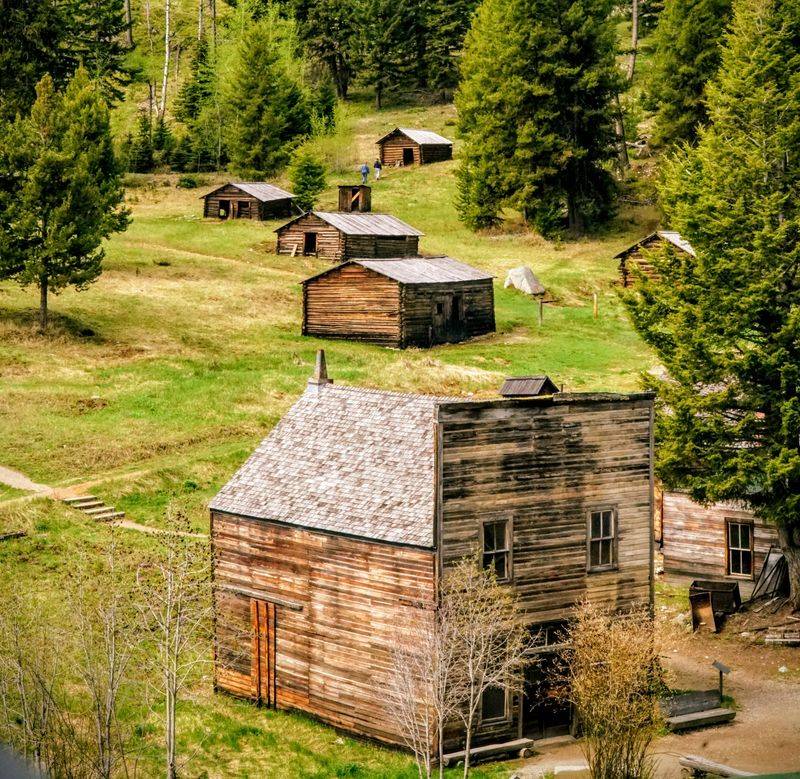
The magic of Garnet lies in sheer numbers: over 30 original buildings remain standing, offering an extraordinary window into late 19th-century life. These are not hollow shells but tangible pieces of history, and many are open for visitors to enter and explore during staffed hours from 9:30 AM to 4:30 PM.
The J.K. Wells Hotel, Dahl’s Saloon, Kelly’s Bar, and F.A.
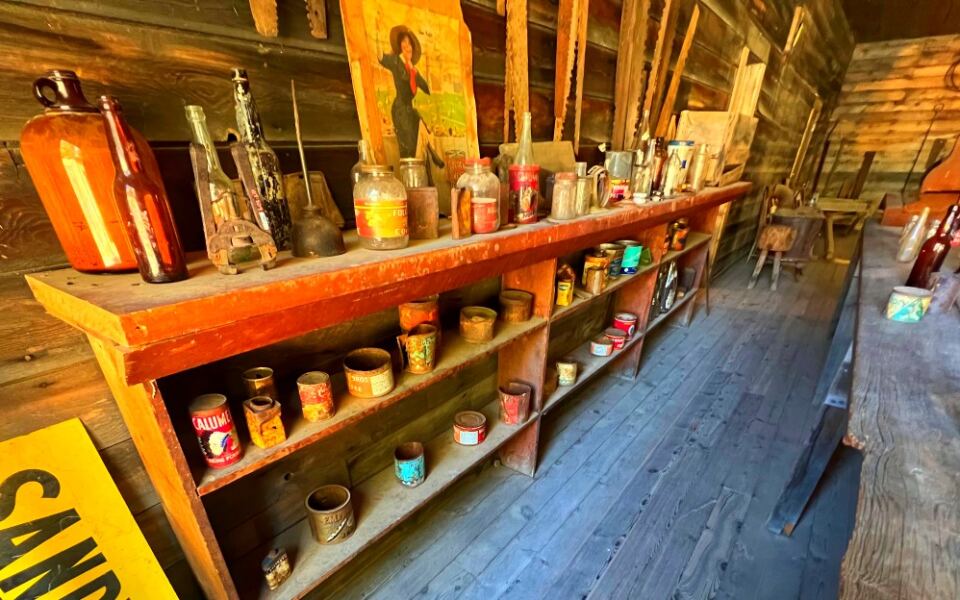
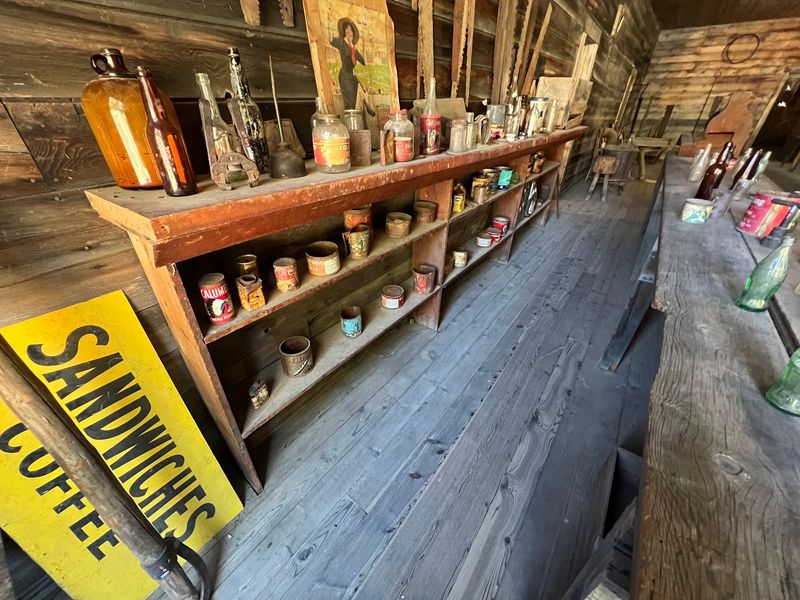
Davey’s Store are among the structures painstakingly preserved, each one carrying its own personality and atmosphere. Period furnishings inside the cabins make it easy to imagine the simple, hardworking lives of former inhabitants, from the narrow beds to the cast-iron stoves that once fought off brutal Montana winters.
A free paper guide available at the entrance box helps visitors connect each building to its history, adding context that transforms a casual stroll into something genuinely educational. The schoolhouse, in particular, tends to stop people in their tracks, its small wooden desks and dusty chalkboard making the past feel startlingly close and personal.
The Fires, Downturns, and Final Quiet
Even the richest veins of gold eventually thin, and Garnet’s boom, while spectacular, was ultimately short-lived. After 1900, gold became scarcer and more challenging to extract, and by 1905, the population had dwindled to about 150 residents as mines were abandoned one by one.
A devastating fire swept through Garnet’s business district in 1912, destroying nearly half the town, and what was lost was never rebuilt. World War I and later World War II further accelerated its decline, as residents left for defense-related jobs and wartime restrictions made mining difficult.
A brief resurgence came in the mid-1930s when the price of gold jumped from $16 to $32 an ounce, drawing some miners back to rework old claims. By the 1940s, however, Garnet was largely deserted, and the Montana School of Mines declared the Nancy Hanks Mine “dead” in 1960.
One resident, widowed saloon owner Marion Dahl, famously stayed on for decades, reportedly chasing off vandals and looters with fierce determination, becoming the town’s unlikely last guardian.
Trails That Wind Through the Prospectors’ Backyard
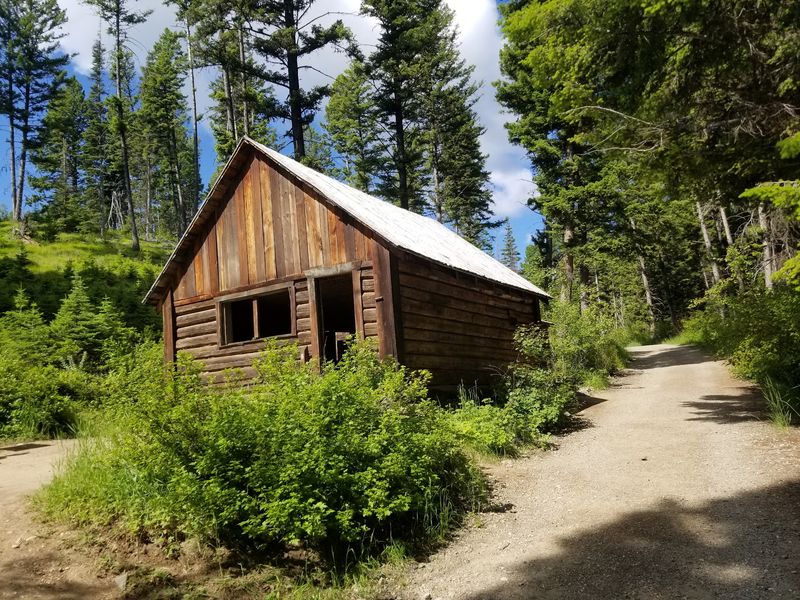
Beyond the compelling structures, the landscape surrounding Garnet practically begs you to lace up your boots and explore. The Bureau of Land Management has developed a series of self-guided interpretive trails departing right from the main parking lot, offering diverse experiences through scenic mountain terrain.
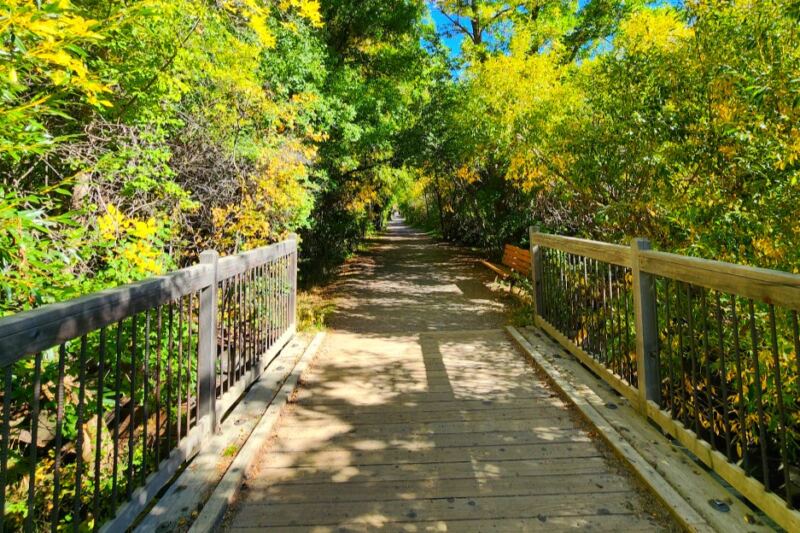
The Sierra Mine Loop Trail and the Placer Trail wind around the mountainside, crossing small bridges and passing old cabins and private property boundaries. Along these paths, deer are a common sight, and the forest soundtrack of birds and rustling pines provides a welcome contrast to the silent town you just wandered through.
The Warren Park Trail leads to a serene spot where Edward Brook Warren once built a cabin, and the peaceful clearing remains a favorite picnic destination. For families with younger visitors, the visitor center offers a scavenger hunt that turns the exploration of Garnet’s hidden details into a genuinely interactive adventure, encouraging kids to look closely at the town rather than simply passing through it.
A Winter Ghost Town That Rewards the Brave
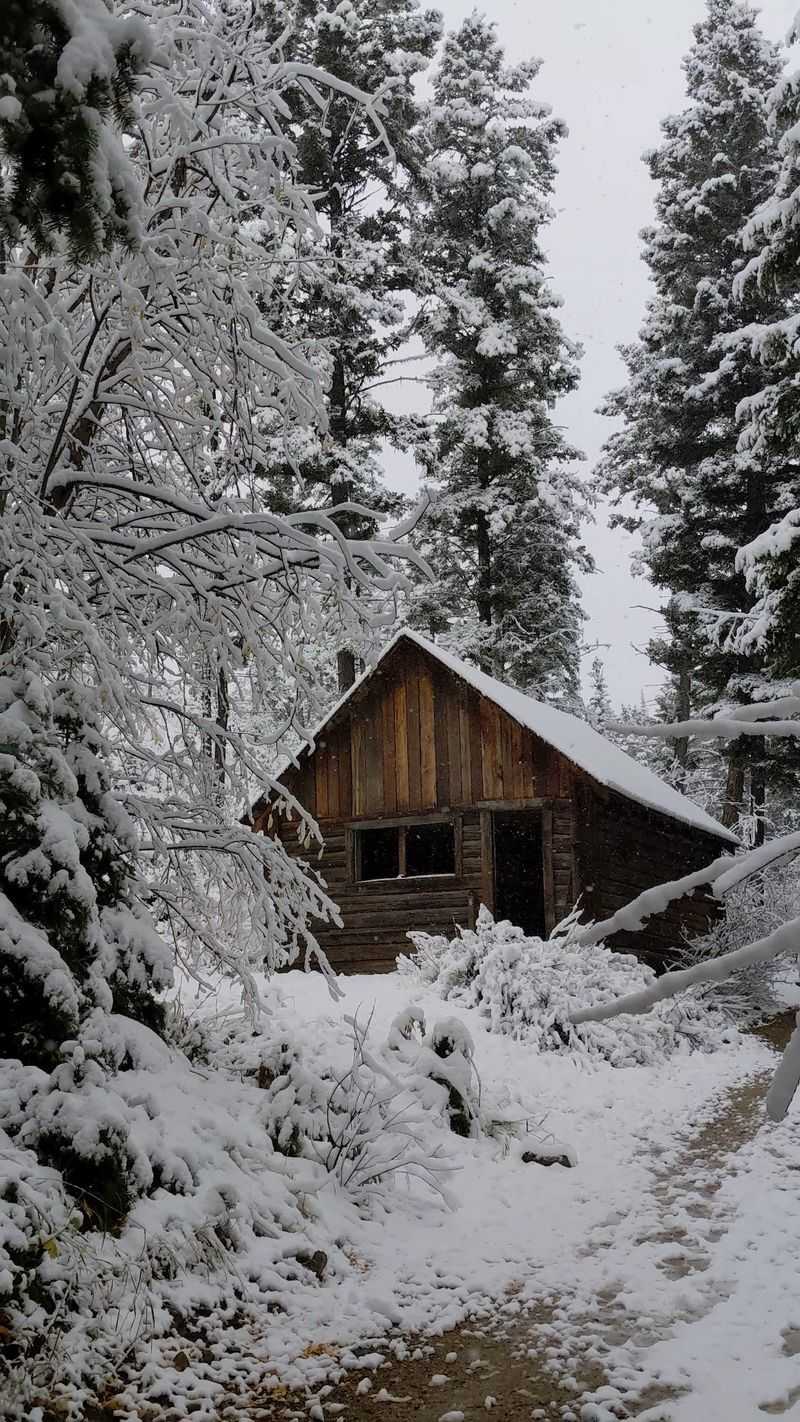
Most visitors arrive during warmer months, but Garnet transforms into something almost otherworldly when winter arrives. From December 15 through April 30, the roads close to wheeled vehicles entirely, meaning access requires snowmobiles, cross-country skis, or snowshoes.
That challenge, however, comes with serious rewards.
The BLM maintains over 110 miles of trails for snowmobilers and cross-country skiers in the Garnet Range, with routes ranging from regularly groomed paths to more demanding ungroomed terrain. Elevations reach up to 7,000 feet, and the snow-covered views from these heights are genuinely breathtaking.
Gliding through a silent, white landscape and arriving at a perfectly preserved ghost town blanketed in snow is an experience that is genuinely difficult to put into words. For those wanting a deeper immersion, two winter rental cabins are available, offering a cozy and unforgettable overnight stay amidst the frosty historical setting.
It is the kind of experience that makes you feel like the only person left in the world, in the best possible way.
Navigating the Roads to Reach This Remote Treasure
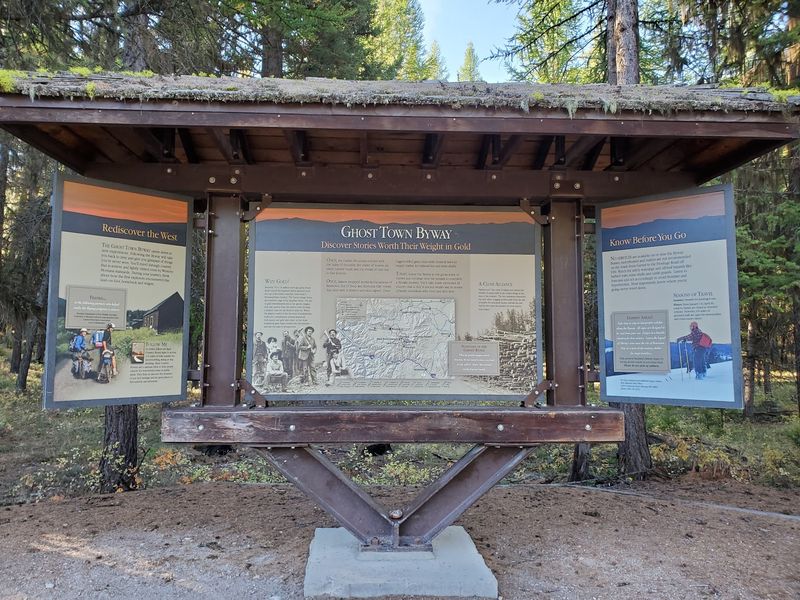
Getting to Garnet requires a bit of planning, but the journey itself is half the fun. The easiest and most recommended access is from Montana Route 200, turning south onto Garnet Range Road between mile markers 22 and 23, approximately 30 miles east of Missoula, then following it about 11 miles to the parking area.
This route, known as the National Back Country Byway, is generally well-maintained and offers scenic views along with interpretive signage and an old cemetery worth a brief stop. The alternative approach from Interstate 90 via Bear Gulch Road is significantly rougher and not recommended for RVs, motorhomes, or low-clearance vehicles due to steep, narrow, and challenging terrain.
Most standard cars handle the Route 200 approach without any trouble, though taking it slow is always wise. A day-use fee of $3 per person over 16 is collected on the honor system, so bring cash and a pen.
That small contribution goes directly toward preserving the remarkable structures you are about to explore.
Wildlife, Fishing, and the Wider Wilderness Around Garnet
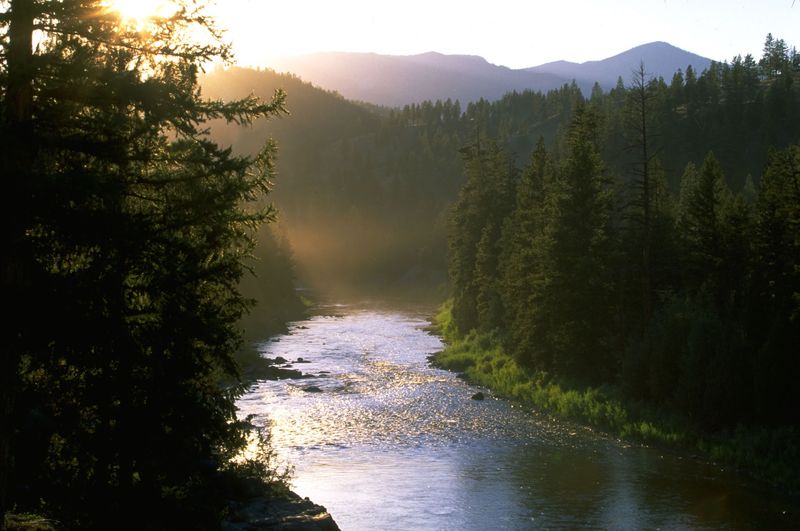
A visit to Garnet is also an invitation to explore the pristine wilderness of the surrounding Garnet Range. While camping is not permitted within half a mile of the ghost town itself, numerous dispersed camping opportunities exist on public BLM lands nearby, making it easy to extend your trip into a full backcountry adventure.
Elk Creek, just two miles northeast of Garnet, teems with Brook, Cut-throat, and Rainbow Trout, making it a rewarding spot for anglers. The creek eventually empties into the renowned Blackfoot River, a celebrated fly-fishing destination that draws visitors from across the country.
Hikers can explore the 11,580-acre Wales Creek Wilderness Study Area, just ten miles from Garnet, with elevations reaching up to 7,000 feet and steep, timbered drainages offering genuine backcountry challenge. Mountain bikers have over 30 miles of designated roads and trails to cover, and in late summer, huckleberries ripen along the slopes, offering a sweet reward for anyone paying close attention to the forest floor.
The Haunting Atmosphere That Keeps People Talking
For those with a penchant for the unexplained, Garnet carries a reputation that goes well beyond its historical significance. The isolated nature of the town, combined with its long abandonment, has given rise to a collection of eerie stories that caretakers and visitors have shared over the years.
Kelly’s Saloon is perhaps the most famously atmospheric spot, where whispers suggest that sounds of music and laughter can still be heard during the deep quiet of winter when only a single caretaker oversees the silent buildings. Unexplained footsteps have been reported in the old J.K.
Wells Hotel, and doors have apparently been heard shutting in areas where no functioning doors remain.
Whether you take these accounts as fact or folklore, they add an undeniable layer of intrigue to an already captivating destination. Garnet is a place where history is not only seen but almost felt, a subtle atmospheric charge that reminds you just how many vivid lives were once lived within these now-silent, wind-worn walls.
Practical Tips for Making the Most of Your Visit
A little preparation goes a long way at Garnet, and the good news is that most of what you need to know is straightforward. The site is open daily from 9:30 AM to 4:30 PM, with a knowledgeable staff member present during those hours who can answer questions and point you toward the most interesting buildings.
After hours, several structures are locked up, so arriving earlier in the day gives you the fullest experience.
Pick up the free paper guide from the box near the town entrance, as it provides detailed descriptions of each building and genuinely enriches the self-guided tour. Picnic tables near the parking lot make a packed lunch a practical and enjoyable option, and there is a water tap available for refilling bottles.
Clean pit toilets are located at both the top and bottom of the parking area.
Kids can earn a Junior Ranger badge here, which adds a rewarding educational element for younger visitors. The gift shop stocks small souvenirs, including stickers for just a dollar, and the staff are consistently praised for being both friendly and deeply knowledgeable about the site’s history.
Share this story