Gatlinburg, Tennessee is already a town full of character, but tucked along its famous strip sits a building that takes “unusual” to a whole new level. Robert Ripley spent decades traveling the world and collecting stories, artifacts, and facts that most people would never believe without seeing them firsthand.
The result is an attraction that has kept families, curious adults, and wide-eyed kids coming back for generations. This odditorium in the heart of the Smoky Mountains packs over 500 artifacts across multiple floors, and every corner holds something that will make you stop, stare, and probably say “wait, is that real?” Keep reading to find out exactly what makes this place worth every minute of your time.
The Man Behind the Madness

Robert Ripley was not a museum curator by training. He was a cartoonist, an explorer, and a deeply obsessive collector of the world’s most jaw-dropping facts and objects.
His syndicated newspaper cartoon, “Believe It or Not,” launched in 1918 and eventually reached an audience of over 80 million readers worldwide. That kind of reach turned Ripley into one of the most recognized names in American popular culture during the 20th century.
He traveled to more than 200 countries during his lifetime, always hunting for the next unbelievable story or artifact to share with his audience. His personal collection became the foundation for the first Ripley’s Odditorium, which opened at the 1933 World’s Fair in Chicago.
That original exhibition was such a hit that the concept grew into a global brand. The Gatlinburg location carries that same spirit of curiosity and wonder that Ripley himself built his entire career around.
500 Artifacts and No Two Are the Same
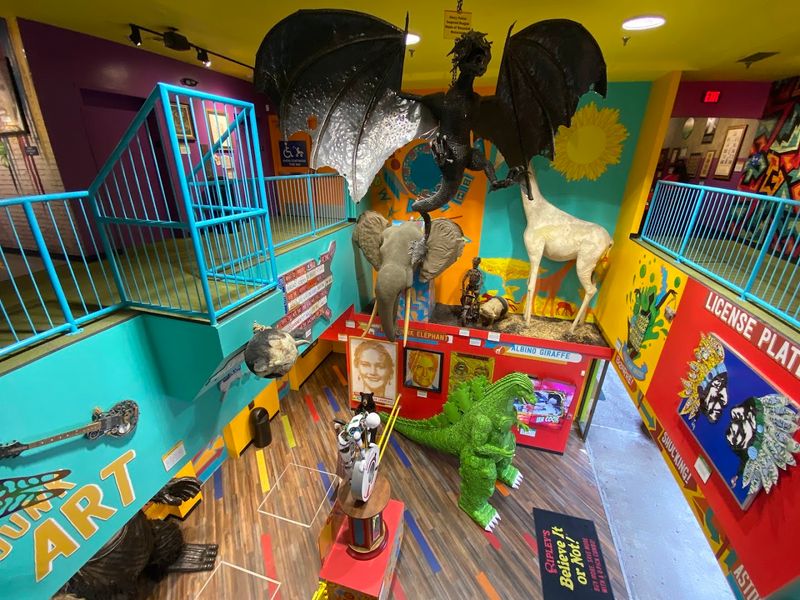
The Gatlinburg odditorium houses more than 500 artifacts and exhibits spread across three floors, making it one of the larger Ripley’s locations in the country. That number is not just a marketing figure; the collection genuinely takes time to work through properly.
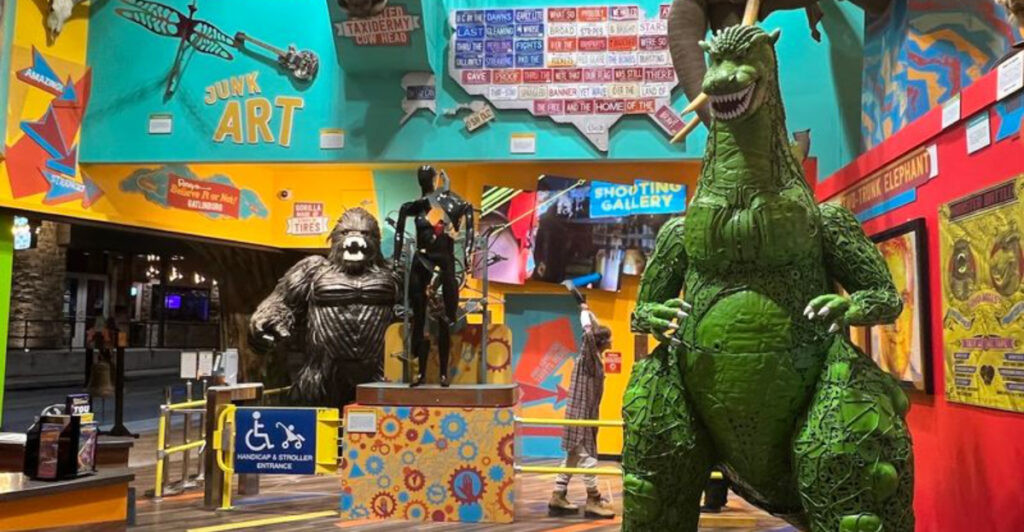
Among the highlights are shrunken human heads, rare animal skeletons, albino creatures, and artwork made entirely from recycled or everyday materials. A dragon sculpture built from scrap metal is one of the standout pieces that tends to stop people in their tracks.
Each artifact comes with informative cards that explain the historical context, origin, and backstory behind the object. Those details transform what could be a passive walk-through into something closer to an actual educational experience.
Plan for at least two to three hours if the goal is to read everything and engage with every exhibit. Families who slow down and take their time often find the experience far more rewarding than those who rush through the floors.
Interactive Exhibits That Actually Do Something
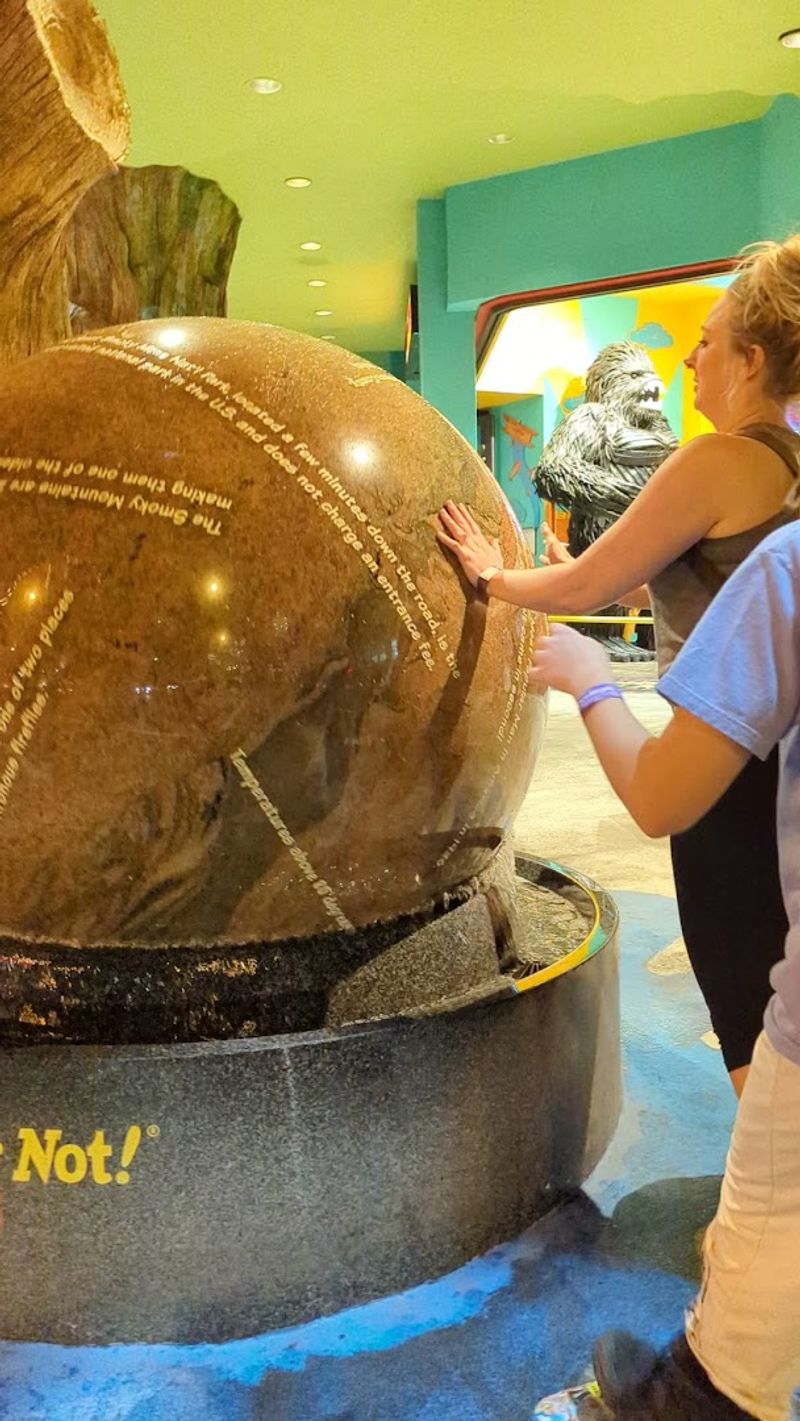
A lot of museums ask you to look but not touch. This odditorium takes the opposite approach, with interactive exhibits scattered throughout all three floors that invite participation rather than passive observation.
Buttons, handles, and motion-based displays are built into the experience, turning certain sections into something closer to a hands-on activity than a traditional exhibit walk. Kids especially respond well to these moments, and they keep the energy moving even during longer visits.
The interactive elements also serve a practical purpose: they break up the rhythm of reading and looking, which helps younger visitors stay engaged without getting restless. Parents consistently note that the combination of visual displays and hands-on activities holds attention far better than exhibits that rely on text and glass cases alone.
Worth noting is that some interactive elements have experienced downtime during certain visits, so not every button or handle may be fully operational on any given day. Checking in with staff at the entrance about current exhibit status is a smart move.
Three Floors Worth of Weird
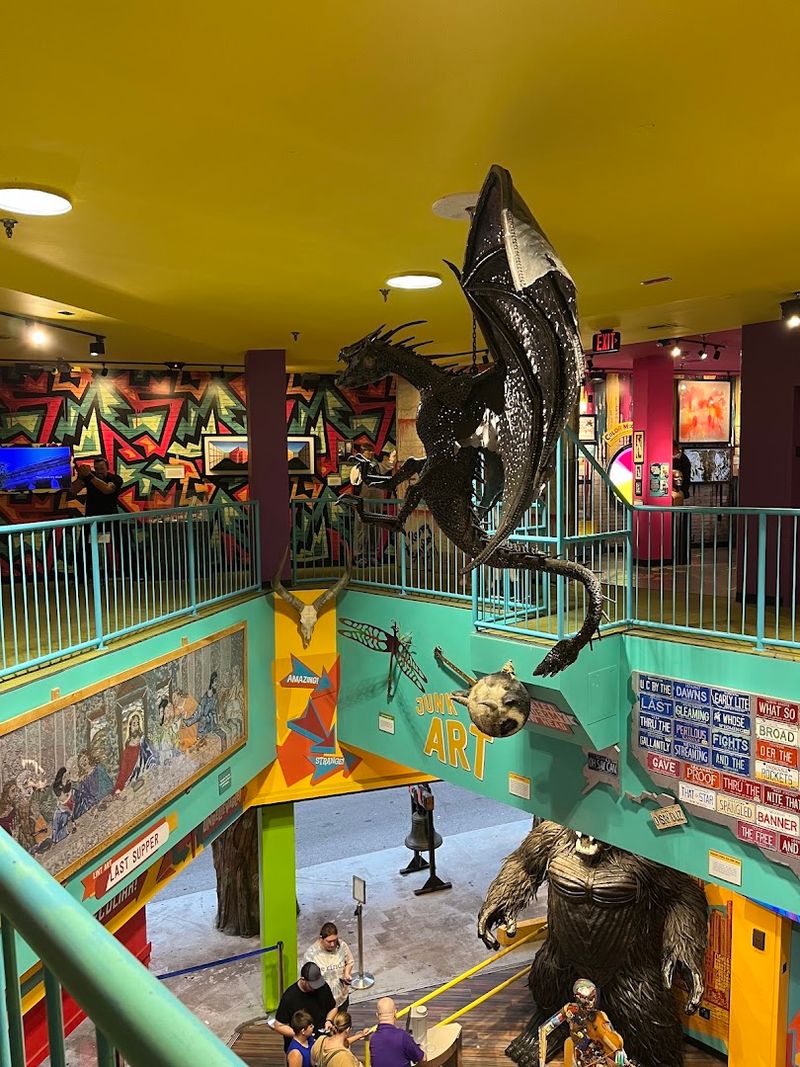
The layout of the Gatlinburg odditorium spans three floors, and the flow through the space is designed to move visitors naturally from one themed area to the next without too much backtracking. The overall path through the building has a smooth, logical progression that makes the visit feel organized rather than chaotic.
Each floor introduces a different mix of exhibits, so the experience shifts as visitors move upward. That variety keeps the momentum going and prevents any single theme from wearing out its welcome before the next section begins.
Restrooms are available on the third floor, which is useful to know before starting the tour. Snack machines are also accessible within the building, so there is no need to cut the visit short just because someone needs a quick break.
The facility is wheelchair and stroller friendly, which makes it accessible for families traveling with young children or anyone who needs additional mobility support. That level of accessibility is not always guaranteed at older attraction buildings, so it is a genuine plus here.
Shrunken Heads and the Stories Behind Them
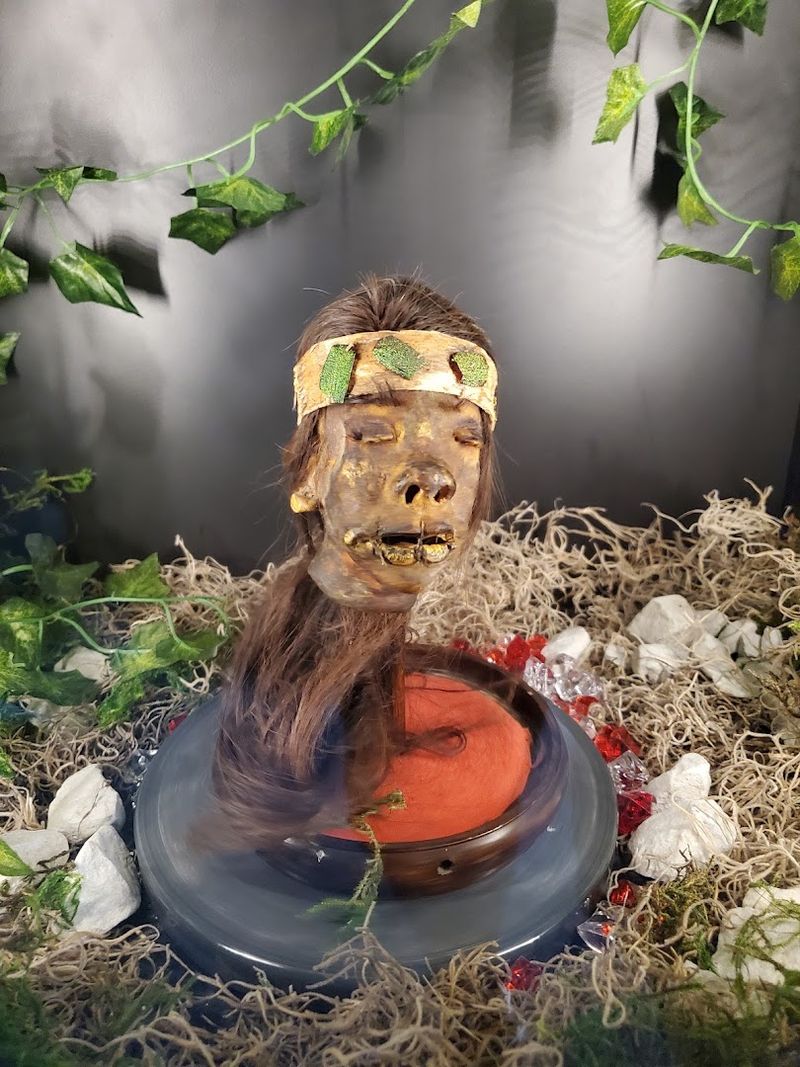
Few exhibits at any Ripley’s location generate more conversation than the shrunken heads. The Gatlinburg odditorium has authentic examples on display, and the informational cards that accompany them explain the cultural and historical context behind the practice.
Shrunken heads, known as tsantsa, were created by the Shuar people of Ecuador and Peru as part of specific ceremonial traditions. The process was elaborate and carried deep cultural significance within those communities, which is a detail that gets lost when the objects are presented purely as shock value.
Ripley’s approach to these artifacts tends to balance the unusual nature of the objects with genuine educational content, which elevates the exhibit beyond a simple curiosity display. Understanding the background behind an artifact changes the way a person looks at it.
These pieces are among the most historically significant items in the entire collection, and they represent exactly what Robert Ripley was trying to communicate: that the world is far more complex and fascinating than most people ever take the time to discover.
Art Made From the Last Thing You Would Expect
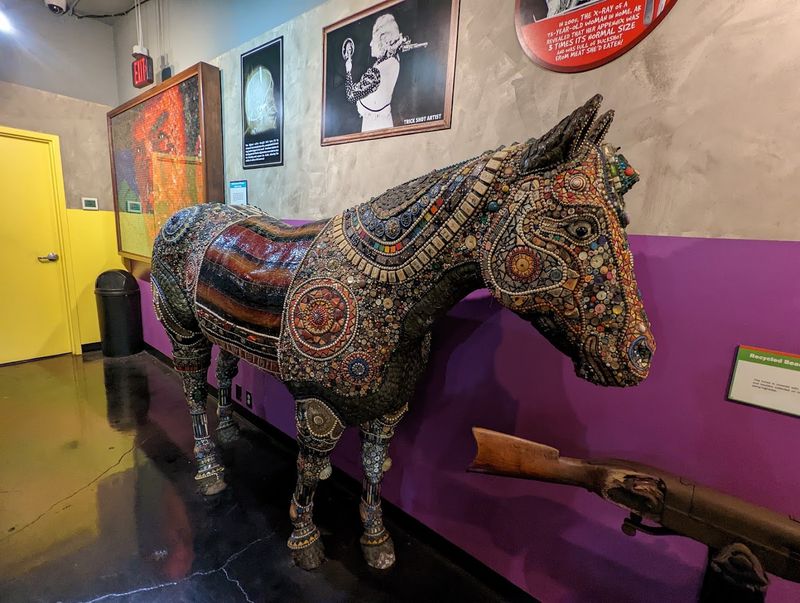
One of the more unexpected categories within the odditorium is the artwork section, which features pieces created from materials most people would never consider using as an artistic medium. Recycled objects, scrap metal, and repurposed everyday items are transformed into detailed sculptures and visual displays.
The scrap metal dragon is a frequently mentioned highlight, and it earns that reputation. The level of craftsmanship involved in turning discarded metal into a recognizable, detailed form is genuinely impressive regardless of how much time a person spends around art.
These pieces connect the odditorium to a broader tradition of outsider art and unconventional creativity that runs throughout Ripley’s collections worldwide. The message is consistent: extraordinary things can come from the most ordinary starting points.
For visitors who might not be drawn to the more unusual biological or historical exhibits, the artwork sections offer a different kind of engagement. They tend to appeal to a wide range of ages and interests, making them one of the more universally appreciated parts of the entire experience.
A Stop That Works for Every Age Group
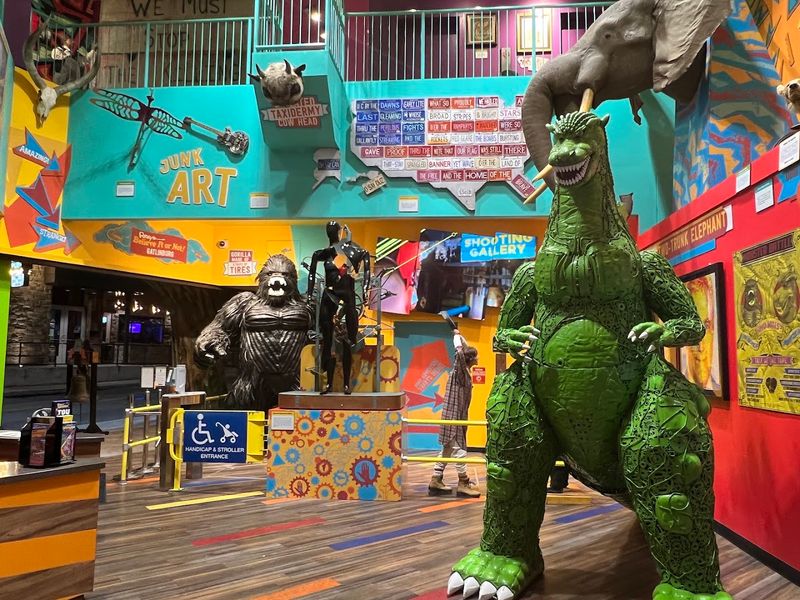
Finding an attraction that genuinely works for a five-year-old, a teenager, and a grandparent at the same time is harder than it sounds. The Gatlinburg odditorium manages it by offering enough variety that different age groups can find their own points of interest without anyone feeling left out.
Young children tend to gravitate toward the interactive elements and the more visually striking displays, while older kids and teenagers often get pulled in by the bizarre facts and historical context. Adults, meanwhile, frequently find themselves spending the most time reading the informational cards and connecting the artifacts to broader historical narratives.
The attraction has been described as equally entertaining and educational, which is a combination that parents especially appreciate when planning a day out. It does not feel like a compromise where some family members are just waiting for others to finish.
The wide range of exhibit types, from biological oddities to artwork to pop culture memorabilia, ensures that the experience stays fresh across the full duration of the visit regardless of who is in the group.
Combo Tickets and Ways to Save

Gatlinburg has multiple Ripley’s branded attractions beyond the odditorium, including an aquarium, a mirror maze, a laser race, mini golf, and more. That concentration of Ripley’s properties in one town creates real opportunities for savings through combo ticket packages.
The U-Pick pricing option allows visitors to bundle multiple Ripley’s attractions together at a reduced rate compared to buying individual tickets for each one. That flexibility makes it easier to customize the day based on what different members of the group actually want to do.
A combo deal pairing two adult tickets with arcade game credits is one popular option that extends the fun before or after the main museum walk-through. The arcade area adds a casual, low-pressure activity that works well as a warm-up or wind-down to the exhibit experience.
Checking the official Ripley’s website at ripleys.com before visiting is the most reliable way to see current pricing, available bundles, and any seasonal promotions that might apply to a particular travel window.
How Long Should You Actually Plan to Stay
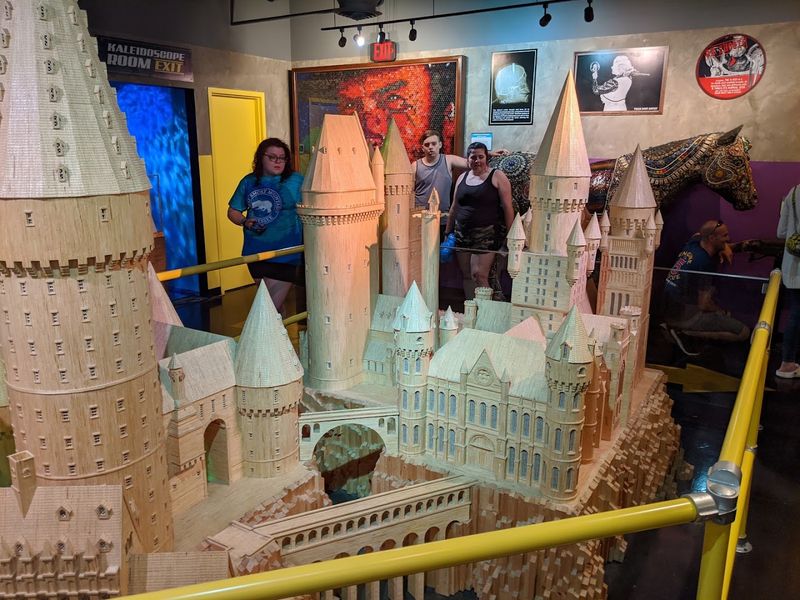
Two to three hours is the realistic time commitment for two adults who want to move through the exhibits at a comfortable pace and read the accompanying information along the way. Families with children may find the visit stretches longer depending on how much time kids spend at interactive stations.
Some visitors have reported spending nearly a full day inside the odditorium when they committed to reading every informational card and engaging with every available exhibit. That level of depth is absolutely possible given the volume of content spread across the three floors.
Going later in the day on weekdays tends to result in smaller crowds, which allows for a more relaxed exploration without feeling rushed or crowded around popular exhibits. The extended evening hours, especially the midnight closing time on weekends, make a late afternoon start entirely viable.
Building in extra time is always the smarter choice with an attraction this dense. Running out of time before finishing the third floor is a far more common complaint than finishing too quickly and wishing there was more to see.
Renovations, Changes, and What to Expect Now
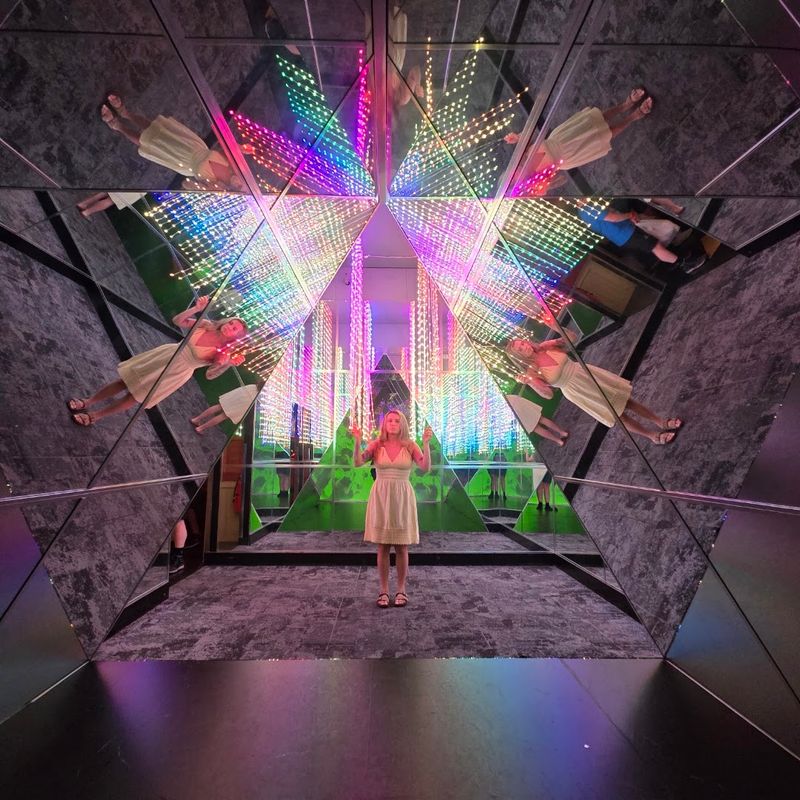
The Gatlinburg odditorium has gone through notable renovations in recent years, and the updated version leans more heavily into interactive technology and family-friendly presentation than earlier versions of the attraction did.
Long-time visitors who remember the location from the early 2000s will find some differences. Certain sections that leaned toward darker or more edge-driven themes have been replaced with newer exhibit formats, and some previously beloved features like the fully mirrored hall have been modified.
Those changes have been well received by first-time visitors and families with younger children, who tend to connect more with the current interactive and educational format. The renovation has also made the space feel more polished and easier to navigate.
For anyone visiting for the first time, the current version of the odditorium stands fully on its own merits. The collection is extensive, the interactive elements are engaging, and the overall experience delivers exactly what the Ripley’s brand has always promised: things that are genuinely hard to believe but completely, verifiably true.
Why This Gatlinburg Stop Keeps Drawing People Back

Repeat visits to the Gatlinburg odditorium are common, and that pattern says something meaningful about the experience. When a paid attraction earns a spot on the “must do every trip” list for families who visit Gatlinburg annually, it is not happening by accident.
The combination of genuine historical artifacts, educational content, interactive elements, and sheer visual variety creates an experience that holds up across multiple visits. The collection is large enough that it is easy to notice something new on a second or third trip through.
The location on the main strip also makes it easy to fit into a broader Gatlinburg itinerary without requiring a dedicated travel detour. It sits naturally alongside the town’s other attractions, shops, and activities, making it a logical anchor for a full day out.
Ripley’s Believe It or Not in Gatlinburg works because it commits fully to its premise. There are no half measures here, just a building packed with things that genuinely deserve a second look, and sometimes a third.
Where the Odditorium Actually Lives

Right in the middle of the action, at 800 Parkway, Gatlinburg, TN 37738, this attraction sits directly on the famous strip that runs through downtown Gatlinburg. The location could not be more convenient, since everything else the town has to offer is steps away.
The building itself is hard to miss. Its exterior design signals immediately that something out of the ordinary is happening inside, which is exactly the point.
Gatlinburg sits at the gateway to Great Smoky Mountains National Park, making it one of the most visited small towns in the entire United States. That context matters because the odditorium draws from a massive pool of tourists who are already in the area and looking for something memorable to do.
The attraction is open Sunday through Thursday from 9 AM to 11 PM and stays open until midnight on Fridays and Saturdays, giving plenty of flexibility for planning a visit around a busy vacation schedule.
Share this story