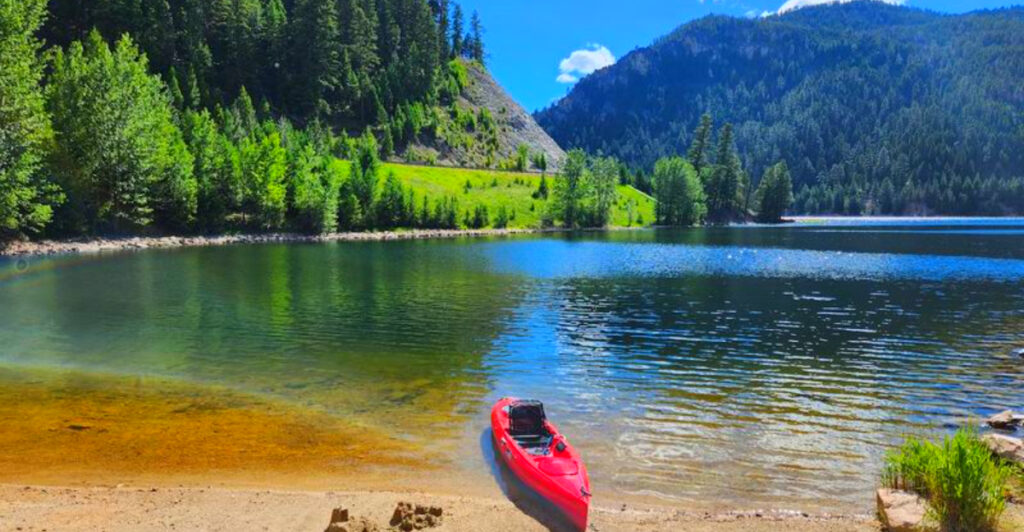
Montana’s state parks showcase the incredible variety of the state’s landscapes, from rugged badlands and mountain lakes to historic ghost towns and underground caves. Each offers its own unique mix of natural beauty, history, and outdoor adventure.
Whether you’re looking for scenic hikes, wildlife, fascinating history, or peaceful places to relax, these 14 state parks have something special to offer. Together, they highlight some of Montana’s most memorable destinations beyond the national parks.
1. Makoshika State Park, Glendive, Montana
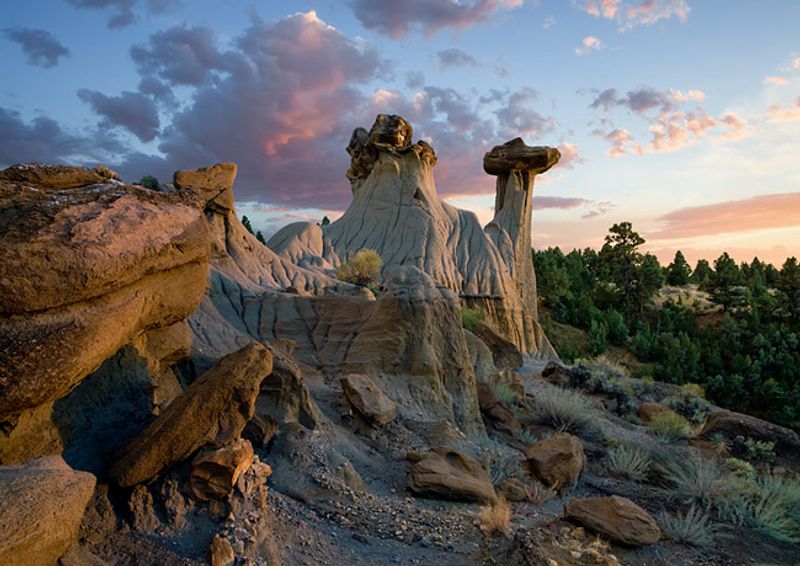
Montana’s largest state park opens with a landscape that looks like it belongs on another planet entirely.
The park sits on one of the richest dinosaur fossil deposits in the American West. Triceratops and Tyrannosaurus rex remains have been unearthed here, and the park’s visitor center displays several impressive specimens to give context to what lies beneath your feet.
Scenic drives wind through the canyon, making it accessible even for visitors who prefer not to hike. Several well-marked trails offer closer views of the formations, including a popular archery range and a disc golf course that is genuinely unlike any course you have played before. Sunrise and sunset light up the terrain in remarkable ways.
2. Lewis & Clark Caverns State Park, Whitehall, Montana
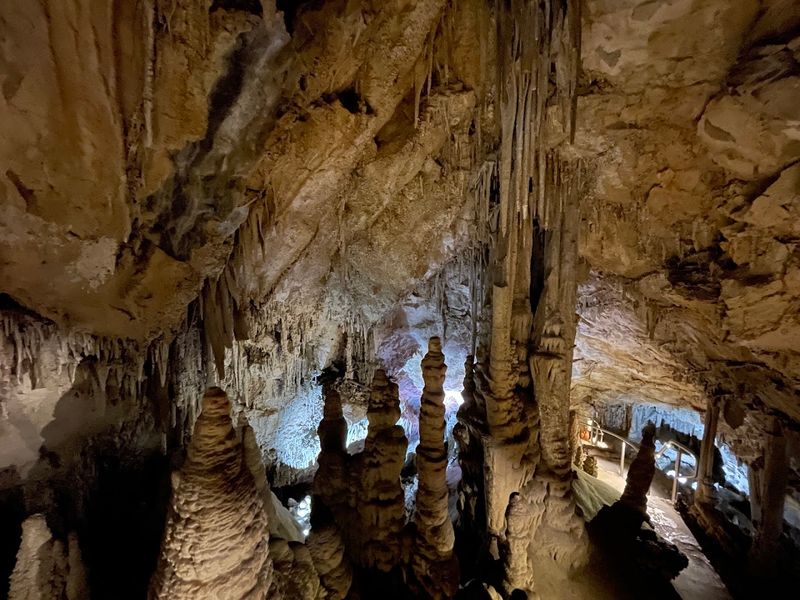
Few things in Montana are quite as surprising as descending underground and discovering an entire world of limestone formations that took thousands of years to build. Lewis and Clark Caverns, located near Whitehall, protects one of the most spectacular cave systems in the Pacific Northwest region and draws visitors year-round for its guided tours.
The caverns are filled with stalactites, stalagmites, helictites, and columns packed into chambers that open dramatically as the tour progresses. Guides lead groups through about a mile of passages, and the formations are genuinely impressive without any artificial embellishment needed.
Above ground, the park offers hiking trails with panoramic views of the Jefferson River Valley, a campground surrounded by hills, and picnic areas ideal for a post-cave lunch. The cave tour itself lasts about two hours and involves some crouching and narrow passages, so wear comfortable shoes and leave the wide-brimmed hat in the car.
3. Bannack State Park, Bannack, Montana
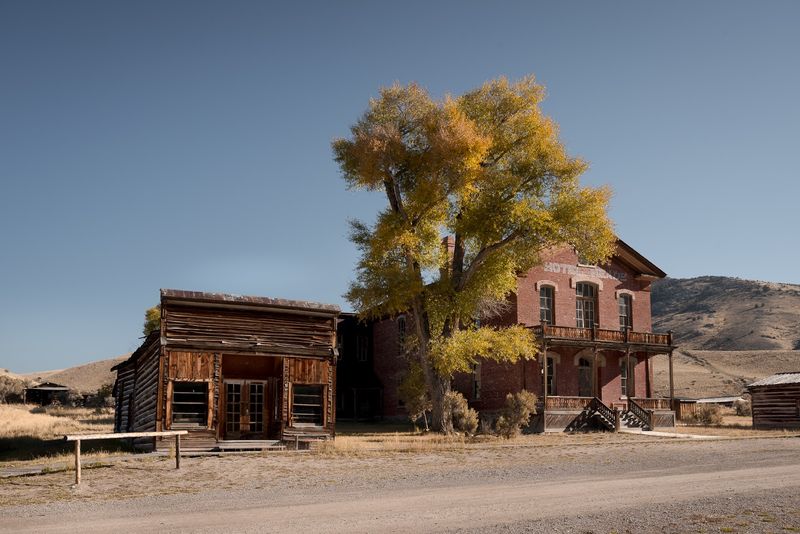
Gold was discovered at Bannack in 1862, and within months the town swelled with miners, merchants, and a rather notorious sheriff named Henry Plummer who was secretly running an outlaw gang. That story alone makes Bannack worth the drive to its remote location in southwestern Montana.
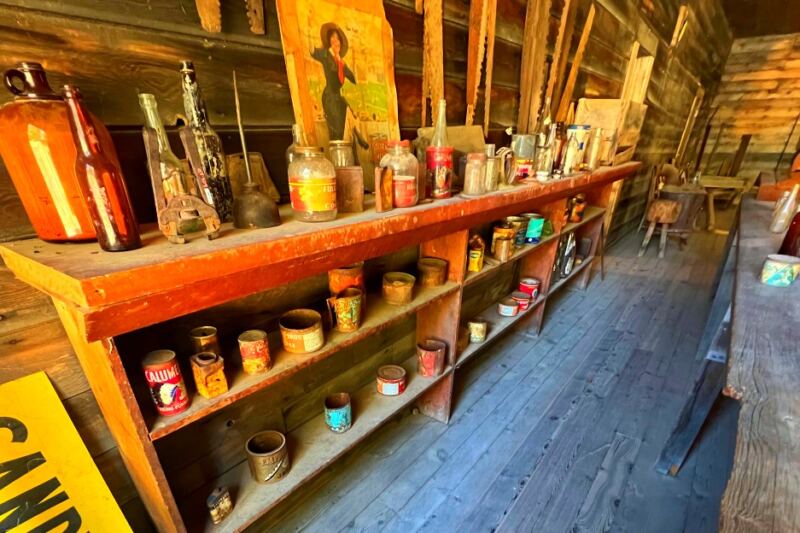
Today, more than 60 original structures still stand, including the hotel, jail, Masonic lodge, and a schoolhouse that doubled as a church. The park takes a hands-off preservation approach, meaning the buildings are stabilized but not restored to a polished condition, which actually makes the whole place feel more authentic.
Bannack Days, held each July, brings the town back to life with living history demonstrations, blacksmithing, and period-accurate activities that give families a genuinely engaging experience. The park is open year-round, but summer weekends offer the most programming. It is one of the best-preserved ghost towns in the entire American West.
4. Giant Springs State Park, Great Falls, Montana
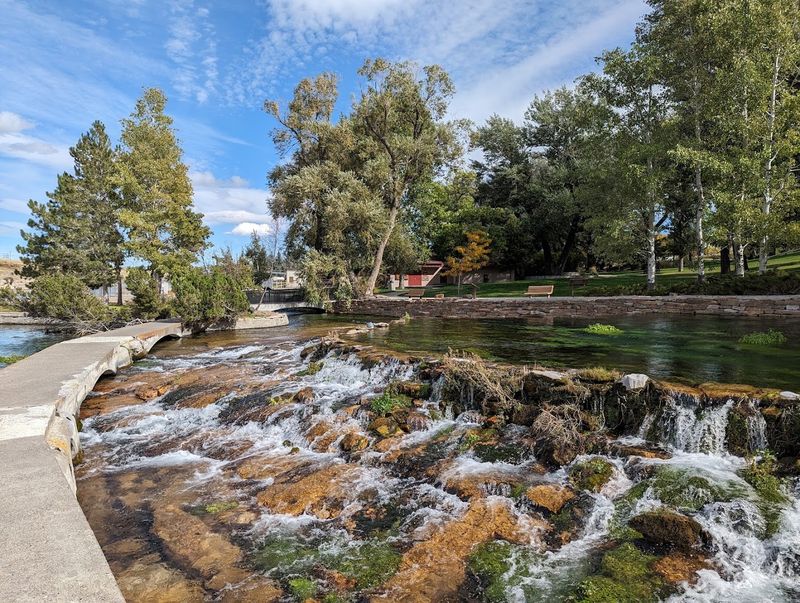
When Lewis and Clark passed through this area in 1805, they documented a massive spring pouring clear water directly into the Missouri River. That same spring is still flowing today, pumping out roughly 156 million gallons of water every single day from the Madison Aquifer beneath the Little Belt Mountains.
Giant Springs State Park is built around this geological curiosity, and the spring is genuinely impressive to stand beside. The water temperature holds steady at 54 degrees Fahrenheit year-round, and the clarity is remarkable. The park is also home to the Roe River, once listed by Guinness World Records as the world’s shortest river at just over 200 feet long.
More than 30 miles of paved and unpaved trails connect the park to the larger River’s Edge Trail system, making it popular with cyclists and walkers. A fish hatchery on site raises over a million fish annually and offers free self-guided tours. This is Montana’s most visited state park for good reason.
5. Missouri Headwaters State Park, Three Forks, Montana
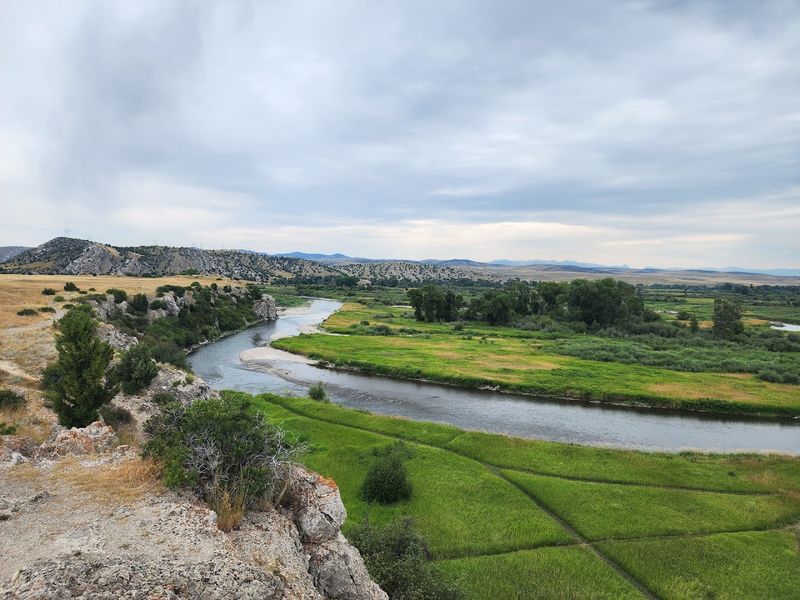
Three rivers walk into a bar and one of America’s greatest waterways is born. At Missouri Headwaters State Park near Three Forks, the Jefferson, Madison, and Gallatin Rivers converge to form the official beginning of the Missouri River, the longest river in North America.
Lewis and Clark reached this spot in 1805 and named the three tributaries after President Jefferson, Secretary of State Madison, and Secretary of the Treasury Gallatin. Long before their arrival, this confluence held enormous significance for Indigenous nations including the Shoshone and Blackfeet peoples.
The park offers easy, well-maintained trails that wind along the riverbanks and up to elevated viewpoints where the meeting of the rivers is clearly visible. Wildlife is abundant, with white-tailed deer, beavers, and various bird species frequently spotted. Interpretive signs throughout the park explain both the geological and historical importance of the area in clear, accessible language that even younger visitors will find engaging.
6. Medicine Rocks State Park, Ekalaka, Montana
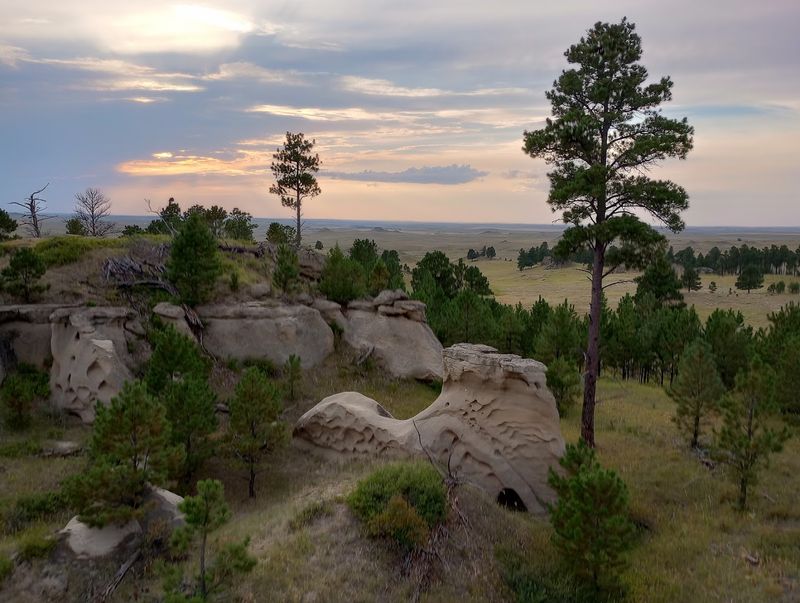
Carved by wind and water over countless centuries, the sandstone outcroppings at Medicine Rocks look like something a sculptor designed on a very unusual day. The formations rise from the surrounding prairie with honeycombed surfaces, natural arches, and pillars that cast long shadows across the short-grass landscape.
The park sits in a remote corner of southeastern Montana near Ekalaka, far from major highways and tourist infrastructure, which gives it a genuinely off-the-beaten-path character. Sioux tribes historically considered this area sacred, and the name refers to the spiritual power they believed resided in the rocks.
Theodore Roosevelt visited the area in the 1880s and was reportedly captivated by the landscape, which says something given how much of the American West he explored. The park has no campground fee and minimal facilities, making it a straightforward destination for visitors who just want quiet trails and extraordinary rock formations without a lot of crowds.
7. Lost Creek State Park, Anaconda, Montana
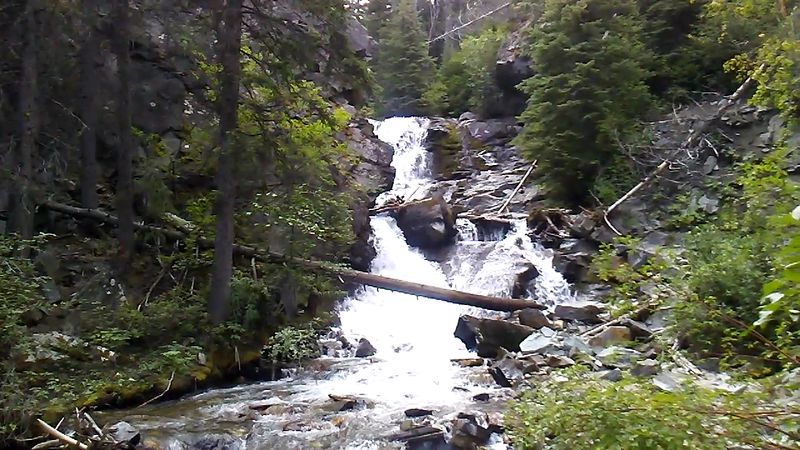
Hidden inside a narrow granite and limestone canyon west of Anaconda, Lost Creek State Park delivers one of Montana’s most rewarding short hikes with a waterfall payoff that feels completely out of proportion to the effort required. The trail to Lost Creek Falls covers less than two miles round trip, yet the canyon scenery along the way is genuinely dramatic.
The waterfall drops roughly 50 feet down a sheer rock face at the end of the canyon, and the surrounding walls rise high on either side, creating a natural amphitheater effect. Spring and early summer bring the strongest water flow, making those months particularly popular for visitors.
Bighorn sheep are frequently spotted on the canyon walls, and the area also supports mountain goats, white-tailed deer, and an active beaver population near the creek. The park has a small campground for those wanting to stay overnight, and the combination of wildlife, geology, and an easy trail makes it an excellent family destination.
8. Placid Lake State Park, Seeley Lake, Montana
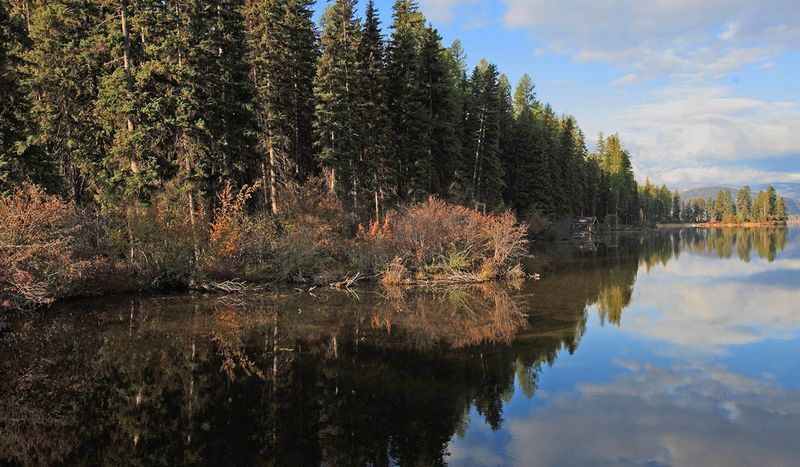
The name is not misleading. Placid Lake earns its title with remarkably calm water that makes it a reliable destination for paddling, swimming, and generally doing as little as possible in a very beautiful setting. Located in the Clearwater River Valley, this 31-acre park sits beneath stands of western larch that turn gold each autumn.
Anglers target rainbow, cutthroat, brown, and bull trout, along with kokanee salmon and perch. The variety keeps fishing interesting across different seasons, and the lake does not get as crowded as some of the larger Flathead Valley destinations nearby.
Interpretive panels near the shoreline detail the area’s early logging history, and the massive western larch stumps still visible around the park give that history a tangible presence. The campground offers 40 sites, some with electrical hookups, plus showers and laundry facilities that make extended stays genuinely comfortable. Old logging roads loop around the lake and double as hiking and biking trails.
9. Salmon Lake State Park, Seeley Lake, Montana
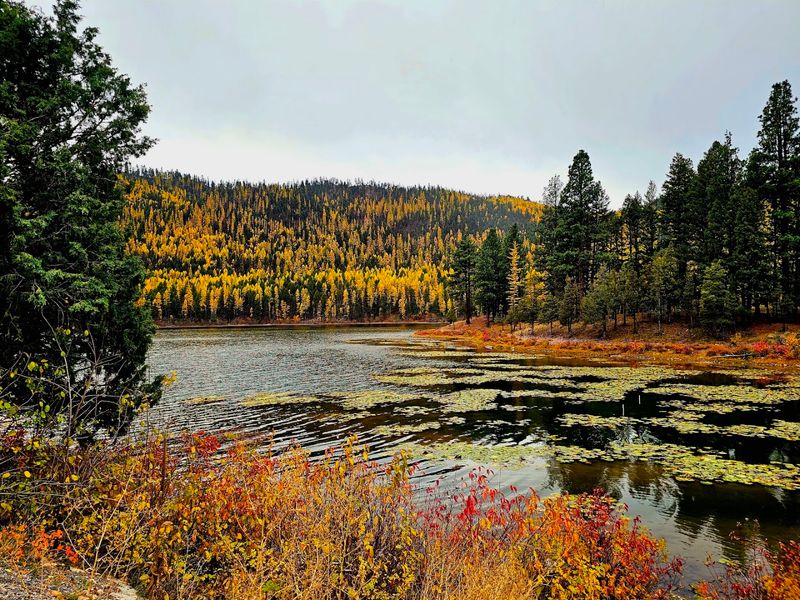
Autumn at Salmon Lake is a specific kind of spectacular that photographers drive hours to witness. The western larch trees surrounding the 42-acre park turn a vivid gold each fall, and their reflection on the lake surface creates a scene that does not require any filter or editing to look impressive.
The lake supports an unusually diverse fish population including rainbow, cutthroat, brown, brook, and bull trout, plus largemouth bass, kokanee salmon, yellow perch, and northern pike. That range of species keeps both casual anglers and serious fishing enthusiasts busy across the season.
Camping options include 24 sites plus a dedicated hike-bike site equipped with a bike rack and bear-resistant food lockers. Flush toilets, showers, and fire rings make the campground comfortable without feeling over-developed. Water recreation extends beyond fishing to include kayaking, canoeing, water skiing, and tubing, giving the park a lively energy on warm summer weekends.
10. Wayfarers State Park, Bigfork, Montana
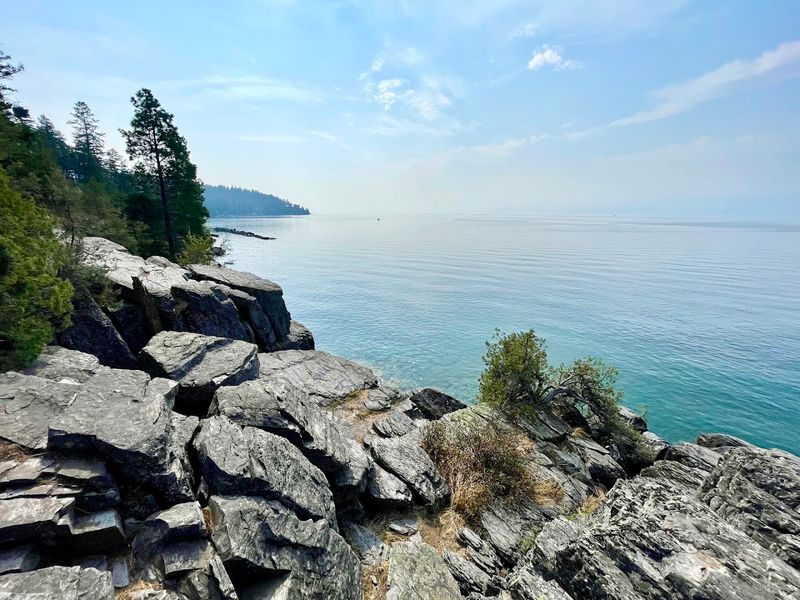
Flathead Lake is the largest natural freshwater lake west of the Mississippi River, and Wayfarers State Park occupies one of its most scenic stretches of northeastern shoreline near the charming town of Bigfork.
The park draws swimmers, boaters, and picnickers throughout summer, with the shoreline providing direct lake access that is harder to find elsewhere along Flathead’s privately developed edges. Two well-maintained trails, the Lupine Loop and the Harry Horn Trail, wind through mature forest where deer, mountain lions, and various songbirds are regularly spotted.
Camping is available in a mix of tent and RV sites, some of which are ADA accessible. Photographers consistently rank Wayfarers among the best sunset-viewing locations on the entire lake, as the western sky lights up dramatically over the water each evening. The park stays welcoming even during peak summer weekends.
11. Wild Horse Island State Park, Flathead Lake, Montana
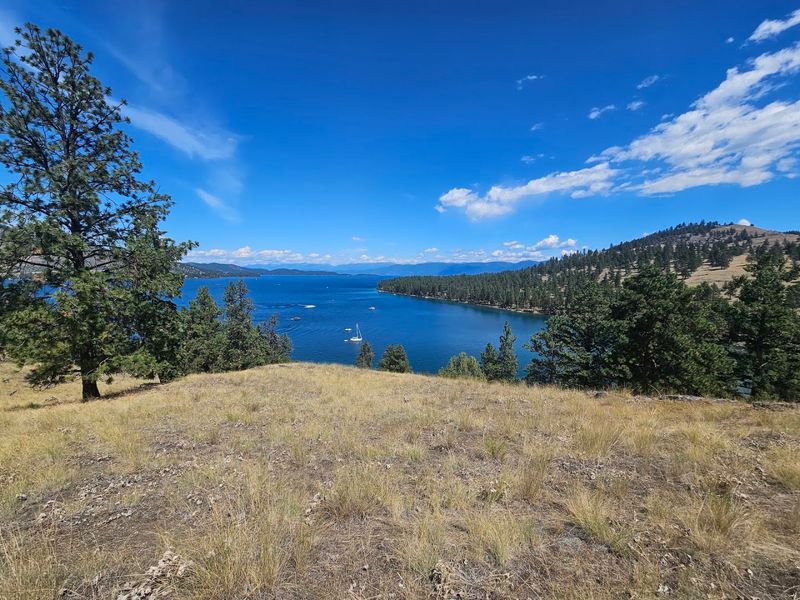
Getting to this park requires a boat, and that single logistical detail keeps Wild Horse Island feeling genuinely wild. The 2,163-acre island sits in the southern end of Flathead Lake and is accessible primarily by private watercraft or kayak, which means the crowds that fill other popular Montana destinations simply never materialize here.
Bighorn sheep are the island’s most reliable large mammal sighting, with a healthy herd that treats hikers as a mild curiosity rather than a threat. Mule deer, bald eagles, and ospreys are also commonly spotted, and the park’s namesake wild horses make occasional appearances that visitors find particularly memorable.
Trails cover about 6 miles across the island, offering lake views from multiple elevations. There are no facilities, no food vendors, and no campground, so visitors need to pack everything they need for a day trip.
12. Lake Mary Ronan State Park, Proctor, Montana
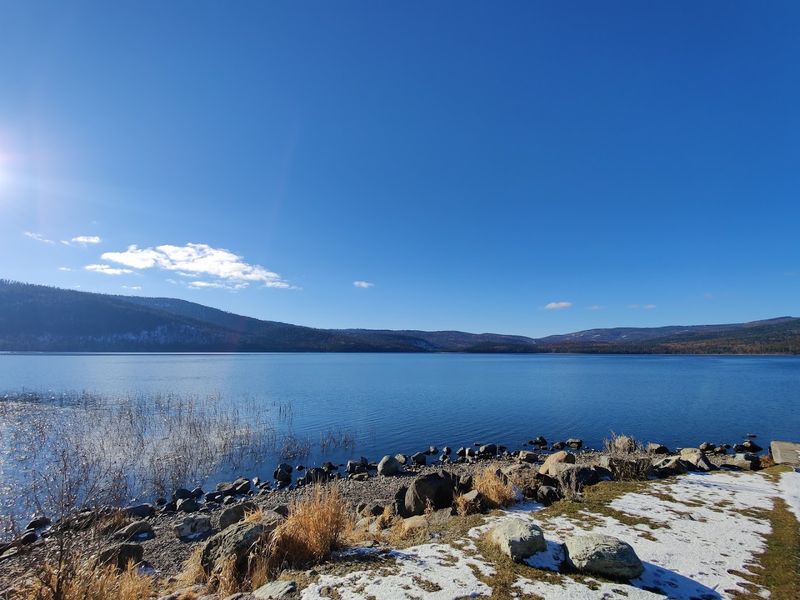
Seven miles west of the famous Flathead Lake, Lake Mary Ronan offers a quieter alternative that locals tend to prefer precisely because it does not attract the same volume of summer traffic.
Fishing is a primary draw, with kokanee salmon, trout, bass, and perch all present in the lake. Both boat fishing and dock fishing are available, and the park maintains a boat launch for easy water access. Twenty-five individual campsites plus a group camping area provide overnight options, with 50-amp electrical hookups available for those with larger rigs.
Hiking trails through the surrounding forest bloom with wildflowers in late spring and early summer. Winter transforms the park into a snowshoeing destination, and the frozen lake becomes a reliable ice fishing spot for cold-weather enthusiasts who know exactly what they are doing out there.
13. Sluice Boxes State Park, Belt, Montana
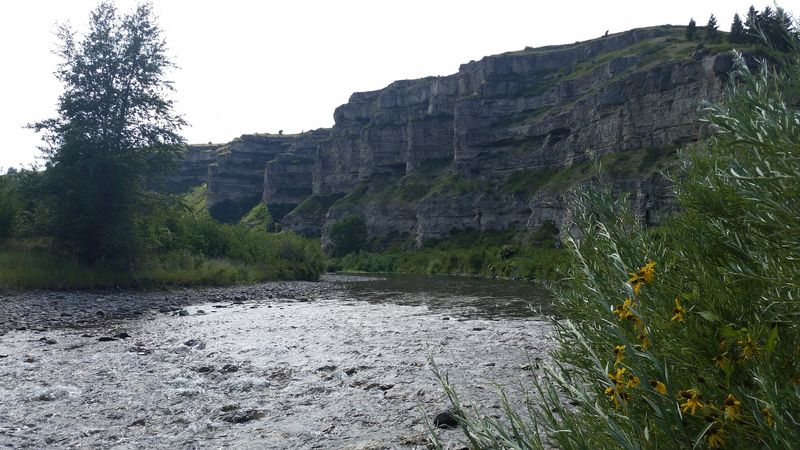
Railroad history and canyon geology do not often share the same trail, but Sluice Boxes State Park near Belt manages to combine both in a package that is more interesting than either would be on its own. The park follows Belt Creek through a deep limestone canyon where historic railroad trestles still span the gorge overhead.
The canyon walls rise sharply on both sides of the trail, and the creek runs alongside the path for much of the route. Hikers pass through sections where the rock formations change character noticeably, reflecting different geological periods layered into the cliff faces.
The park is designated as a state primitive area, meaning facilities are minimal and the experience leans toward the rugged end of the spectrum. That suits the destination well.
14. Painted Rocks State Park, Darby, Montana
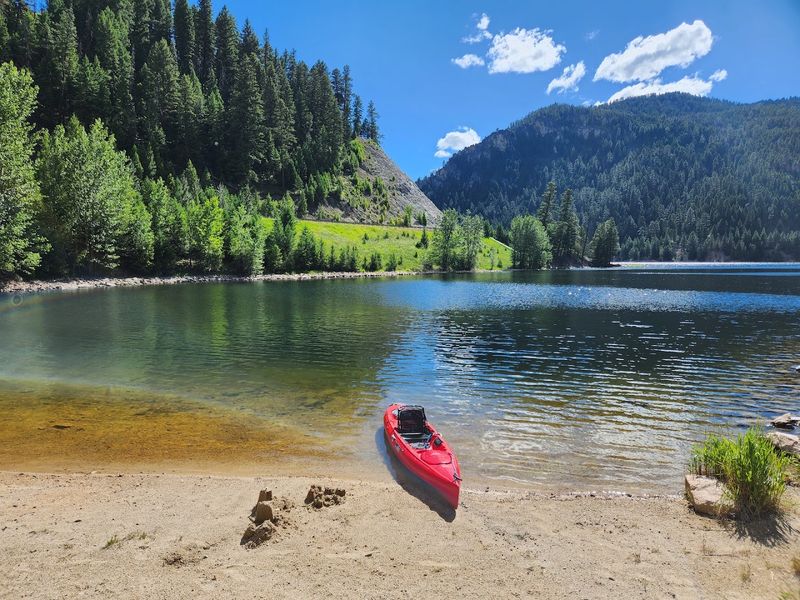
Tucked into the Bitterroot Mountains south of Darby, Painted Rocks State Park centers on a reservoir that reflects the surrounding forested slopes with a clarity that makes the scene look almost doubled.
Boating and fishing are the main activities, with the reservoir supporting trout and other cold-water species. Picnic areas along the shoreline provide comfortable spots for a meal with a mountain view, and the relative remoteness of the location means the park rarely feels overcrowded even on summer weekends.
The drive to Painted Rocks along the West Fork of the Bitterroot River is itself worth noting, passing through canyon terrain before opening onto the reservoir. The park has a campground with basic facilities for overnight visitors. Its position in the far southwestern corner of Montana makes it a natural endpoint for a scenic Bitterroot Valley road trip.
Share this story