Rock legends are usually remembered for their unforgettable songs, wild performances, and larger-than-life personalities. But once the lights went down and the crowds disappeared, many of these musicians lived surprisingly different lives that had little to do with rock and roll. Some became scholars, others devoted themselves to charity or business, and a few developed hobbies so unexpected that fans could hardly believe they belonged to the same people who filled stadiums. From doctoral degrees in astrophysics to piloting commercial aircraft, the stories behind these musicians reveal a fascinating layer of complexity that most fans never get to see.
The 1960s through the 1990s produced some of the most creatively restless people in modern history, and their off-stage pursuits reflect just how far that energy could reach. Keep reading to discover 15 classic rock stars whose lives away from the spotlight were every bit as remarkable as their music careers.
1. Alice Cooper Became an Avid Golfer
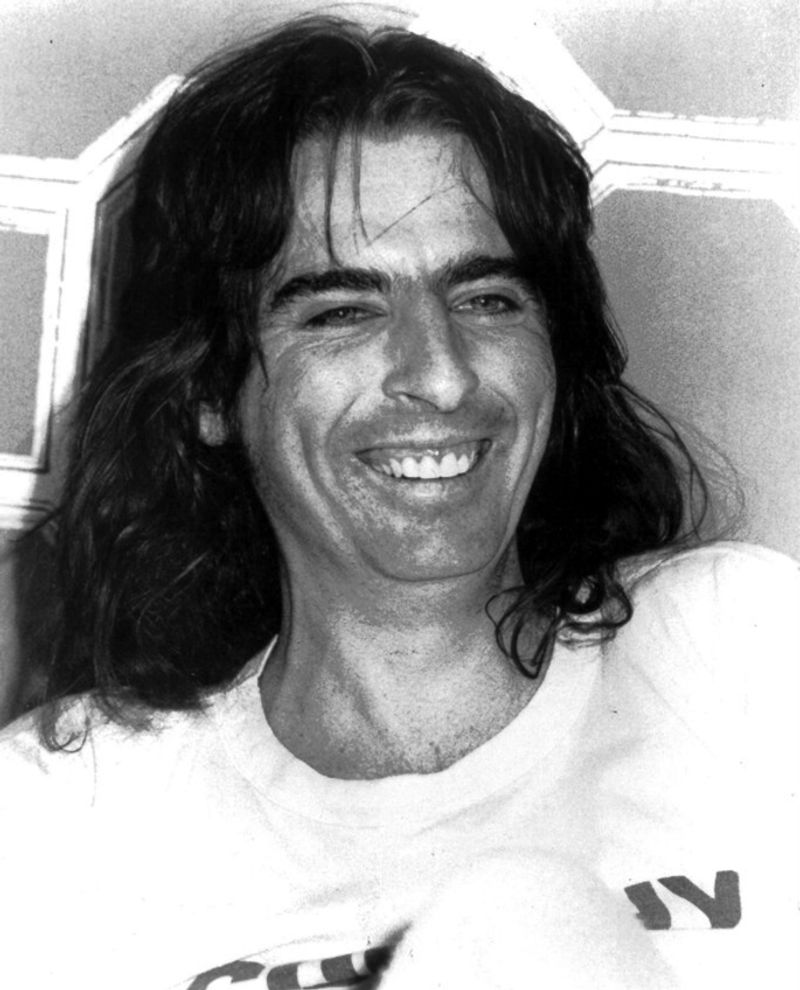
Few transformations in rock history are as striking as Alice Cooper trading fake guillotines for golf clubs. Cooper, born Vincent Furnier, first picked up a club in the late 1970s as a structured way to manage his recovery from alcohol addiction, and the sport quickly became central to his daily life.
He plays approximately six days a week and has participated in numerous celebrity pro-am tournaments alongside professional athletes. His dedication led him to write a book titled “Alice Cooper, Golf Monster: A Rock ‘n’ Roller’s Life and 12 Steps to Becoming a Golf Addict,” blending his recovery story with his love for the game.
Cooper has credited golf with providing the discipline and mental focus that helped him maintain sobriety over the long term. His passion for the sport has become just as recognizable to many fans as his theatrical stage persona.
2. Ronnie Wood Became an Accomplished Painter
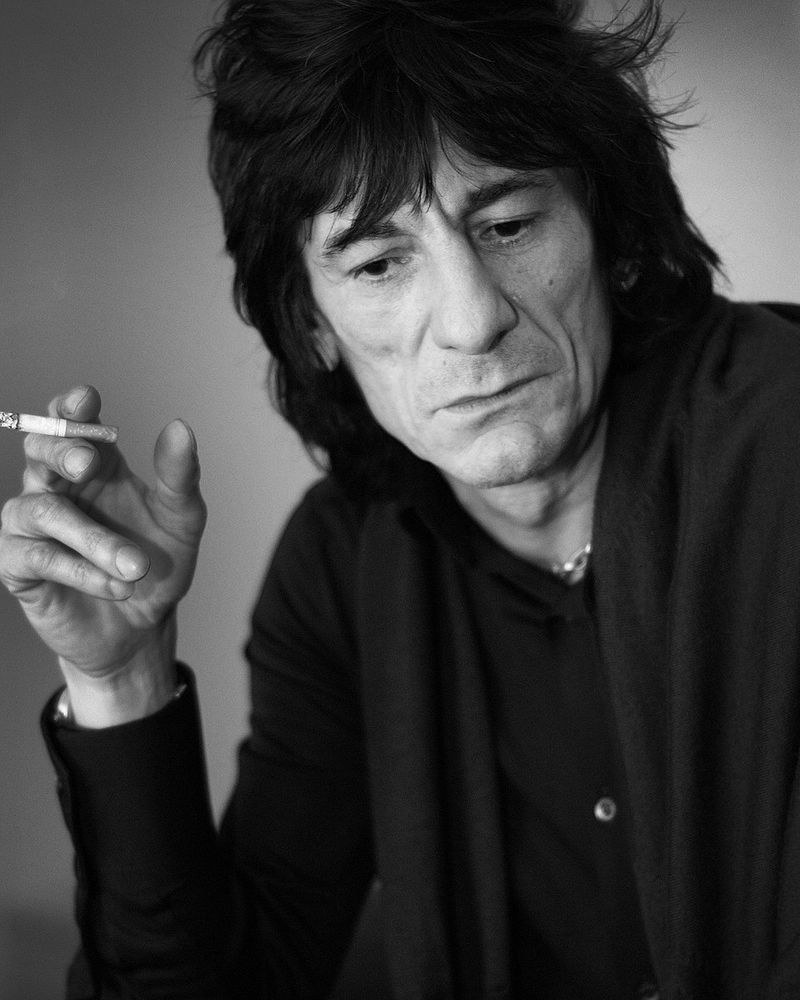
Ronnie Wood has been painting nearly as long as he has been playing guitar, and the two pursuits have always informed each other in his creative process. His work includes vivid portraits of fellow musicians, expressive landscapes, and layered silk-screen prints that he builds much like a studio recording, adding elements gradually over time.
His exhibitions have appeared in galleries across New York, Las Vegas, Tokyo, and Sao Paulo, reaching audiences far beyond the rock music world. The Rock and Roll Hall of Fame has also featured his artwork, recognizing it as a legitimate extension of his cultural contribution.
Wood has explained that his approach to visual art mirrors his musical instincts, favoring spontaneity and layering over rigid planning. His paintings are held in private collections internationally and continue to attract both art enthusiasts and longtime Stones fans seeking a different view of the man behind the guitar.
3. Jimmy Buffett Became a Bestselling Author
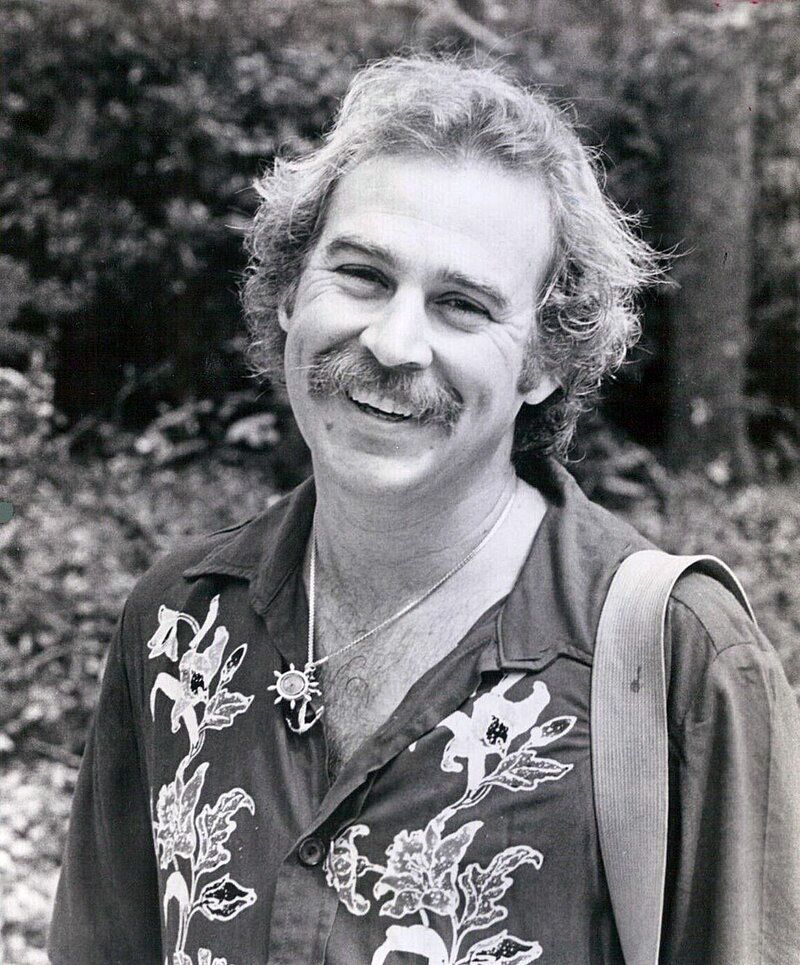
Jimmy Buffett carried the same storytelling instincts that made his songs so vivid directly into the world of publishing, and readers responded enthusiastically. His memoir “A Pirate Looks at Fifty” reached number one on the New York Times bestseller list, making him one of very few artists to top both fiction and nonfiction categories on that list.
His novel “Where Is Joe Merchant?” also climbed to the top of the bestseller chart, while “Tales From Margaritaville” spent seven months on the list after its release. Each book carried the same blend of humor, wanderlust, and philosophical ease that defined his musical catalog.
Buffett also co-wrote children’s books with his daughter Savannah Jane, including “The Jolly Mon” and “Trouble Dolls.” His literary career demonstrated that the world he created in song was expansive enough to fill entire novels and connect with readers across multiple generations.
4. Brian May Pursued Astrophysics
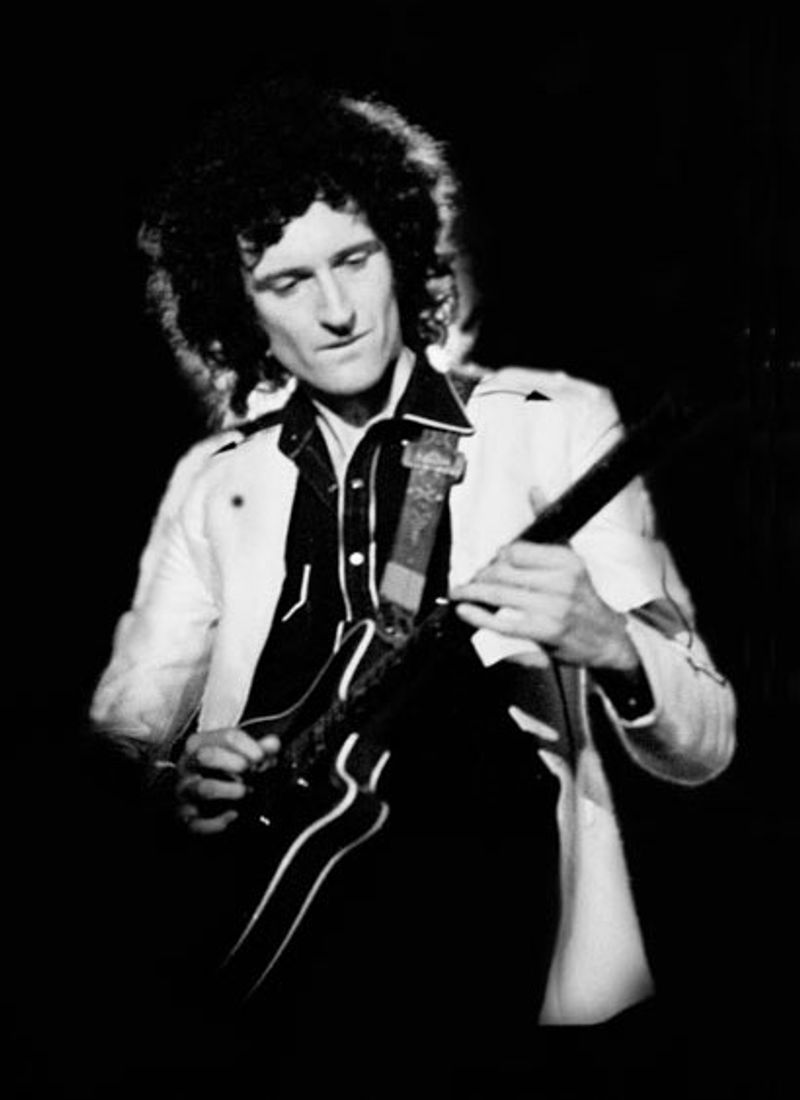
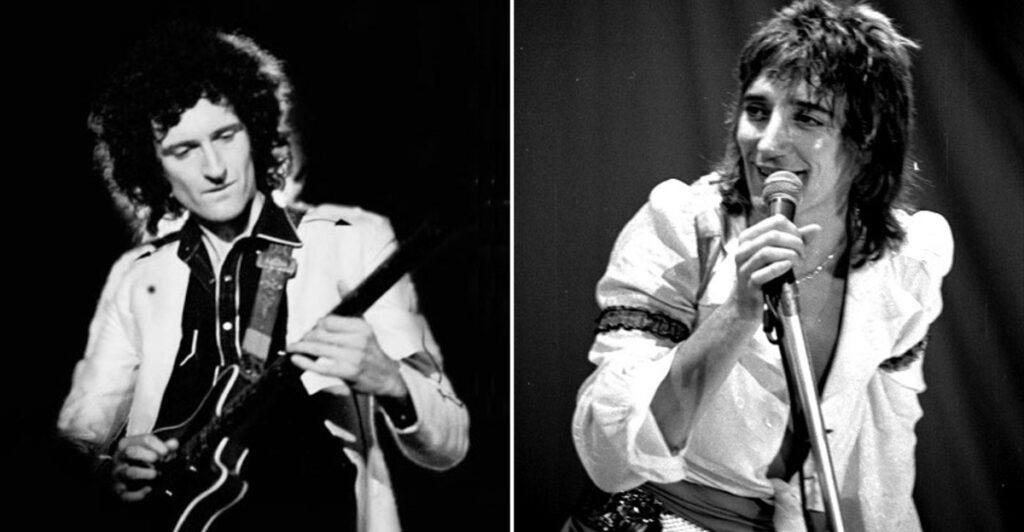
Long before Queen sold out arenas across the world, Brian May was already deep into the study of interplanetary dust at Imperial College London. He began his doctoral research in astrophysics in 1971 but paused everything in 1974 when Queen’s career took off at a remarkable pace.
Decades passed before he returned to finish what he started. In 2007, May completed his Ph.D., submitting a thesis on zodiacal dust that examined the radial velocities of dust particles near our solar system.
Since earning his degree, he has collaborated with NASA on the New Horizons Pluto mission and contributed to the OSIRIS-REx asteroid sample project in 2023. An asteroid, 52665 Brianmay, was officially named in his honor. He also served as Chancellor of Liverpool John Moores University from 2008 to 2013.
5. Rod Stewart Built Incredible Model Railways
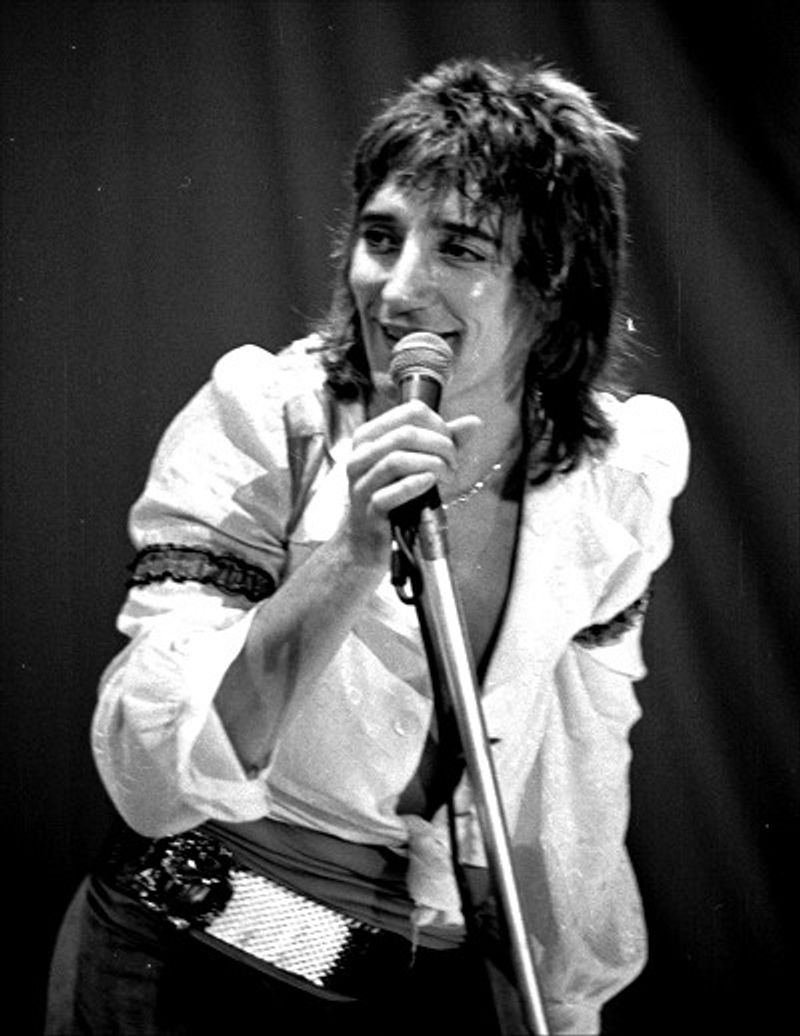
Rod Stewart’s passion for model railways began in childhood and never faded, eventually growing into one of the most detailed celebrity collections ever documented. His miniature world is built to O gauge scale and depicts an American city set in the 1940s, complete with skyscrapers, bridges, and thousands of hand-painted figures.
The layout reportedly occupies a large dedicated space in his Los Angeles home and took decades to assemble. Stewart has personally painted many of the miniature vehicles and structures himself, adding a level of craftsmanship that specialists in the hobby have widely recognized.
He has described the hobby as genuinely therapeutic, offering a focused calm that performing on stage simply cannot replicate. His collection has been featured in specialist model railway publications and television documentaries, earning respect well beyond the world of rock music.
6. David Bowie Collected Fine Art
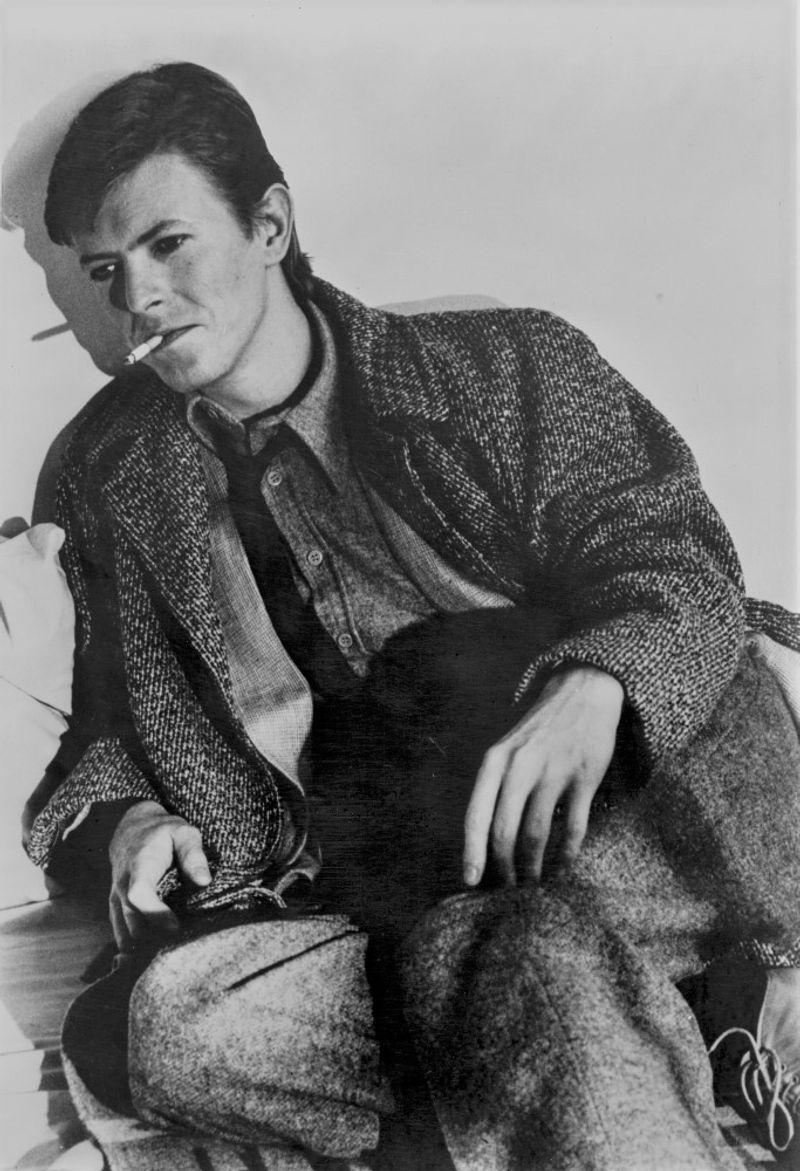
David Bowie once said that art was the only thing he ever truly wanted to own, and his collection backed that statement with extraordinary depth. Beginning in the mid-1970s, he assembled hundreds of works spanning modernism, surrealism, contemporary British painting, and African art.
He collected pieces by Damien Hirst, Frank Auerbach, Patrick Caulfield, and Jean-Michel Basquiat, among many others. Bowie also served as a contributing writer for Modern Painters magazine and conducted interviews with prominent contemporary artists, positioning himself as a serious voice within the art world.
After his passing in 2016, approximately 400 items from his collection were auctioned at Sotheby’s, generating nearly 33 million pounds and far exceeding pre-sale estimates. The sale revealed the remarkable breadth and quality of a collection that had been largely kept from public view throughout his lifetime.
7. Gene Simmons Built a Business Empire
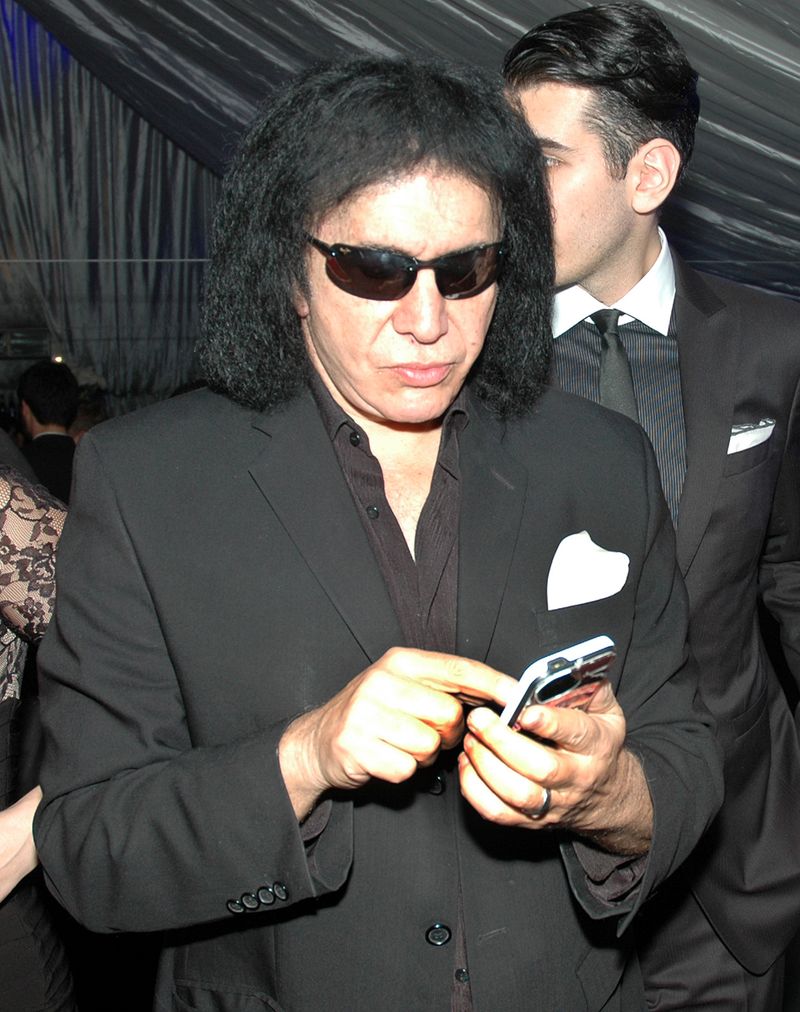
Gene Simmons approached the business of rock music with a strategic focus that most musicians never consider. From the earliest days of KISS, he worked to trademark the band members’ individual personas, turning their identities into protected intellectual property that could generate revenue across dozens of industries.
The KISS brand eventually produced over 3,000 licensed products, generating more than one billion dollars in merchandise revenue. Simmons also co-founded the Rock and Brews restaurant chain, launched Simmons Records, and partnered in the LA KISS arena football team.
His business ventures were documented across nine seasons of the reality series “Gene Simmons Family Jewels” on A&E, which gave audiences a direct look at how he balanced personal life with entrepreneurial ambition. With an estimated net worth of 400 million dollars, his financial achievements rival his musical legacy.
8. Neil Young Focused on Better Sound Technology
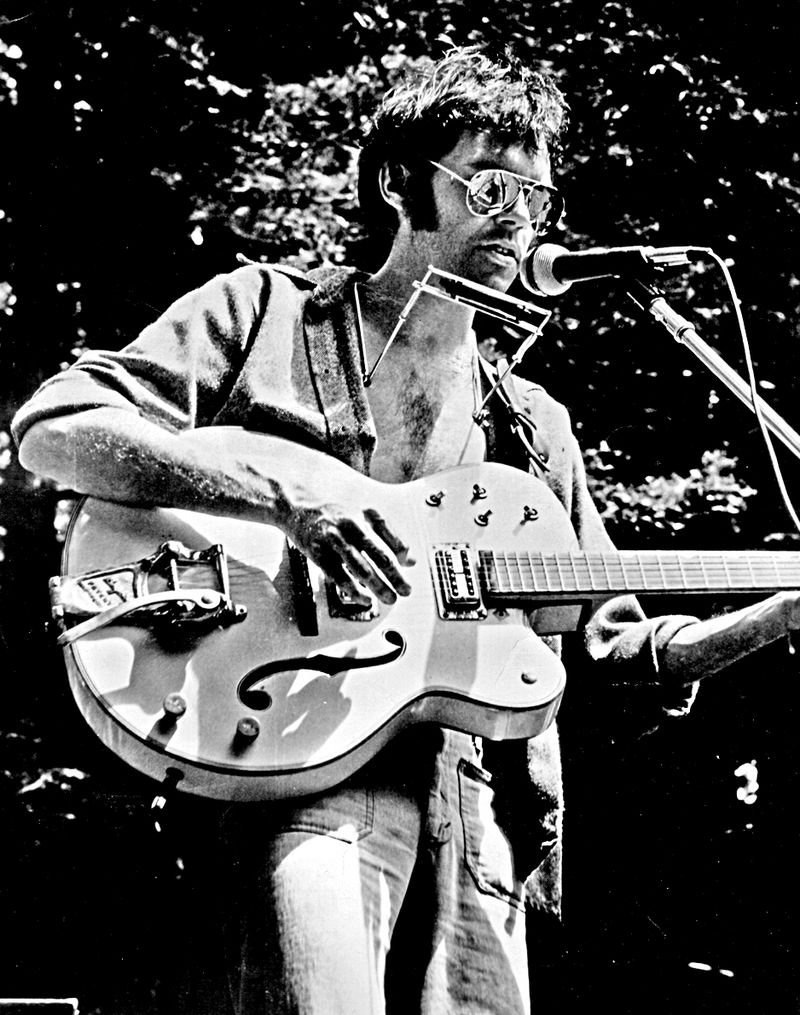
Neil Young spent years arguing that the shift to compressed digital audio formats had stripped recorded music of its original richness and detail. His frustration with MP3 quality led him to develop a practical alternative rather than simply complain about the industry’s direction.
In 2014, he launched the Pono music player and PonoMusic download service following a Kickstarter campaign that raised over six million dollars in pre-orders. The distinctive triangular device was designed to play lossless high-resolution audio files, offering a listening experience closer to the original studio recordings.
Pono faced significant commercial challenges and was discontinued by 2017, but the conversation it sparked about audio fidelity continued well beyond the product itself. Young remains one of the most persistent advocates for high-resolution sound in an industry that has largely prioritized convenience over quality.
9. Phil Collins Collected Alamo Artifacts
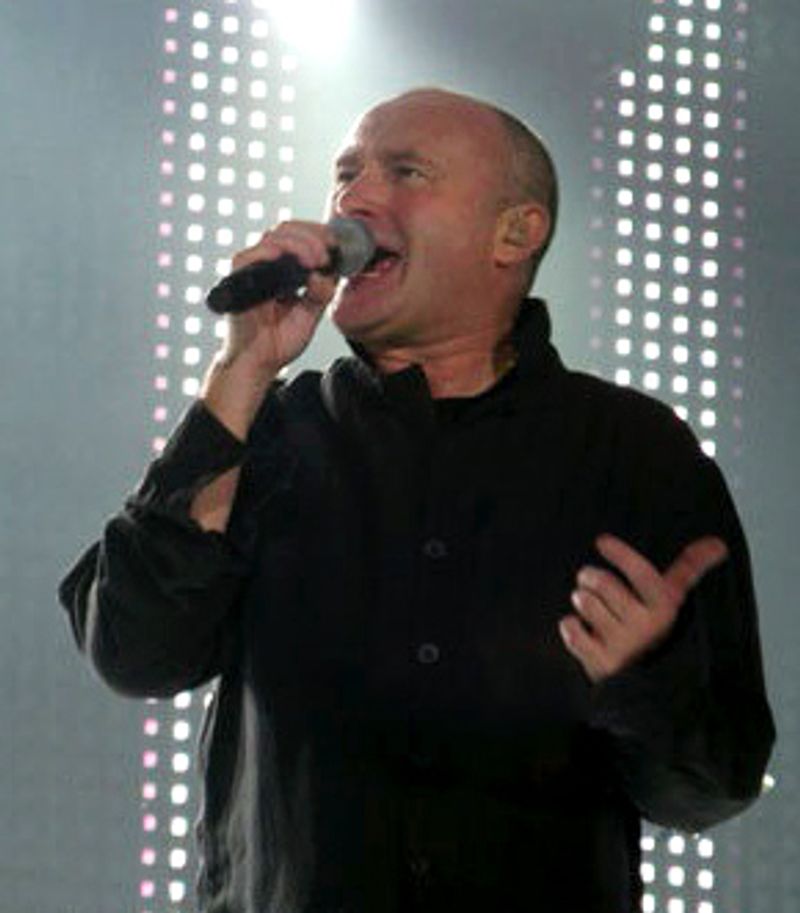
Phil Collins developed a childhood fascination with the 1836 Battle of the Alamo that most people assumed would fade with age. Instead, it intensified into one of the most serious private historical collections ever assembled by a celebrity, spanning thousands of individual items accumulated over several decades.
His holdings included documents, weapons, uniforms, and personal effects believed to have belonged to figures such as Davy Crockett and James Bowie. Collins studied the subject with the rigor of an amateur historian, earning respect from professionals in the field for his detailed knowledge of the battle and its participants.
In 2014, he donated the entire collection, estimated at around 100 million dollars in value, to the State of Texas. The artifacts now form a cornerstone of the Alamo visitor center and museum, ensuring public access to materials that Collins spent a lifetime gathering and preserving.
10. Bob Weir Embraced Technology
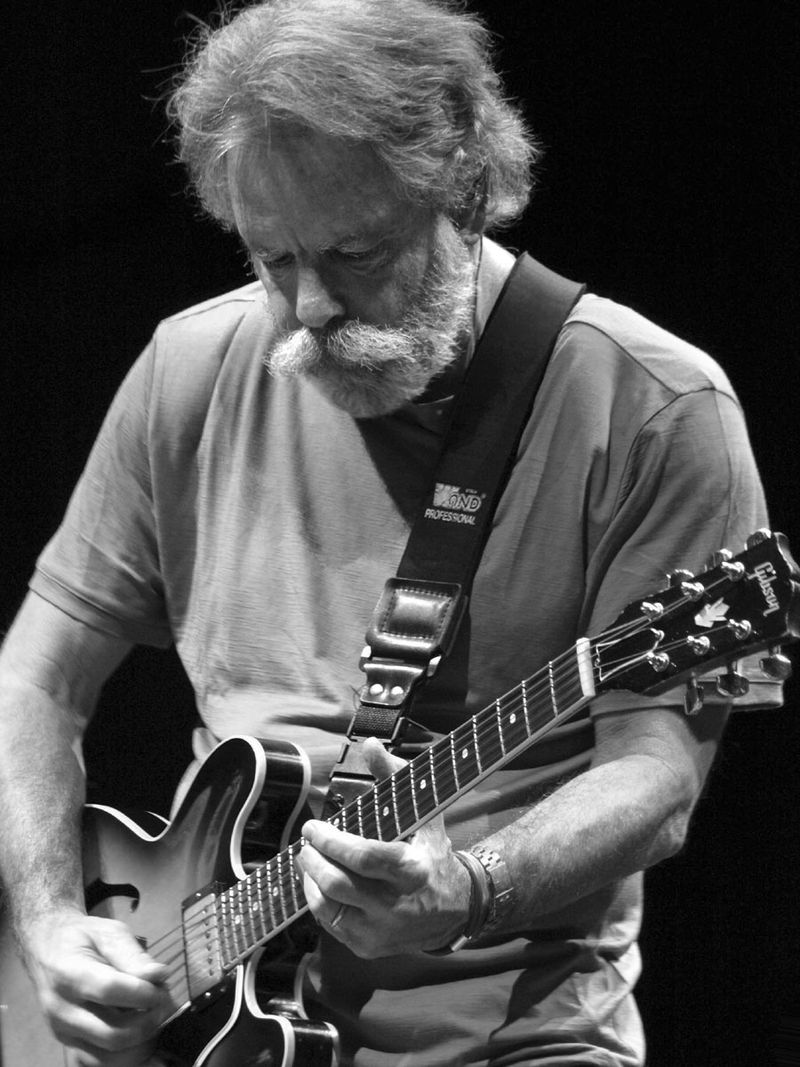
Bob Weir’s relationship with technology goes well beyond the gear he used on stage with the Grateful Dead. From the early days of the internet, he recognized that digital platforms were fundamentally changing how music reached audiences and how artists retained ownership of their work.
He became involved with music technology companies focused on digital rights management and streaming innovations, advocating for systems that would allow artists to distribute music while maintaining fair compensation. His engagement with these issues placed him in conversations with developers and policymakers shaping the future of the music industry.
Weir’s forward-looking perspective reflected a broader philosophy within the Grateful Dead community, which had long experimented with audience recording policies and direct fan distribution. His off-stage work in technology helped contribute to discussions that continue to shape how musicians navigate an industry transformed by digital access and streaming revenue models.
11. Sting Dedicated Himself to Conservation
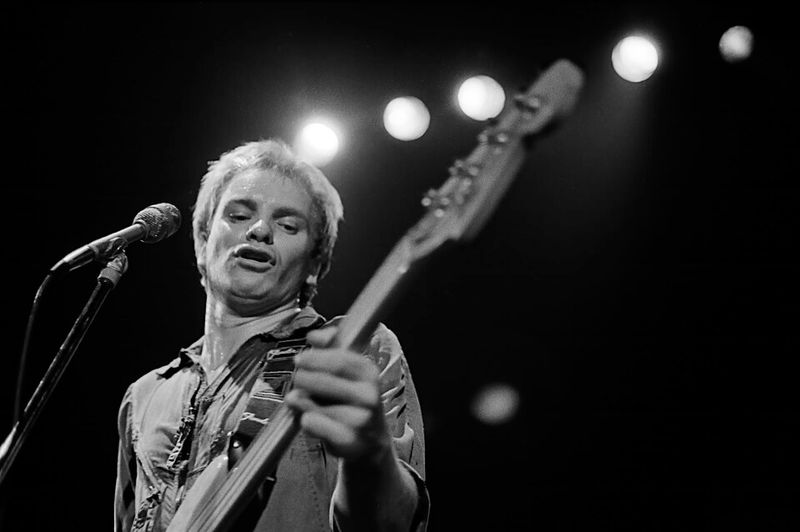
Sting co-founded the Rainforest Foundation in 1989 alongside his wife, Trudie Styler, after both witnessed the rapid destruction of the Amazon Rainforest and its impact on indigenous communities. The organization was built on the principle that protecting forests and protecting the rights of the people living within them are inseparable goals.
The foundation later expanded into Rainforest Foundation UK, US, and Norway, collectively raising millions of dollars through benefit concerts and partner programs. These funds have supported endangered forests across South America, Africa, and Asia while directly backing indigenous land rights campaigns.
Sting has also participated in major global environmental events, including the People’s Climate March, and received recognition from the Prince Albert II of Monaco Foundation for his conservation work. He consistently frames environmental protection as a human rights issue, arguing that indigenous communities are the most effective long-term guardians of the world’s remaining forests.
12. Bruce Dickinson Flew Commercial Airplanes
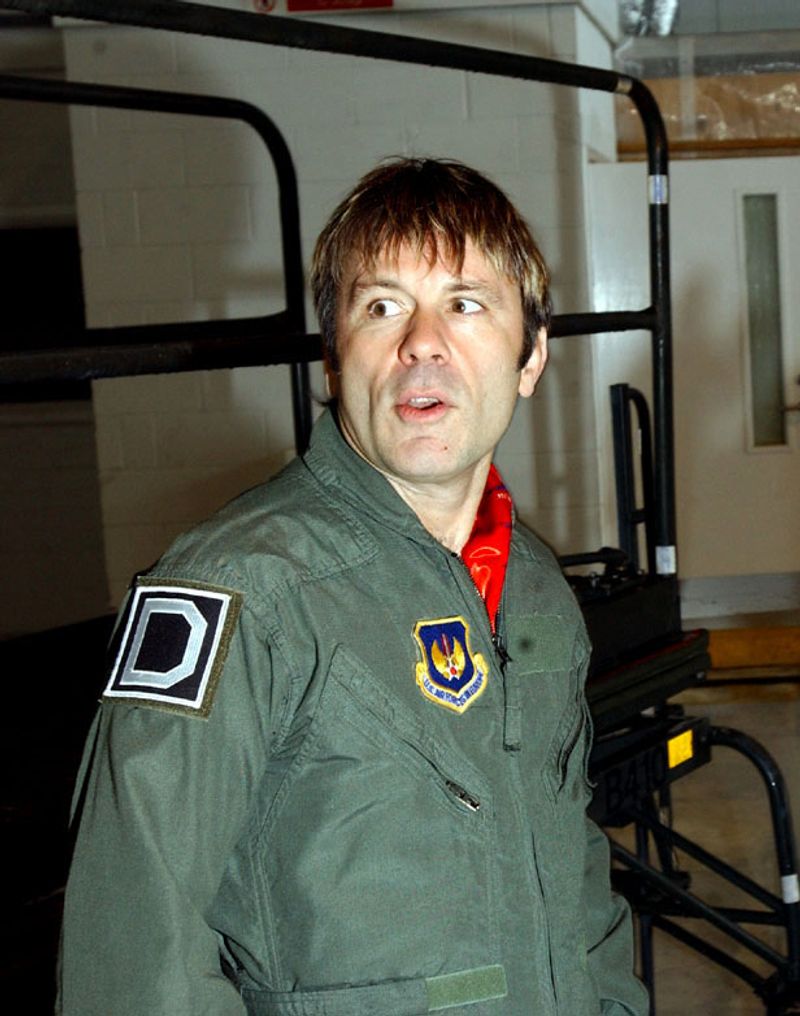
Bruce Dickinson earned his commercial pilot’s license in the 1990s and went on to work as a Boeing 757 captain for Astraeus Airlines, regularly flying passenger routes while simultaneously fronting one of the biggest heavy metal bands in the world. The two careers ran in genuine parallel rather than as a novelty side project.
His aviation skills became directly useful to Iron Maiden when he piloted the band’s customized Boeing 757, nicknamed “Ed Force One” after their mascot Eddie, during world tours in 2008, 2009, and 2011. This allowed the band to transport their full production equipment across continents with a level of efficiency that would otherwise have been impossible.
After Astraeus Airlines closed in 2012, Dickinson co-founded Cardiff Aviation in Wales, a company offering aircraft maintenance and pilot training. He holds type ratings on the Boeing 737 and 757 and has pursued additional certifications throughout his aviation career.
13. Frank Zappa Fought Against Music Censorship
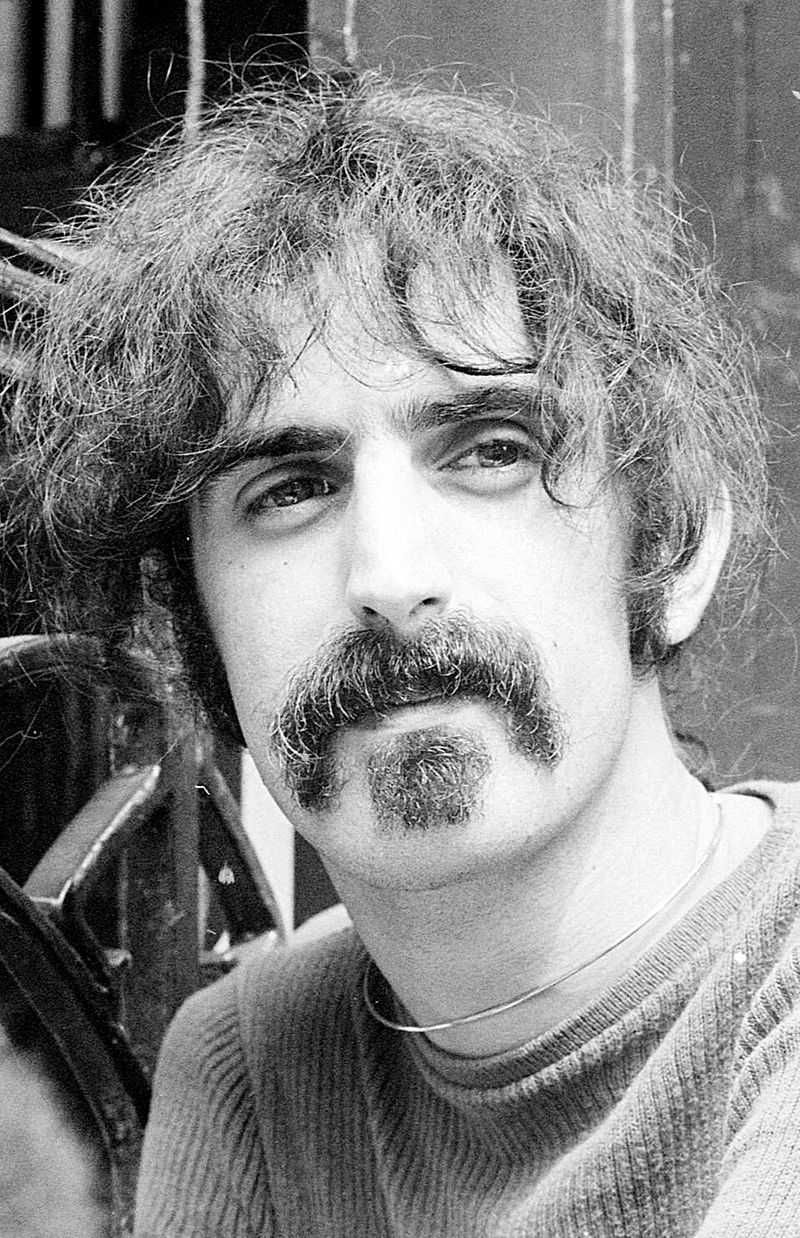
Frank Zappa had little patience for what he viewed as government overreach into artistic expression, and he made that position unmistakably clear in 1985 when he testified before the U.S. Senate Commerce, Technology, and Transportation Committee. The hearings were driven largely by the Parents Music Resource Center, which sought warning labels on albums containing explicit content.
Zappa delivered a precise and pointed statement arguing that the proposed labeling system was unconstitutional, vague, and set a dangerous precedent for government involvement in creative output. His testimony stood out for its legal clarity and intellectual directness, qualities that distinguished it from the more emotional appeals made by other witnesses.
His appearance before the Senate became one of the most referenced moments in the broader debate over free speech and music regulation. Zappa continued speaking publicly about censorship for the remainder of his life, maintaining that artistic freedom required active and consistent defense.
14. John Entwistle Collected Historic Weapons
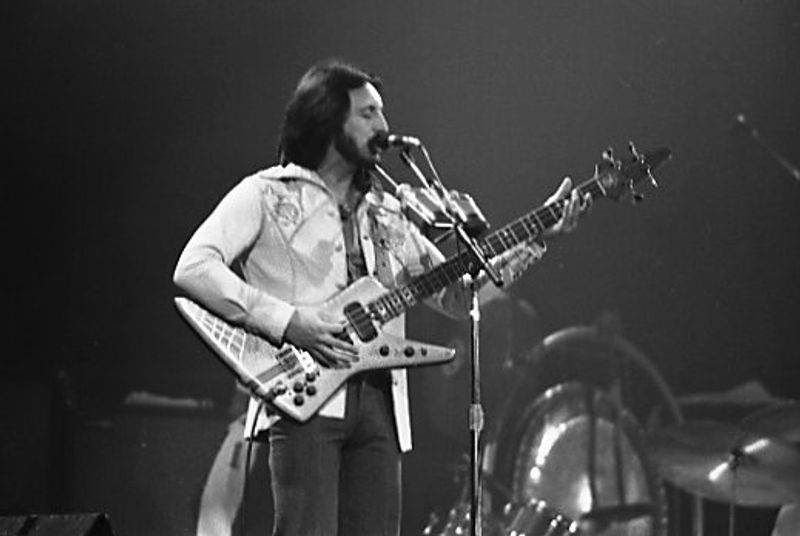
John Entwistle earned the nickname “The Ox” for his rock-solid stage presence, but away from touring he maintained a quiet and scholarly passion for antique military weapons and historical artifacts. His private collection grew steadily over years of dedicated research and acquisition, reflecting genuine expertise rather than casual accumulation.
The collection included swords, suits of armor, historic firearms, and military items spanning multiple eras and cultures. Entwistle approached each piece with the same attention to detail he brought to his bass playing, studying the craftsmanship and historical context behind every acquisition.
Fellow collectors and historians recognized the quality and breadth of what he had assembled, noting that it represented a serious engagement with military history rather than a celebrity’s passing interest. His collection offered a private counterpoint to his public persona, revealing a thoughtful and methodical side of a musician better known for thunderous low-end performances on stage.
15. Eric Clapton Supported Addiction Recovery
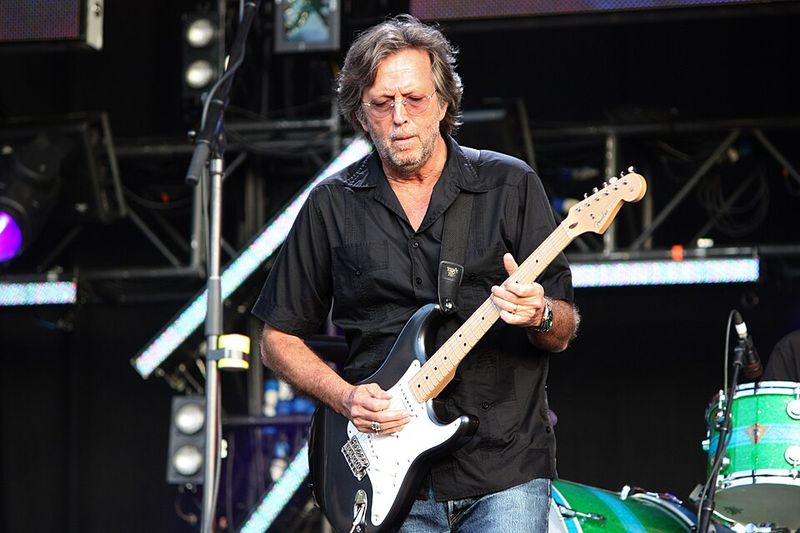
Eric Clapton founded the Crossroads Centre in Antigua in 1997, drawing directly on his own experience navigating recovery from substance dependency. His goal was to create a residential treatment facility that met international standards while remaining financially accessible to patients from the Caribbean region and beyond.
The center follows a structured 12-step residential program that includes medical detox, individual and group therapy, and family involvement components. Many local Caribbean residents have received treatment at reduced cost or through scholarship arrangements, reflecting Clapton’s commitment to broad accessibility rather than exclusivity.
To fund ongoing operations, Clapton launched the Crossroads Guitar Festival in 1999, assembling celebrated guitarists for benefit concerts that have raised substantial sums over the years. The festival has grown into a respected event in its own right, drawing both devoted fans and musicians who want to contribute to a cause that Clapton has supported with consistent dedication since its founding.
Share this story