Many of the biggest voices in music spent years standing just behind someone else. They sang harmony, learned how stages work, and watched how top performers handled the spotlight.
This list looks at fifteen singers who built their skills as backup vocalists before launching solo careers. Their stories show how patient work in the background can lead to lasting fame.
1. Whitney Houston
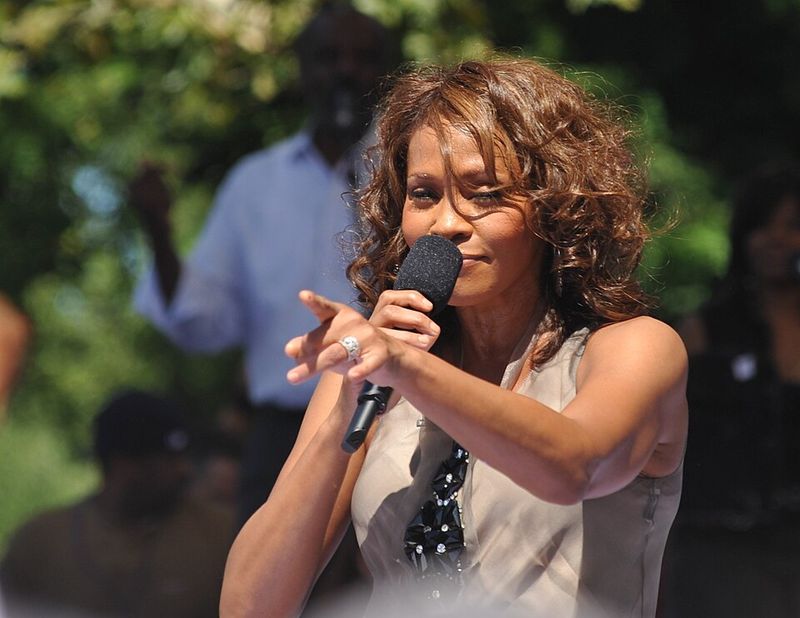
Long before stadiums filled with fans, a teenage Whitney Houston was singing in the shadows of established names. She provided backing vocals for Chaka Khan and Lou Rawls, soaking up lessons from two powerhouse performers.
That time in the background gave her polish. She learned how to blend with a lead singer, hold a note steadily, and stay calm under bright lights.
Those habits stayed with her for years afterward.
Her moment arrived in 1985 with the album Whitney Houston. Songs like You Give Good Love and Saving All My Love for You showed a voice that was clear, strong, and emotional.
Radio stations across the country picked them up quickly.
Her path is a good reminder that early jobs matter. Every rehearsal and session helped shape a singer who would later become one of the best-selling artists in music history.
2. Mariah Carey
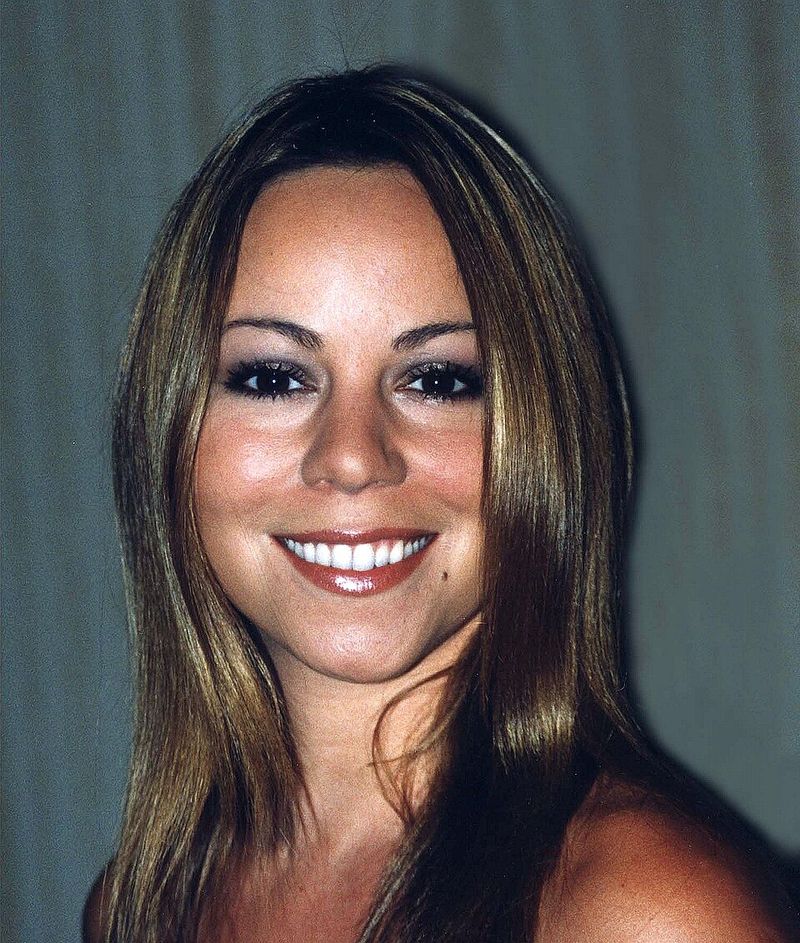
Picture a young songwriter carrying a demo tape and a big dream through New York City. That was Mariah Carey around 1988, when she worked as a backup singer for Brenda K.
Starr.
The job gave her a way into the music business. Starr eventually passed Carey’s demo tape along to a record executive, and that small move changed everything.
In 1990, Carey released her debut single, Vision of Love. Its wide vocal range and smooth runs stood out right away, and the song climbed to number one on the Billboard Hot 100.
Her story shows how a helping hand and good timing can work together. Carey had the talent, but standing next to someone with industry connections gave her the chance to be heard.
3. Luther Vandross
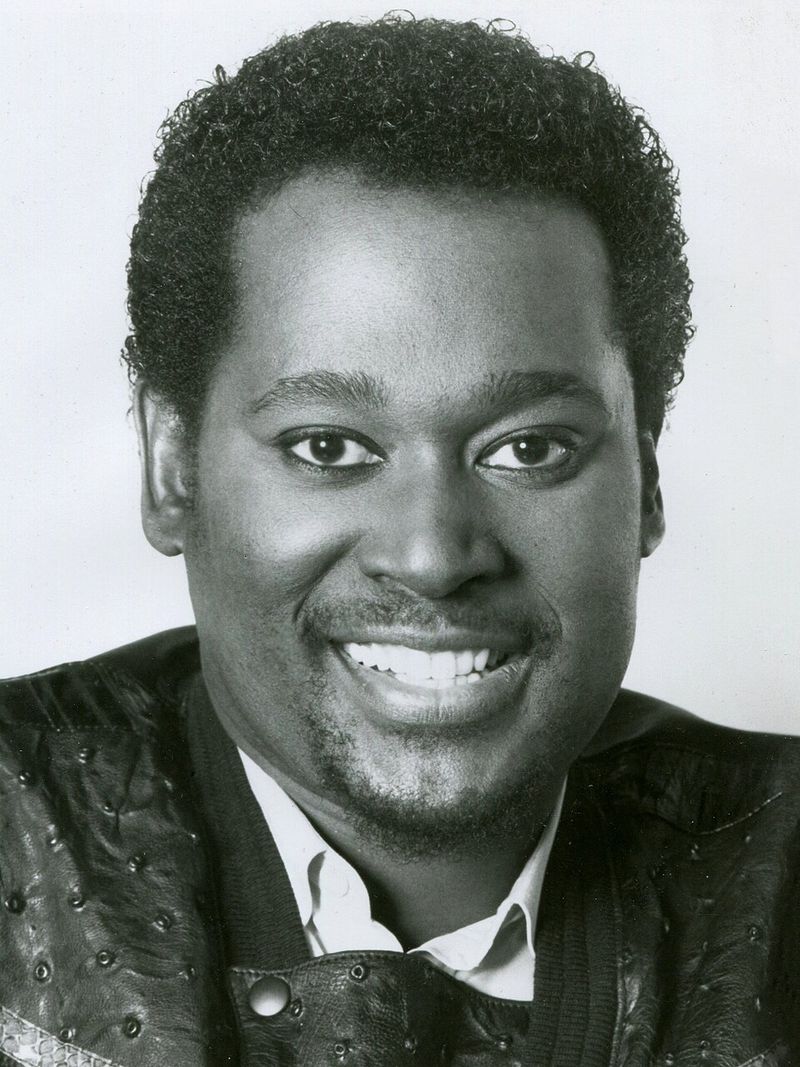
Some singers build a career one quiet harmony at a time, and Luther Vandross is a perfect example. In the 1970s, he sang background vocals for David Bowie, Bette Midler, and other well-known artists.
He also arranged vocal parts and wrote jingles, which sharpened his ear for detail. Colleagues often noted how carefully he shaped every line, even when he was not the lead.
Then came 1981 and the solo album Never Too Much. Its title song was smooth, upbeat, and instantly memorable, and it launched a long run of romantic hits.
Fun fact: Vandross is also remembered for helping other singers shine, which grew naturally from his years behind the microphone. His career shows that supporting others well can teach the skills needed to lead.
4. Sheryl Crow
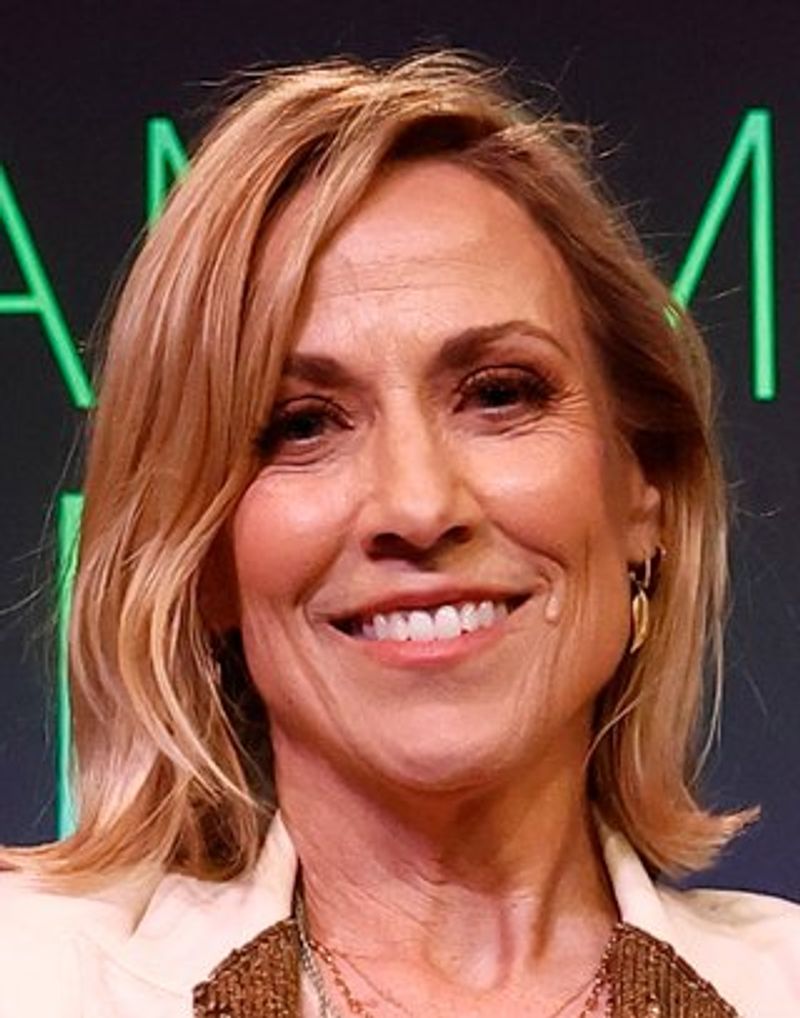
Few jobs open doors like touring with Michael Jackson. Sheryl Crow joined his Bad tour as a backup vocalist in the late 1980s, singing in front of huge crowds around the world.
The experience taught her how large productions run, from sound checks to long travel days. It also put her in rooms with skilled musicians who would later become friends and collaborators.
After the tour, she kept writing songs and working in Los Angeles. In 1994, her debut album Tuesday Night Music Club arrived, and All I Wanna Do became a surprise favorite on the radio.
The song’s relaxed storytelling style felt fresh. It later helped earn her several Grammy Awards, proving that years of steady effort can pay off in a big way.
5. Dido
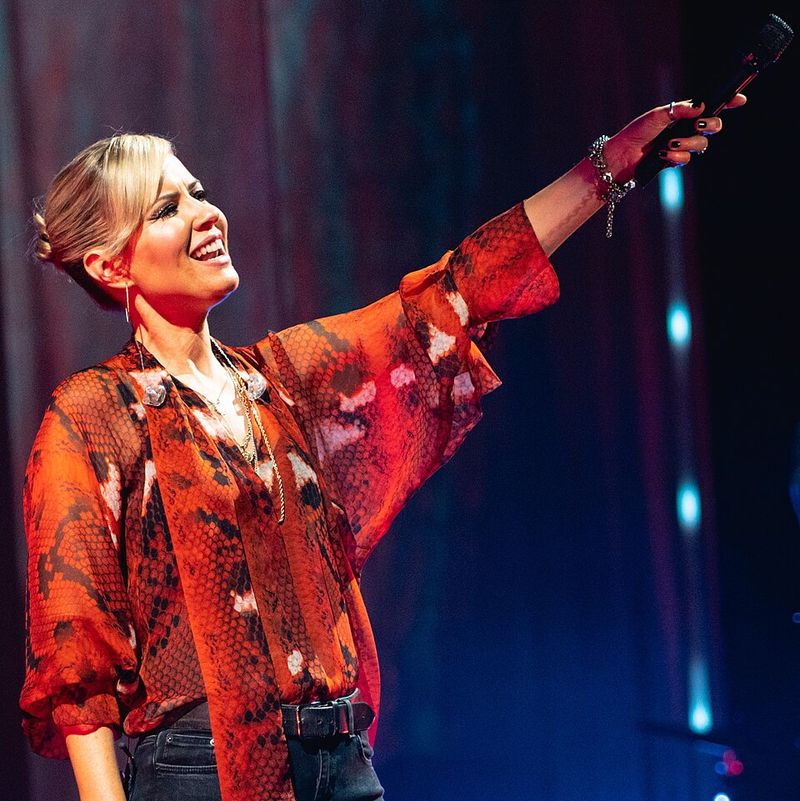
Family can be a great launchpad. Dido first appeared on records as a guest vocalist with Faithless, the electronic group that included her brother Rollo.
Her calm, breathy voice added a gentle contrast to the group’s dance beats. Listeners noticed it, even though she was not the main face of the band.
Meanwhile, she was writing songs of her own. Her solo path took off with the album No Angel, and tracks such as Here with Me and Thank You reached listeners far beyond the United Kingdom.
Thank You gained extra attention after it was sampled in a major rap hit, introducing her to even more fans. Her rise shows how a quiet voice can carry a long way when the songs are honest and well crafted.
6. John Legend
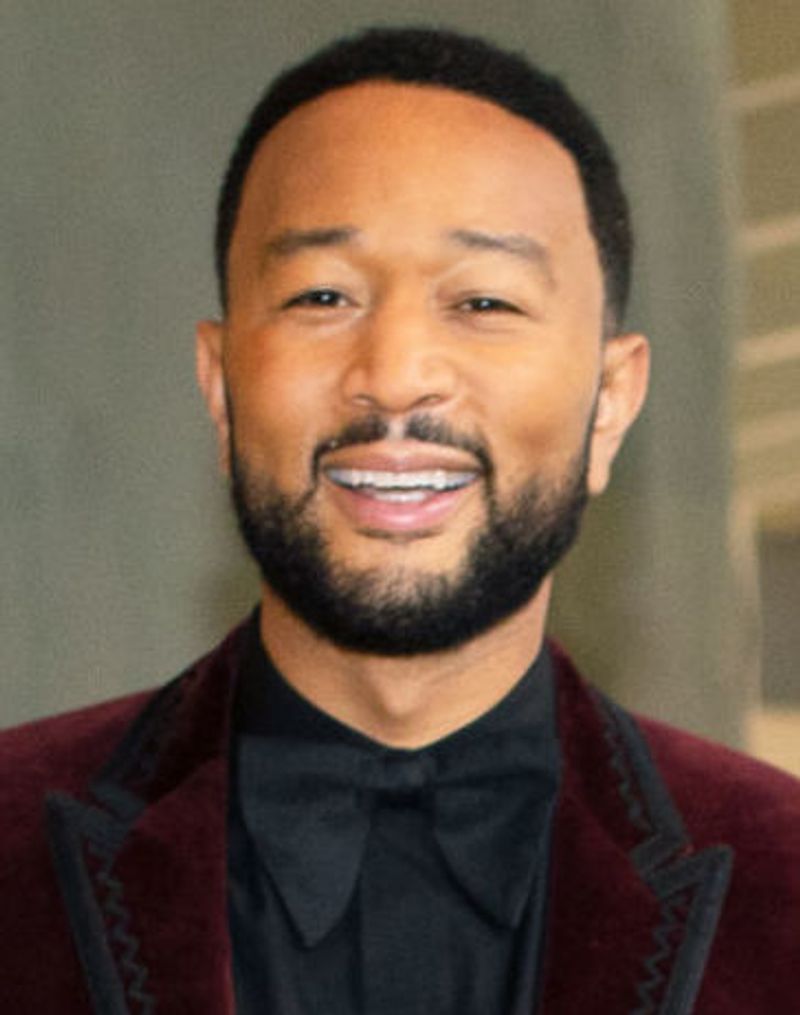
Behind many hit records, there is a pianist or singer whose name most listeners never see. For a time, John Legend was that person, adding background vocals and keys to recordings by artists such as Jay-Z and Alicia Keys.
He also performed around Philadelphia and New York while working a day job as a consultant. Those years of balancing work and music tested his patience.
His own moment came in 2004 with the debut album Get Lifted. The single Ordinary People, a piano-driven ballad, showed his soulful voice and sincere songwriting.
The album went on to win multiple Grammy Awards. His journey is a nice example of how session work can build a reputation, one favor and one recording at a time.
7. Emmylou Harris
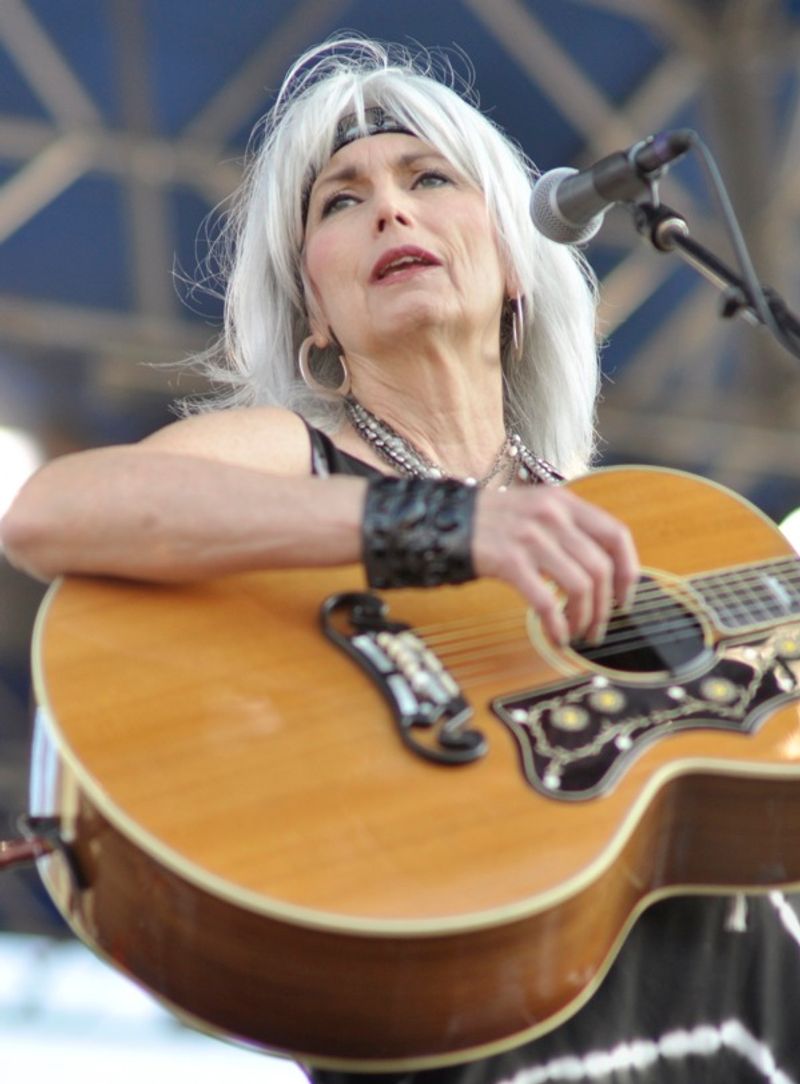
Harmony can change a song completely, and Emmylou Harris knew exactly how to use it. In the early 1970s, she sang alongside Gram Parsons, a pioneer of country rock.
Their voices blended in a way that felt natural and warm. Fans and critics took notice, and her role grew from supporting singer to essential partner on his albums.
After Parsons passed away in 1973, Harris carried his musical spirit into her own work. She built a solo career with songs including If I Could Only Win Your Love, which became a country hit in 1975.
Her clear, silvery tone and careful song choices made her a respected voice in country and folk music. Her story shows how a strong partnership can become the seed of a lasting career.
8. Jennifer Lopez
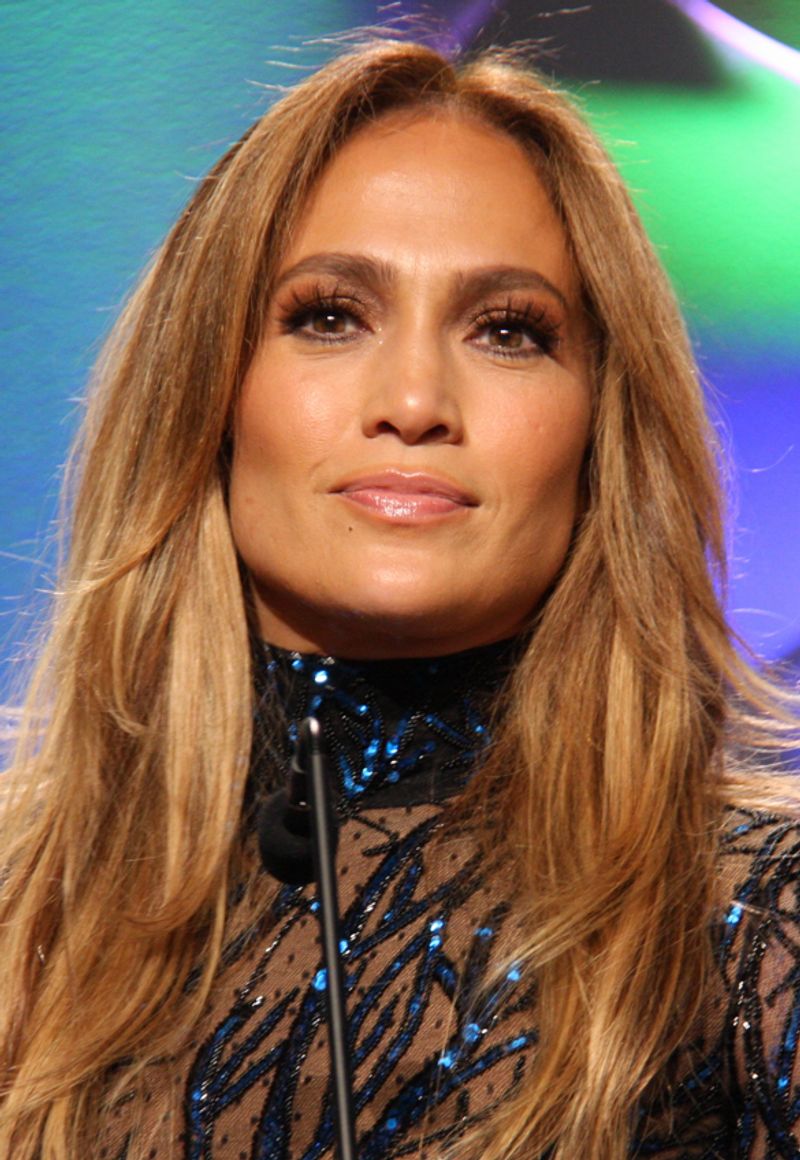
Before the movie roles and sold-out tours, Jennifer Lopez was a dancer with a determined streak. Early in her career, she worked as a backup performer for New Kids on the Block, which was one of the biggest pop groups of its day.
She also danced on television and appeared in music videos. Each job taught her about stage presence, timing, and what it takes to hold an audience.
Her acting career grew first, but music was always part of her plan. In 1999, she released If You Had My Love, a catchy pop and R&B song that reached number one.
Lopez’s path shows that talent can bloom in several directions at once. Skills picked up in the background, like discipline and teamwork, helped her succeed in music, film, and business.
9. Mary J. Blige
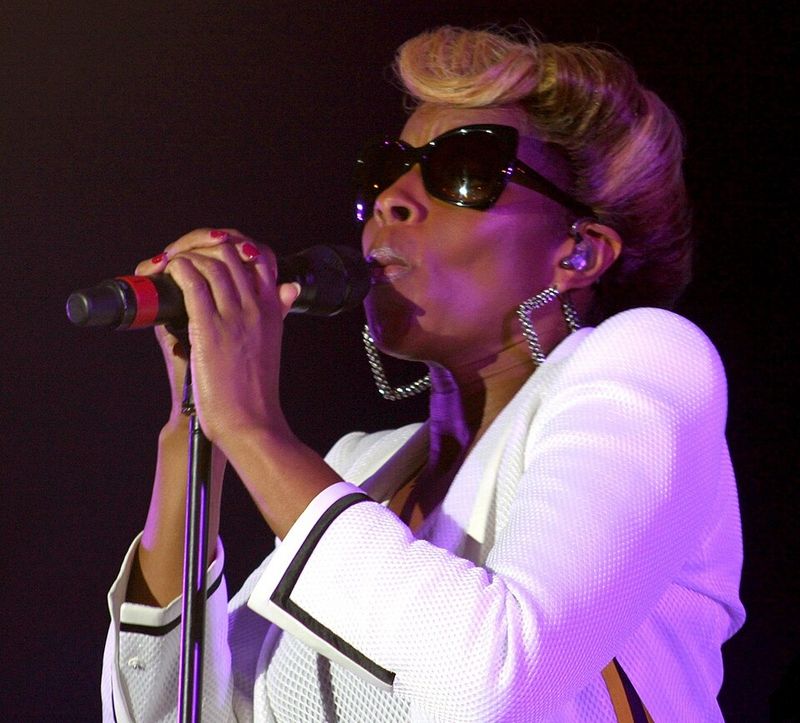
Hip-hop soul had a new voice waiting in the wings, and her name was Mary J. Blige.
At Uptown Records, she sang background vocals on projects that included recordings by Father MC.
Staff at the label noticed her raw, emotional tone. It carried a depth that felt different from the polished pop of the time.
In 1992, she released her debut album, What’s the 411? The record blended R&B singing with hip-hop beats, and listeners connected with the honesty in her lyrics.
She became known as the Queen of Hip-Hop Soul, a title that reflected her influence on the genre. Her story is a strong reminder that a unique sound, even when first heard in the background, can eventually reshape an entire style of music.
10. Deniece Williams
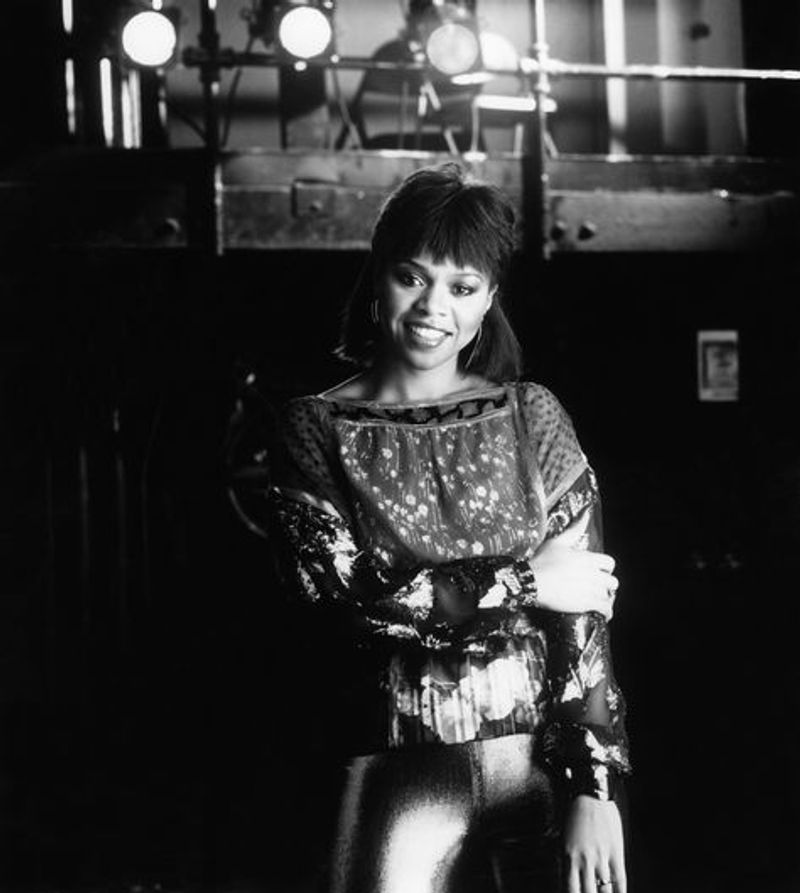
Few backing groups in music history carry the fame of Wonderlove, the ensemble that supported Stevie Wonder in the early 1970s. Deniece Williams was one of its singers, adding her airy soprano to the mix.
Her voice could float high above the melody, which made it easy to pick out. Working with Wonder also showed her how to shape songs with care.
She stepped out on her own in the mid-1970s. In 1976, she released Free, a light, joyful song that became a hit in the United Kingdom and a favorite on R&B radio in the United States.
Williams later enjoyed more success, including a chart-topping duet. Her career shows how learning from a master can give a singer the confidence to step into her own light.
11. Richard Marx

Teenage Richard Marx once sent a demo tape to Lionel Richie, and that single move changed his life. Richie liked what he heard and invited Marx to sing backup vocals on his recordings.
Marx also sang for other established artists and wrote songs for them. Those years gave him a strong sense of melody and a feel for what radio audiences wanted.
In 1987, he released his self-titled debut album. The single Don’t Mean Nothing was an energetic rock and pop track that gave him his first major solo hit.
More chart success followed, and he became a sought-after songwriter too. His story shows how sending out your work, even when it feels risky, can open doors that stay open for decades.
12. Kelly Price
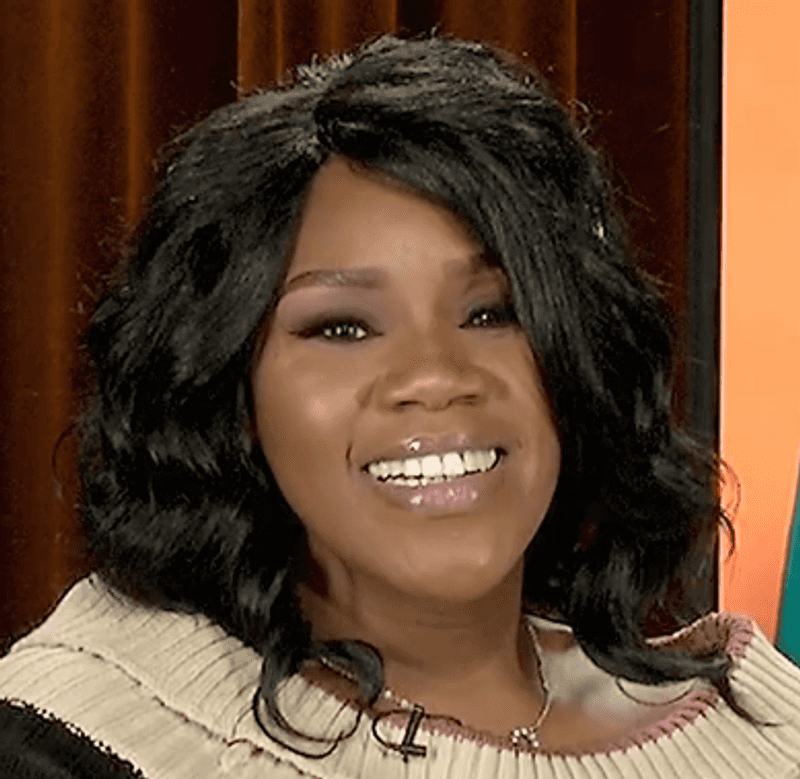
A big voice can fill a room, and Kelly Price had one ready long before she had a record deal. She sang backup for Mariah Carey and other established performers, often supplying rich harmonies in the studio and on stage.
Her contributions were valued by artists who wanted a strong, dependable sound behind them. She also wrote songs, which broadened her skills.
In 1998, Price released her own R&B hit, Friend of Mine, from the album Soul of a Woman. The song’s heartfelt message and soaring vocals struck a chord with listeners.
She went on to earn several award nominations and a loyal following. Her journey shows that years of steady studio work can build the confidence needed to step up to the front microphone.
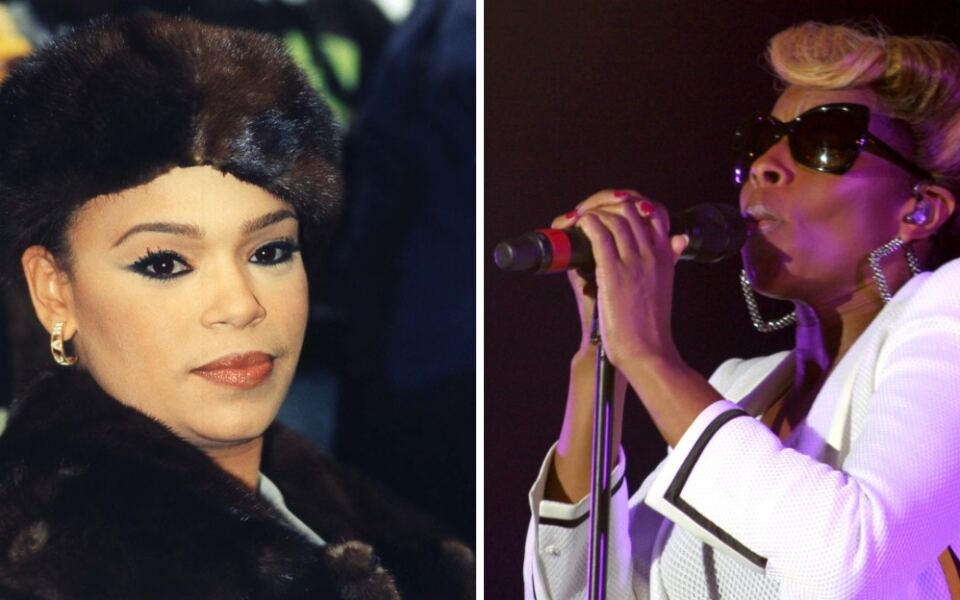
13. Faith Evans
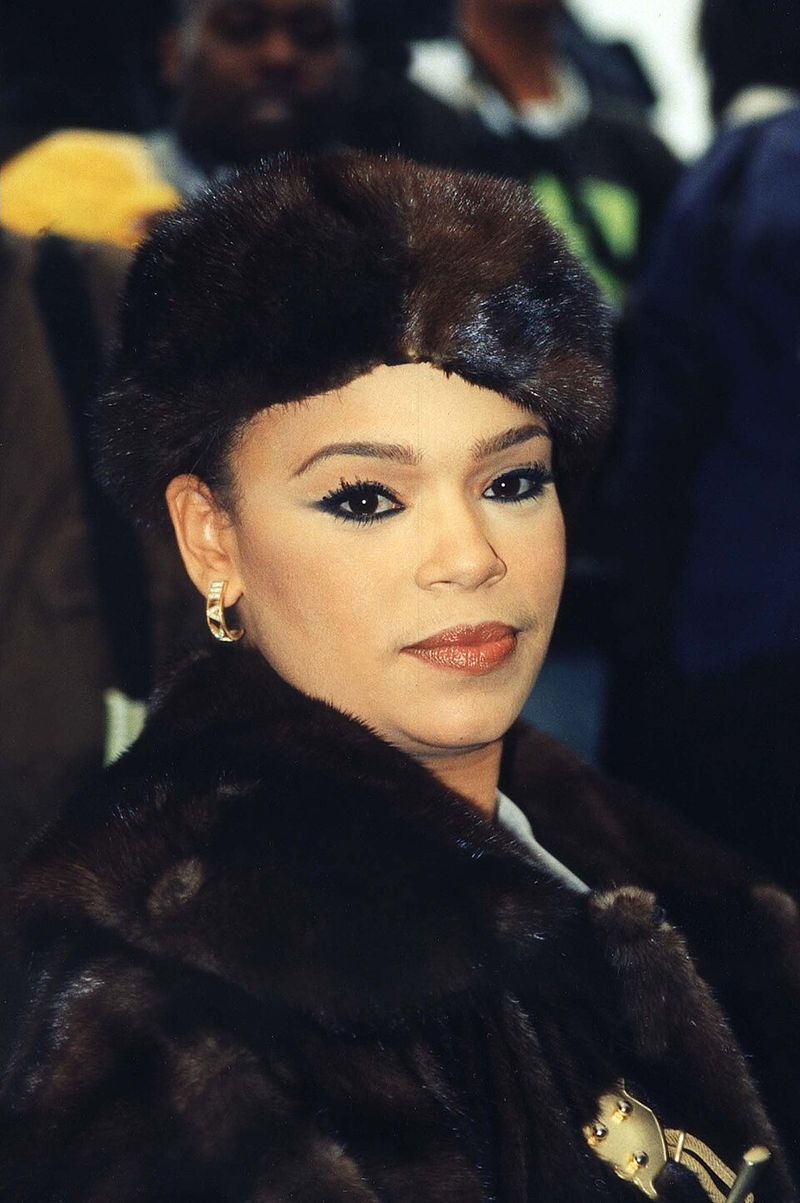
Studio sessions can be a classroom, and Faith Evans spent plenty of time in one. She provided backing vocals for Mary J.
Blige and Usher, working with some of the most talked-about producers in R&B.
Her smooth tone and strong songwriting skills caught the attention of Sean Combs, who signed her to Bad Boy Records. That deal moved her from the background to center stage.
In 1995, she released You Used to Love Me, a song with a sleek groove and a reflective mood. It introduced her debut album, Faith, to a wide audience.
Evans became a staple of 1990s R&B and kept recording for years afterward. Her path shows how making yourself useful to other artists can lead to a spotlight of your own.
14. Deborah Cox
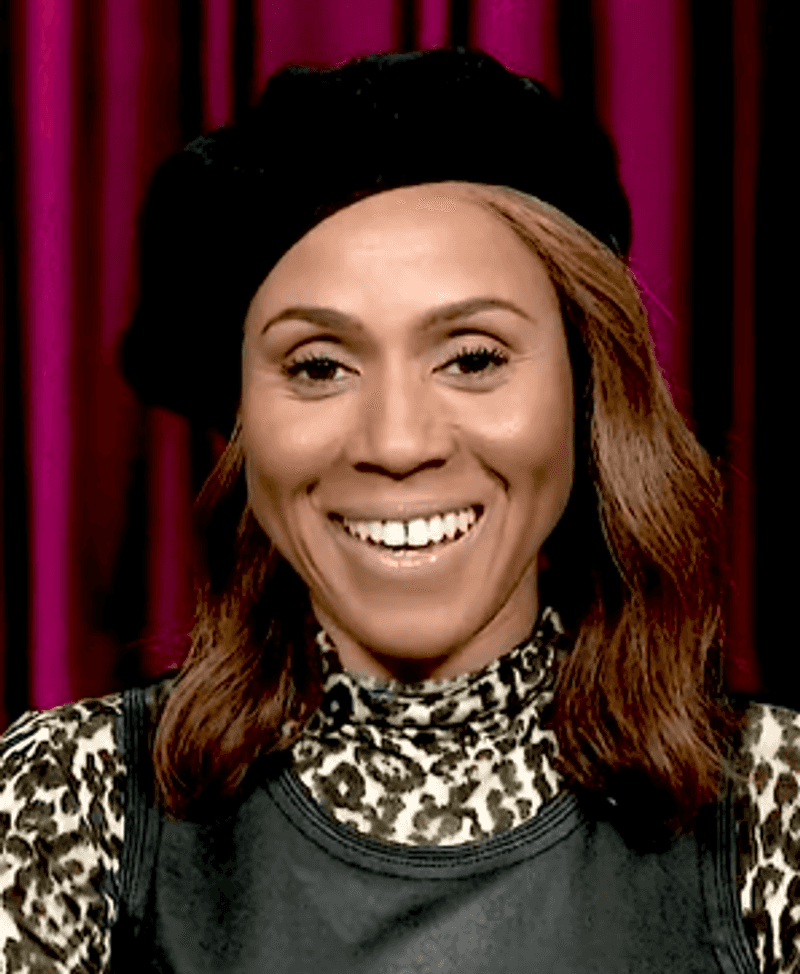
Singing behind a global superstar is a tough assignment, and Deborah Cox handled it well. Early in her career, the Canadian singer provided backup vocals for Céline Dion, performing with one of the most demanding voices in pop.
That experience taught her how to stay precise and energetic night after night. It also introduced her to music industry professionals who noticed her skill.
She signed a record deal and began her solo career in the mid-1990s. In 1998, she achieved major success with Nobody’s Supposed to Be Here, a smooth ballad that spent many weeks at number one on the R&B chart.
The song became one of the longest-running R&B chart toppers of its time. Cox’s story shows how high standards learned in the background can lift a singer to the top.
15. Lisa Fischer
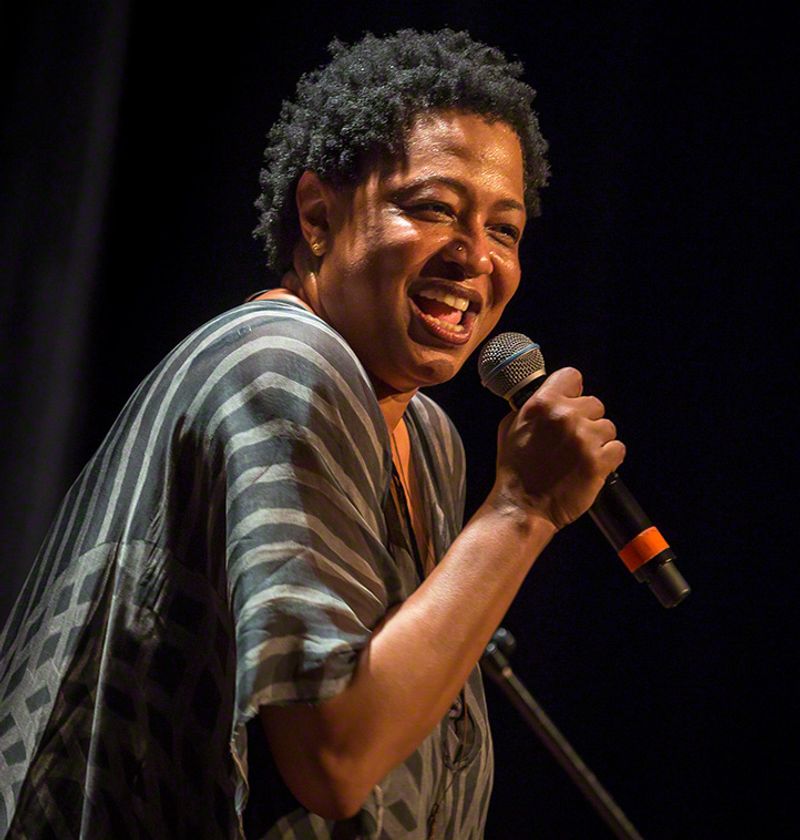
Some singers prove that the background can be a wonderful place to stay. Lisa Fischer began as a backing vocalist for Luther Vandross, and her talent was obvious to everyone around her.
In 1991, she released How Can I Ease the Pain, a silky R&B song from her album So Intense. The track earned her a Grammy Award for Best Female R&B Vocal Performance.
Afterward, she returned to backing vocals and went on to tour for decades with The Rolling Stones. Her powerful live duets became crowd favorites.
She was also featured in the documentary 20 Feet from Stardom, which celebrated backup singers. Fischer’s career shows that success can take many shapes, and that a great voice is valuable wherever it is heard.
Share this story