Summer 1981 was a pivotal season for rock music. MTV launched on August 1st of that year, FM radio was at its commercial peak, and album-oriented rock stations were programming with confidence and authority. Guitar-driven songs were not competing with synthesizers so much as coexisting with them, and the results were often spectacular. The artists who thrived that summer understood how to craft a riff that stuck, build a solo that meant something, and deliver a hook that kept listeners tuned in.
Whether you followed the charts closely or just had the radio on during long drives, these songs were everywhere. From seasoned veterans proving they still had it to newer names announcing themselves in a big way, the summer of 1981 produced a remarkable collection of guitar-centered rock that still holds up. What follows is a look at 12 of the songs that defined that season and why each one still matters to rock history.
1. The Stroke by Billy Squier
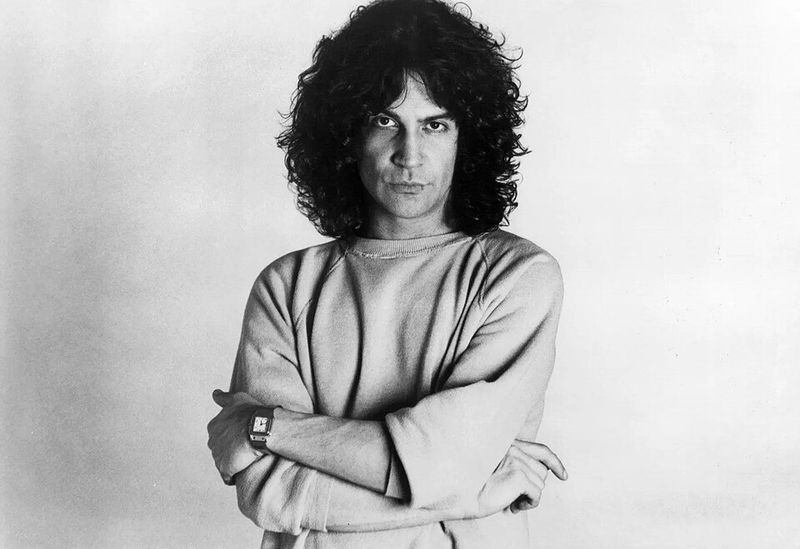
Few debut singles in rock history arrived with as much swagger as this one. Billy Squier released “The Stroke” in April 1981 as the lead single from his album Don’t Say No, and the song immediately planted itself at the top of rock radio playlists across North America.
The guitar riff driving the track is deceptively simple but impossible to ignore. Squier built the whole song around a groove that felt equally at home in an arena and a car stereo. It peaked at No. 17 on the Billboard Hot 100 and reached No. 3 on the Billboard Top Tracks chart, a strong indicator of just how dominant it was on rock-formatted stations.
Don’t Say No went triple platinum, and “The Stroke” was the engine behind that success. VH1 later ranked it the 59th greatest hard rock song ever recorded. For a debut single, that kind of lasting recognition says everything about its impact.
2. Tom Sawyer by Rush
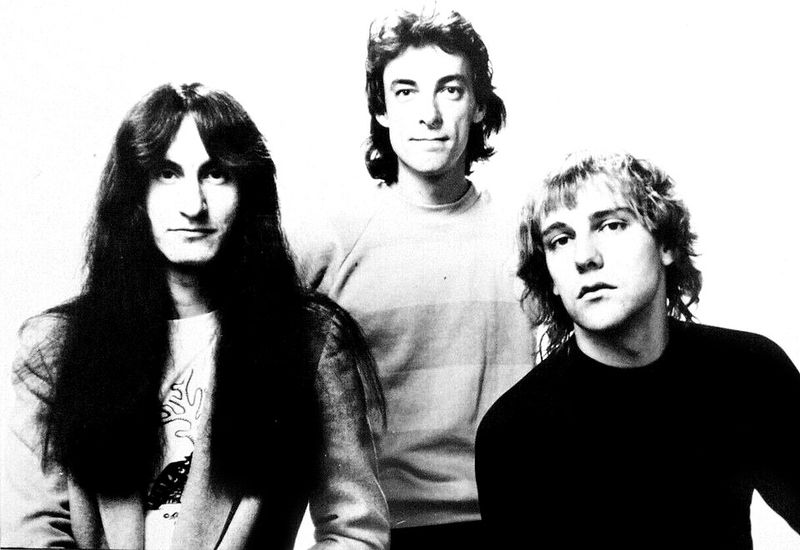
Rush opened Moving Pictures with a track so technically precise and melodically bold that it immediately became the album’s centerpiece. Released in February 1981, Moving Pictures gave rock radio one of its most enduring staples, and “Tom Sawyer” was the song that defined the record.
Alex Lifeson’s guitar work on the track is muscular without being showy. He locks into the rhythm section with a tight, almost mechanical confidence, while still leaving room for Neil Peart’s drumming and Geddy Lee’s synthesizers to breathe. The balance between all three instruments is what makes the song hold up across decades.
By the time summer arrived, “Tom Sawyer” was a cornerstone of album-oriented rock programming across the continent. Moving Pictures reached No. 3 on the Billboard 200 and spent weeks near the top of the Canadian charts. Rush had made technically demanding music feel completely accessible, and that was no small achievement.
3. Urgent by Foreigner
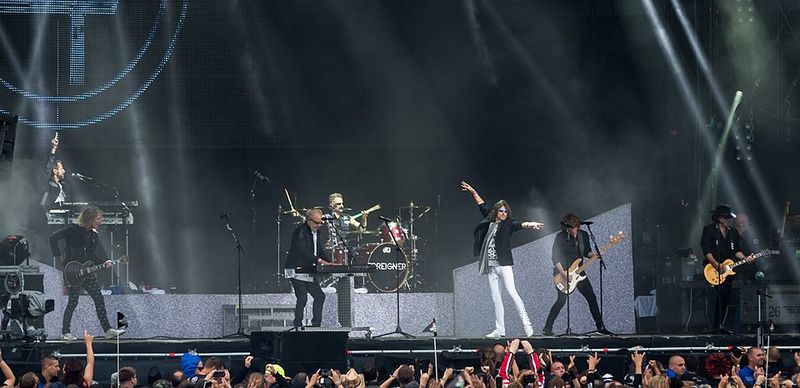
Mick Jones wrote “Urgent” as a pure rock vehicle, and the guitar riff he built around it is one of the most recognizable of the entire decade. Released on June 22, 1981, as the lead single from Foreigner’s album 4, the track hit radio at exactly the right moment and never let go.
Junior Walker’s saxophone solo gets most of the historical attention, but Jones’s guitar work is what holds the song together from start to finish. The riff sets the pace, establishes the tension, and gives the track its backbone. Without it, the saxophone would have nothing to cut through.
“Urgent” peaked at No. 4 on the Billboard Hot 100 and spent four consecutive weeks at No. 1 on the Billboard Rock Tracks chart. That kind of sustained dominance reflects just how thoroughly it owned rock radio that summer. Album 4 itself reached No. 1 on the Billboard 200, making 1981 one of Foreigner’s most commercially successful years.
4. Who’s Crying Now by Journey
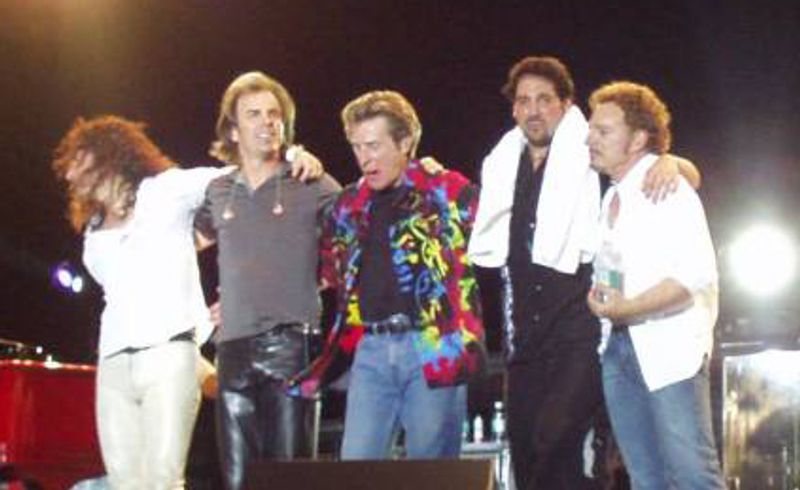
Neal Schon has always been one of rock’s most expressive guitarists, and “Who’s Crying Now” gave him one of his finest showcases. Released in July 1981 as the lead single from Escape, the song paired Steve Perry’s powerful vocals with a guitar solo widely praised for its emotional precision and melodic restraint.
The track made history for the band by becoming Journey’s first Top 10 hit, peaking at No. 4 on both the Billboard Hot 100 and the Mainstream Rock Tracks chart. That kind of crossover success reflected just how carefully the song was constructed to connect with a broad audience.
Escape became one of the defining albums of 1981, eventually selling over twelve million copies in the United States alone. “Who’s Crying Now” launched that commercial run and introduced millions of listeners to Schon’s guitar approach. The solo in particular remains a reference point for melodic rock playing, valued as much for what it leaves out as for what it includes.
5. Heavy Metal (Takin’ a Ride) by Don Felder
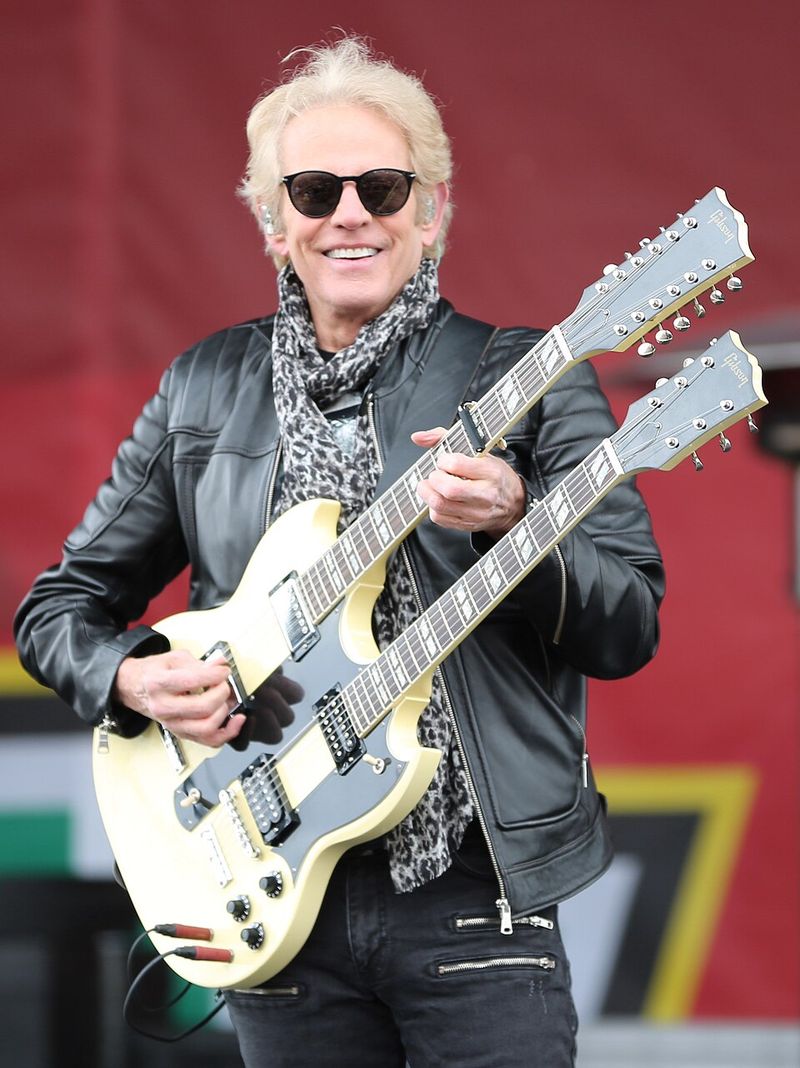
Don Felder stepped out of the Eagles’ shadow in 1981 with a track built entirely around his guitar identity. “Heavy Metal (Takin’ a Ride)” was released in July 1981 as part of the soundtrack to the animated film Heavy Metal, and it gave Felder a platform to showcase his playing in a hard rock context without any of the country-rock polish that defined his previous band.
Felder handled lead vocals and guitar on the track, with Don Henley on drums and Timothy B. Schmit on bass providing a familiar rhythm section. The song’s power chords and lead guitar runs captured the spirit of the film’s aggressive, fantasy-driven aesthetic.
It reached No. 43 on the Billboard Hot 100 and climbed to No. 5 on the Mainstream Rock chart, a solid commercial showing for a solo debut. The Heavy Metal soundtrack itself was a major success, and Felder’s contribution stood out as one of its most guitar-forward moments, establishing him as a credible solo artist.
6. Winning by Santana
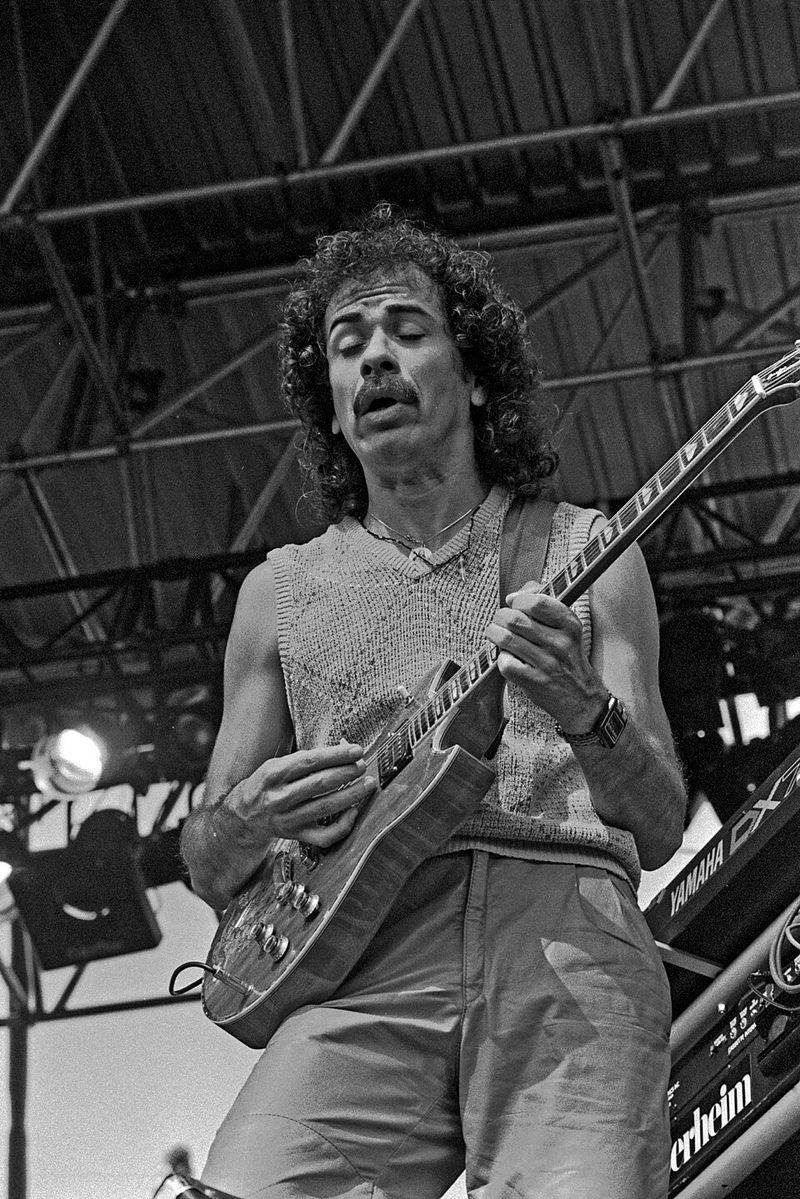
Carlos Santana recorded “Winning” for his 1981 album Zebop, turning a 1976 Russ Ballard composition into one of the most commercially successful singles of his career. The original version had never broken through, but Santana’s interpretation, centered entirely on his signature guitar tone, gave the song a new identity.
His guitar work on the track is fluid and confident, sitting comfortably within the polished production style of early 1980s rock without losing any of the personality that defined his classic recordings. The solo in particular reflects his ability to say a great deal within a short amount of space.
“Winning” reached No. 17 on the Billboard Hot 100 and climbed to No. 2 on the Mainstream Rock chart, making it one of Santana’s strongest chart performances in years. Zebop itself reached No. 9 on the Billboard 200. The song demonstrated that Santana could adapt to a changing radio landscape while keeping his guitar at the absolute center of everything he recorded.
7. You Better You Bet by The Who
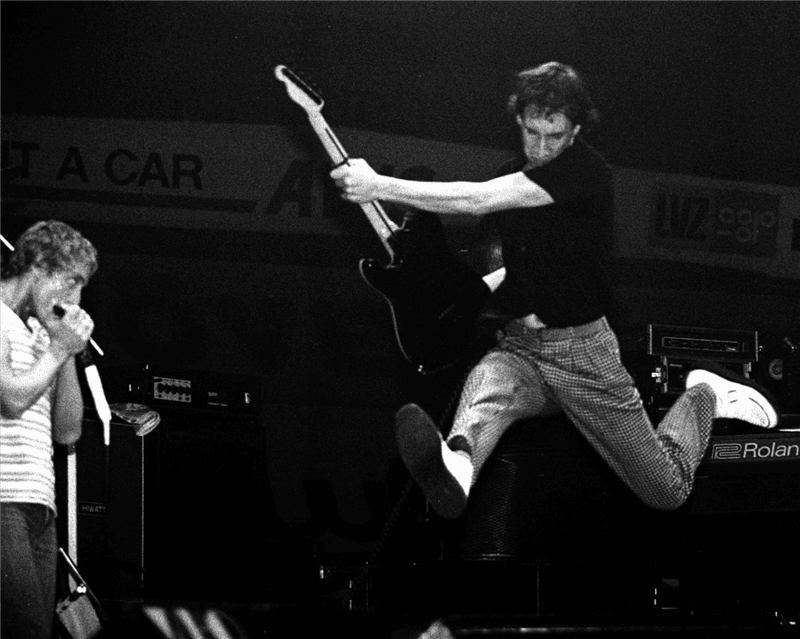
Pete Townshend wrote “You Better You Bet” as a direct, no-frills rock song, and the result was one of The Who’s most radio-friendly singles in years. Released on February 27, 1981, as the lead single from Face Dances, the track arrived at a time when some critics questioned whether the band could maintain momentum following the passing of Keith Moon in 1978.
Townshend’s guitar work answered those questions decisively. His Rickenbacker 360/12 gave the track a bright, driving character, and the song’s hook was sharp enough to compete with anything on rock radio that season. It reached No. 18 on the Billboard Hot 100 and spent five consecutive weeks at No. 1 on the Billboard Top Tracks chart.
In the UK, it peaked at No. 9 on the Singles Chart. The sustained chart presence throughout the summer confirmed that The Who still had the ability to write and perform at a high level. “You Better You Bet” remains a fan favorite and a strong example of Townshend’s guitar-driven songwriting in the post-Moon era.
8. Stop Draggin’ My Heart Around by Stevie Nicks and Tom Petty

This collaboration came together through a series of fortunate coincidences. Tom Petty and Mike Campbell had written “Stop Draggin’ My Heart Around” as a Heartbreakers track, with Petty planning to sing it himself. Producer Jimmy Iovine, who was working with both artists simultaneously, arranged for Stevie Nicks to record the lead vocal, transforming it into a duet.
Campbell’s guitar playing throughout the track is economical and purposeful, providing a solid foundation for the vocal interplay between Nicks and Petty. Released on July 8, 1981, as the debut single from Nicks’s solo album Bella Donna, the song peaked at No. 3 on the Billboard Hot 100.
That chart position made it both Nicks’s highest-charting solo single and the highest-charting single for Tom Petty and the Heartbreakers at that point in their careers. The song’s music video was also among the first 25 videos aired when MTV launched on August 1, 1981, giving it immediate exposure to a new visual medium.
9. The Waiting by Tom Petty and the Heartbreakers
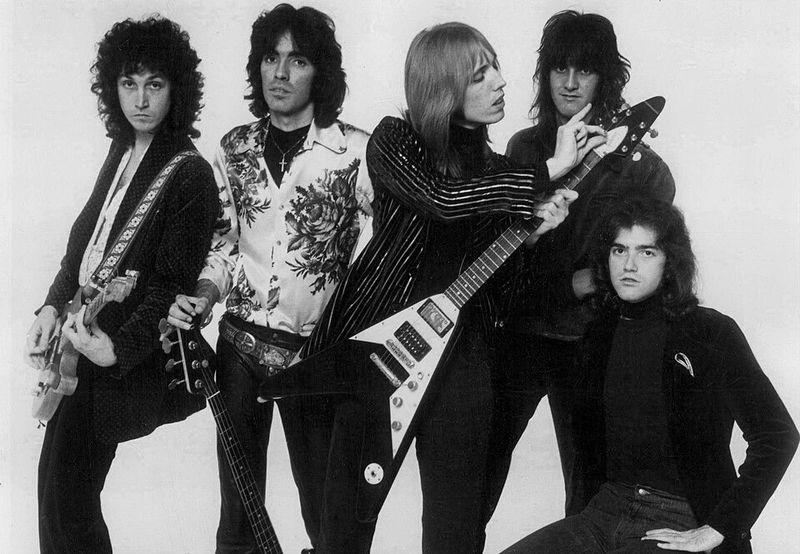
Tom Petty and the Heartbreakers had already established themselves as one of rock’s most reliable bands by 1981, and “The Waiting” did nothing to undermine that reputation. Released in the spring of 1981 as the lead single from Hard Promises, the song featured the jangly, layered guitar work that had become the band’s calling card.
Mike Campbell and Petty built the track around interlocking guitar parts that gave it a bright, forward-moving energy. The song peaked at No. 19 on the Billboard Hot 100, a respectable showing, but its real dominance was on rock radio, where it reached No. 1 on Billboard’s Rock Tracks chart and held that position for six consecutive weeks.
That six-week run at the top of rock radio made it one of the most-played songs of the entire summer. Hard Promises reached No. 5 on the Billboard 200. Petty had a remarkable 1981, with both this track and “Stop Draggin’ My Heart Around” performing strongly in the same season, reflecting his unusual commercial consistency.
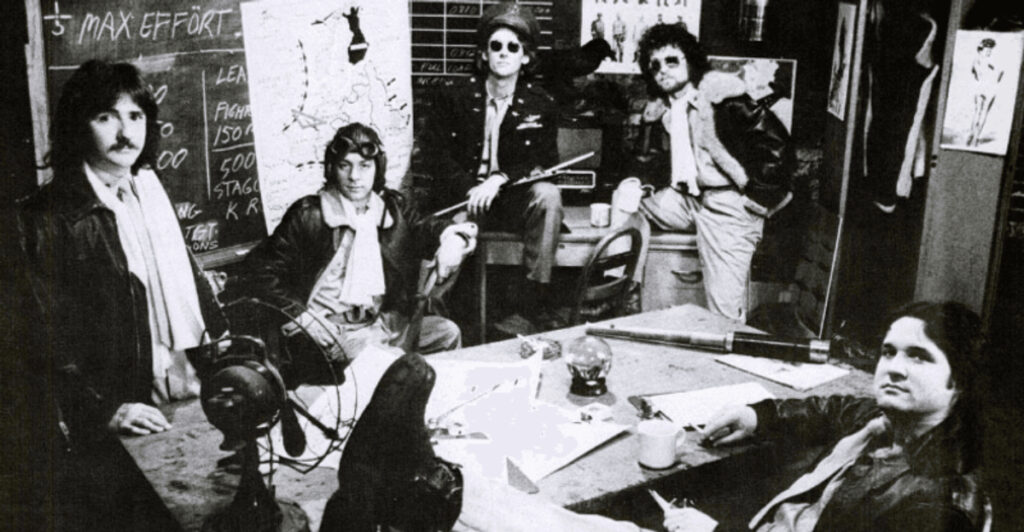
10. Burnin’ for You by Blue Öyster Cult
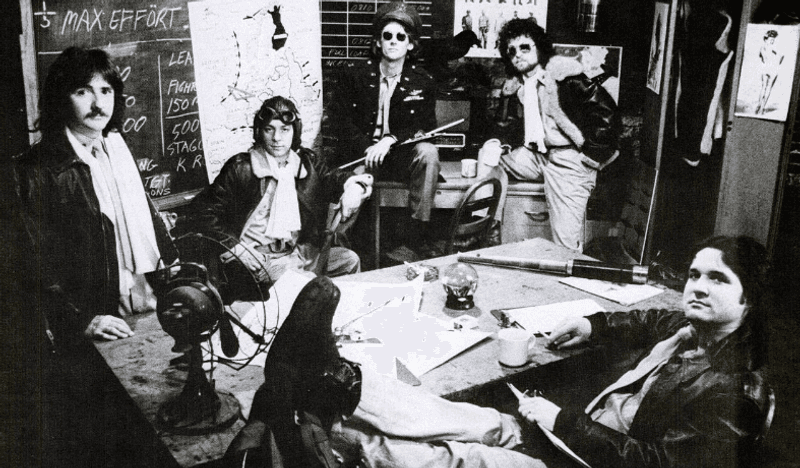
Buck Dharma wrote and sang “Burnin’ for You,” making it one of the more personal entries in Blue Öyster Cult’s catalog. Released in July 1981 as the lead single from Fire of Unknown Origin, the track represented a deliberate move toward a more accessible sound without abandoning the hard rock foundation the band had built throughout the 1970s.
Dharma’s guitar work is the defining element of the recording. His melodic riff anchors the verse, and his solo adds genuine emotional weight to the song’s middle section. The track reached No. 40 on the Billboard Hot 100 and climbed to No. 1 on the Billboard Mainstream Rock chart.
Its timing proved fortuitous. When MTV launched on August 1, 1981, the music video for “Burnin’ for You” entered heavy rotation almost immediately, introducing the band to a younger audience accustomed to watching their music rather than just hearing it. That early MTV exposure helped transform the song into a classic rock staple that continued earning airplay long after the summer ended.
11. The Voice by The Moody Blues
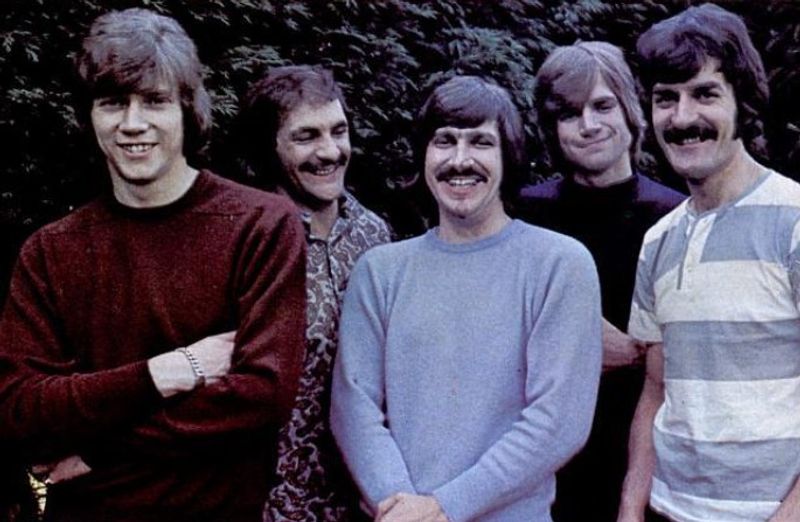
Justin Hayward described “The Voice” as fundamentally a guitar song, and listening to it confirms that assessment. Released on July 23, 1981, as the second single from Long Distance Voyager, the track found The Moody Blues operating with renewed commercial confidence after a period of reduced activity in the late 1970s.
Hayward played both acoustic and electric guitar on the recording, with his 1963 red Gibson ES-335 providing the lead work. The song’s rhythmic guitar foundation gives it a drive that distinguishes it from the band’s more orchestral earlier recordings. Long Distance Voyager itself reached No. 1 on the Billboard 200, a remarkable achievement for a band that had formed in the mid-1960s.
“The Voice” peaked at No. 15 on the Billboard Hot 100 and spent four weeks at No. 1 on the Billboard Top Rock Tracks chart during June and July 1981. It also reached No. 9 in Canada. The song introduced The Moody Blues to listeners who had not followed the band through their earlier progressive rock period, broadening their audience considerably.
12. A Life of Illusion by Joe Walsh
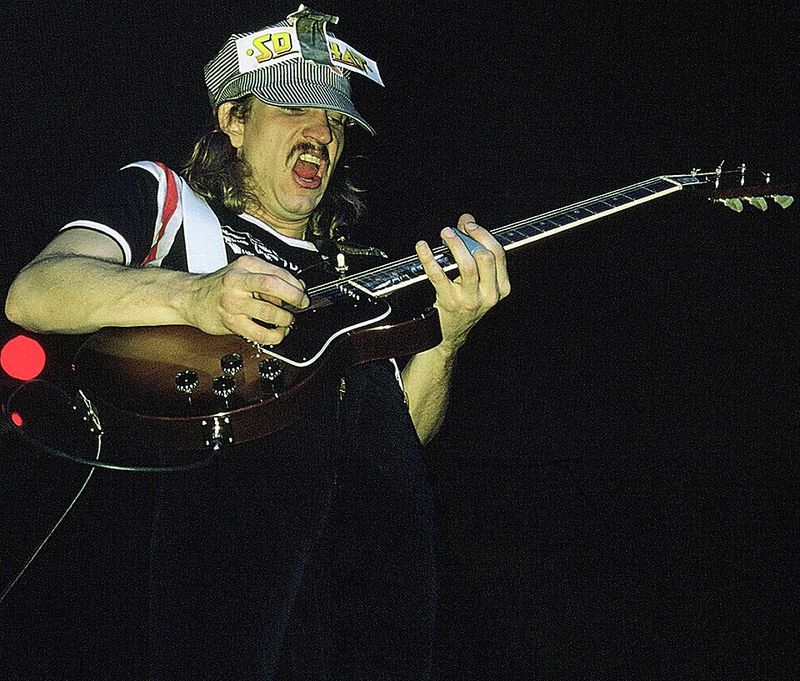
Joe Walsh finally released “A Life of Illusion” in May 1981, but the song’s origins stretch back nearly a decade. Most of its musical foundation was recorded in 1973 during sessions for The Smoker You Drink, the Player You Get. Walsh co-wrote it with guitarist Kenny Passarelli, and the track spent years being refined before finding its home on There Goes the Neighborhood.
The guitar work is characteristically Walsh: relaxed in delivery but precise in execution. The central riff has a loose, almost conversational quality that made it feel like a natural fit for summer radio programming. It reached No. 34 on the Billboard Hot 100 and climbed to No. 1 on the Mainstream Rock Tracks chart, confirming its strong rock radio appeal.
The song later appeared in film soundtracks and documentary projects, extending its cultural footprint well beyond its original chart run. For Walsh, it became one of his most recognized solo recordings outside of his Eagles work, proof that a song worth making is sometimes worth waiting nearly a decade to release properly.
Share this story