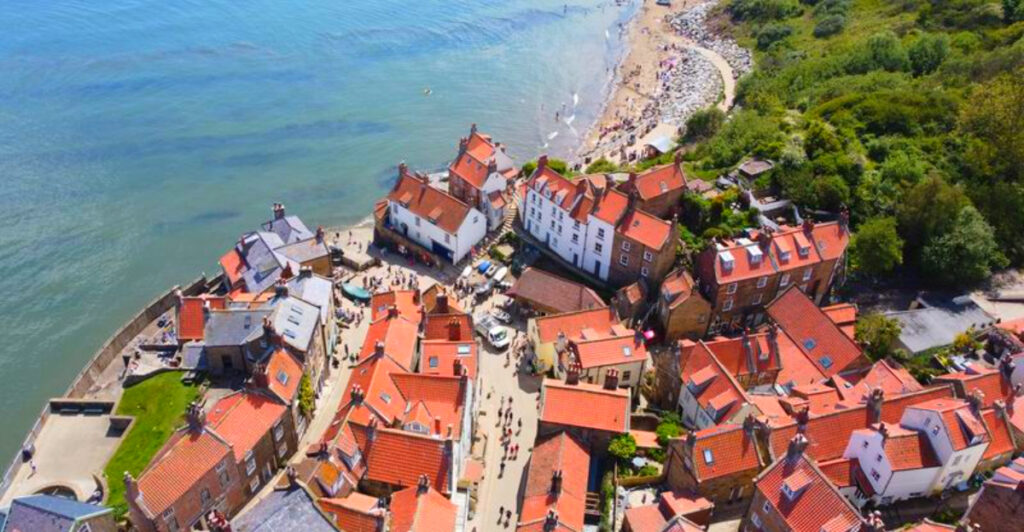
Europe has a long tradition of people outsmarting border guards, customs officers, and tax collectors in the most creative ways imaginable. From rugged Alpine passes to hidden coves along rocky coastlines, ordinary people turned geography into their greatest ally, moving tea, tobacco, silk, and salt across borders that governments tried hard to control. The places where all this happened did not disappear when the smuggling stopped. They became some of the most stunning destinations on the continent, carrying centuries of secret history beneath their picturesque surfaces.
Cornwall alone produced entire villages built around the trade, while the Basque Country developed walking trails that follow the exact mountain paths once used by border runners. The Alps, the Mediterranean coast, and the chalk cliffs of southern England all have their own chapters in this story. This list takes you through 14 remarkable places where a past full of daring and deception shaped the beautiful landscapes visitors explore today.
1. Port Isaac, Cornwall, England, United Kingdom
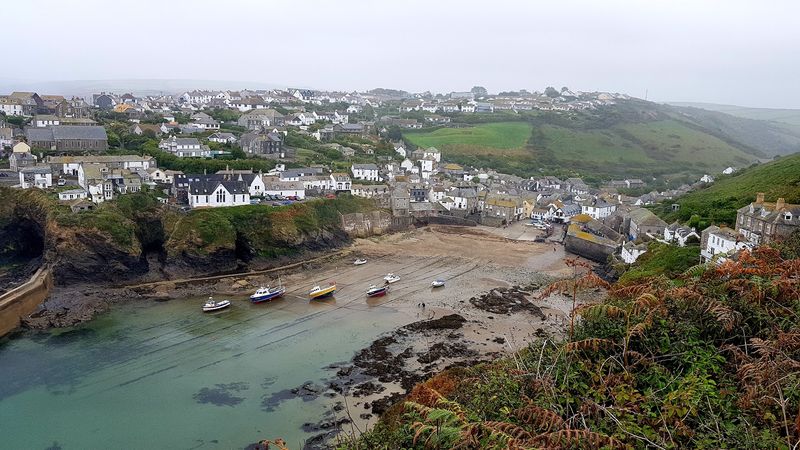
Long before television cameras arrived to film a fictional doctor navigating its narrow lanes, Port Isaac was earning a far more secretive reputation along the Cornish coast.
The village became closely linked with contraband landings during the eighteenth century, with its sheltered harbor and steep valley providing ideal cover for moving goods inland by horse.
Smugglers reportedly stored their illicit cargo in local public houses, and the legend of a figure known as Cruel Copinger adds a theatrical layer to the village’s history.
Today, visitors recognize Port Isaac as the filming location for the television series Doc Martin, where it plays the fictional village of Portwenn.
The harbor remains active with fishing boats, and at low tide, rock pools open up along Port Isaac Beach for exploration.
The South West Coast Path offers dramatic clifftop walking with sweeping views over the Atlantic, while nearby Port Gaverne Beach hides sea caves worth investigating.
2. Polperro, Cornwall, England, United Kingdom
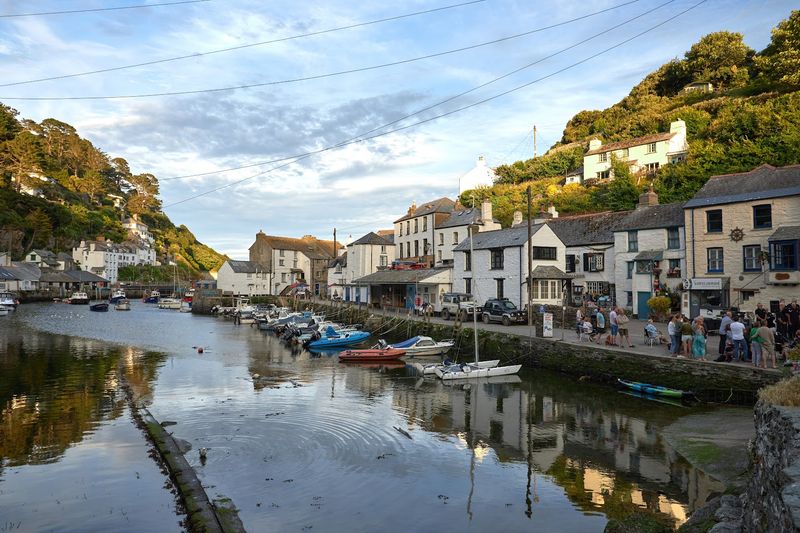
Cars are not allowed inside Polperro, which means visitors must walk in from a car park about half a mile away, and that short stroll is exactly long enough to feel like you are stepping back two centuries.
During the late eighteenth century, this fishing village operated as a major hub for contraband trade, with local seafarers bringing brandy, tobacco, and tea ashore at secluded coves like Talland and Lansallos.
A man named Zephaniah Job, known locally as the smugglers banker, kept meticulous records of the clandestine boat movements, which historians now use to reconstruct the operation in remarkable detail.
The Polperro Heritage Museum of Smuggling and Fishing preserves this history with accounts of hidden tunnels beneath the village and tales of ghostly riders on horseback.
Polperro sits within a designated Area of Outstanding Natural Beauty, and its coastal paths lead to further secluded coves that remain largely unchanged from the era when free traders ruled the shoreline.
3. Clovelly, Devon, England, United Kingdom
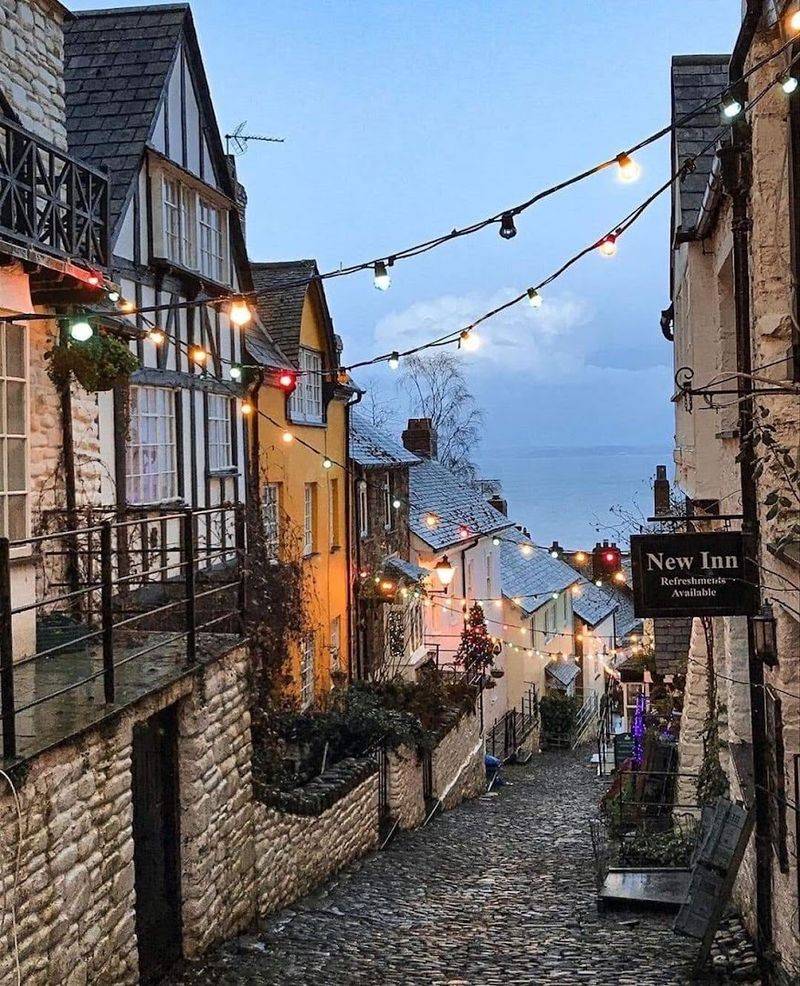
Perched 400 feet above Bideford Bay, Clovelly is the kind of place that makes visitors wonder whether someone forgot to install the twentieth century.
The village earned a notorious reputation as a smuggling haunt during the eighteenth and nineteenth centuries, with its natural caves offering perfect storage for tea, silk, and tobacco before goods were moved inland.
Local legend claims that smugglers spread a gruesome story about cannibals in the area specifically to keep curious outsiders away from their operations, which is either brilliant strategy or very committed storytelling.
No cars can access the steep cobbled main street, so donkeys have historically handled transportation up and down the incline, a tradition that continues today.
The Charles Kingsley Museum, set in the author’s former home, offers a pictorial history of the village, while the Fisherman’s House provides a window into domestic life from past centuries.
Cliff-top walks along the coastal path deliver exceptional views over the Bristol Channel.
4. Lulworth Cove, Dorset, England, United Kingdom
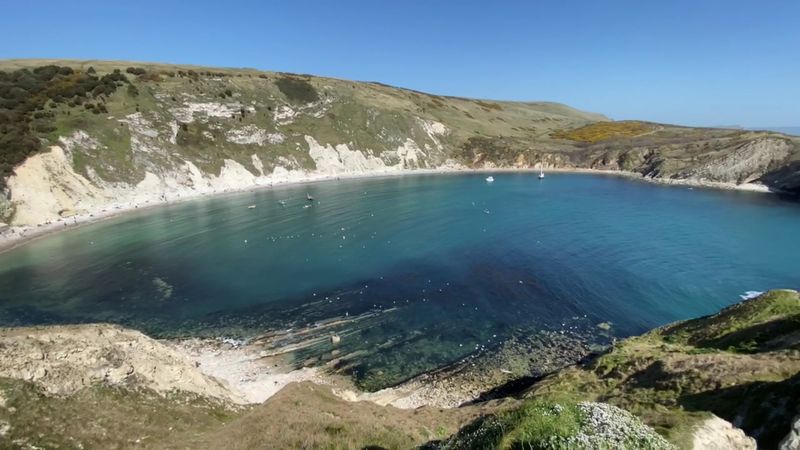
A nearly perfect circle of chalk and limestone, Lulworth Cove looks like nature drew it with a compass, and smugglers in the eighteenth century recognized its geometric perfection as a logistical advantage.
The sheltered waters allowed clandestine landings in almost any weather, and records from 1717 document the seizure of French wine that had been submerged offshore for later retrieval, a technique known as sinking tubs.
Customs officers faced a constant struggle here, with accounts of violent confrontations involving gangs armed with flails and swords attempting to land contraband along the shoreline.
Today, Lulworth Cove is part of the UNESCO-listed Jurassic Coast and attracts visitors with its clear water, pebble beach, and extraordinary geology, where rock layers have been folded almost vertically by ancient earth movements.
A short walk along the South West Coast Path leads to Durdle Door, a natural limestone arch rising from the sea.
Nearby Stair Hole reveals collapsed caves and the famous Lulworth Crumple, a dramatic display of contorted rock strata.
5. Robin Hood’s Bay, North Yorkshire, England, United Kingdom
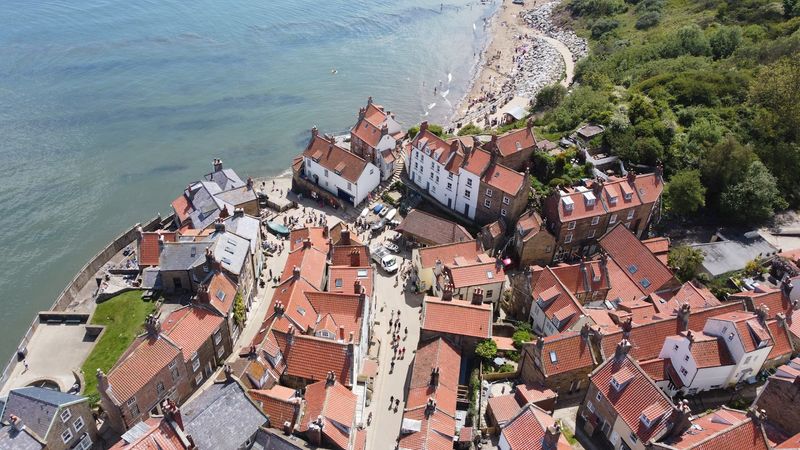
According to local legend, a bale of silk could travel from the shoreline through the entire village without ever appearing in the open, passing instead through a network of hidden tunnels connecting cellars beneath the tightly packed cottages.
Robin Hood’s Bay became one of the wealthiest villages on the Yorkshire coast during the eighteenth century, not through fishing alone, but through a thriving contraband trade in which nearly every household participated, including local gentry.
Customs officers faced an almost impossible task in a settlement designed by geography to confuse outsiders, with narrow alleyways and steep cliffs making pursuit extremely difficult once goods reached shore.
Today, the village draws visitors with its sandy beach, panoramic views from the clifftops, and rock pools that appear at low tide, offering fossil hunting opportunities along the base of the cliffs.
Robin Hood’s Bay serves as a meeting point for the Cleveland Way and the Coast to Coast walking routes, both offering dramatic scenery along the North Yorkshire coastline.
6. Mousehole, Cornwall, England, United Kingdom
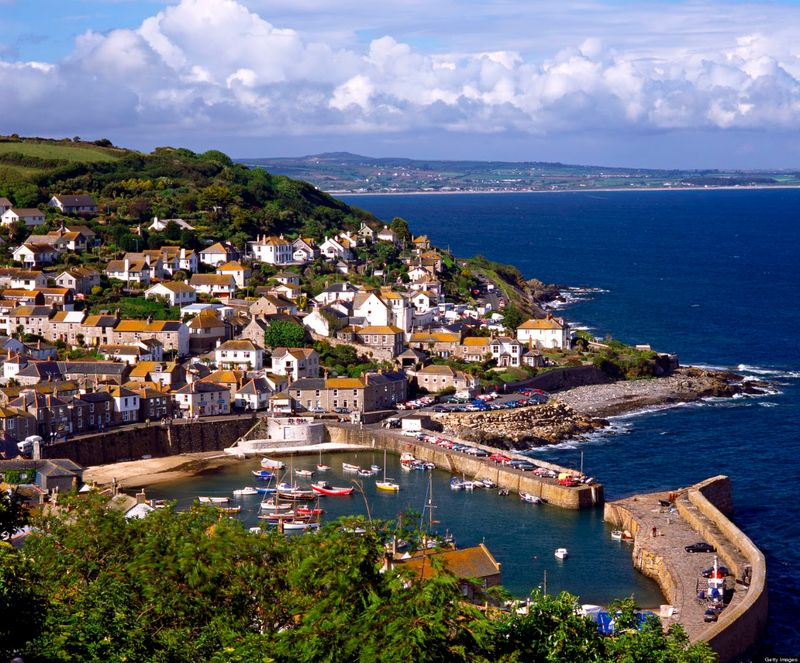
One 300-year-old fisherman’s cottage in this tiny Cornish village is rumored to contain an eighteenth-century smugglers’ tunnel that leads directly to the harbor, which raises the question of whether the current residents know about it.
Mousehole became deeply involved in contraband trade during the 1700s, with fast luggers meeting foreign schooners offshore to collect tea, silk, and tobacco, sometimes concealed in hollow ballast stones to fool inspectors.
Local men earned the unflattering nickname Cut-throats, and even some customs officials were reportedly persuaded to look the other way, suggesting the operation had considerable community support at every level.
Today, the village centers on a compact harbor where boats bob in calm water, and a small sandy beach appears within the harbor walls at low tide.
The South West Coast Path connects Mousehole to Lamorna Cove and Penlee Point, both offering dramatic cliff scenery and abundant wildlife.
The village also hosts a celebrated winter harbor lights display that draws visitors from across Cornwall each December.
7. Cadaqués, Catalonia, Spain
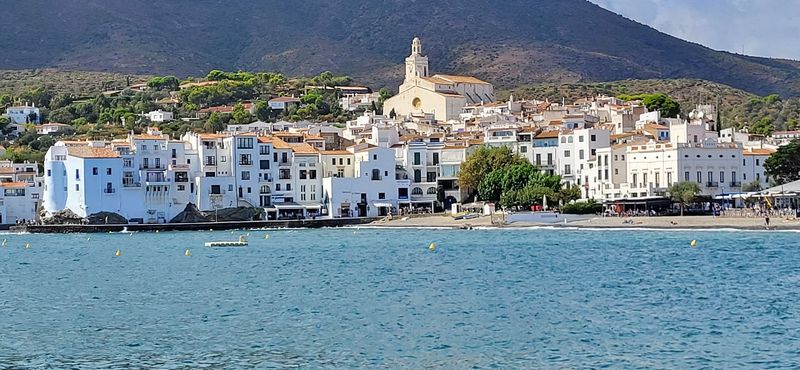
When the phylloxera crisis wiped out the vineyards of coastal Catalonia in the late nineteenth century, the resourceful residents of this isolated town found another way to make a living, and customs officers along the French border suddenly found themselves very busy.
Cadaqués developed a well-documented contraband tradition, with local tabaqueros moving tobacco, coffee, sugar, and silk across the Pyrenees and along the coast using their intimate knowledge of small coves and tricky currents.
Catalan writer Josep Pla immortalized these figures in his work, treating them as symbols of local resilience rather than criminals, and that attitude has stuck around in the town’s collective memory.
Today, Cadaqués sits within the Cap de Creus Natural Park, where dramatic rock formations and crystal-clear coves attract hikers, divers, and day-trippers from across Spain and beyond.
The House-Museum of Salvador Dali in nearby Portlligat is a major draw, while the baroque altarpiece inside the Church of Santa Maria anchors the historic town center.
The Cap de Creus lighthouse offers panoramic views that make the long drive along winding roads entirely worthwhile.
8. Bidasoa Smugglers’ Path, Irun, Basque Country, Spain
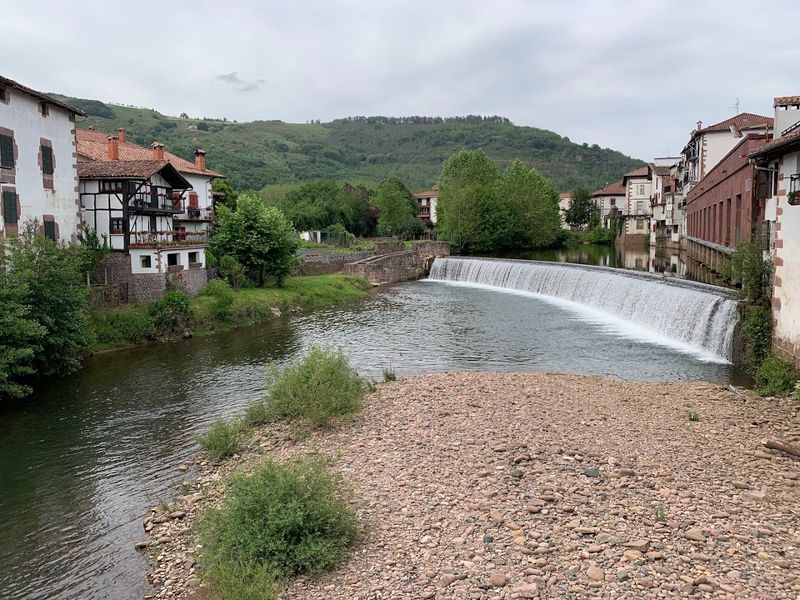
During World War II, the mugalariak, Basque border runners who had spent years learning every hidden path through this valley, quietly shifted their activities from moving coffee and chocolate to guiding downed Allied airmen and Jewish refugees across the Bidasoa River into neutral territory.
These individuals knew the rugged terrain between Spain and France better than any customs patrol, and their expertise became a matter of life and safety for hundreds of people during the war years.
The Bidasoa Smugglers’ Path now follows the routes these remarkable figures used, covering 176 kilometers of walking trails and over 200 kilometers of cycling paths across seven stages.
The route passes through the Txingudi wetland, the Aiako Harria Natural Park, and the Artikutza mountains, combining riverside scenery with forested hills and quiet Basque villages.
Along the way, hikers encounter ancient stone washing houses, mills, and churches dating back to the fourteenth and fifteenth centuries, alongside traces of prehistoric megaliths and Roman-era mining activity.
The trail forms part of the European EuroVelo 1 Atlantic Coast Route, connecting it to a much larger network of cross-border cycling paths.
9. Gargellen Smugglers’ Trail, Gargellen, Vorarlberg, Austria
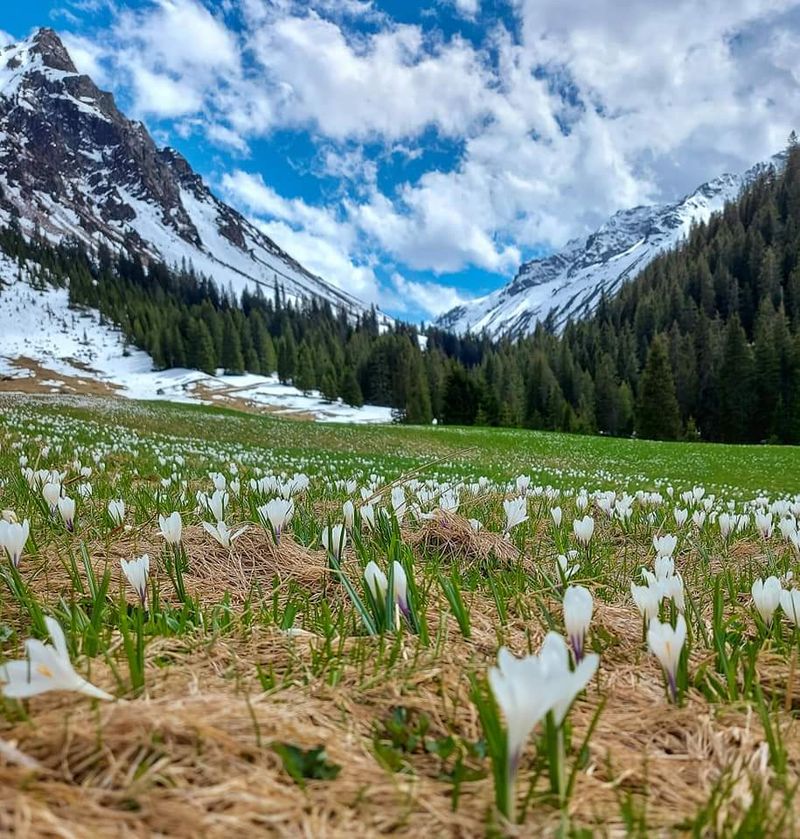
Some smugglers working the alpine passes above Gargellen nailed their boot soles on backward to leave misleading footprints for customs officers, which is the kind of creative problem-solving that deserves a certain grudging admiration.
For about 150 years, muleteers carried loads of up to 40 kilograms across mountain passes like St. Antoner Joch and Gafierjoch, moving unroasted coffee beans, salt, flour, watches, and banned books between Austria and Switzerland under cover of darkness.
During World War II, some local families used this same knowledge to guide Jewish refugees and Allied airmen to safety in neutral Switzerland, earning the informal title Robin Hoods of the Alps.
The official Gargellen Smugglers’ Trail today offers a circular hiking route through alpine meadows, past the serene Lake Gafier, and across the geological formations known as the Gargellen windows.
Marmots, chamois, and ibex are regular sightings along the route, and families can follow a shorter themed Smugglerland trail with interactive play stations.
Gargellen itself is the highest village in the Montafon valley and operates as a four-season destination for hiking, skiing, and snowboarding.
10. Nova Gorica and Gorizia, Slovenia and Italy
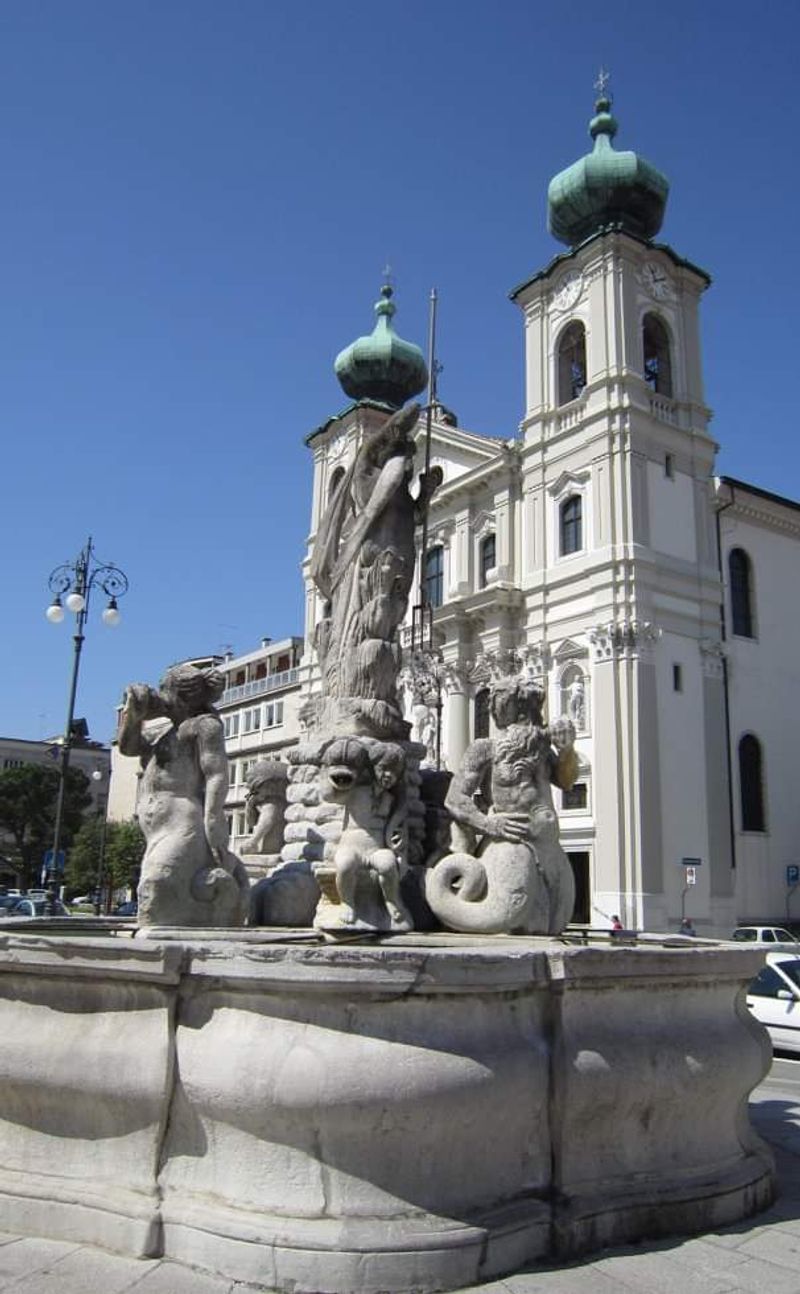
At Europe Square, a mosaic line on the pavement marks what was once one of the most closely watched frontiers in Cold War Europe, where visitors can now stand with one foot in Slovenia and the other in Italy without anyone raising an eyebrow.
During the decades when this border was actively enforced, locals developed an entire art form around crossing it unofficially, known locally as svercanje, involving double-bottomed suitcases, hidden car panels, and creative clothing modifications to conceal coffee, jeans, cassette tapes, and Western electronics.
The interactive Smuggling Tour recreates this experience, challenging visitors to outwit customs officers as they travel between Europe Square and the Smuggling Museum in Pristava.
Gorizia on the Italian side retains the elegant architecture of its Austrian heritage, while Nova Gorica on the Slovenian side was purpose-built as a modernist showcase city after World War II.
The medieval Gorizia Castle provides panoramic views over both cities and houses the Great War Museum, which adds another layer of history to an already complex location.
Together, these twin cities served as European Capital of Culture, a fitting recognition for a place where two worlds have long overlapped.
11. De Groote Heide, Budel, North Brabant, Netherlands
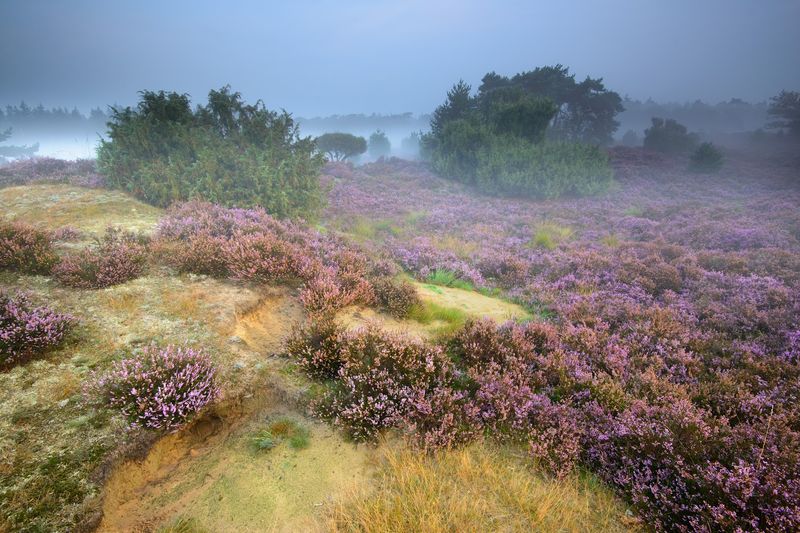
Between 1830 and 1962, the heathlands and forests stretching along the Belgian-Dutch border in this part of North Brabant functioned as a well-organized corridor for unofficial cross-border commerce, with smugglers using the varied terrain of marshes, forests, and stream valleys to stay out of sight.
The area became so associated with this activity that local figures were known as billygoat riders, a nickname that captures both their agility and their reputation for moving through difficult ground without being caught.
Today, the 44-kilometer Smugglers’ Route De Groote Heide follows former customs paths through the landscape, passing old border posts and customs offices that still stand as physical reminders of the enforcement side of the operation.
The Smuggling Museum Cranendonck provides additional context, and a second designated route at Luyksgestel covers 28 kilometers through similarly evocative terrain.
De Groote Heide now ranks among Europe’s most celebrated nature areas, covering 6,000 hectares of heathland, forest, and fenland shared between the Netherlands and Belgium.
Well-marked cycling and walking routes of varying lengths make it accessible for visitors of all fitness levels.
12. Cuckmere Haven, East Sussex, England, United Kingdom
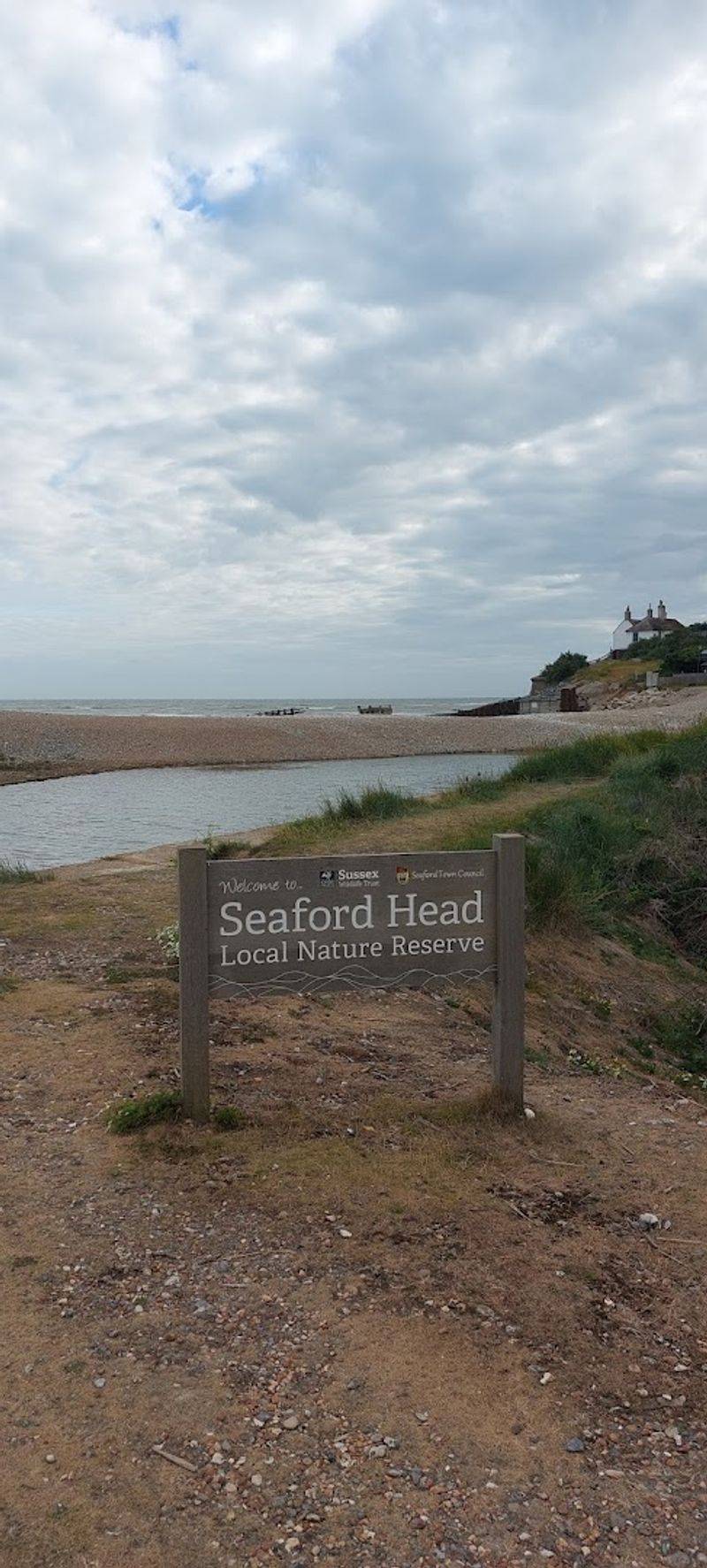
Records from 1783 describe gangs of 200 to 300 men arriving at this stretch of East Sussex coastline twice within a single week, moving contraband ashore in open defiance of customs officers and rough seas alike.
Cuckmere Haven developed its smuggling reputation over several centuries, with its secluded river mouth and isolated beach providing natural cover for landing goods that included French brandy, tea, and silk in enormous quantities.
Local folklore even credits smugglers with moving chalk way-markers to mislead customs officers in the dark, a detail that says a great deal about how thoroughly the local population supported the trade.
The Coastguard Cottages perched on the clifftops were built after 1822 specifically to address the scale of smuggling activity that had made this stretch of coast a persistent enforcement problem.
Today, Cuckmere Haven sits within both Seven Sisters Country Park and the South Downs National Park, where the famous chalk cliffs and the meandering river create one of southern England’s most photographed landscapes.
At low tide, the wreck of the German sailing ship Polynesia, lost in 1890, emerges from the sand near the beach.
13. Tende, Alpes Maritimes, Provence Alpes Côte d’Azur, France
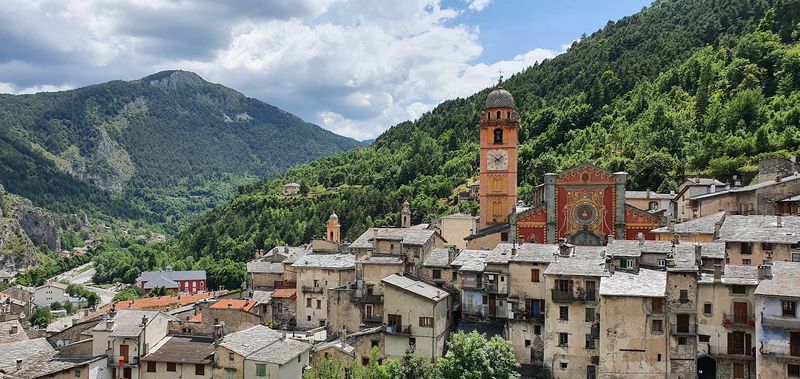
Tende green marble lines the narrow alleyways of this medieval village in the Maritime Alps, giving its streets a distinctive appearance that no other mountain town in France quite matches.
The Col de Tende pass above the village served for centuries as a crossing point for soldiers, traders, and smugglers moving between France and Italy, with the difficult alpine terrain making it easier to avoid customs posts than to pass through them legitimately.
Smugglers here used false-bottomed carts, double-walled barrels, and trained dogs to ferry salt, tobacco, and coffee across the frontier, navigating a landscape where watchtowers and customs officers known as gabelous kept a constant watch.
Today, Tende serves as the main gateway to Mercantour National Park and the Vallee des Merveilles, a high-altitude valley containing tens of thousands of prehistoric rock engravings that rank among the most significant prehistoric sites in Europe.
The military forts on the Col de Tende, constructed under Napoleon III, offer panoramic views across the valley and on clear days extend toward the distant Mediterranean coast.
The scenic Train des Merveilles connects the village to the wider mountain landscape for those who prefer rails to hiking boots.
14. Beer, Devon, England, United Kingdom
Born in this village in 1778, Jack Rattenbury built such a prolific career in contraband that he earned the nickname the Rob Roy of the West, and he eventually wrote a memoir about it, which suggests a certain confidence that the authorities were no longer a serious concern.
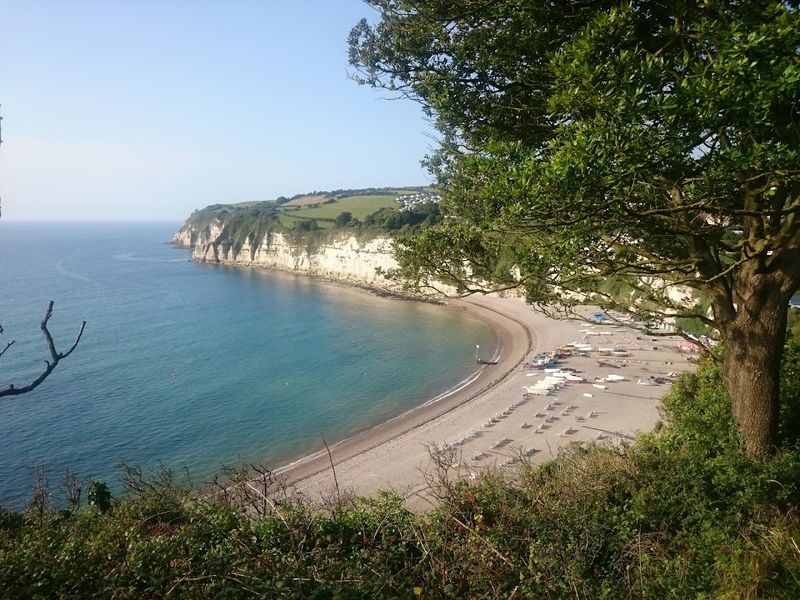
Beer’s geography made it almost purpose-built for smuggling, with a sheltered pebble beach, easy access to the English Channel and the French coast, and nearby sea caves that provided discreet storage for landed goods before distribution inland.
White Cliff and Beer Head served as signaling stations, while Hooken Undercliff and the Beer Quarry Caves offered hiding places that customs officers found consistently difficult to search thoroughly.
The Beer Quarry Caves have a history stretching back 2,000 years, with the distinctive Beer Stone quarried here used in buildings including Exeter Cathedral and Westminster Abbey, meaning the village contributed to both sacred architecture and organized contraband in equal measure.
Today, the village sits directly on the South West Coast Path, with coastal walks toward Branscombe and Seaton offering views across Lyme Bay.
The pebble beach remains a working harbor where fishing boats are still winched ashore by hand each day.
Share this story