The British royal family is watched closely, and what they wear often follows traditions that go back many years. Some customs are firm rules, while others are habits shaped by the event.
Knowing the difference helps explain why royal outfits look the way they do. Here are fifteen dress customs and codes that shape royal style.
1. Hats Are Traditional at Formal Daytime Events
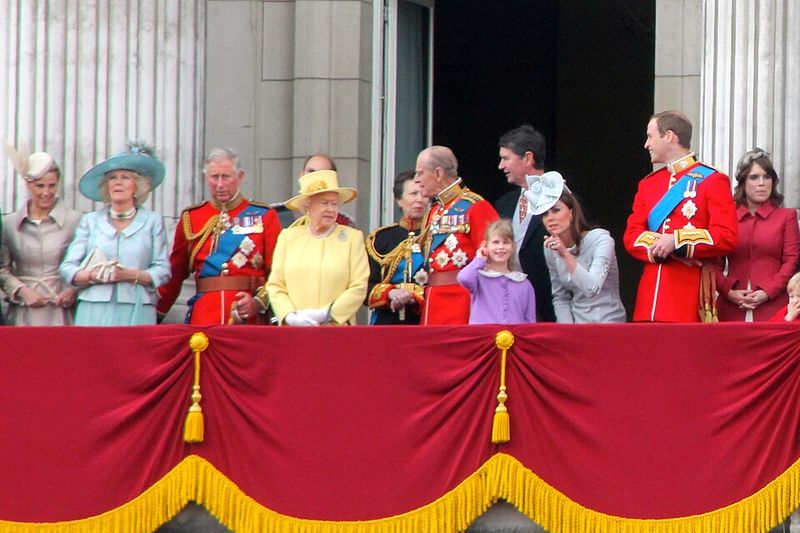
Picture a sunny wedding morning outside a grand church, and nearly every royal woman is topped with a hat or fascinator. It is one of the most recognizable parts of royal style, and it has been a tradition for generations.
Hats appear at weddings, garden parties, christenings, and ceremonial days. They add polish to an outfit and often match the coat or dress beneath.
Designers sometimes create the hat and outfit together so the colors blend well.
Still, hats are not required at every moment. A casual charity visit or a sports event may call for no hat at all.
The custom mainly applies to formal daytime occasions, when a covered head signals respect and a sense of occasion.
If you ever attend a formal daytime event, a simple hat or fascinator is a safe way to honor the same tradition. Pick one that sits comfortably and suits your outfit.
2. Black Clothing Is Expected During Official Mourning
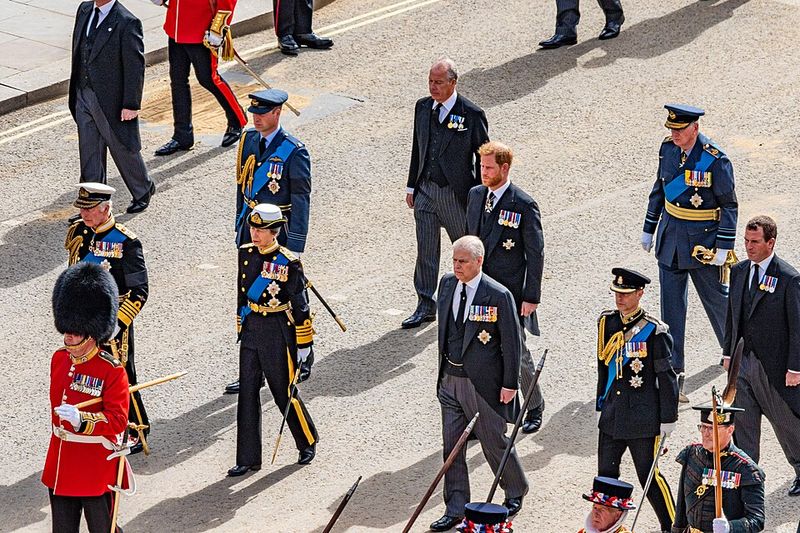
When the royal family says goodbye to a loved one, the color of the day is black. Funerals and official mourning periods follow court customs that have been passed down for centuries.
Women usually wear black dresses or coats, often with a hat or a small veil. Men wear dark suits with black ties.
The goal is a calm, respectful look that keeps attention on the occasion rather than on fashion.
Queen Victoria made mourning dress famous when she wore black for decades after Prince Albert died in 1861. Her example shaped how people across Britain thought about grief and clothing.
Today the rules are applied with some flexibility, but the message stays the same. Dark, simple clothing shows sympathy and respect, and it is a custom many families still follow at funerals.
3. Tiaras Are Reserved for Special Formal Occasions
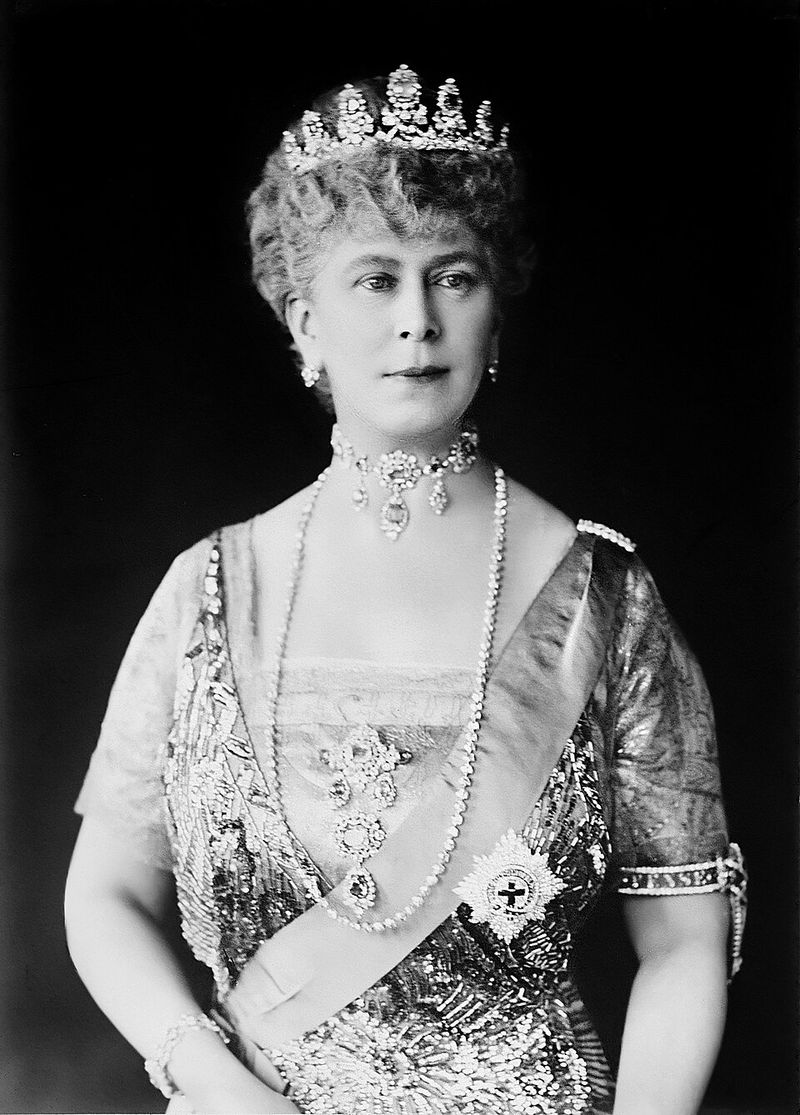
Few accessories sparkle quite like a royal tiara, yet you will almost never see one at a grocery store opening. Tiaras are saved for the grandest evenings on the royal calendar.
They usually appear at state banquets, diplomatic receptions, and other white-tie events. Many pieces are part of the royal collection and have been worn by several generations.
Some have famous stories attached to them, such as wedding gifts or family heirlooms.
Traditionally, tiaras were linked to married women, though customs have relaxed over time. Royals often wear them with a formal gown, long gloves, and matching jewelry.
The idea is simple. A tiara signals that an event is very special and very formal.
Wearing one at an ordinary public visit would feel out of place, so these jewels remain in their cases until the right moment arrives.
4. Royal Ascot Has Strict Dress Requirements

Every June, the racing at Ascot is matched by a parade of fashion. The Royal Enclosure, where members of the royal family watch the races, comes with a detailed dress code.
Guests must follow standards for hats, dress lengths, necklines, and formal menswear. Women are asked to wear a hat or a headpiece with a solid base, rather than a simple band.
Men wear morning dress with a waistcoat, tie, and top hat.
These rules are set by the racecourse, not by the royal family in general. Still, royals who attend follow the same spirit of elegance.
The code has changed over the years. For example, trouser suits and jumpsuits are now allowed for women in the Royal Enclosure if they meet length and style guidelines.
Checking the current rules before attending is always wise.
5. Shoulders Must Be Covered at Certain Formal Events
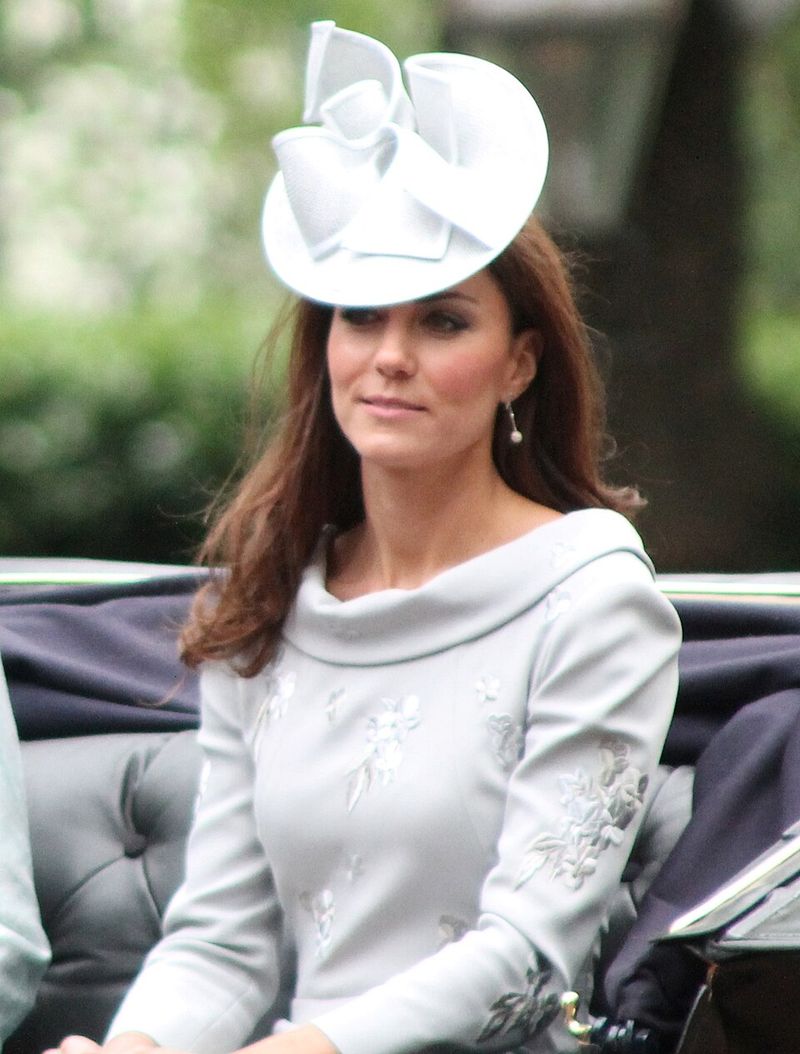
A pretty strapless dress might be perfect for a summer party, but it will not pass at Royal Ascot. In the Royal Enclosure, straps must be at least one inch wide.
Strapless, off-the-shoulder, and halter-neck styles are not allowed there. The idea is to keep the look formal and traditional, matching the history of the event.
It is worth remembering that this is an event rule, not a law that covers every royal appearance. At evening events, royal women often wear gowns with bare shoulders, and that is perfectly fine.
Many guests solve the problem with a stylish jacket, shawl, or a dress with sleeves. If you plan to attend a similar event, a light wrap is an easy fix.
It keeps you comfortable and within the code without hiding your personal style.
6. Military Uniforms Follow Ceremonial Regulations
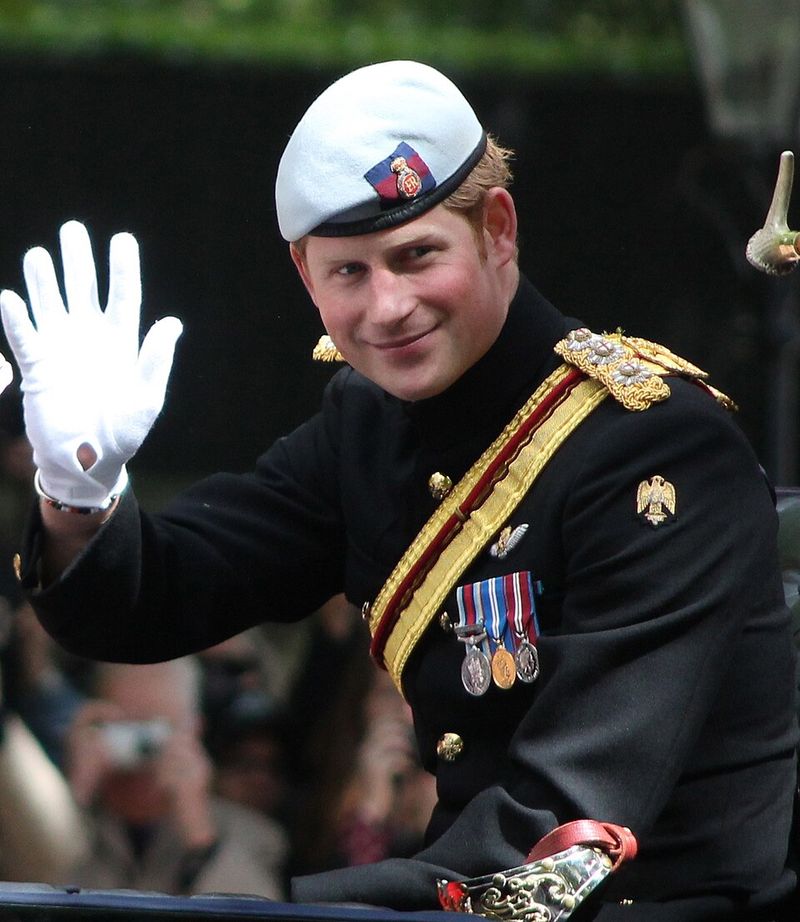
At Trooping the Colour each June, senior royals ride or stand in bright uniforms covered in medals and braids. Nothing about those outfits is random.
Royals who hold military ranks or honorary titles may wear the uniform that matches their position. Each detail, from the buttons to the badge on the cap, follows strict regulations.
Medals must be placed in the correct order and worn on the correct side.
Uniforms are chosen to fit the event. A parade calls for ceremonial dress, while a visit to a base may call for something simpler and more practical.
These rules are taken seriously because uniforms stand for service and tradition. Getting the details right shows respect for the armed forces and for those who have earned their own decorations over the years.
7. Formal State Banquets Require Appropriate Evening Dress
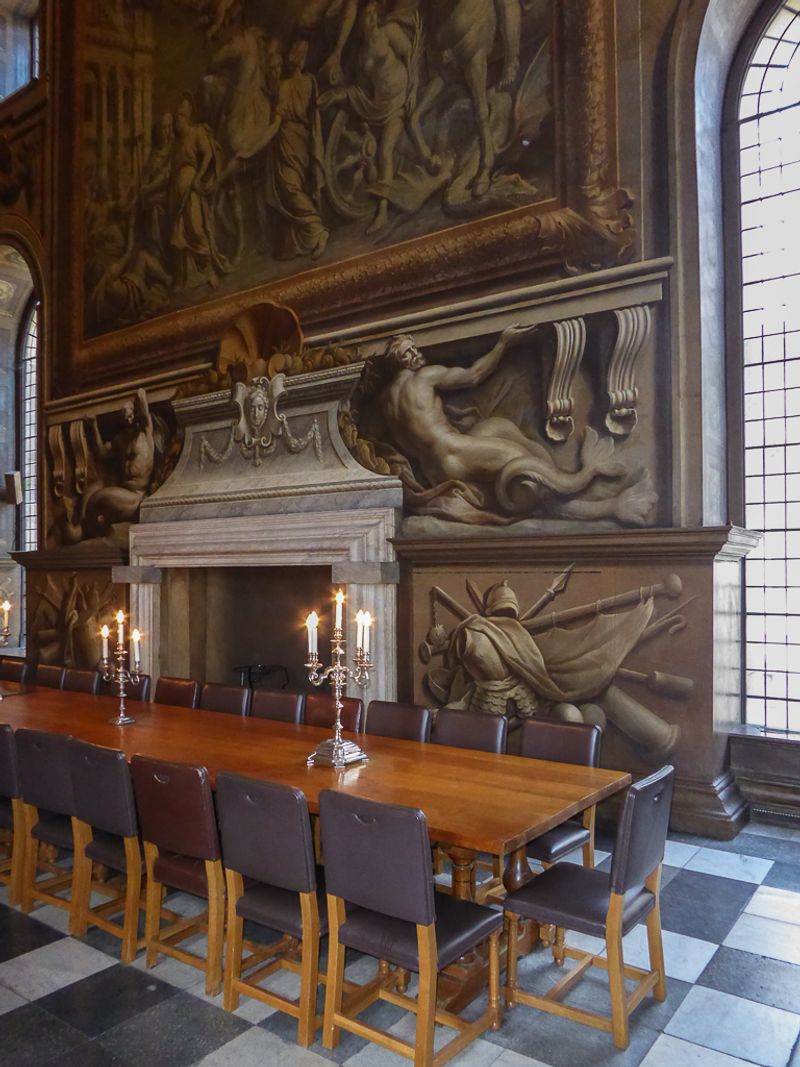
A state banquet is one of the most dazzling nights on the royal calendar, and the clothing matches the mood. Guests arrive in their finest evening wear, and the royal hosts set the example.
Women often wear floor-length gowns, sometimes with a sash, a tiara, and sparkling jewelry. Men may wear white tie with tailcoats, or military uniforms with medals.
Orders and decorations are pinned in careful places.
The invitation usually states the required dress, so nobody has to guess. Royal participants follow the level of formality set for that night.
These banquets welcome visiting leaders and honor friendships between countries. Elegant clothing is a way of showing respect to the guests and to the occasion.
Even small choices, like glove length or jewelry, are planned well ahead.
8. Royal Garden Parties Call for Formal Daywear
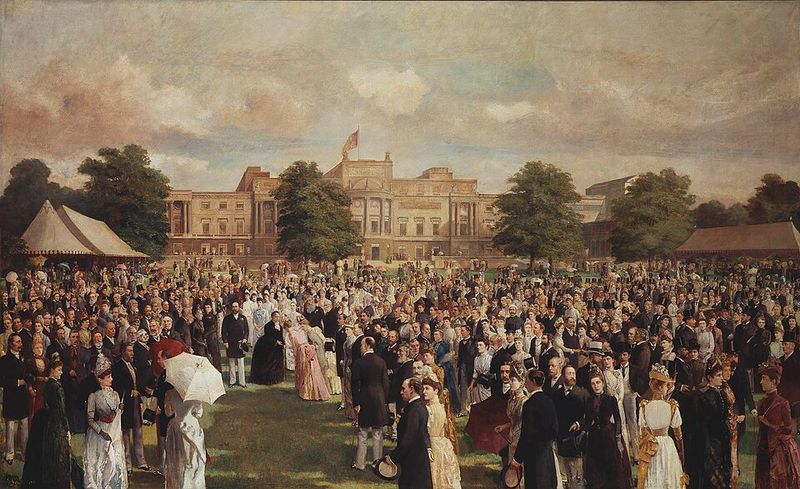
Tea, cake, and a perfectly trimmed lawn set the scene for a royal garden party. The dress code is formal, though it is a daytime kind of formal.
Men traditionally wear morning dress or a lounge suit. Women choose daytime dresses, often with a hat or fascinator.
Floral prints and soft colors are popular, which suits the summer setting.
Thousands of guests attend these parties each year, many of them invited for their service to their communities. The relaxed outdoor atmosphere does not mean casual clothing.
Comfortable shoes matter too, since the grounds are large and guests spend hours standing on grass. Royal hosts set the tone by dressing neatly and warmly welcoming everyone, which helps first-time guests feel at ease.
9. Hats Are Usually Replaced by Evening Accessories
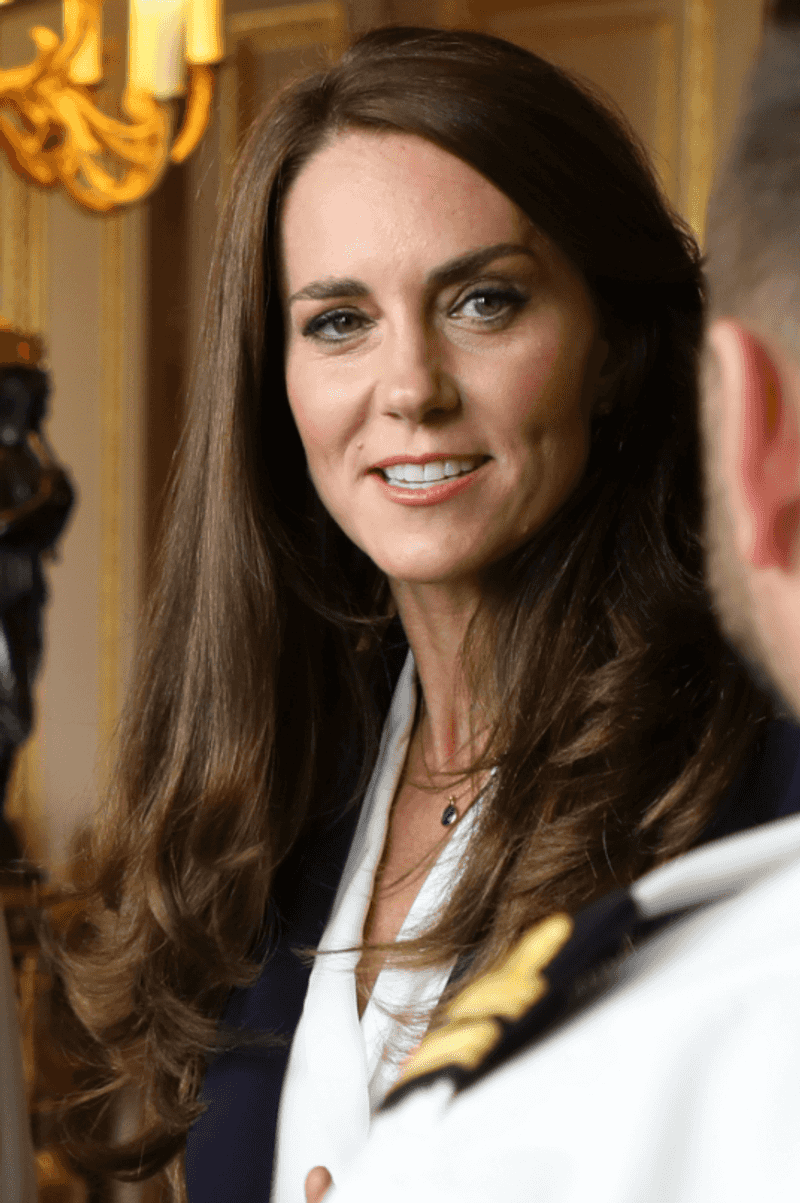
Here is a small piece of etiquette that surprises many people: hats belong to the daytime. Once the sun goes down, they traditionally come off the guest list.
British custom treats hats as daywear, so evening events call for other finishing touches. Jewelry takes center stage, with earrings, necklaces, brooches, and, for the most formal nights, a tiara.
Hair is often styled in an elegant updo, which shows off the accessories. Gloves and clutch bags complete the look.
This habit helps keep outfits suited to the time of day. A hat at a late dinner would look out of place, just as a tiara would at a morning church service.
Matching accessories to the hour is a quiet rule that royals follow with great care.
10. National Dress Is Acceptable at Certain Royal Events
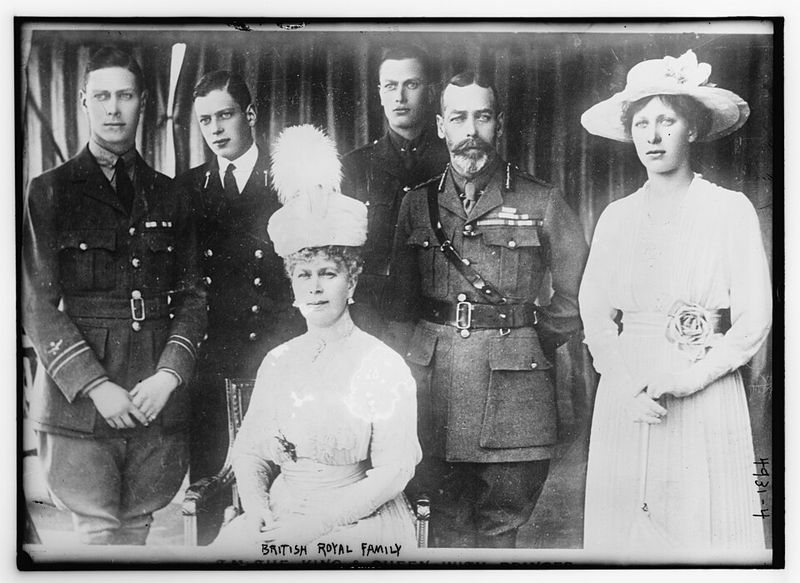
Not every guest at a royal event wears a suit or a floral dress. Traditional clothing from many cultures is welcome at designated occasions.
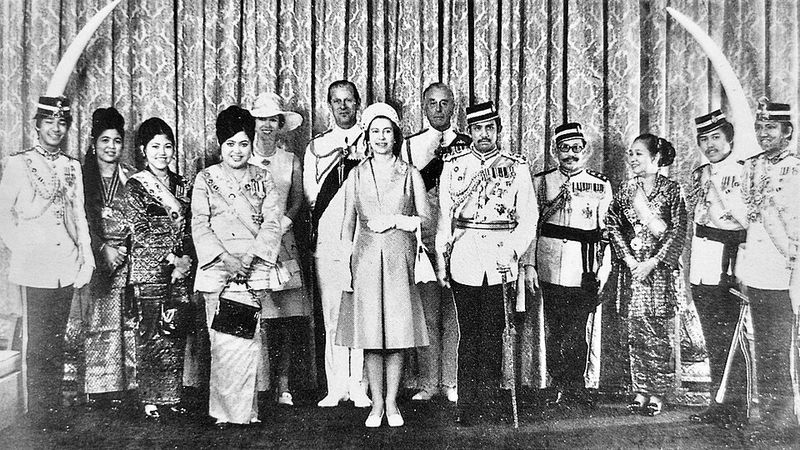
Garden party invitations, for example, allow national dress as an alternative to morning dress or a suit. That means guests may arrive in a kilt, a sari, a kimono, or a ceremonial robe that reflects their heritage.
This approach recognizes the many communities that make up the United Kingdom and the Commonwealth. It also gives people a chance to wear something meaningful instead of something borrowed or bought for the day.
Royals themselves often honor local dress on tours abroad, choosing colors, patterns, or designers linked to the host country. It is a graceful way to show appreciation for another culture.
11. Hemlines Must Meet Certain Event Dress Codes
Measuring a skirt may sound odd, but at Royal Ascot it is part of the preparation. The Royal Enclosure asks that dresses and skirts fall just above the knee or longer.
The rule keeps outfits modest and in line with long-held standards of formal daywear. Many guests choose midi dresses, which look graceful and are easy to move in.
Royal women follow similar standards at many daytime engagements, with knee-length dresses and coats being a favorite choice. Catherine, Princess of Wales, is often seen in tailored styles that sit at or just below the knee.
The best tip is to try your outfit while sitting and walking. A hemline that looks fine standing can shift in the wind or when you take a seat.
A little testing at home avoids stress on the big day.
12. Royal Mourning May Include Special Accessories
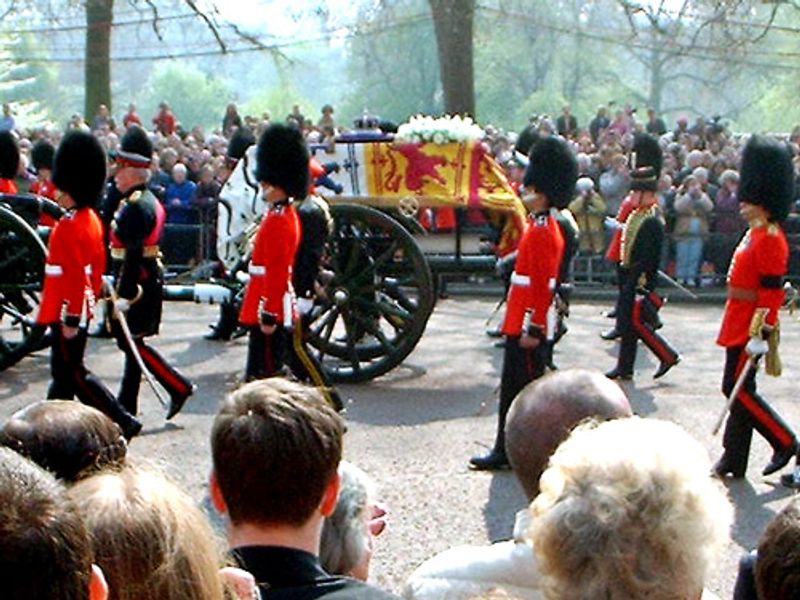
Sometimes a small detail says the most. During periods of official mourning, a simple black band on the sleeve can express grief without a single word.
Mourning bands have long been part of British custom, worn on the left arm over a dark suit or uniform. Military members may wear them on their uniforms during designated times.
Other details can include black gloves, black ties, and discreet jewelry such as pearls. Women sometimes wear a hat with a short veil at funerals.
These touches are guided by court notices, which explain how long the mourning period lasts and which details are appropriate. After the period ends, normal clothing returns.
The aim is to show respect in a quiet, dignified way that fits the seriousness of the moment.
13. Clothing Must Suit the Religious or Cultural Occasion
Traveling as a royal means packing with care. Each stop on an overseas tour may have its own expectations about what is polite to wear.
At religious sites, that can mean covering shoulders and knees, wearing a headscarf, or removing shoes. Royal women have worn headscarves at mosques and temples, and modest long dresses at many other places of worship.
At home, church services often call for conservative outfits with a hat for some occasions. Teams plan outfits in advance and check local customs with hosts.
This habit shows respect for people and their beliefs. It also helps the royal visitor blend in with the setting rather than stand out.
Regular travelers can learn from it: a quick check of local customs before a trip goes a long way.
14. Dress Codes Change Depending on the Engagement
If you look through photos of the royal family across a single year, you will see wildly different outfits. That is because no single dress code covers every appearance.
A state banquet calls for gowns and white tie. A military parade requires uniforms.
A garden party asks for formal daywear, while a visit to a local charity may mean a simple dress, trousers, or a comfortable jacket.
Royal teams study each invitation and each setting before choosing an outfit. Weather, location, and the people being met all play a part.
Practical details matter too, such as shoes for muddy fields.
The lesson is easy to borrow. Dressing well is less about following one fixed rulebook and more about reading the occasion and choosing clothes that show care and respect for everyone there.
Share this story