Music has always had a remarkable ability to turn real life into something that lasts far longer than the original moment. Some of the most celebrated songs in history were not invented from scratch but were pulled directly from newspaper headlines, personal grief, courtroom injustices, and chance encounters in half-empty pubs. Songwriters from the 1960s through the 1990s regularly turned to the world around them, documenting events and honoring individuals in ways that historians rarely could. What makes these songs so enduring is that the emotional truth behind them was never manufactured.
The stories were already there, waiting to be told. Whether you grew up with these tracks or are hearing about them for the first time, understanding what sparked each one adds an entirely new layer to the listening experience. These 15 songs connect pop culture to real history in ways that are surprising, moving, and occasionally jaw-dropping.
1. American Pie by Don McLean (1971)
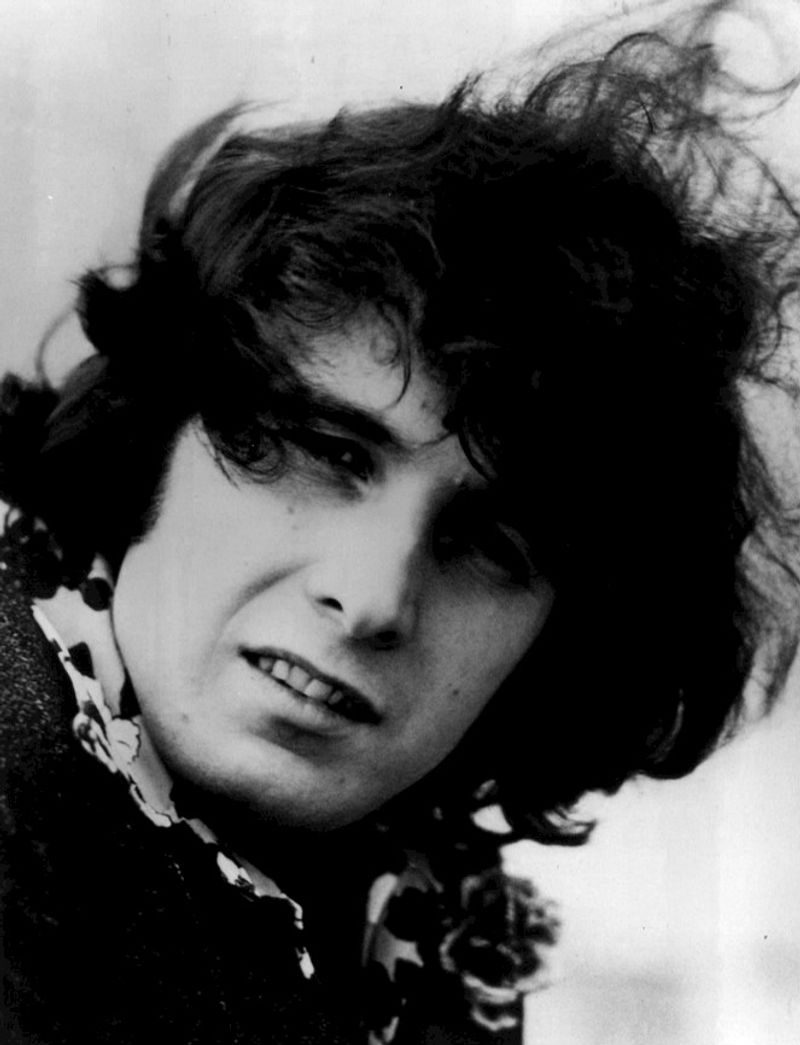
On February 3, 1959, a chartered plane carrying Buddy Holly, Ritchie Valens, and J.P. Richardson crashed into an Iowa field shortly after takeoff, ending three careers in a single night. Don McLean was a 13-year-old newspaper delivery boy when he read the headlines, and the event stayed with him for over a decade.
The resulting song, released in 1971, became an eight-and-a-half-minute cultural document packed with references to Bob Dylan, Elvis Presley, and the broader social upheavals of the 1960s. McLean described it as a morality song that tracks a generational loss of innocence.
The handwritten manuscript, in which McLean clarified some of the song’s meanings, sold at auction for 1.2 million dollars in 2015. The phrase he coined, “the day the music died,” has since become one of the most recognized expressions in popular music.
2. Candle in the Wind by Elton John (1973; revised 1997)
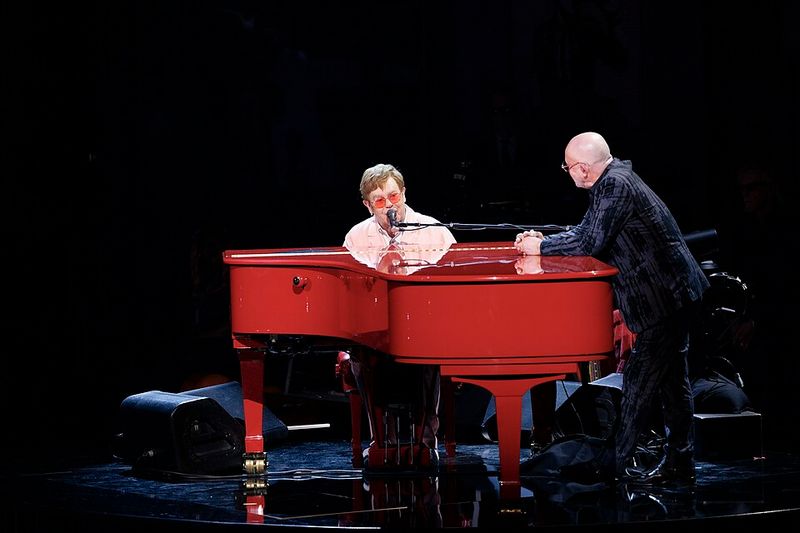
Bernie Taupin wrote the original lyrics in 1973 as a reflection on Marilyn Monroe, whose birth name, Norma Jeane Mortenson, appears in the song’s opening line. The track explored how Hollywood fame could isolate and consume the very people it celebrated.
Following Princess Diana’s passing on August 31, 1997, Taupin rewrote the lyrics overnight. Elton John performed the revised version at her funeral at Westminster Abbey on September 6, 1997, in front of a global television audience estimated at over two billion viewers.
The 1997 recording became the fastest-selling single in UK history, moving 1.5 million copies in its first week alone. Worldwide sales eventually surpassed 33 million copies, placing it among the best-selling singles ever released. All proceeds went directly to the Diana, Princess of Wales Memorial Fund.
3. Sweet Caroline by Neil Diamond (1969)
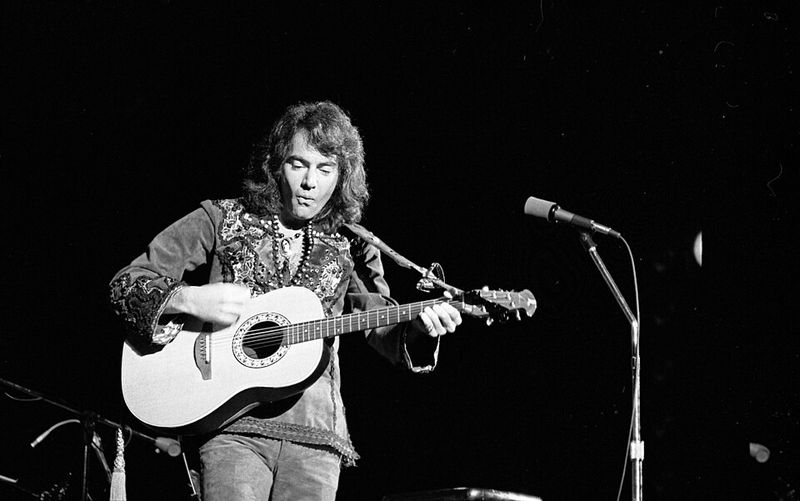
Neil Diamond revealed in 2007 that a magazine photograph of Caroline Kennedy, then around seven years old, sitting in riding gear beside her pony, sparked the idea for one of his most beloved songs. He spotted the image while staying in a Memphis hotel and was struck by what he described as an innocent and wonderful picture.
He needed a three-syllable name to match the melody he was developing and wrote the song in approximately 30 minutes. The finished lyrics do not tell her life story, but the name stuck and the song did not look back.
Released in May 1969, it peaked at number four on the Hot 100. Decades later it became the unofficial anthem of Fenway Park, played during the eighth inning of every Boston Red Sox home game. Diamond performed it personally at Caroline Kennedy’s 50th birthday celebration in 2007.
4. The Hurricane by Bob Dylan (1975)
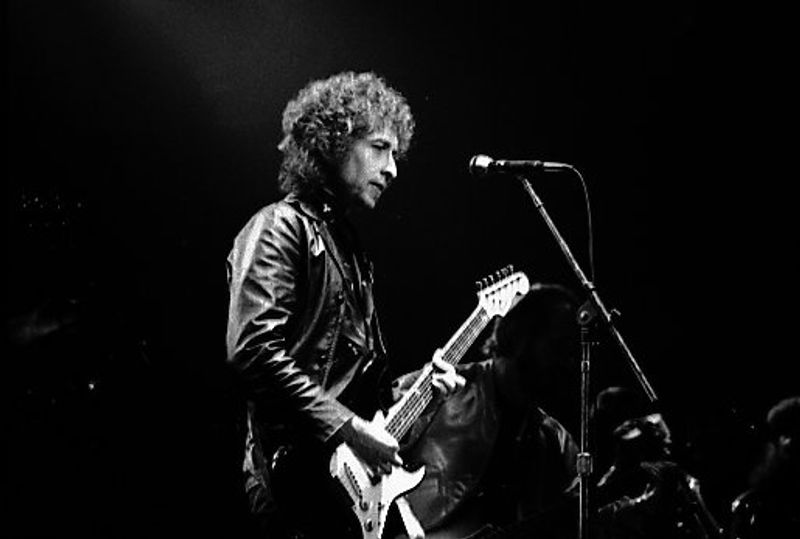
Rubin “Hurricane” Carter was a professional middleweight boxer convicted of a triple murder in Paterson, New Jersey, in 1967, a verdict that Carter and many supporters argued was driven by racial bias rather than solid evidence. After reading Carter’s autobiography, The Sixteenth Round, Bob Dylan visited him at Rahway State Prison.
Co-written with Jacques Levy and released in November 1975, the song details the alleged failures of the justice system that put Carter behind bars. Dylan performed it throughout his Rolling Thunder Revue Tour and even at Trenton State Prison to draw further attention to the case.
A federal judge overturned Carter’s second conviction in 1985, citing withheld evidence and a prosecution built on racial prejudice. All charges were formally dismissed in 1988. Carter went on to become a prominent speaker and advocate for those wrongly convicted.
5. Ohio by Crosby, Stills, Nash & Young (1970)
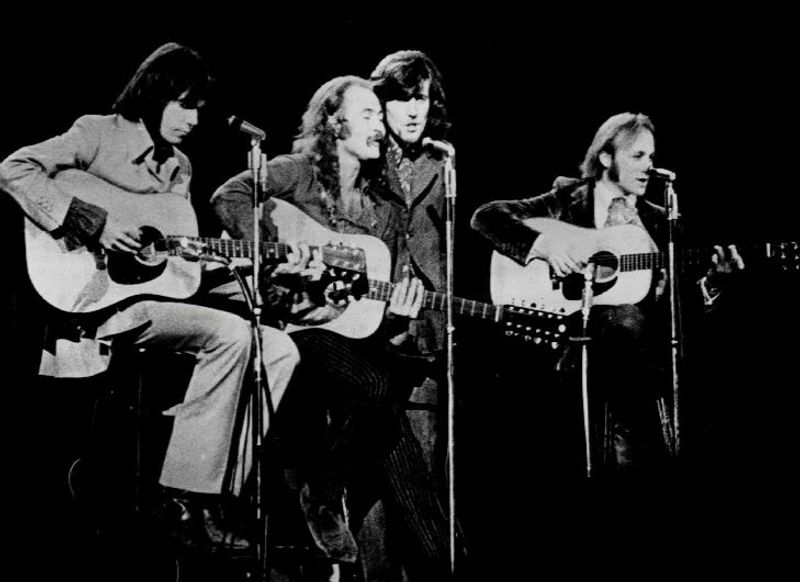
Four college students were shot and killed by the Ohio National Guard at Kent State University on May 4, 1970, during a campus rally protesting the expansion of the Vietnam War. Nine others were wounded. Neil Young saw photographs of the aftermath in Life Magazine and was compelled to respond immediately.
He wrote the song within days. The band recorded it on May 21, 1970, and their label rushed it to radio stations while the story was still dominating national news. The lyrics named President Nixon directly, which was a bold and unusual move for a pop single.
Several AM radio stations banned it, but underground FM stations and college radio embraced it fully. The song became a defining anthem of the anti-war movement and was inducted into the Grammy Hall of Fame in 2009, more than three decades after its release.
6. Jeremy by Pearl Jam (1991)
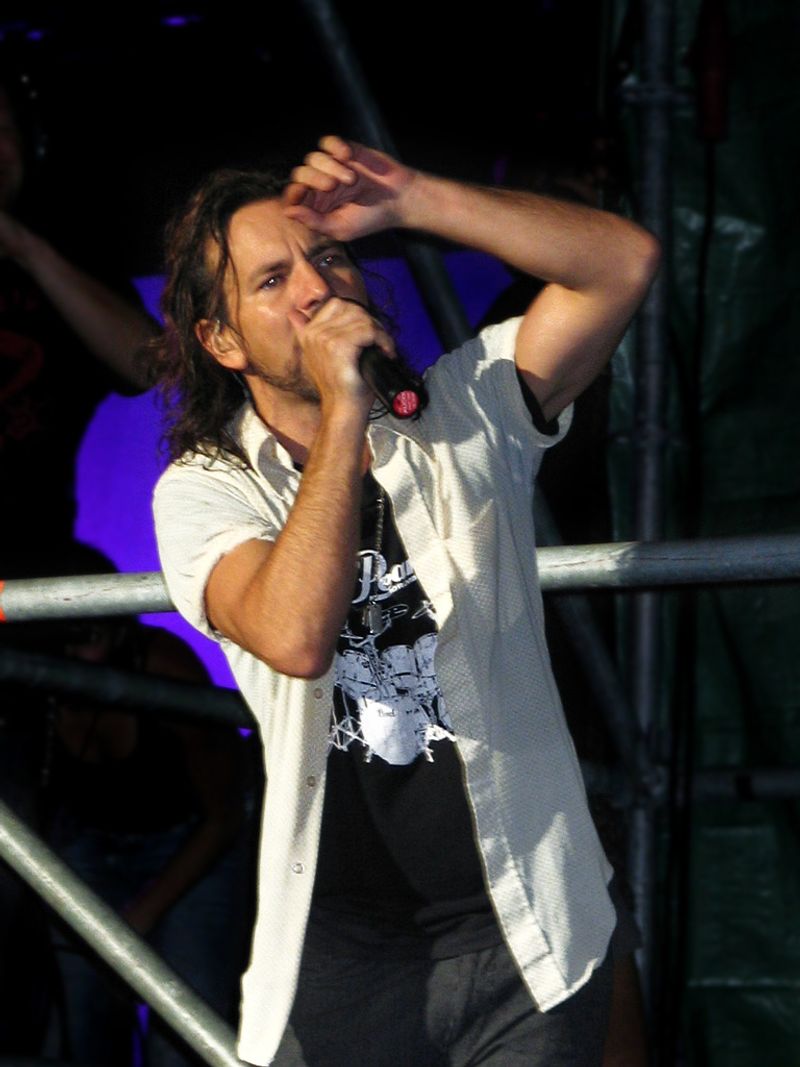
On January 8, 1991, a 15-year-old student named Jeremy Wade Delle walked into his English class at Richardson High School in Texas and ended his life in front of his classmates. Eddie Vedder read a brief newspaper account of the event and felt strongly that the story deserved more than a few column inches.
Vedder blended the news report with memories of a troubled student he had known in junior high in San Diego, creating lyrics that addressed bullying, neglect, and the desperation of adolescence. The song’s chorus, repeated with mounting intensity, underscored the tragic irony of a young person finding a voice through an irreversible act.
Released as a single in August 1992, it broke into the top five on both Billboard’s Mainstream Rock and Modern Rock charts. The music video won four MTV Video Music Awards in 1993, including Video of the Year, sparking wider conversations about youth mental health.
7. Tears in Heaven by Eric Clapton (1992)
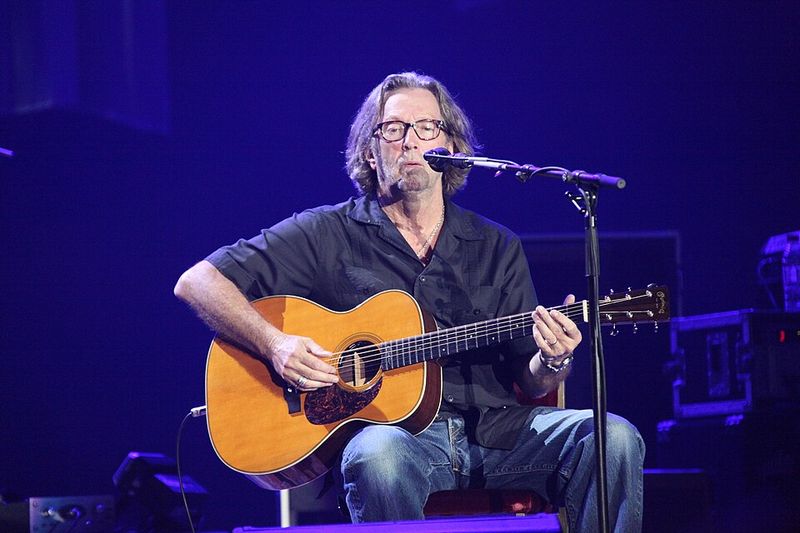
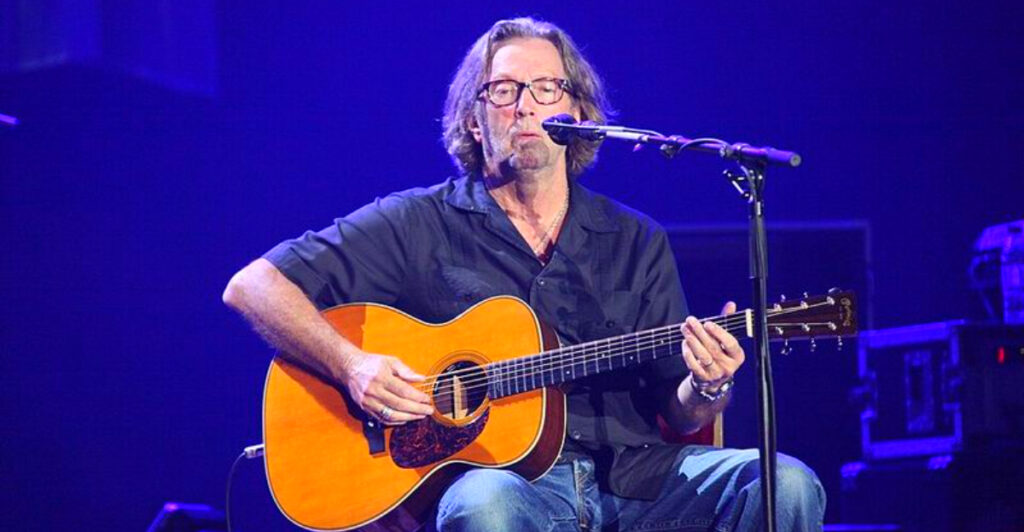
Few songs in rock history carry the emotional weight of a father writing about the loss of his child. Eric Clapton co-wrote this ballad with Will Jennings in 1992 after his four-year-old son Conor died in March 1991 following an accidental fall from a New York apartment window.
The song appeared on the soundtrack for the film Rush before finding a wider audience on Clapton’s landmark Unplugged album. It reached number two on the Billboard Hot 100 and topped the Cash Box Top 100, becoming his best-selling single in the United States.
At the 1993 Grammy Awards, the song claimed three honors: Record of the Year, Song of the Year, and Best Male Pop Vocal Performance. Clapton has spoken about how sobriety and the desire to be a better father shaped his outlook during that period.
8. American Skin (41 Shots) by Bruce Springsteen (2001)
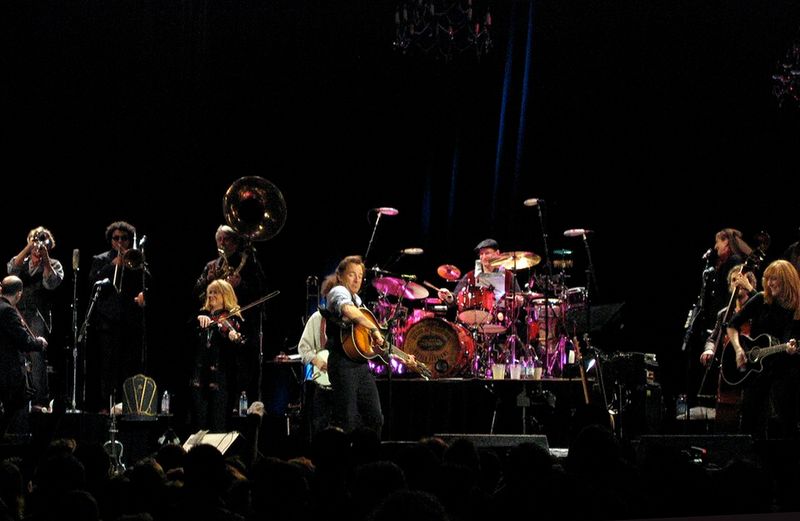
On February 4, 1999, Amadou Diallo, an unarmed 23-year-old immigrant from Guinea, was shot 19 times by four plainclothes NYPD officers who fired a total of 41 bullets after mistaking his wallet for a weapon in the vestibule of his Bronx apartment building. The officers were later acquitted, which intensified public debate about racial profiling and police conduct.
Bruce Springsteen debuted the song in 2000 during a ten-date residency at Madison Square Garden. Its lyrics asked pointed questions about how race shapes the experience of everyday life in America, including the line: “Is it a gun, is it a knife, is it a wallet, this is your life.”
Some police organizations called for boycotts, while Diallo’s mother and the NAACP praised the song’s message. Springsteen later received a Humanitarian Community Service Award from the NAACP and has continued performing the song at concerts over the years.
9. Vincent by Don McLean (1971)
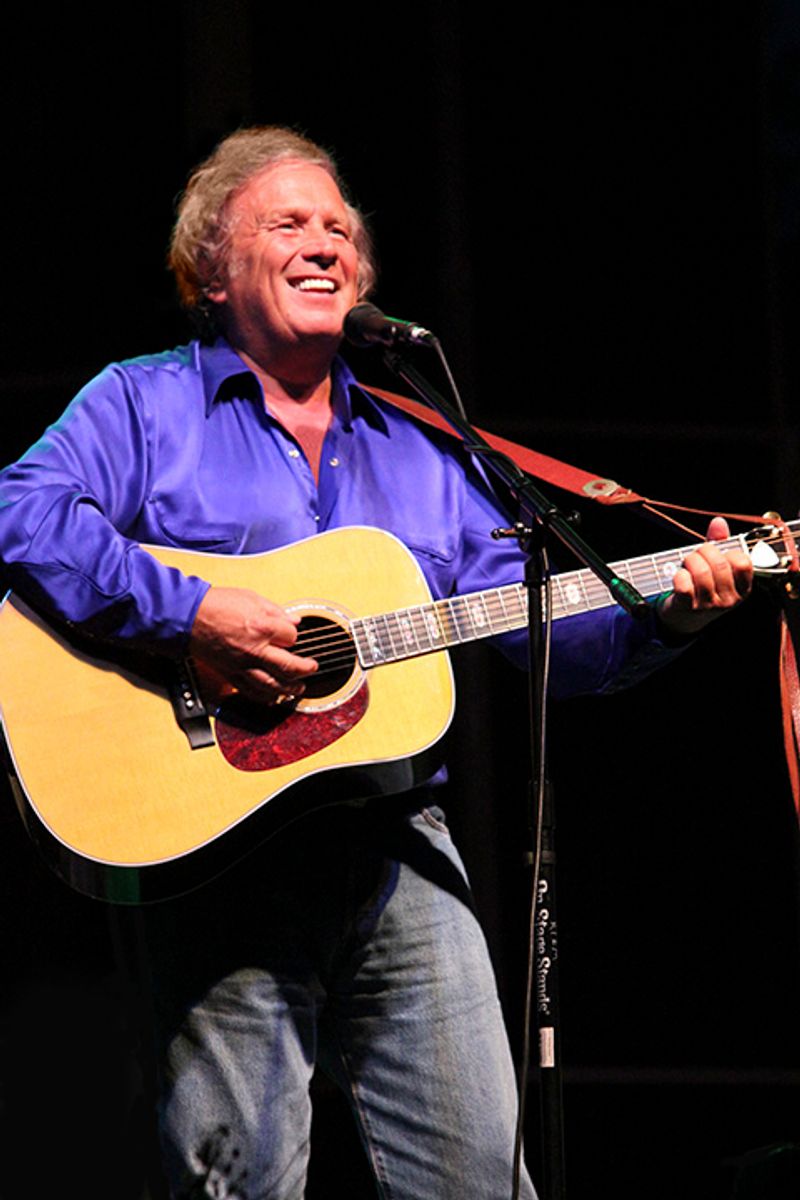
After reading a biography of Vincent van Gogh in 1970, Don McLean sat with a reproduction of the 1889 painting The Starry Night and began writing lyrics. The song opens with “Starry, starry night,” a direct nod to the painting that Van Gogh completed while staying at the Saint-Paul-de-Mausole asylum in southern France.
The verses reference several other Van Gogh works, describing “flaming flowers that brightly blaze” and “morning fields of amber grain.” McLean’s intent was to portray Van Gogh not as eccentric but as a person genuinely afflicted by illness who was misunderstood during his lifetime.
Released on the same 1971 album as American Pie, the song topped the UK Singles Chart for two weeks in 1972 and reached number 12 in the United States. The Van Gogh Museum in Amsterdam reportedly holds the song’s sheet music in a time capsule alongside some of the painter’s brushes.
10. The Wreck of the Edmund Fitzgerald by Gordon Lightfoot (1976)
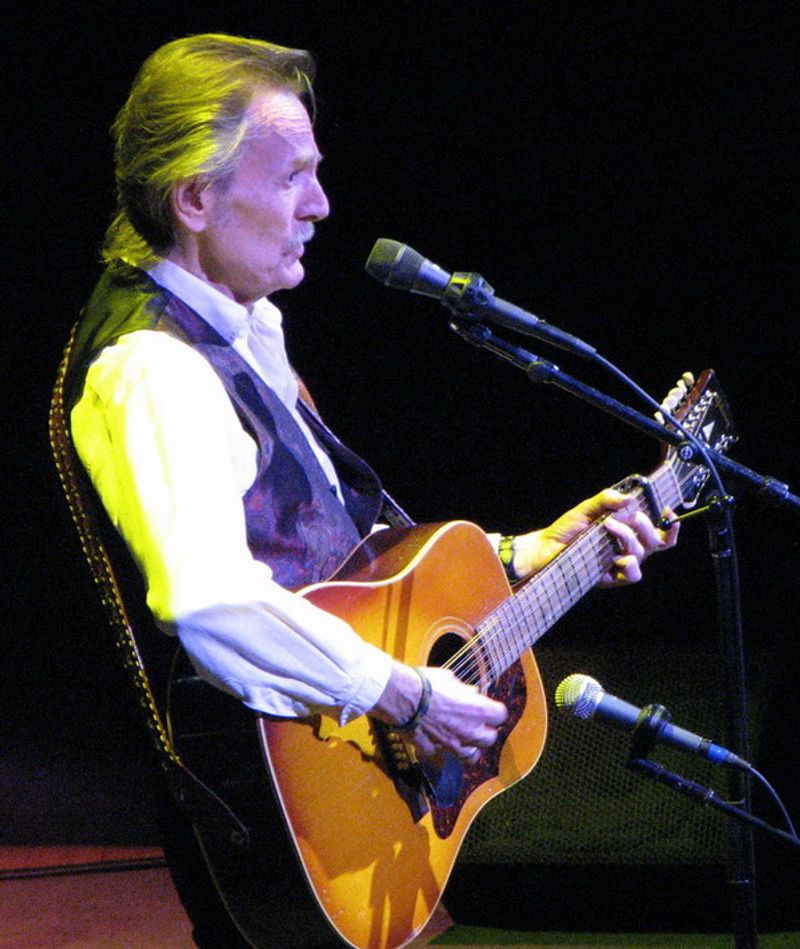
Gordon Lightfoot came across a Newsweek article titled “The Cruelest Month” in late November 1975, just weeks after the SS Edmund Fitzgerald vanished during a violent storm on Lake Superior on November 10, 1975. All 29 crew members were lost, making it the deadliest Great Lakes shipping disaster in decades.
Lightfoot, who had personal experience sailing on the Great Lakes, researched the event carefully using news reports before committing a single word to paper. The resulting song reconstructs the vessel’s final voyage with a level of detail that reads almost like a ship’s log.
Released on his 1976 album Summertime Dream, the track reached number one in Canada and number two on the Billboard Hot 100 in the United States. Each year at Great Lakes Maritime Academy memorial services, 29 bells are rung for the crew, with an additional bell now rung in Lightfoot’s honor.
11. Pride (In the Name of Love) by U2 (1984)
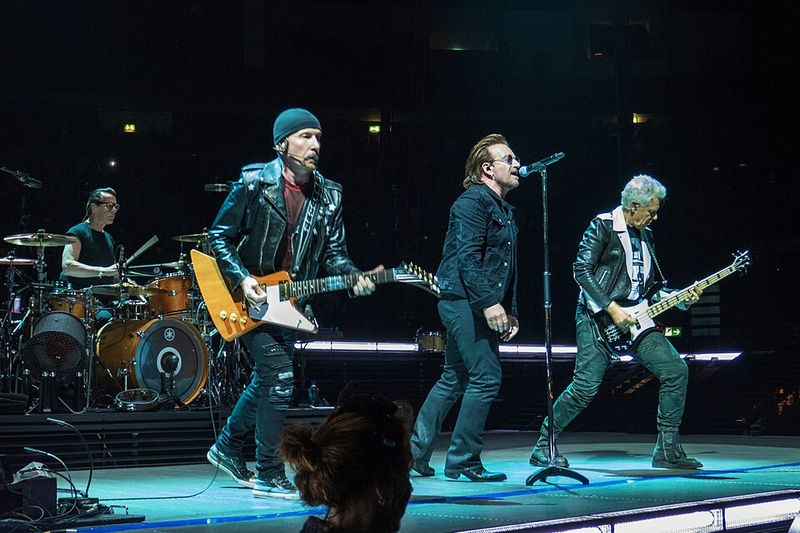
U2 visited a civil rights exhibit at the Chicago Peace Museum in 1983, and that experience shifted the direction of a song Bono had originally conceived as a critique of political figures. After studying biographies of Martin Luther King Jr. and Malcolm X, he redirected the lyrics toward celebrating King’s commitment to nonviolent resistance.
The song’s final verse references April 4, 1968, the date of King’s passing in Memphis, Tennessee. Bono has acknowledged a minor factual error in the original lyric, which places the event in “early morning” rather than the actual early evening, and he sometimes corrects it during live performances.
Released in 1984 on the album The Unforgettable Fire, it became U2’s first top 40 hit in the United States. Coretta Scott King personally invited the band to perform at the Martin Luther King Center in Atlanta in recognition of the song’s message.
12. Empty Garden (Hey Hey Johnny) by Elton John (1982)
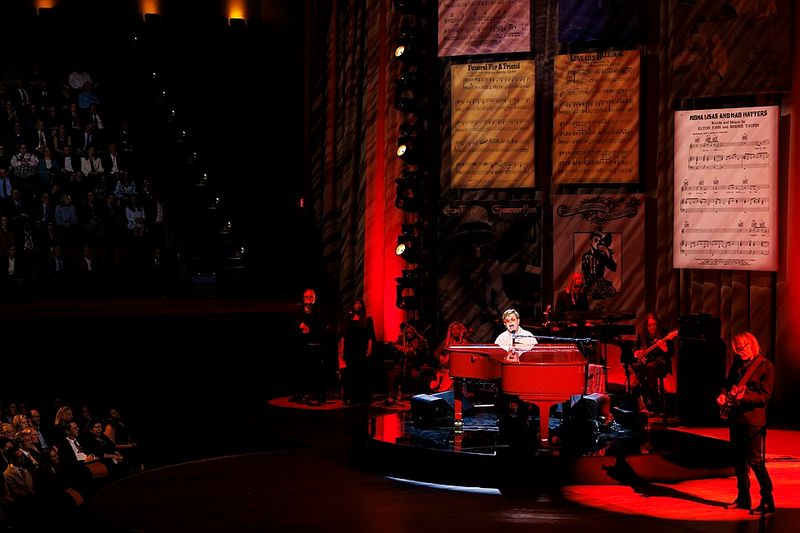
Bernie Taupin sat down the day after John Lennon was shot outside The Dakota in Manhattan on December 8, 1980, and wrote the lyrics to this song in isolation, describing it as the only way he could process what had happened. The central metaphor of an empty garden frames Lennon’s absence as a gap that simply cannot be filled.
Elton John, who was Lennon’s close friend and the godfather of his son Sean, composed the music. The lyrics even contain a nod to The Beatles’ song Dear Prudence with the line “Can’t you come out to play,” a quiet tribute within a tribute.
Released in 1982 on the album Jump Up, the song reached the top 20 in the United States. Elton John found it deeply painful to perform live and avoided including it in his concert setlists for many years following Lennon’s passing.
13. Hey Jude by The Beatles (1968)
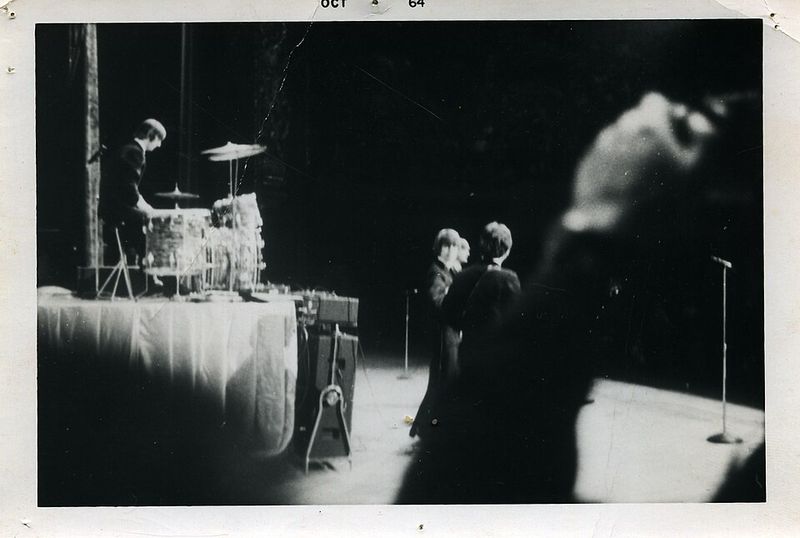
Paul McCartney was driving to visit Cynthia Lennon and her young son Julian in 1968 when he began composing a song in his head to offer the boy some comfort. John Lennon’s marriage was dissolving publicly as his relationship with Yoko Ono became widely known, and five-year-old Julian was caught in the middle of it all.
McCartney originally called the song “Hey Jules,” using a nickname for Julian, before deciding that “Jude” sat better in the melody. The lyrics were meant as straightforward encouragement, urging the boy not to be afraid and to move forward with hope.
Released in August 1968 as The Beatles’ first single on their Apple Records label, Hey Jude spent nine weeks at number one on the Billboard Hot 100, tying the all-time record at that point. At over seven minutes long, it was also one of the longest singles ever to top the UK charts.
14. Sultans of Swing by Dire Straits (1978)
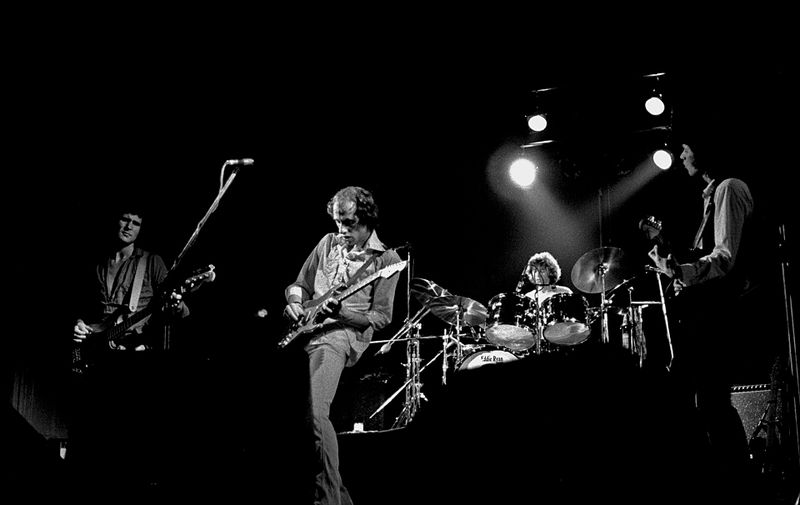
Mark Knopfler wandered into a nearly empty pub in Deptford, South London, on a rainy evening in 1977 and found a Dixieland jazz band performing to a handful of barely interested patrons. The band was not particularly polished, and the crowd was not particularly attentive, but the singer wrapped up the set with a confident farewell: “Goodnight and thank you. We are the Sultans of Swing.”
That gap between the grand name and the modest reality stuck with Knopfler. He initially worked out the song on a National Steel guitar but felt it truly came together only after he acquired a Fender Stratocaster later that year.
A demo recorded in July 1977 gained traction on BBC Radio London, eventually leading to a record deal. The song appeared on Dire Straits’ self-titled debut album in 1978, and its re-release in January 1979 drove the band to international recognition almost overnight.
15. Philadelphia Freedom by Elton John (1975)
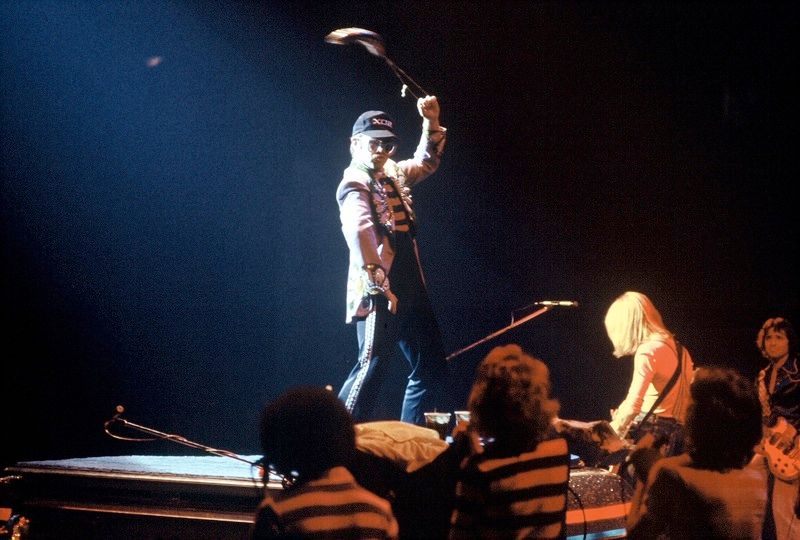
When Elton John told Bernie Taupin he wanted to write a song called Philadelphia Freedom, the intention was always clear: it was a personal tribute to his close friend Billie Jean King, who was playing and coaching for the Philadelphia Freedoms in the newly formed World TeamTennis league.
King was already a trailblazer, having won the Battle of the Sexes match against Bobby Riggs in 1973 and becoming one of the first women to coach a professional sports team that included male players. John and King had met at a Los Angeles party in 1973 and formed a lasting friendship built on mutual admiration.
The single’s official release dedication read “with Love to B.J.K. and the Soulful Sounds of Philadelphia,” leaving no ambiguity about its subject. Released in February 1975, it became John’s fourth number-one single in the United States and remains one of his most instantly recognizable recordings.
Share this story