Nebraska does not always get the credit it deserves when it comes to culture and history, but that is about to change. Across the state, you will find museums packed with Cold War aircraft, prehistoric fossils, world-class art, and living history towns that make the past feel surprisingly close. Some of these places hold collections that rival anything you would find in a major coastal city, which makes them all the more rewarding to discover. Whether you are a history buff, a science lover, an art admirer, or just someone looking for a genuinely interesting day out, Nebraska has something that will catch your attention.
This list covers 13 museums that go well beyond dusty display cases and outdated labels. Each one offers a real reason to visit, and more than a few will leave you wondering why you did not come sooner.
1. Strategic Air Command & Aerospace Museum, Ashland, Nebraska
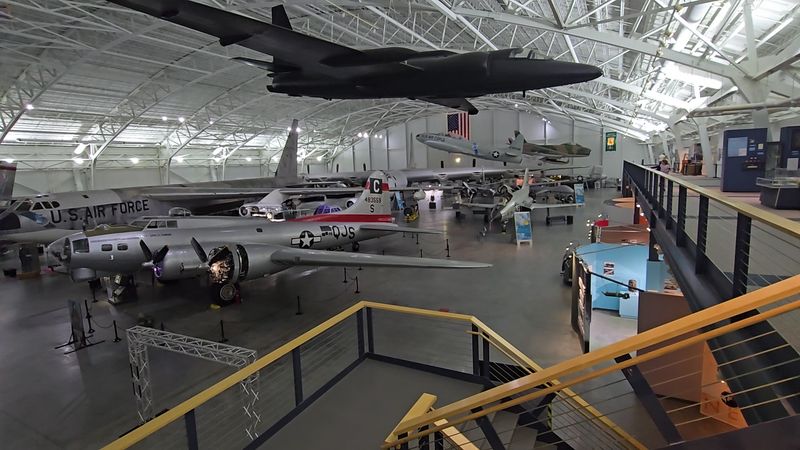
Few museums in the entire country can match the sheer scale of what you will find here. The Strategic Air Command and Aerospace Museum in Ashland is home to one of the most impressive collections of military aircraft anywhere in the United States, and it delivers that fact with a building big enough to prove it.
The museum houses more than 30 aircraft and missiles, including the massive B-52 Stratofortress and the record-breaking SR-71 Blackbird. These are not replicas. These are the real machines that defined Cold War-era aviation, and they are displayed in a way that lets you get genuinely close to them.
Interactive science exhibits make the museum a strong choice for families traveling with younger kids. The facility also hosts special events and traveling exhibitions throughout the year, so there is often something new to see even on a return visit. Plan for at least two to three hours here.
2. The Durham Museum, Omaha, Nebraska
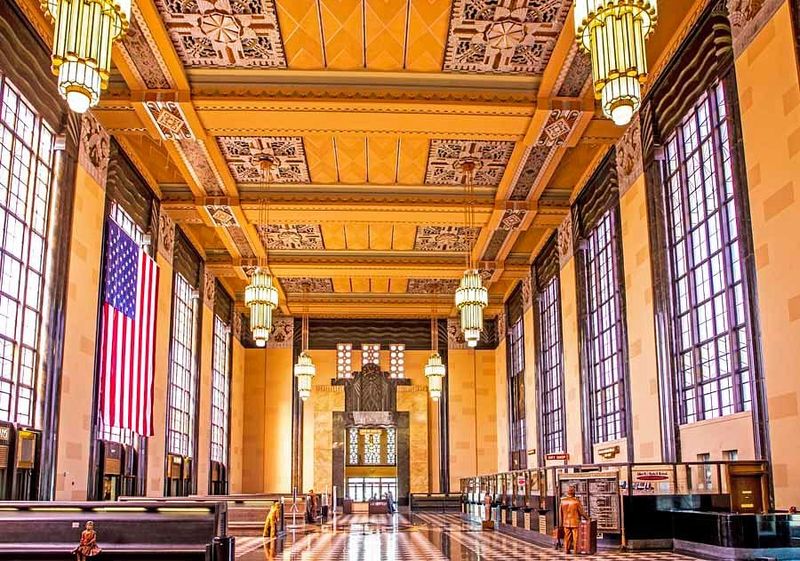
The building alone is worth the trip. The Durham Museum occupies the magnificently restored Art Deco Union Station in Omaha, and the architecture sets a dramatic backdrop for everything inside. The soaring ceilings, detailed tilework, and grand lobby have been preserved with exceptional care.
Beyond the architecture, the museum offers a rich collection of exhibits focused on the history of the Great Plains. Visitors can walk through restored passenger rail cars, explore galleries covering immigration, westward expansion, and regional industry, and take in rotating exhibitions that keep the experience fresh on return visits.
A full-scale recreation of an early 20th-century Omaha street sits inside the museum and gives visitors a surprisingly immersive look at daily life from another era. The Durham also hosts popular community events and family programming throughout the year. It is consistently rated among the best museums in the Midwest, and the reputation is well earned.
3. Joslyn Art Museum, Omaha, Nebraska
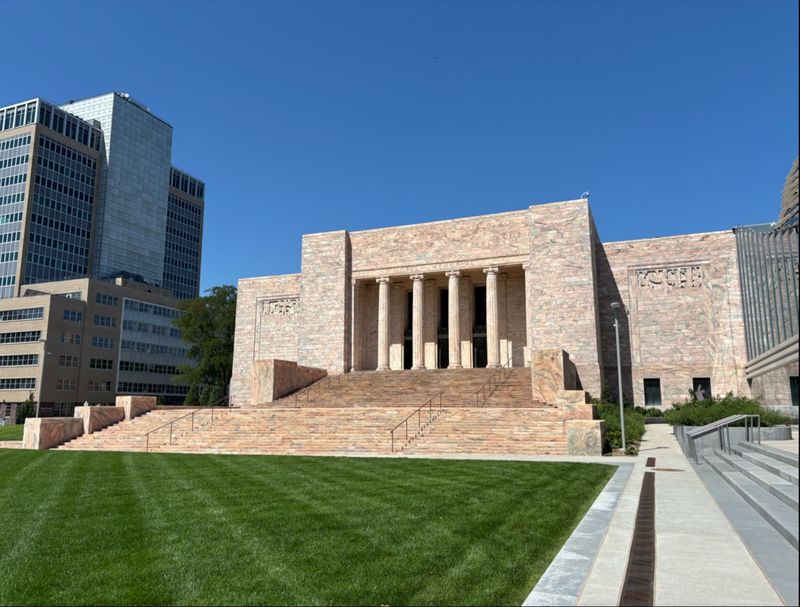
Pink marble and world-class art make a surprisingly good combination. The Joslyn Art Museum in Omaha is one of the most architecturally distinctive buildings in the state, and the collection inside more than lives up to the striking exterior that greets visitors on arrival.
A major expansion and renovation completed in 2024 added significant new gallery space, giving the museum room to display even more of its impressive holdings. The permanent collection includes European masterworks, American paintings, Native American art, and a strong selection of contemporary pieces that balance the older holdings nicely.
The sculpture gardens surrounding the building offer a peaceful spot to take a break between galleries, and they are free to access during regular hours. Admission to the main museum is also free on certain days, making it one of the most accessible art experiences in the region. Check the museum’s website before visiting to catch any special exhibitions that might be running.
4. University of Nebraska State Museum (Morrill Hall), Lincoln, Nebraska
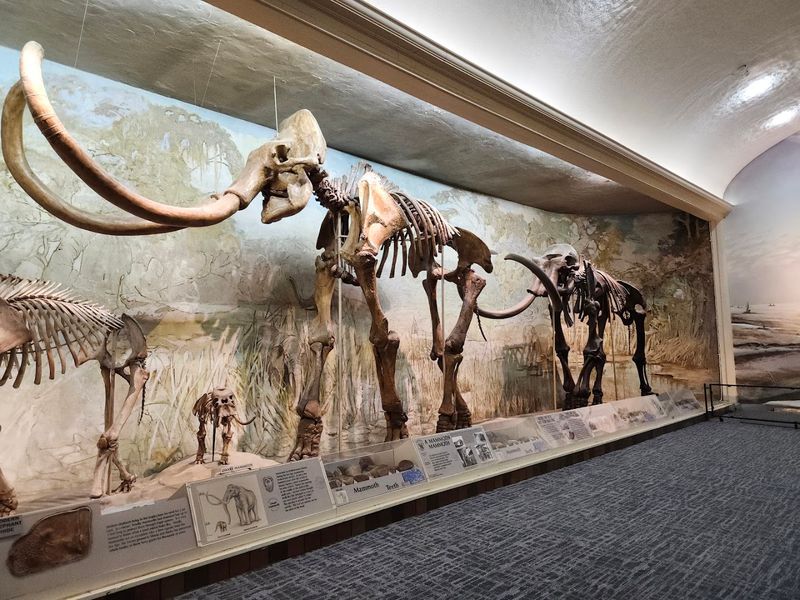
Morrill Hall greets visitors with one of the most dramatic entrances in any natural history museum in the region. A towering mammoth skeleton stands front and center in the main hall, and it sets the tone for everything that follows throughout the building.
The University of Nebraska State Museum holds one of the most significant fossil collections in the country, with specimens that cover millions of years of prehistoric life on the Great Plains. Dinosaur displays, ancient marine creatures, and detailed geology exhibits give visitors a thorough introduction to what Nebraska looked like long before humans arrived.
The museum is located on the University of Nebraska-Lincoln campus, making it easy to combine with a broader campus visit. Interactive stations throughout the galleries make it particularly engaging for younger visitors, but the depth of the collections gives adults plenty to explore as well. Admission is affordable, and the museum regularly updates its rotating exhibits.
5. Museum of American Speed, Lincoln, Nebraska
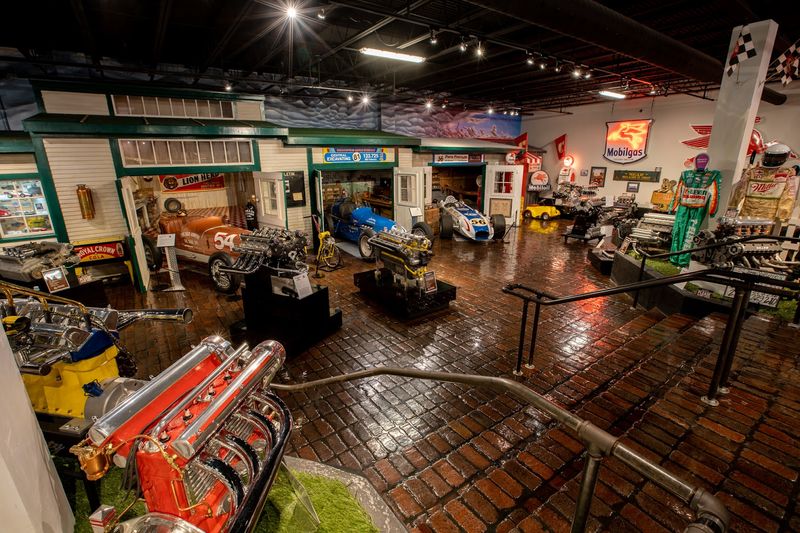
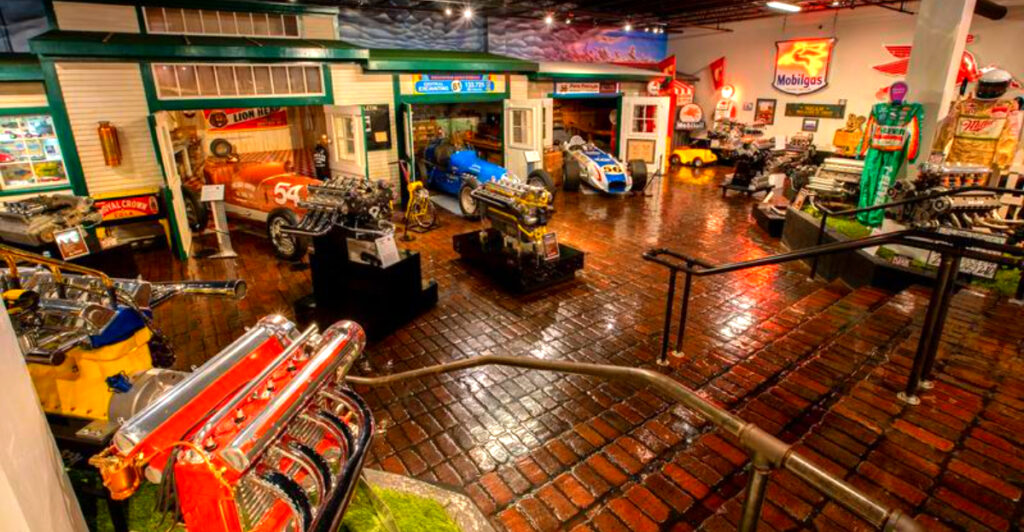
Speed has a museum, and it lives in Lincoln. The Museum of American Speed is one of those places that earns its name completely, housing one of the most extensive collections of racing and automotive history in the country.
The collection spans multiple floors and includes hundreds of race cars, motorcycles, vintage engines, and automotive memorabilia that trace the evolution of American speed culture from its earliest days to the modern era. Rare toys, original signage, and period-correct tools fill out the galleries in a way that feels more like a treasure hunt than a typical museum visit.
Even visitors who have never watched a single race tend to leave genuinely impressed. The sheer variety of objects on display keeps things interesting at every turn. Admission is reasonably priced, and the gift shop is worth browsing before you head out. Car enthusiasts could easily spend a full day working through every exhibit.
6. Hastings Museum, Hastings, Nebraska
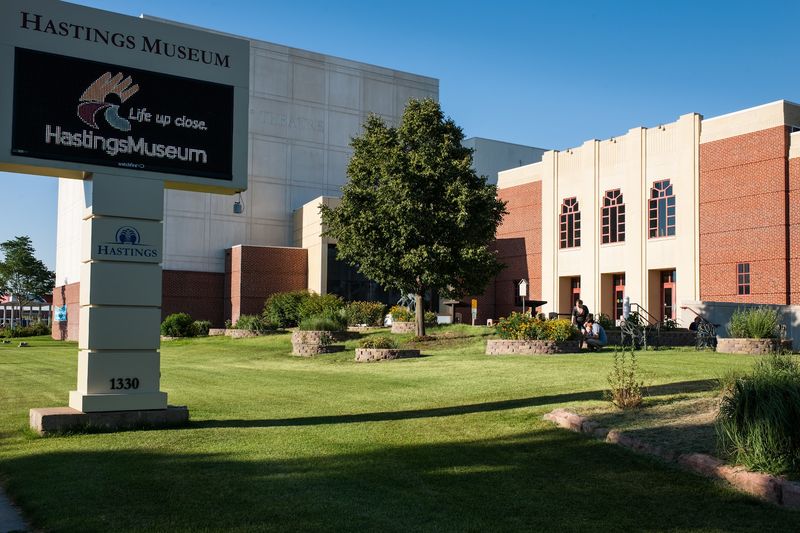
Not every small-city museum punches above its weight, but Hastings does it with impressive consistency. The Hastings Museum manages to blend natural science, local history, and astronomy into a single building without any of those subjects feeling shortchanged.
Dinosaur fossils and detailed wildlife exhibits form the backbone of the natural history section, while regional heritage galleries cover the history of south-central Nebraska with genuine depth. The museum also holds a notable collection of artifacts related to Kool-Aid, which was actually invented in Hastings, making it a quirky but legitimate point of local pride.
The on-site planetarium is a genuine highlight, offering scheduled shows that cover topics from basic astronomy to current space exploration. It is one of the few planetariums in Nebraska open to the general public on a regular basis. Families with curious kids tend to rate this museum very highly, and the combination of topics under one roof makes it unusually easy to spend several hours here.
7. Stuhr Museum of the Prairie Pioneer, Grand Island, Nebraska
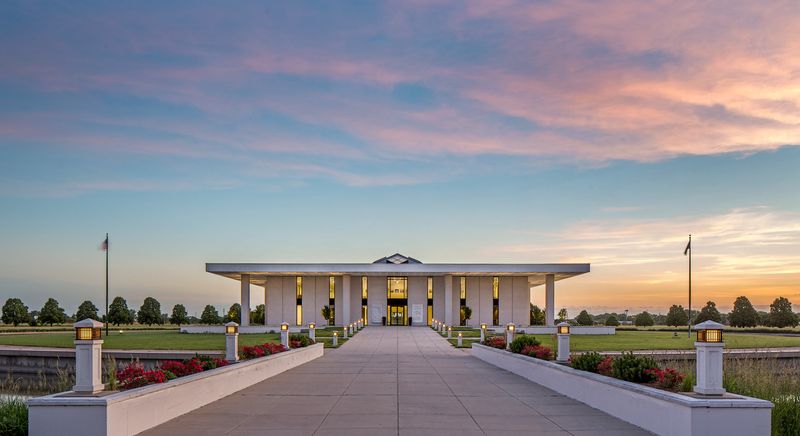
Most museums ask you to look at history. The Stuhr Museum of the Prairie Pioneer in Grand Island actually lets you walk through it. The outdoor component of this museum recreates a full railroad town from the 1890s, complete with original historic structures relocated from across Nebraska.
Costumed interpreters staff the buildings during the operating season, demonstrating period crafts and answering questions about daily life in the late 19th century. The level of detail in the recreation is impressive, and the layout of the town makes it easy to explore at your own pace without feeling rushed.
The main building, designed by architect Edward Durell Stone, houses additional exhibits covering the broader history of the Great Plains and the people who shaped the region. Henry Fonda was born in Grand Island, and the museum acknowledges that connection as part of its local history displays. Seasonal events and special programming make certain times of year particularly worthwhile for a visit.
8. International Quilt Museum, Lincoln, Nebraska
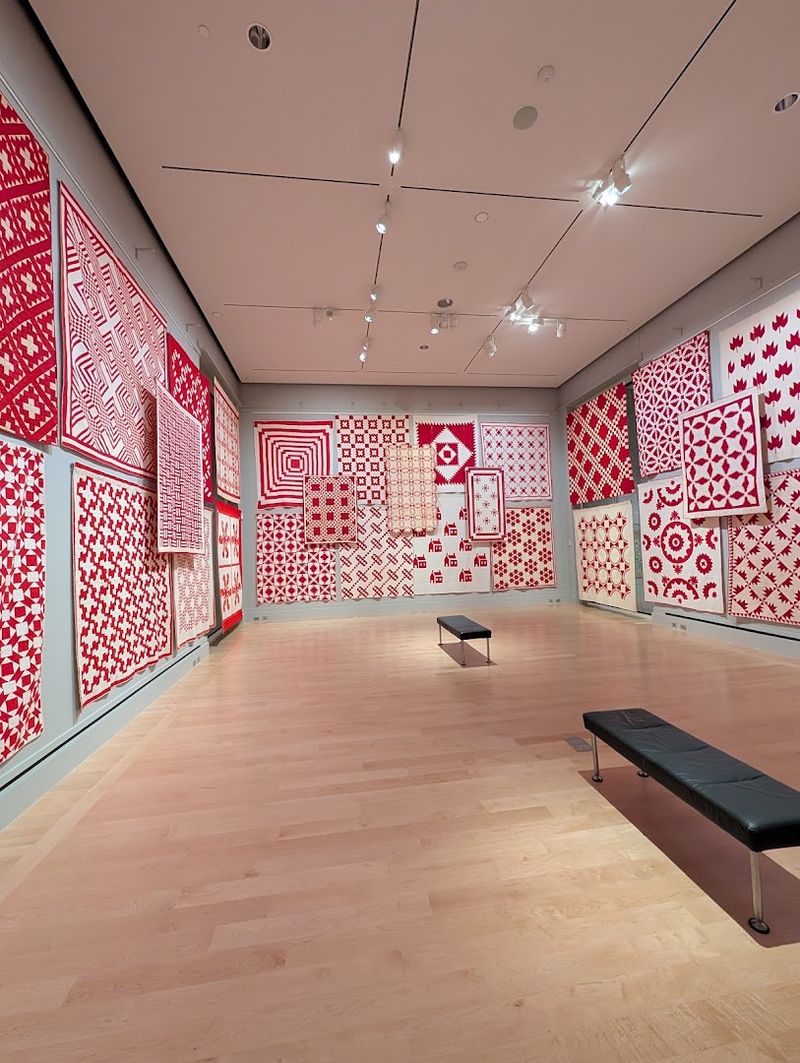
Quilts and world records go together at this remarkable Lincoln institution. The International Quilt Museum holds the largest publicly displayed quilt collection on the planet, with more than 7,000 quilts in its holdings representing cultures and traditions from dozens of countries around the world.
The exhibitions rotate regularly, so the quilts on display during any given visit represent only a fraction of the full collection. Each show is curated around a specific theme, technique, or cultural tradition, which means repeat visitors consistently find something new and unexpected.
The museum is affiliated with the University of Nebraska-Lincoln and operates with a serious commitment to textile scholarship alongside its public programming. That academic foundation shows in the quality of the exhibition labels and the depth of the context provided for each piece. Admission is reasonably priced, and the museum store carries an excellent selection of quilting books and handmade items. It is one of Lincoln’s most genuinely distinctive cultural attractions.
9. Great Plains Art Museum, Lincoln, Nebraska
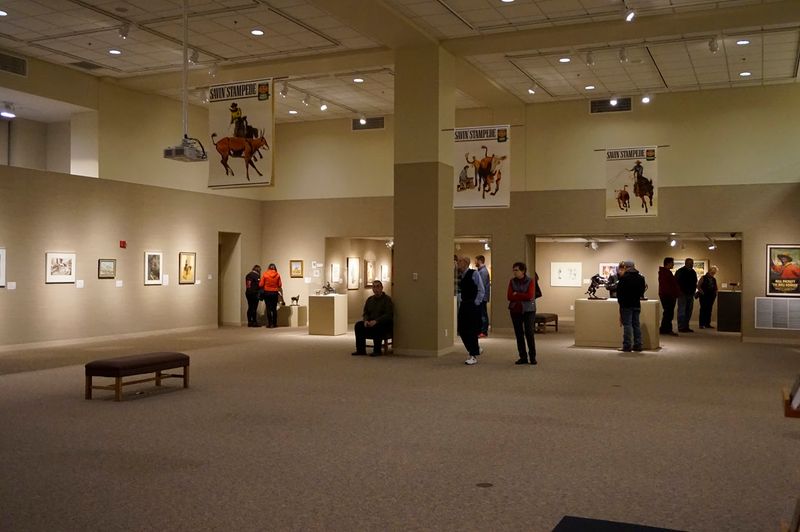
Tucked inside a dedicated building on the University of Nebraska-Lincoln campus, the Great Plains Art Museum focuses on one of the most visually compelling subjects in American art: the landscape and culture of the Great Plains region. It is a focused collection that benefits enormously from that sense of purpose.
Paintings, bronze sculptures, photography, and prints make up the collection, which spans historical and contemporary works. Artists represented here have interpreted the prairies, rivers, wildlife, and communities of the region across multiple generations, giving the museum a timeline that shows how perceptions of the Great Plains have shifted over time.
Admission is free, which makes it an easy addition to any Lincoln itinerary. The museum is compact enough to tour in under two hours, but the quality of individual pieces rewards a slower pace if time allows. Special exhibitions cycle through regularly, drawing on both the permanent collection and loans from other institutions. It is a quiet, thoughtful space that earns more appreciation the longer you stay.
10. Buffalo Bill Ranch State Historical Park, North Platte, Nebraska
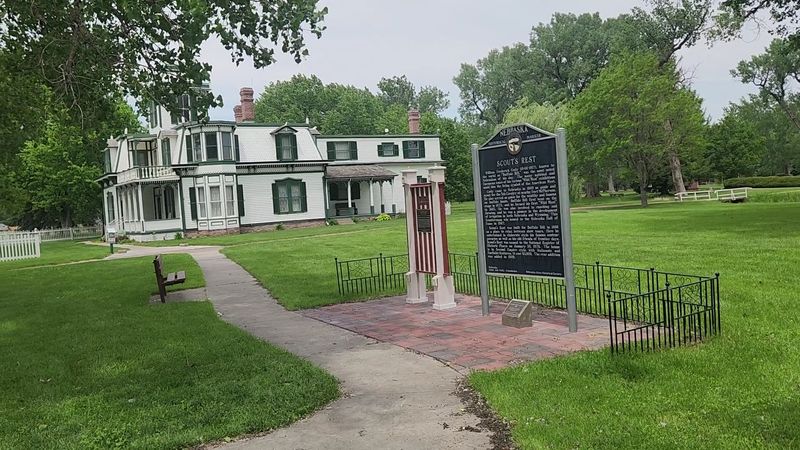
William F. Cody built his reputation as one of the most famous figures of the American West, and his North Platte ranch gives visitors a concrete connection to the man behind the legend. Scout’s Rest Ranch, as it was known, served as Cody’s home base between his globe-trotting Wild West Show performances.
The preserved mansion is open for tours and contains original furnishings and personal artifacts that offer a genuine glimpse into how Cody lived when he was not performing for thousands of spectators. Historic barns and outbuildings on the property are also open to visitors and add to the overall sense of the ranch’s working past.
The surrounding state park provides a pleasant setting for a broader outdoor visit, and the combination of history and open space makes it a strong stop for families.
11. Trailside Museum of Natural History, Gering, Nebraska
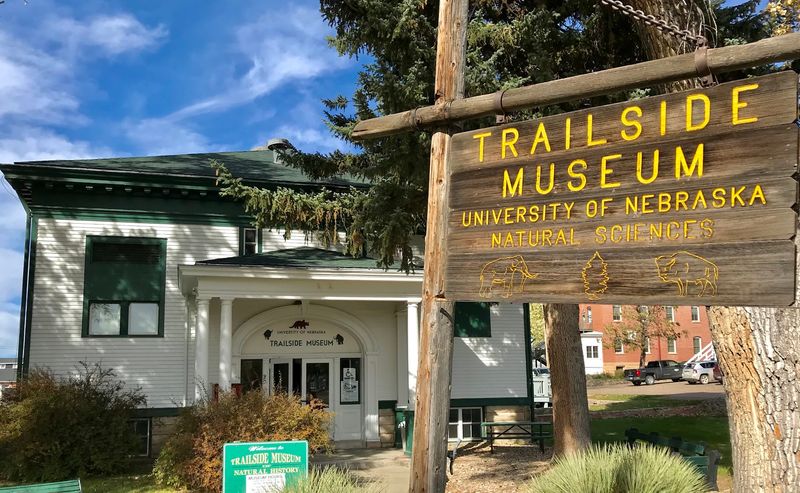
Scotts Bluff National Monument is dramatic enough on its own, but the Trailside Museum of Natural History adds a layer of context that makes the whole experience significantly more rewarding. The museum is physically located within the monument near Gering, which means the exhibits and the landscape reinforce each other in a way that few museums can replicate.
The fossil collection here is genuinely impressive for a facility of this size. Ancient rhinoceroses, oreodonts, and other Oligocene-era mammals are represented through fossils pulled from the monument’s fossil-rich badlands formations. The geology exhibits explain how those formations developed over millions of years and why this particular stretch of Nebraska holds more exposed ancient strata than anywhere else in the state.
Oregon Trail history forms the other major thread running through the museum. Exhibits cover the emigrants, traders, and military figures who used Scotts Bluff as a landmark, along with the Native American communities who called this region home long before the trail era began. Seasonal living history programs add an extra dimension during summer months.
12. Elkhorn Valley Museum, Norfolk, Nebraska
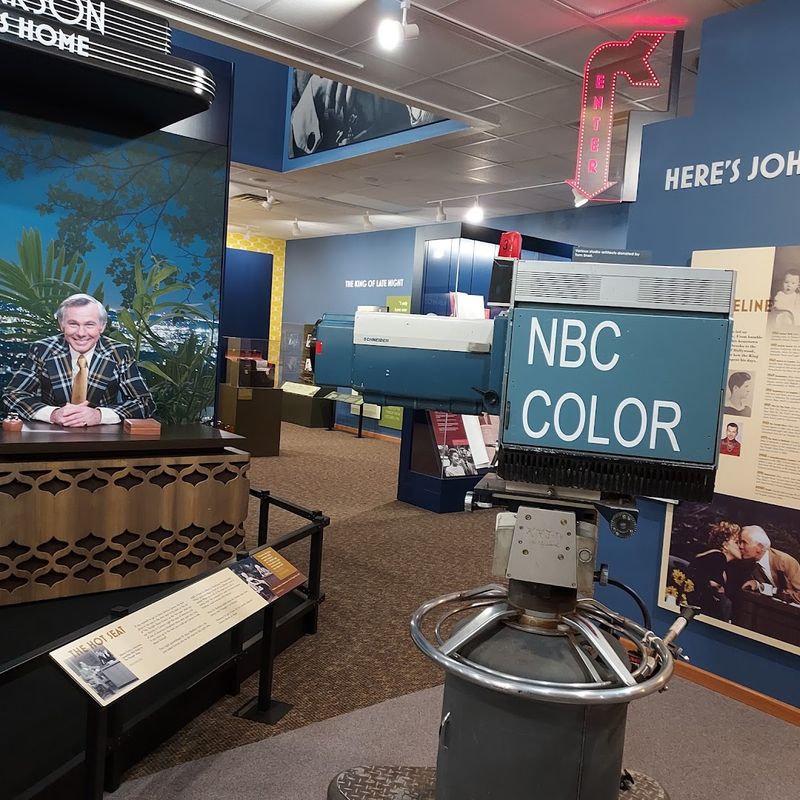
Community museums can be hit or miss, but the Elkhorn Valley Museum in Norfolk consistently earns positive reviews from visitors who expected modest and found genuinely engaging. The collection here is more diverse than its regional focus might suggest at first glance.
Vintage vehicles, military artifacts, agricultural equipment, and music history displays share space across the museum’s galleries. Norfolk is the hometown of Johnny Carson, and the museum’s tribute to the legendary television host is one of its most popular draws, featuring memorabilia and career highlights that fans of late-night television history will appreciate.
Local and regional history exhibits trace how northeastern Nebraska developed from early settlement through the 20th century, with particular attention to the industries and communities that defined the area.
13. Nebraska History Museum, Lincoln, Nebraska
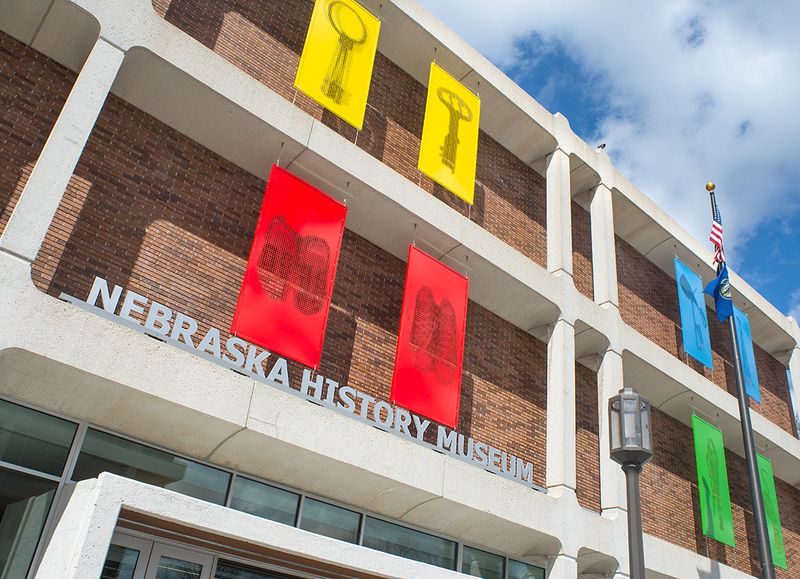
More than 12,000 years of human history in one building is an ambitious promise, but the Nebraska History Museum in downtown Lincoln makes a strong case for delivering on it. The museum serves as the flagship facility of the Nebraska State Historical Society and holds one of the most comprehensive collections of Nebraska-related artifacts and documents anywhere.
Permanent galleries cover Indigenous cultures, pioneer settlement, territorial politics, agriculture, and 20th-century Nebraska life with enough depth to satisfy serious history enthusiasts. The rotating exhibitions bring in fresh material regularly and often focus on underrepresented stories from across the state’s history.
Share this story