The 1990s were a golden era for Hollywood, and the women who lit up the screen during that decade left impressions that still hold up today. From romantic comedies to psychological thrillers, these actresses brought beauty, talent, and personality to roles that defined a generation of moviegoers.
Some became global superstars overnight, while others built their fame steadily through memorable performances and unforgettable screen presence. Whether you grew up watching them or are discovering their work for the first time, this list is a reminder of just how much star power the 1990s had to offer.
Julia Roberts
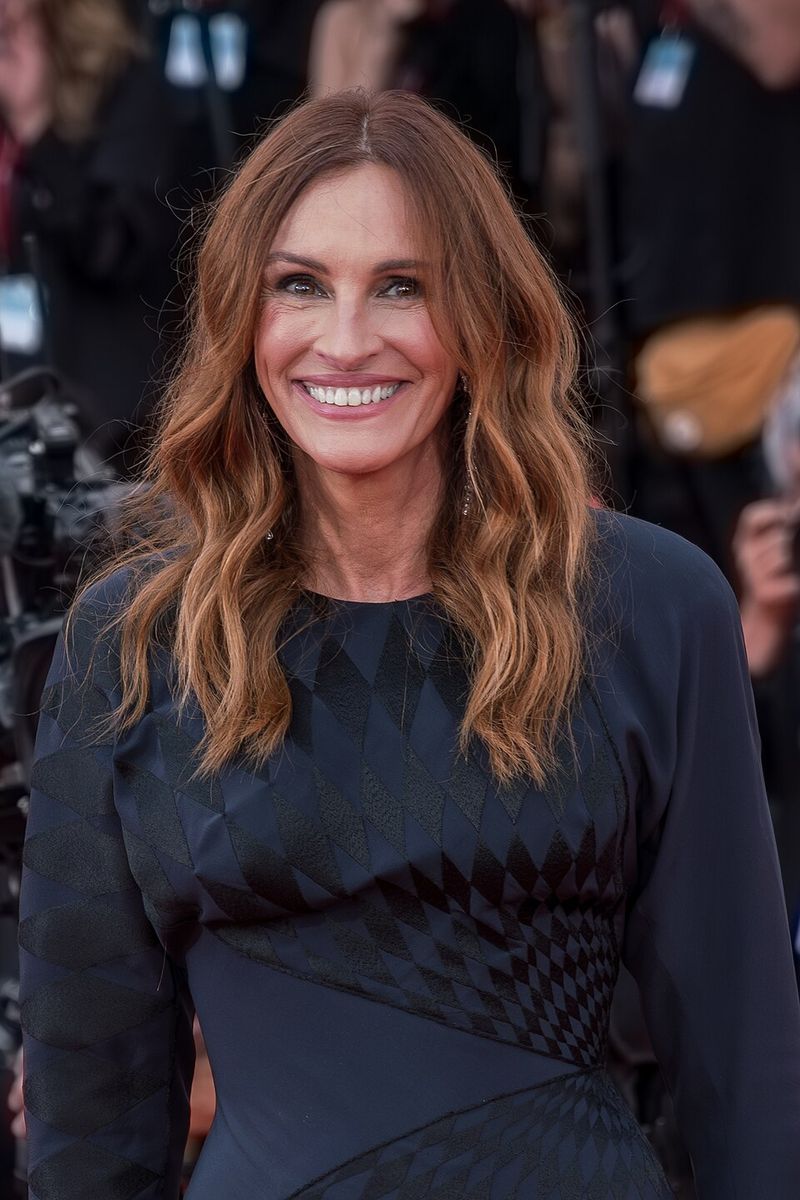
Few smiles in Hollywood history have been as instantly recognizable as Julia Roberts’. After Pretty Woman became a cultural phenomenon in 1990, Roberts went from promising young actress to one of the most bankable stars in the world almost overnight.
Her natural warmth and easy comic timing made her a perfect fit for the romantic comedies that dominated the decade. Films like My Best Friend’s Wedding, Notting Hill, and Runaway Bride kept her at the top of Hollywood’s romantic lead category year after year.
What made Roberts stand out was how relatable she felt despite being a massive star. She never seemed untouchable on screen, which made audiences genuinely root for her characters.
Her 1990s run helped shape what modern romantic comedies look like, and many of the films she made during this period are still considered benchmarks of the genre today.
Michelle Pfeiffer
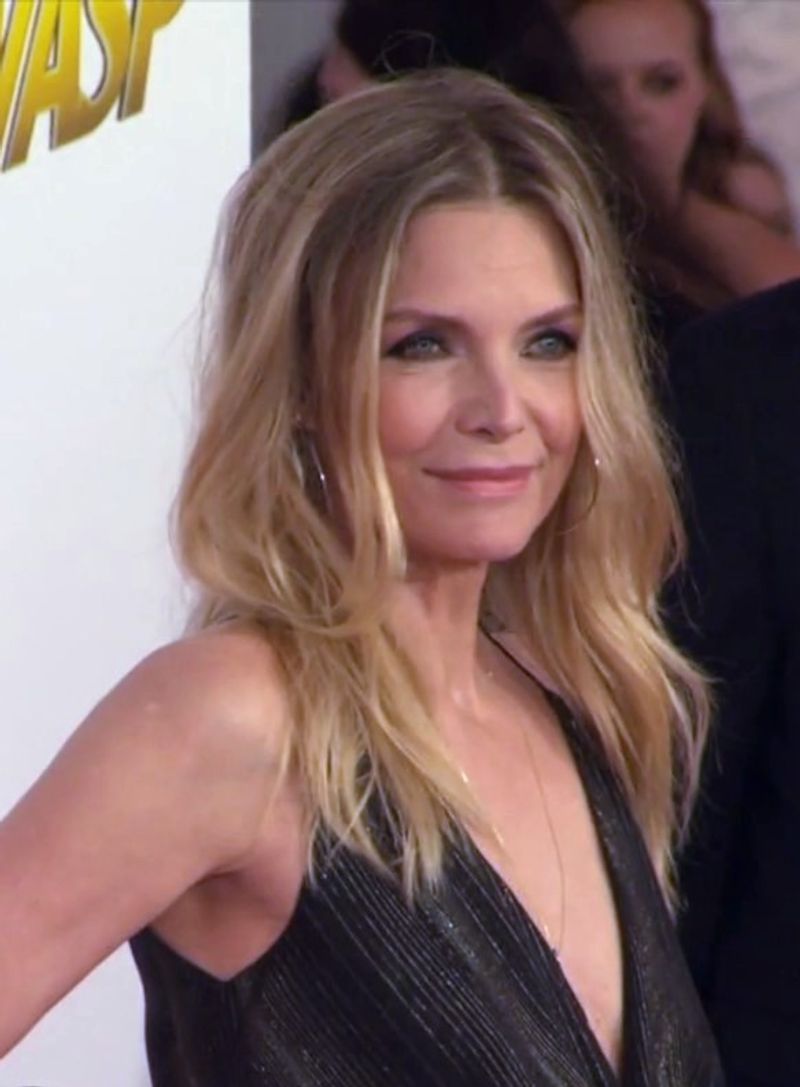
Michelle Pfeiffer carried a rare combination of beauty and quiet intensity that made her one of the most compelling actresses of the entire decade. She had already made her mark in the 1980s, but the 1990s confirmed her status as a genuine Hollywood heavyweight.
Her roles in Batman Returns, The Age of Innocence, and Frankie and Johnny showed her ability to move between very different emotional registers without missing a beat. In 1990, she made history as the first person to appear on the cover of PEOPLE’s Most Beautiful issue, a distinction that spoke to both her looks and her cultural standing.
Her performance in Love Field earned significant awards attention and proved she could carry a film on pure dramatic weight alone. Pfeiffer’s elegance never felt cold or distant.
There was always something warm and real beneath the polished surface, which is exactly what kept audiences coming back.
Sharon Stone
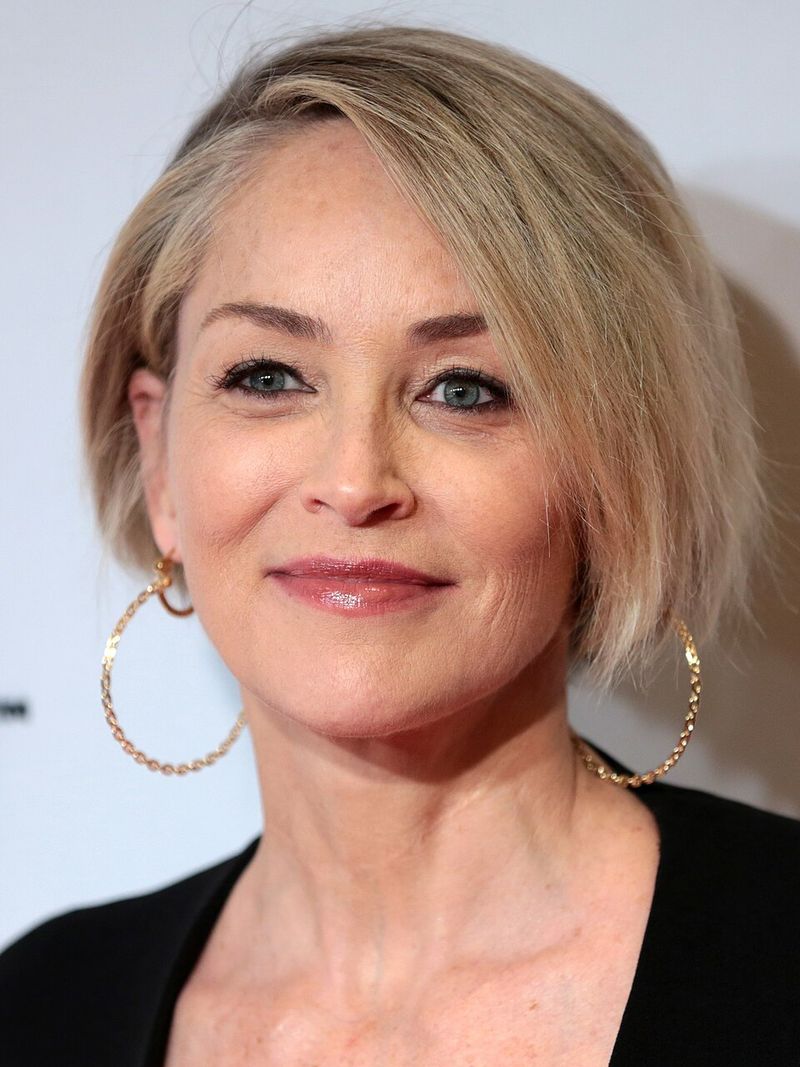
Sharon Stone’s career trajectory in the 1990s was one of the most dramatic in Hollywood. Before Basic Instinct arrived in 1992, she was a working actress with a solid resume but no defining moment.
That film changed everything.
Her performance became one of the most talked-about of the decade, turning her into an international icon practically overnight. What many people underestimate is how much control Stone brought to that role.
She was not simply playing a type. She was building a fully realized character who used intelligence as much as appearance.
Casino in 1995 showed a completely different side of her range. Her portrayal of Ginger earned serious awards recognition and reminded critics that glamour and dramatic depth are not mutually exclusive.
Stone’s 1990s career remains one of the most fascinating examples of how a single performance can permanently redefine a career and an entire cultural image.
Halle Berry
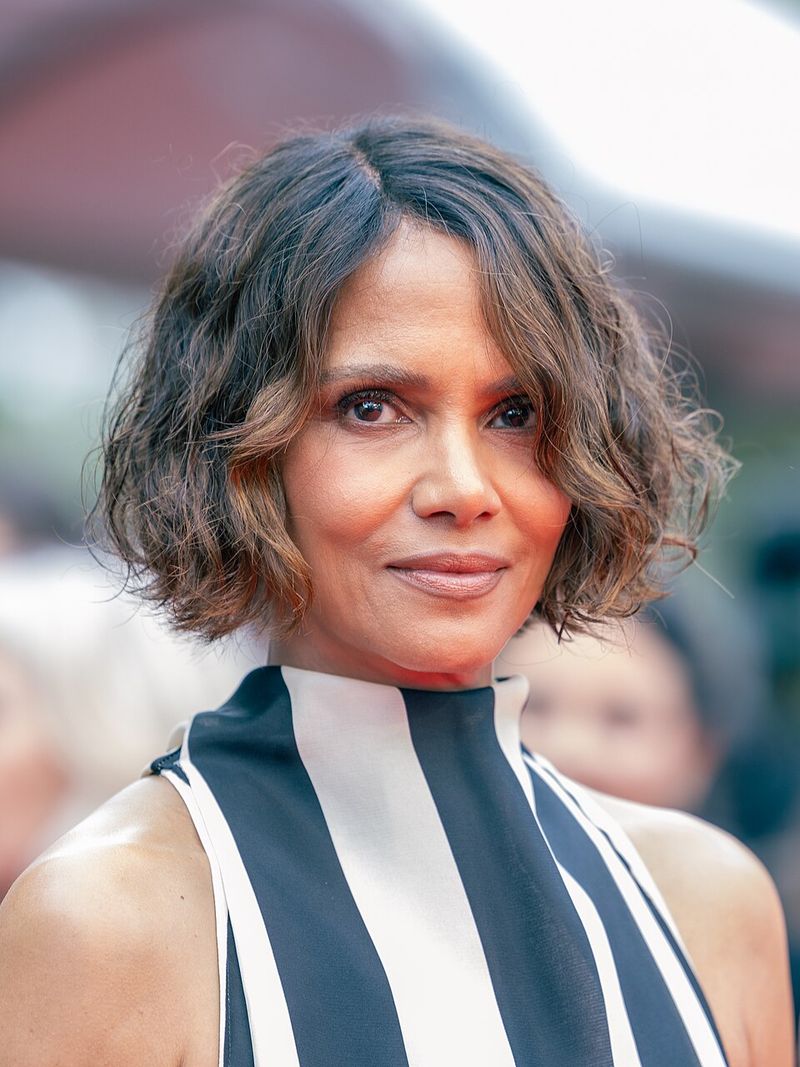
Halle Berry spent the 1990s building a filmography that showed just how wide her range really was. From the comedy of Boomerang to the action of Executive Decision to the biographical depth of Introducing Dorothy Dandridge, she refused to be confined to any single type of role.
Her performance as Dorothy Dandridge in the 1999 HBO film was especially significant. It earned her a Golden Globe and helped signal that she was ready for the kind of serious dramatic work that would lead to her historic Oscar win in 2002.
Berry’s screen presence during the 1990s was striking in a way that went beyond physical beauty. She had a natural charisma that translated across completely different genres, which is a genuinely rare quality.
She was already one of the most recognizable faces in Hollywood before she ever stood on an Oscar stage. The 1990s were her foundation, and it was a strong one.
Winona Ryder
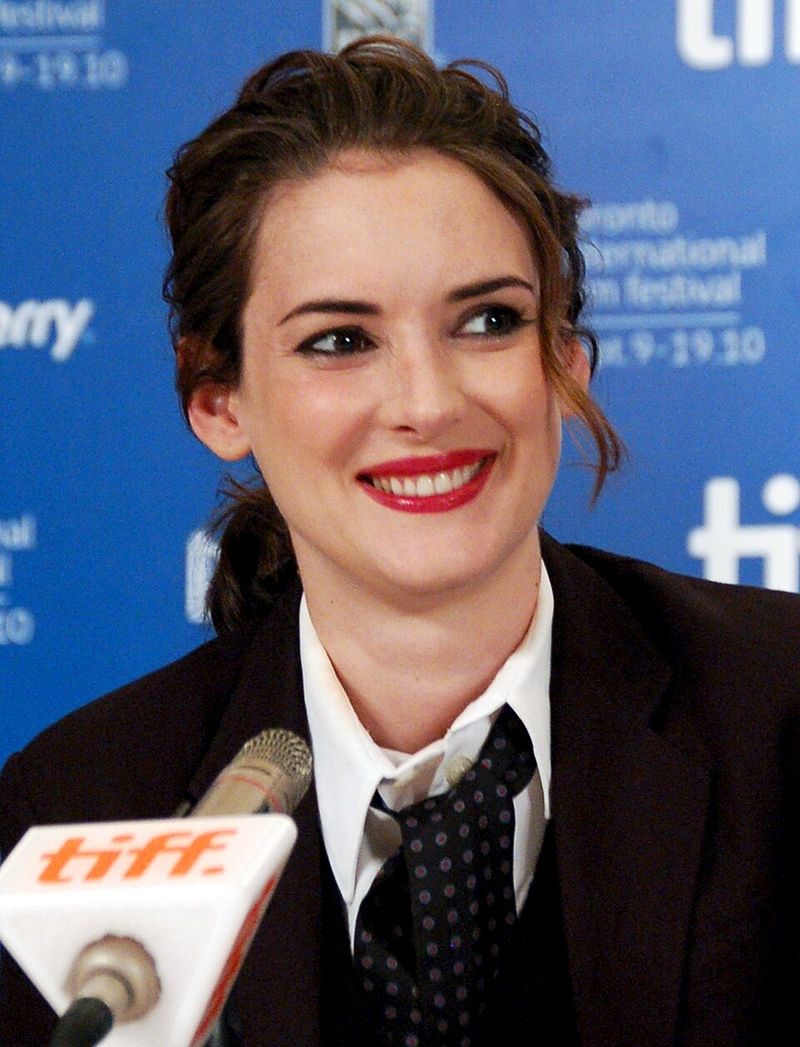
Winona Ryder was the unofficial face of Gen X cinema in the 1990s. Her look was different from the conventional Hollywood beauty of the era, and that difference was exactly what made her so compelling to an entire generation of moviegoers.
Her decade started strong with Edward Scissorhands and Bram Stoker’s Dracula, then shifted into literary territory with The Age of Innocence and Little Women. Reality Bites captured the voice of young adulthood in the mid-1990s with a precision that still resonates.
Girl, Interrupted in 1999 showed her willingness to go to genuinely uncomfortable emotional places.
Ryder’s expressive eyes and instinctive screen presence made her outsider characters feel honest rather than theatrical. She was not performing alienation.
She was communicating it. That authenticity is what separated her from many of her contemporaries and why her 1990s body of work continues to attract new admirers decades later.
Salma Hayek
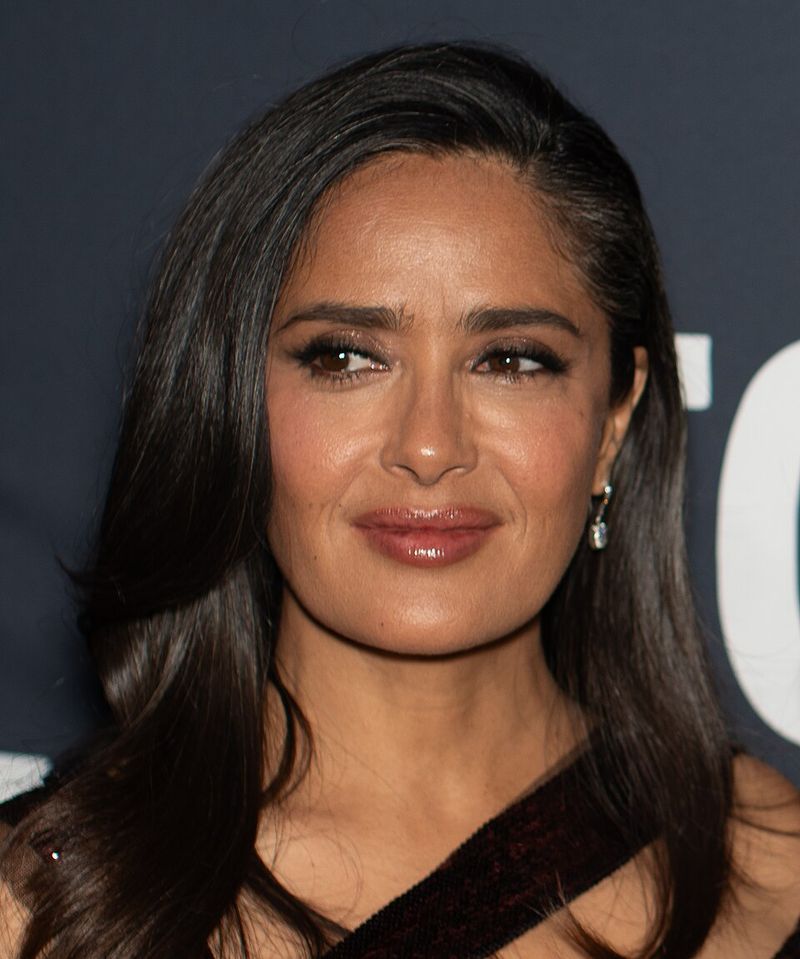
Salma Hayek’s path to Hollywood stardom was not the typical one, and that made her arrival all the more impressive. She built her early career in Mexico before crossing over and landing one of the decade’s most memorable breakout roles in Desperado in 1995.
Her chemistry with Antonio Banderas in that film introduced her to a massive American audience, and her confidence on screen was impossible to miss. From Dusk till Dawn showed she could hold her own in a completely different kind of film, while Fools Rush In proved her range extended into romantic comedy as well.
Hayek’s beauty had a boldness to it that felt very different from the more understated glamour of other 1990s stars. Her personality on screen matched her appearance, full of humor, confidence, and energy.
She was one of the first Latin American actresses of her generation to build genuine mainstream Hollywood star power, and she did it entirely on her own terms.
Catherine Zeta-Jones
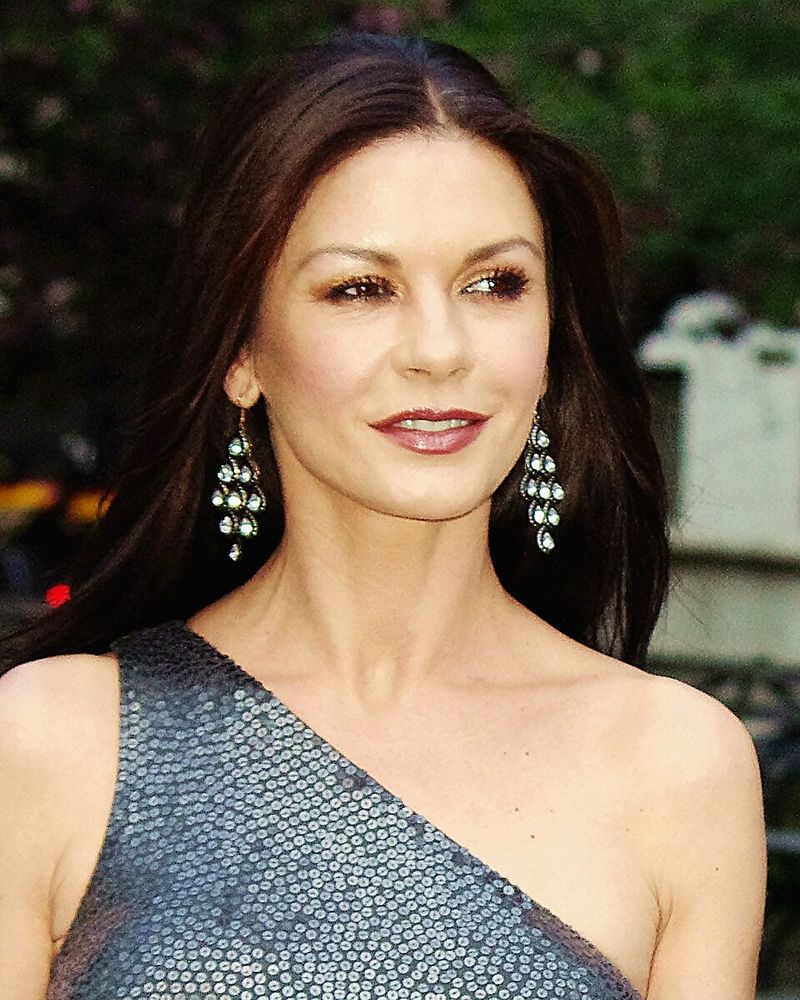
Catherine Zeta-Jones arrived in Hollywood like she had always belonged there. Her late-1990s breakout in The Mask of Zorro introduced her to a global audience, and her combination of old-Hollywood beauty, physical grace, and genuine screen charisma made an immediate impression.
Sharing the screen with Antonio Banderas and Anthony Hopkins in that film would have been intimidating for many newcomers, but Zeta-Jones matched them effortlessly. She brought a romantic confidence and a physical presence to the role of Elena that felt fully formed rather than tentative.
Entrapment followed in 1999 alongside Sean Connery, further cementing her image as someone who could command attention in any scene she entered. Her particular kind of glamour felt cinematic and polished in a way that recalled classic Hollywood stars.
She was a reminder that certain kinds of screen beauty are genuinely timeless, and she arrived in the 1990s looking like she had stepped out of a different golden era entirely.
Nicole Kidman
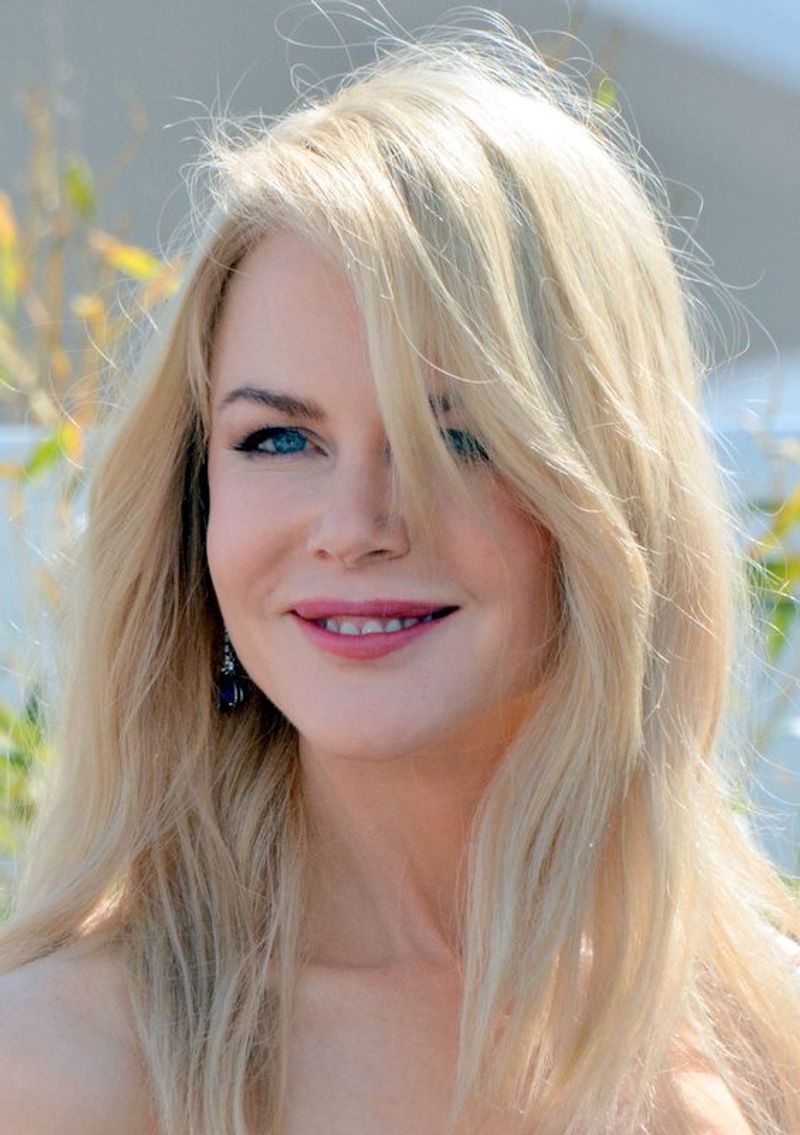
Nicole Kidman spent the 1990s quietly proving that she was one of the most versatile actresses working in Hollywood. Her look was distinctive and elegant, but her best roles during the decade used that elegance in unexpected ways.
To Die For in 1995 was a turning point. Playing an ambitious woman willing to do almost anything for fame, Kidman showed a sharp comedic edge mixed with something genuinely unsettling.
It was a performance that shifted how people thought about her. Batman Forever, Practical Magic, and Eyes Wide Shut each placed her in very different worlds, and she navigated all of them with confidence.
What makes her 1990s career especially interesting is how deliberately she avoided being typecast. She was never just a beautiful leading lady.
She was an actress who happened to be beautiful, which is a meaningful distinction. Her choices during the decade built the foundation for one of the most celebrated careers in modern film history.
Meg Ryan
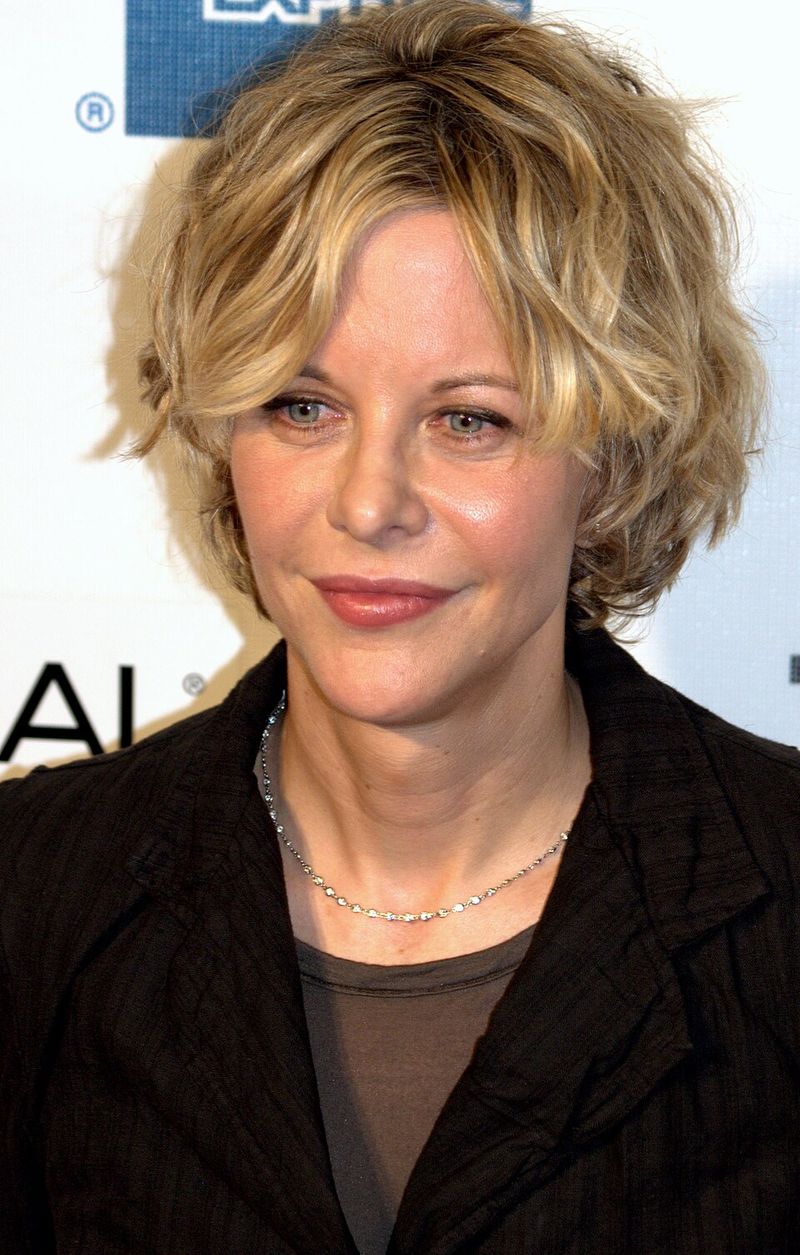
Meg Ryan was the queen of the 1990s romantic comedy, and that title came with real substance behind it. Her performances in Sleepless in Seattle and You’ve Got Mail, both directed by Nora Ephron, helped define what screen romance looked like for an entire generation.
Her appeal was rooted in accessibility. She never seemed distant or untouchable on screen.
Her characters felt like real people navigating real emotions, which is harder to pull off than it looks. French Kiss and City of Angels showed she could carry different emotional tones within the same romantic framework.
Ryan’s comic timing was precise without ever feeling mechanical, and her warmth came through in every scene. There was a lightness to her performances that audiences genuinely responded to, and her 1990s run remains one of the most consistent and beloved in the romantic comedy genre.
The films she made during this decade still hold up as comfort viewing for a very good reason.
Demi Moore
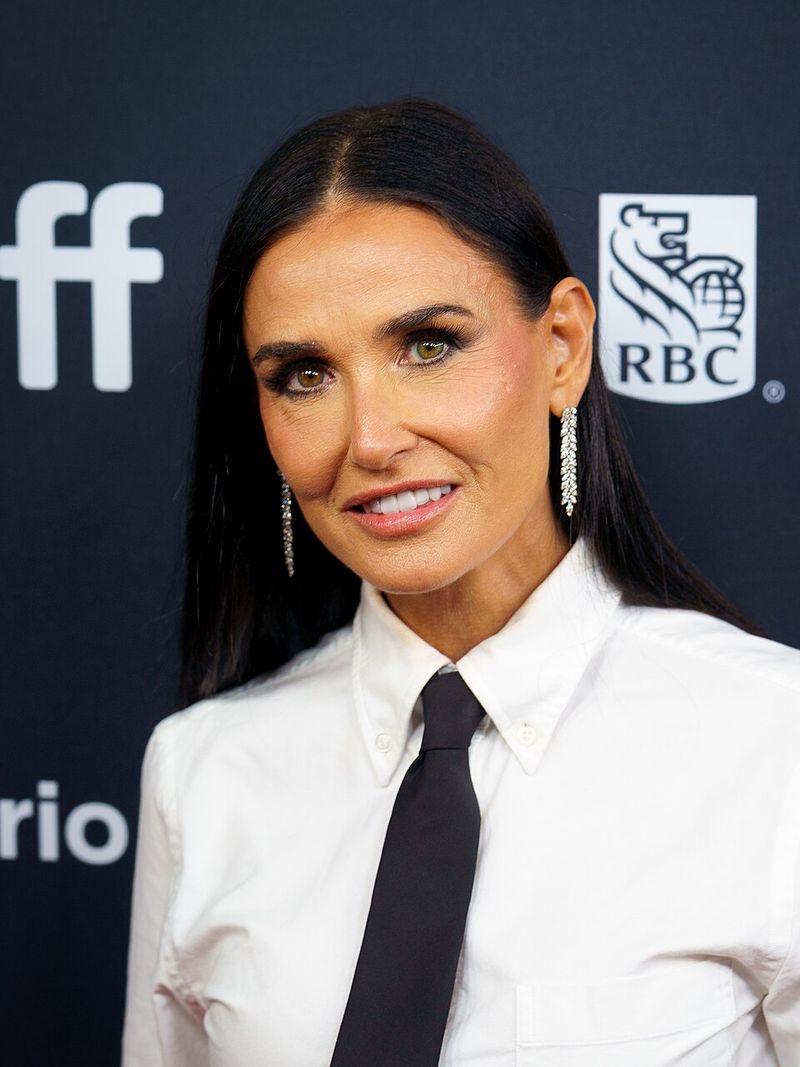
Demi Moore entered the 1990s at full speed. Ghost became one of the biggest films of 1990, and Moore’s performance opposite Patrick Swayze turned her into one of the most talked-about actresses in Hollywood almost immediately.
What followed was a string of major films that reflected both her star power and her willingness to take on challenging material. A Few Good Men, Indecent Proposal, Disclosure, and G.I.
Jane each placed her in high-stakes situations that demanded real presence. She was not a background element in any of these films.
She was the center of gravity.
Moore’s public image during the decade was bold and self-assured in a way that felt genuinely ahead of its time. She carried big-budget productions with the kind of confidence that few actresses at the time were given the opportunity to demonstrate.
Her 1990s career is a reminder that glamour and strength are not opposing qualities. She made that combination look completely natural.
Angelina Jolie
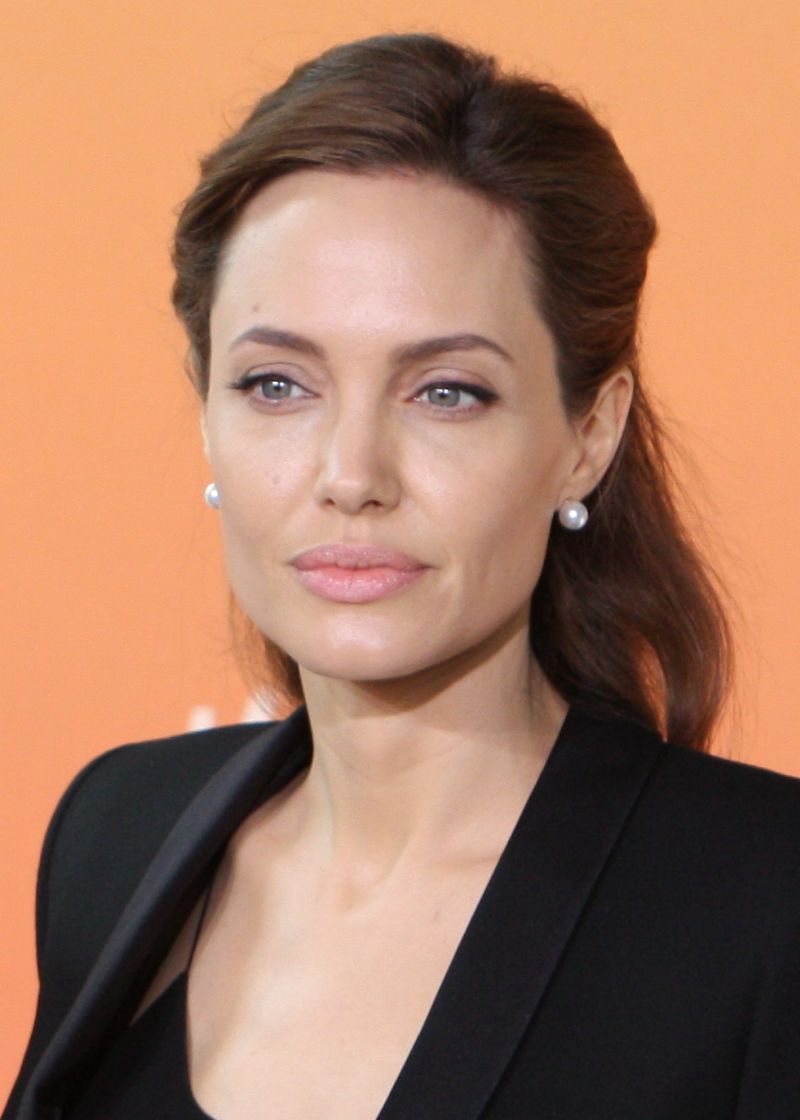
Angelina Jolie’s 1990s career was shorter than most on this list, but the impression she made in that time was impossible to ignore. Her performance in the 1998 HBO film Gia placed her in an intensely demanding role that required both physical and emotional vulnerability, and she delivered completely.
Girl, Interrupted in 1999 brought her to a mainstream theatrical audience and earned her an Academy Award. Sharing the screen with Winona Ryder, she managed to redirect attention in nearly every scene she entered without appearing to try.
That quality, the ability to command a scene through pure presence, was already fully formed.
Jolie’s beauty was dramatic and unconventional by Hollywood standards, which suited her perfectly. She was never interested in being approachable or soft on screen.
Her power came from the unpredictability she brought to every role. The late 1990s were just the beginning, but they made clear that something genuinely rare had arrived in Hollywood.
Monica Bellucci
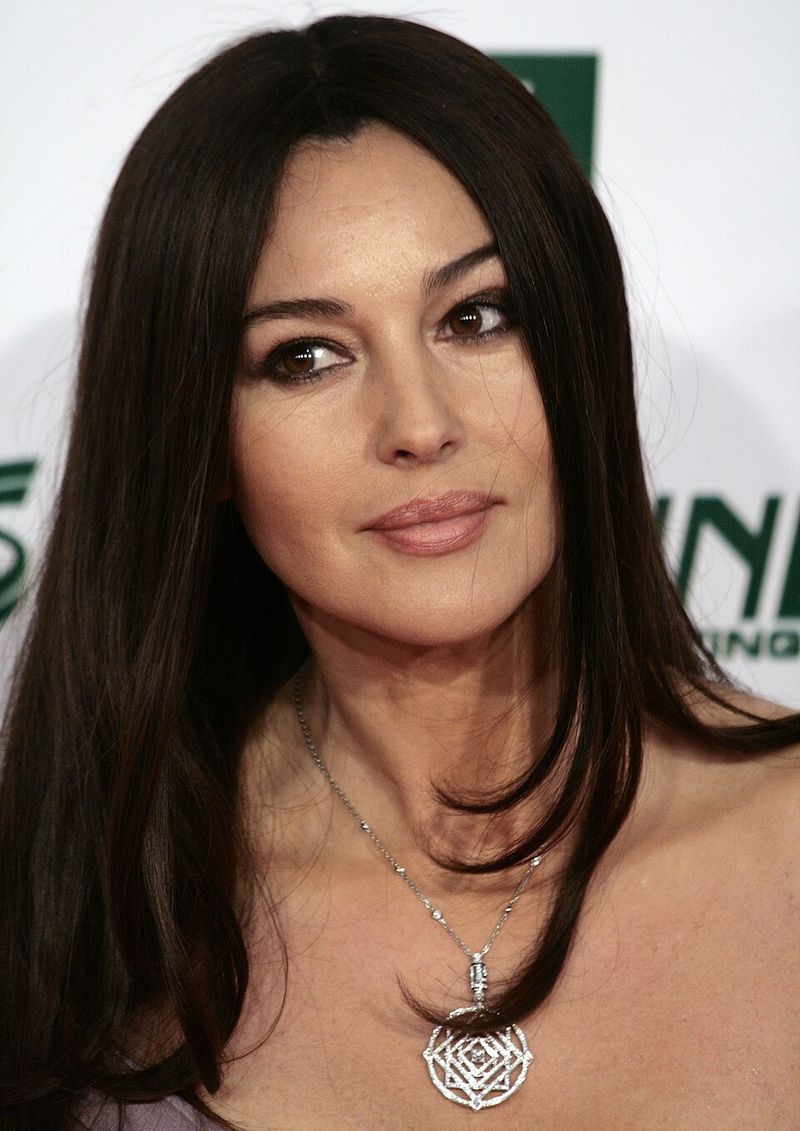
Monica Bellucci brought a kind of glamour to the 1990s that felt distinctly different from what Hollywood typically produced. Her beauty had a cinematic richness to it, and her path into acting came through European film rather than the American studio system.
She made her acting debut in the Italian television miniseries Vita coi figli in 1991, appeared in Bram Stoker’s Dracula in 1992, and earned a César nomination for Most Promising Actress for her work in The Apartment in 1996. Each of these steps showed her building a real acting foundation rather than simply trading on her modeling fame.
Bellucci’s transition from one of the world’s most recognized models to a credible dramatic actress is genuinely impressive. Her 1990s work laid the groundwork for the international career that followed in the 2000s.
She represented a type of European screen elegance that reminded audiences how wide the world of cinema truly was beyond Hollywood’s borders.
Jennifer Aniston
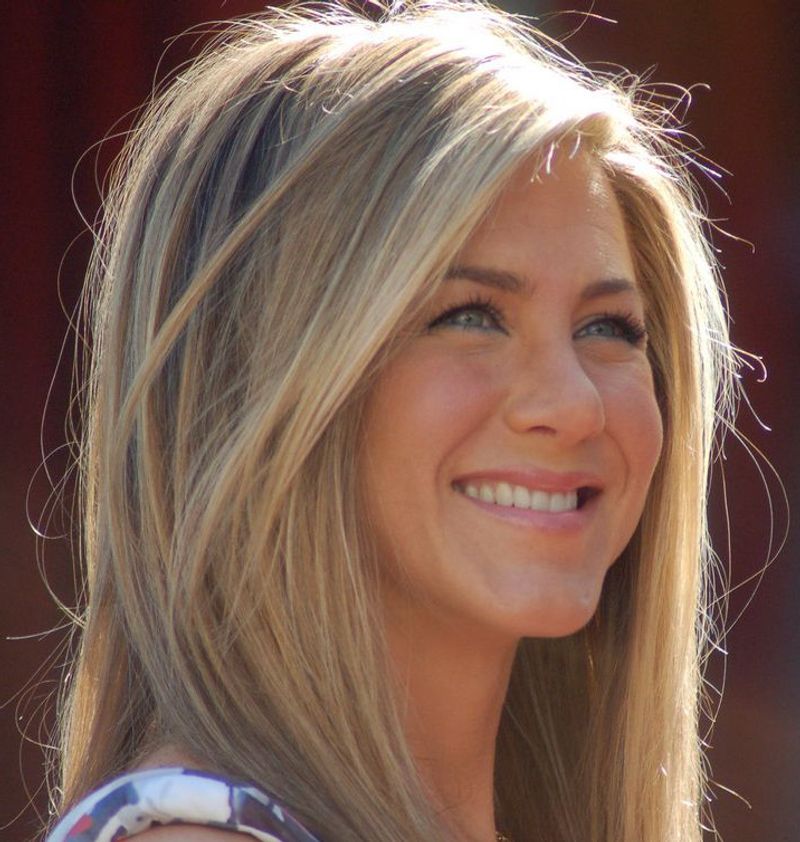
Jennifer Aniston did not define 1990s glamour from a movie screen. She did it from your living room every Thursday night, and that made her influence arguably even wider than most film stars of the era.
Friends premiered in 1994, and Aniston’s portrayal of Rachel Green became a genuine cultural phenomenon. The Rachel haircut alone became one of the most requested styles of the decade, which tells you something about the level of attention her character commanded.
Her comic timing was sharp and natural, and she made Rachel feel both aspirational and genuinely funny at the same time.
Aniston’s beauty was sunny and approachable, which suited the warm energy of the show perfectly. She was not playing a distant glamour figure.
She was playing someone viewers felt they could actually know, and that relatability was its own kind of star power. Her 1990s television work built one of the most durable entertainment careers of her generation.
Sandra Bullock
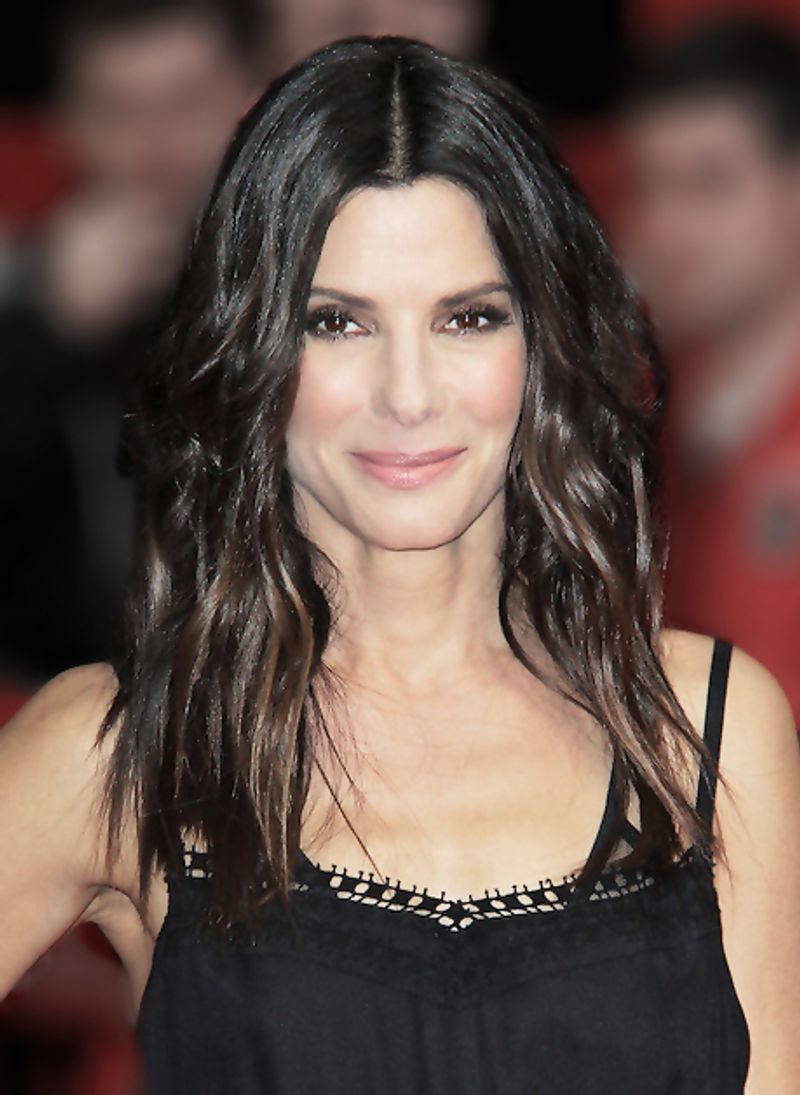
Sandra Bullock became a mainstream star almost by accident. Speed in 1994 was primarily an action film built around Keanu Reeves, but Bullock’s grounded, funny, and completely natural performance made her the character audiences remembered most.
Almost immediately, she was one of Hollywood’s most sought-after leading ladies.
While You Were Sleeping, The Net, and Hope Floats each showed a different side of her appeal. She could handle romantic comedy, thriller, and quiet drama without losing the essential warmth that made her so easy to watch.
Practical Magic, which she made alongside Nicole Kidman, added a playful supernatural element to her resume.
What separated Bullock from many of her contemporaries was that she never seemed to be performing likability. It just came through naturally.
Her characters felt real and slightly imperfect in ways audiences genuinely appreciated. Her 1990s run helped establish the blueprint for the smart, funny, emotionally grounded leading lady that Hollywood has been trying to replicate ever since.
Penélope Cruz
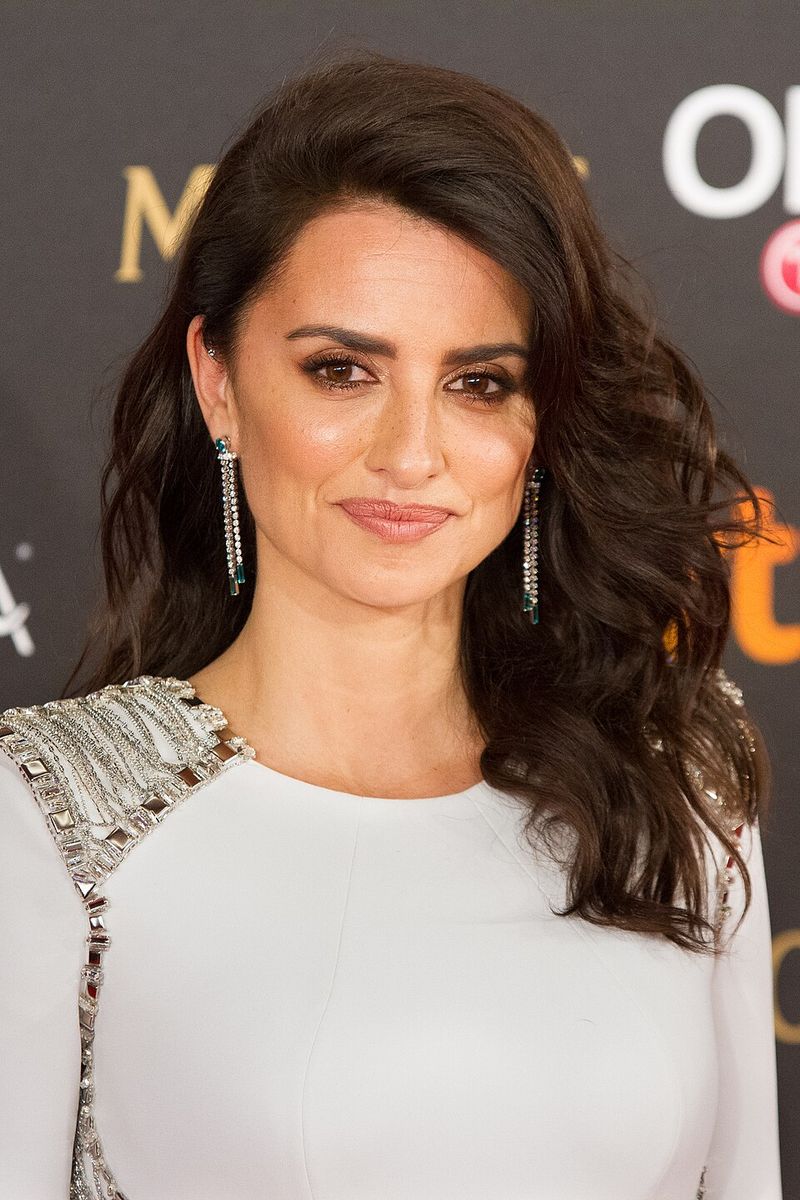
Penélope Cruz was already a major star in Spain long before most American audiences had any idea who she was. Her early 1990s work in films like Jamón Jamón and Belle Époque showed a young actress with remarkable emotional instincts and a screen presence that was impossible to look away from.
Open Your Eyes in 1997, directed by Alejandro Amenábar, became one of the most celebrated Spanish films of the decade and further elevated her international profile. By the end of the 1990s, she was already attracting serious attention beyond European cinema.
The American remake of Open Your Eyes, titled Vanilla Sky, would come in 2001 with Cruz reprising her role.
Her beauty was luminous and expressive in a way that translated perfectly to film. But her early career was never built on appearance alone.
She consistently chose roles that demanded real emotional range, which is exactly why her eventual crossover to Hollywood felt completely earned rather than surprising.
Share this story