There is a waterfall in Oregon that stops people mid-sentence. You could be driving along a quiet highway, windows down, thinking about nothing in particular, and then you see the sign.
A short walk later, you are standing at the edge of a canyon, staring at 286 feet of raw, roaring water dropping straight into a forested gorge. Salt Creek Falls is one of those places that earns every bit of its reputation, and this article walks you through everything worth knowing before you go.
Where Exactly Salt Creek Falls Is Located
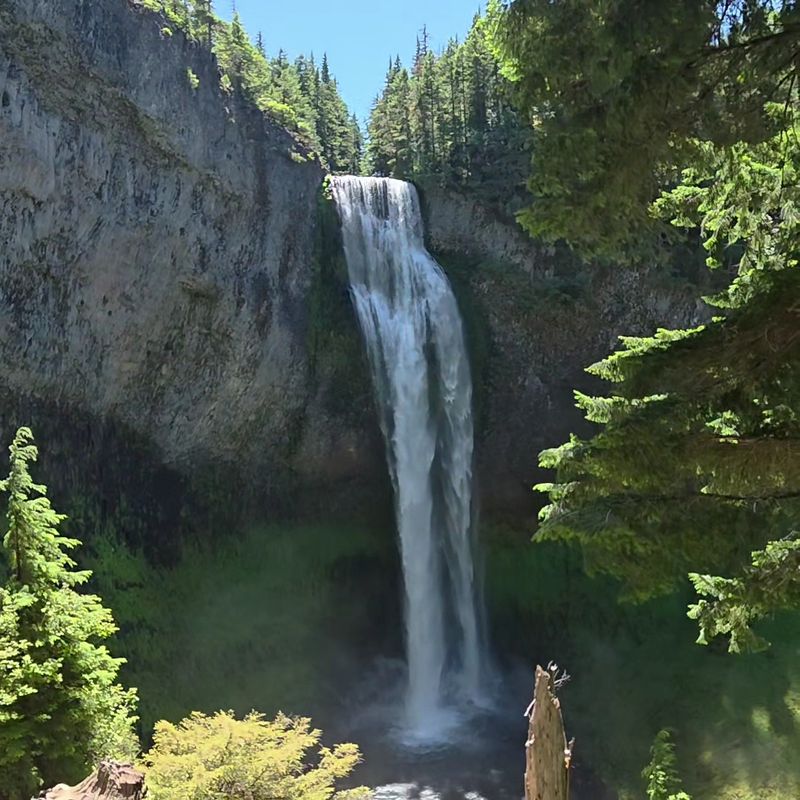
The drive to Salt Creek Falls is part of the reward. The waterfall sits within the Willamette National Forest in Lane County, Oregon, right off Highway 58 near Willamette Pass, roughly 1.5 hours southeast of Eugene.
The address most GPS systems recognize is along Highway 58, about 20 miles east of Oakridge, Oregon. The coordinates place it at approximately 43.6120 N, 122.1284 W, and the pull-off is well-marked with a clear sign from the road.
Getting there does not require any serious off-road driving. The road is fully paved up to the parking area, which makes it accessible for most vehicles, including standard sedans and family minivans.
The surrounding landscape along the drive is striking on its own. Tall Douglas firs line the highway, and the elevation climbs steadily as you approach the falls, giving the whole approach a sense of building anticipation.
If you are road-tripping through central Oregon or heading toward Crater Lake, this stop fits naturally into the route. It is one of those places that rewards travelers who pay attention to the signs along the way.
The Scale of the Drop: 286 Feet of Pure Power
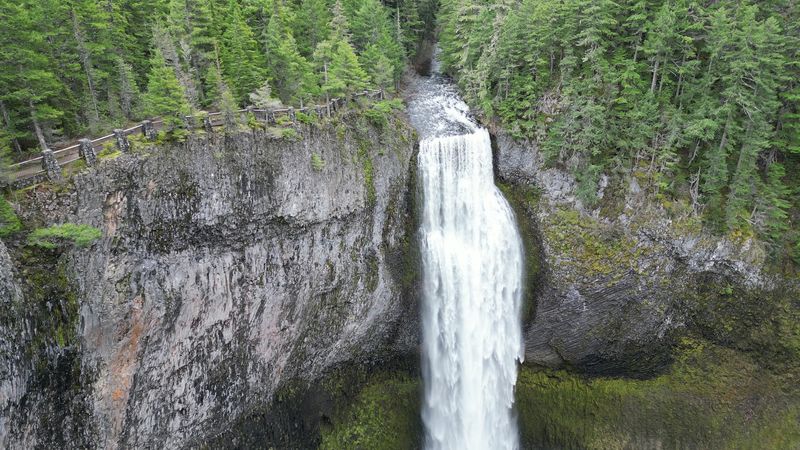
Numbers do not always mean much until you are standing right in front of them. At 286 feet, Salt Creek Falls is the second tallest waterfall in Oregon and one of the most impressive single-drop plunge waterfalls in the entire Pacific Northwest.
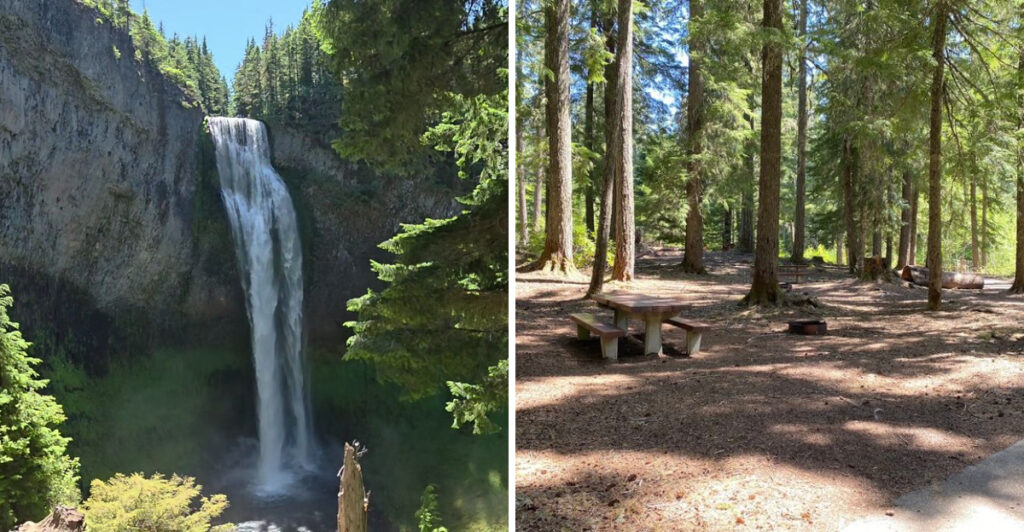
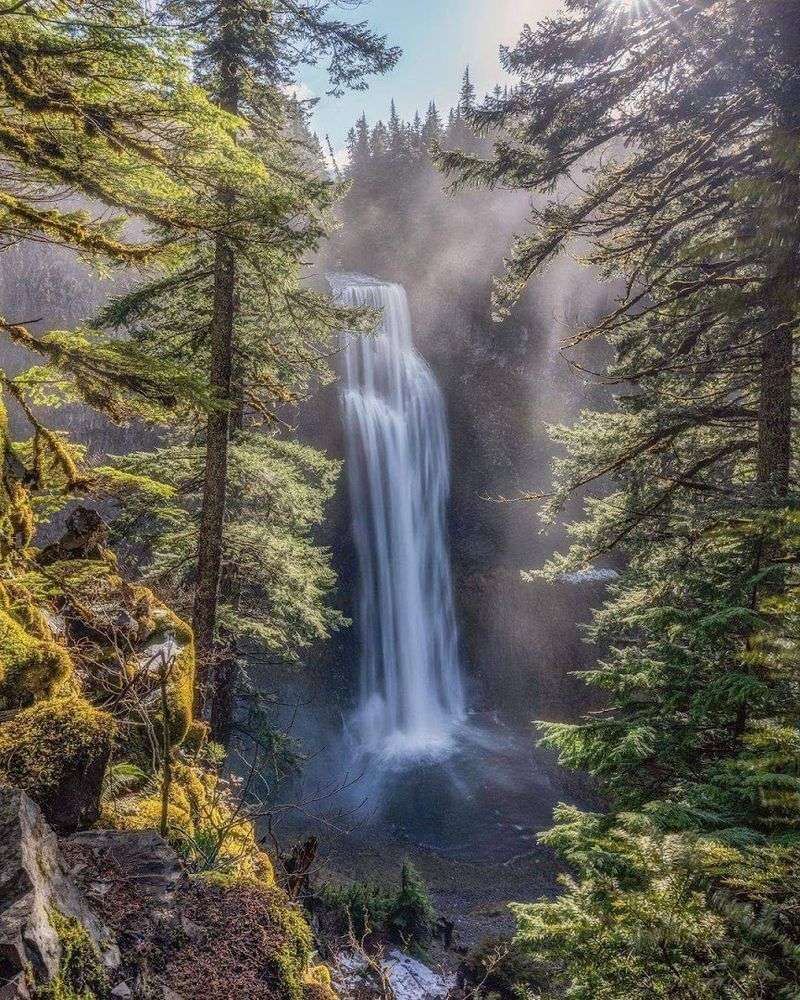
The water does not trickle or fan out. It launches off the basalt lip in one concentrated column and free-falls straight down into the canyon below, sending up a permanent cloud of mist that you can feel on your face from the viewing platform.
The volume of water flowing over the edge varies by season, but even in late summer, the falls hold their presence. In spring, when snowmelt feeds Salt Creek from the mountains above, the roar is loud enough to make conversation at normal volume nearly impossible.
Standing at the upper observation platform and looking straight down that drop gives you a genuine sense of the canyon’s depth. The walls are steep and dark with moisture, and the pool at the base reflects the white water above it.
Few waterfalls in Oregon deliver this kind of visual punch from this close a distance without requiring a serious hike to reach them.
The Observation Platform and What You See From It
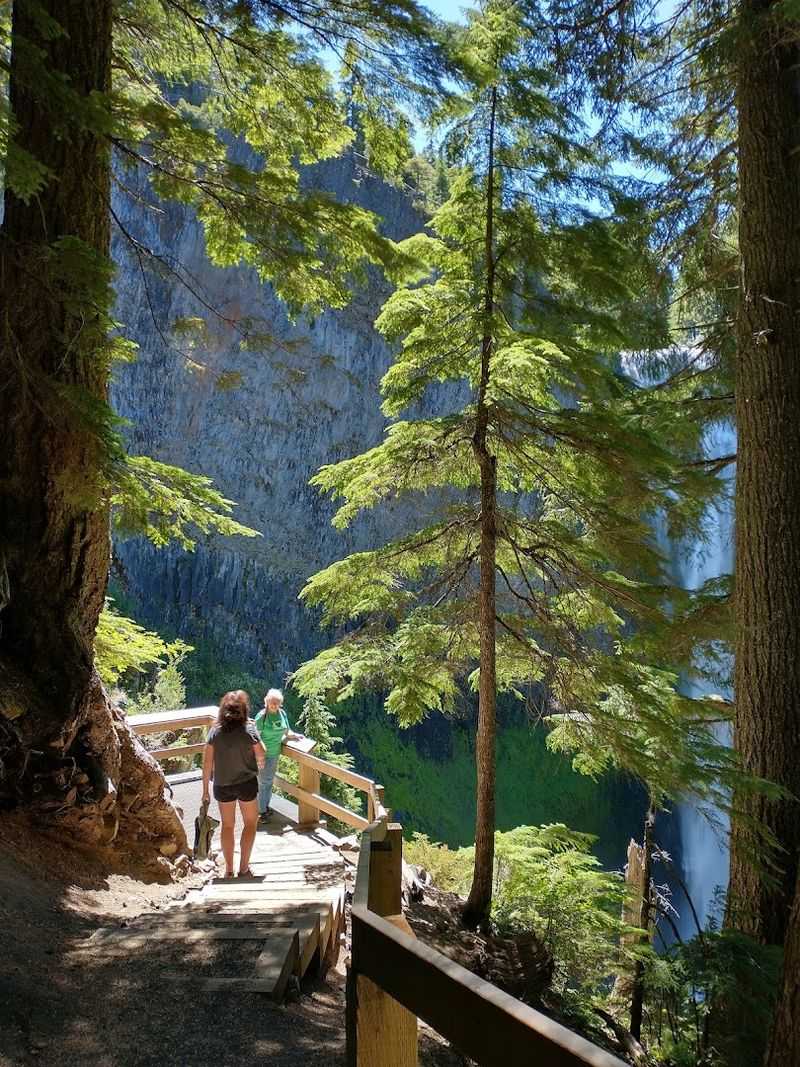
The main observation platform at Salt Creek Falls is one of the better-designed viewpoints I have seen at any waterfall in the Pacific Northwest. It sits at the top of the canyon, directly across from the falls, and gives you a full frontal view of the entire drop from top to bottom.
The platform is ADA-accessible, which means visitors who use wheelchairs or have limited mobility can reach it without navigating any uneven trail. The paved path from the parking area leads directly to it, and the whole walk takes under five minutes.
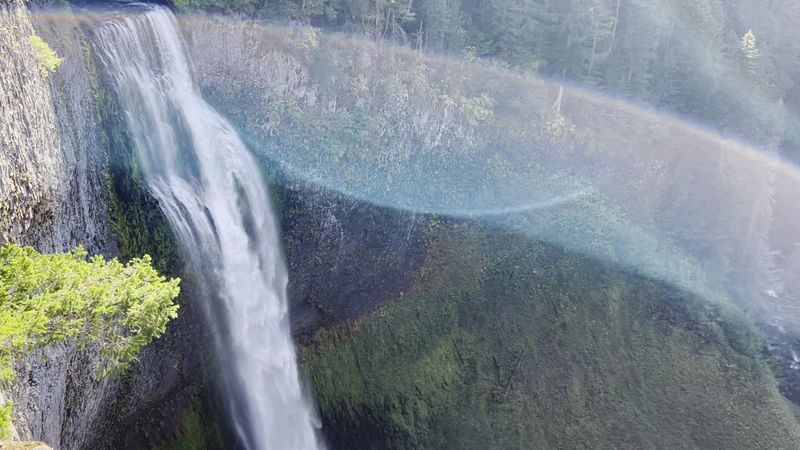
From the railing, you look straight into the face of the falls. The mist drifts toward you depending on wind direction, and on sunny days, small rainbows form in the spray.
The canyon walls frame the water on both sides, making every photo from this spot naturally composed.
There are sturdy metal railings all around the platform, which makes it a comfortable spot even for visitors who are not fans of heights. The educational signage nearby adds context about the geology and the watershed.
This viewpoint alone is worth the stop, even if you never set foot on the trail below.
Hiking Down to the Lower Viewpoint
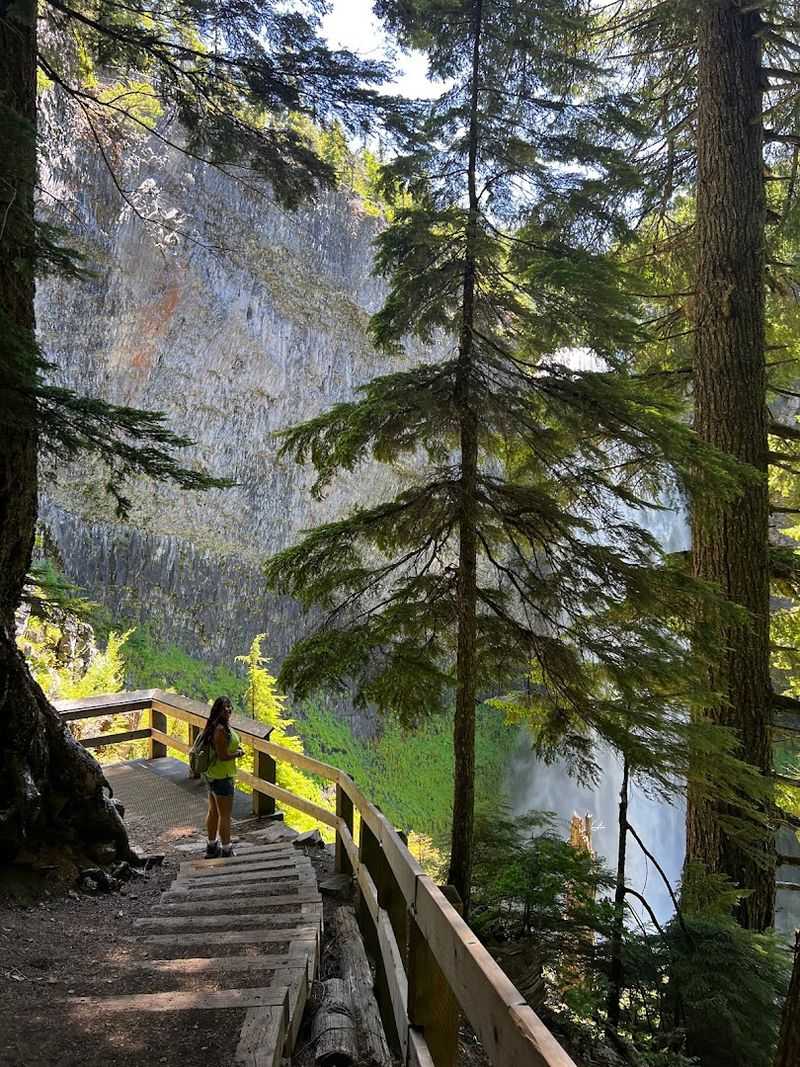
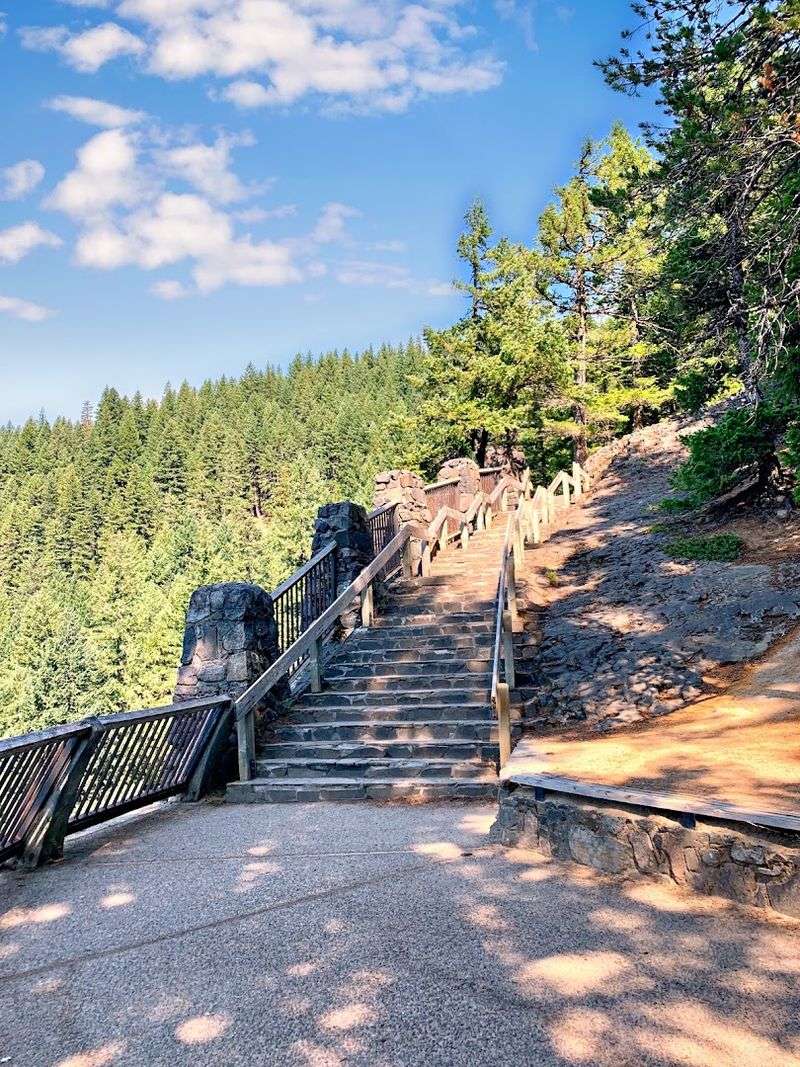
The trail down to the lower viewpoint is where the experience shifts from scenic overlook to full immersion. From the upper platform, the path descends about 300 feet in elevation through a mix of gravel trail and wooden stairs, hugging the canyon wall as it drops.
The descent takes roughly 15 to 20 minutes at a moderate pace. The trail is well-maintained and has handrails along the steeper sections, which helps on the way back up when your legs start to feel the grade.
At the bottom, the perspective changes completely. You are no longer looking at the falls from across the canyon; you are beneath them, looking up.
The scale feels different from down here, more immediate, and the sound fills the entire space around you.
The trail surface can get muddy after rain, so footwear with some grip is a smart call. Waterproof shoes or trail runners work well, and sandals are a gamble on the slippery sections near the base.
Dogs are welcome on the trail as long as they are kept on a leash, so four-legged hiking companions are not left behind in the car. The lower viewpoint rewards every extra step it takes to reach it.
The Loop Trail and Diamond Creek Falls
Most visitors stop at Salt Creek Falls and call it a day, which is completely understandable. But if you have a few extra hours and good shoes, the loop trail that continues to Diamond Creek Falls turns a quick stop into a full morning adventure.
The full loop connecting both waterfalls covers roughly 4.5 miles of trail through the Willamette National Forest. The path is marked with blue diamond-shaped metal markers nailed to the trees, making navigation straightforward even for first-time visitors to the area.
Diamond Creek Falls is a quieter, more intimate waterfall compared to the thundering main attraction. It drops in a two-tiered cascade through a narrow mossy canyon, and because fewer people make the walk out to it, you often have the spot almost entirely to yourself.
The forest along the loop is genuinely beautiful. Tall Douglas firs and Western red cedars create a canopy overhead, and the trail passes through sections of old-growth forest that feel very still and removed from everything.
Packing a lunch is a good idea if you plan to do the full loop. There are natural spots to rest along the way, and eating in that forest is a much better midday plan than any roadside restaurant nearby.
Parking, Fees, and Getting There Without Surprises
Practical details can make or break a day trip, so here is what you actually need to know before you show up. The parking area at Salt Creek Falls is a proper day-use lot with room for a good number of vehicles, but it fills up fast on weekends, especially during summer.
Arriving before noon is the safest strategy. By midday on a sunny Saturday in July, the lot can reach capacity and you may end up waiting or parking along the highway shoulder a short distance away.
There is a day-use fee of five dollars per vehicle. An electronic fee kiosk in the parking area accepts payment, and the process is quick and simple.
If you carry a Northwest Forest Pass or a National Parks and Federal Recreational Lands Pass, those are accepted in place of the cash fee.
Restrooms are available near the parking area, though ongoing maintenance work has temporarily affected their availability at certain times. Portable facilities have been on-site during construction periods, so you are not left without options.
The signage from the parking area to the trailhead is clear and easy to follow. Even first-time visitors rarely get confused about which direction to walk once they are out of the car.
Best Times of Year to Visit
Salt Creek Falls is worth a visit in every season, but the experience changes significantly depending on when you go. Spring is widely considered the peak time, and for good reason.
From late April through June, snowmelt from the Cascades feeds Salt Creek at full volume. The falls are at their most powerful during this window, and the surrounding forest is green and fresh.
Pacific rhododendrons bloom along the trail in May, adding pink and white color to the already lush scenery.
Summer brings longer days and drier trails, which makes the lower viewpoint hike more pleasant underfoot. The falls are still running well through July, though the volume drops slightly compared to spring.
Mosquitoes can be active in the forest during summer mornings, so insect repellent is worth packing.
Fall brings quieter crowds and a warm color shift in the forest canopy. The light at that time of year hits the canyon walls differently, making it a favorite season for photographers who prefer golden tones over green.
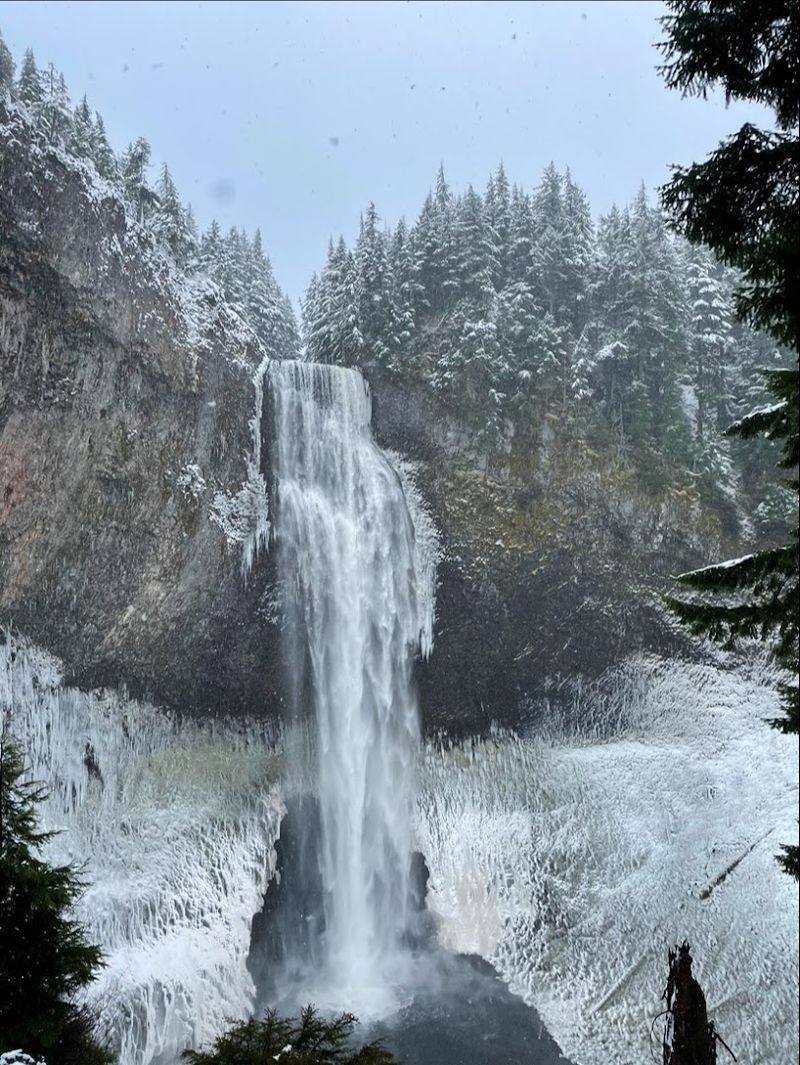
Winter visits are possible but require checking road conditions in advance, as Highway 58 near Willamette Pass can see snow and ice. The falls in winter have a dramatic, frozen-edged quality that rewards the effort of getting there.
Photography at the Falls: Tips for Getting the Best Shot
Salt Creek Falls is a dream location for anyone who enjoys photography. The combination of a tall single-drop waterfall, deep canyon walls, and dense forest creates a naturally dramatic frame that works in almost any lighting condition.
The upper observation platform is the go-to spot for wide shots that capture the full 286-foot drop. A wide-angle lens works well here, and shooting in the morning when the light enters the canyon at an angle produces better results than midday shooting when the contrast gets harsh.
For long-exposure shots that give the water a smooth, silky appearance, a tripod is essential. The platform has solid footing, and the railings can double as a stabilizer in a pinch, though a proper tripod gives you far more control over composition and shutter speed.
Mist from the falls can land on your lens if the wind shifts, so keeping a lens cloth within reach is practical advice rather than optional. A UV filter helps protect the glass from moisture without affecting image quality.
On sunny days, a double rainbow sometimes forms in the spray just below the lip of the falls. That shot requires patience and a bit of timing, but it is one of the more memorable frames you can take away from this place.
The Geology Behind the Falls
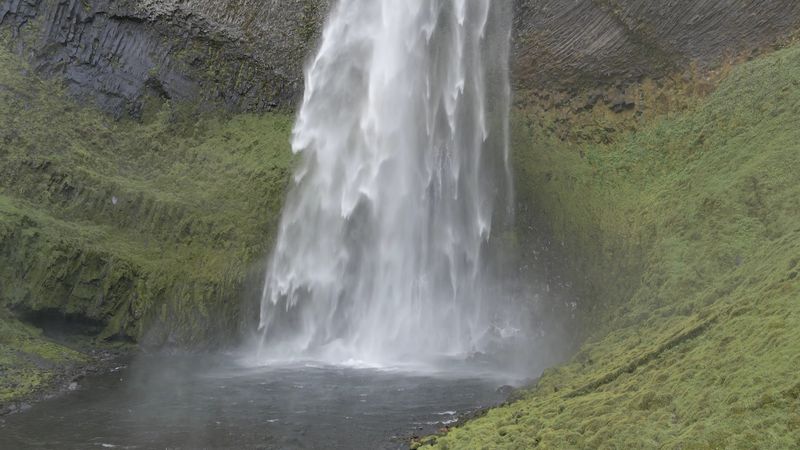
The reason Salt Creek Falls drops so dramatically in one single plunge comes down to the volcanic geology underneath your feet. The Willamette National Forest sits on a landscape shaped by ancient lava flows, and the basalt formations here are what created the hard rock lip that the creek runs over.
Basalt is extremely resistant to erosion compared to the softer rock below it. Over thousands of years, the creek carved through the softer material downstream while the basalt cap held firm, creating the vertical drop you see today.
The canyon walls are dark and streaked with moisture, showing the layered basalt formations that make up the gorge. Ferns and mosses cling to the wet rock faces, taking advantage of the constant mist that drifts up from the pool at the base.
The educational signage near the parking area explains some of this geological history in accessible language. It is genuinely interesting to read before you walk to the viewpoint, because it changes how you look at the rock faces and the shape of the canyon.
Understanding that this landscape took tens of thousands of years to form adds a layer of perspective to the experience that goes beyond just admiring how pretty the water looks falling through the air.
Wildlife and Forest Life Along the Trail
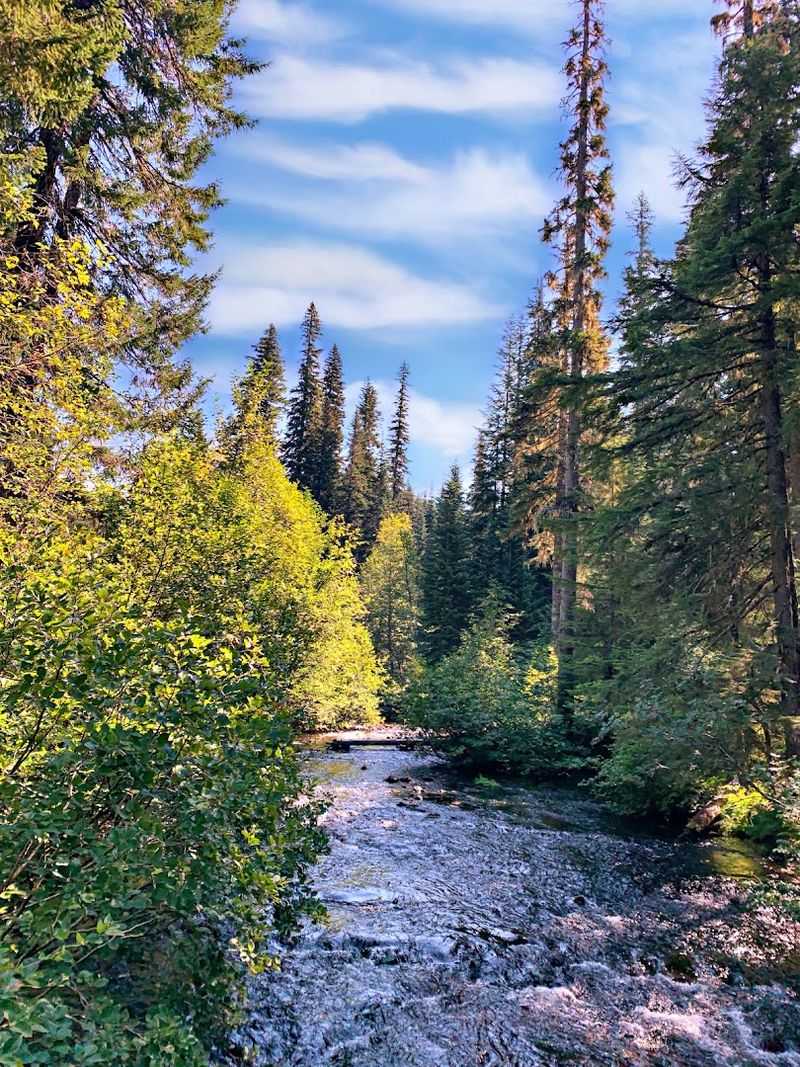
The forest around Salt Creek Falls is alive in ways that are easy to miss if you are moving quickly. The Willamette National Forest supports a wide range of wildlife, and the trail to the falls passes through habitat that many species call home year-round.
Steller’s jays are common along the trail and are not particularly shy about making their presence known. American dippers, small gray birds that bob up and down near moving water, can sometimes be spotted along Salt Creek itself, diving into the current to feed.
Black-tailed deer occasionally appear in the forest margins, especially in the early morning before foot traffic picks up. Keeping noise low on the approach to the falls increases your chances of seeing something beyond the waterfall itself.
The forest floor is thick with sword ferns, oxalis, and various mosses that thrive in the wet, shaded environment created by the old-growth canopy. In spring, wildflowers push up through the fern cover, adding color at ground level.
The old-growth sections of the trail near Diamond Creek Falls are particularly rich in biodiversity. Fallen nurse logs support their own micro-ecosystems, and the whole area has an undisturbed, quietly complex feeling that rewards slow, attentive walking rather than rushing through.
Visiting With Kids and Families
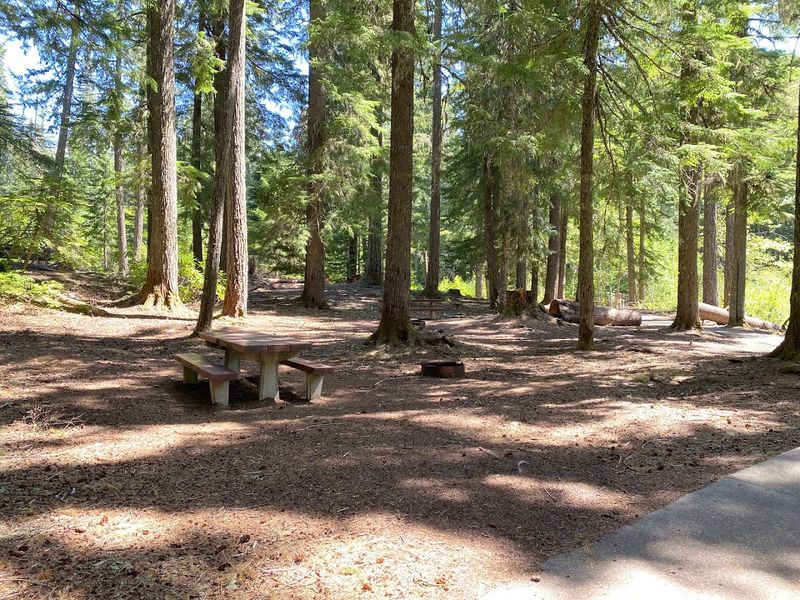
Salt Creek Falls works well as a family destination, but a few things are worth knowing before you bring young children. The upper observation platform is paved and accessible, making it easy to reach with a stroller or for kids who are not yet ready for trail hiking.
The lower trail involves a steep descent and some uneven terrain, which is manageable for older kids who are comfortable on trails. For younger children or toddlers, staying at the upper platform gives everyone a full view of the falls without the physical challenge of the descent.
The railings and fencing along the upper viewpoint are sturdy, but the canyon edge is real and the drop is significant. Keeping a close eye on energetic younger kids near the fence line is just common sense rather than overcaution.
The picnic area near the parking lot gives families a place to eat and rest before or after the walk. Tables are available, and the setting under the trees makes it a genuinely pleasant spot for a packed lunch.
Children tend to respond strongly to the sound and scale of the falls. The mist, the roar, and the sheer size of the drop make a memorable impression on kids, and many families report that it becomes a go-to stop on repeat road trips through the region.
Final Thoughts on Salt Creek Falls
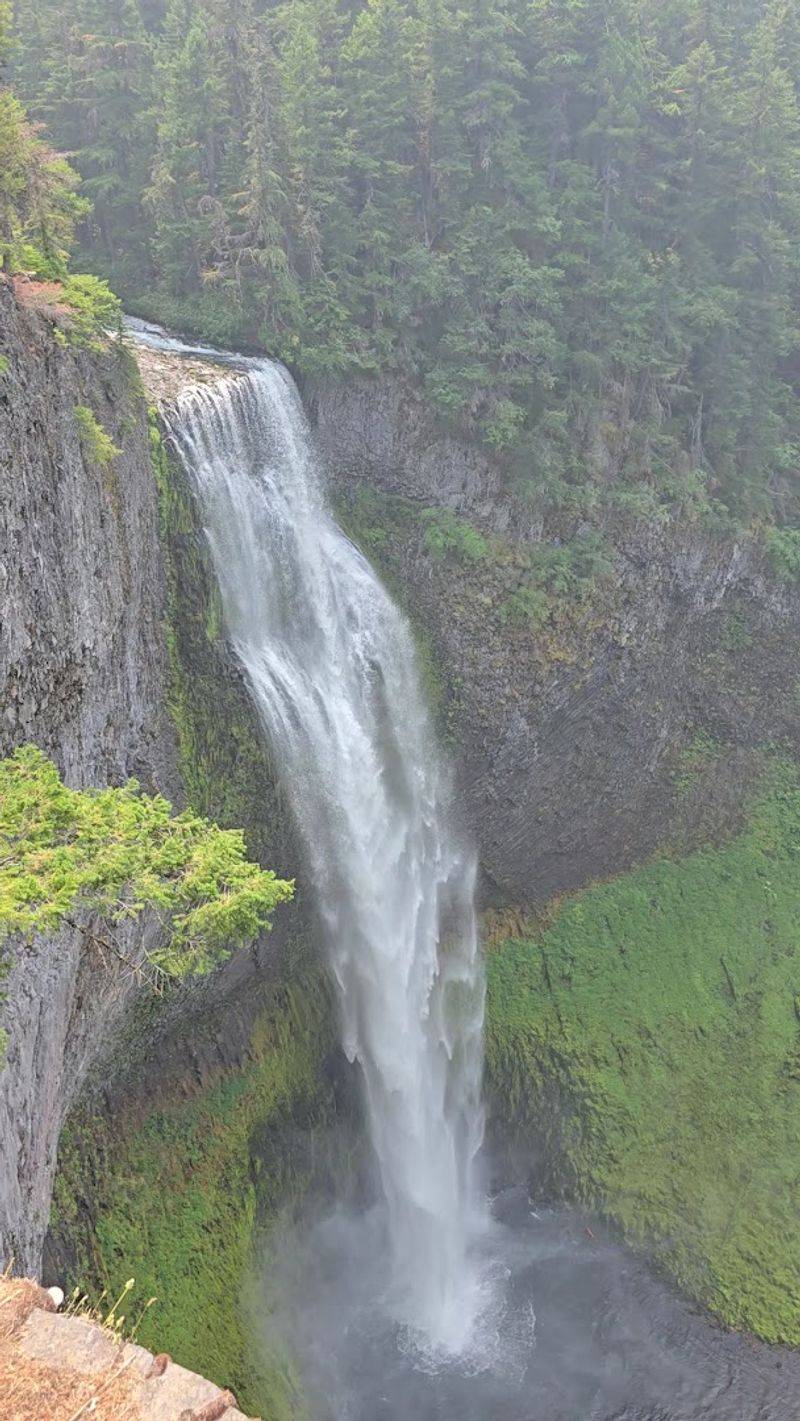
Some places exceed expectations, and Salt Creek Falls is firmly in that category. The combination of easy access, dramatic scenery, and genuine natural power makes it stand out even in a state that has no shortage of impressive waterfalls.
Whether you stop for twenty minutes to take in the view from the upper platform or spend a full day hiking the loop to Diamond Creek Falls, the experience scales to whatever time you have available. That flexibility is part of what makes it such a reliable destination.
The five-dollar parking fee is one of the better deals in Oregon outdoor recreation. You get a maintained trail, educational signage, restroom access, a picnic area, and a front-row seat to one of the tallest waterfalls in the state, all for the price of a cup of coffee.
The falls hit differently depending on the season you visit, which gives repeat visitors a reason to return rather than feeling like they have already seen everything the place has to offer.
Salt Creek Falls earns its near-perfect rating not through hype but through consistent delivery. The water falls, the canyon holds it, and the forest frames the whole thing in a way that feels completely unhurried and completely worth your time.
Share this story