Knights were supposed to stand for courage, loyalty, and good manners. In practice, some of them made entire kingdoms nervous.
Between roughly 1050 and 1500, Europe was shaped by crusades, border wars, rebellions, and the long Hundred Years’ War between England and France. Those conflicts created opportunities for ambitious warriors to build reputations that traveled faster than any messenger on horseback.
A few knights earned their fame through brilliant tactics and steady leadership. Others became known for raids, sieges, and a stubborn refusal to quit after defeat.
Some even made money from fear itself, since cities often paid them to go fight somewhere else. Medieval chroniclers loved a good story, and they were not always careful with the facts.
A warrior’s deeds could grow larger with every retelling, which is why historians today compare sources before trusting a dramatic tale. Fame and fear did not always come from the same place.
In the list ahead, you will meet tournament champions, royal heirs, rebels, mercenaries, and one knight remembered more for his courtroom trial than his battles. You will learn where they fought, what made opponents worry, and which parts of their legends actually hold up.
Their stories stretch from Spain to Scotland and from the eleventh century into the sixteenth.
1. William Marshal, England
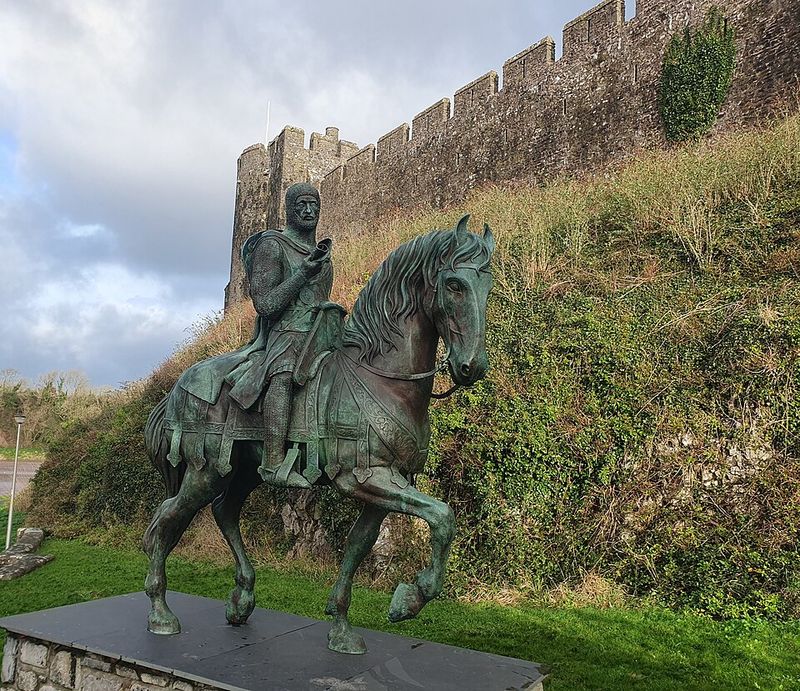
Few medieval careers started with less promise. Born around 1146 as a fourth son in a minor noble family, William had no inheritance waiting for him.
So he built one with a lance. After being knighted in 1166, he became a star of the tournament circuit, where knights fought mock battles and captured rivals for ransom.
A biography written soon after 1219 claimed he unhorsed over 500 knights. Historians treat that number with caution, but his skill was clearly real.
Marshal went on to serve Henry II, Young Henry, Richard I, John, and Henry III. That is five kings, each with a very different temper.
In 1217, at about seventy, he personally led the charge at the Battle of Lincoln and restored royal control. As regent, he also helped reissue Magna Carta.
Archbishop Stephen Langton called him the best knight that ever lived.
2. Bertrand du Guesclin, France
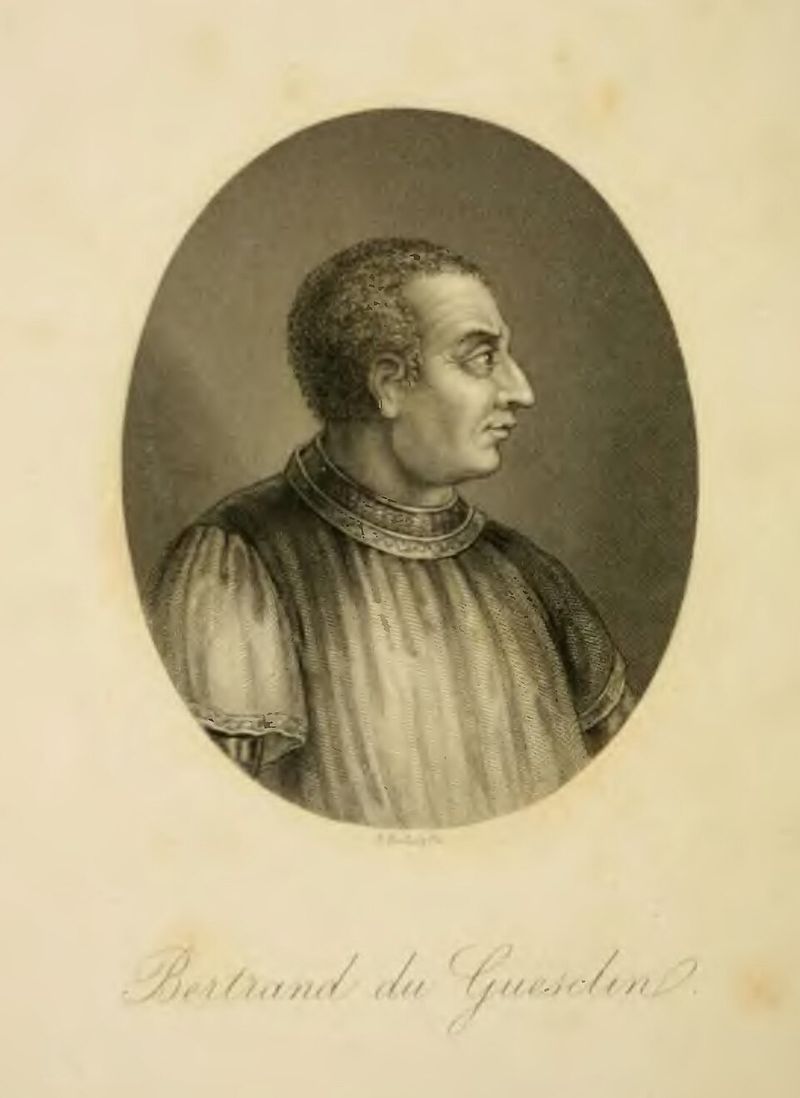
Handsome he was not, and his own admirers admitted it. Bertrand du Guesclin, born in Brittany around 1320, looked more like a wrestler than a storybook hero.
He also skipped the fancy rules of polite warfare. Instead of waiting for grand open battles, he preferred raids, ambushes, and patient sieges that wore English garrisons down.
Losing did not slow him much. He was captured more than once, ransomed, and then went right back to work.
His campaigns stretched across Brittany, France, and Spain. In 1370, King Charles V named him Constable of France, the top military office in the kingdom.
Under his leadership, France steadily won back land it had lost to England. English commanders learned that a knight who avoided big battles could still take away their castles, one town at a time.
3. Edward of Woodstock, the Black Prince, England
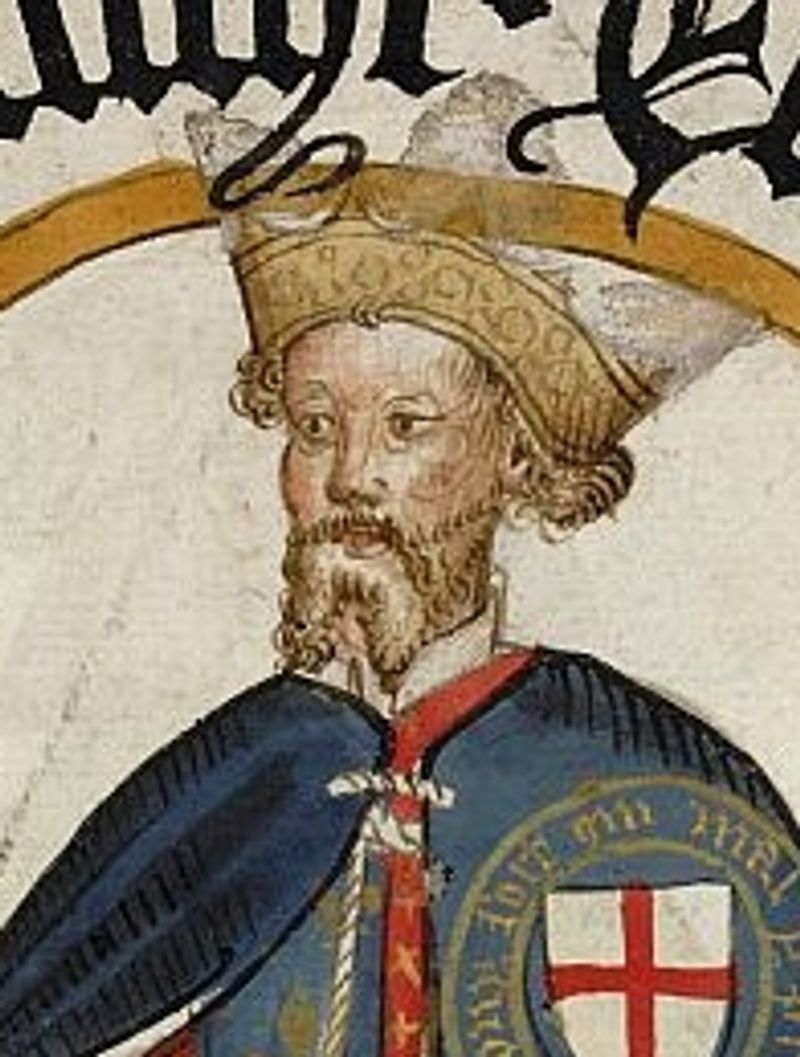
Most teenagers in 1346 were not commanding a wing of the English army. Edward of Woodstock was sixteen when he fought at the Battle of Crécy, and he held his ground.
Born in 1330 as the eldest son of Edward III, he seemed destined for the throne. His battlefield record made that future look even brighter.
In 1356, he led English forces at Poitiers. The result stunned Europe, because his army captured King John II of France.
His campaigns also included chevauchées, long raids through French countryside. These targeted farms, towns, and supplies to weaken the French economy, and ordinary people bore much of the cost.
Later writers praised his chivalry, but his opponents remembered the raids. Curiously, the nickname Black Prince only became common long after his time.
He passed away in 1376, a year before his father, and never wore the crown.
4. Robert the Bruce, Scotland
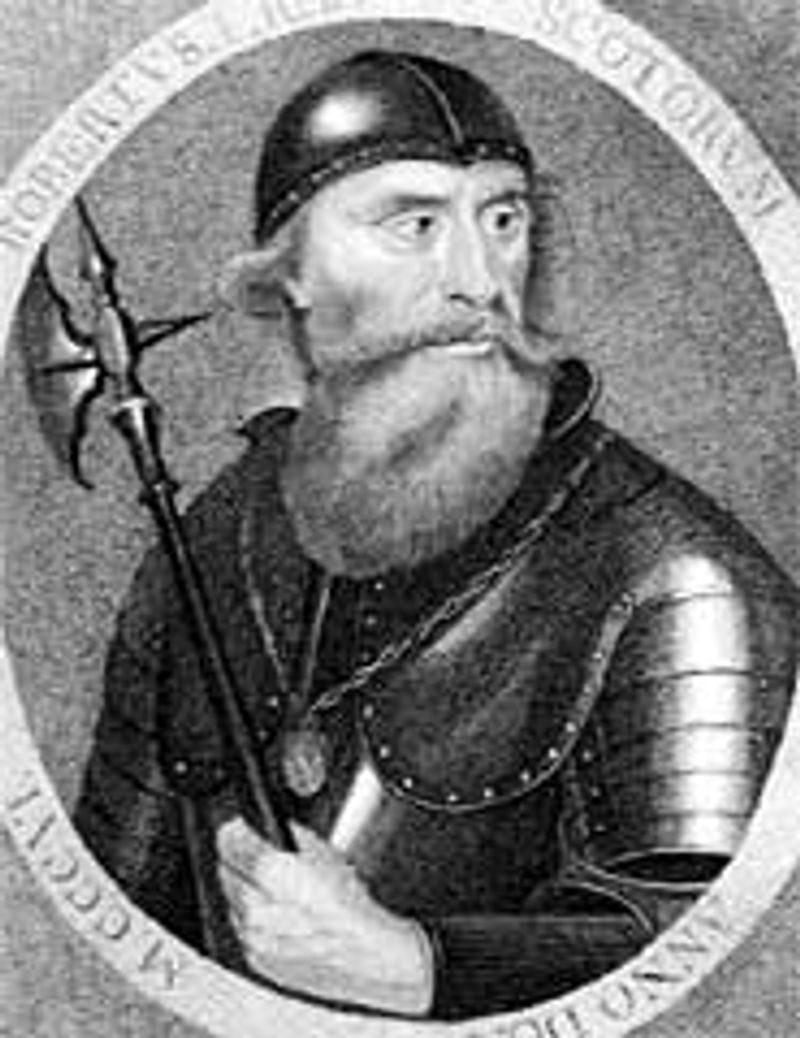
Crowned in 1306, Robert spent his first year as king mostly on the run. Defeats, rivals, and English armies left him with very little kingdom to rule.
He rebuilt it slowly. Bruce avoided risky pitched battles at first, using fast raids and surprise attacks to capture English-held castles one by one.
His patience paid off at the Battle of Bannockburn in 1314. There, Scottish forces defeated a much larger English army led by King Edward II.
A famous story says that before the main fight, the English knight Henry de Bohun charged at Bruce. The king, riding a small pony, stepped aside and struck him down with an axe.
That account comes from later sources, so details may be polished. Still, Bruce turned a nearly hopeless position into a lasting victory, and Scotland’s independence was recognized in 1328.
5. John Hawkwood, England and Italy
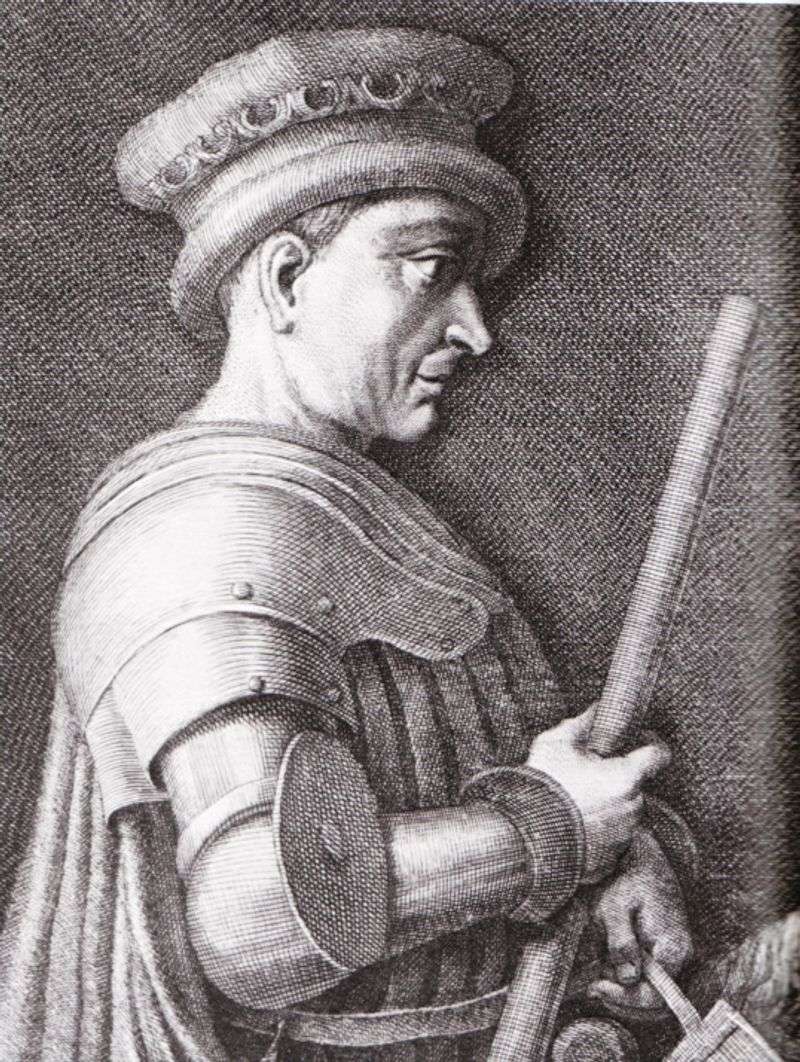
Some knights fought for king and country. John Hawkwood fought for whoever paid on time.
Born in Essex around 1320, he likely learned soldiering in the Hundred Years’ War. When peace slowed things down in France, he headed south to Italy.
There he became linked with the White Company, a band of professional English soldiers. Italian city-states were constantly quarreling, which meant steady work for a capable captain.
Hawkwood was known for discipline, speed, and smart use of mounted troops. He was also known for demanding payments from towns that wanted to be left alone.
Many rulers decided it was cheaper to hire him than to fight him. Florence eventually employed him for years.
In 1436, the city honored him with a large painted memorial by Paolo Uccello inside its cathedral, where visitors can still see it today.
6. Jean II Le Maingre, Boucicaut, France
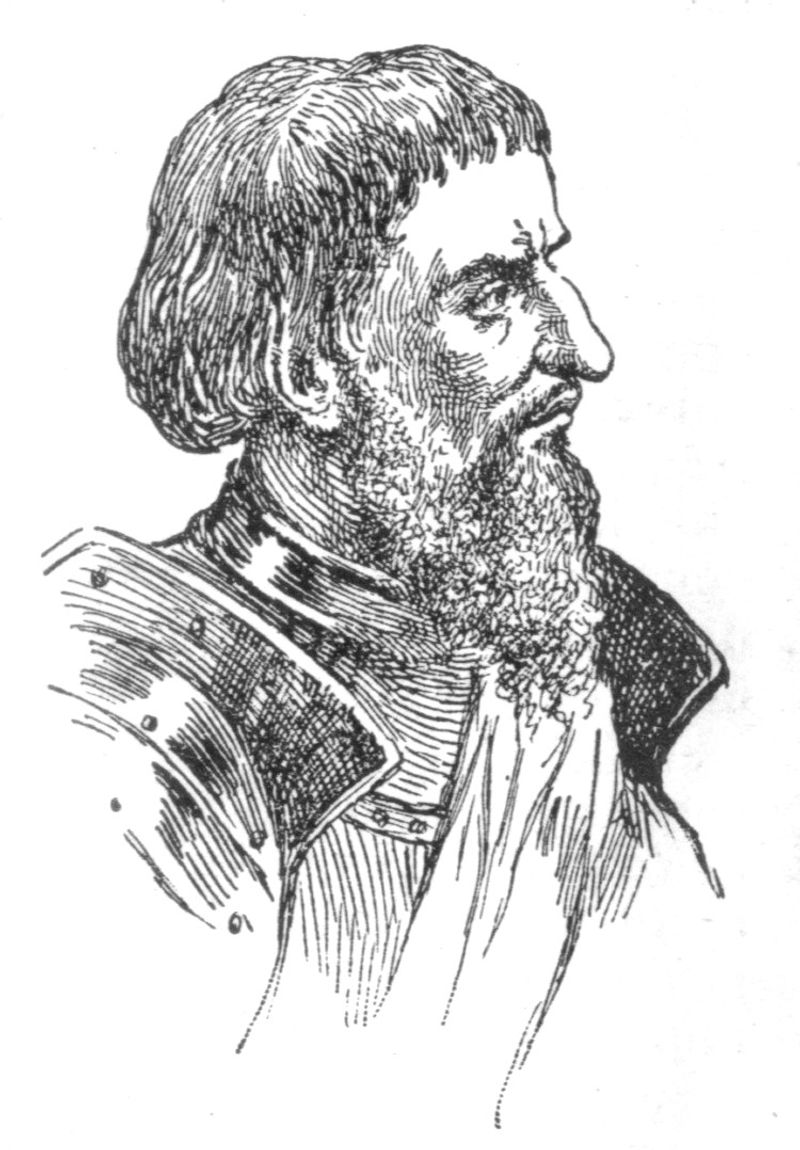
Picture a man climbing the underside of a ladder using only his hands, while wearing full armor. That training trick was credited to Boucicaut, and it says a lot about him.
Born in 1366, he became famous for strength, tournament wins, and a love of adventure. He traveled widely, joining campaigns from the Baltic to the eastern Mediterranean.
In 1396, he joined the Crusade of Nicopolis. The Christian army suffered a crushing defeat against Ottoman forces, and Boucicaut was taken prisoner before being ransomed.
He bounced back quickly. He became Marshal of France and later served as governor of Genoa.
His luck finally ran out at Agincourt in 1415, where the English captured him. He never returned to France.
A detailed biography written during his lifetime presented him as a model knight for others to copy.
7. Henry Percy, Hotspur, England
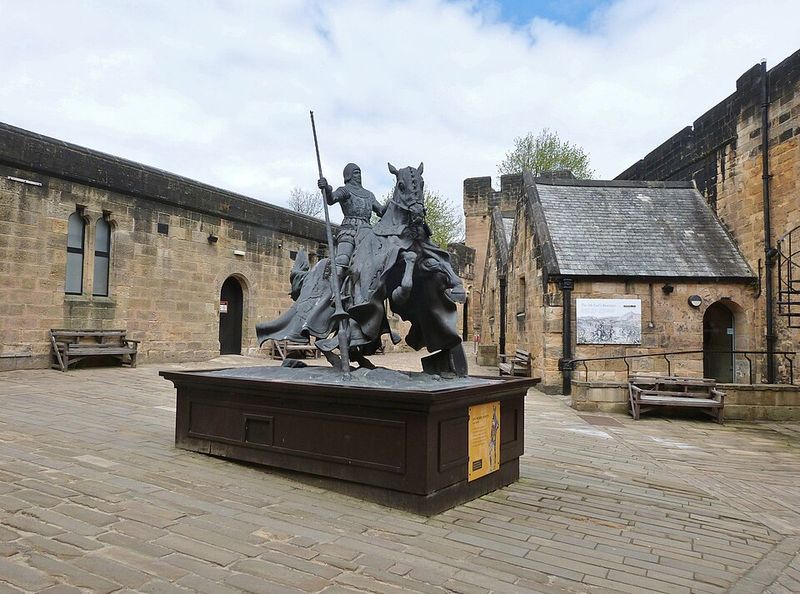
Nicknames rarely come more fitting. Scottish opponents called Henry Percy Hotspur because he charged into fights as if his spurs were on fire.
Born in 1364, he came from one of northern England’s most powerful families. Guarding the Scottish border was practically the family business.
His boldness did not always work. At the Battle of Otterburn in 1388, the English lost and Percy was captured.
He returned stronger. In 1402, he helped win a major victory over the Scots at Homildon Hill.
Then came a dramatic turn. Hotspur joined a rebellion against King Henry IV, and the uprising ended at the Battle of Shrewsbury in 1403, where his side lost and his story closed.
William Shakespeare later made him a star of Henry IV, Part 1. The play shows a hot-headed hero, which matches the historical record surprisingly well.
8. James Douglas, the Black Douglas, Scotland
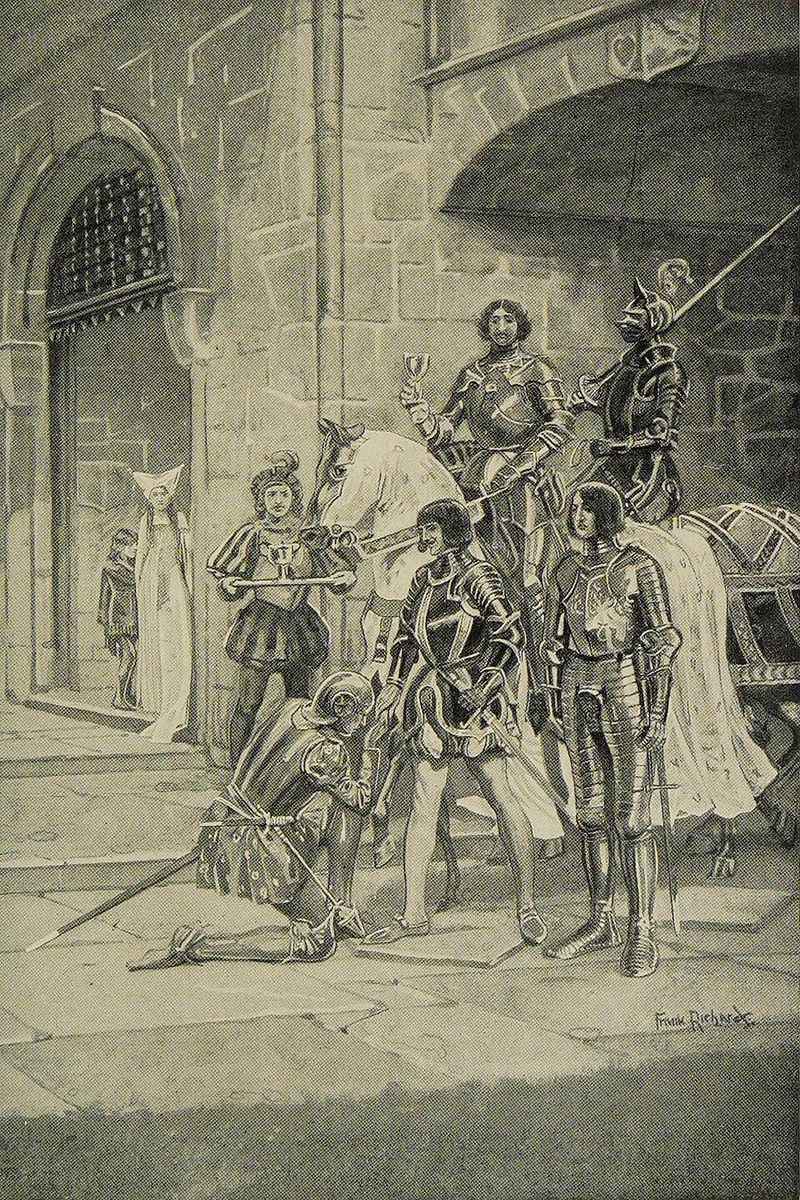
English families in the northern borderlands reportedly hushed their children with a short warning: the Black Douglas will get you. That is quite a reputation for one knight.
Born around 1286, James Douglas became Robert the Bruce’s most trusted captain. He specialized in quick raids, surprise attacks, and moving through rough country that slowed bigger armies.
In 1307, he recaptured his own family home, Douglas Castle, from an English garrison. He then destroyed the stored supplies so the enemy could not use the castle again, an episode remembered as the Douglas Larder.
Surviving accounts disagree on details, but the message was clear. Holding castles in Scotland was becoming very hard work.
Douglas also fought at Bannockburn in 1314. In 1330, while carrying Bruce’s heart on a journey toward the Holy Land, he joined a campaign in Spain, where his story ended.
9. Geoffroi de Charny, France
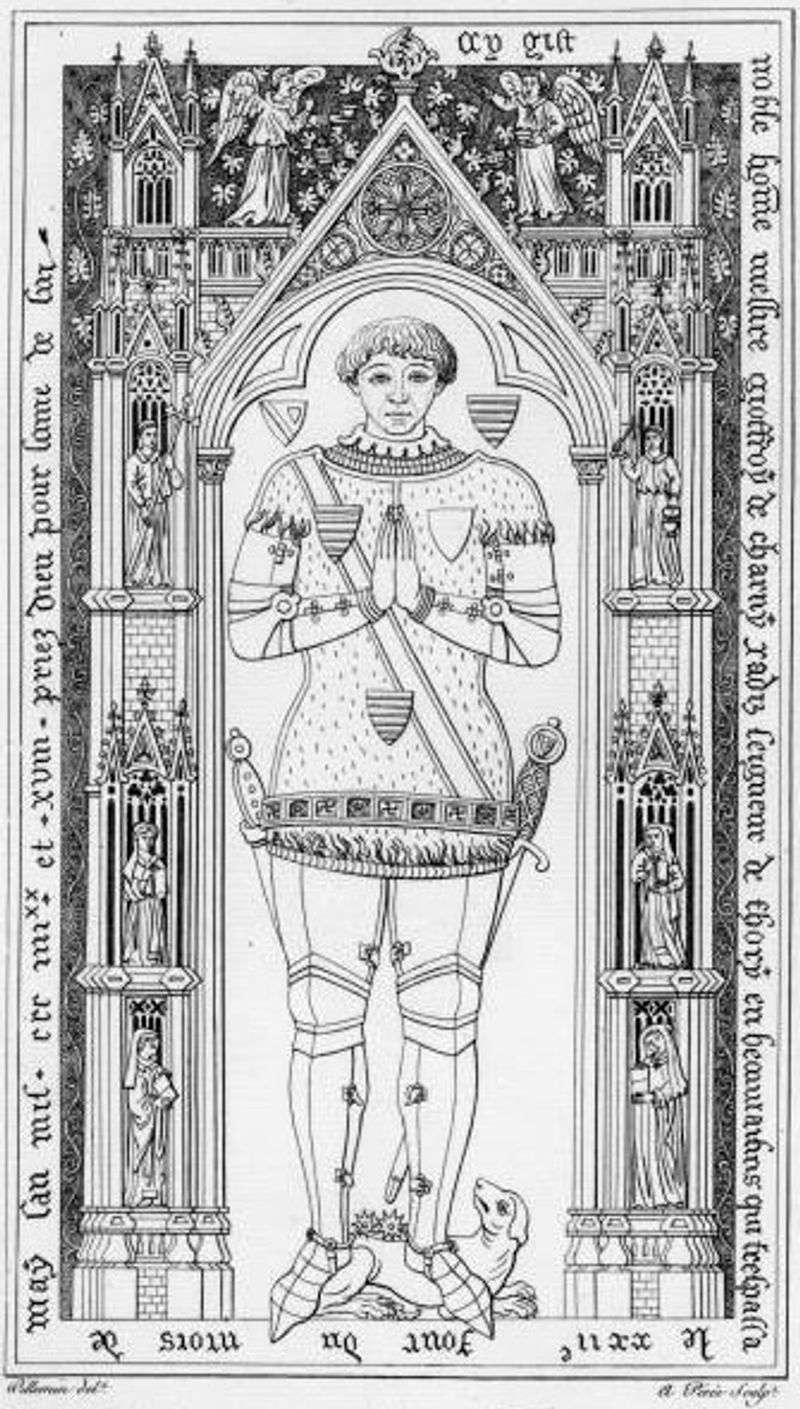
Writing a rulebook for knights takes confidence. Geoffroi de Charny had earned the right.
Born in the early 1300s, he fought through the early decades of the Hundred Years’ War and became a respected voice at the French royal court. His experience covered sieges, battles, and even a stretch as a prisoner in England.
He was chosen to carry the Oriflamme, the sacred red battle banner of the French kings. Only a knight with outstanding standing received that honor.
Charny also wrote the Book of Chivalry. In it, he argued that real knights should accept hardship, stay humble, and value honor above comfort.
He followed his own advice at the Battle of Poitiers in 1356, holding the Oriflamme until the very end. Fun fact: his family also owned the cloth later known as the Shroud of Turin.
10. Rodrigo Díaz de Vivar, El Cid, Spain
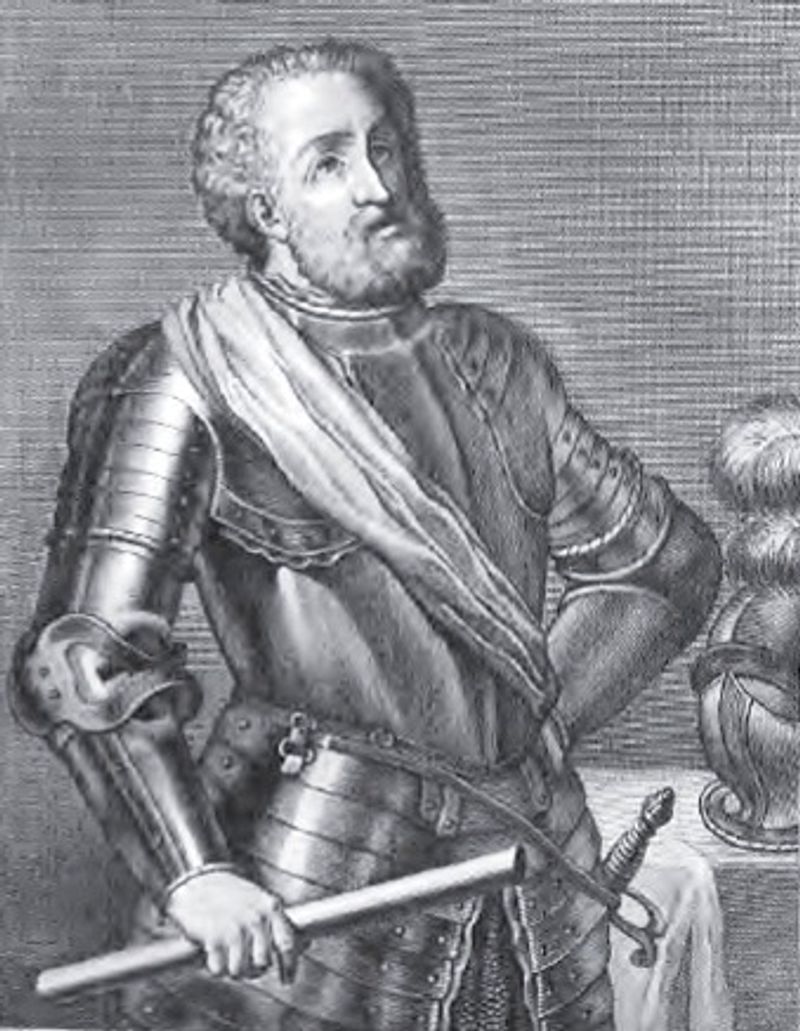
Exiled by his own king, Rodrigo Díaz did something unexpected. He went to work for a Muslim ruler.
Born around 1043 in Castile, he first served the Christian kings of Castile and León. After falling out with Alfonso VI, he offered his sword to the ruler of Zaragoza.
That move reflects how medieval Spain actually worked. Alliances often followed politics and money, not religion.
His title, El Cid, likely comes from an Arabic word meaning lord. He also earned the name Campeador, meaning battle master.
His biggest prize came in 1094, when he captured Valencia and ruled it as his own territory. Few knights ever became independent rulers.
After 1099, the epic Poem of the Cid turned him into a flawless Christian hero. The real man was more complicated, and arguably more interesting.
11. Richard I, the Lionheart, England
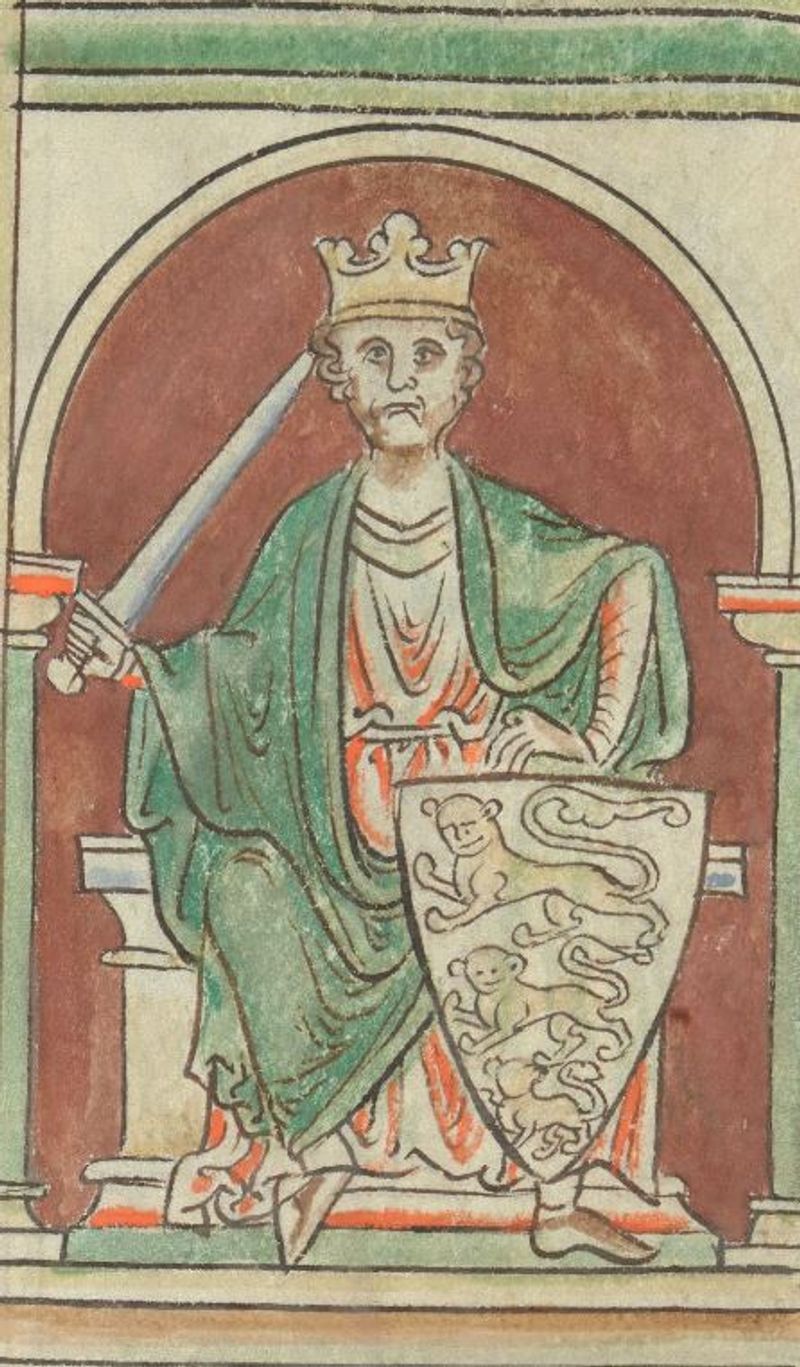
England’s most famous warrior king spent only about six months of his ten-year reign actually in England. Richard I was usually busy fighting somewhere else.
Born in 1157, he took the throne in 1189 and quickly set off on the Third Crusade. He was already known for hard campaigning in France.
In 1191, he helped capture the port city of Acre. That same year, his army defeated Saladin’s forces at the Battle of Arsuf, securing the coast for the crusaders.
His reputation had a harsh side. After Acre, he ordered the slaying of a large group of Muslim prisoners, an act still debated by historians.
Despite his victories, he never retook Jerusalem. Saladin reportedly respected him as an opponent anyway.
Richard’s story ended in 1199 after a crossbow wound during a siege in France.
12. William Wallace, Scotland
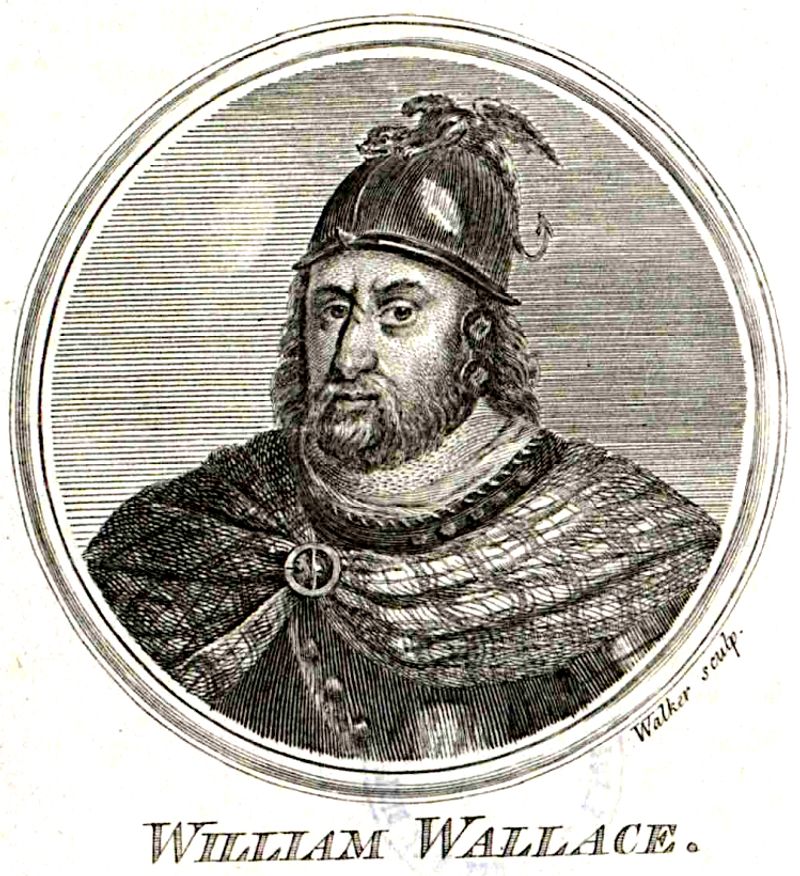
Forget the blue face paint from the 1995 movie. The real William Wallace won his biggest battle with something less flashy: good timing.
Born around 1270, he rose to lead Scottish resistance against English rule in the 1290s. He was a minor landowner’s son, not a great lord.
At Stirling Bridge in 1297, he and Andrew Moray waited while an English army crossed a narrow bridge over the River Forth. When only part of the force had crossed, the Scots attacked.
The English army was split in two and badly beaten. Wallace was soon named Guardian of Scotland.
His fortunes changed in 1298, when Edward I defeated him at Falkirk. Wallace kept resisting for years until his capture in 1305 and his sentencing in London.
Today, a tall monument near Stirling honors him.
13. John Chandos, England
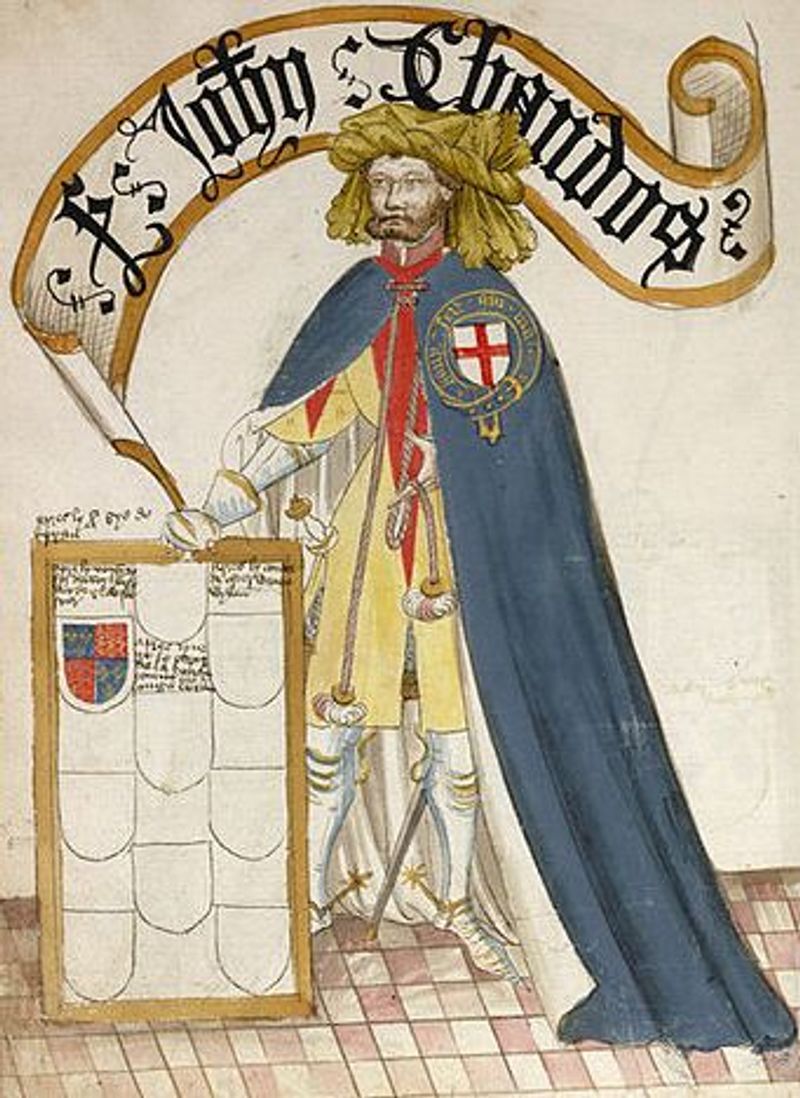
Behind many famous commanders stands a quieter expert. For the Black Prince, that expert was Sir John Chandos.
Born around 1320, Chandos served Edward III and became one of the prince’s closest advisers. He fought at both Crécy in 1346 and Poitiers in 1356.
His real strength was judgment. He knew where to place troops, when to attack, and when to wait.
That skill showed in Spain and France. In 1364, he led English forces to victory at Auray in Brittany, where he captured Bertrand du Guesclin, number two on this list.
Chroniclers on both sides admired his fairness and good conduct. Even French writers spoke well of him.
He was badly wounded in a skirmish near Poitiers at the end of 1369. His career proves that a knight could become formidable through planning, not just personal daring.
14. Götz von Berlichingen, Germany
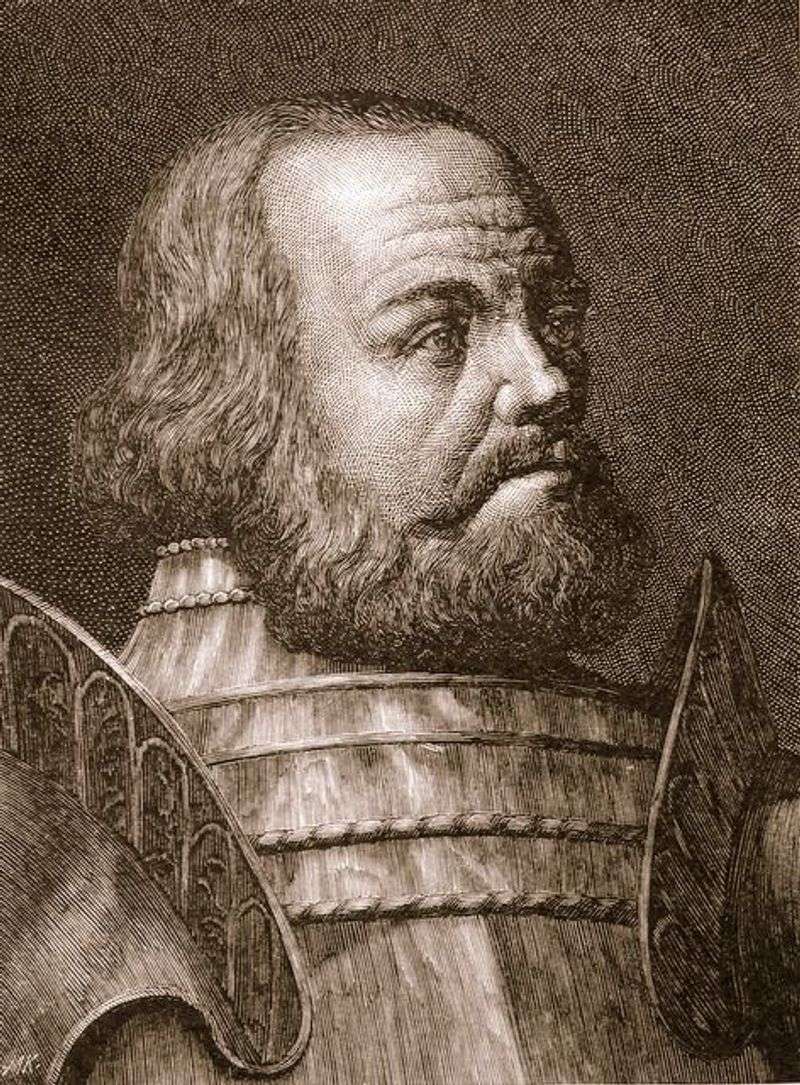
Losing a hand to a cannonball would end most fighting careers. For Götz von Berlichingen, it was just a reason to call a blacksmith.
Born around 1480, he belonged to the German imperial knights, a class of nobles answerable only to the emperor. In 1504, during a siege at Landshut, a cannon shot struck his sword and wrecked his right hand.
He replaced it with an iron prosthetic. The mechanical fingers could grip a sword or reins, and one of his iron hands still survives in a museum today.
Götz spent decades in feuds with cities, bishops, and nobles. He was also pulled into the Peasants’ War of 1525, though his exact role is still debated.
He wrote his own autobiography, and Goethe later turned his life into a famous play. He lived into his early eighties.
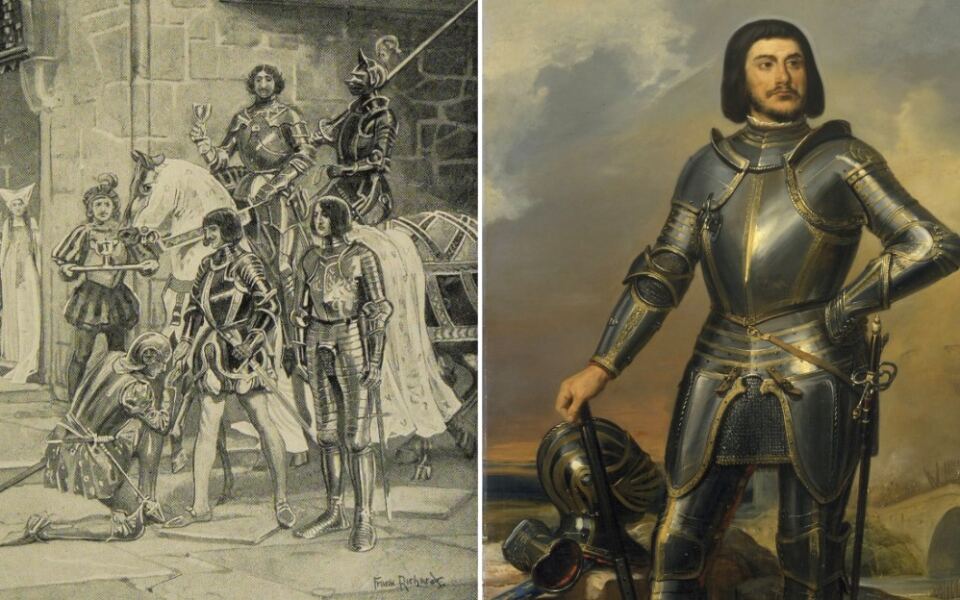
15. Gilles de Rais, France
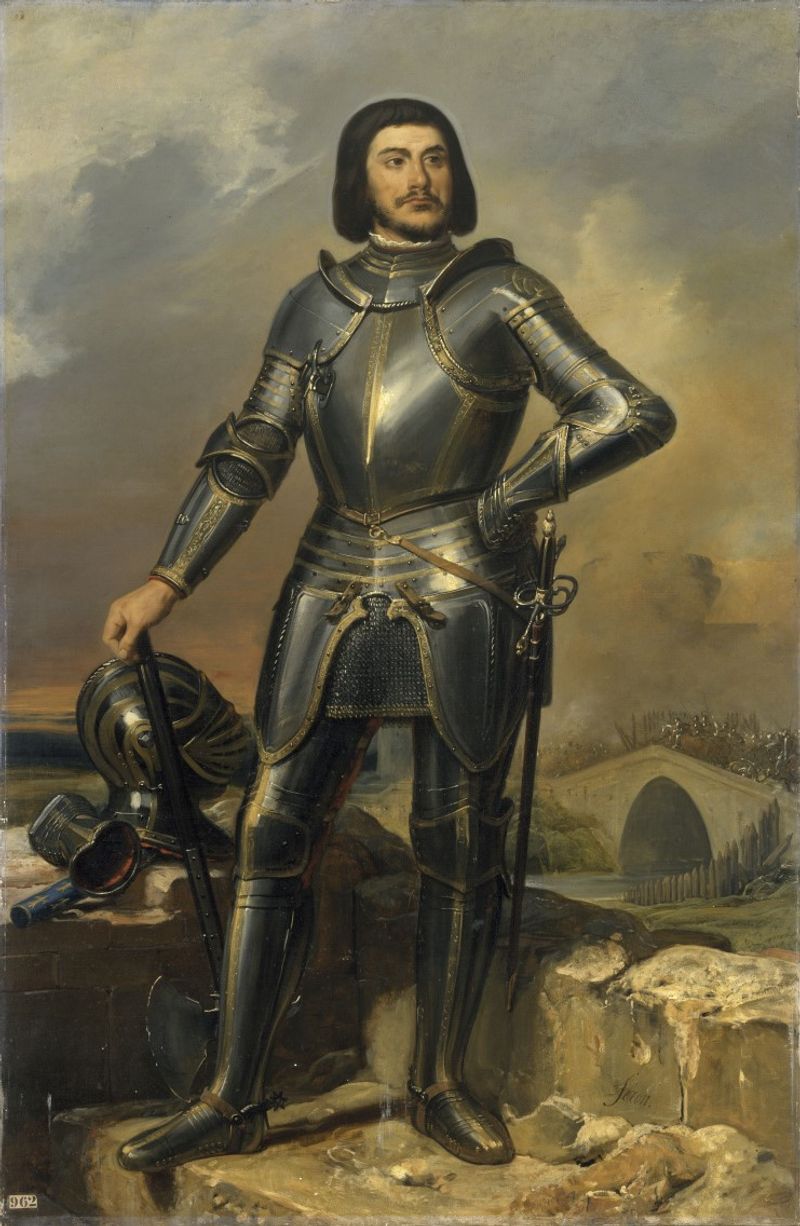
Not every knight on this list earned his reputation in battle. Gilles de Rais is remembered for a courtroom, not a battlefield.
Born around 1405, he was one of the richest nobles in France. As a young commander, he fought beside Joan of Arc during the campaign to lift the siege of Orléans in 1429.
That same year, he was named Marshal of France at about twenty-four. On paper, his future looked spectacular.
Things fell apart over the following decade. He spent his fortune lavishly, sold off lands, and quarreled with church officials.
In 1440, he was put on trial and convicted of very serious crimes against children, and he was sentenced that October. The trial records are long and detailed.
Some historians question parts of the proceedings, but his name remains a warning about how far a knight could fall from the ideals of chivalry.
Share this story