Atlanta has long been known as the heart of the American Civil Rights Movement, and some of that history is still alive in its food stops. From soul food institutions where movement leaders planned strategy over fried chicken, to bakeries and markets sitting in neighborhoods that shaped a nation, the city’s food culture and its freedom story are deeply connected.
These are not museum exhibits behind glass. They are working kitchens, busy lunch counters, and neighborhood staples where history shows up on the menu every single day.
Whether you grew up in Atlanta or you are visiting for the first time, eating your way through these ten spots is one of the most meaningful ways to understand what this city has been through and where it is headed.
Busy Bee Cafe, Atlanta, Georgia
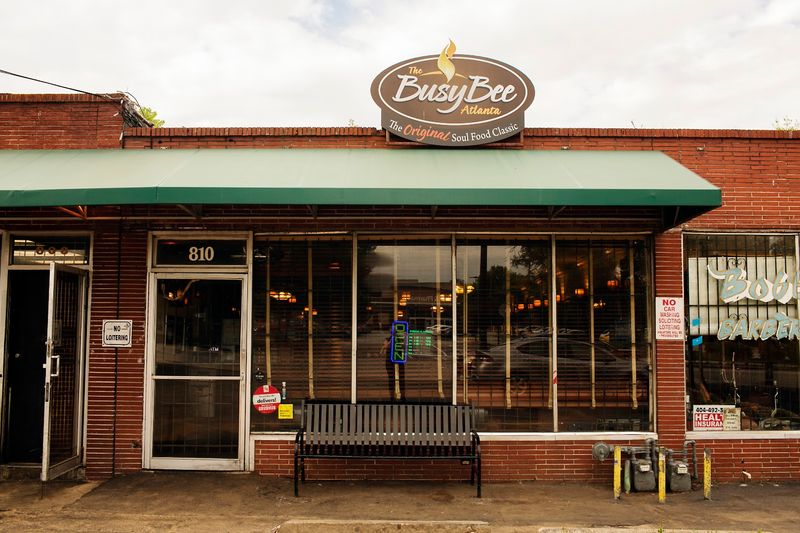
Busy Bee Cafe opened the same year as Paschal’s, in 1947, on what was then Hunter Street, now renamed Martin Luther King Jr. Drive. That address alone tells you something about the neighborhood’s significance.
Andrew Young has referenced Busy Bee alongside Paschal’s as places where movement workers started their days before heading out to organize.
The menu has stayed grounded in tradition: fried chicken, oxtails, collard greens, macaroni and cheese, and peach cobbler are among the dishes that have kept regulars coming back for decades. Discover Atlanta and Atlanta Magazine both recognize Busy Bee as one of the still-open restaurants directly connected to Atlanta’s civil rights dining history.
What makes this stop stand out is that the history is not a marketing angle. Busy Bee’s identity grew out of its neighborhood and the people it fed.
The restaurant is still operating, still rooted in the same community where it all began.
Mary Mac’s Tea Room, Atlanta, Georgia
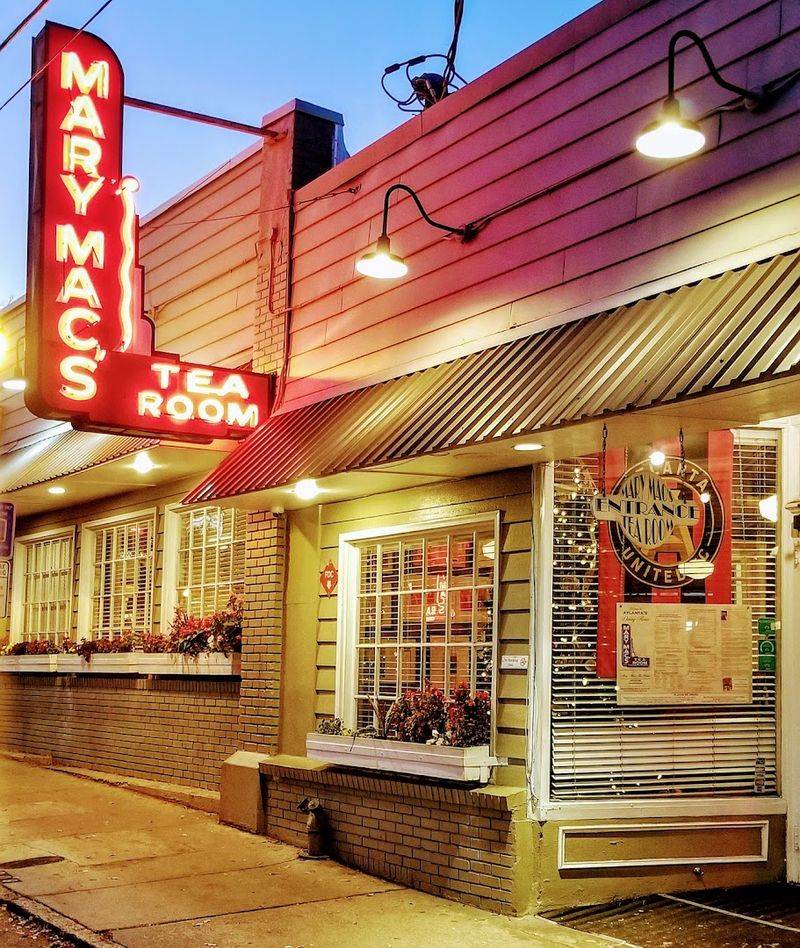
Mary Mac’s Tea Room opened in 1945, and by 1962 it had done something that very few Atlanta restaurants were willing to do: it became one of the first in the city to integrate its dining room during the Civil Rights Movement. That decision placed it firmly in the city’s changing racial history, even if it was not an organizing headquarters the way Paschal’s was.
The restaurant sits in Midtown Atlanta and is still open daily, serving made-from-scratch comfort food that has earned it a loyal following across generations. Fried chicken, yeast rolls, and rotating Southern specials are the backbone of the menu.
Mary Mac’s is the kind of place where the dining room itself carries meaning. Sitting down for a meal here connects you to a moment when a restaurant’s choice to open its doors to everyone was genuinely courageous.
The food is good, and the context makes it better.
Sweet Auburn Curb Market, Atlanta, Georgia
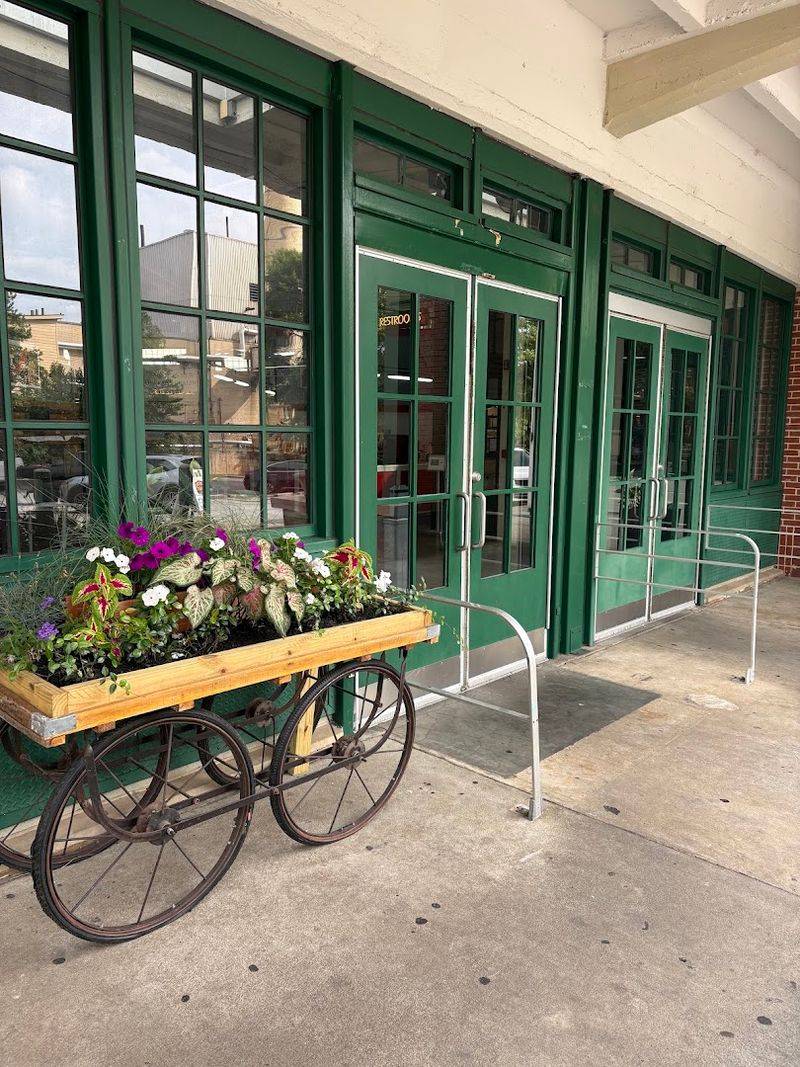
The Municipal Market, better known as Sweet Auburn Curb Market, has been feeding Atlantans since 1918. It moved into its current building in 1924 and has been a fixture of the Sweet Auburn corridor ever since.
That neighborhood is one of the most historically significant Black business districts in the country and the childhood home of Dr. Martin Luther King Jr.
Explore Georgia connects the market directly to Atlanta’s Civil Rights Movement history, and its location in Sweet Auburn gives every meal eaten here an extra layer of meaning. The market houses multiple local vendors and eateries under one roof, which makes it easy to graze through different foods in a single visit.
This is not a sit-down restaurant with one menu. It is a living, working piece of Sweet Auburn’s commercial story, where you can grab a meal while standing inside a building that has witnessed more than a century of Atlanta history.
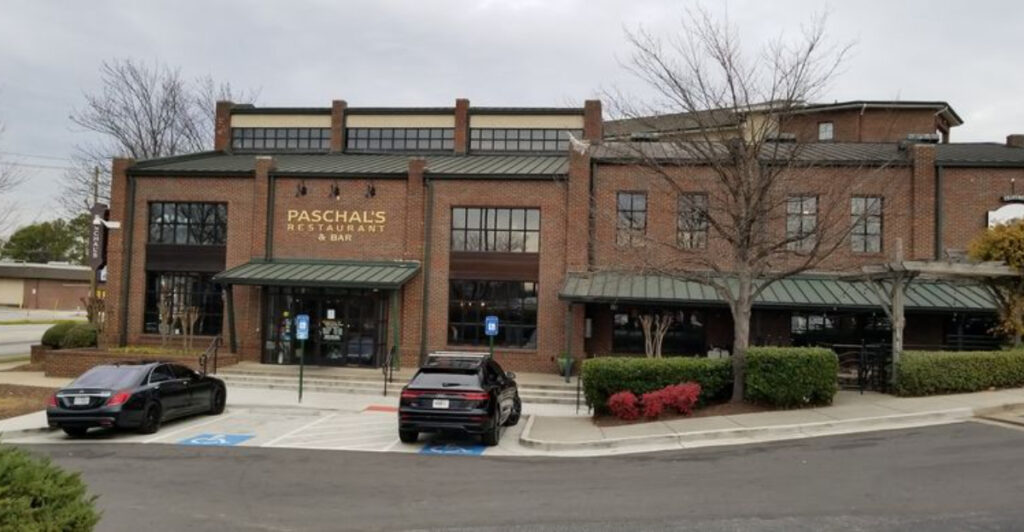
Paschal’s Restaurant, Atlanta, Georgia
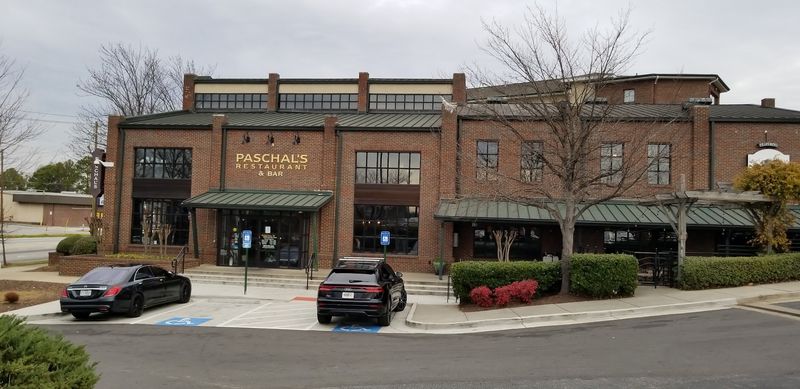
Few restaurants in America carry the weight that Paschal’s does. Brothers James and Robert Paschal opened this place in 1947, and it quickly became far more than a dining room.
Civil rights leaders, activists, and community organizers gathered here regularly, using its tables as informal meeting spaces during one of the most consequential periods in American history.
The New Georgia Encyclopedia describes Paschal’s as an important meeting place for Civil Rights Movement leaders, and the restaurant’s own story backs that up at every turn. It kept its doors open to Black and white customers at a time when segregation made that a bold statement.
Today, Paschal’s operates as a soul food restaurant and event space, still serving its famous 1947 fried chicken recipe alongside macaroni and cheese and Southern classics. The history here is not background decoration.
It is the whole point of the meal.
Auburn Angel, Atlanta, Georgia
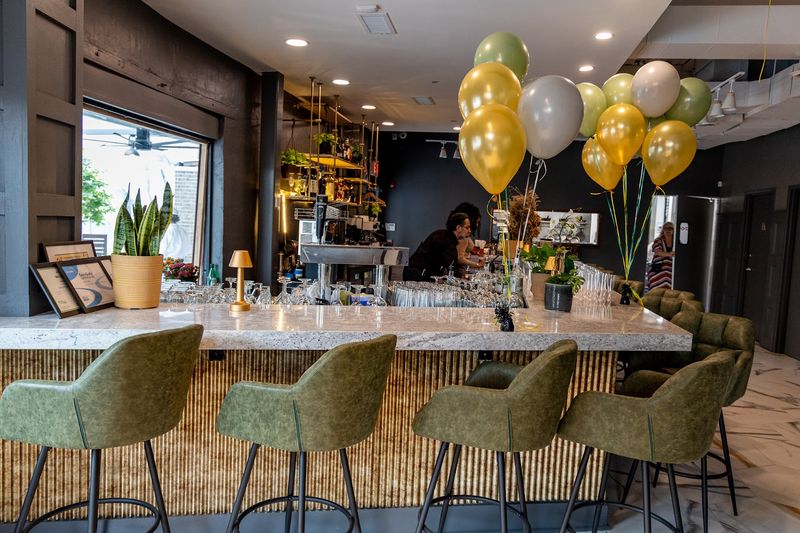
Auburn Angel brings something different to this list: it is a newer restaurant, but it opened inside a space that carries genuine historical weight. Located at 302 Auburn Ave NE, the restaurant revived a spot that previously housed Auburn Avenue Rib Shack, a place Southern Living described as a gathering spot for civil rights activists in Sweet Auburn.
Atlanta Magazine noted that the older Rib Shack space fed churches, businesses, and civil rights organizations for decades. Auburn Angel did not erase that legacy when it moved in.
It stepped into it, bringing the space back to life in a neighborhood that deserves active, operating businesses, not just bronze markers.
The restaurant accepts reservations and hosts private events, which makes it a practical choice for groups exploring Sweet Auburn intentionally. The food is the draw, but the address is the story.
Auburn Avenue has always mattered, and Auburn Angel is part of keeping it relevant today.
Waffle House, Atlanta, Georgia
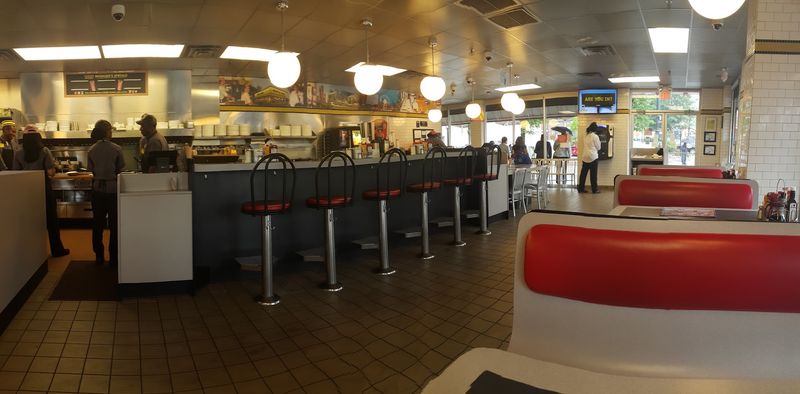
Waffle House on a civil rights history list might raise an eyebrow, but the connection is real and documented. Rough Draft Atlanta names Waffle House alongside Busy Bee Cafe and Paschal’s as restaurants that helped feed the movement.
Eater Atlanta reported that co-founder Joe Rogers Sr. welcomed Black protesters who were demonstrating outside a former Midtown Waffle House location in the 1960s.
The chain traces its origins to Georgia in 1955, making it a product of the same era as the movement itself. Multiple Atlanta-area locations are still operating, many around the clock, which is part of what made the chain accessible to workers and organizers at all hours.
To be clear, a Waffle House booth is not a preserved civil rights dining room. But the documented Atlanta history gives it a legitimate place in this conversation.
Sometimes the most democratic spaces in a city are the ones that stay open when everything else closes.
Sweet Auburn Bread Company, Atlanta, Georgia
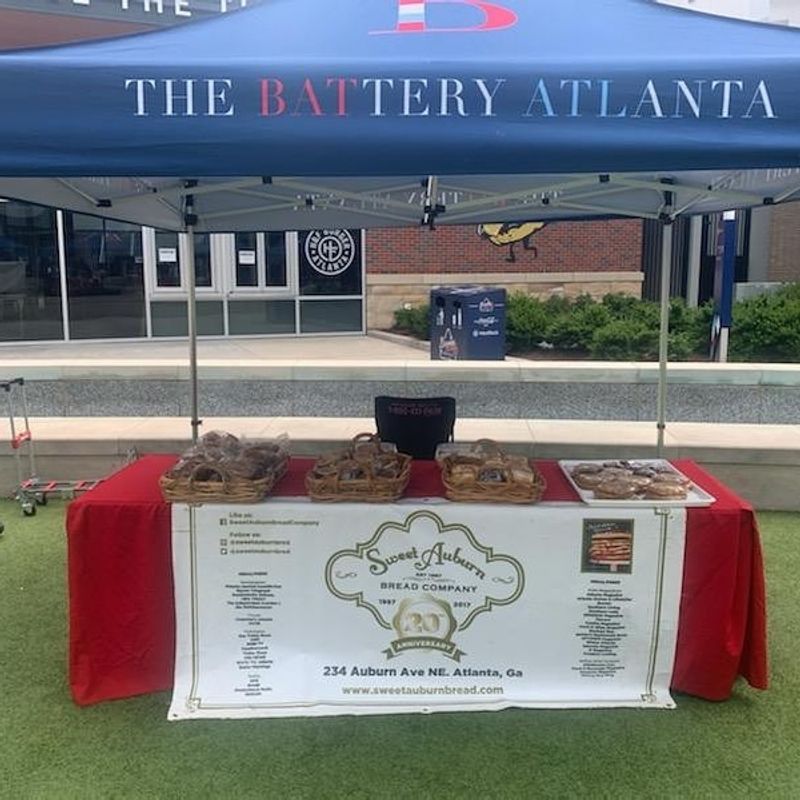
Not every stop on a civil rights history food tour needs to be a soul food institution. Sweet Auburn Bread Company earns its place through location and cultural context.
The bakery operates on Auburn Avenue, one of the most historically significant streets in Atlanta, sitting in the same corridor tied to Dr. King’s childhood, Black entrepreneurship, and the organizing networks that shaped the movement.
The bakery’s menu features homemade baked goods, including sweet potato cheesecake, which has become one of its most talked-about offerings. It is a lighter option in a neighborhood that can feel heavy with history, and sometimes that balance is exactly what a long day of exploring needs.
Sweet Auburn Bread Company is not a 1960s organizing site, and it should not be presented as one. What it offers is a taste of modern Black-owned food culture thriving on a street where that kind of enterprise has always mattered.
That continuity counts for something real.
Just Add Honey Tea Company, Atlanta, Georgia
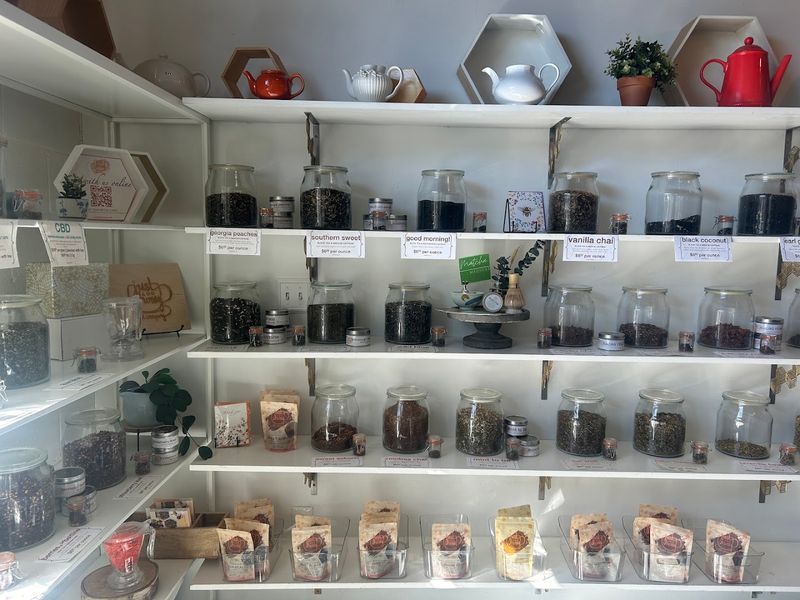
Just Add Honey Tea Company has operated inside Sweet Auburn Curb Market, which immediately gives it a geographic connection to one of Atlanta’s most important historic districts. The cafe offers loose leaf teas, coffee, desserts, books, and gifts, making it a noticeably different experience from the heavier Southern plates that anchor most of this list.
The Sweet Auburn Curb Market has been a working market since the early 20th century, and the businesses inside it today are part of a long tradition of commerce in a neighborhood that Black Atlantans built and defended through some of the country’s most difficult decades.
Just Add Honey is best understood as a modern expression of that same spirit. It is a Black-owned business operating in a historically Black market, in a historically Black district, in a city where those details have never been incidental.
Sometimes a cup of tea in the right place carries more history than it appears to.
Bankhead Seafood, Atlanta, Georgia
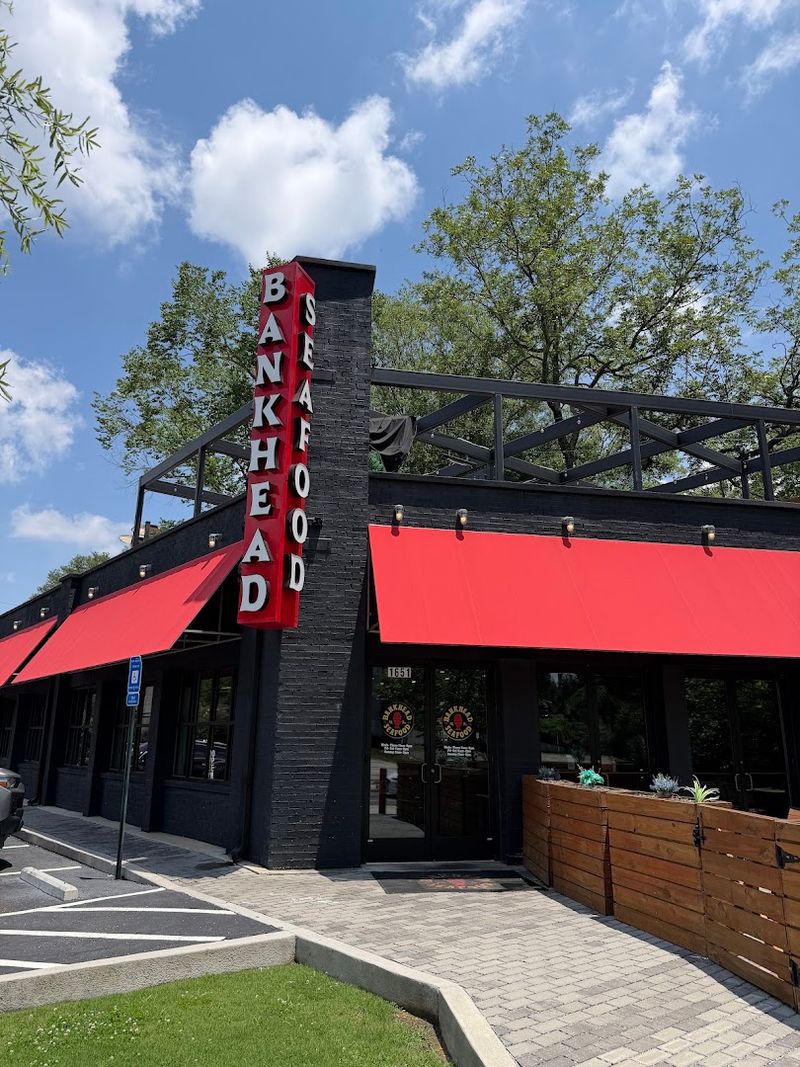
Bankhead Seafood spent more than 50 years as a beloved institution on Atlanta’s Westside before closing in 2018. Its return in 2024, supported by Atlanta natives T.I. and Killer Mike, drew significant local attention because the restaurant had been more than a seafood spot.
It was a neighborhood anchor in a community that felt its absence.
Local reporting described it as a historic Atlanta eatery and a long-running community staple, the kind of place that fed families across generations on the same block. It currently operates on Donald Lee Hollowell Parkway NW, a street that itself carries civil rights-era significance as a renamed tribute to a pioneering Georgia civil rights attorney.
Bankhead Seafood is not a 1960s movement headquarters. Its relevance here is rooted in what it represents: a Black community food institution that survived, closed, and came back because the neighborhood refused to let it disappear permanently.
That kind of story belongs in this conversation.
The Beautiful Restaurant, Atlanta, Georgia
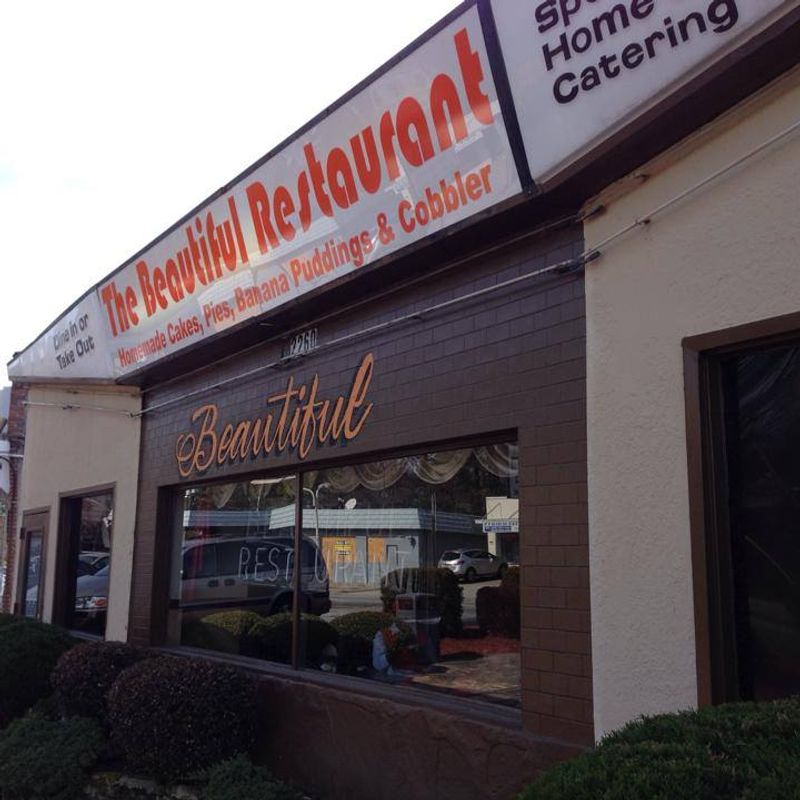
The Beautiful Restaurant has been serving homestyle Southern meals since 1979, which means it opened after the main Civil Rights Movement era. That timeline matters, and it should be stated clearly.
But its decades of continuous operation as a Black-owned soul food institution in Atlanta places it in a direct line of succession from the restaurants that fed and sustained the movement.
Places like Paschal’s and Busy Bee did not just serve meals. They demonstrated that Black-owned restaurants could be pillars of a community during its most demanding years.
The Beautiful Restaurant carries that tradition forward, with current hours listed and a menu built around the same Southern comfort food that has defined Atlanta’s food identity for generations.
Ending this list here feels right. The Civil Rights Movement did not stop in 1968, and neither did the food culture it helped sustain.
The Beautiful Restaurant is proof that some traditions are worth maintaining across every decade that follows.
Share this story