Some of the most gifted minds in history did not simply fade into retirement. They vanished, withdrew, or walked away in ways that left the world full of questions.
Whether they disappeared from a ship deck, stopped publishing, or retreated behind locked doors, each story carries the same strange weight. These are thirteen brilliant people whose exits from public life were never fully explained, and whose stories continue to fascinate researchers, historians, and curious readers today.
Ettore Majorana, The Physicist Who Disappeared During a Ferry Journey
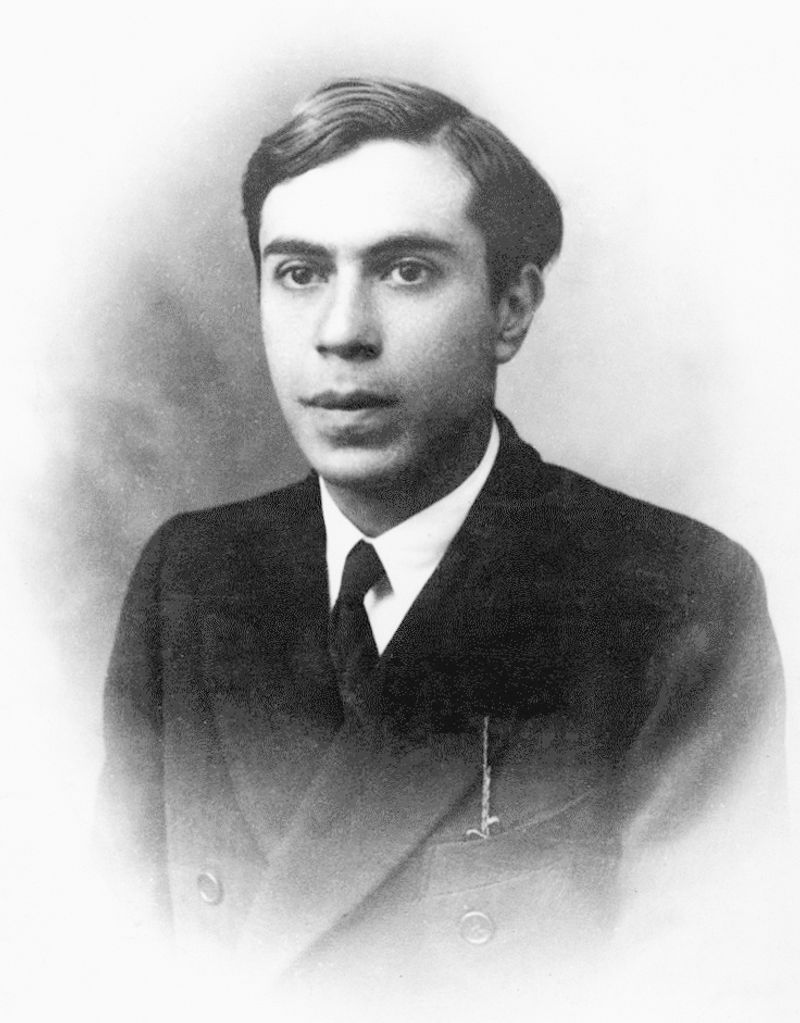
Few scientists left Enrico Fermi genuinely speechless, but Ettore Majorana was one of them. Fermi reportedly said that Majorana was a genius in the same category as Galileo and Newton, a comparison that was not made lightly in 1930s Italy.
Majorana’s research laid groundwork for what physicists now call Majorana particles, a concept still being studied in quantum computing. He was only 31 when everything stopped.
In March 1938, he sent unsettling letters to his family and to the director of the Naples physics institute before boarding a ferry from Naples to Palermo.
A second message arrived suggesting he had reconsidered, which made his intentions harder to decode, not easier. He was never seen again.
Investigators over the decades have proposed a monastery, a new life abroad, or a quiet existence under a different name. None of those explanations was ever confirmed, and the case remains officially unresolved.
Louis Le Prince, The Film Pioneer Who Never Reached Paris
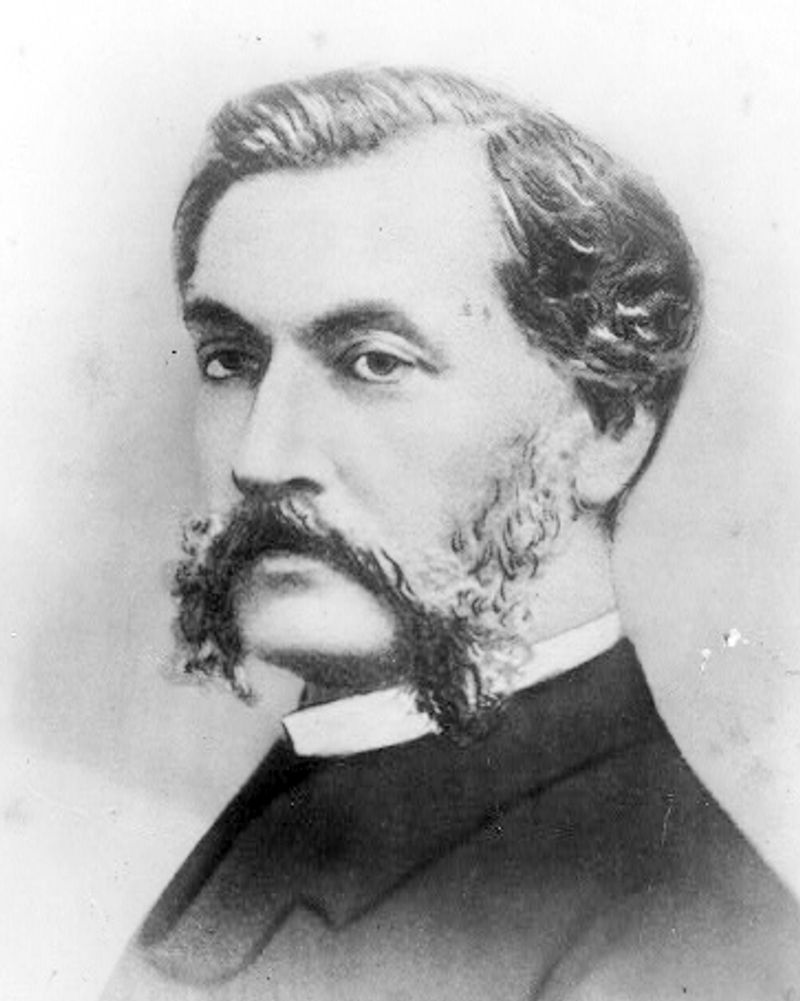
Long before the Lumiere brothers became household names, Louis Le Prince was already filming life in motion. His 1888 footage of Roundhay Garden Scene is widely recognized as one of the earliest surviving motion picture recordings, predating the inventors who received most of the credit.
Le Prince was preparing to demonstrate his technology in the United States when he stopped in Dijon, France, in September 1890 to visit his brother. He was expected to board a train to Paris.
He never arrived, and his luggage disappeared along with him.
No body was recovered, no confirmed witness came forward, and no satisfying explanation ever emerged. Theories connecting his disappearance to patent competition over motion picture technology have circulated for more than a century.
Thomas Edison’s later dominance of the film industry gave those theories an uncomfortable edge. The man sometimes called the father of cinematography simply stepped onto a train platform and was never seen again.
Rudolf Diesel, The Inventor Who Vanished From a Steamship
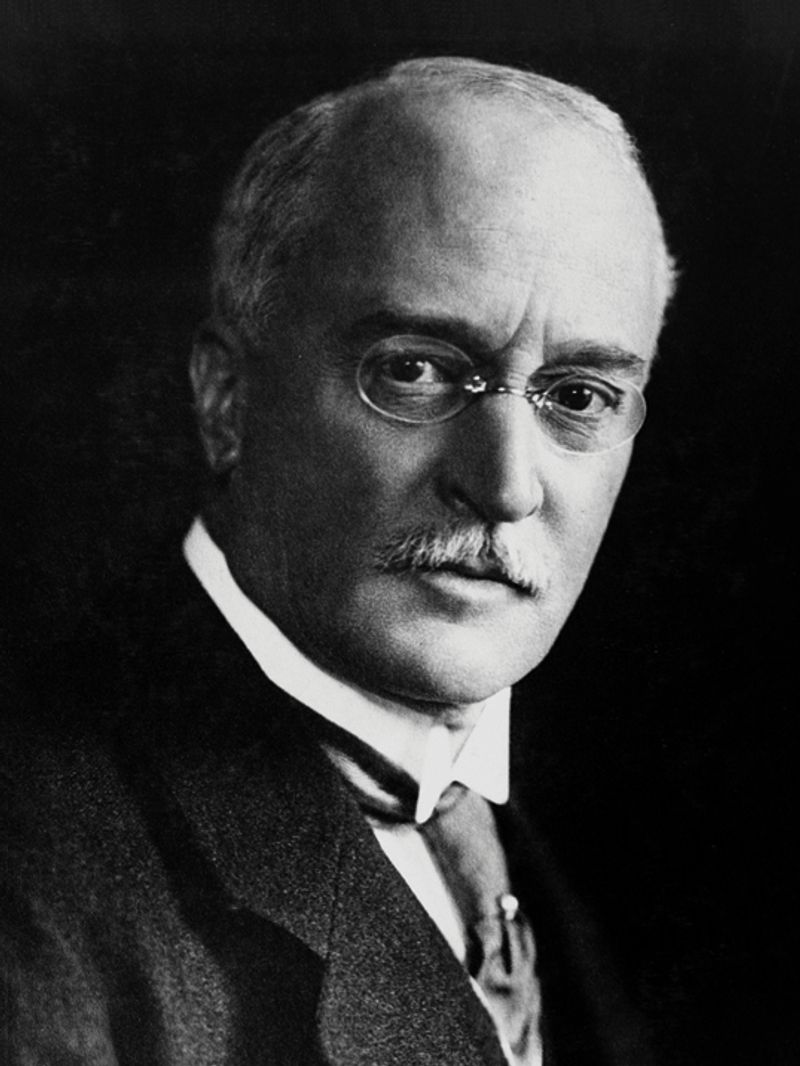
The compression-ignition engine that Rudolf Diesel developed in the 1890s reshaped transportation across the world. His name became permanently attached to a technology that still powers ships, trucks, and heavy machinery more than a century later.
By 1913, though, Diesel was reportedly dealing with serious financial difficulties. On September 29 of that year, he boarded the steamship Dresden in Antwerp, had dinner with fellow passengers, and retired to his cabin after asking to be woken the following morning.
When someone came to his door, Diesel was gone.
His coat and hat were reportedly found near the deck railing. A badly decomposed body was later encountered at sea, and items recovered from its clothing were identified as belonging to Diesel.
The body itself was not brought aboard and was lost again. Whether his death was accidental, deliberate, or something else entirely was never officially determined, and competing explanations have persisted ever since.
Jim Gray, The Computing Pioneer Lost at Sea
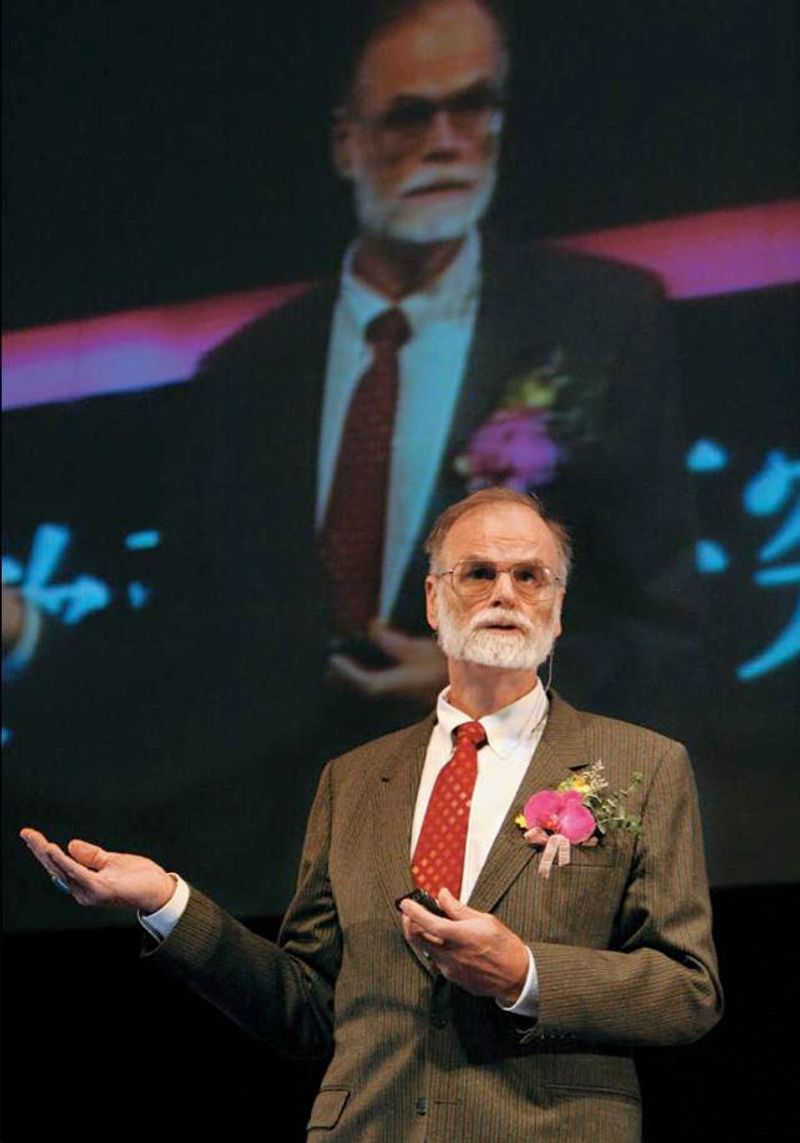
Jim Gray was not just a respected computer scientist. He was the kind of researcher whose work quietly shaped the digital infrastructure that billions of people use without thinking about it.
His contributions to database systems and transaction processing earned him the 1998 A.M. Turing Award, the field’s highest honor.
On January 28, 2007, Gray sailed alone from San Francisco Bay on his 40-foot boat, Tenacious. His plan was to scatter his mother’s ashes near the Farallon Islands, a trip that should have been completed within the day.
No distress signal was received, and Gray never returned to port.
What followed was one of the most technologically advanced search efforts ever launched for a missing person. Satellite imagery, aircraft, ocean current modeling, and thousands of online volunteers combed through data trying to find any trace of the boat.
Nothing conclusive was found. Gray’s disappearance remains one of the most puzzling cases in the history of the technology community.
Ambrose Bierce, The Writer Who Entered Mexico and Never Returned
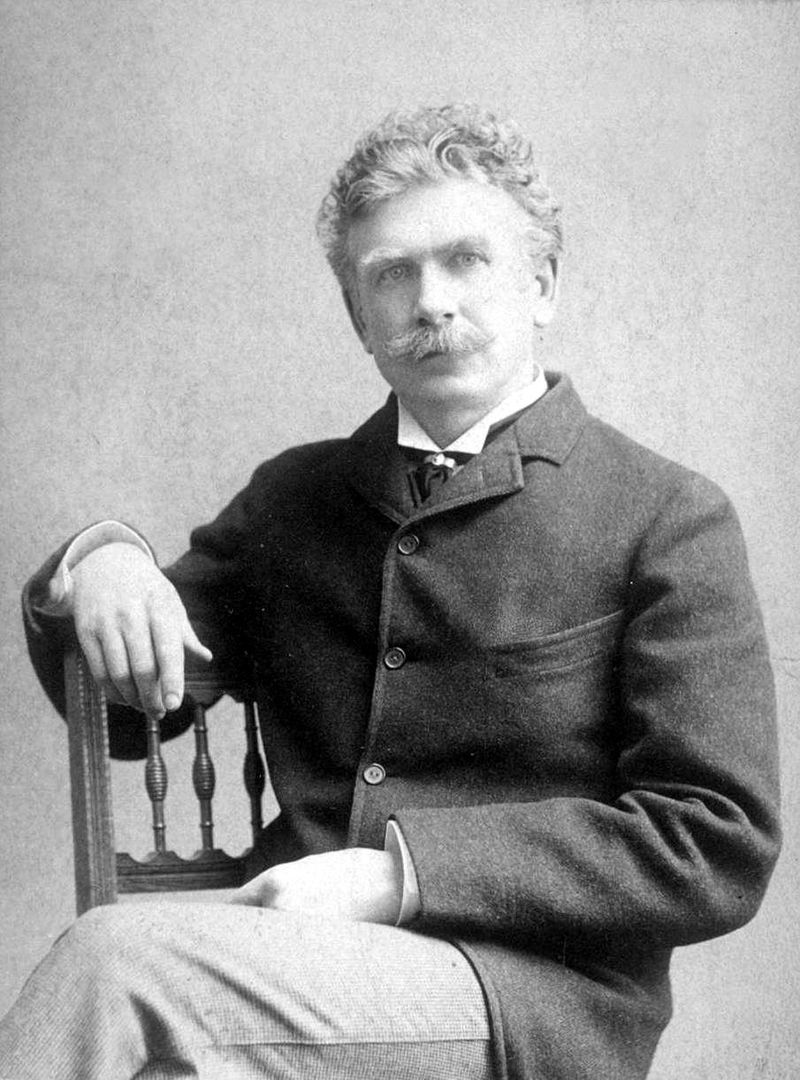
Ambrose Bierce had already spent decades being one of American literature’s sharpest and most unsettling voices. His Civil War stories, his darkly comic Devil’s Dictionary, and his talent for psychological horror had made him famous and controversial in equal measure.
In late 1913, at over 70 years old, Bierce traveled through the American Southwest and crossed into Mexico, where the revolution led by Pancho Villa and others was actively underway. His last confirmed letter was dated December 26, 1913, postmarked from Chihuahua, Mexico.
After that, nothing verifiable surfaced. Theories have ranged from execution by revolutionary forces to suicide, to a deliberate disappearance staged by a man who had grown tired of his own legend.
None has ever been proven. The final chapter of Bierce’s life reads exactly like something he might have written himself, strange, unresolved, and permanently open to interpretation.
Agatha Christie, The Mystery Writer Missing for 11 Days
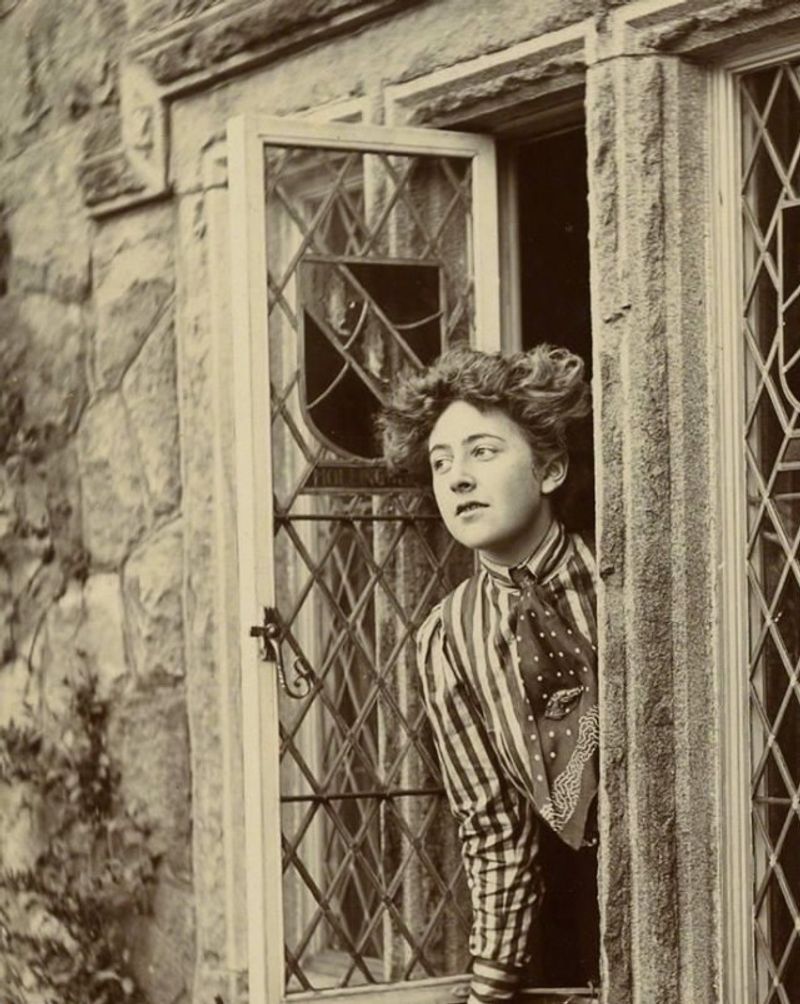
Agatha Christie had already built a reputation as one of Britain’s most compelling crime writers when she became the subject of a real-life mystery. On December 3, 1926, her car was found abandoned near a chalk quarry in Surrey.
Christie herself was nowhere nearby.
The search that followed was enormous. Police officers, volunteers, and aircraft were all deployed.
Newspapers covered the story relentlessly. Then, eleven days after her disappearance, Christie was recognized at a hotel in Harrogate, where she had registered under the name Teresa Neele.
Neele was the last name of the woman involved with Christie’s husband at the time.
Christie said she experienced memory loss and never gave a complete public account of what happened or why. Researchers have proposed severe emotional distress, dissociative amnesia, a deliberate escape, and a calculated attempt to expose her husband’s affair.
Decades of investigation have not produced a definitive answer, which feels fitting for the queen of mystery fiction.
Satoshi Nakamoto, The Bitcoin Creator Who Logged Off
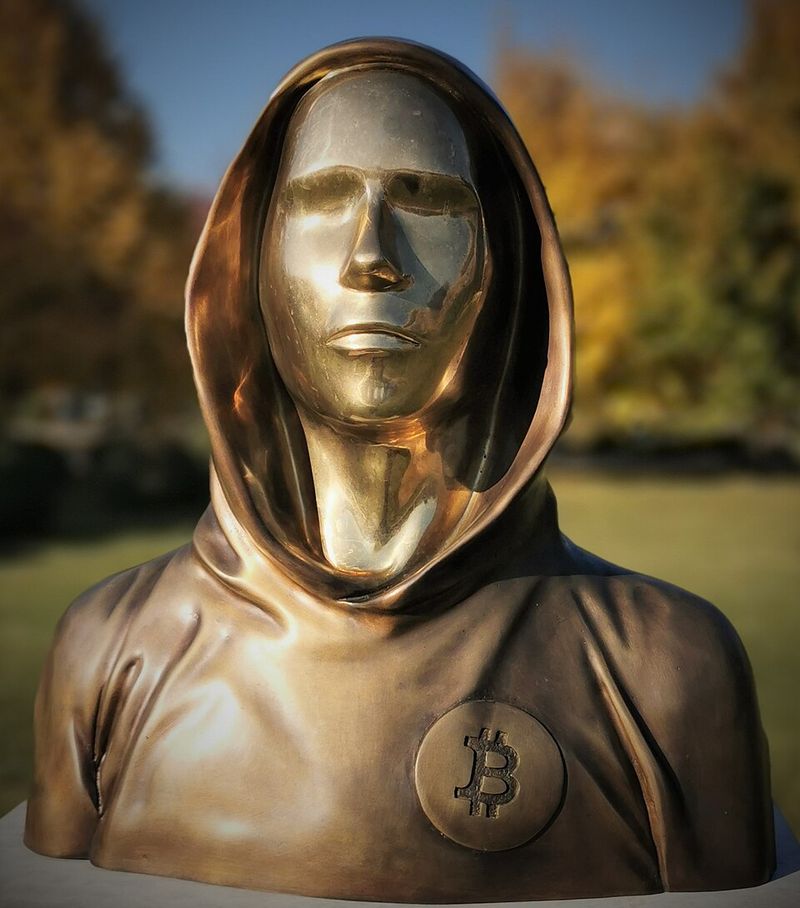
Satoshi Nakamoto created Bitcoin, introduced the blockchain concept, and then quietly walked away from one of the most consequential inventions of the 21st century. The name itself is a pseudonym, and whether it represents one person or a group of people has never been confirmed.
The Bitcoin white paper appeared in October 2008. The network launched in January 2009.
For the next two years, Nakamoto communicated with developers through emails and forum posts, gradually handing off responsibility for the project before going silent in 2011.
The Bitcoin wallet believed to belong to Nakamoto holds roughly one million coins, a sum worth tens of billions of dollars depending on the market at any given time, none of which has ever been moved. Dozens of people have been proposed or have claimed to be Nakamoto.
None has been conclusively proven. Whoever Nakamoto is, they created a global financial movement and then disappeared from it entirely.
Alexander Grothendieck, The Mathematician Who Retreated Into the Pyrenees
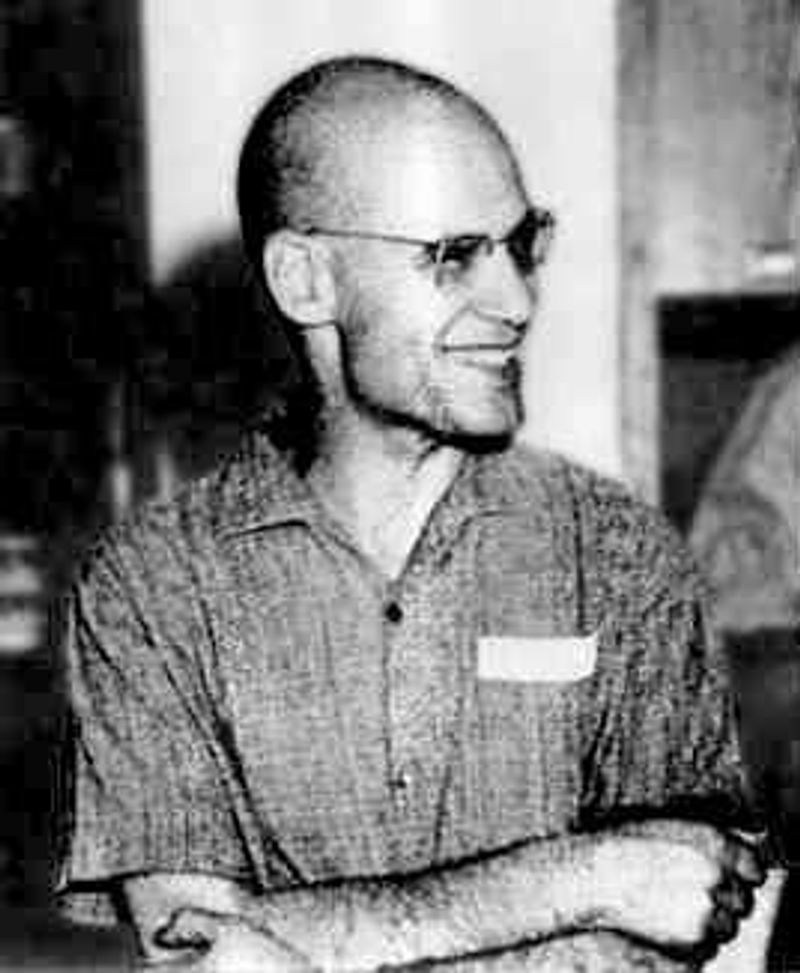
Alexander Grothendieck did not just solve mathematical problems. He rebuilt the foundations that other mathematicians used to approach problems, creating entire new frameworks in algebraic geometry that researchers still rely on today.
He received the Fields Medal in 1966 and declined to travel to Moscow to accept it.
His break with institutional mathematics came in 1970, when he discovered that his prestigious research institute had accepted funding connected to the military. He resigned immediately.
Over the following two decades, he became increasingly withdrawn, moving further from professional mathematics and deeper into personal philosophical and spiritual writing.
In 1991, Grothendieck relocated to a remote village in the French Pyrenees and cut off almost all contact with former colleagues and friends. He spent those years producing thousands of pages of private writing on mathematics, society, and spirituality.
He passed away in 2014. The bulk of his later writings remains largely unpublished and still being studied by those lucky enough to access them.
Grigori Perelman, The Mathematician Who Rejected $1 Million
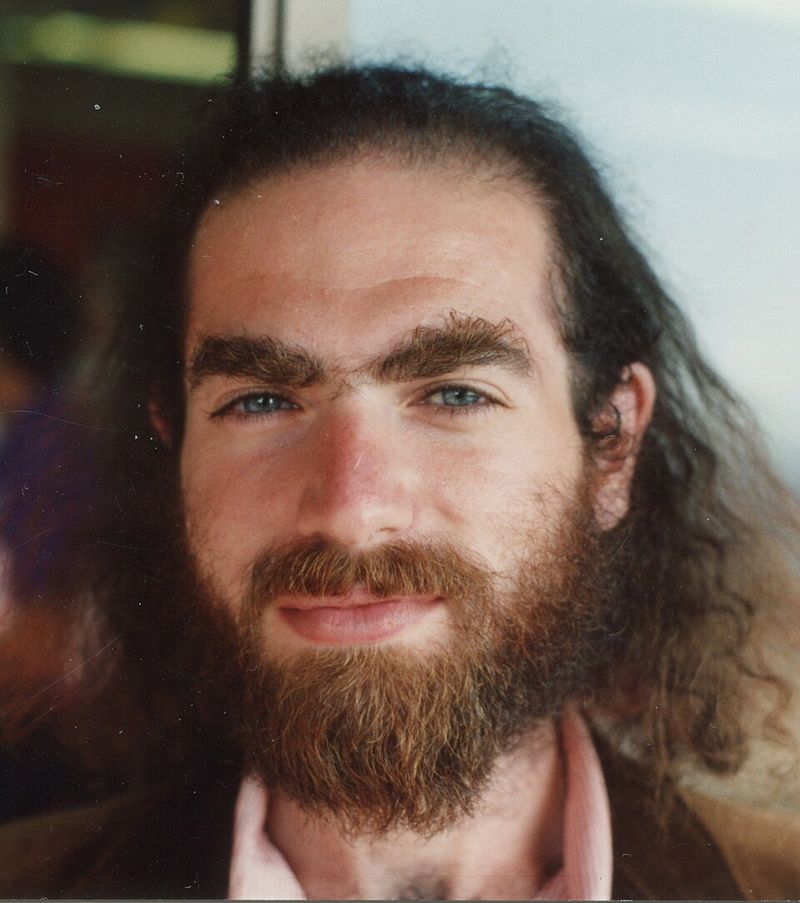
Solving a problem that had defeated mathematicians for nearly a hundred years would be enough of a story on its own. Grigori Perelman did that when he cracked the Poincare conjecture between 2002 and 2003, posting his proof online rather than submitting it to any formal journal.
The mathematical community spent years verifying his work before offering him the Fields Medal in 2006. He turned it down.
The Clay Mathematics Institute then awarded him its Millennium Prize, a cash award of one million dollars. He declined that too, stating that his contribution was no greater than that of Richard Hamilton, whose earlier work he considered equally important.
Perelman resigned from the Steklov Institute of Mathematics in Saint Petersburg and largely retreated from public life. His known statements pointed to frustration with how the mathematical community handled recognition and credit.
He reportedly lives quietly in Saint Petersburg, having made no public appearances in years and showing no interest in reclaiming his place in academic circles.
Bobby Fischer, The Chess Champion Who Became a Ghost
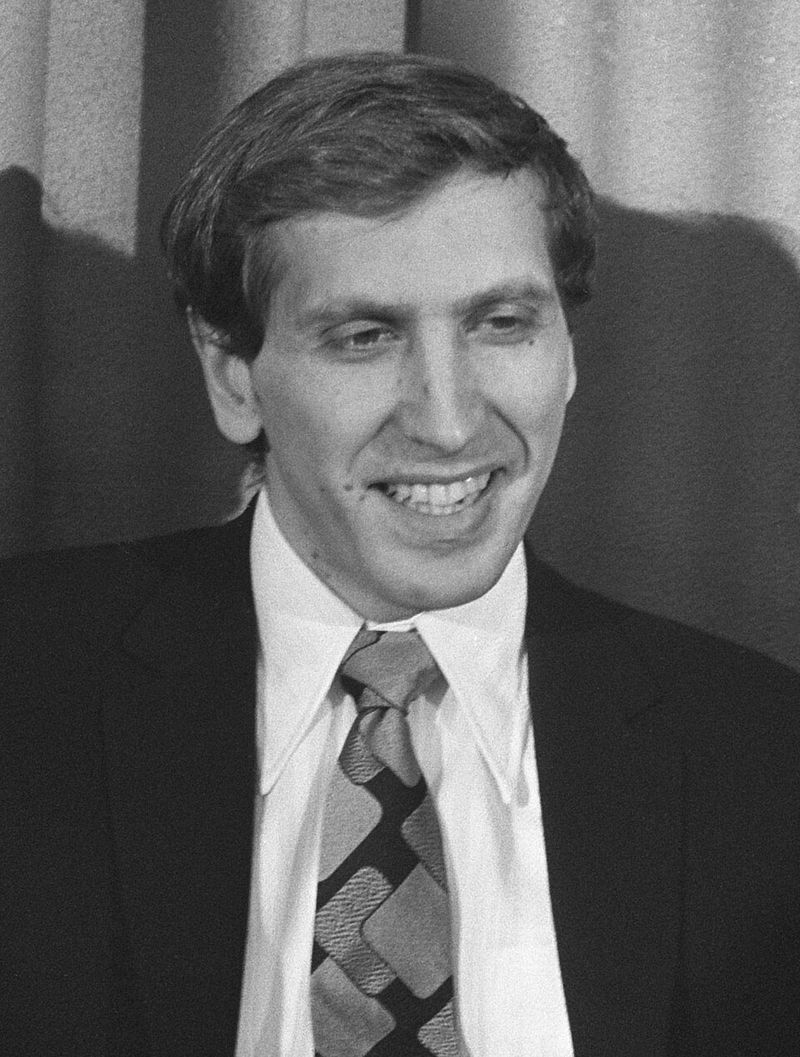
Bobby Fischer did not just win the 1972 World Chess Championship. He turned it into a Cold War spectacle that put chess on the front pages of newspapers around the world.
His match against Boris Spassky in Reykjavik, Iceland, was followed by millions of people who had never watched a chess game before.
After reaching the absolute peak of his sport, Fischer essentially stopped competing. He refused to defend his title in 1975 under disputed conditions, forfeiting the championship without playing a single game.
For nearly two decades, he stayed away from official tournaments and most public appearances.
Occasional reported sightings kept public curiosity alive during those years. Fischer returned in 1992 for a private rematch against Spassky in Yugoslavia, a match that created legal trouble for him due to international sanctions at the time.
His long withdrawal from the game he had dominated became a subject of fascination that outlasted his actual championship career.
J.D. Salinger, The Author Who Escaped to New Hampshire
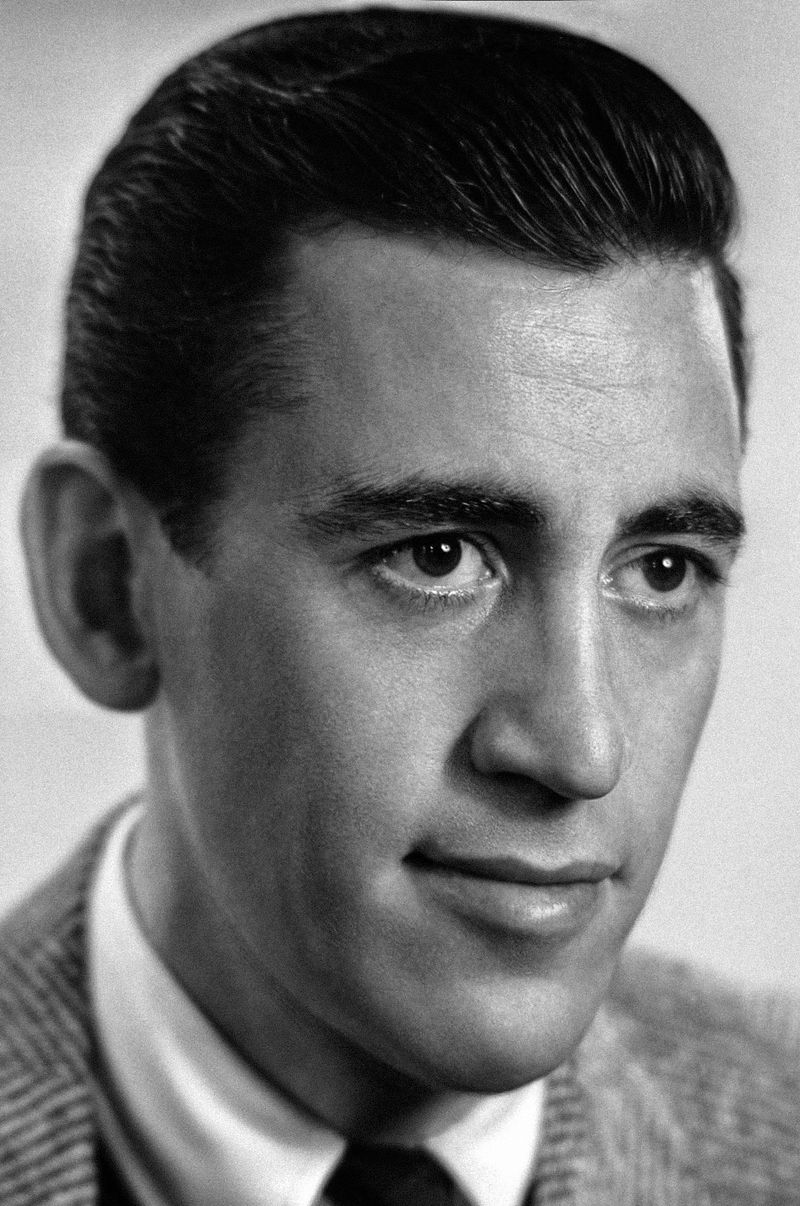
Publishing The Catcher in the Rye in 1951 made J.D. Salinger one of the most talked-about writers in America.
It also made him one of the most pursued. Readers felt a personal connection to the book that translated into an intense, sometimes overwhelming curiosity about its author.
Salinger moved to Cornish, New Hampshire, and built a life deliberately shielded from that attention. He gave almost no interviews, refused most public appearances, and made his privacy a full-time project.
His last work published in his lifetime, a story titled Hapworth 16, 1924, appeared in The New Yorker in 1965.
What makes Salinger’s story different from a simple retirement is what his son later confirmed: Salinger kept writing for decades after going silent publicly. Manuscripts, journals, and completed works were reportedly produced during those quiet years in New Hampshire.
He passed away in 2010, leaving behind a literary legacy that may not be fully known for years to come.
William James Sidis, The Child Prodigy Who Sought Anonymity
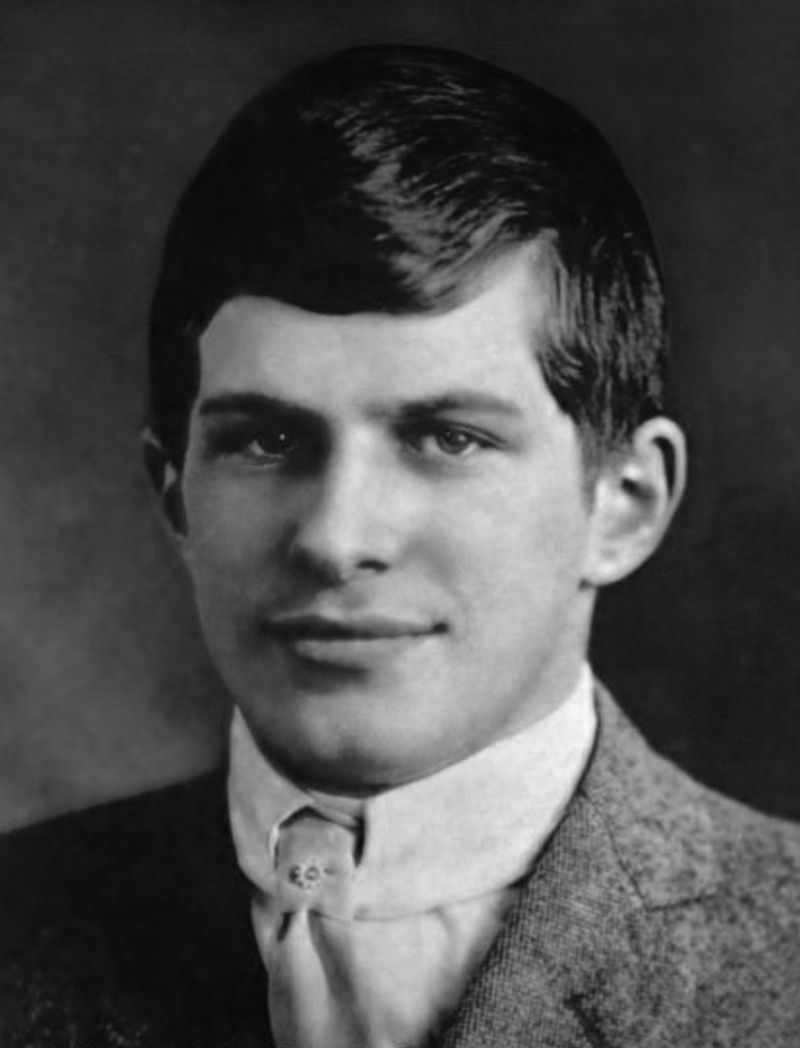
William James Sidis entered Harvard at 11 years old and lectured on four-dimensional geometry at 12. Newspapers treated him as proof that human intelligence had no ceiling, which turned out to be one of the worst things that could have happened to him.
The weight of public expectation followed Sidis into adulthood and crushed the life others had mapped out for him. He walked away from academic prestige, took ordinary clerical jobs, and quietly pursued personal interests including collecting streetcar transfer tickets, a hobby he wrote about under a pen name.
When The New Yorker published an unflattering profile of his private life in 1937, Sidis sued for invasion of privacy. He lost the case, but the legal proceedings contributed meaningfully to the development of American privacy law.
His story is less about a mysterious disappearance and more about a person who understood exactly what he was leaving behind and chose an ordinary life with full awareness of the trade.
Howard Hughes, The Aviation Innovator Who Sealed Himself Away
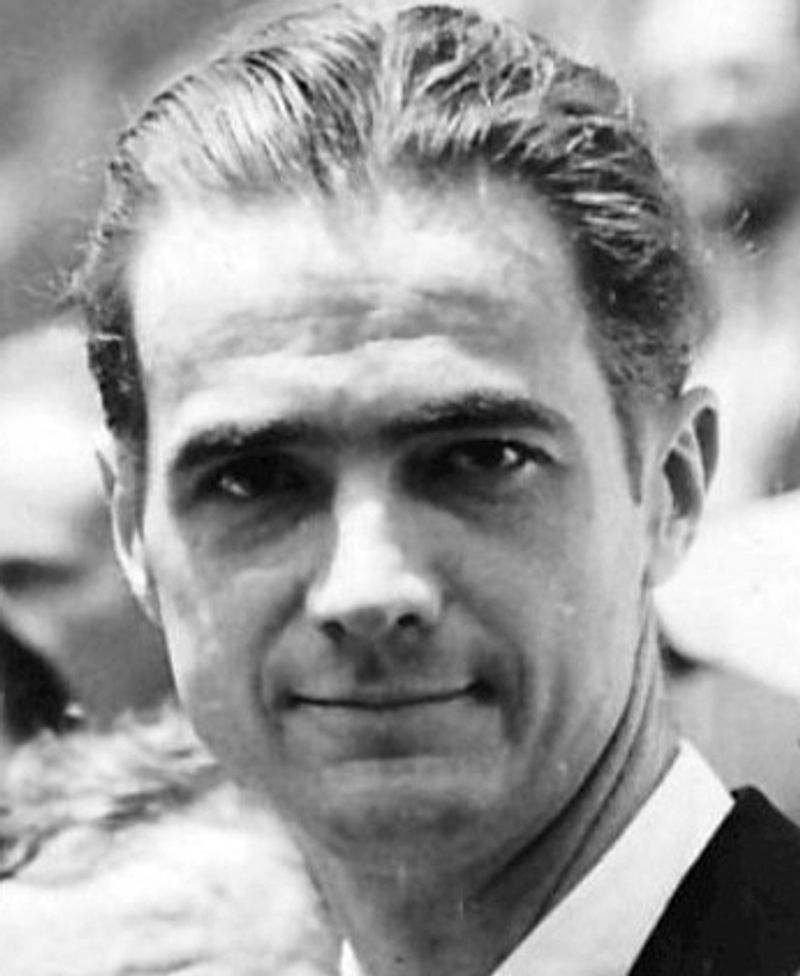
Howard Hughes set aviation speed records, produced major Hollywood films, and ran business operations spanning aircraft manufacturing, real estate, and airlines. For a stretch of the 1930s and 1940s, he was one of the most publicly admired and genuinely accomplished figures in America.
The transformation that followed was dramatic by any measure. Hughes gradually retreated from public view, eventually settling into guarded hotel suites where he lived under conditions of extreme isolation.
In 1966, he moved into the top floors of the Desert Inn in Las Vegas. When the hotel’s management asked him to leave, he purchased the property rather than relocate.
During those years of isolation, Hughes continued directing significant financial decisions through aides and handwritten communications. His business empire kept operating while he remained largely invisible to the outside world.
The contrast between the record-setting aviator of his earlier years and the reclusive billionaire of his later decades made Hughes one of the most studied and debated figures in 20th century American history.
Share this story