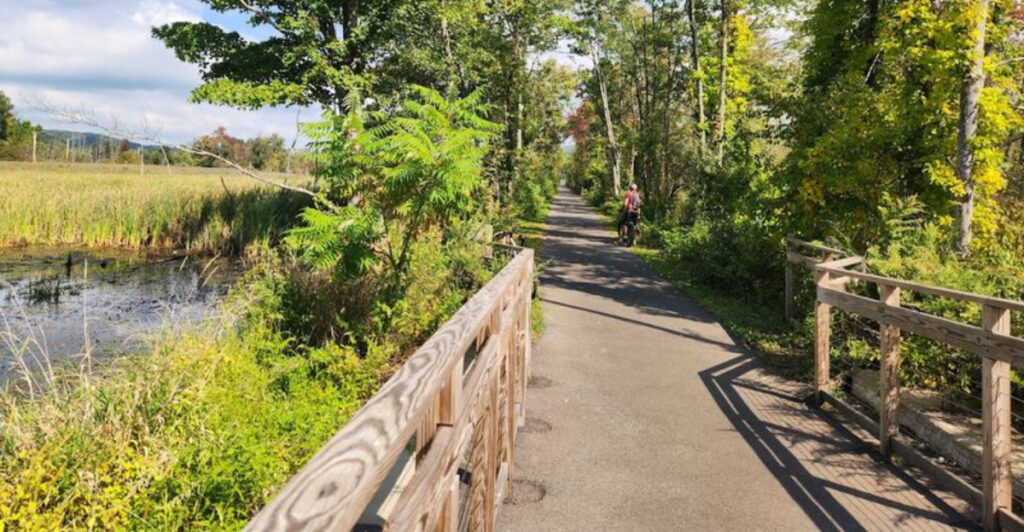
There is a stretch of New York countryside where the old railroad tracks have been replaced by a smooth, paved path that runs through fields, forests, and quiet small towns. This trail covers 26 miles through Dutchess and Columbia counties, and it has become one of the most talked-about outdoor destinations in the Hudson Valley region.
Whether you ride a bike, lace up your walking shoes, or strap on a pair of rollerblades, this trail offers a peaceful escape from city life without requiring a long drive. From the charming town of Millerton to the historic Wassaic end, every mile of this trail tells a story worth following.
A Railroad Reborn: The History Behind the Trail
Before cyclists and dog walkers claimed this corridor, trains rolled through the Harlem Valley for well over a century.
The New York and Harlem Railroad, which eventually became part of the Metro-North Harlem Line, once connected New York City to the small towns of the Hudson Valley region.
Passenger service on this particular stretch was discontinued in the 1970s, leaving the tracks and right-of-way largely unused for years.
Community advocates and local governments worked together through the 1990s and into the 2000s to transform the abandoned corridor into a recreational trail.
The Harlem Valley Rail Trail Association has been the driving force behind the trail’s development, managing fundraising, advocacy, and maintenance efforts over the decades.
Today, what once carried freight and commuters now carries families, cyclists, and outdoor enthusiasts through a landscape that has barely changed since the trains last passed through.
History has a way of finding a second life in places like this.
The Surface That Makes All the Difference
One of the most frequently praised qualities of this trail is the condition of its surface, and that praise is well earned.
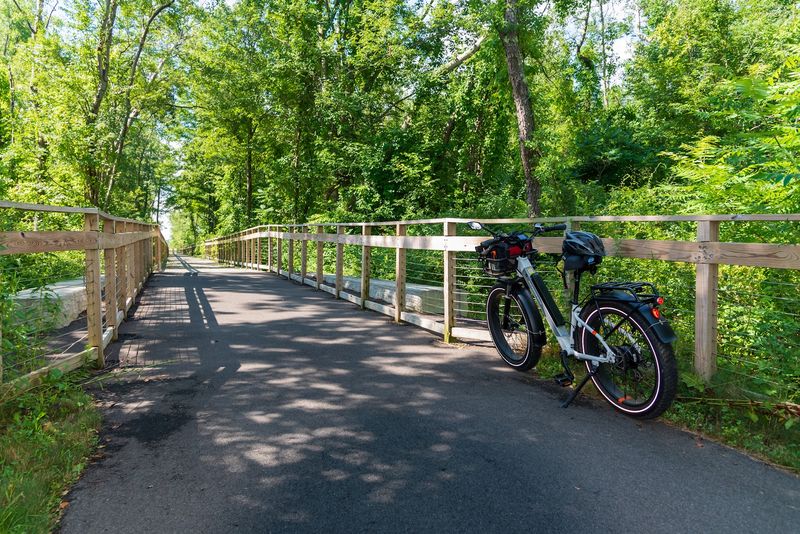
Over the course of 25 to 26 miles, the paved path remains remarkably smooth, with no significant potholes or cracks to interrupt a ride or walk.
Sections of the trail have been recently repaved, and the quality of the pavement throughout is noticeably better than many comparable rail trails in the region.
The flat, even surface makes the trail accessible to a wide range of users, from young children on bikes to older adults with strollers or mobility aids.
Rollerbladers find the trail particularly well-suited to their needs, since the consistent surface allows for a steady and comfortable glide over long distances.
A few spots along the route have overgrown bushes leaning slightly into the path, but these are minor and do not affect the overall experience in any meaningful way.
Flat and Friendly: Who Can Use This Trail
Not every trail is built for everyone, but this one comes remarkably close to that goal.
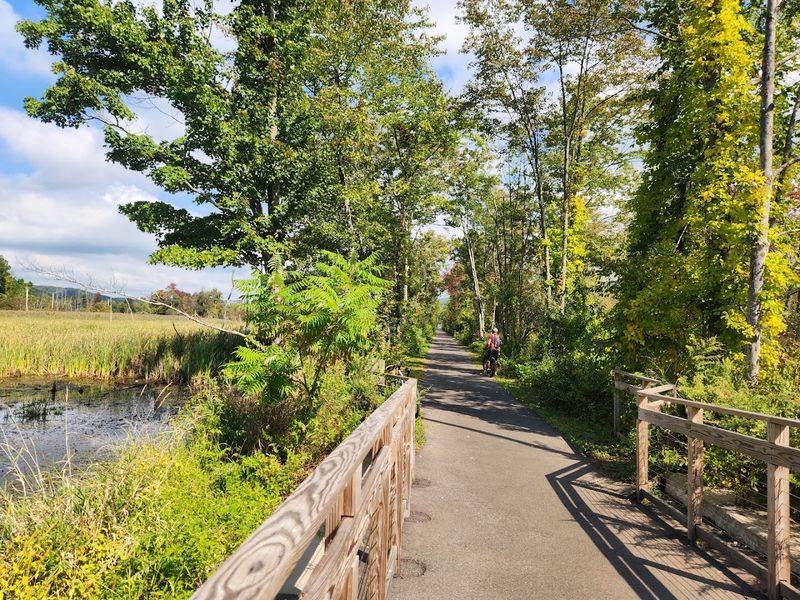
Because the path follows an old railroad grade, the elevation change across the entire 26 miles is minimal, keeping the trail flat and manageable for nearly all fitness levels.
Families with young children find it especially welcoming, since there are no steep hills to navigate and the wide pavement gives plenty of room for riders of different speeds.
Dog owners are a common sight along the trail, and the flat, open path is easy on both human and canine legs over longer distances.
Strollers move along the surface without any trouble, which makes it a practical option for parents with toddlers who want to enjoy a longer outing.
Groups of friends with mixed experience levels can ride together without anyone feeling left behind or overwhelmed by the terrain.
Accessibility and inclusivity are built right into the design of this trail, and that is a big part of its broad appeal.
What the Landscape Looks Like Along the Way
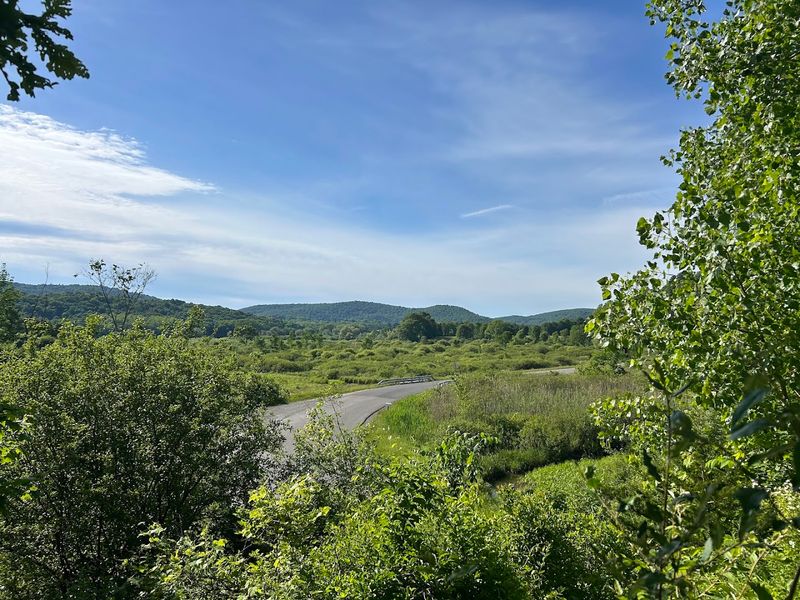
The scenery along the Harlem Valley Rail Trail changes character as you move from one section to the next, which keeps the experience fresh even over a long ride.
Open agricultural fields stretch out on either side of the path in certain sections, giving a wide, open feeling that contrasts with the denser wooded stretches further along.
A natural canopy of trees covers much of the trail, providing shade during warm months and creating a tunnel-like effect that many trail users find particularly pleasant.
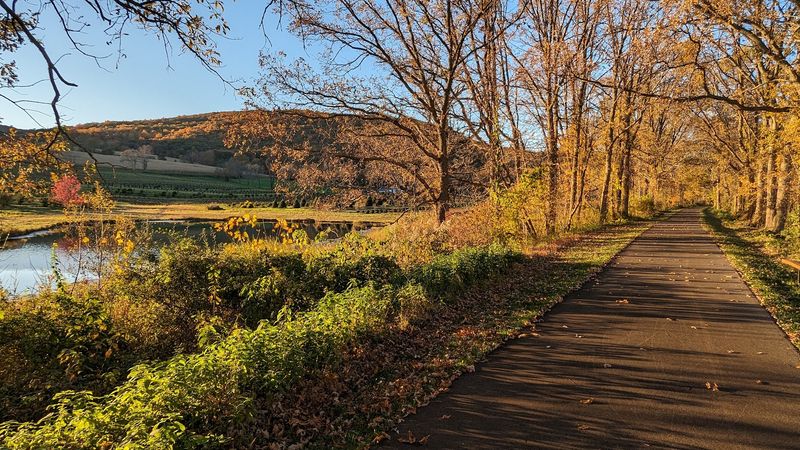
During fall, the foliage along the trail reaches a level of color that draws visitors from well beyond the immediate region.
The surrounding fields and hillsides turn shades of amber, orange, and red, making autumn the most popular time to visit by a significant margin.
Roads are largely absent along much of the route, which means the surrounding environment feels genuinely rural and removed from everyday traffic and noise.
Millerton: The Town at the Heart of the Trail
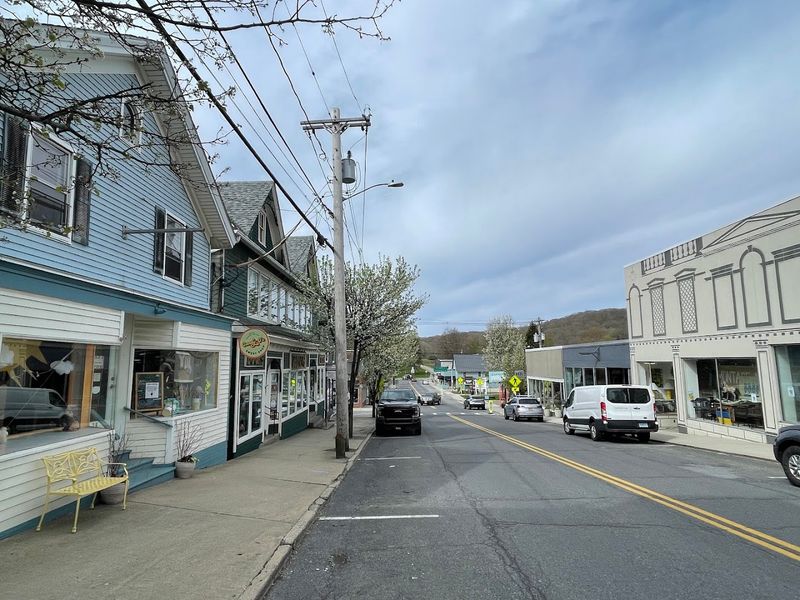
Millerton is the kind of small town that earns its reputation through consistency rather than spectacle.
The trailhead in Millerton sits right in the center of town, which means that finishing a ride or walk puts you within easy reach of coffee shops, a diner, and local businesses worth browsing.
Harney and Sons, a well-known tea company, operates a tasting room near the trailhead, giving trail users a distinctive and locally rooted stop to add to their visit.
The concentration of small businesses near the trailhead makes Millerton one of the more convenient starting points along the entire trail, especially for those who want to combine outdoor activity with a bit of exploring.
The town has a relaxed, unpretentious character that fits naturally with the trail’s overall atmosphere.
On busy weekends, especially in fall, the area around the trailhead can get crowded, so planning around that reality helps make the visit more enjoyable.
The Wassaic End: Art and History Combined
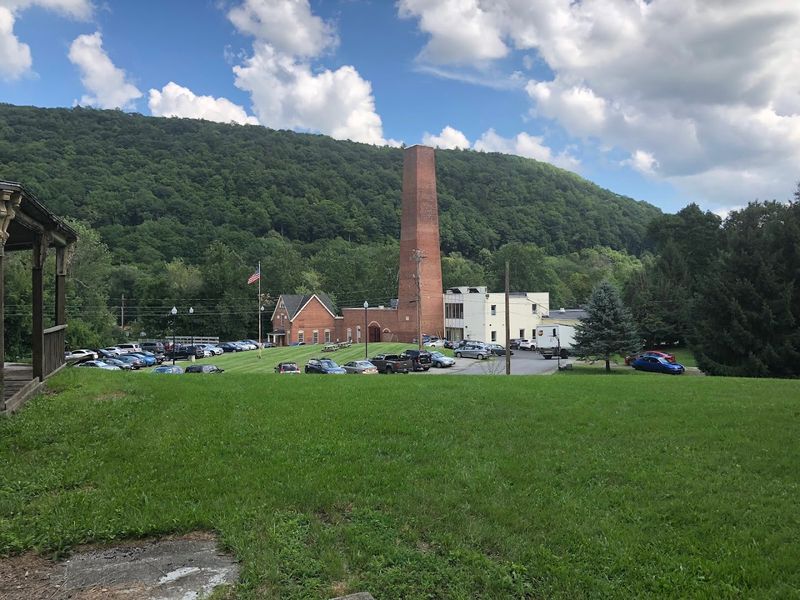
At the northern end of the trail, the town of Wassaic offers something genuinely unexpected for a rural rail trail terminus.
The Wassaic Project, housed inside a historic grain elevator, operates as a working arts center that hosts exhibitions, residencies, and community events throughout the year.
The grain elevator itself is a striking industrial structure that stands in contrast to the pastoral landscape surrounding it, and the art inside occupies all seven floors of the building.
Stopping at the Wassaic end adds a cultural layer to what might otherwise be a purely physical outing, and the combination works well.
The nearby Wassaic Metro-North station also makes this end of the trail accessible by train from New York City, which opens the trail to visitors who do not have access to a car.
Pairing a train ride with a bike rental and a full day on the trail is a practical and rewarding option that more people are starting to take advantage of.
Biking the Trail: What to Expect on Two Wheels
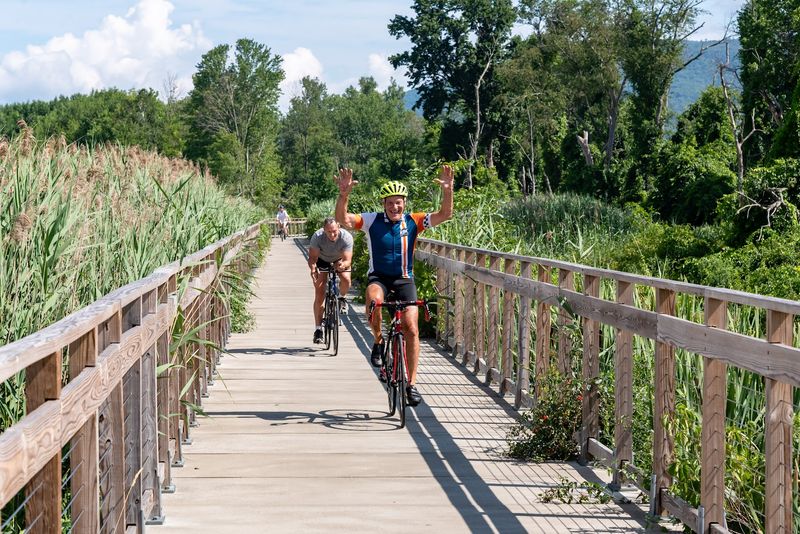
Cycling is the most popular way to experience the Harlem Valley Rail Trail, and the infrastructure supports it well.
The 26-mile length is manageable for most recreational cyclists in a single day, especially given the flat grade that keeps energy expenditure low compared to hilly alternatives.
Many riders choose to start at Wassaic and ride south toward Millerton, covering roughly 13 miles before turning back for a round trip of about 26 miles.
The wide path accommodates cyclists moving at different speeds without creating the kind of congestion that narrower trails can produce.
Bike rentals are available in the area for those who do not want to transport their own equipment, making the trail accessible to spontaneous visitors.
The newly repaved sections are particularly smooth and enjoyable, and the overall condition of the surface makes the ride feel effortless compared to rougher trail alternatives in the region.
A full day on this trail rarely feels like a full day once you are out on the path.
Rollerblading and Walking: Other Ways to Enjoy the Path
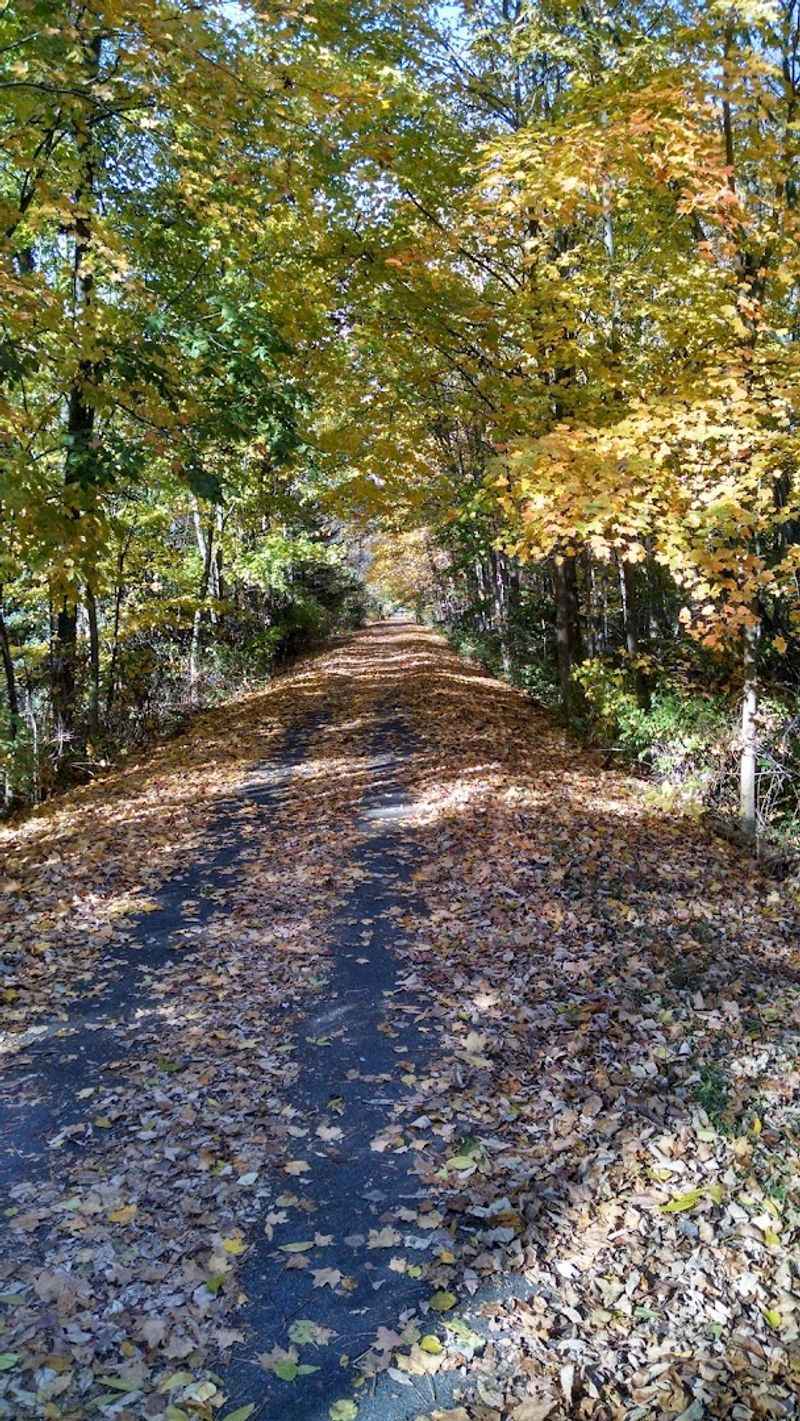
Bikes get most of the attention, but the Harlem Valley Rail Trail is equally well suited to rollerblading and walking, two activities that benefit enormously from a smooth, flat, uninterrupted surface.
Rollerbladers in particular find this trail to be one of the better options in the Hudson Valley region, since the consistent pavement quality allows for longer sessions without the interruptions that potholes or uneven surfaces would create.
Walkers and hikers who prefer a more relaxed pace can cover whatever distance works for them without any pressure to keep up with cyclists.
The wide path makes it easy for multiple user types to share the space comfortably, with room to pass and room to pause.
Dogs are welcome on the trail and clearly enjoy the experience, with plenty of open space and natural surroundings to keep them engaged throughout.
Some trail users combine a walk with a stop in one of the towns along the route, turning the outing into a full afternoon rather than just a quick exercise session.
Fall on the Trail: Peak Season and What to Know
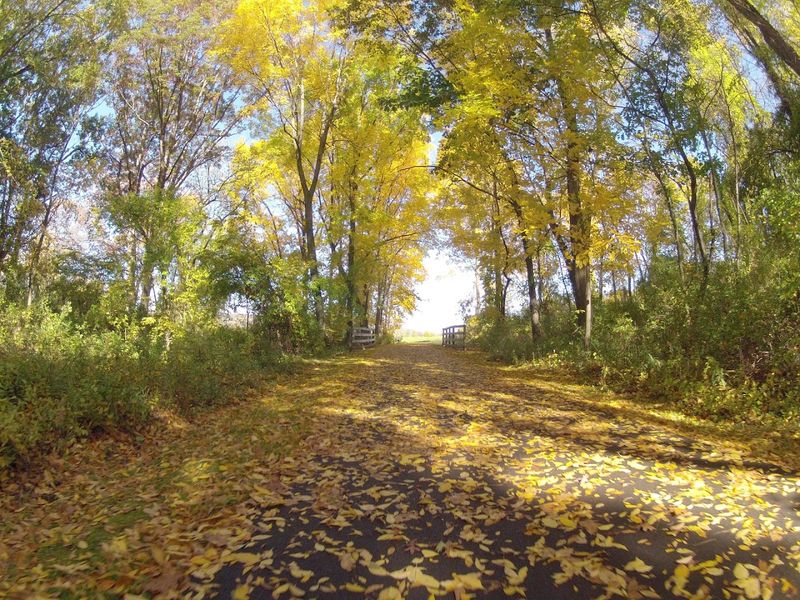
Fall is the undisputed peak season on the Harlem Valley Rail Trail, and the demand during that time reflects just how well this corridor showcases autumn foliage.
The canopy of trees that lines much of the route turns into a corridor of color from mid-October through early November, drawing visitors from New York City and beyond.
Parking at the main trailhead areas, particularly near Millerton, can become genuinely difficult during fall weekends, so arriving early in the morning or planning a weekday visit makes a noticeable difference.
The surrounding fields and hillsides add depth to the fall display, with open views across the Harlem Valley offering wider perspectives than a purely forested trail would allow.
Despite the crowds, the trail is wide enough that it rarely feels overcrowded once you are actually moving along the path.
Fall also brings a certain energy to the small towns along the route, with local businesses seeing increased foot traffic and a livelier atmosphere than during quieter months.
Practical Tips for Planning Your Visit
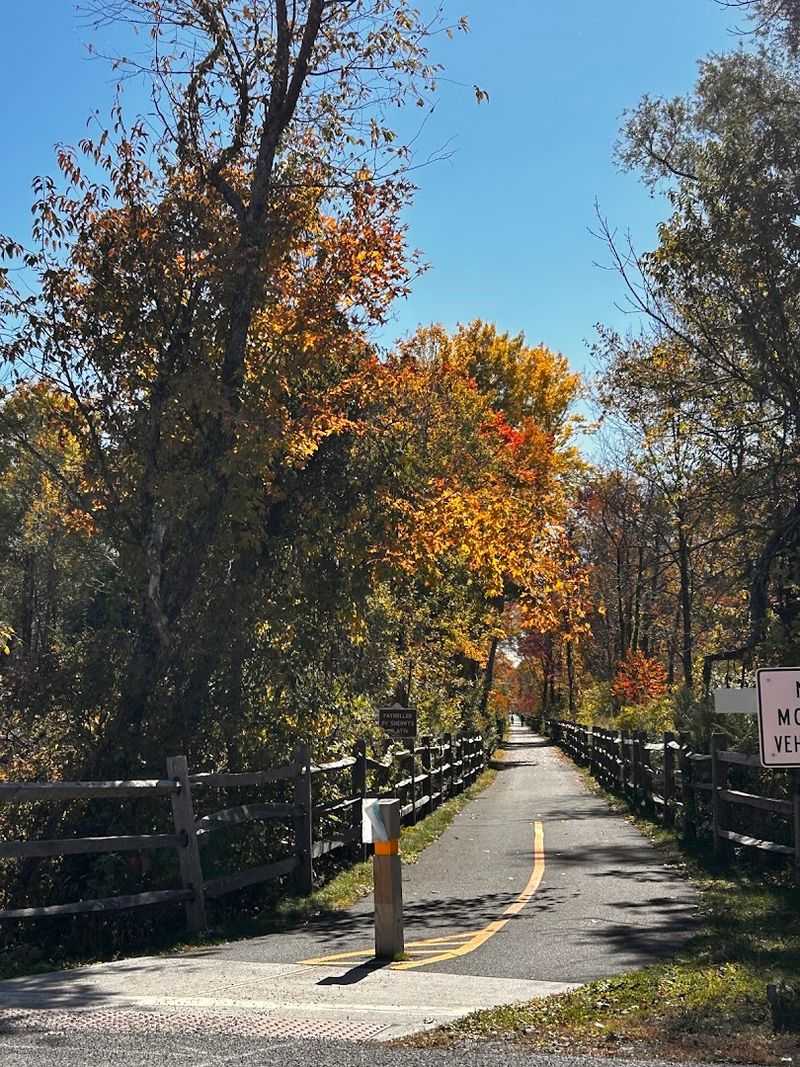
A little preparation goes a long way when planning a trip to the Harlem Valley Rail Trail, especially during busy seasons.
Parking is available at multiple access points along the trail, including Wassaic, Millerton, and Amenia, so spreading out arrival points helps reduce congestion at any single location.
The trail is paved and flat, which means standard road or hybrid bikes work perfectly well, and there is no need for specialized mountain biking equipment.
Bringing water is important, particularly for longer rides, since services along the trail are concentrated in the towns rather than spread evenly along the route.
The towns of Millerton and Wassaic both offer food options near the trail, making them natural stopping points for refueling during a longer outing.
Checking the Harlem Valley Rail Trail Association website before visiting provides current information on trail conditions, closures, and any planned events that might affect the experience.
A little planning turns a good trip into a great one.
Why This Trail Stands Out Among New York Rail Trails
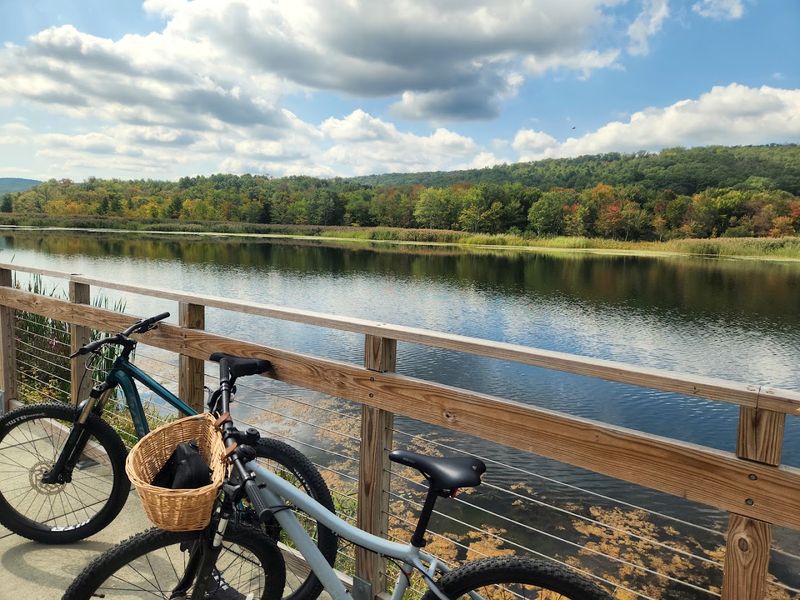
New York has no shortage of rail trails, but the Harlem Valley Rail Trail has developed a reputation that puts it in a category of its own among dedicated trail users.
The combination of pavement quality, trail length, flat grade, and natural surroundings creates an experience that is hard to replicate on other trails in the region.
The proximity to small, genuinely interesting towns adds a dimension that purely recreational trails often lack, turning a simple bike ride into a fuller day out.
The cultural stop at the Wassaic Project, the tea tasting room in Millerton, and the bakery options near Wassaic all give the trail a personality beyond just miles of path.
The absence of road crossings along much of the route contributes to a feeling of genuine separation from everyday life, which is increasingly rare close to a major metropolitan area.
For anyone within driving distance of the Hudson Valley, this trail consistently delivers on its promise of a real country escape without requiring a major expedition to find one.
Where the Trail Begins: Location and Access
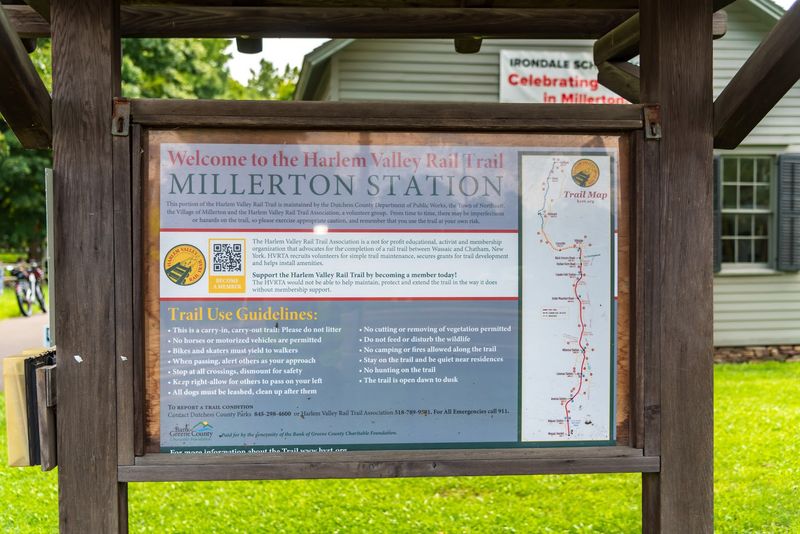
The Harlem Valley Rail Trail runs through the eastern edge of New York State, cutting through Dutchess and Columbia counties along the former Harlem Line railroad corridor.
The main trailhead is located in Millerton, New York, a small town that sits right at the heart of the trail’s most active section.
The trail’s northern terminus is near Wassaic, while the southern end connects toward the town of Amenia, with plans for further extensions still in progress.
Parking is available at several points along the route, though during peak seasons like fall, spots fill up fast, so arriving early is a smart move.
The trail passes through open farmland, wooded corridors, and small communities that give it a varied and engaging character throughout its length.
Getting there from New York City takes roughly two hours by car, making it an easy and rewarding weekend trip for anyone looking to trade the pavement for something quieter.
Share this story