Rock stardom often comes with sold-out stadiums, private jets, and larger-than-life reputations. Yet some of music’s biggest names became just as respected for their kindness, generosity, and down-to-earth personalities as they did for their hit songs. Friends, fellow musicians, fans, and even strangers have shared stories of these artists treating everyone with genuine warmth despite decades of fame. What follows is a look at 15 rock legends whose humility became just as much a part of their story as any chart-topping record.
1. Dolly Parton

Her Imagination Library has mailed over 314 million free books to children worldwide since 1995, a number that keeps growing every single month. Dolly Parton launched the program to honor her father, who never learned to read, turning a personal memory into a global movement. That kind of motivation says a lot about where her priorities have always been.
After the 2016 Great Smoky Mountains wildfires, she created the My People Fund and distributed over $12.5 million directly to affected families. She also donated $1 million to Vanderbilt University Medical Center for COVID-19 vaccine research in 2020. When nominated for the Rock and Roll Hall of Fame in 2022, she publicly suggested she had not earned the title, redirecting attention away from herself with characteristic modesty.
2. Ringo Starr
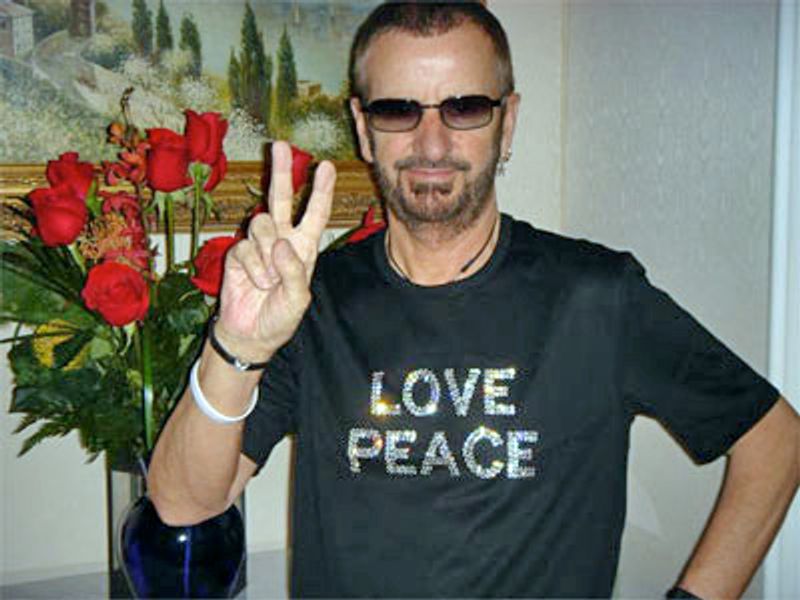
Being the drummer in the most influential band in pop history could easily inflate anyone’s sense of importance, yet Ringo Starr has spent decades being described by fellow musicians as the most easygoing person in the room. He signs off public statements with “Peace and Love,” and by most accounts, he means it. That consistency over 60-plus years is worth noting on its own.
His All-Starr Band tours have always been built around collaboration, bringing together diverse musicians and sharing the spotlight rather than holding it alone. He has spoken openly about his personal journey, including his sobriety, without using those conversations to draw attention to himself. Industry insiders consistently describe him as supportive of younger artists, offering encouragement without the weight of ego behind it.
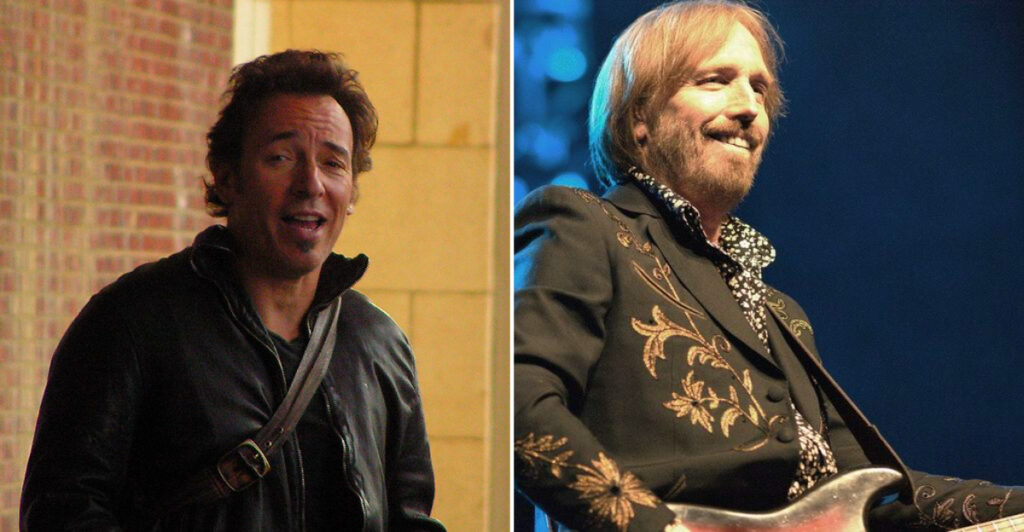
3. Tom Petty
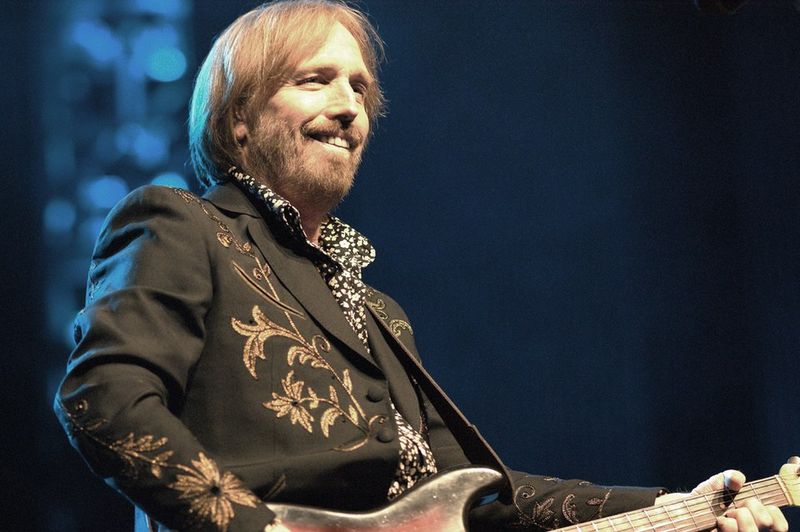
Gainesville, Florida, never fully left Tom Petty, even after he sold millions of records and filled arenas across the country. He treated crew members with the same respect he gave his bandmates, which was not always common in an industry where status hierarchies can run deep. People who worked with him across different eras of his career told remarkably consistent stories about that quality.
His songwriting focused on ordinary people navigating real circumstances, a deliberate choice that kept his perspective grounded throughout his career. He consistently referred to The Heartbreakers as a collective rather than a backing band, crediting their contributions publicly and often. That attitude was not a marketing strategy; it reflected how he actually structured his professional relationships and understood his own place in the music he made.
4. Brian May
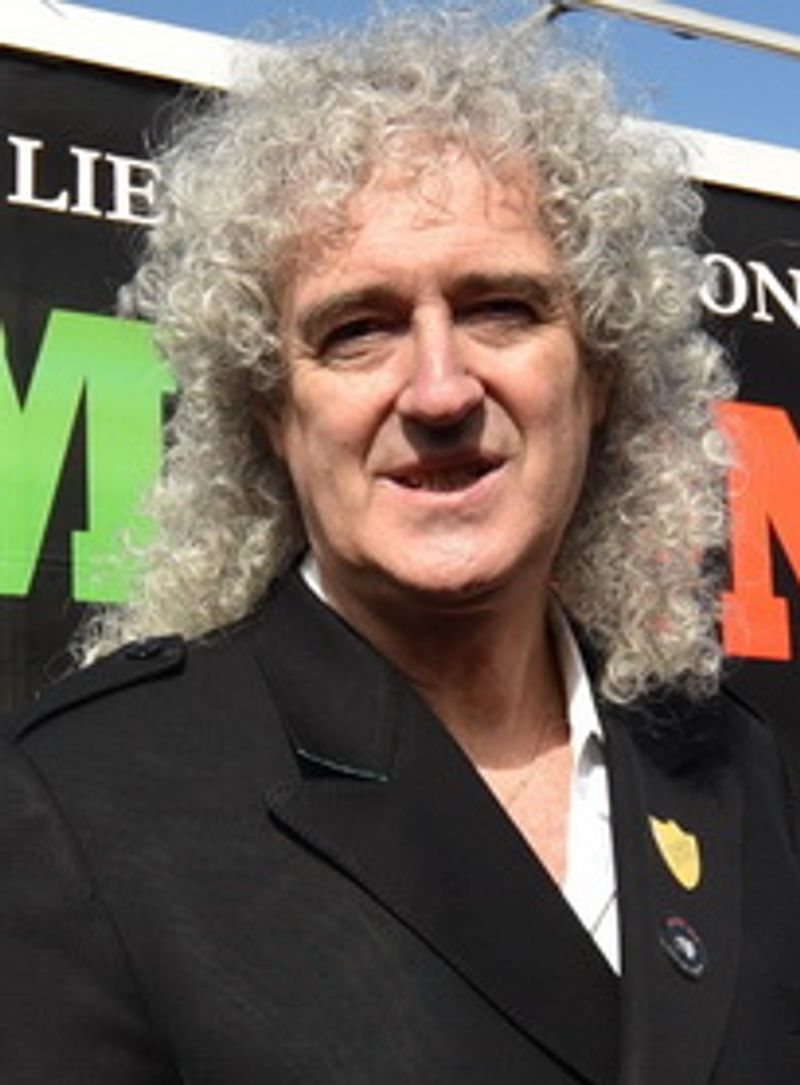
Completing a doctorate in astrophysics in 2007, three decades after pausing his studies to join Queen, is not a detail most rock guitarists can claim. Brian May’s thesis examined radial velocities in the zodiacal dust cloud, and he later collaborated with NASA on the New Horizons mission to Pluto. He approached both careers with the same level of seriousness and genuine curiosity.
His wildlife conservation work in the UK, particularly his campaigns against fox hunting and badger culling, reflects a consistent belief that his platform carries responsibility. Fellow musicians describe him as approachable and enthusiastic rather than self-important, someone who talks about his work with interest rather than authority. Balancing global rock fame with serious scientific research and active advocacy is a combination that does not leave much room for arrogance.
5. Bruce Springsteen
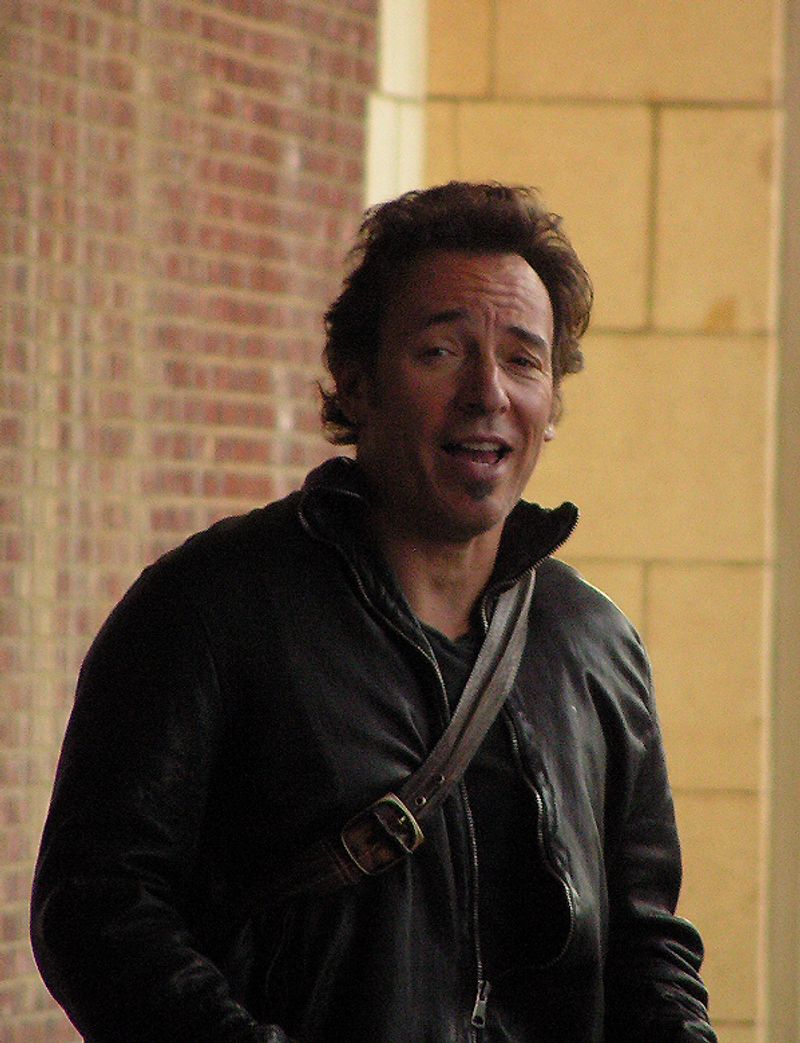
One evening in St. Louis, Springsteen accepted a fan’s invitation to visit their home after a chance conversation, sitting down for a late-night meal of eggs with a stranger’s mother. That story has circulated for years because it captures something real about how he moves through the world. He is not performing accessibility; it appears to be his actual default setting.
His music has always focused on working-class New Jersey life rather than the glamour of celebrity, and that choice reflects a consistent set of values. He regularly credits his band and his audience for his success, rarely centering himself in the narrative. After more than four decades of sold-out tours, he still spends hours after concerts meeting the people who showed up for him.
6. Mark Knopfler
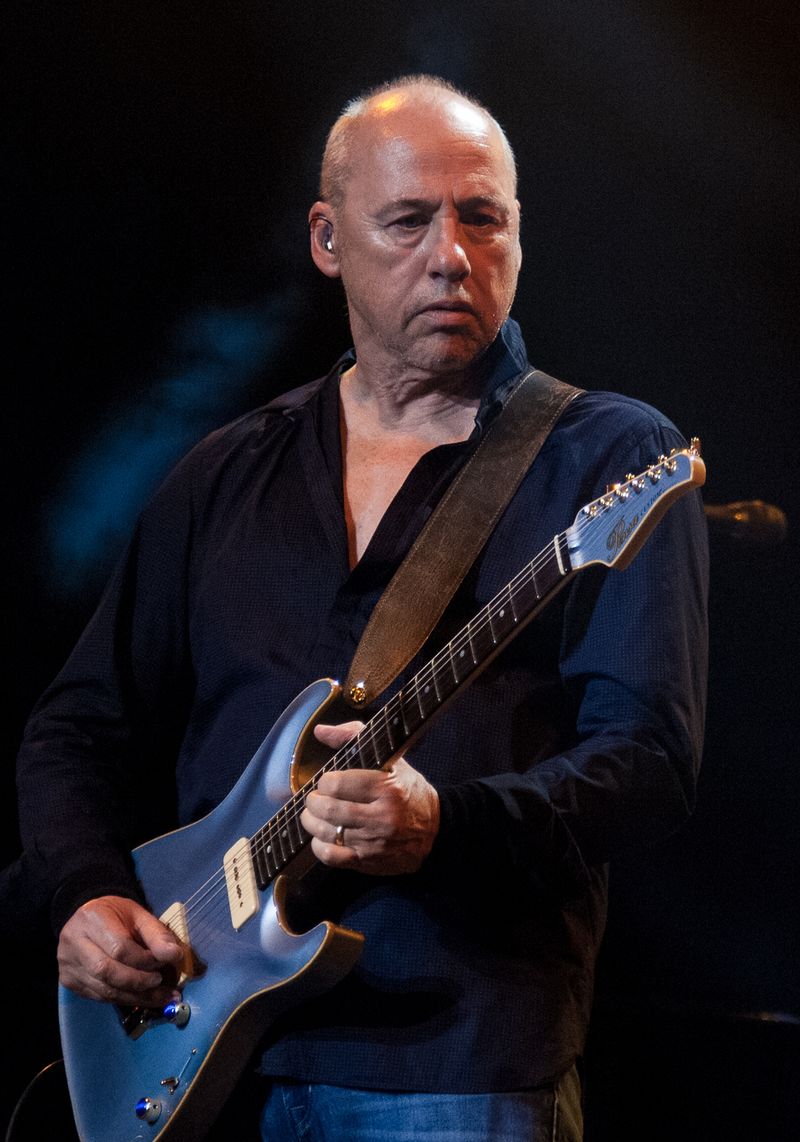
When asked about being called a guitar god, Mark Knopfler has consistently expressed discomfort with the label, preferring to identify as a songwriter and craftsman instead. That distinction matters to him, and it shows in how he has built his career. He has never chased the kind of celebrity that his technical ability could have easily justified.
Colleagues describe him as thoughtful, humorous, and genuinely modest, someone more interested in getting the song right than in receiving recognition for it. He has said openly that music is a humbling experience, and his behavior throughout decades in the industry backs that statement up. Knopfler has maintained a relatively private life outside of his music, rarely seeking publicity and letting the work carry whatever weight it deserves without personal amplification.
7. John Fogerty
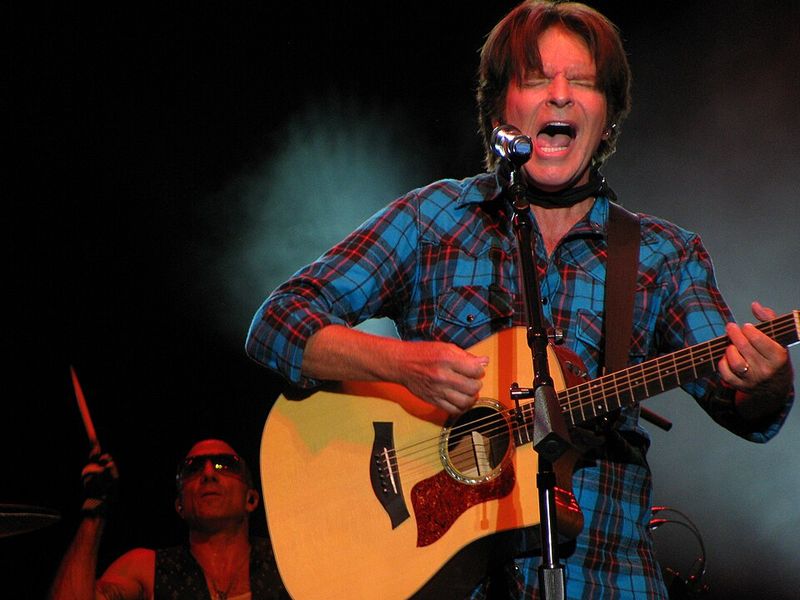
Creedence Clearwater Revival’s catalog reads like a map of American working life, and that was entirely intentional on Fogerty’s part. He wrote about swamps, bayous, factory workers, and ordinary Friday nights rather than the rock star experience, which reflected a genuine perspective rather than a calculated image. His connection to his audience has always been rooted in that shared frame of reference.
He has spoken candidly about the legal and personal struggles he faced after CCR dissolved, experiences that reinforced his focus on creative integrity over industry status. Live performances remained a priority throughout his career, and audiences consistently noted the evident joy he brought to sharing songs directly with a crowd. That energy, sustained across more than five decades, reflects a musician who never confused fame with purpose.
8. Jeff Lynne
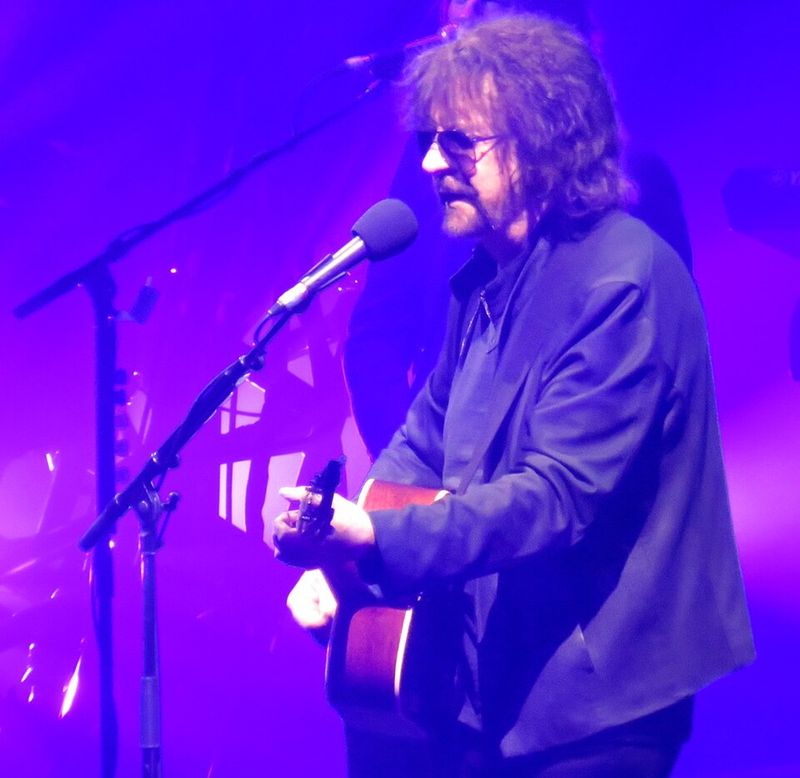
Producing records for George Harrison, Tom Petty, and Roy Orbison while simultaneously leading Electric Light Orchestra is a resume that most musicians would spend considerable time discussing publicly. Jeff Lynne has spent very little time doing that. His preference has always been the studio over the spotlight, and his public persona reflects that consistently.
ELO’s sound during the 1970s and 1980s required an extraordinary level of arrangement skill, blending orchestral elements with rock and pop in ways that were genuinely new at the time. Collaborators have described Lynne as focused entirely on the music rather than his own standing within it. His reserved approach to self-promotion, combined with an unmistakable body of work, has earned him deep respect from peers who recognize the gap between what he achieved and how little he advertised it.
9. Joe Walsh
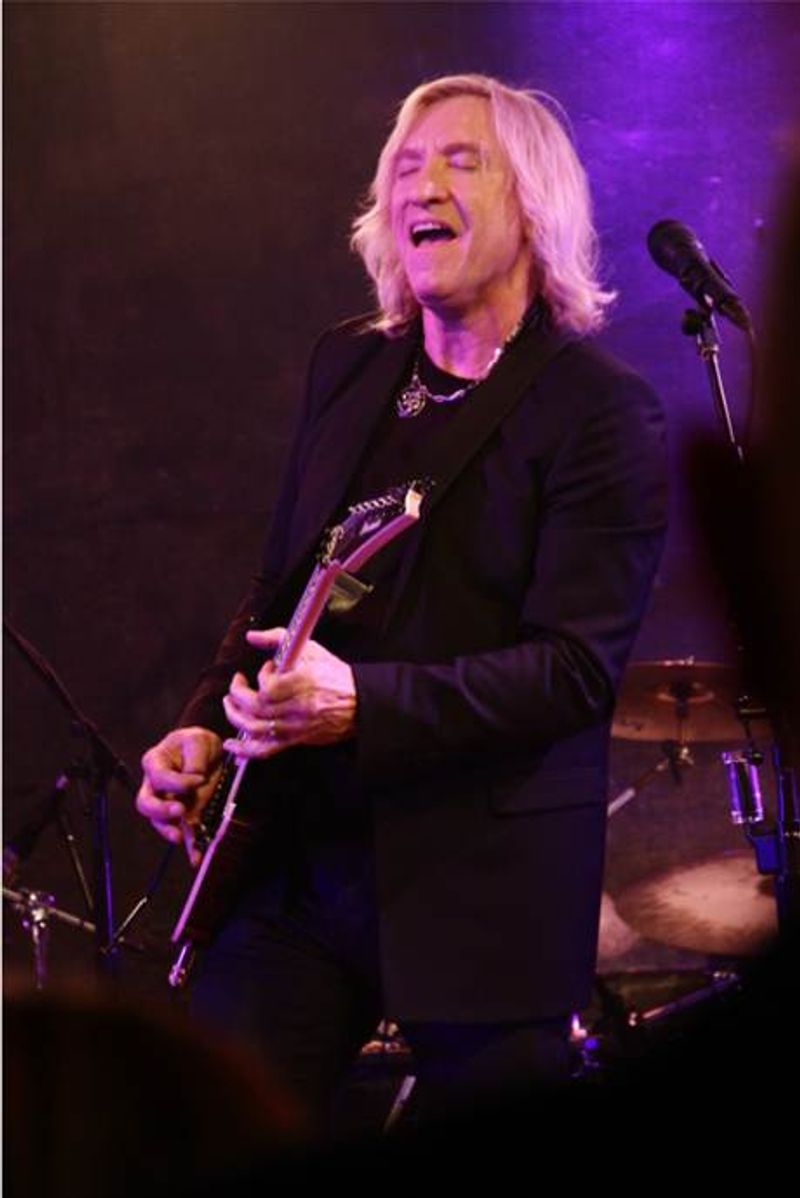
Joe Walsh has spoken publicly and candidly about his recovery journey for years, using his own story not to seek sympathy but to offer something useful to others going through similar experiences. That kind of honesty requires a specific type of courage, particularly for someone whose rock legend status could have made avoidance much easier. He chose transparency instead.
Fellow musicians consistently describe him as one of the most generous figures in the industry, freely sharing his time and knowledge with younger guitarists without attaching ego to the exchange. His willingness to mentor and collaborate, rather than protect his position, has made him a respected presence across multiple generations of rock musicians. Walsh’s career with the Eagles and as a solo artist gave him every reason to be self-important, and he clearly decided that was not interesting to him.
10. Roger Daltrey
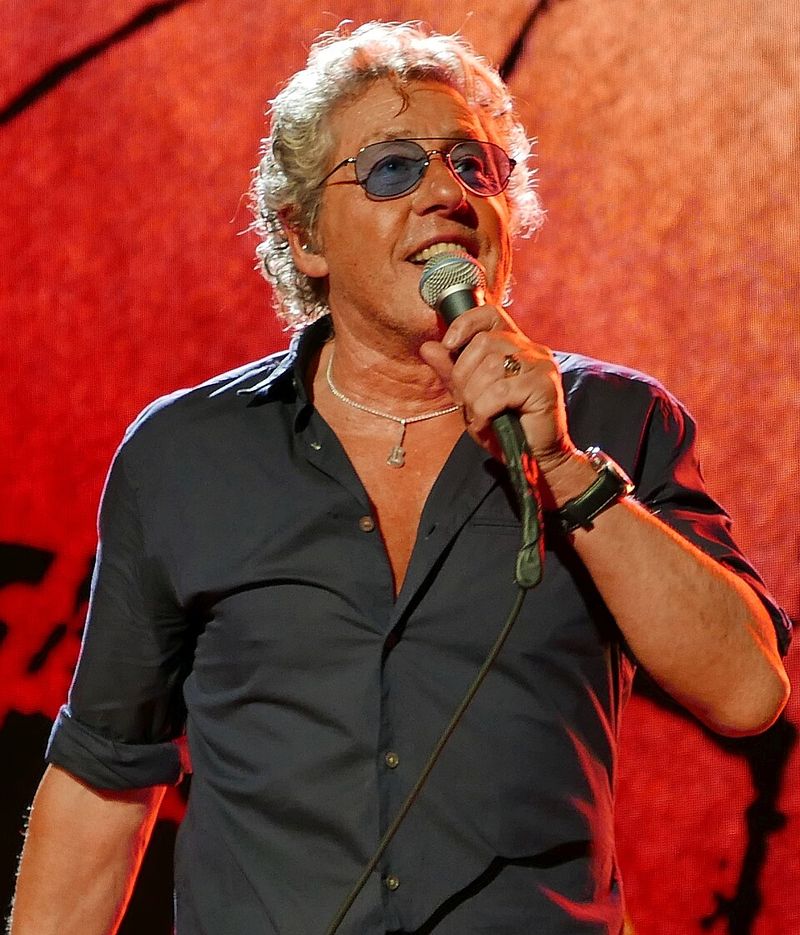
The Teenage Cancer Trust concerts at the Royal Albert Hall, which Daltrey helped establish, have raised over 36 million pounds to provide specialized care for young cancer patients across the United Kingdom. He has described accepting his knighthood for services to charity as an honor he received on behalf of all the people working quietly behind the scenes. That framing says a great deal about how he understands public recognition.
Away from The Who’s powerful stage presence, people who work with him describe a practical, hardworking individual who shows genuine appreciation for fan loyalty without treating it as a transaction. His decades of commitment to the Teenage Cancer Trust have been consistent rather than intermittent, which matters more than any single high-profile gesture. Daltrey turned his platform into something concrete and lasting for people who needed it.
11. Alice Cooper
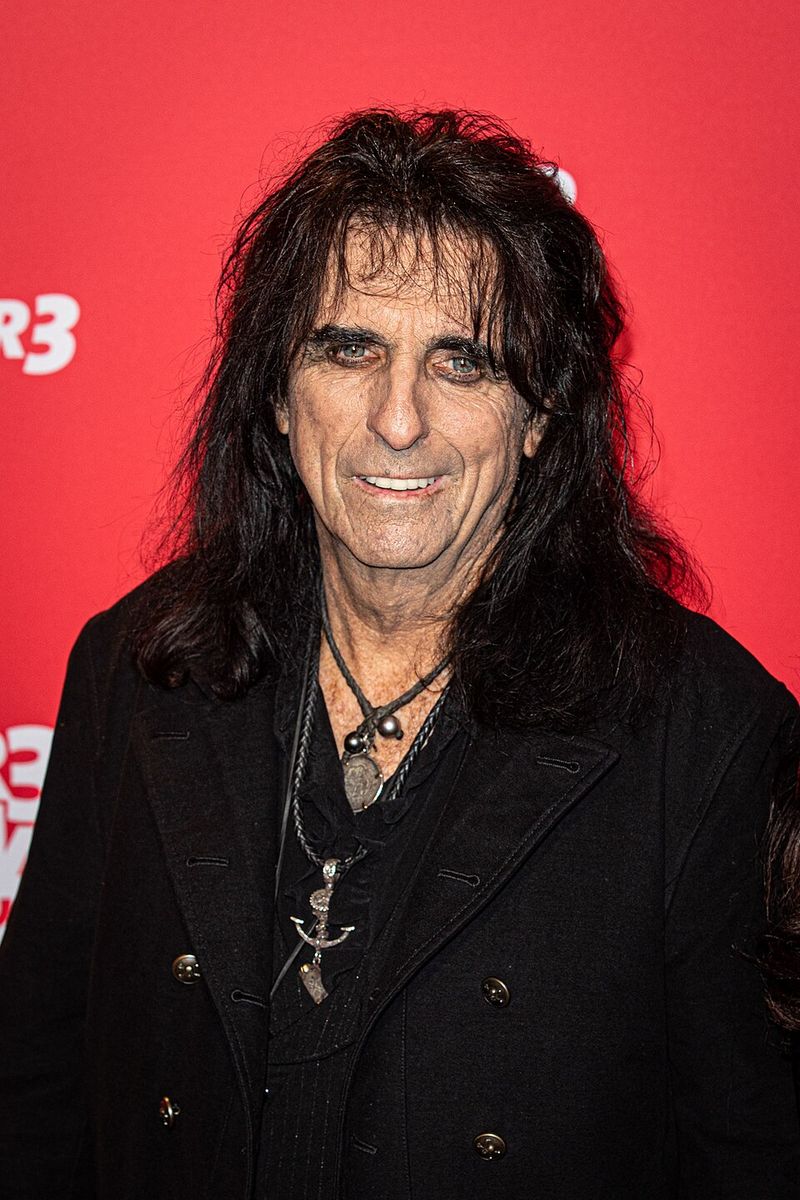
The contrast between Alice Cooper’s theatrical stage persona and his actual personality offstage has surprised people for decades. Friends describe someone polite, thoughtful, and genuinely engaged with the community around him, qualities that rarely make headlines because they lack the drama of his concerts. That gap between image and reality is part of what makes his story interesting.
He co-founded Solid Rock in 1995, which funds free after-school music and arts education centers for teenagers in Arizona. His annual Christmas Pudding benefit concert has raised substantial funds for those programs over the years. Cooper has consistently directed attention toward the young people his organization serves rather than using charity work as a personal branding exercise, which keeps the focus exactly where he intends it to be.
12. Sammy Hagar

Sammy Hagar has fronted Montrose, led Van Halen, and built a successful solo career across five decades, yet fan interaction has remained a consistent priority throughout all of it. He regularly stays after concerts to connect with audiences long past the point where most performers have moved on to the next city. That habit, repeated across decades, is not accidental.
He hosts charity events regularly and has spoken frequently about gratitude for his career, framing success as something earned collectively with the people who supported his music rather than something that belongs to him alone. His business ventures, including restaurants and other projects, are described by those involved as genuinely focused on creating enjoyable experiences for people. Hagar has built a public identity that centers connection over celebrity, and the consistency of that approach across his entire career makes it credible.
13. Neil Young
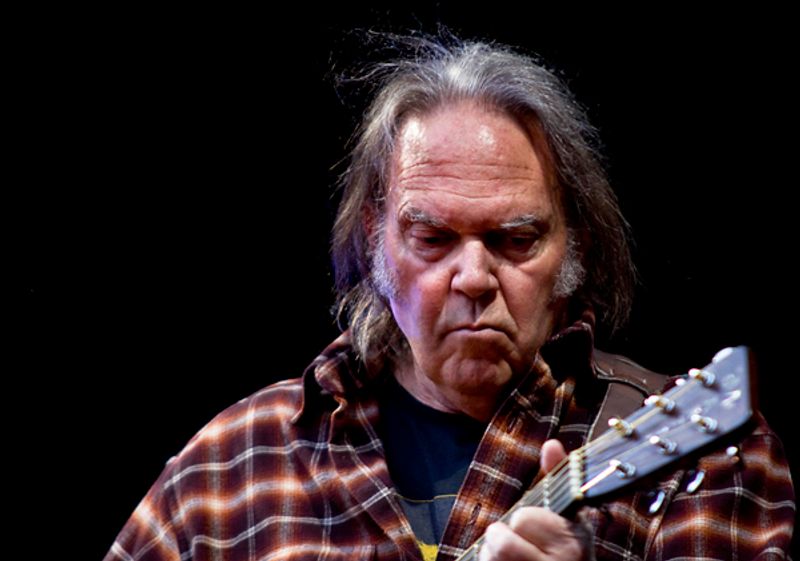
Neil Young began speaking publicly about environmental concerns as early as 1970, making him one of the first major rock artists to consistently connect his platform to ecological and social causes. His support for Farm Aid, the organization dedicated to keeping family farmers on their land, has been sustained rather than seasonal. He has never treated activism as a phase.
His Love Earth Village initiative at concerts creates space for non-profit organizations focused on ecological sustainability and social equity, directing audience attention outward rather than toward himself. Young has repeatedly chosen artistic authenticity over commercial trends throughout his career, walking away from profitable opportunities when they conflicted with his values. That pattern of decision-making, maintained across more than 50 years of recording and touring, reflects a consistent set of priorities that fame never managed to rearrange.
14. Ann Wilson
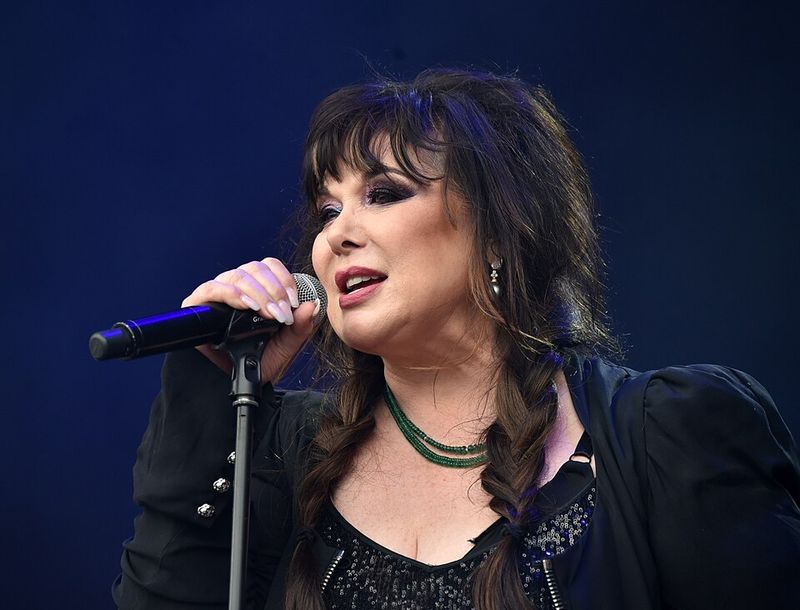
Heart broke into a rock landscape in the 1970s that was almost entirely defined by male artists, and Ann Wilson navigated that environment without softening her sound or shrinking her ambition to make the industry more comfortable. She has spoken openly about the sexism she encountered and how it shaped her understanding of what younger women entering rock music would face. That awareness became a source of active mentorship rather than a private grievance.
Wilson consistently acknowledges her musical influences in interviews, treating those debts as real rather than obligatory. Fellow musicians describe her professionalism as the kind that elevates everyone working around her. Her career has been built on craft and collaborative respect rather than individual promotion, and the artists she has encouraged along the way represent a legacy that extends well beyond her own recordings and performances.
15. Dave Grohl
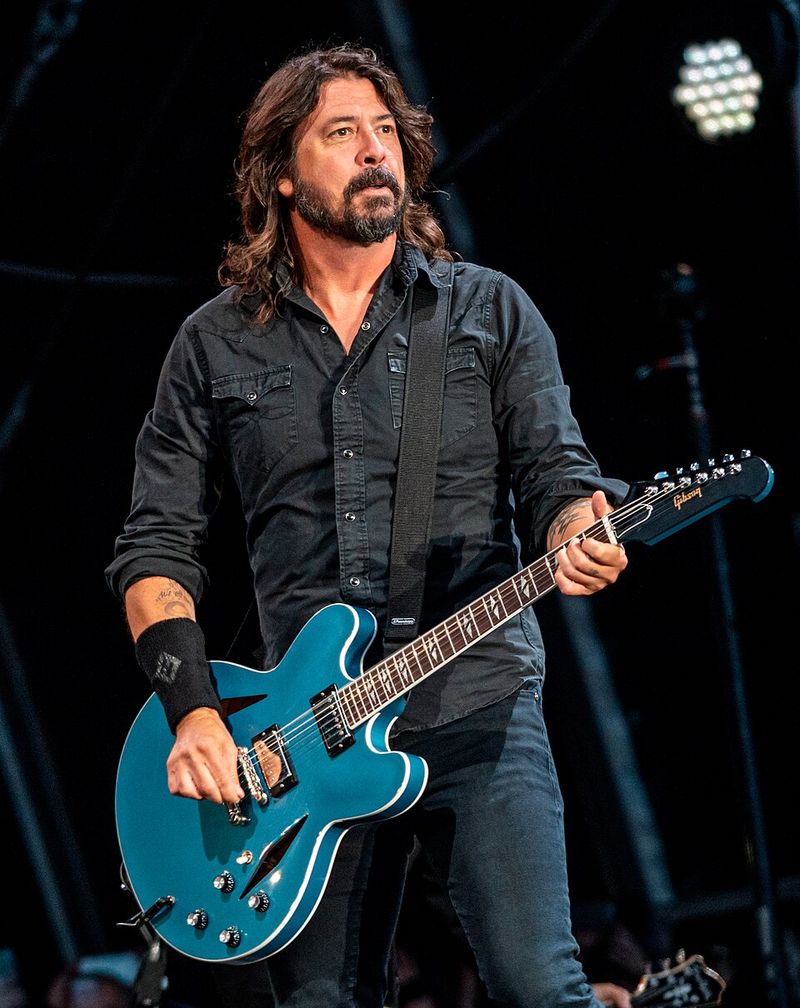
Stories about Dave Grohl’s off-stage behavior have accumulated steadily over the years, and they share a common thread: he treats people as if fame never happened. Accounts of him offering rides to stranded concertgoers, making unannounced appearances at small venues, and personally thanking audiences after shows have circulated widely enough to form a clear pattern. None of them read like publicity strategies.
His support for emerging local musicians reflects a genuine investment in the broader music community rather than a curated image of generosity. Grohl has spoken often about his beginnings, referencing Nirvana and his early years in a way that keeps those experiences present rather than distant. After more than three decades at the top of rock music, his accessibility remains one of the most consistently documented aspects of his public life, noted by fans, journalists, and fellow artists alike.
Share this story