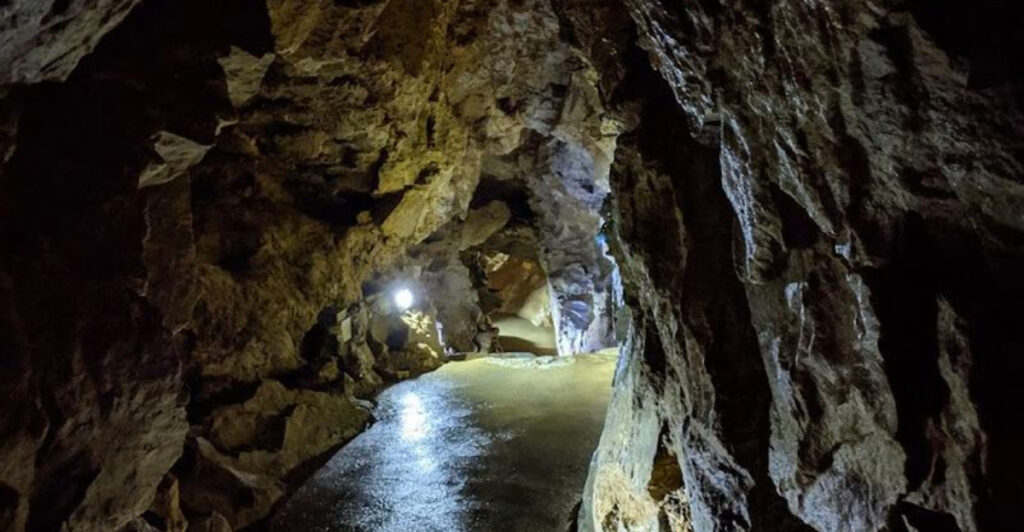
Deep in the Siskiyou Mountains of southern Oregon, there is a cave system so unusual that even geologists get excited talking about it. Most caves form in limestone, but this one carved itself through ancient marble, making it one of the rarest cave types in the entire country.
The passages twist and spiral in ways that feel almost architectural, shaped entirely by water over millions of years. From the moment you step inside, the temperature drops, the world goes quiet, and you realize you are standing inside something that took longer to build than the human mind can truly grasp.
Where It All Begins: Location and Getting There
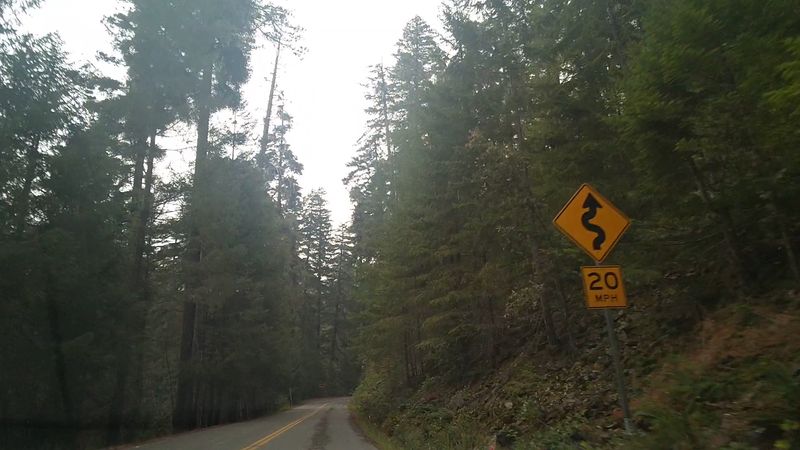
Oregon Caves National Monument and Preserve sits at 21000 Caves Hwy, Cave Junction, OR 97523, tucked into the Siskiyou Mountains of southern Oregon. Getting there is half the adventure.
The final stretch of road is narrow, winding, and runs through dense old-growth forest, so plan to drive slowly and enjoy it.
From Medford, the drive takes roughly an hour. Google Maps can be slightly off in the final miles, so watch for the national monument signs as you get closer.
The last ten miles cap out around 30 mph, and that is perfectly fine because the scenery along the way is genuinely worth slowing down for.
The lower parking lot holds about 100 cars and includes restroom facilities. From there, a short uphill walk brings you to the visitor center, where tours depart and the real experience begins.
The monument is open Tuesday through Sunday, with hours running from 9:30 AM to 5 PM most days. Buying tickets in advance through recreation.gov is strongly recommended, especially during summer months when tours fill up fast.
The Geology Behind the Marvel: Marble Caves Explained
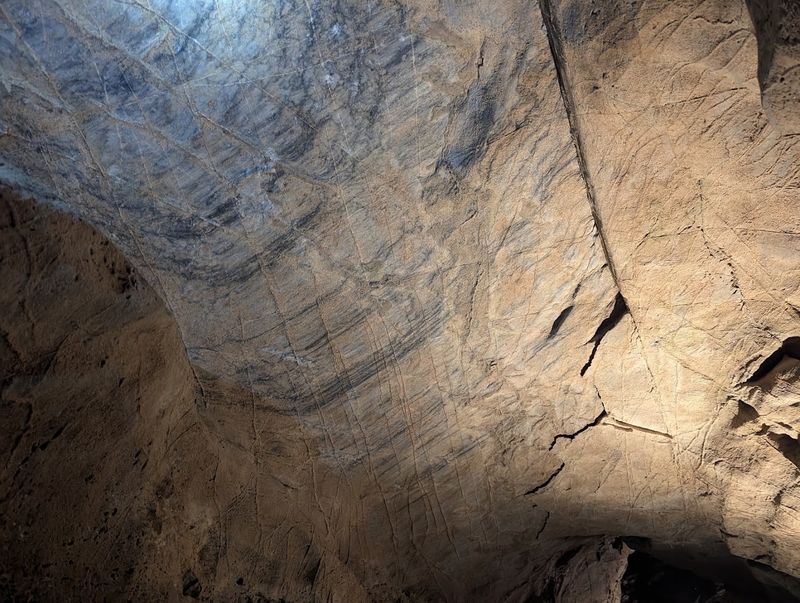
Most people have heard of limestone caves, but Oregon Caves is something rarer. The cave system formed inside a massive block of marble, which is metamorphic rock created when limestone gets subjected to intense heat and pressure over millions of years.
That transformation is exactly what makes this place so scientifically fascinating.
Water is the real architect here. Slightly acidic rainwater slowly dissolved the marble over an enormous stretch of time, carving out chambers, tunnels, and passages that now stretch deep into the mountain.
The walls have a swirling, almost painterly quality because the marble itself contains bands of different minerals pressed together during its formation.
Visitors can actually see all three major rock types on a single tour: igneous, sedimentary, and metamorphic. That geological variety in one location is genuinely unusual and gives the cave a scientific depth that goes well beyond just pretty formations.
Rangers explain the rock history clearly and enthusiastically, making even the technical parts easy to follow. The cave teaches you that the ground beneath your feet has a story that stretches back hundreds of millions of years.
The Guided Tour Experience: What to Expect Underground
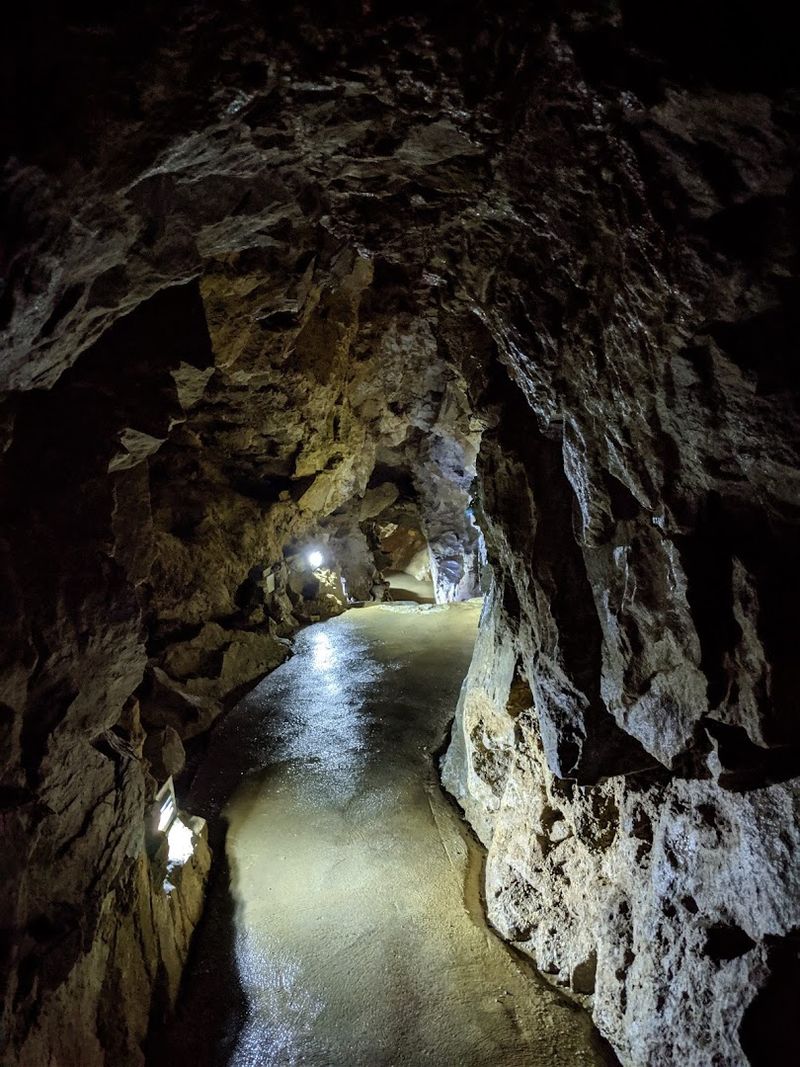
The standard cave tour at Oregon Caves runs about 90 minutes and covers a route filled with low ceilings, steep stairs, tight squeezes, and genuinely jaw-dropping formations. Rangers lead every group, and their knowledge and energy set the tone for the entire experience.
The tour starts at the cave entrance, where your ranger goes over safety rules and walks the group through a few physical movements you will need inside, like ducking and turning sideways through narrow sections. It sounds a little silly at first, but once you are inside a corridor barely wide enough for your shoulders, you will be glad for the practice.
Groups are typically capped at around 15 people, though smaller groups tend to flow more smoothly through the tighter passages. There is an exit point roughly halfway through for anyone who needs to leave early, which is a thoughtful option for visitors who feel uncomfortable in enclosed spaces.
The rangers are consistently praised for their storytelling, humor, and patience. One guide reportedly did a spot-on character voice from a popular fantasy film that had the whole group laughing in the dark.
Every tour feels like its own small adventure.
The Formations Inside: Shapes That Water Sculpted Over Time
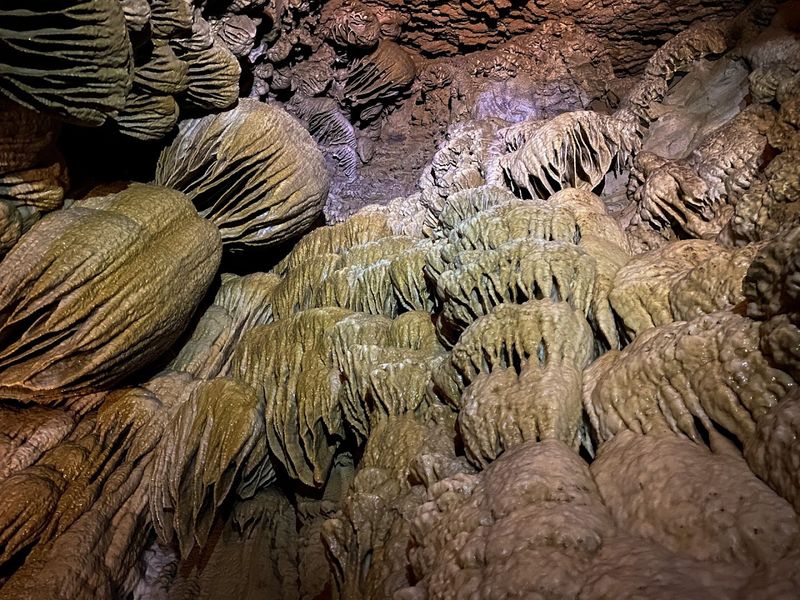
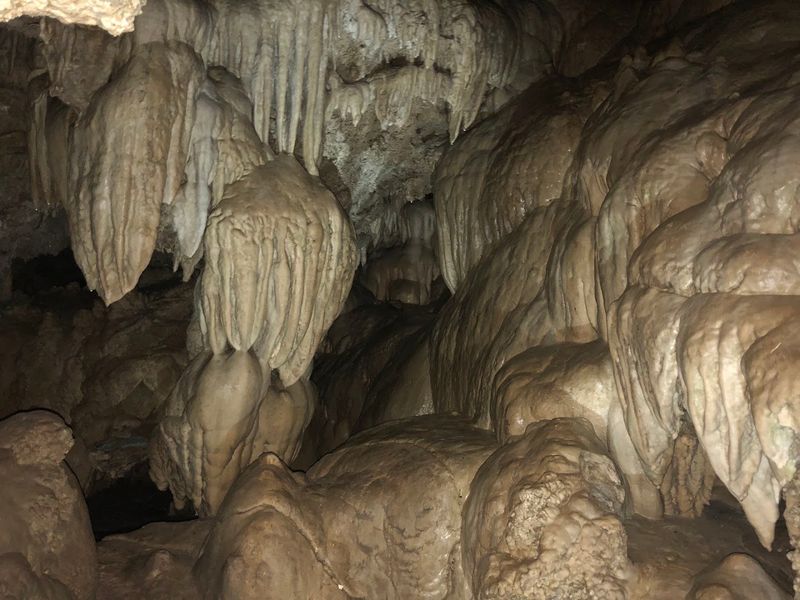
The formations inside Oregon Caves have a quality that photographs struggle to capture honestly. Water has been dripping, flowing, and pooling in these chambers for so long that it has built up structures that look almost intentional, like something a sculptor spent decades creating.
Visitors commonly spot shapes that resemble hearts, flowers, castles, and cascading waterfalls frozen in stone. Some formations hang from the ceiling like chandeliers, while others rise from the floor in slow columns that have been growing for thousands of years.
The variety within a single tour route is genuinely surprising.
The marble itself adds an extra visual layer. Because the rock has natural banding and color variation, the formations that grow on its surface pick up those tones and patterns, giving each one a slightly different look.
Some sections of the cave feel almost cathedral-like in their scale, while others are intimate and close, forcing you to crouch and look carefully at details that reward a slow pace. Turning off the lights at one point during the tour is a tradition that makes the darkness feel truly absolute, which is both unsettling and quietly wonderful at the same time.
What to Wear and Bring: Practical Tips for the Cave
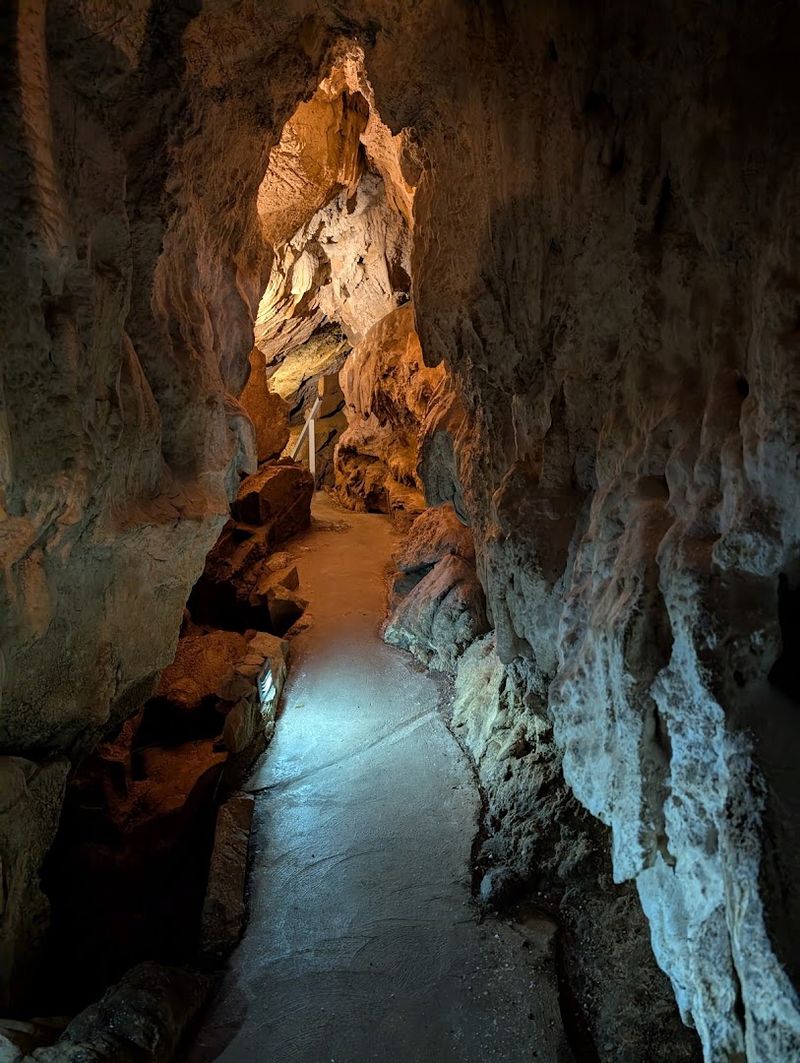
The cave stays at a steady 44 degrees Fahrenheit year-round, which feels refreshing in the middle of summer but can catch people off guard if they show up in shorts and sandals. Layers are the smart move.
A long-sleeve shirt and a light jacket will keep you comfortable throughout the 90-minute tour without making you feel overdressed once you are back outside.
Sturdy, closed-toe shoes with good grip are essential. The cave floor is uneven, wet in spots, and involves a lot of stair climbing.
Flip-flops and smooth-soled shoes are a genuine hazard in there, and rangers will turn people away if their footwear is not appropriate for the terrain.
Leave large bags and bulky items at the visitor center, which provides lockers for exactly that purpose. The cave passages are narrow enough that a big backpack becomes a problem for everyone behind you.
A small water bottle is fine to carry. One practical note worth repeating: buy your tickets ahead of time on recreation.gov, especially if you are visiting on a weekend or during peak summer season.
Walk-in spots do exist, but they go quickly, and showing up without a ticket is a gamble that does not always pay off.
The Park Rangers: The Heartbeat of Every Tour
No piece of writing about Oregon Caves would be complete without talking about the rangers, because they are genuinely what takes the tour from interesting to memorable. The guides here bring a level of enthusiasm and preparation that makes you feel like you are getting a private geology lecture from someone who truly loves their job.
Rangers weave together the cave’s scientific history, its human story, and plenty of well-timed humor to keep groups engaged throughout the entire 90 minutes. They handle unexpected situations, like a section of lights going out mid-tour, with calm professionalism and a light touch that keeps everyone relaxed.
When a ranger pulls out small backup lights and cracks a joke to ease the tension, that is the kind of moment people talk about for years afterward.
The guides also make a point of keeping the whole group together, checking on slower walkers, answering questions patiently, and making sure nobody feels left behind. Children, elderly visitors, and first-timers all seem to find the tours approachable because the rangers calibrate their energy to the group in front of them.
That kind of attentiveness is not something you can fake, and it shows in the consistently high ratings the monument receives from visitors across all age groups.
Wildlife in the Dark: Bats and Cave Creatures
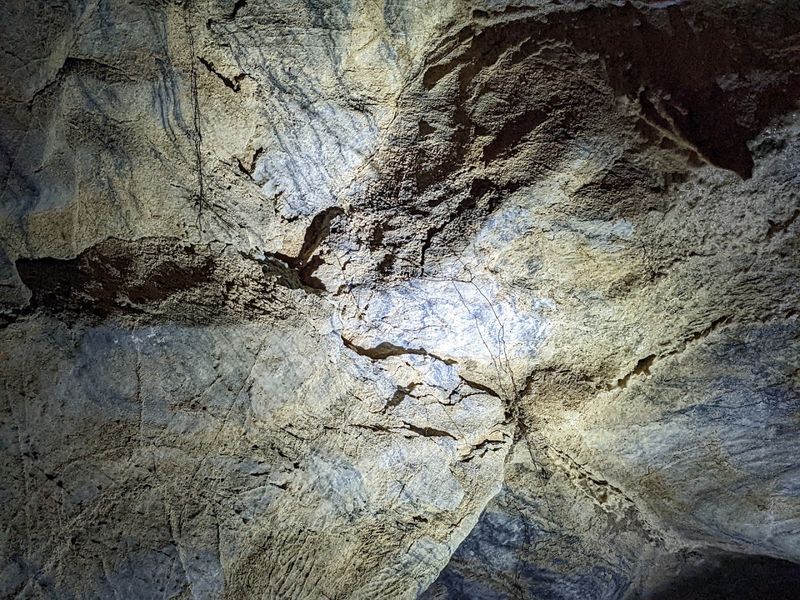
The cave is not just rock and formations. It is also home to a small but fascinating community of creatures that have adapted to life in the dark, and spotting them adds an unexpected wildlife element to the tour that catches many visitors by surprise.
Bats are the most commonly spotted residents, and rangers point them out when conditions allow. Seeing a bat tucked against a marble ceiling, completely still and unbothered by the passing tour group, is a quietly surreal moment.
The visitor center even has displays dedicated to the insects and other organisms that make the cave their permanent home, which gives context to the ecosystem before you head underground.
The cave environment is fragile, and the National Park Service works hard to protect the wildlife that depends on it. Visitors are asked not to touch any surfaces inside the cave, both to preserve the formations and to avoid disrupting the delicate biological balance that keeps the ecosystem functioning.
That sense of shared responsibility makes the experience feel less like a tourist attraction and more like a genuine encounter with a living place. The cave breathes, drips, and supports life in ways that most people never expect before their first visit.
Hiking Trails Above Ground: The Big Tree and Beyond
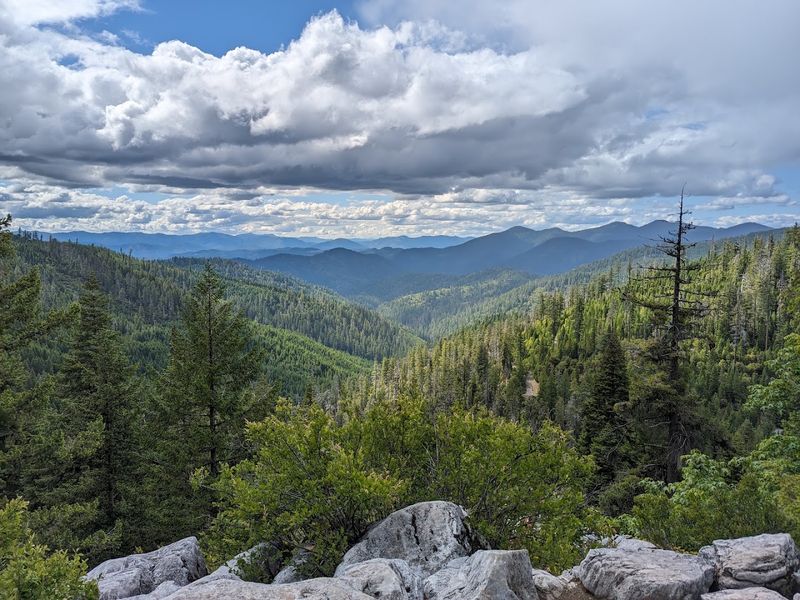
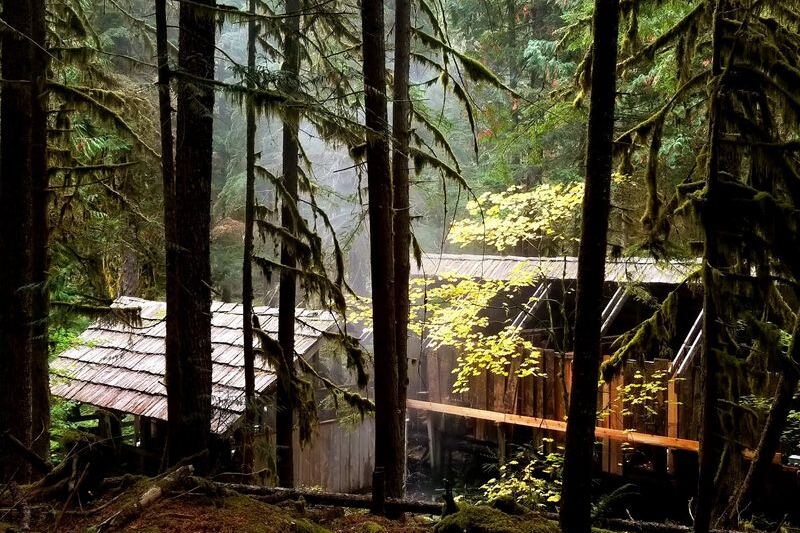
The cave tour gets most of the attention, but the trails above ground at Oregon Caves deserve equal billing. The monument sits inside a preserve that protects old-growth forest, dramatic cliff faces, and mountain views that stretch out in ways that feel genuinely expansive after spending time underground.
The Big Tree Trail leads to a Douglas fir of impressive size, surrounded by forest that feels ancient and undisturbed. The Cliff Nature Trail adds elevation and rewards hikers with views of the surrounding ridgelines and valleys.
Combining both into a loop takes a few hours and covers terrain that ranges from gentle forest walking to a more demanding climb with some real payoff at the top.
The trails are generally well-maintained, though occasional blowdowns can create minor obstacles after storms. Starting the hike early in the morning, before the cave tour, is a smart way to experience both sides of the monument in a single visit.
The solitude on the trails is a strong contrast to the social energy of the cave tour, and many visitors find that the quiet of the forest adds a different kind of depth to the overall experience. Both halves of the day feel worthwhile on their own terms.
The Visitor Center: Your First Stop and Best Resource
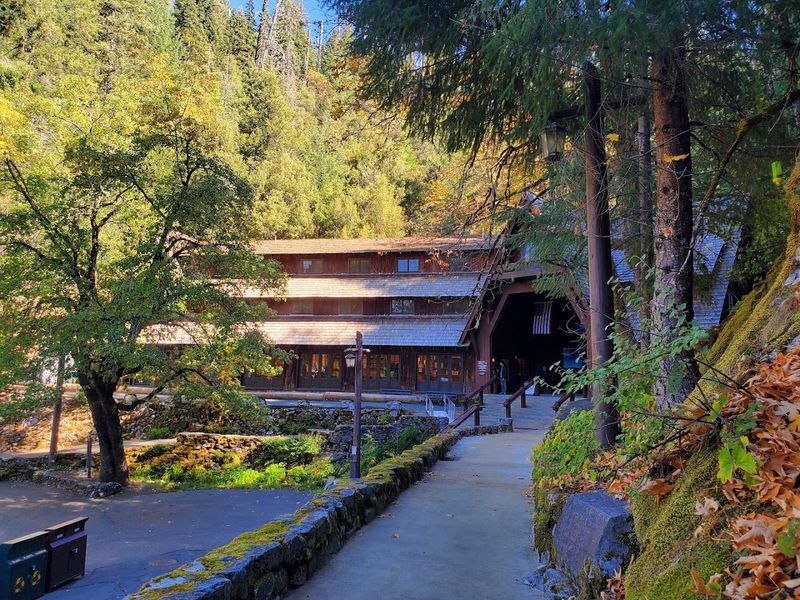
The visitor center at Oregon Caves is a genuinely useful stop before heading underground, and not just because it is where you check in for your tour. The building holds a gift shop, informational displays, and a replica cave section that gives first-time visitors a realistic preview of what the passages inside actually look like.
The displays cover the cave’s geological history, its human discovery story, and the biology of the creatures that live inside. Spending 15 or 20 minutes reading through the exhibits before the tour makes the experience underground noticeably richer, because you arrive with context instead of just curiosity.
The staff at the front desk are helpful and direct about what to expect, including honest guidance about physical demands for visitors with mobility concerns.
Lockers are available for storing bags and personal items before the tour, which is a practical detail that makes a real difference once you are inside tight cave passages. The gift shop carries books, maps, and nature-themed souvenirs that are tasteful and reasonably priced.
The visitor center is also where rangers post any updates about trail conditions, tour availability, or weather-related closures, so checking the board when you arrive is always a good idea before making plans for the day.
Booking Smart: Tickets, Timing, and Tour Logistics
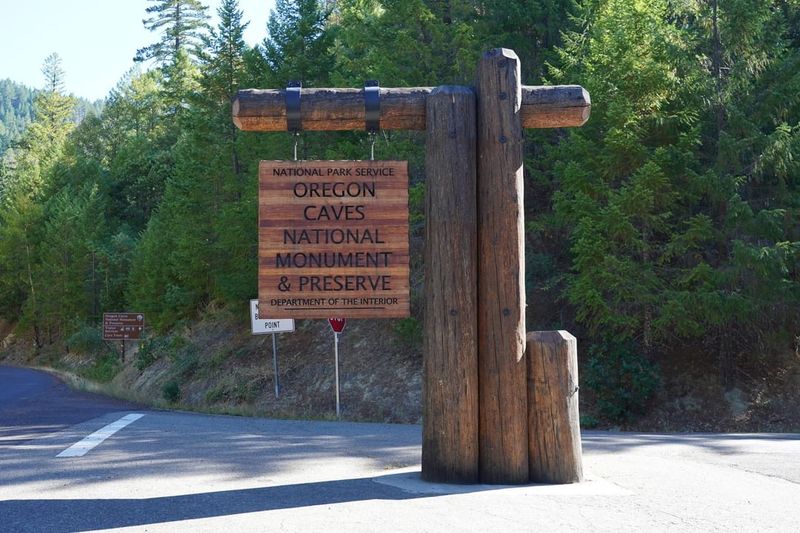
Getting your tickets sorted before you make the drive is genuinely important at Oregon Caves. Tours are limited in size and sell out quickly during summer weekends, and the monument is far enough from major highways that showing up without a confirmed spot is a frustrating experience nobody wants to repeat.
Tickets are available through recreation.gov, and booking a few days in advance is the safe move during peak season. The monument does hold back some same-day walk-in spots, but those go fast, especially on weekends.
Arriving earlier than your scheduled tour time can occasionally get you bumped to an earlier slot if space allows, which is a nice bonus if you want to get underground before the afternoon crowds build up.
Tours run from 9 AM to 5 PM on Tuesdays and Wednesdays, and from 9:30 AM to 5 PM the rest of the week. The 90-minute duration means you can realistically fit a cave tour and a trail hike into a single day if you plan the timing well.
One last logistical note: the road to the monument is narrow and winding, and large RVs or trailers should only attempt it if the driver is genuinely experienced with tight mountain roads. Passenger cars and smaller SUVs handle it without any trouble.
The Drive In: A Scenic Approach Worth Savoring
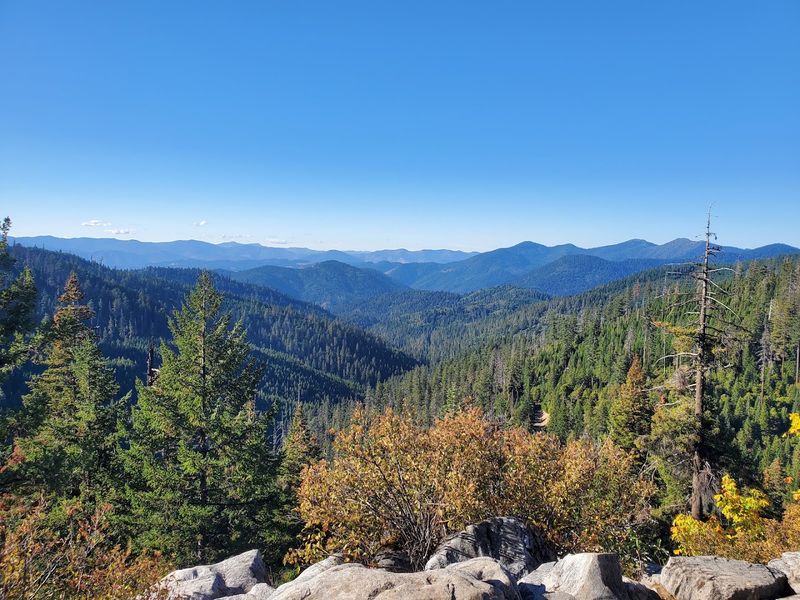
The road to Oregon Caves is one of those approaches that prepares you for something special without ever spelling it out directly. From Cave Junction, the highway climbs steadily into the Siskiyou Mountains through a corridor of towering conifers that block out the sky in the best possible way.
The final ten miles are narrow enough that passing oncoming traffic requires patience and a willingness to use pull-outs. The speed drops naturally to around 30 mph, and fighting that feels pointless once you accept that the drive itself is part of the experience.
The road curves and rises in ways that keep revealing new angles of the surrounding forest, and the light through the tree canopy shifts constantly as you climb.
Large vehicles like motorhomes and trailers are genuinely not suited for this road unless the driver has serious experience with mountain driving. For everyone else, a regular car or SUV handles it comfortably.
The parking area at the bottom has room for roughly 100 vehicles and includes restrooms, which is worth knowing before the final push up. Arriving with a full tank of gas and a relaxed attitude toward the drive makes the whole day start on a much better note than rushing ever would.
A Place Worth the Trek: Final Thoughts on Oregon Caves
Some destinations require effort to reach, and Oregon Caves is honest about that from the start. The drive is long, the road is winding, and you cannot just pop in on a whim without a little planning.
But the people who make the trip consistently say the same thing: it was worth every mile.
The combination of rare marble geology, skilled and enthusiastic rangers, dramatic cave formations, and beautiful above-ground trails creates an experience that covers a lot of ground in a single day. Families with older kids, couples looking for something genuinely different, and solo travelers who appreciate natural history all seem to find something meaningful here.
The cave does not cater to one type of visitor; it rewards curiosity in general.
Oregon Caves National Monument and Preserve is the kind of place that changes how you think about the landscape around you, even after you have driven home and gone back to your normal routine. The marble walls, the steady drip of water in the dark, and the quiet scale of the underground chambers stay with you in a way that is hard to explain but easy to remember.
Some places earn their reputation honestly, and this is one of them.
Share this story