There is a place in northern Maryland where fox hunts frozen in sculpted greenery stand just a few steps from a butterfly house full of fluttering wings. The estate sits on 200 rolling acres and packs in 22 distinctly themed garden rooms, a historic manor house, a nature trail, and a cafe with outdoor seating.
Harvey Smith Ladew, the man who built it all, was a fox-hunting socialite who turned a run-down farm into one of the most celebrated topiary gardens in the country. Whether you are planning a day trip from Baltimore or just looking for somewhere genuinely different to spend a weekend afternoon, this place in Monkton, Maryland delivers more surprises than most people expect.
The Man Behind the Hedges: Harvey Ladew’s Unlikely Legacy
Harvey Smith Ladew was not a trained horticulturalist. He was a fox-hunting New York socialite who bought a neglected Maryland farm in 1929 and, over the next four decades, transformed it into something that the Garden Club of America would eventually call the most outstanding topiary garden in the United States.
Ladew had no formal design training, yet he laid out all 22 garden rooms himself. He traveled widely, drew inspiration from English country estates, and brought that vision back to the Maryland countryside with remarkable results.
He was also a well-connected figure in his time, hosting artists, writers, and members of British royalty at the manor house. The house tour brings those stories to life in a way that a simple garden walk cannot.
Standing in the rooms he actually used, hearing details about the people who visited, makes the whole estate feel grounded in real human history rather than just landscape design.
Twenty-Two Garden Rooms and What Makes Each One Different
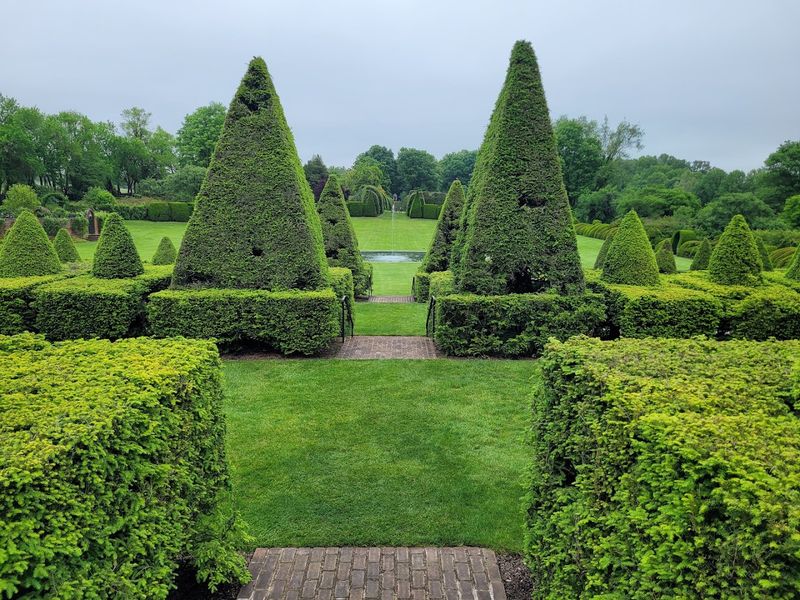
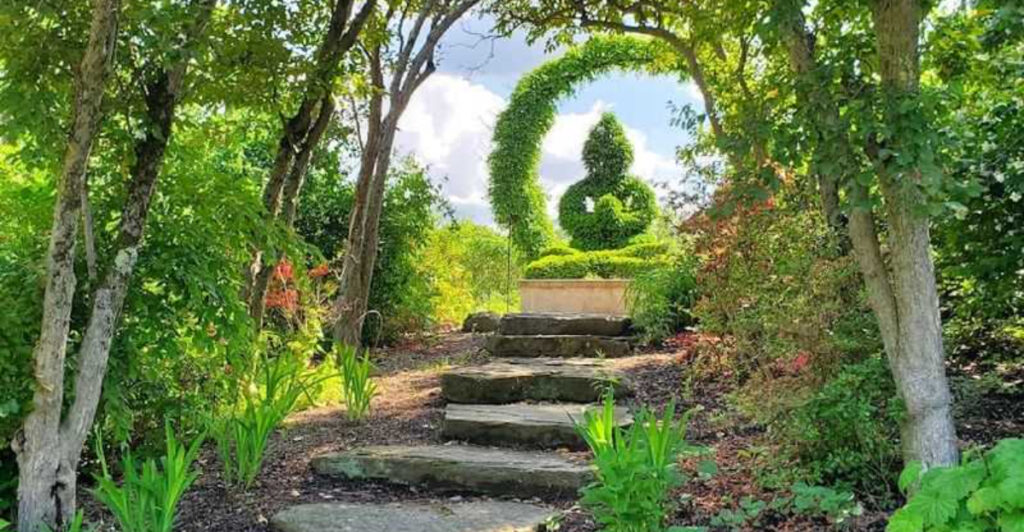
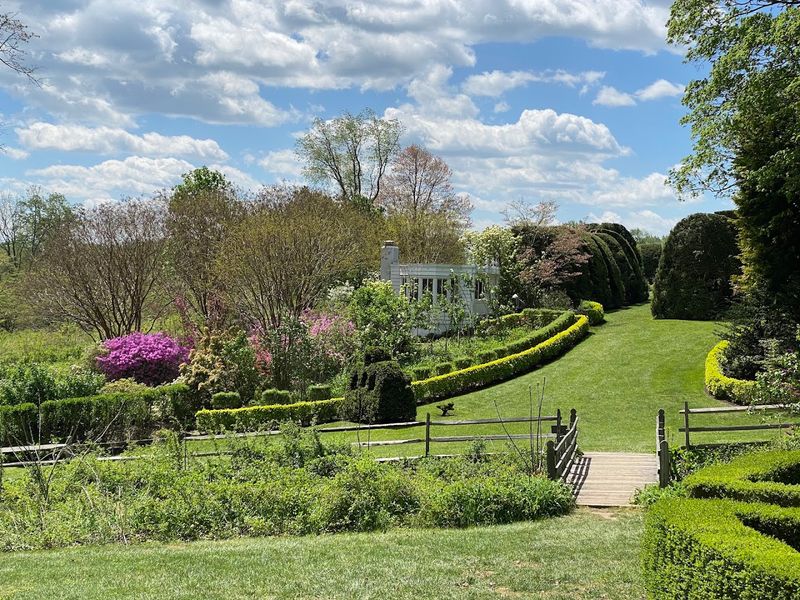
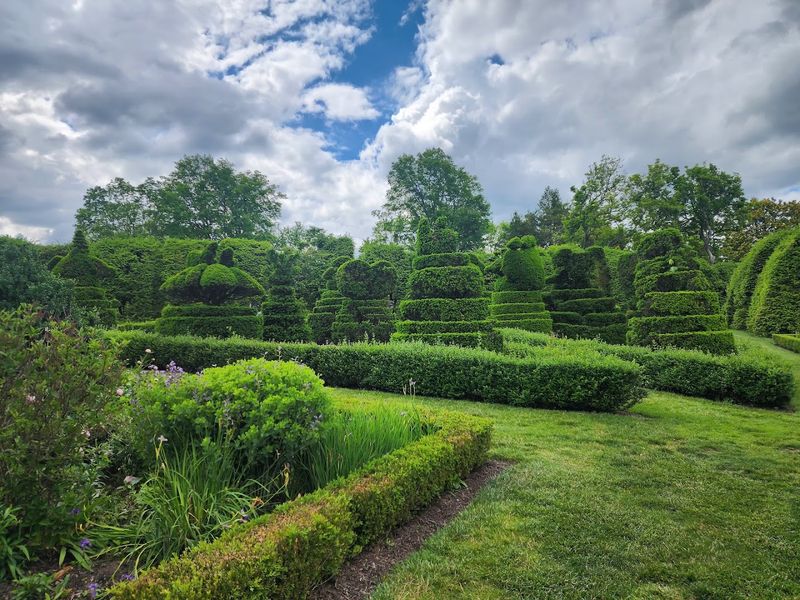
The concept of garden rooms is exactly what it sounds like. Tall hedges act as walls, dividing the grounds into distinct outdoor spaces, each with its own theme, plantings, and character.
Walking from one room to the next feels a bit like flipping through chapters of a book.
Some rooms are formal and geometric, with clipped hedges and symmetrical flower beds. Others are looser and more naturalistic.
There is a rose garden, a water lily garden, a yellow garden, and several others that shift in character depending on the season.
Spring brings tulips and azaleas in full force. Summer fills the rooms with color from a wide variety of blooms.
Even in fall, the foliage and structure of the hedges keep the space visually interesting. The sheer variety across 22 rooms means that repeat visits in different seasons genuinely feel like new experiences.
Most people who come once end up planning a return trip before they even leave.
The Fox Hunt Topiary: Greenery Frozen in Motion
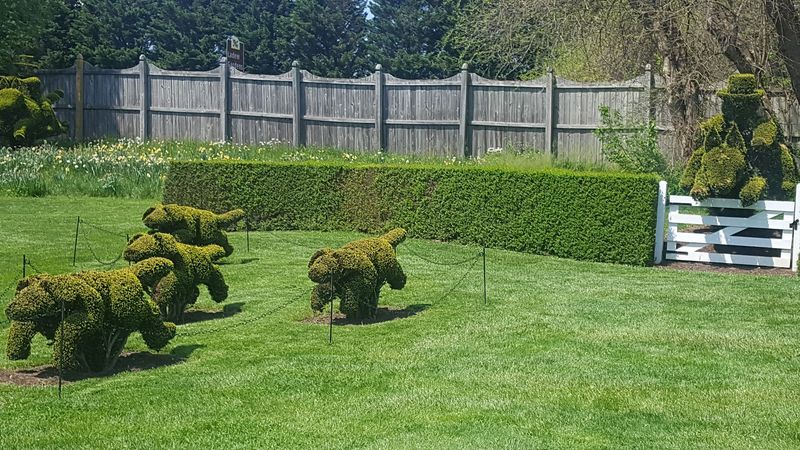
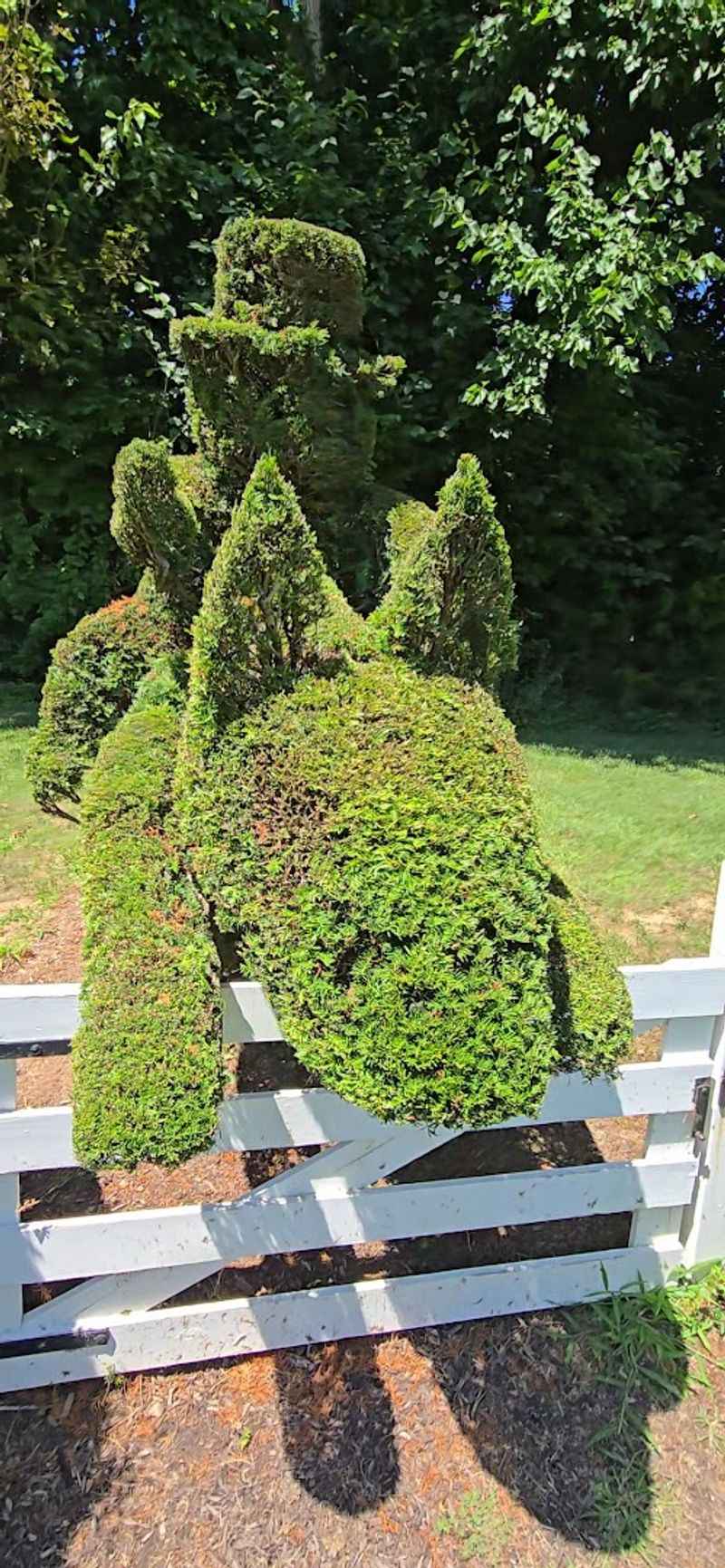
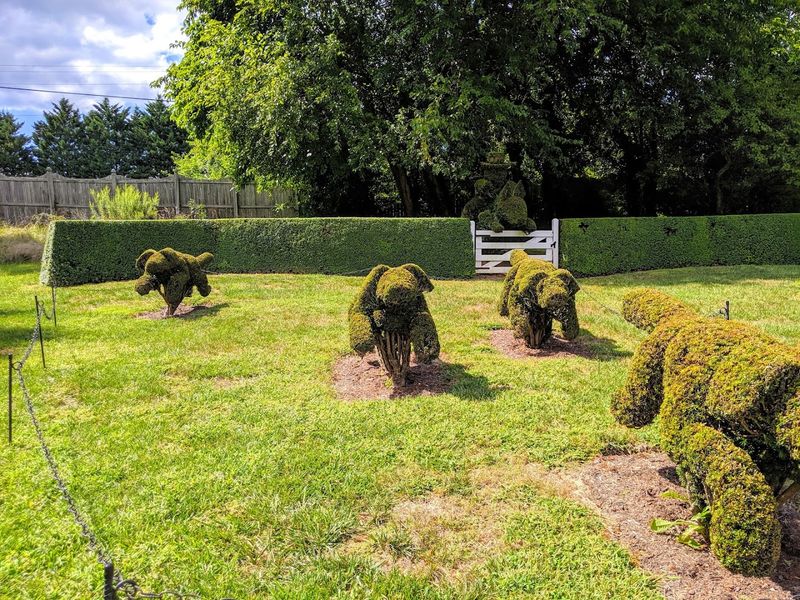
The fox hunt topiary is the signature image of this estate, and it earns that status. A full hunting scene, complete with riders on horseback, hounds in pursuit, and a fox ahead of them, has been sculpted entirely from living yew hedges.
The level of detail is genuinely surprising when you see it up close.
Harvey Ladew was passionate about fox hunting throughout his life, and this piece of living sculpture was his way of making that passion permanent. The scene stretches across a long hedge line and reads almost like a freeze-frame from an actual hunt.
Topiary at this scale requires ongoing maintenance, and the gardening team works year-round to keep the shapes intact. The craft involved in maintaining something this specific over decades is worth pausing to appreciate.
It is not just a garden feature; it is a statement about what patience and skill can produce when given enough time and the right plants.
The Butterfly House: A Separate World Worth the Extra Ticket
The Butterfly House at Ladew is a seasonal attraction that operates during the warmer months, and it draws plenty of attention on its own. Butterflies move freely inside an enclosed structure surrounded by the plants they rely on, making it easy to observe them at close range without any barriers.
Monarch butterflies are a particular highlight here. The garden has been involved in monarch release events, which draw crowds eager to see the butterflies take flight in person.
These events tend to sell out, so checking the schedule in advance is a practical necessity.
The Butterfly House does carry an additional admission charge beyond the standard garden ticket, but most people who visit consider it worthwhile. It is the kind of experience that appeals equally to adults and children, and it connects naturally to the broader ecological theme of the property.
The gardens surrounding the structure are planted specifically to support pollinators, which means there is plenty of butterfly activity even outside the enclosure.
The Manor House Tour: Rooms That Tell a Story
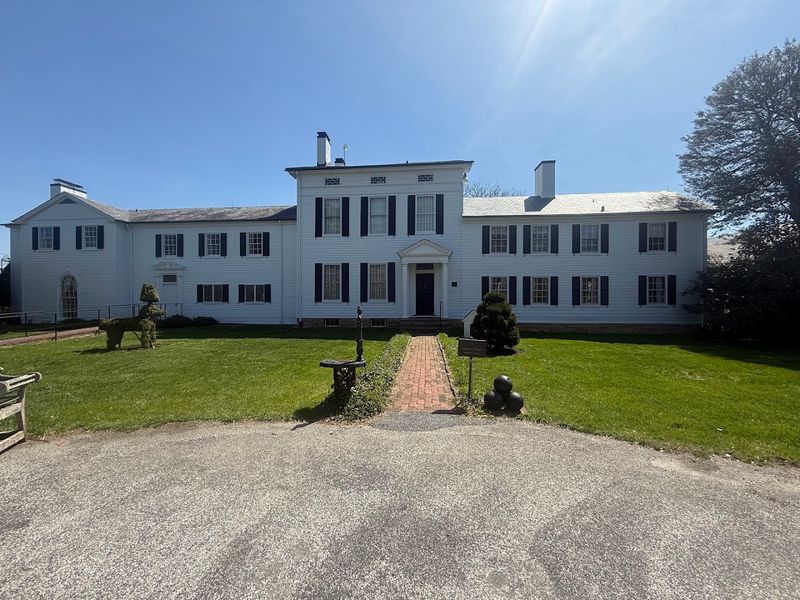
The manor house tour offers something the gardens cannot: a look inside the private world Harvey Ladew built for himself. The first floor is open to guided tours, and the rooms are preserved with original furnishings, artwork, and personal objects that reflect his wide-ranging interests and social connections.
Docents lead small groups through the space, sharing stories about Ladew’s life, his travels, and the notable figures who passed through these rooms. The personal details make the tour feel more like a conversation than a lecture.
Hearing about the man’s personality while standing in the actual spaces he lived in gives the whole experience a different kind of weight.
Tours of the house end before 4 PM, so timing matters if this is on your list. The house is not air-conditioned in the warmer months, so lighter clothing is a practical consideration.
The tour runs roughly 45 minutes and covers about five rooms on the ground floor.
The Nature Trail: Where the Garden Meets the Woods
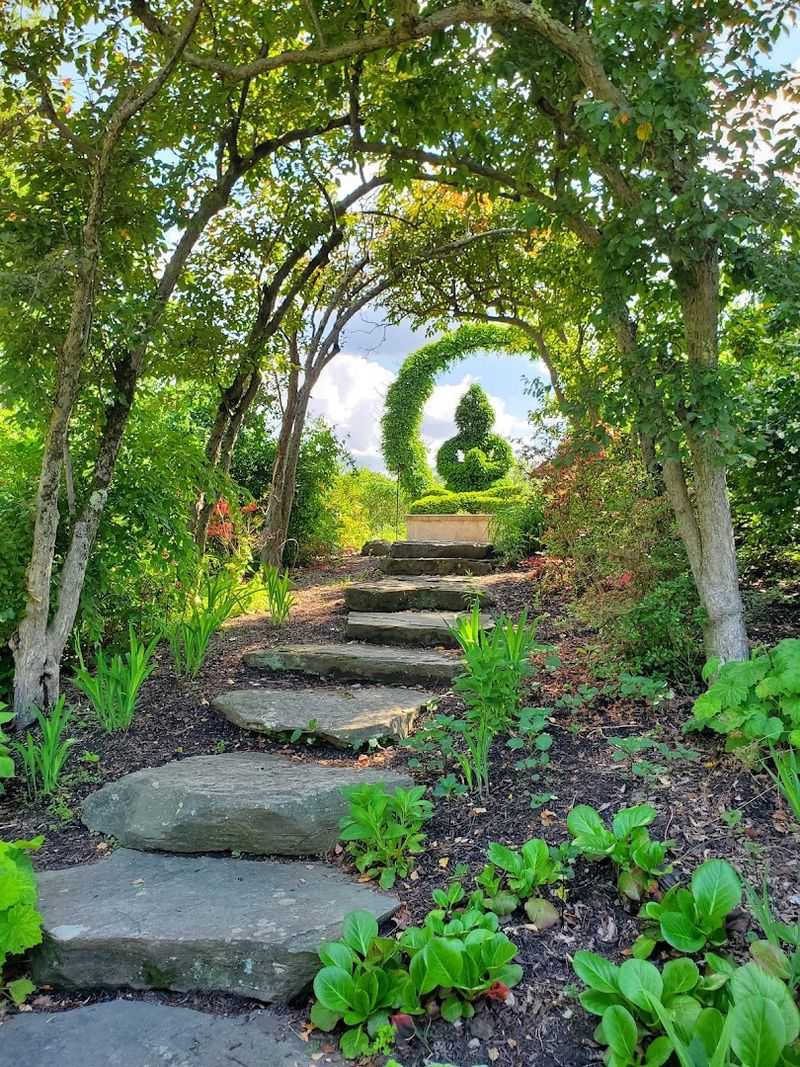
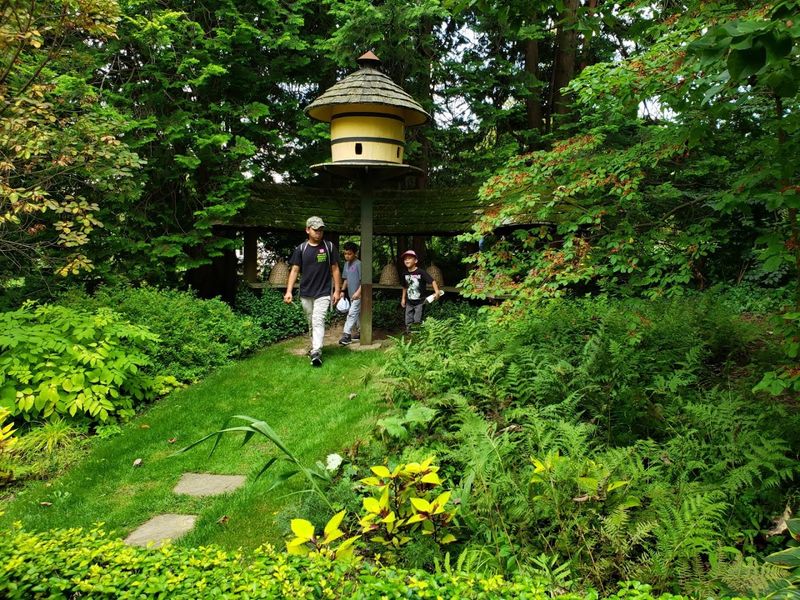
Not everything at Ladew is clipped and cultivated. The nature trail takes visitors away from the formal garden rooms and into a stretch of woodland that feels genuinely wild by comparison.
The change in atmosphere is immediate and welcome, especially after spending time in the more structured parts of the property.
The trail winds through trees and along natural terrain, offering a quieter pace than the main garden areas. Wildlife sightings are common here, and the trail is a good reason to bring a camera even if the topiary has already filled up your storage.
The loop does pass alongside a polo field at one point, which is an unexpected detail in the middle of a nature walk. The full trail takes around 30 to 45 minutes at a relaxed pace.
Comfortable walking shoes are a genuine requirement here, not just a suggestion. The terrain includes hills, uneven ground, and some stretches that can be muddy after rain.
Seasonal Events That Change Everything
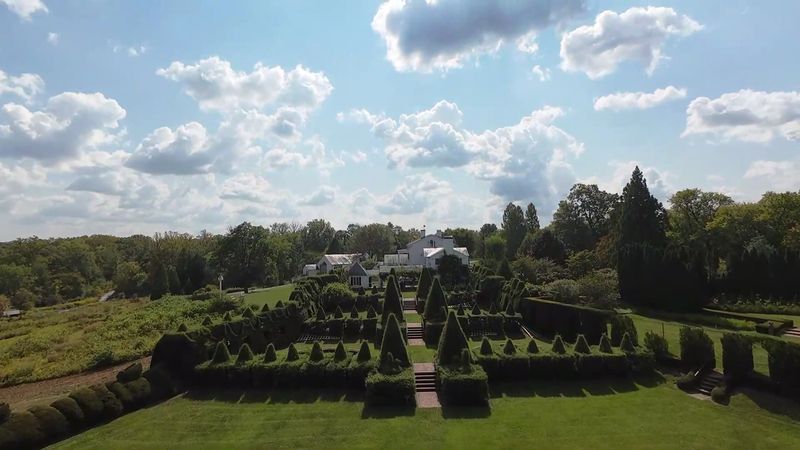
The gardens operate on a seasonal calendar that goes well beyond a standard spring visit. Garden Glow, held in mid-October, transforms the property after dark with lighting installations that make the topiaries and garden rooms look completely different from their daytime appearance.
Tickets sell out quickly, and the event runs for a limited number of nights each year.
A Ladew Christmas brings the manor house into the holiday season with decorations, an outdoor market, carolers, and a greens sale. The combination of the historic house and seasonal decor makes it one of the more distinctive holiday experiences in the region.
Monarch butterfly release events in late summer draw crowds who come specifically to watch the butterflies take flight. Throughout the year, the programming shifts to match what is blooming or happening on the grounds.
Checking the events calendar before a visit is always worth the two minutes it takes, because the experience on any given day can be shaped significantly by what is scheduled.
Practical Tips for First-Time Visitors
A few practical details make a real difference at Ladew. The property covers 200 acres with hills, valleys, and uneven terrain throughout, so comfortable footwear is not optional.
Many first-time visitors underestimate the amount of walking involved and end up wishing they had planned more carefully.
Sun exposure is significant across the open garden areas, particularly in summer. A hat and sunscreen are worth packing, since shade is limited outside the nature trail and wooded sections.
Bringing a camera is strongly encouraged, as the property offers a high volume of photogenic moments across different lighting conditions throughout the day.
Plan for at least two to three hours to cover the main garden rooms and nature trail. Adding the house tour and butterfly house extends that to a comfortable full day.
Benches are placed throughout the grounds, which makes it easier to rest and take in the surroundings without having to rush. Weekday visits tend to be less crowded than weekend afternoons.
Why This Garden Keeps Drawing People Back
Most gardens offer one reason to visit. Ladew offers about a dozen.
The combination of sculptural topiary, themed garden rooms, a historic manor house, a butterfly house, woodland trails, seasonal events, and on-site dining creates a layered experience that holds up across multiple visits and different seasons.
The property is family-friendly without being designed exclusively for children. It works equally well for photography enthusiasts, history buffs, nature lovers, and people who simply want a few hours outside without staring at a screen.
The membership option makes sense for anyone within a reasonable driving distance, given how much the experience shifts from season to season.
What makes Ladew genuinely distinctive is that it was built by one person with a clear personal vision and maintained by a team that takes that vision seriously. The result is a place that feels coherent and intentional rather than assembled from separate attractions.
That coherence is rare, and it is the main reason so many people leave already thinking about when they will return.
Where the Garden Begins: Address, Location, and Getting There
Tucked along a quiet stretch of countryside in Baltimore County, Ladew Topiary Gardens sits at 3535 Jarrettsville Pike, Monkton, MD 21111. The drive out here is part of the experience, with rolling farmland and tree-lined roads setting the tone well before the entrance comes into view.
The gardens are open Tuesday through Sunday, with hours that vary by day. Tuesday runs from 9 AM to 8 PM, while Thursday through Friday run from 9 AM to 4 PM.
Saturday and Sunday are open from 9 AM to 5 PM, and Monday hours are 9 AM to 4 PM. Wednesday is closed, so plan accordingly.
The official website at ladewgardens.com has updated schedules, event listings, and ticket information. Admission to the gardens is around $20, with optional add-ons like the manor house tour available for a small additional fee.
Arriving early on weekends is a smart move.
Share this story