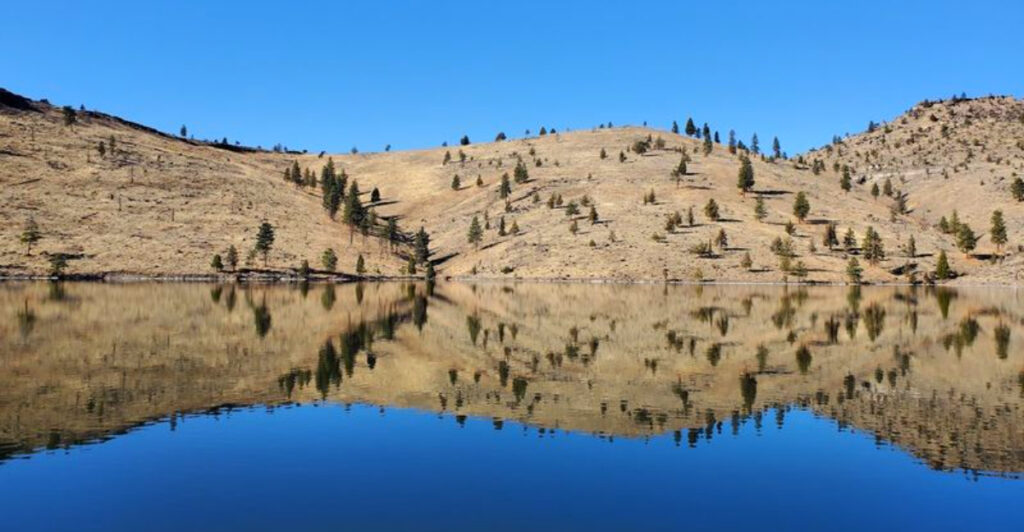
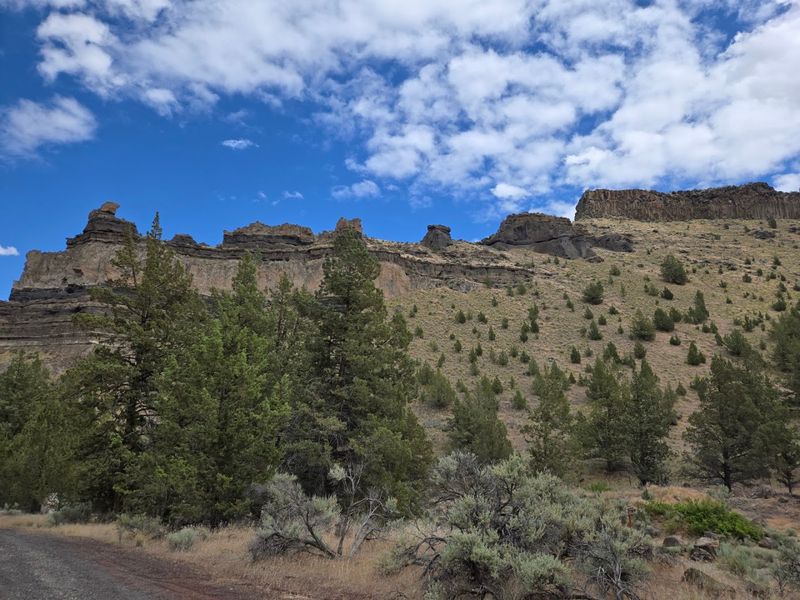
There is a place in Central Oregon where two river canyons collide, cliffs tower overhead, and a massive reservoir stretches out in every direction. It does not look like anything you would expect from an Oregon state park, trading the mossy forests of the coast for sun-baked basalt walls and wide open desert skies.
The water is warm in summer, the canyon views are jaw-dropping year-round, and the campgrounds fill up fast for good reason. By the time you finish reading, you will want to clear your calendar and start packing your cooler.
Where the Park Sits and How to Get There
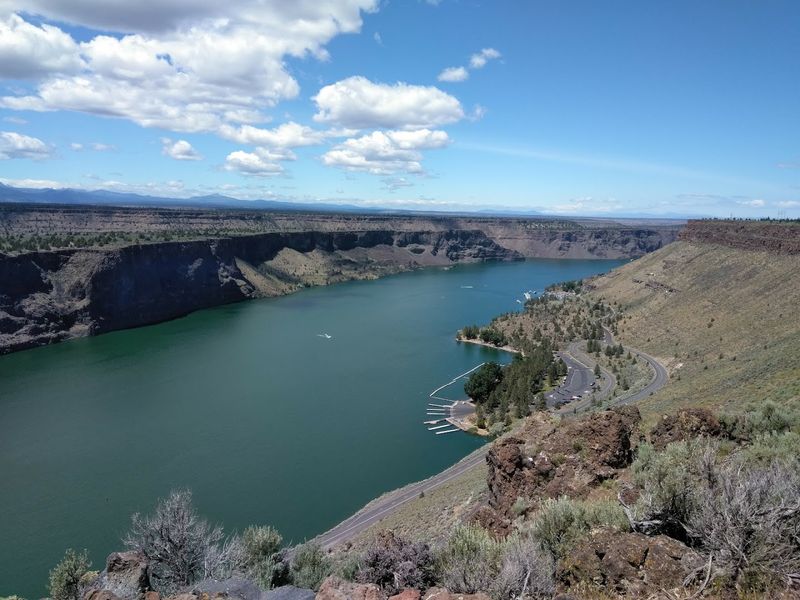
The address alone tells you something interesting: The Cove Palisades State Park sits at Culver, OR 97734, tucked into the high desert of Central Oregon about 15 miles southwest of Madras. Getting there means driving off Highway 97, following well-placed signs through dry ranch land until the road suddenly drops into a canyon that seems to appear out of nowhere.
The descent is genuinely thrilling. The road twists and turns, crosses two bridges over river arms, and delivers you to a world that feels completely separate from the flat plateau above.
One bridge is two lanes wide and one is single lane, so keep an eye out for oncoming traffic on that narrower crossing.
The park phone number is 1-800-551-6949 if you need to call ahead for reservations or campsite questions. The Oregon State Parks website also has detailed maps and fee information.
Coming from Bend, the drive takes roughly 45 minutes, making it an easy day trip or a perfect long weekend escape from the city.
The Geology That Built This Canyon
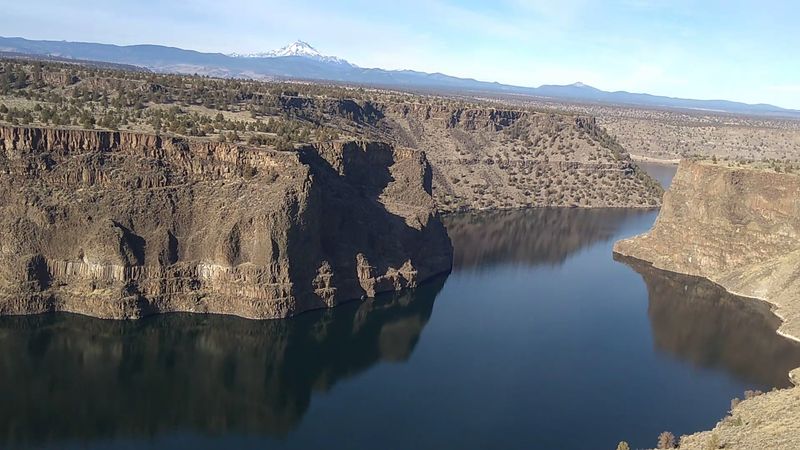
Few parks in Oregon deliver a geology lesson this dramatic without requiring a textbook. The canyon walls at The Cove Palisades rise hundreds of feet above the water, and every layer tells a different chapter of the region’s volcanic history.
Ash deposits, dark basalt columns, and round concretion formations are all visible from the water or the canyon rim trails.
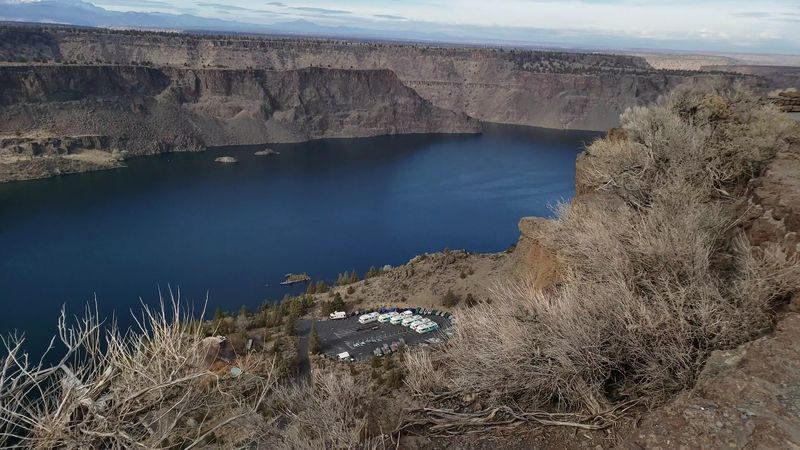
The Deschutes and Crooked Rivers carved these canyons over thousands of years, cutting through ancient lava flows and compressed volcanic ash. When the Round Butte Dam was completed in 1964, the rising waters of Lake Billy Chinook flooded the lower canyon floors, creating the reservoir that visitors enjoy today.
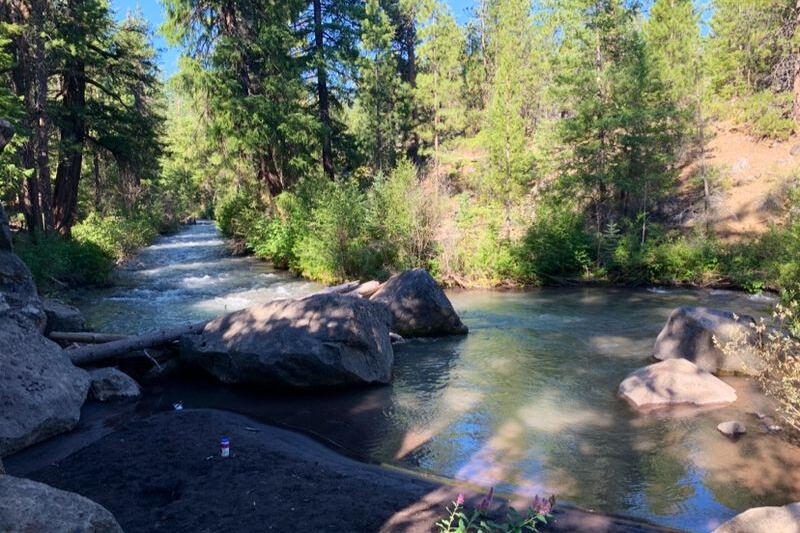
Three rivers actually feed this lake: the Deschutes, the Crooked, and the Metolius. Watching the point where they converge is one of those quiet moments that makes you feel small in the best possible way.
Rangers are happy to explain the geology in more detail, and honestly, spending five minutes talking to one of them about what lies beneath the water is worth every second.
Lake Billy Chinook and the Boating Scene
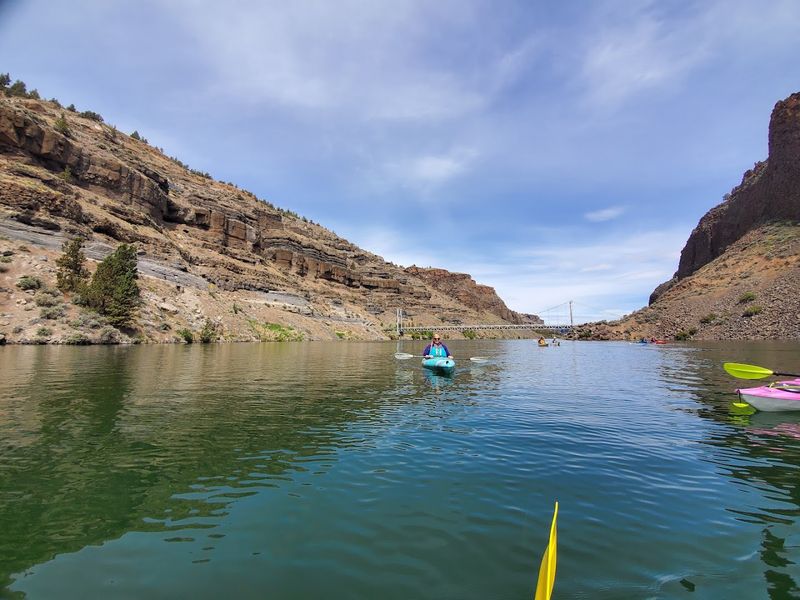
Lake Billy Chinook is the heartbeat of this park, and boaters absolutely own the water here. The reservoir stretches across three separate arms, each following a different river canyon, and traveling from one end to the other by boat can take close to an hour.
That gives you a sense of just how much water there is to explore.
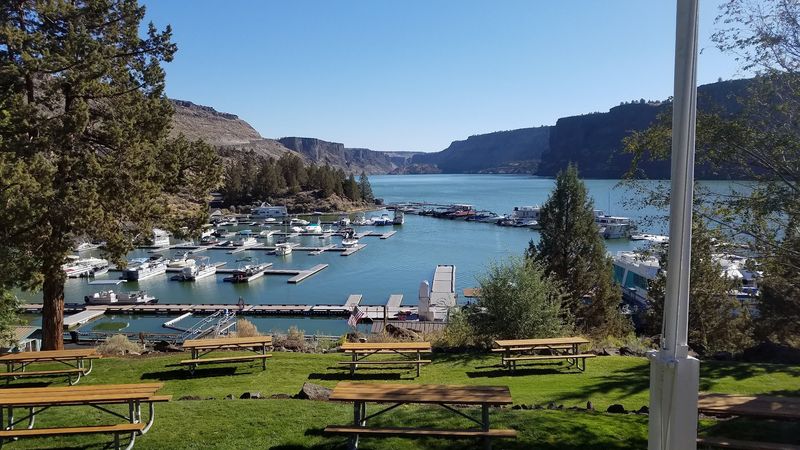
The lake is hugely popular with motorboaters, water skiers, and wakeboard crews, especially on summer weekends. Boat ramps are well-maintained and there is ample trailer parking, which is a detail that matters a lot when you are trying to launch a vessel without losing your mind in a crowded lot.
Kayak launches are also available at the boat ramps, so paddle-powered visitors are not left out. The water warms up nicely by midsummer, making long days on the lake genuinely comfortable.
Speed limits are enforced on the water, which helps keep things safer and a little less chaotic than you might expect on a busy holiday weekend. The canyon views from the middle of the lake are simply outstanding.
Swimming Beaches and Shoreline Fun
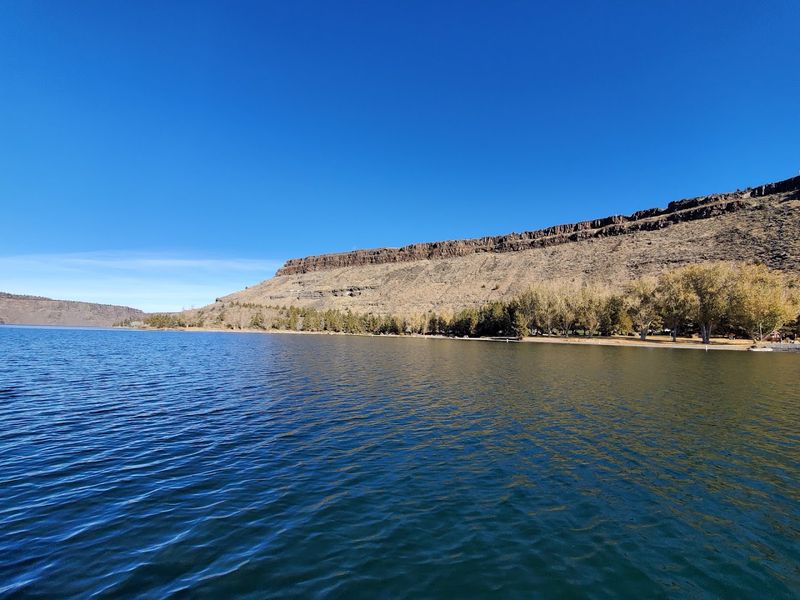
Three day-use areas within the park offer proper swimming beaches with picnic tables, restrooms, and enough sandy shoreline to spread out comfortably. The beaches are popular with families, and the water in summer gets warm enough to stay in for hours without turning into a human popsicle.
One thing worth knowing before you go: algae blooms can affect the lake during late summer, sometimes turning the water a cloudy green color. Checking current water quality advisories through the Oregon State Parks website before your visit is a smart move, especially if you are bringing young kids who tend to swallow half the lake anyway.
Dogs are welcome throughout much of the park, though they are not allowed in the designated swimming areas. The dog park is spacious, well-shaded, and has a watered lawn area where pups can run freely.
Goose activity along some shoreline sections means watching where you step near the picnic areas. Despite those small quirks, the beaches here deliver a genuinely satisfying day in the sun with canyon scenery that most coastal beaches simply cannot match.
Hiking Trails and Canyon Rim Views
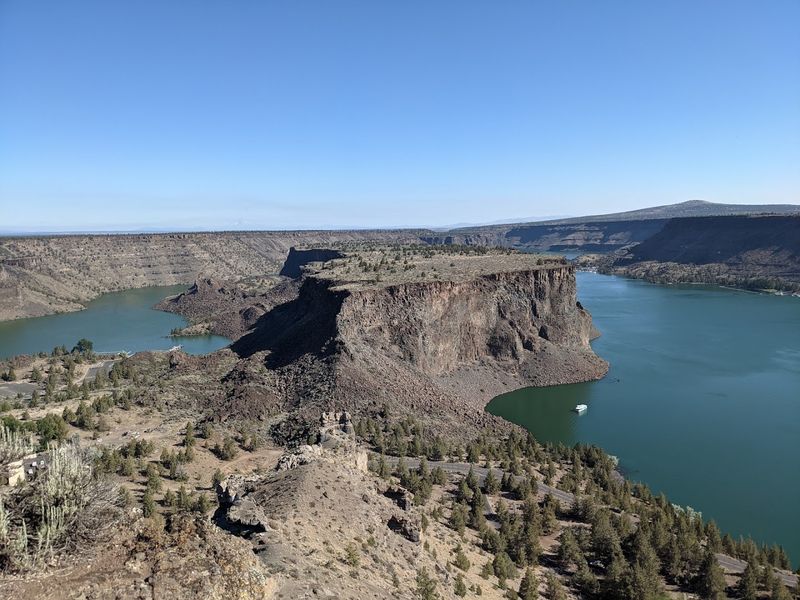
The trail system here rewards effort with scenery that stops you mid-step. The most talked-about route climbs about one mile uphill to the canyon rim, then opens into roughly five miles of relatively flat terrain along the top.
The climb is tough but manageable, and the payoff at the top is a panoramic view of the entire lake and canyon system spread out below you.
This is not Smith Rock-level difficulty, but it is not a casual stroll either. Wearing proper footwear and bringing more water than you think you need are both non-negotiable in the desert heat.
The trail surface is dry and rocky, and summer temperatures can climb fast once the sun gets high.
Spring is a particularly rewarding time to hike here, when temperatures are cooler and the landscape has a bit more color before the summer heat takes over. The canyon rim also offers some of the best photography opportunities in Central Oregon, with long views across the water and dramatic cliff faces catching the afternoon light.
Photographers who make the climb often find the whole place surprisingly underutilized for how stunning it genuinely is.
Camping Options for Every Setup
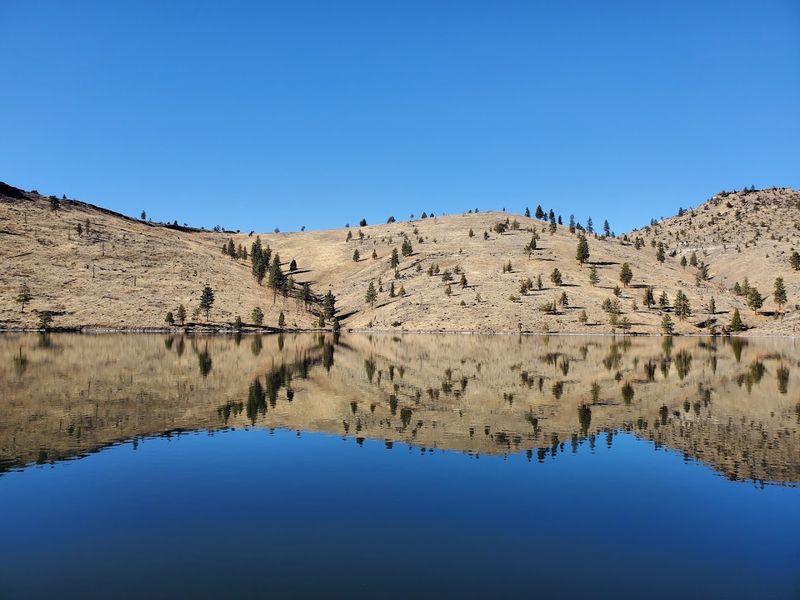
The campground here handles a wide range of setups, from basic tent spots to full RV hookups with power and water. Paved pads keep things relatively level, and sewage dump stations are conveniently spaced throughout the grounds.
Hot showers are available at no extra charge, which is a detail that earns genuine appreciation after a long day on the water.
Upper campground sites sit on top of the canyon, offering more open sky and broader views but fewer trees for shade. Lower canyon sites come with more natural cover and feel more tucked in.
Neither is a bad choice, though knowing the difference helps you pick based on your personal preference for sun versus shade.
Sites are mostly dirt rather than grass, so if you prefer a green carpet under your tent, doing a bit of research before booking will save some disappointment. Camp hosts are present and active, checking in regularly to make sure everything runs smoothly.
A small camp store opens in the evening hours selling firewood, ice, snacks, and ice cream, and the staff there have a reputation for being genuinely friendly to everyone who stops by.
Rental Cabins Right on the Water
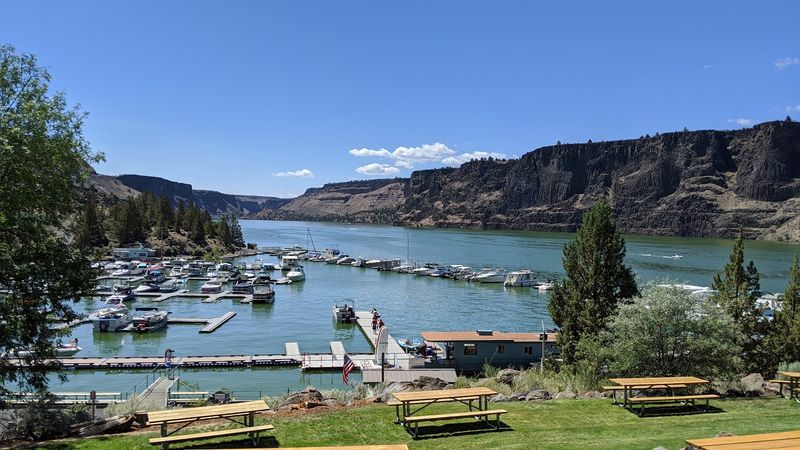
Not everyone wants to sleep on the ground, and The Cove Palisades has a solid answer for that crowd. The park offers rental cabins that sit close to the lake, giving guests a front-row seat to the water without requiring a tent stake or a sleeping pad.
The cabins are clean and can fit up to five people comfortably, making them a practical choice for small families or groups.
Each cabin comes equipped with a gas grill outside, and inside there is a microwave for basic cooking needs. Full stove cooking is not available in the cabins, so planning meals that work with those tools is worth thinking about before you arrive.
Bringing a portable camp stove as a backup is a popular move among repeat visitors.
Booking a cabin rather than a standard campsite puts you much closer to the beach and day-use areas, which is a significant advantage when you factor in that the campground itself is several miles from some of the best waterfront spots. If you have not stayed in one before, the cabin experience here is a genuinely comfortable way to enjoy the park without sacrificing the feeling of being close to nature.
Wildlife, Birds, and Desert Nature
The high desert canyon environment here supports a surprising range of wildlife that most visitors do not fully expect. Canada geese are extremely common along the shoreline, which explains the presence of their calling cards near the picnic areas.
Osprey and great blue herons are regularly spotted hunting along the water’s edge, and bald eagles occasionally make an appearance, particularly in the cooler months.
The canyon walls themselves provide nesting habitat for raptors, and watching a hawk ride a thermal updraft above the cliffs is one of those effortless pleasures that sneaks up on you between other activities. Mule deer occasionally wander through the campground in the early morning hours, especially in the quieter parts of the upper grounds.
Bull trout fishing is one of the more unique draws for anglers, since the species is relatively rare and catching one here is considered a special experience by the fishing community. The park does not require you to be a nature enthusiast to enjoy these encounters, but having a pair of binoculars handy adds a whole extra layer to any visit.
The canyon ecosystem rewards slow, attentive exploration in ways that a rushed day trip simply cannot capture.
Best Times to Visit and What to Expect
Summer is the busiest season by a wide margin, with Memorial Day and Fourth of July weekends drawing particularly large crowds. Tent sites and cabin reservations fill up fast, so booking well in advance is not just a suggestion, it is a necessity if you want a specific spot.
Weekdays in July and August offer a noticeably calmer experience than the packed holiday weekends.
Spring is arguably the best time to visit for hikers and photographers. Temperatures are comfortable, water levels are typically high, and the canyon walls catch beautiful light without the brutal midday heat of summer.
The off-season rewards are real: even a simple drive-through visit in cooler months delivers canyon views that feel completely worth the trip.
Fall brings quieter campgrounds and cooler water, which shifts the crowd away from swimming and toward hiking and sightseeing. Winter visits are possible since the park stays open year-round, and the dramatic scenery takes on a completely different mood when the crowds thin out.
No matter what month you show up, the cliff views above the reservoir deliver something genuinely worth seeing in every season.
Practical Tips for a Smooth Visit
A few practical details can make a real difference in how smoothly your visit goes. The park is well-signed from Highway 97, and following the brown state park signs rather than relying entirely on GPS navigation tends to get you there more reliably.
Cell service can be spotty once you descend into the canyon, so downloading an offline map before you leave home is a smart habit.
Late arrivals can still check in using cash or written card information at the campground entrance, which is a helpful system for anyone finishing a long drive after dark. Ice and firewood are available at the small camp store, but the hours are limited, so stocking up before arrival avoids a frustrating scramble at night.
The park sits at an elevation that brings intense sun exposure, especially on the water. Sunscreen, hats, and plenty of drinking water are genuinely essential rather than optional extras here.
Rangers are consistently described as friendly and approachable, so asking questions when you arrive is always a good use of two minutes. A little preparation turns a good visit into a great one at this park.
Share this story