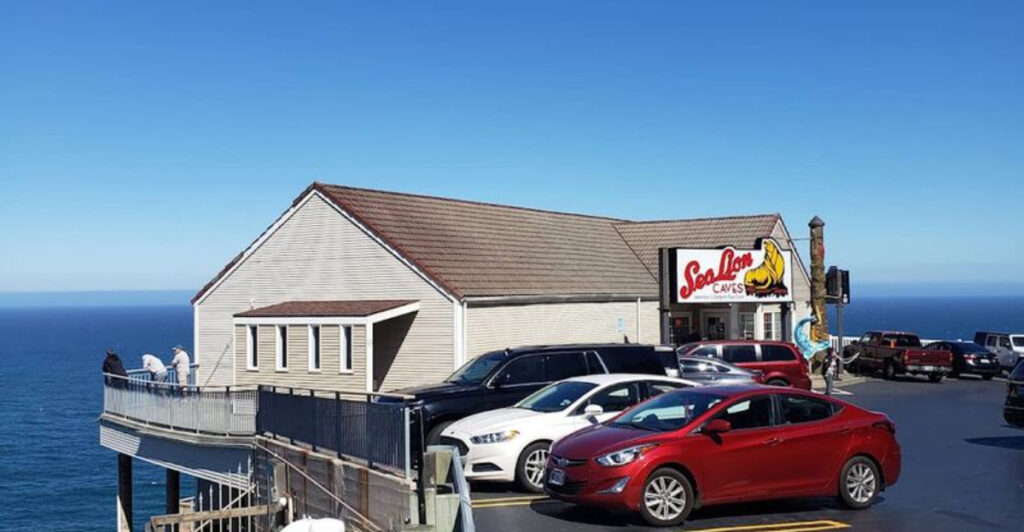
There is a place on the Oregon coast where an elevator drops you 208 feet underground and opens its doors to one of the most unexpected wildlife scenes in the country. Hundreds of Steller sea lions bark, lounge, and splash inside a massive sea cave carved by the Pacific Ocean over thousands of years.
The smell hits you first, then the sound, and then the sheer size of the cavern takes your breath away. Sea Lion Caves, located just north of Florence, Oregon, is the largest sea cave in the United States, and it has been welcoming curious visitors since 1932.
Whether you spot two sea lions or two hundred, the experience of being inside a living, breathing piece of Oregon’s wild coast is something you will not forget.
Where You Are and How to Get There
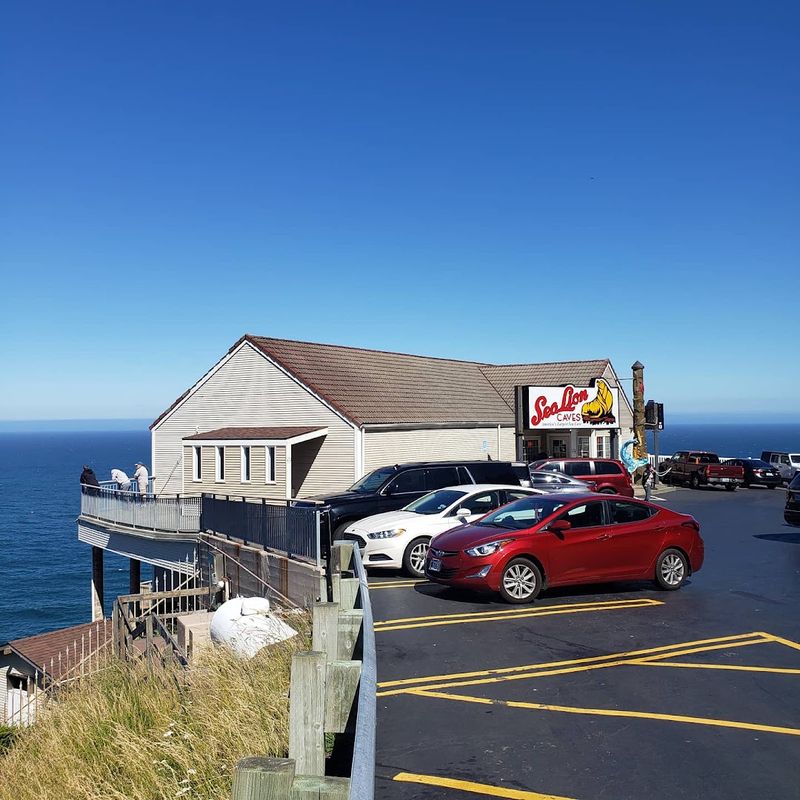
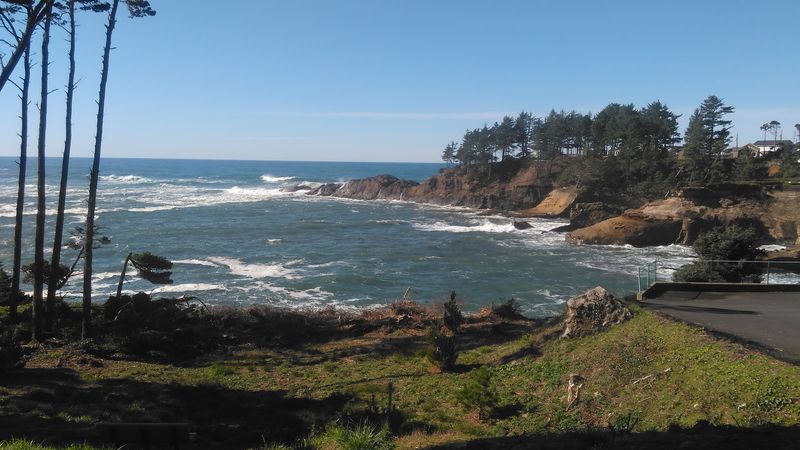
Sea Lion Caves sits at 91560 US-101, Florence, OR 97439, right along the famous Highway 101 that stretches the length of the Oregon coast. The drive up to the property is unmistakable, with tall cliffs on one side and the wide blue Pacific on the other.
Parking is available across the street from the main building, and it is free. The gift shop and ticket counter are inside the main building at the top, and that is where your adventure officially begins.
Adult admission runs $18, which is a fair price for what you get once you are inside the cave.
The facility is open daily from 9 AM to 5:30 PM, seven days a week, which makes it easy to work into a road trip along the coast. The phone number is +1 541-547-3111 if you want to call ahead and ask about sea lion activity before making the drive.
The website at sealioncaves.com also has useful updates about current conditions and what to expect during different seasons.
The History Behind This Remarkable Attraction
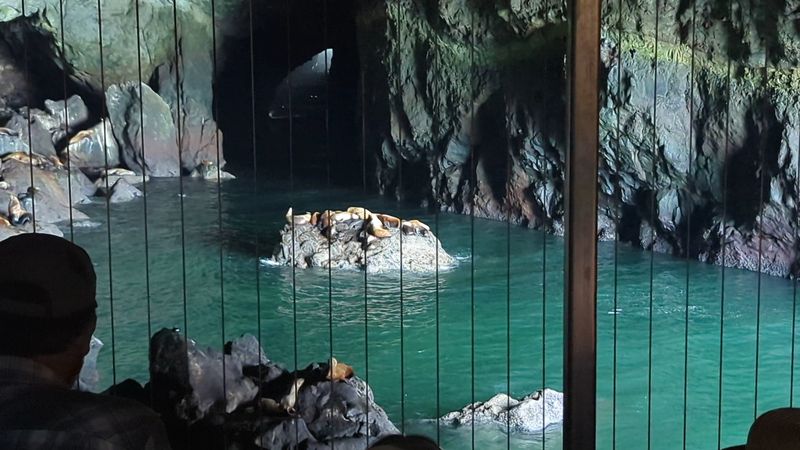
Sea Lion Caves has been open to the public since 1932, making it one of the oldest continuously operating wildlife attractions in the Pacific Northwest. R.E.
Clanton discovered the cave and recognized its potential as a place where people could connect with nature without disturbing the animals too severely.
The cave itself was not built by humans. The Pacific Ocean spent thousands of years carving this massive chamber into the basalt cliffs, creating a natural space that Steller sea lions claimed long before any ticket booth existed.
The elevator was added in 1961 to give visitors easier access to the main grotto, which sits about 208 feet below the surface of the ground above.
The property is privately owned and operates as both a wildlife preserve and a bird sanctuary, which means the animals are not kept in captivity. They come and go as they please, which is part of what makes every visit feel genuinely wild.
That sense of unpredictability is baked right into the experience, and it has kept people coming back for nearly a century.
The Steller Sea Lions That Call This Place Home
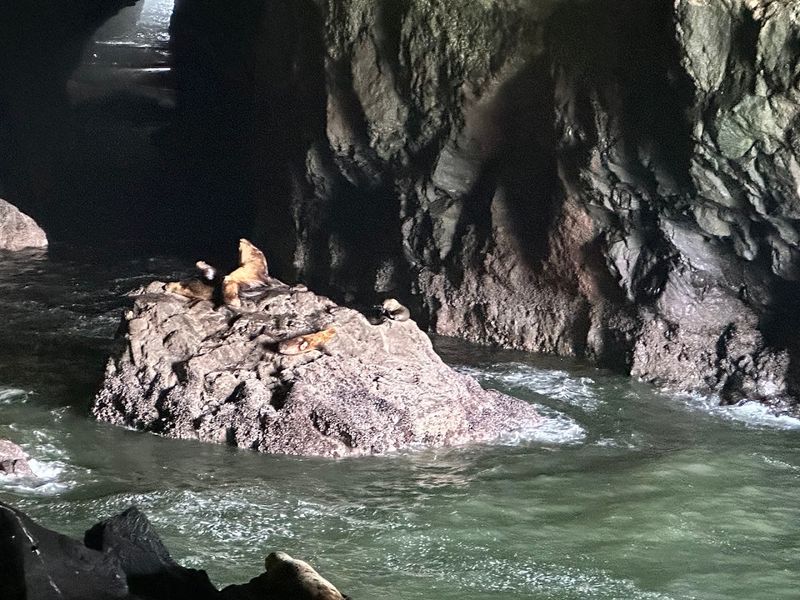
Steller sea lions are the stars of the show here, and they are not small animals. Males can weigh up to 2,400 pounds and stretch over 10 feet long, making them the largest members of the eared seal family.
Watching one haul itself onto a rock is genuinely impressive.
The cave serves as a year-round habitat for a rotating population of sea lions, though the numbers vary significantly by season. Late fall through early spring is when the cave fills up most dramatically, with hundreds of animals crowding together to rest, nurse pups, and socialize.
Summer visits tend to yield fewer sea lions inside the cave, since many head outside to bask on the open rocks.
Even on a slower day, the experience of watching even a handful of these massive animals in a natural sea cave is something zoos simply cannot replicate. The sounds echo off the stone walls, the smell is powerful and unmistakably animal, and the sheer scale of the creatures reminds you just how wild the Oregon coast really is beneath its scenic surface.
The Elevator Ride That Changes Everything
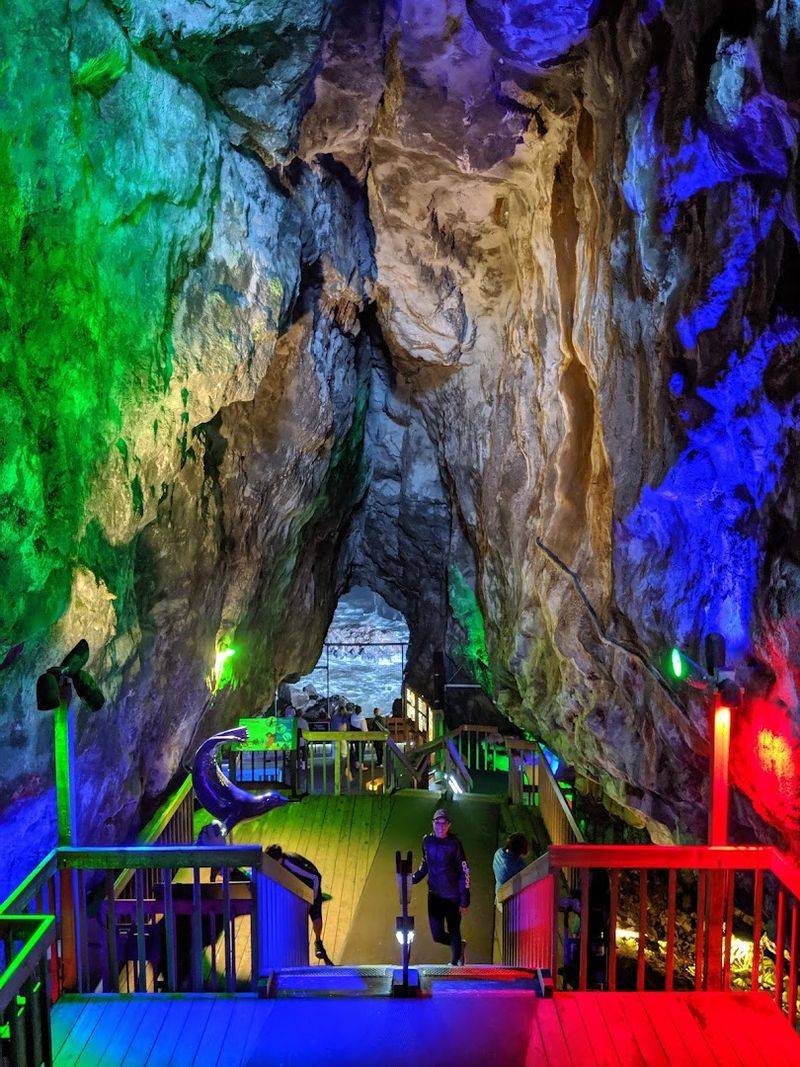
The elevator at Sea Lion Caves is not just a convenience, it is a genuine part of the experience. Before you reach it, you walk down a series of staircases and a sloped ramp that stretches about 100 yards from the gift shop.
The path is manageable for most people, though the walk back up will earn you a few deep breaths.
Once you step inside the elevator and the doors close, you drop 208 feet straight down into the earth. That is roughly the height of a 20-story building, and the ride takes just a moment.
When the doors open, the cave opens up around you in a way that feels almost theatrical.
The elevator was installed in 1961 and has been smoothly carrying visitors ever since. It is a small car, so crowds can mean a short wait, but the payoff on the other side is worth every second of patience.
Coming back up after spending time with the sea lions, you feel that rare mix of having done something completely out of the ordinary on an otherwise ordinary road trip day.
Inside the Grotto: What the Cave Actually Looks Like
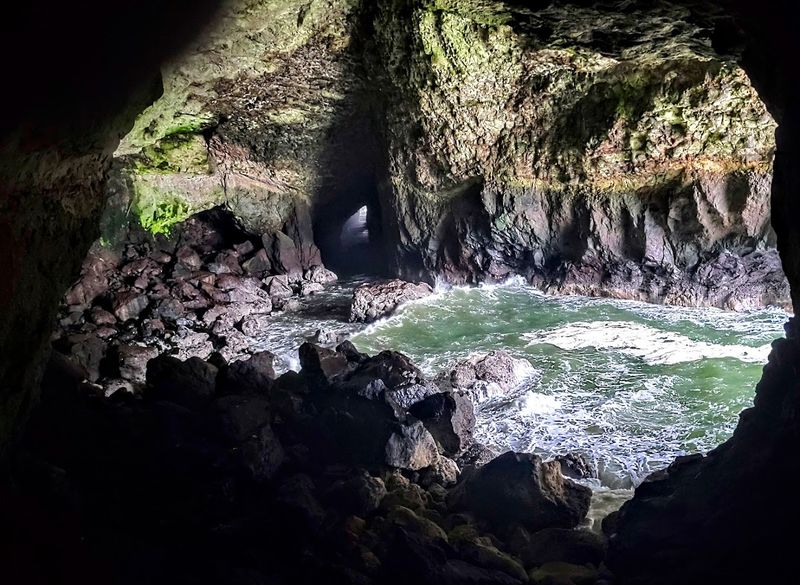
The main chamber of Sea Lion Caves is enormous. The grotto measures roughly 300 feet long, 165 feet wide, and about 125 feet high at its peak, making it the largest sea cave in the United States.
Standing inside it, you feel genuinely small in the best possible way.
Natural light filters in through the ocean-facing opening, giving the cave a moody, atmospheric quality that shifts depending on the weather outside. On overcast days, the light turns silvery and soft.
On sunny days, you can see the blue-green water churning below the rocky ledges where the sea lions rest.
The cave walls are dark basalt, worn smooth in places and jagged in others, with patches of color from minerals and sea life. There is a viewing platform where visitors stand to observe the animals without getting close enough to disturb them.
Simple exhibits and a documentary screen inside the cave provide context about the sea lions and their behavior, which helps you understand what you are watching even if the animals are not being particularly dramatic that day.
The Coastal Views That Surprise Most Visitors
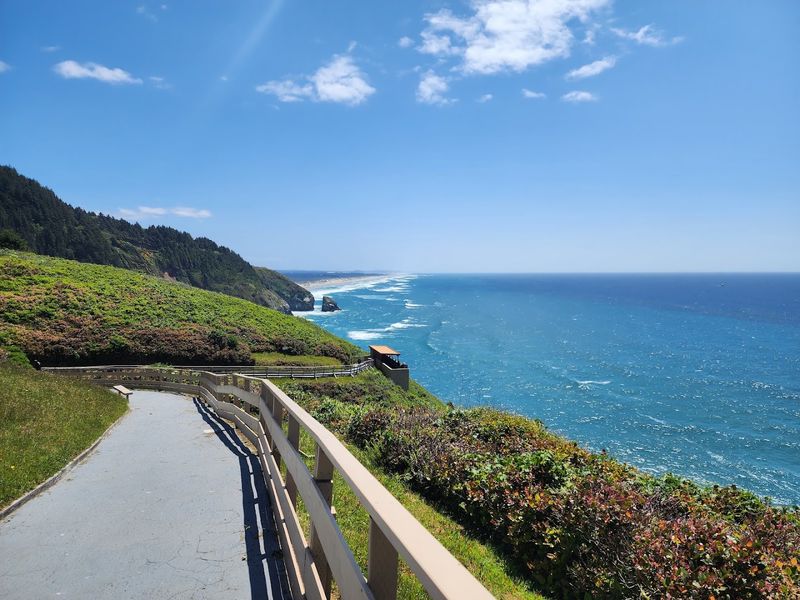
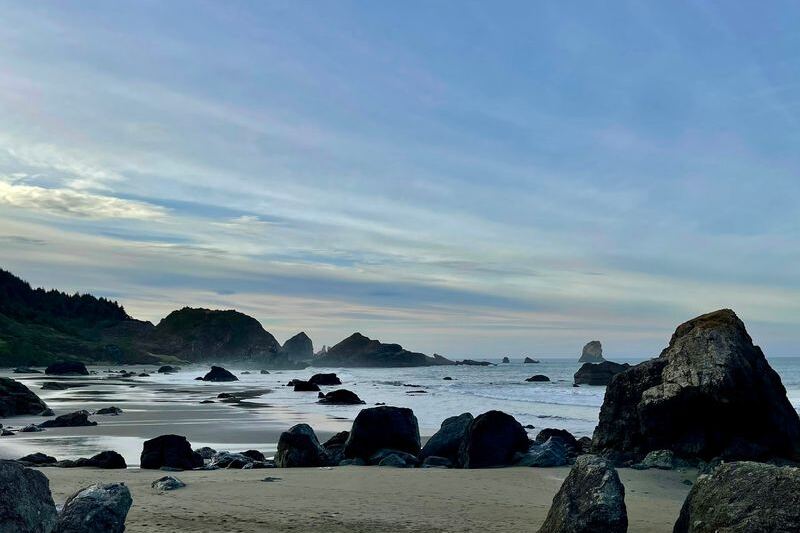
Most people come for the sea lions, but the coastal views at Sea Lion Caves end up being one of the most talked-about parts of the visit. On the walk down to the elevator, there are outdoor viewpoints that look out over the Pacific with nothing between you and the horizon.
From one of the upper platforms, you can see Heceta Head Lighthouse sitting on a rocky promontory to the north. Built in 1894, the lighthouse is one of the most photographed spots on the entire Oregon coast, and seeing it framed by sea cliffs from this angle is genuinely striking.
Bring a zoom lens if you have one.
On the right day, visitors have spotted gray whales spouting offshore from these same viewpoints. The coastal stretch around Sea Lion Caves is part of a major whale migration corridor, so sightings are not unusual, especially in spring and late fall.
Even without whales, the combination of crashing surf, layered rock formations, and salt air makes the outdoor portions of this visit feel just as rewarding as the cave itself.
Best Times to Visit for Maximum Sea Lion Action
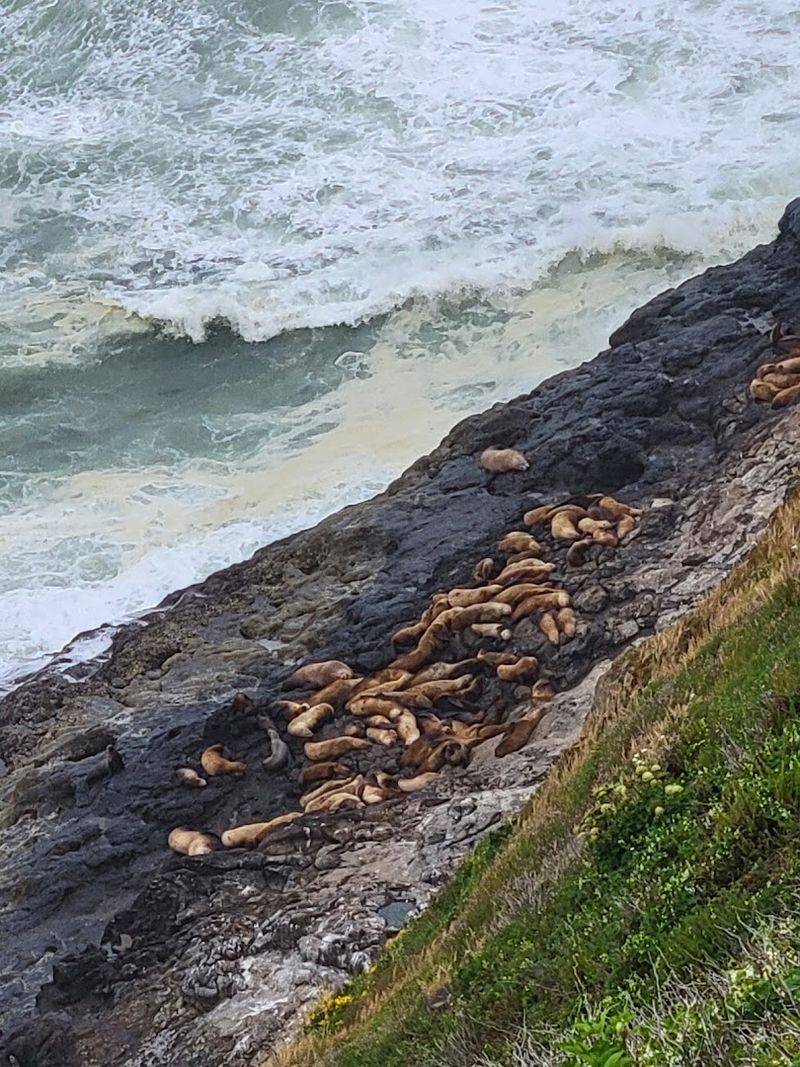
Timing matters a lot at Sea Lion Caves, and knowing the seasonal patterns will help you plan a visit that matches your expectations. The sea lions tend to be most numerous inside the cave from late November through April, when colder water temperatures and breeding season keep large groups close to shore.
During summer months, many sea lions move outside to sun themselves on the open rocks visible from the overlook platforms. You might see only a handful inside the cave on a July afternoon, while dozens or even hundreds lounge on the exterior rocks just below.
It is still a worthwhile visit, just a different kind of experience.
Calling ahead at +1 541-547-3111 is a smart move no matter what season you visit. The staff can give you a current count of sea lion activity inside the cave, which helps set realistic expectations.
Weekday mornings tend to be quieter, and arriving before peak afternoon hours means shorter waits at the elevator and more elbow room at the viewing platform. Going in with flexible expectations makes the whole trip more enjoyable regardless of the sea lion headcount.
Practical Tips for Visiting With Kids or Seniors
Sea Lion Caves is genuinely family-friendly, but there are a few physical realities worth knowing before you arrive with grandparents or young children in tow. The path from the gift shop to the elevator involves a couple of staircases and a sloped ramp, and the return trip uphill can be tiring for people with limited mobility.
Taking your time on the descent is the right approach. The viewpoints along the way give you natural stopping points to catch your breath and enjoy the scenery, so the walk never feels like a forced march.
Comfortable shoes with good grip are a smart choice, especially since the coastal wind can pick up unexpectedly.
For families with young kids, the cave itself tends to provoke a strong reaction. The combination of the elevator ride, the echoing animal sounds, and the sheer size of the sea lions creates an experience that sticks with children for years.
Several visitors have mentioned returning decades later with their own grandchildren, which says something real about the lasting impression this place makes. A visit here is the kind of memory that gets retold at family gatherings long after the road trip ends.
The Gift Shop Worth More Than a Glance
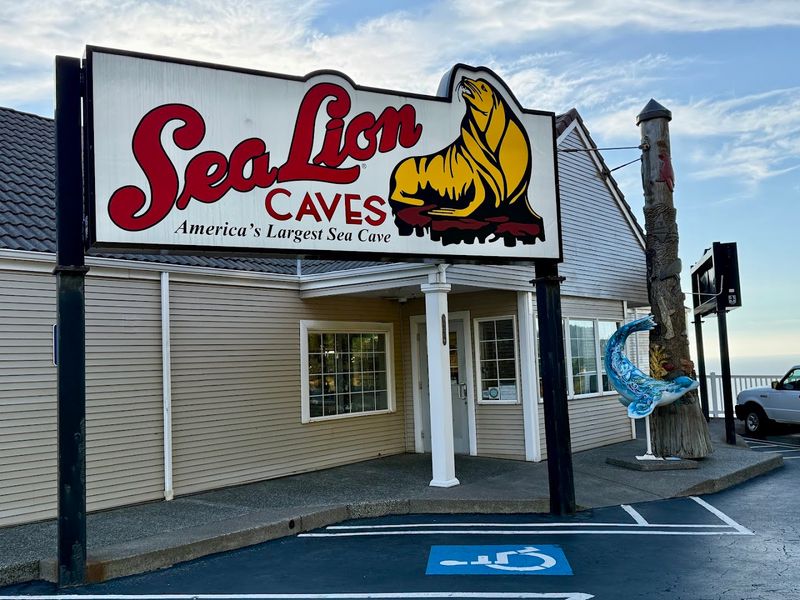
The gift shop at Sea Lion Caves has a reputation that goes beyond the typical highway souvenir stop. Prices are reasonable compared to many coastal tourist spots, and the selection leans into the sea lion theme with genuine enthusiasm rather than generic coastal trinkets.
You will find plush sea lion toys, educational books, locally inspired items, and the kind of small keepsakes that actually make it home without getting tossed in a drawer. Several visitors have mentioned that the gift shop prices were refreshingly fair compared to other stops along the Oregon coast, which is not a small thing when you are on a longer road trip budget.
The gift shop is also where you buy your tickets, so it is the first stop after parking. The staff working the counter are described consistently as friendly and helpful, which sets a good tone before you even start walking toward the elevator.
Spending a few minutes browsing on the way in or out adds a nice bookend to the underground portion of the visit. The kids’ section in particular tends to generate a scramble toward the car when little ones hear what is waiting inside.
The Sounds and Smells That Make It Feel Real
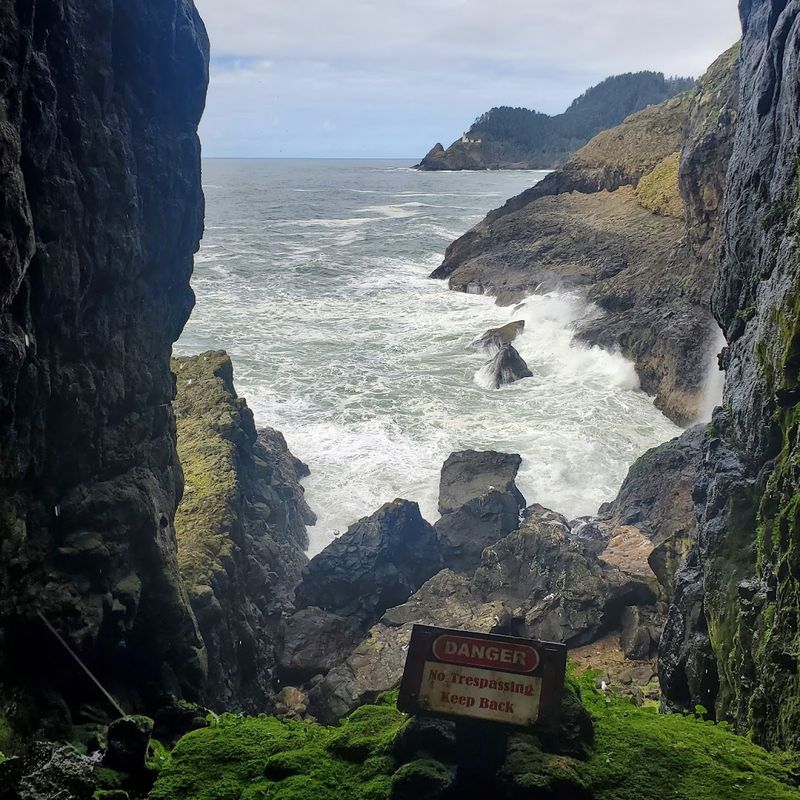
No photograph fully prepares you for the sensory experience of being inside Sea Lion Caves when the animals are present. The barking echoes off the basalt walls and bounces around the chamber in a way that makes it impossible to ignore, even if you wanted to.
The smell is equally distinctive. Sea lions produce a powerful, briny odor that fills the cave and clings to your jacket long after you ride the elevator back up.
It is not a polite museum smell. It is the smell of a working, living wild space, and that rawness is actually part of what makes the visit feel authentic rather than staged.
Some visitors are caught off guard by the intensity of both the noise and the smell, but most come around quickly once the visual spectacle takes over. Watching a 2,000-pound animal haul itself onto a rock ledge while others argue over the best sunbathing spot is entertaining in a way that no documentary quite captures.
The cave makes the animals feel close without putting anyone in danger, and that combination of proximity and wildness is genuinely hard to find anywhere else along the West Coast.
What the Cave Looks Like on a Foggy Oregon Morning
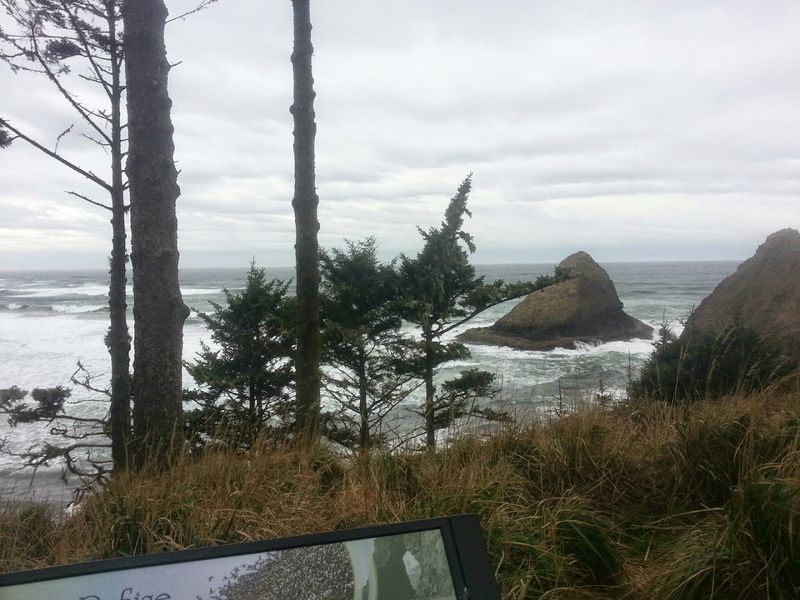
Oregon coast fog is its own kind of experience, and visiting Sea Lion Caves on a misty morning gives the whole place a different atmosphere than a clear afternoon. The cliffs soften into shapes, the sound of the ocean feels closer, and the walk down to the elevator takes on a quiet, almost cinematic quality.
Inside the cave, fog does not change much since the grotto is naturally sheltered. The sea lions are indifferent to weather in a way that is almost enviable, and the cave’s interior light on a gray day has a moody, blue-gray quality that makes for striking photos.
The outdoor viewpoints are obviously less dramatic in heavy fog, but there is something genuinely atmospheric about standing on a cliff above the Pacific with mist rolling in from the ocean. The lighthouse at Heceta Head disappears into the gray, the waves sound louder than they look, and the whole coastline takes on a wild, untamed feeling that sunny days sometimes soften.
If you end up visiting on a foggy day, lean into it rather than feeling shortchanged. The Oregon coast in the fog is its own reward.
Why This Stop Belongs on Every Oregon Coast Road Trip
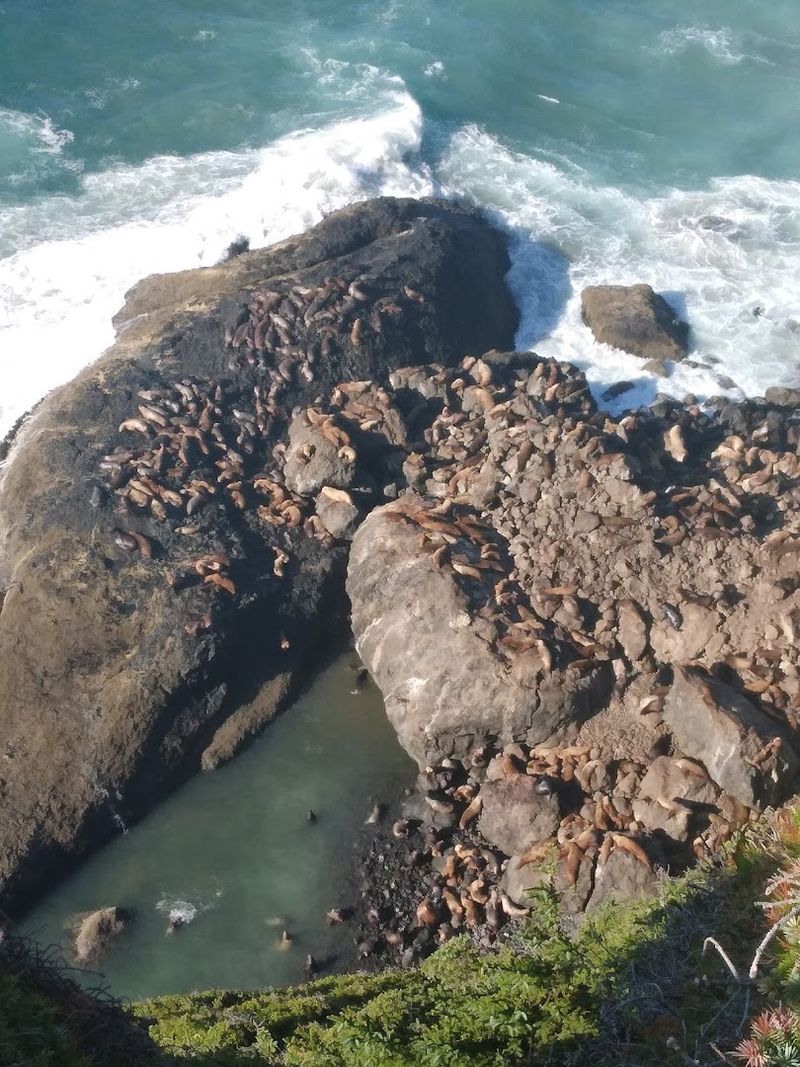
Highway 101 along the Oregon coast is packed with viewpoints, state parks, and roadside stops, but Sea Lion Caves earns its place as a genuine highlight rather than just another pull-off. The combination of natural geology, wild animal behavior, and dramatic coastal scenery creates a layered experience that most stops cannot match.
At $18 per adult, the admission is reasonable for what you actually get: an elevator ride into a 300-foot sea cave, wildlife viewing in a completely natural habitat, outdoor coastal viewpoints with lighthouse views, and a gift shop that does not feel like a tourist trap. The whole visit takes between one and two hours, which fits comfortably into a day of driving the coast.
The place has been running since 1932, and the fact that it continues to draw visitors with a 4.4-star rating across thousands of reviews says something real about its staying power. Road trips along the Oregon coast come with a lot of options, but few of them drop you 208 feet underground to hang out with wild sea lions.
That is the kind of detail that makes a trip memorable long after the mileage fades from memory.
Share this story