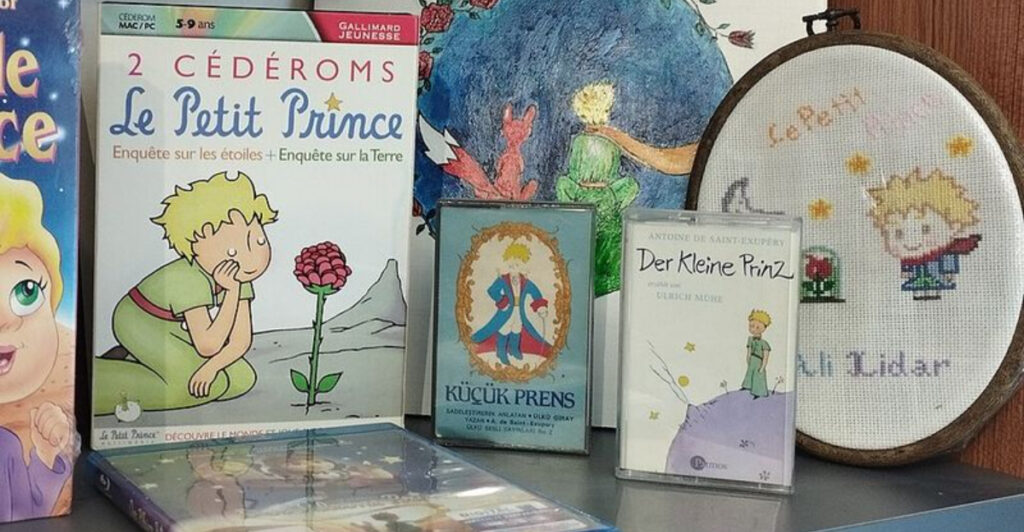
Some books are so powerful that millions of people across generations keep reading them, decade after decade. From magical adventures to gripping mysteries, the world’s best-selling books have shaped cultures, inspired readers, and stood the test of time.
Whether you love fantasy, history, or heartwarming stories, there is something on this list for everyone. These are the books that changed the world, one page at a time.
1. Don Quixote by Miguel de Cervantes
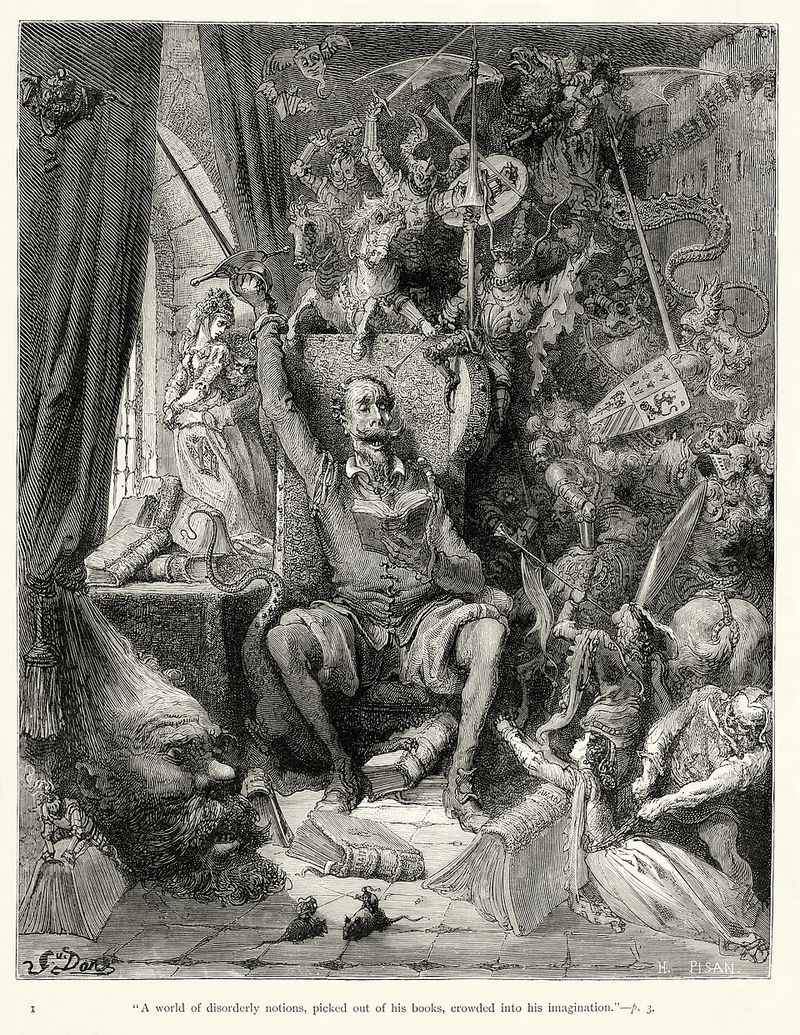
Published in two parts in 1605 and 1615, Don Quixote is widely considered the first modern novel. Written by Spanish author Miguel de Cervantes, it follows an aging man who reads so many chivalry books that he loses his grip on reality and sets off as a self-proclaimed knight.
His loyal but sensible squire, Sancho Panza, tags along for the wild ride.
The story blends comedy, tragedy, and deep philosophical questions about truth and imagination. It has sold an estimated 500 million copies worldwide, making it one of the best-selling books in history.
Readers of all ages have connected with its themes of dreams versus reality.
Cervantes wrote this partly as a parody of popular adventure tales of his time. Centuries later, it remains a cornerstone of world literature and a must-read for anyone who loves storytelling with real heart and humor.
2. A Tale of Two Cities by Charles Dickens
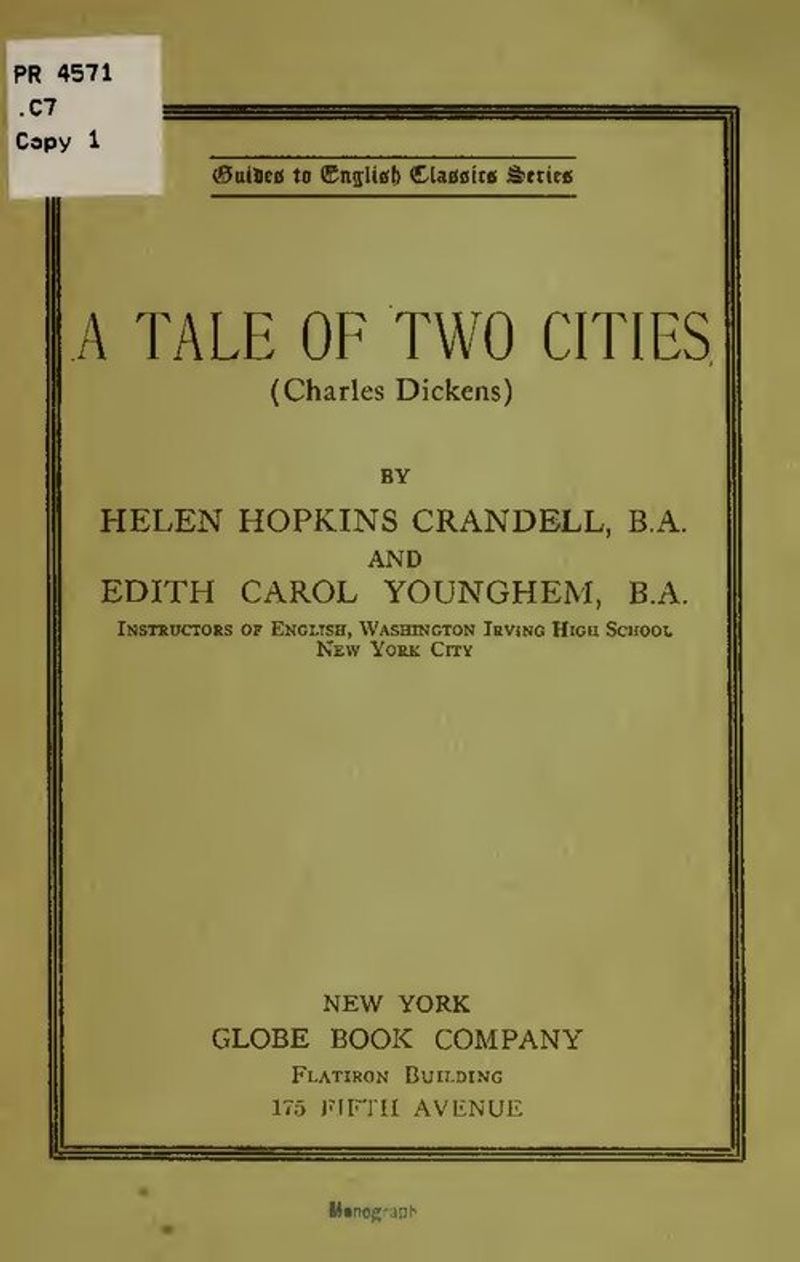
“It was the best of times, it was the worst of times” – few opening lines in literature are as famous as this one from Charles Dickens. Published in 1859, A Tale of Two Cities is set during the French Revolution and weaves together themes of sacrifice, love, and social injustice in a gripping, fast-paced story.
The novel follows characters in London and Paris, exploring how ordinary people survive extraordinary political chaos. With over 200 million copies sold, it ranks among the top-selling novels ever written.
Dickens serialized the story in weekly installments, keeping readers hooked with each new chapter.
What makes this book timeless is its emotional depth. The final act of sacrifice by one of its main characters is considered one of the most moving endings in all of English literature.
History lovers and fiction fans alike will find it deeply rewarding.
3. The Lord of the Rings by J. R. R. Tolkien

Few fantasy worlds have captured the imagination quite like Middle-earth. J.
R. R.
Tolkien spent years crafting languages, maps, and histories for a world so detailed it feels completely real. Published between 1954 and 1955, The Lord of the Rings follows hobbit Frodo Baggins on a dangerous quest to destroy a powerful ring before it falls into evil hands.
The trilogy has sold over 150 million copies and inspired blockbuster films, video games, and countless other fantasy stories. Tolkien essentially built the template for modern fantasy literature with this series.
His attention to world-building set a standard that authors still try to match today.
Beyond the dragons and battles, the story explores friendship, courage, and the weight of responsibility. Frodo’s journey resonates with readers because it shows that even the smallest person can change the course of history when it matters most.
4. The Little Prince by Antoine de Saint-Exupery
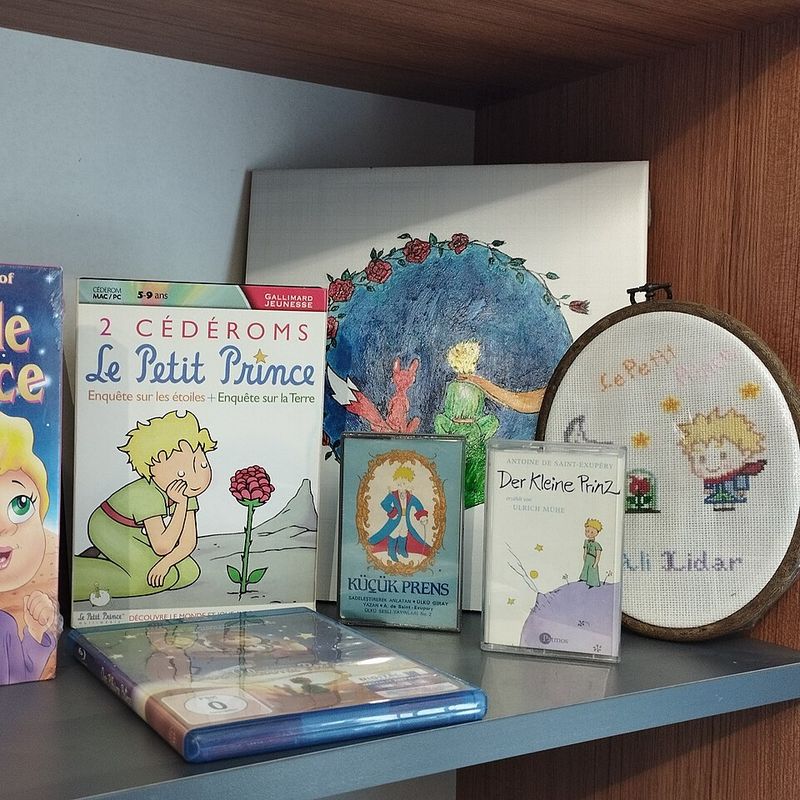
On the surface, The Little Prince looks like a children’s picture book. Read it as an adult, and it hits completely differently.
Written by French author Antoine de Saint-Exupery and published in 1943, this slim, illustrated novella carries some of the most profound observations about life, loneliness, and love ever put into print.
The story follows a pilot stranded in the desert who meets a mysterious young prince from another planet. Their conversations touch on the silliness of grown-ups, the importance of relationships, and what truly matters in life.
With over 140 million copies sold, it is one of the most translated books in the world.
Saint-Exupery wrote it during a deeply personal and difficult period of his life, which explains its quiet sadness. The famous line, “What is essential is invisible to the eye,” has comforted readers across cultures and generations ever since.
5. Harry Potter and the Philosopher’s Stone by J. K. Rowling

Few books have changed the publishing world as dramatically as Harry Potter and the Philosopher’s Stone. Released in 1997 by J.
K. Rowling, this story of a young orphan discovering he is a wizard sparked a global reading craze that reached children and adults alike.
Publishers famously rejected it multiple times before Bloomsbury took a chance on it.
Harry’s first year at Hogwarts School of Witchcraft and Wizardry introduced readers to a rich magical universe filled with memorable characters, clever humor, and genuine emotional depth. The book alone has sold over 120 million copies worldwide, with the full series topping 500 million.
What made it so special was Rowling’s ability to balance wonder with real human experiences like belonging, loss, and friendship. For millions of kids in the late 1990s and 2000s, waiting for the next Harry Potter book was one of the most exciting events of childhood.
6. The Hobbit by J. R. R. Tolkien
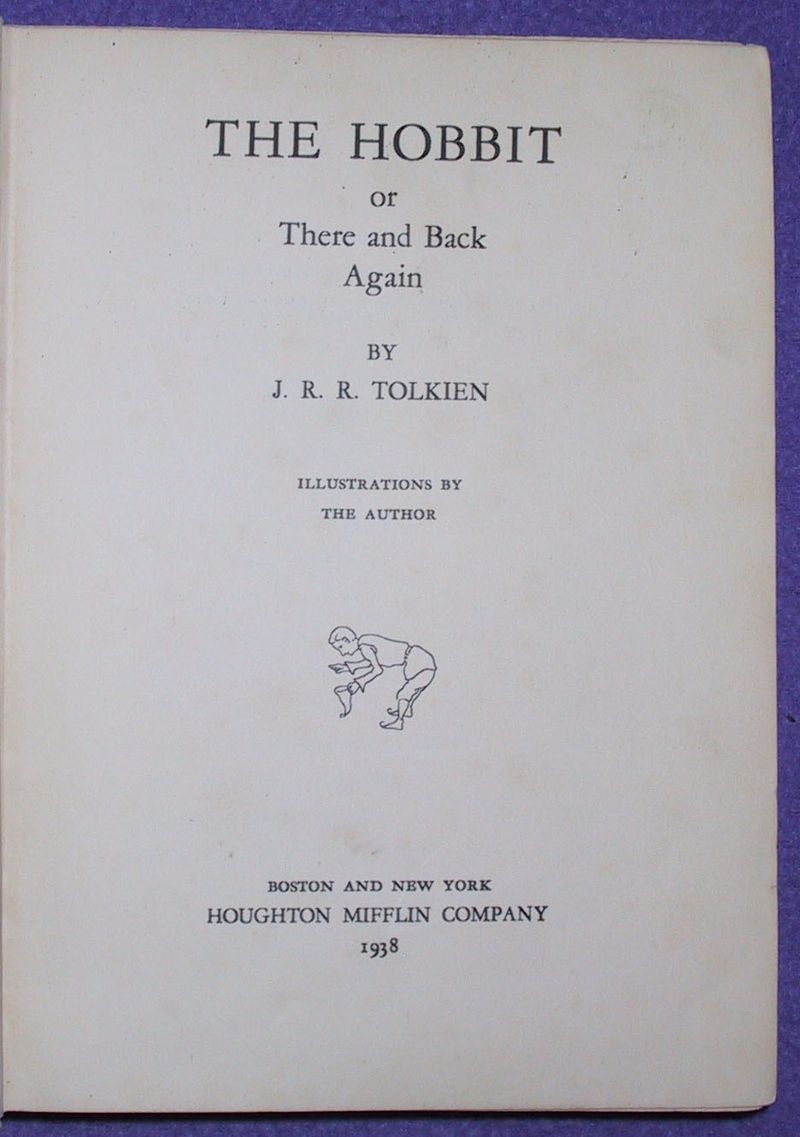
Before Frodo ever set foot outside the Shire, there was Bilbo. The Hobbit, published in 1937, introduced readers to J.
R. R.
Tolkien’s magical world of Middle-earth through the eyes of Bilbo Baggins, a comfort-loving hobbit who gets swept into an unexpected adventure with a company of dwarves and a wizard named Gandalf.
Originally written as a bedtime story for Tolkien’s own children, the book balances lighthearted fun with genuine danger and exciting set pieces. It has sold over 100 million copies and remains one of the most beloved fantasy stories ever written.
Its success led directly to The Lord of the Rings.
The Hobbit is a perfect starting point for young readers entering the world of fantasy fiction. Its message that ordinary people can do extraordinary things when pushed to their limits feels just as fresh and inspiring today as it did nearly 90 years ago.
7. Dream of the Red Chamber by Cao Xueqin

Considered one of the greatest novels in Chinese literature, Dream of the Red Chamber was written by Cao Xueqin during the 18th century. It chronicles the rise and fall of a powerful aristocratic family through the eyes of a sensitive young man named Jia Baoyu, exploring love, social hierarchy, and the impermanence of wealth and status.
The novel is enormous, featuring hundreds of characters and rich detail about daily life in imperial China. Scholars have spent centuries studying its layers of meaning.
With an estimated 100 million copies sold, it remains a cornerstone of Asian literary culture and is frequently listed among the greatest novels ever written.
For Western readers, it offers a fascinating window into a world rarely seen in popular literature. Its emotional honesty and complex characters make it surprisingly relatable, even across centuries and cultural boundaries.
Truly a monumental achievement in world storytelling.
8. And Then There Were None by Agatha Christie
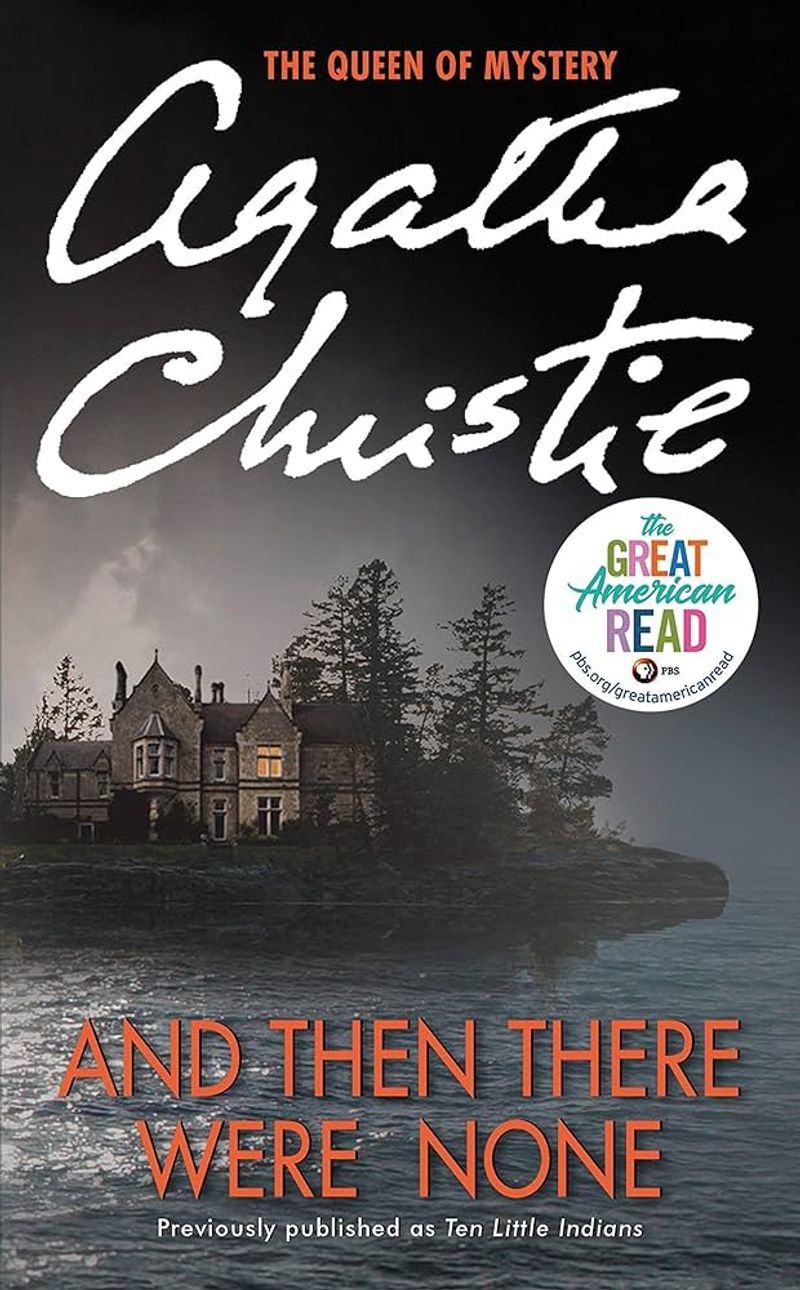
Agatha Christie is the best-selling fiction writer of all time, and And Then There Were None is her masterpiece. Published in 1939, the story brings ten strangers to a remote island, where they are accused of past crimes by a mysterious host.
One by one, they begin to die, and no one knows who the killer is.
With over 100 million copies sold, it is the world’s best-selling mystery novel. Christie’s plotting is razor-sharp, and the tension builds with every chapter.
Readers are kept guessing right up until the final, jaw-dropping reveal. The book has been adapted into films, plays, and television series multiple times.
What makes it stand out even today is how cleverly Christie breaks the rules of the genre. She creates a puzzle so tight and surprising that even experienced mystery readers rarely see the ending coming.
It is a perfect thriller from start to finish.
9. The Alchemist by Paulo Coelho
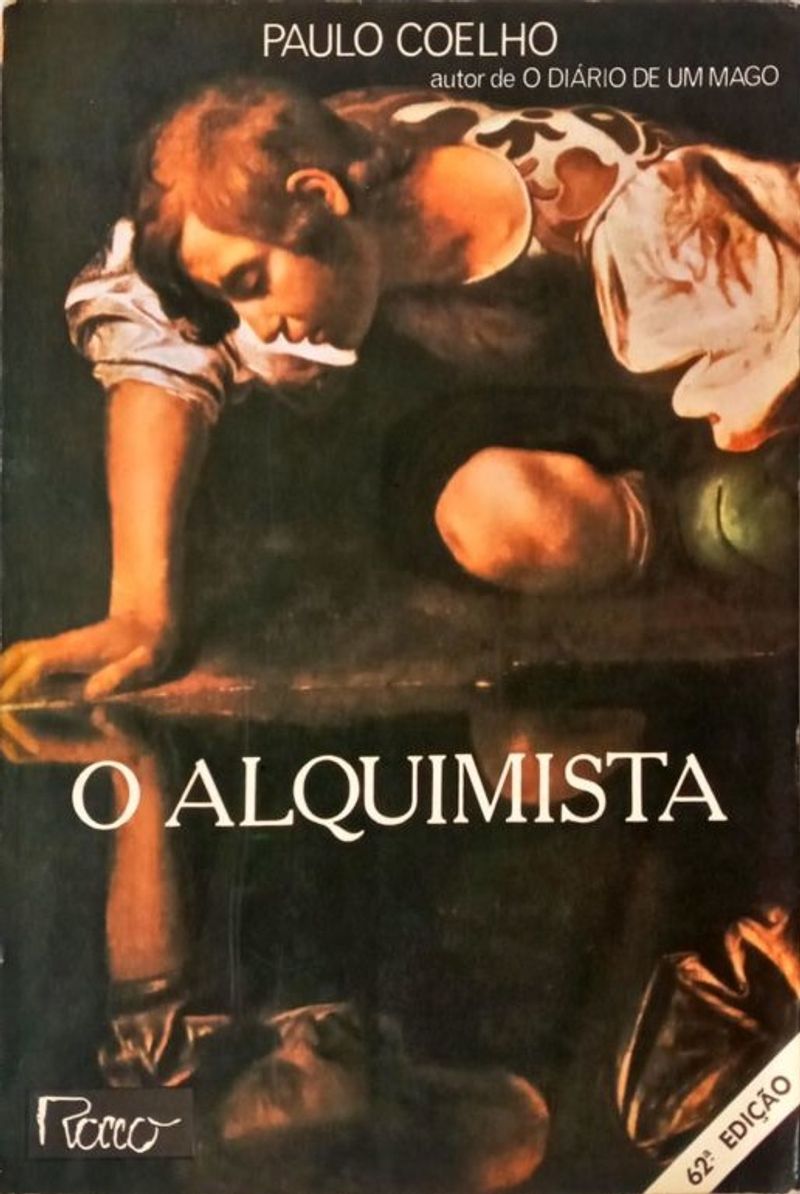
Paulo Coelho’s The Alchemist has a publishing story almost as inspiring as the book itself. Originally published in Portuguese in 1988, it was rejected by its first publisher and initially sold just 900 copies.
Coelho refused to give up, found a new publisher, and the book eventually became a worldwide phenomenon, selling over 65 million copies.
The story follows Santiago, a young Andalusian shepherd who dreams of finding treasure near the Egyptian pyramids. His journey becomes a meditation on destiny, courage, and listening to your heart.
Its central message, that the universe conspires to help those who follow their dreams, has resonated across cultures and languages worldwide.
Translated into more than 80 languages, it holds a Guinness World Record for most translated book by a living author. Short and easy to read, The Alchemist packs a lifetime of wisdom into just a few hundred pages.
Many readers say it changed their lives.
10. The Lion, the Witch and the Wardrobe by C. S. Lewis
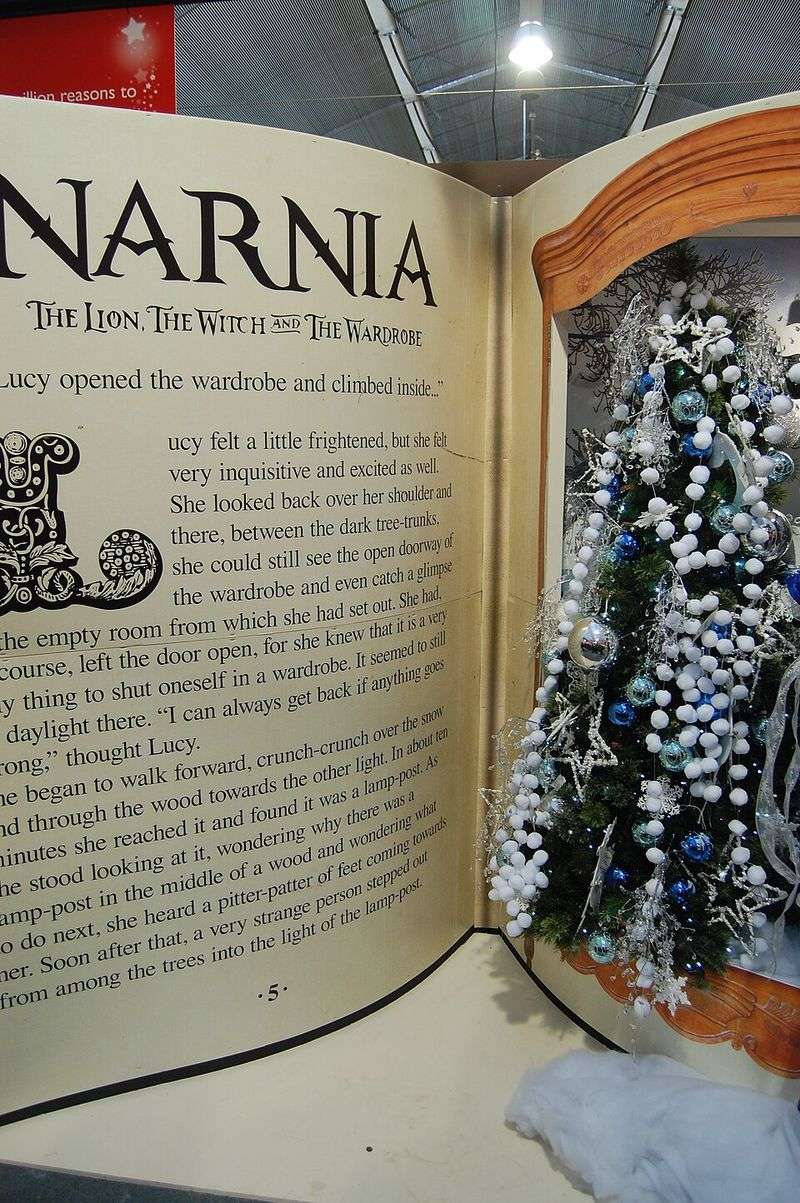
Walking through a wardrobe and into a snow-covered magical kingdom is one of the most iconic moments in children’s literature. Published in 1950, The Lion, the Witch and the Wardrobe by C.
S. Lewis introduces readers to Narnia, a world ruled by an evil White Witch who has cursed the land with eternal winter.
Four siblings must help the great lion Aslan restore peace.
The book has sold over 85 million copies and remains a beloved classic for children and adults alike. Lewis packed the story with adventure, memorable characters, and deeper themes of sacrifice and redemption.
Many readers also appreciate the spiritual allegory woven quietly through the narrative.
It is the kind of book that stays with you long after the last page. Lewis wrote it quickly, driven by vivid mental images that had been forming in his mind for years.
The result is a timeless story full of wonder and genuine emotional power.
11. She: A History of Adventure by H. Rider Haggard
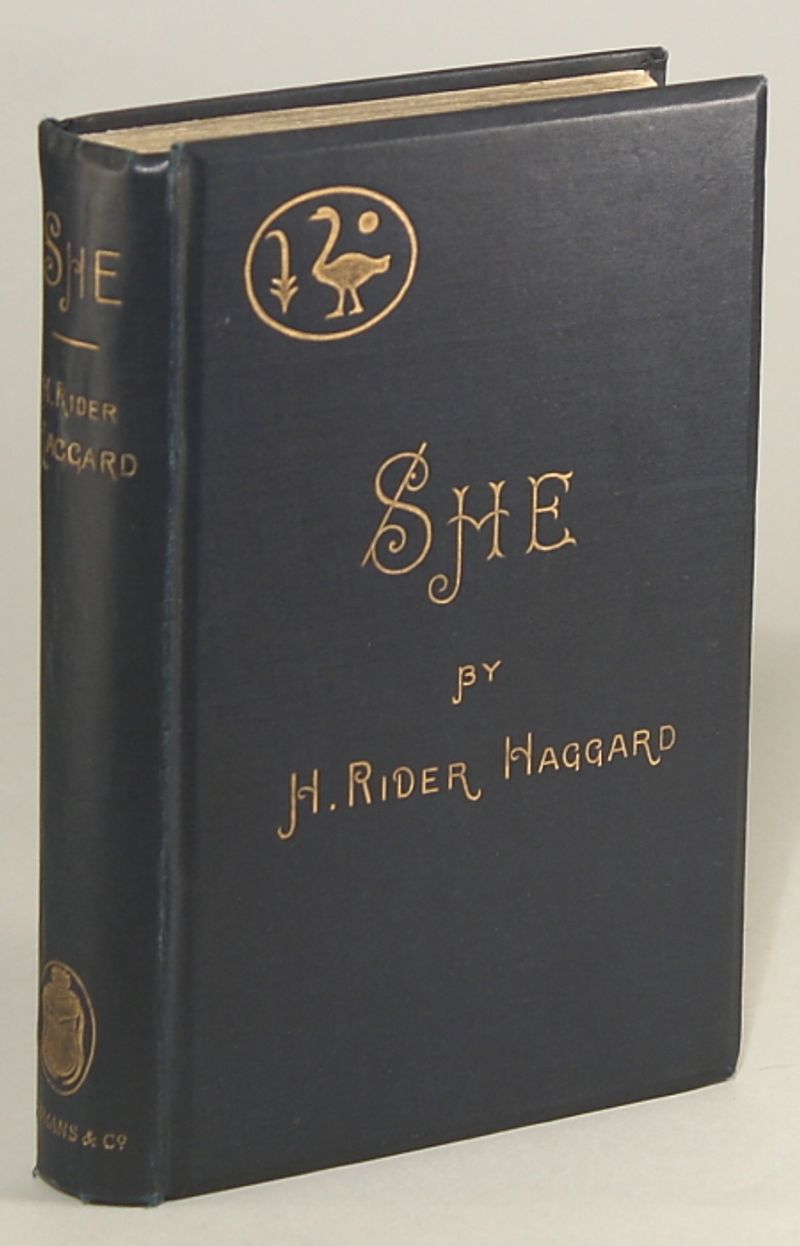
Long before Indiana Jones, there was H. Rider Haggard’s She.
Published in 1887, this adventure novel follows two English explorers who journey into the heart of Africa and discover a hidden civilization ruled by an immortal queen known as Ayesha, or “She-who-must-be-obeyed.” The story is part romance, part thriller, and part philosophical exploration of immortality and power.
She has sold an estimated 83 million copies, making it one of the best-selling books of the 19th century. It was groundbreaking for its time, featuring a powerful female protagonist in an era when such characters were rare in mainstream adventure fiction.
Haggard’s vivid imagination created a world readers could not resist.
The novel has influenced countless writers, filmmakers, and storytellers over the decades. Its themes of obsession, eternal life, and the corrupting nature of absolute power remain strikingly relevant.
For fans of classic adventure fiction, it is an essential and thrilling read.
12. The Da Vinci Code by Dan Brown

When The Da Vinci Code was published in 2003, it caused a cultural earthquake. Dan Brown’s thriller follows Harvard professor Robert Langdon as he races through Europe decoding secret symbols hidden in famous artworks, all while uncovering a conspiracy that could shake the foundations of Christianity.
Readers could not put it down.
The book sold over 80 million copies and spent years on bestseller lists around the world. It sparked fierce debates, inspired real-life tours of the locations mentioned in the story, and led to a successful Hollywood film adaptation starring Tom Hanks.
Few thriller novels have generated as much conversation.
Critics argued about its historical accuracy, but readers loved its relentless pace and clever puzzle-solving. Brown has a gift for making complex ideas feel accessible and exciting.
Whether you agree with its theories or not, The Da Vinci Code is an undeniably gripping page-turner that defined an era of popular fiction.
13. The Catcher in the Rye by J. D. Salinger
J. D.
Salinger’s The Catcher in the Rye is one of those rare books that makes teenagers feel genuinely understood. Published in 1951, the novel is narrated by Holden Caulfield, a cynical, witty 16-year-old who has just been expelled from his prep school and spends a few chaotic days wandering New York City, questioning everything about the adult world around him.
With over 65 million copies sold, the book has never gone out of print and continues to sell around 250,000 copies per year. Its raw, first-person voice was revolutionary for its time and influenced generations of writers.
Salinger captured teenage alienation and identity struggles with remarkable honesty.
Some schools have banned it over the years for its language and themes, which has only seemed to make it more popular. Holden’s voice remains one of the most recognizable in American literature, speaking to anyone who has ever felt out of place in a world they did not ask to be part of.
14. The Adventures of Pinocchio by Carlo Collodi
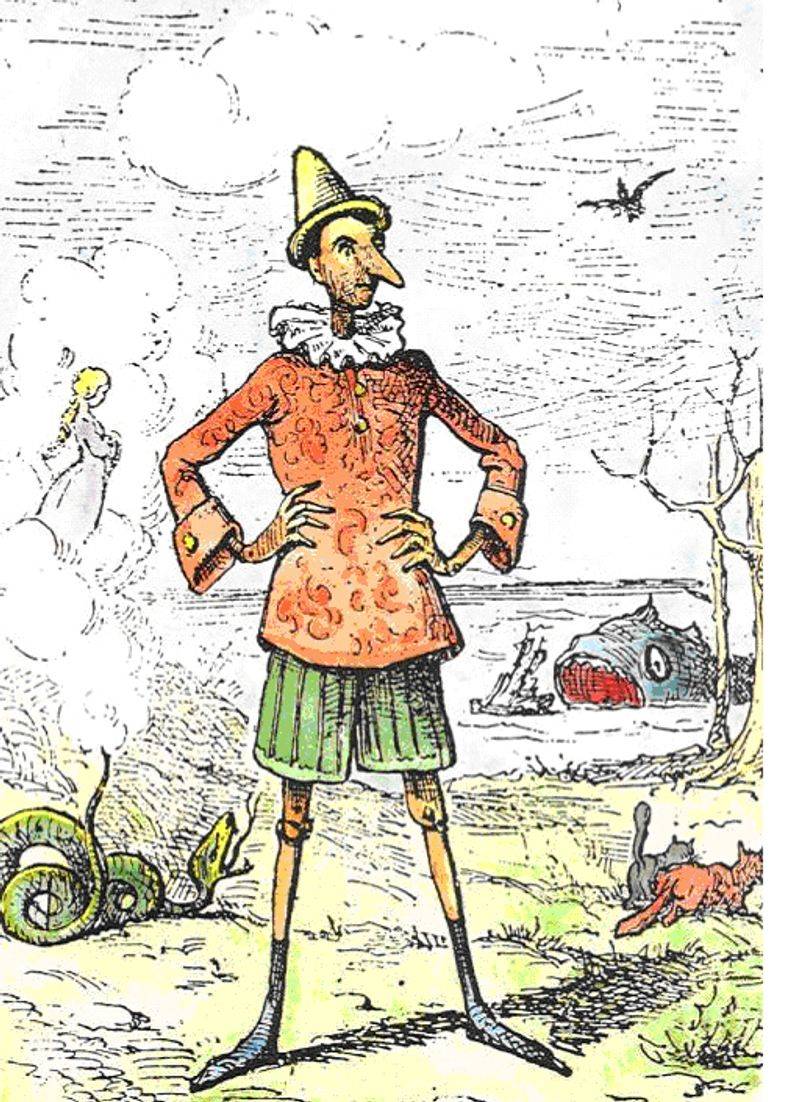
Carlo Collodi’s Pinocchio is far more adventurous and strange than the Disney version most people know. First published as a serial in an Italian newspaper starting in 1881, the story follows a mischievous wooden puppet who dreams of becoming a real boy.
Along the way, he faces temptations, dangers, and consequences for his repeated lies and bad decisions.
With over 80 million copies sold worldwide and translations into more than 300 languages, it is one of the most widely read children’s books in history. Collodi originally wrote Pinocchio as a morality tale for children, but its dark humor and wild adventures give it a broader appeal than most stories of its kind.
The growing nose has become one of the most universally recognized symbols of dishonesty in all of popular culture. Pinocchio’s journey from puppet to boy is really a story about learning to take responsibility and earning the right to belong.
A timeless classic with real bite.
15. Anne of Green Gables by L. M. Montgomery
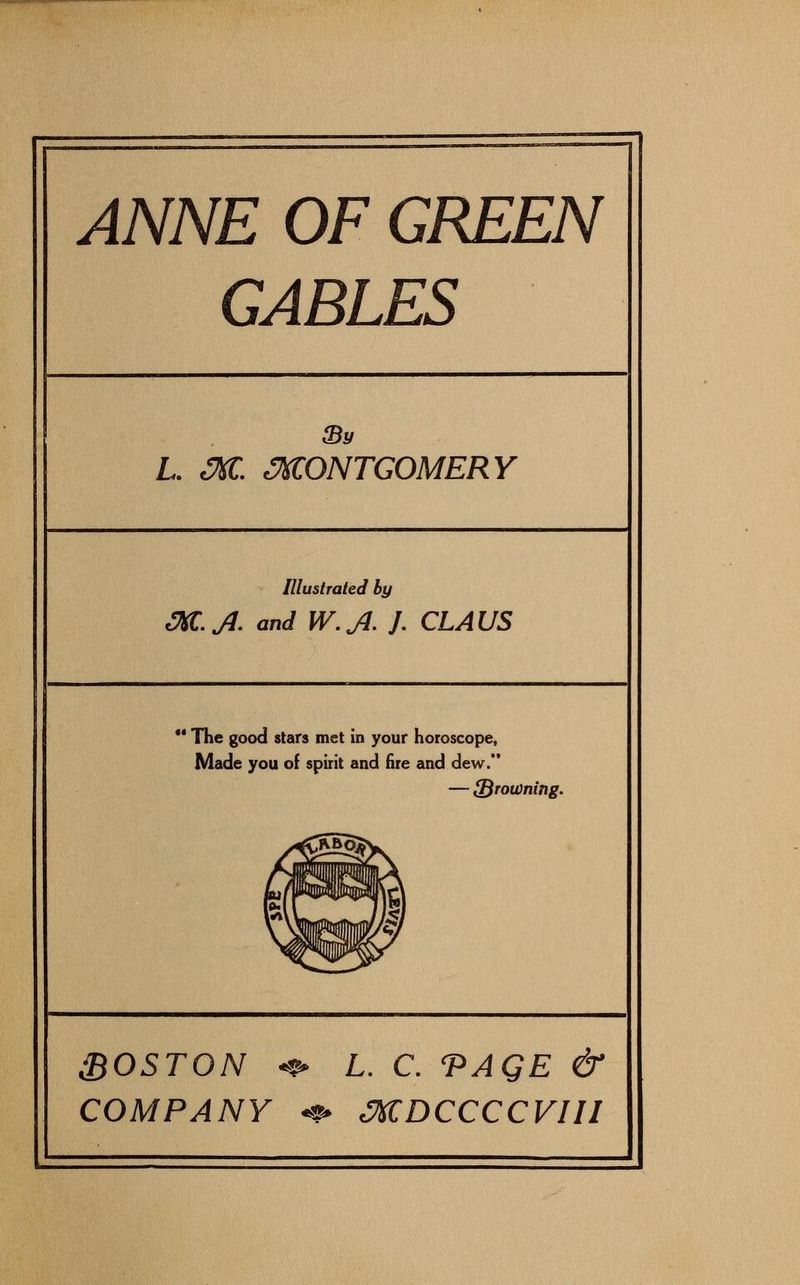
Anne Shirley arrived at Green Gables by mistake, and the world of literature has never been the same since. Published in 1908 by Canadian author L.
M. Montgomery, Anne of Green Gables introduces one of fiction’s most lovable heroines: a talkative, imaginative, red-haired orphan who wins over the hearts of a quiet farming community through sheer personality and warmth.
The book has sold over 50 million copies and remains beloved across generations, especially in Canada, Japan, and the United Kingdom. Montgomery wrote it after a series of rejections, and it became an immediate bestseller.
Readers fell in love with Anne’s optimism, humor, and fierce sense of self.
Anne of Green Gables has inspired museums, festivals, and tourism on Prince Edward Island, where the story is set. Its celebration of imagination, belonging, and finding family in unexpected places gives it a warmth that never fades, no matter how many times you read it.
Share this story