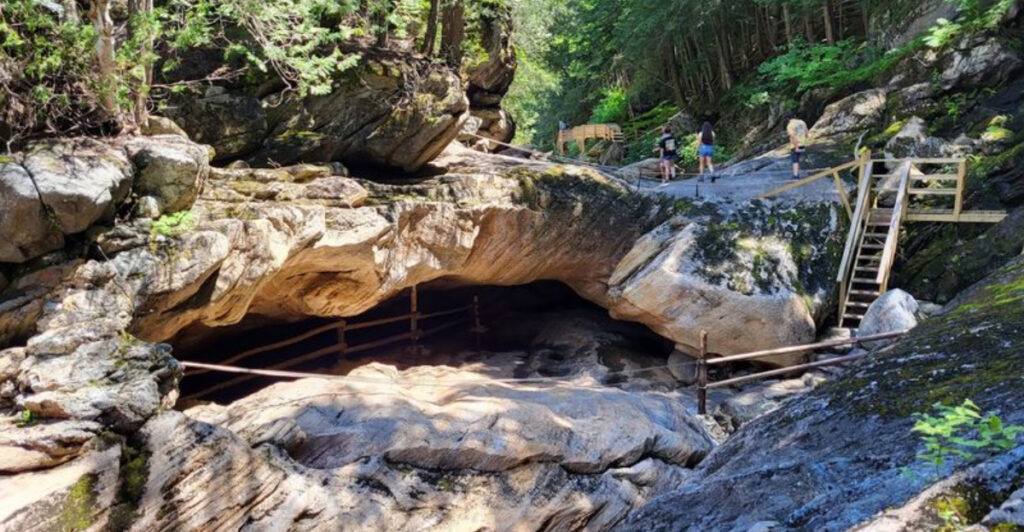
Tucked inside the Adirondack foothills of upstate New York, there is a trail that takes you right under a marble cave entrance so massive it holds the record as the largest of its kind on the entire East Coast. That is not a small claim.
The attraction sits near the small town of Pottersville and draws families, hikers, geology fans, and curious travelers who want something more memorable than a standard nature walk. The trail winds past grottos, lighted caves, cascading waterfalls, and ancient stone formations that took millions of years to shape.
Whether you have two hours or a full afternoon, this place rewards every minute you give it. Read on to find out exactly what makes this stop so worth your time.
The Record-Holding Cave Entrance You Have to See
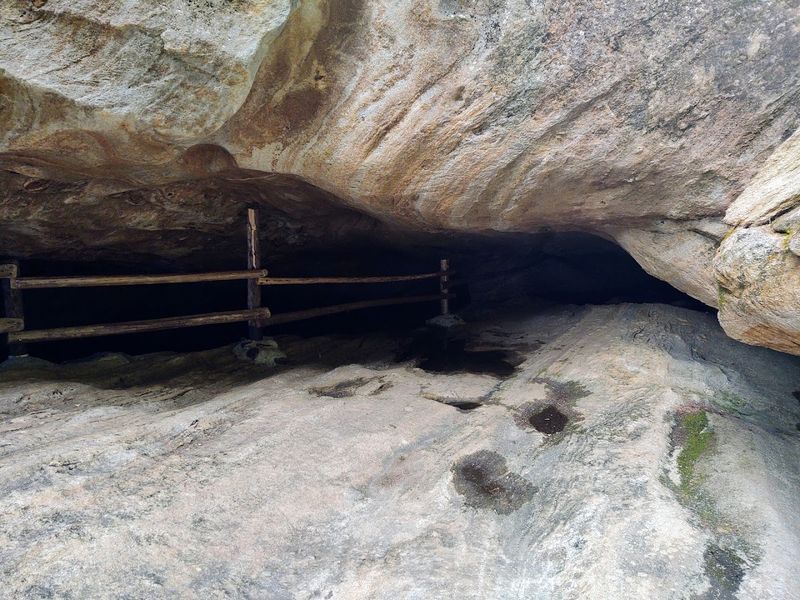
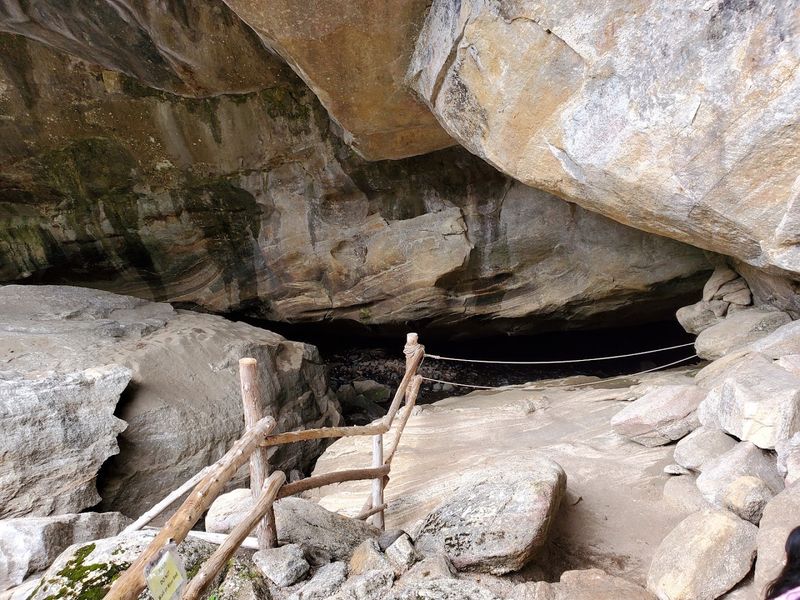
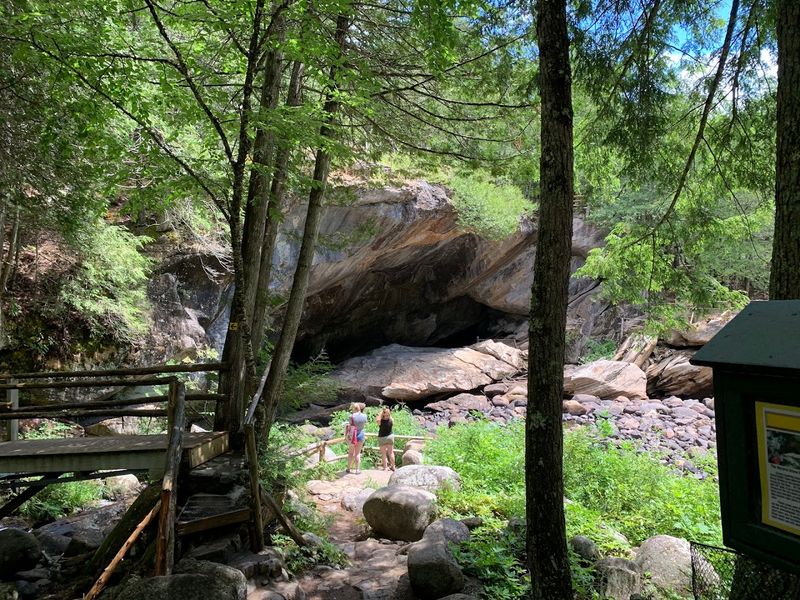
The headline feature here is the marble cave entrance, which is recognized as the largest of its kind on the entire East Coast. That record alone sets this place apart from every other cave attraction in the region.
The opening is formed from Adirondack marble, a rock type shaped over hundreds of millions of years through intense geological pressure and mineral activity.
Standing at the entrance gives a clear view of just how substantial this formation really is. The sheer scale of the arch overhead puts the age of the earth into a kind of perspective that no textbook can fully deliver.
Informational signs posted along the trail explain the geology in plain language, so even younger visitors come away with a real understanding of what they are looking at.
This is one of those features that tends to stop people mid-step, and for good reason. The cave entrance alone justifies the trip from nearly anywhere in the Northeast.
A Trail Built for Exploration, Not Just Exercise
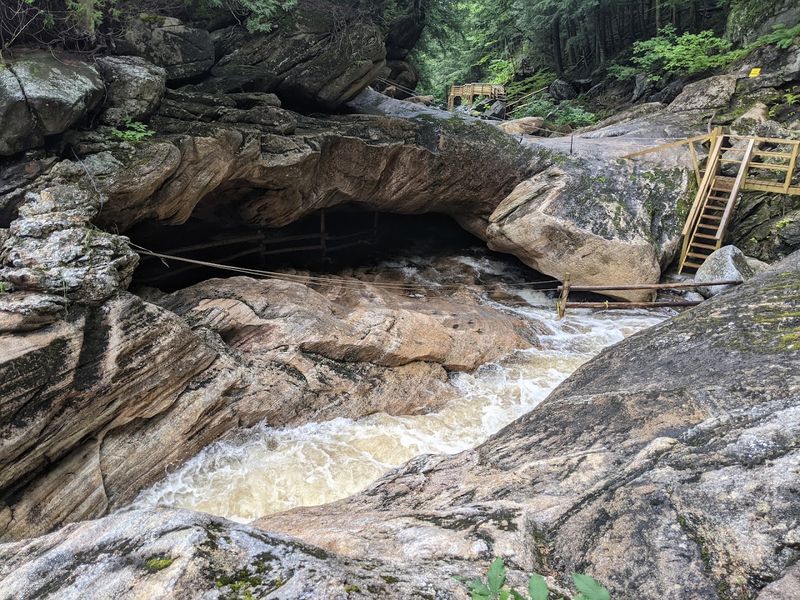
The self-guided trail at Natural Stone Bridge and Caves is designed as a loop, which means there is no backtracking and no getting turned around. The path combines wooden boardwalks, natural rock steps, and well-maintained stairways that move through a variety of terrain types in a fairly compact area.
Trail markers are clear and consistent, so navigation is never a concern. Informational posts placed throughout the route provide context about the rock formations, water features, and natural history of the site.
Families with children, groups of seniors, and solo hikers all move through the same trail comfortably, though some sections do involve steep steps that require a steady pace.
A typical visit runs between one and two hours, though spending more time at each stop easily extends that to three or four hours. The trail never feels rushed, and every bend in the path tends to reveal something worth pausing over.
Good footwear with grip is strongly recommended.
Waterfalls Hidden Along the Route
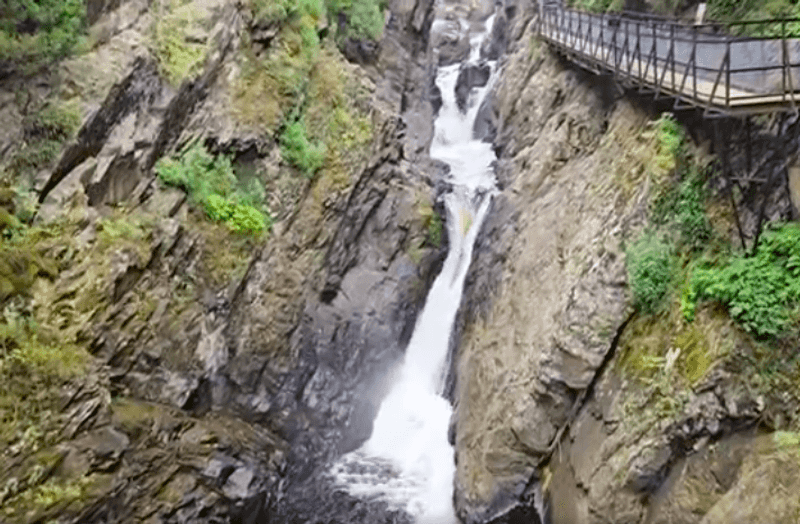
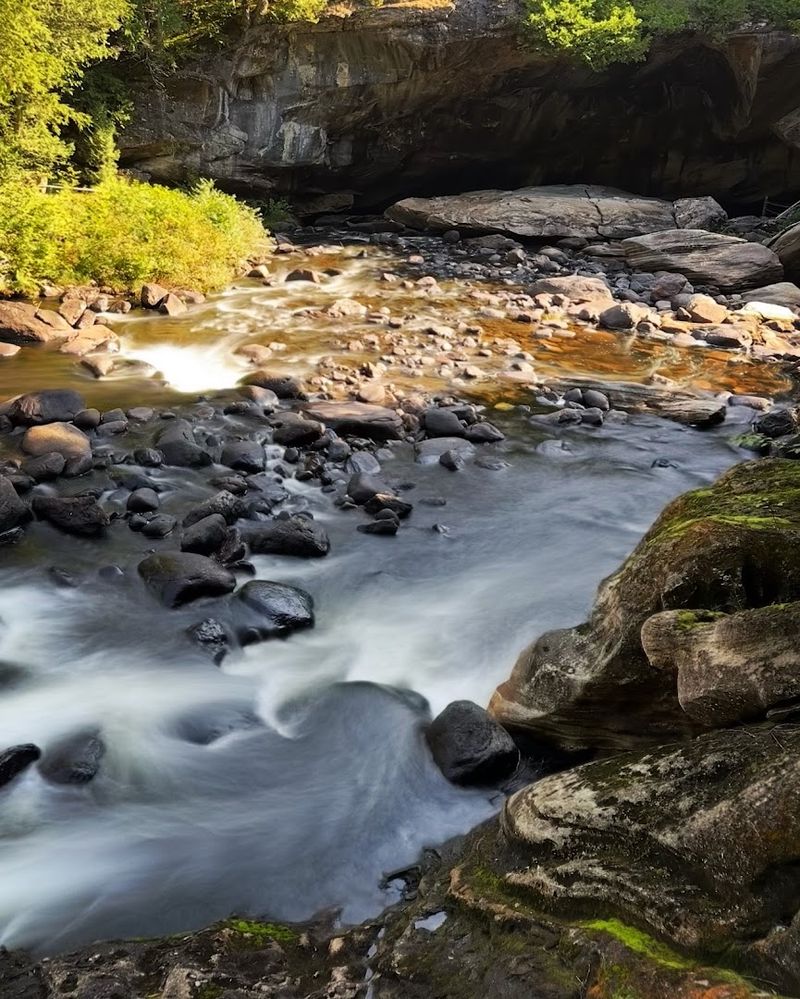
Water plays a central role in the character of this trail. Several waterfalls appear at different points along the route, fed by the Trout Brook that runs through the property.
These falls vary in height and force depending on the season, with spring and early summer typically producing the most dramatic flow.
The trail brings hikers close enough to the falls to appreciate the detail of the water moving over marble and limestone formations. When water levels drop in late summer, sections of the riverbed become accessible on foot, revealing potholes carved into the stone over thousands of years of water erosion.
These potholes are circular depressions ground out by spinning rocks caught in the current, and they are genuinely fascinating to examine up close.
The combination of moving water, carved stone, and layered geology makes the waterfall sections some of the most photographed spots on the entire trail. A waterproof layer or hat is worth bringing on wetter days.
Grottos and Lighted Caves Worth Slowing Down For
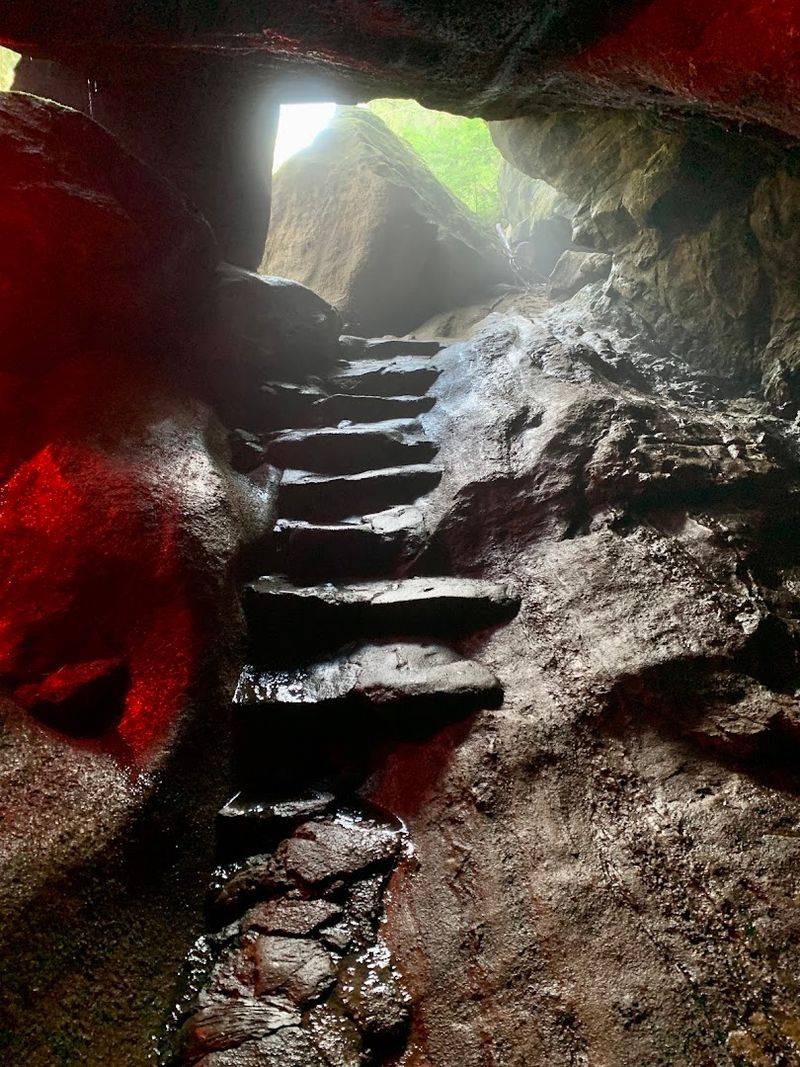
Beyond the main cave entrance, the trail passes through a series of grottos and smaller cave openings that are lit for easier exploration. These spaces feel genuinely different from the open trail sections, with lower ceilings and narrow passages that bring visitors right up against the raw marble and crystalline rock surfaces.
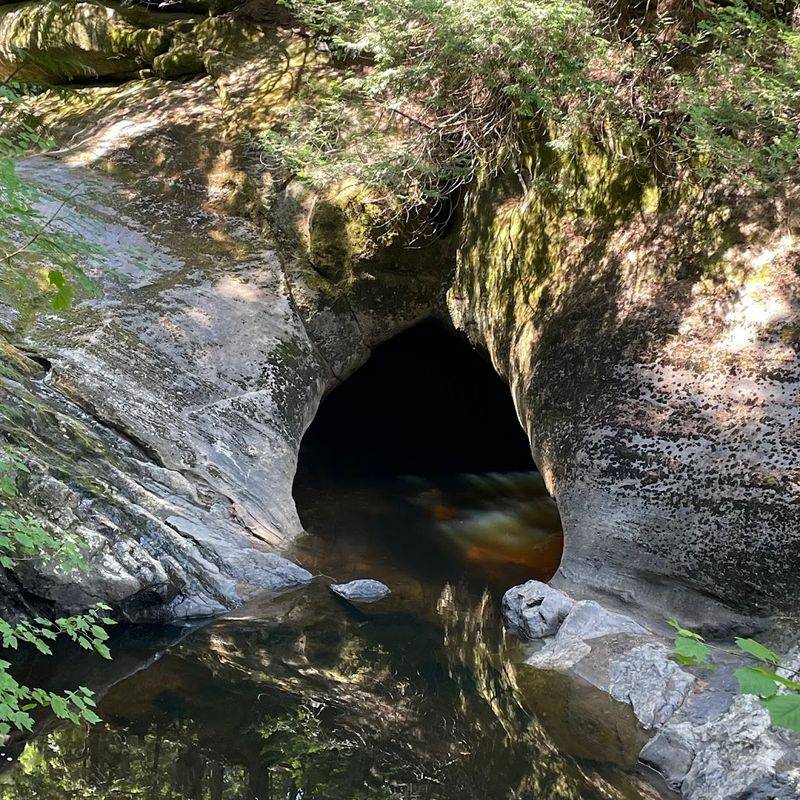
One specific area allows access to the interior where water flows in from the brook above, creating a space where geology and hydrology meet in a very direct way. The caves are not deep enough to require specialized equipment, but they are atmospheric enough to hold the attention of adults and kids alike.
Humidity inside the caves tends to run higher than on the open trail, so a light layer or hat can be useful. The lighting installed throughout keeps the experience accessible without removing the natural character of the formations.
Taking time to read the posted signs inside the caves adds real depth to what might otherwise feel like a quick walk-through.
The Geology Behind the Stone Bridge Itself
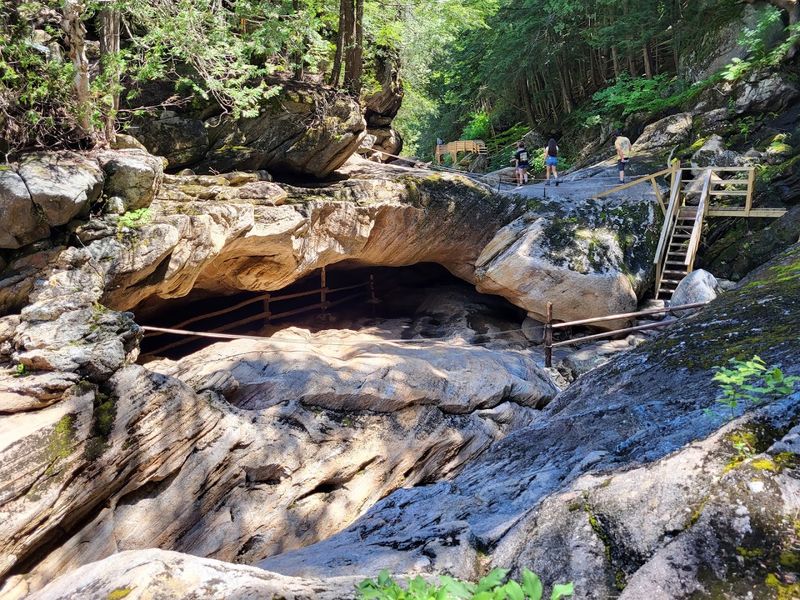
The stone bridge at the center of this attraction is a natural arch formed from Adirondack marble that spans across the Trout Brook gorge. This formation is the geological anchor of the entire site, and it gives the property its name for good reason.
Marble of this type formed roughly 500 million years ago during a period of intense mountain-building activity in the northeastern part of North America.
The bridge itself represents a rare combination of erosion and structural durability. Water carved away the softer surrounding material over millennia while the harder marble arch held its shape.
The result is a natural span that visitors can walk near and observe from multiple angles along the trail.
Informational signs along the route explain the specific geological timeline in accessible terms. For anyone with even a passing interest in earth science, this section of the trail provides a genuinely educational experience that goes well beyond what most outdoor attractions offer.
The rock tells a very long story.
What Snowshoeing Season Looks Like Here
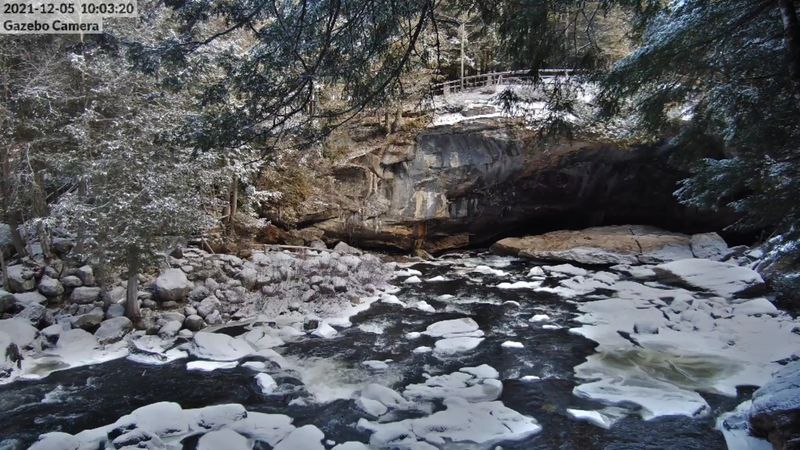
When winter arrives in the Adirondacks, the self-guided cave tour closes for the season, but the property does not shut down entirely. Snowshoeing trails open up across the grounds, offering a completely different way to experience the same landscape.
Frozen waterfalls, snow-draped rock formations, and quiet winter trails make the property feel like a different place altogether.
The trails are well-marked even under snow, and the difficulty range covers both beginner and more experienced snowshoers. A fire pit area near the main building provides a warm gathering spot after time on the trails, and the on-site shop remains open for visitors to browse or warm up inside.
Winter visits tend to be quieter than summer ones, which has its own appeal for anyone who prefers fewer crowds. The combination of physical activity, dramatic frozen scenery, and a warm place to land afterward makes a winter trip here a genuinely well-rounded outing.
Snowshoe rentals may be available on-site depending on the season.
Cracking Geodes and the Rock Shop Experience
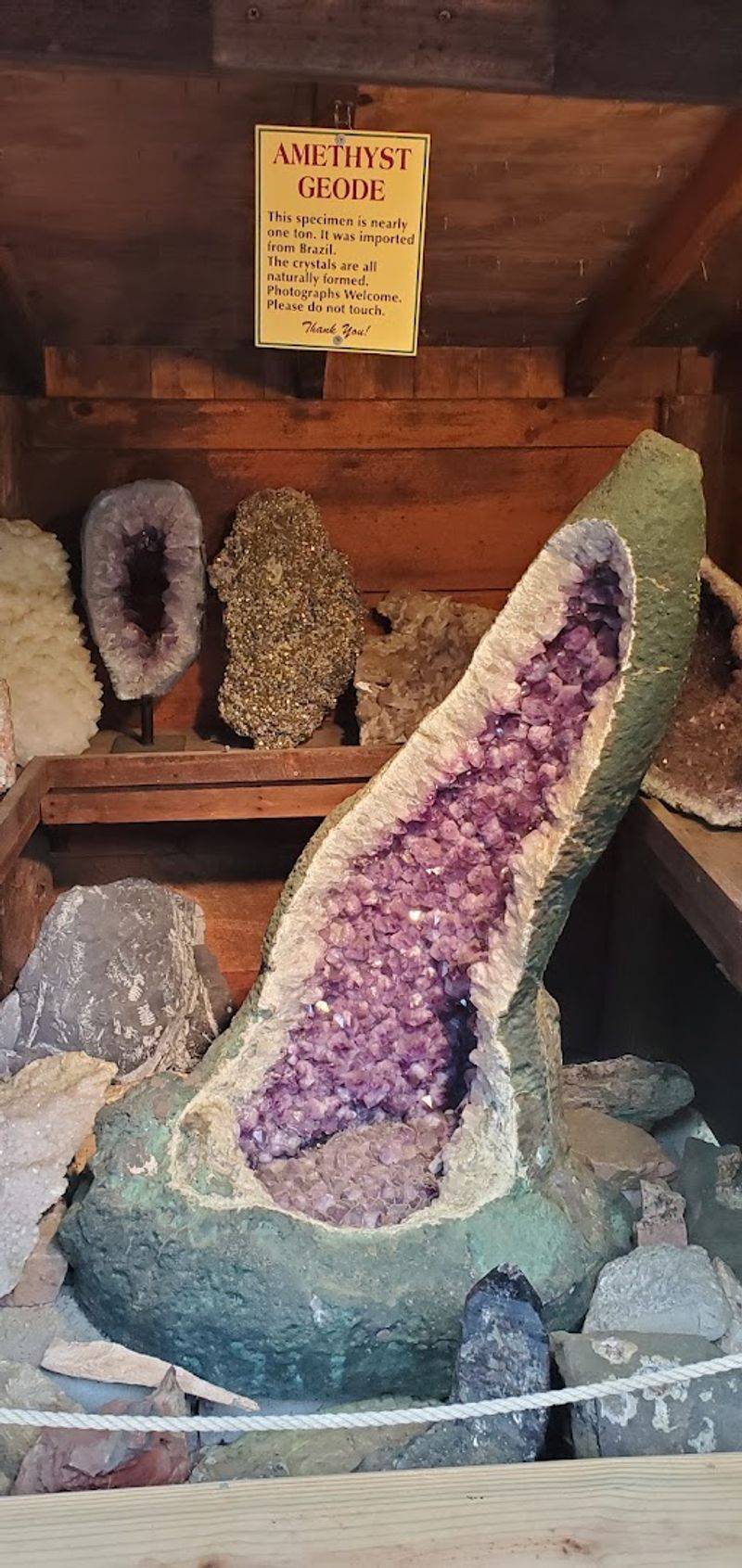
One of the most talked-about activities at this attraction has nothing to do with the trail itself. The on-site rock shop sells geodes, and staff members crack them open right there in the shop so visitors can see what is inside.
The color and crystal structure of each geode is completely random, which makes the whole thing feel like a small-scale treasure hunt.
Staff in the shop take time to explain how geodes form, where they come from, and what different crystal colors indicate before a purchase is made. That kind of hands-on education turns what could be a simple souvenir transaction into a genuinely memorable moment, especially for younger visitors.
The shop also carries amethyst specimens, petrified wood, fossils, dragon sculptures on geodes, and a wide range of minerals and crystals. Whether or not the trail is the main draw for a particular visitor, the rock shop tends to hold its own as a destination.
Many people end up spending more time there than they expected.
Family-Friendly Features That Make It Work for All Ages
The trail at Natural Stone Bridge and Caves draws a genuinely wide range of visitors, from young children to older adults. Families with kids as young as six or eight regularly complete the full loop without issue, though the steep stair sections do require adult supervision and a careful pace for smaller children.
The property includes clean restroom facilities, a parking area with ample space, and a small snack area for quick refreshments. A play area for children is also available near the main building.
The trail is not stroller-friendly due to the uneven terrain and steps, so carriers or older children who can walk independently work best.
For seniors or anyone with mobility concerns, the terrain does present challenges at certain points, and having a walking stick, available free at the trailhead, makes a real difference. The overall design of the property clearly prioritizes accessibility and comfort without removing the natural character that makes the place worth visiting in the first place.
Best Times to Visit and What to Expect
The property is open daily from 9 AM to 5 PM, which gives visitors a full morning or afternoon to work with. Summer weekends tend to draw the largest crowds, particularly around holidays and during the peak Lake George tourist season in July and August.
Weekday visits in September offer a notably quieter experience with comfortable temperatures and early fall color starting to appear.
Spring visits bring higher water levels to the falls and brook, which adds visual impact to the waterfall sections of the trail. Late summer sometimes allows access to the riverbed when water levels drop, revealing the potholes and carved stone formations below the normal waterline.
Rain does not necessarily cancel a visit here. The trail is hikeable in wet weather, though surfaces can become slippery, making grip footwear even more important.
Arriving early on busy days helps avoid congestion at popular photo spots along the route. Parking is free and plentiful regardless of the season.
Why This Spot Belongs on Any Adirondack Itinerary
The Adirondack region of New York offers no shortage of outdoor attractions, but Natural Stone Bridge and Caves holds a specific place on that list because it combines geology, hiking, and hands-on activities in a way that few other spots in the Northeast can match. The record-holding marble cave entrance alone gives it a credential that stands apart from standard trail destinations.
The property sits close enough to Lake George and the broader Adirondack tourist corridor to fit naturally into a multi-day itinerary. A visit here pairs well with a stop at the Stone Bridge Ice Cream shop located at the corner of Route 9, which the property itself recommends as a post-hike reward.
For travelers who want something more layered than a scenic overlook but less demanding than a backcountry expedition, this attraction hits a sweet spot that is genuinely hard to find. The combination of natural history, physical exploration, and accessible education makes it a destination worth planning around rather than just stumbling upon.
Where the Trail Actually Begins
Natural Stone Bridge and Caves is located at 535 Stone Bridge Rd, Pottersville, NY 12860, nestled in the southern Adirondack region of New York State. The attraction sits on private land that has been developed specifically for public exploration, and getting there is straightforward from Route 87 or Route 9 in the Lake George area.
The experience starts at the main building, where tickets are purchased inside the gift shop. Adults pay around $20 and children up to 12 years old pay around $10, making it a reasonably priced outing for families.
Walk-ins are welcome, though advance bookings at least 24 hours ahead are available online or by phone.
Free walking sticks are available at the trailhead for anyone who wants extra support on the terrain. The property is open daily from 9 AM to 5 PM throughout the week, giving visitors a solid window to explore at a comfortable pace.
Share this story