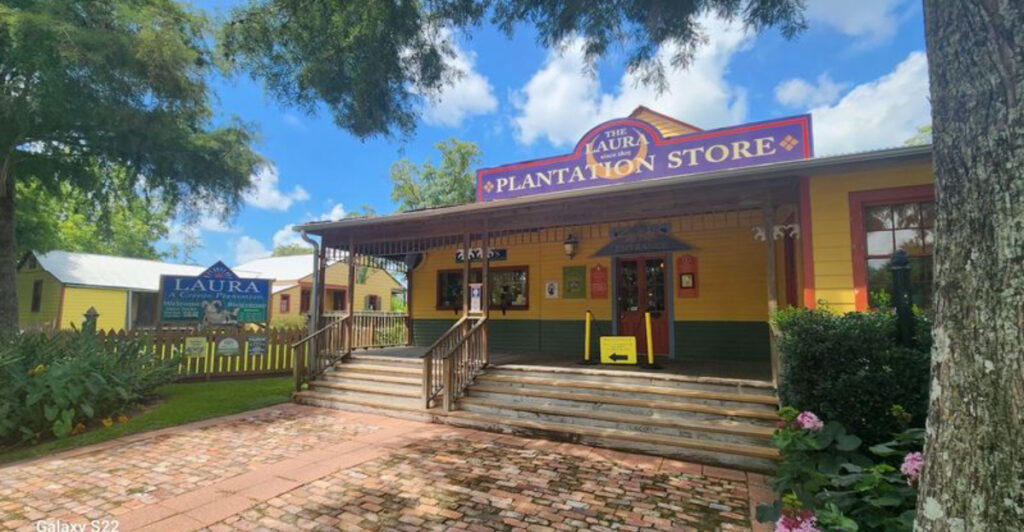
Most plantation tours in the American South tend to focus on grand staircases and fine china. This one is different.
Along the River Road in Louisiana, there is a place where the stories of four generations of a Créole family and the hundreds of enslaved people who worked alongside them are told with honesty, depth, and a level of detail that most historic sites never attempt. The history here is complicated, layered, and deeply human, and that is exactly what makes it so worth your time.
What Makes Laura Plantation Stand Apart from Other Historic Sites
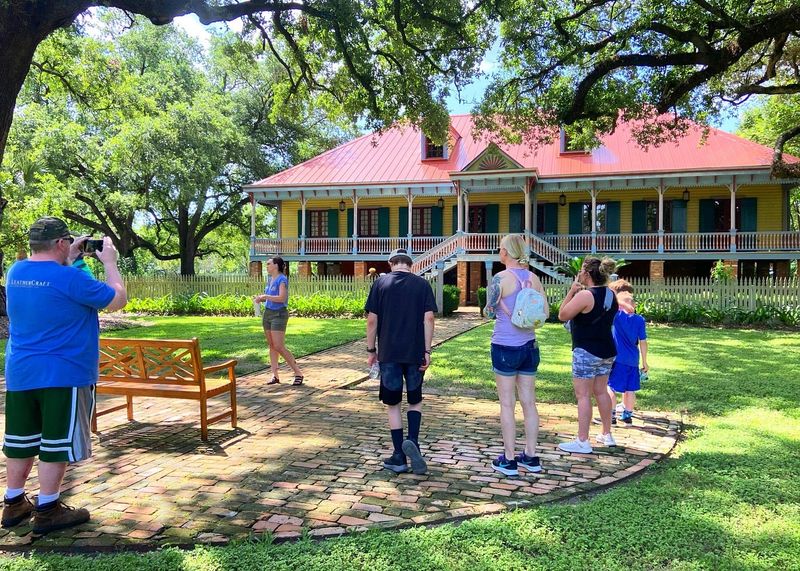
Not every plantation tour is built the same way. Laura Plantation: Louisiana’s Créole Heritage Site, located at 2247 LA-18, Vacherie, Louisiana 70090, takes a different approach from the moment you arrive.
Rather than centering the experience on furniture and architecture, the tour is built around real people and real stories.
The property dates to 1805 and operated as a sugarcane plantation. What sets it apart is the source material.
Laura Locoul Gore, who grew up on the property, left behind detailed memoirs that documented four generations of her family’s life, including the lives of the enslaved people who lived and worked there.
Those memoirs became the backbone of every tour offered here. The result is a guided experience that feels personal rather than performative, grounded in primary sources rather than romanticized legend.
That honesty is rare, and visitors feel it immediately.
The Créole Identity at the Heart of the Property
Louisiana Créole culture is one of the most misunderstood identities in American history. At Laura Plantation, that culture gets the serious, nuanced treatment it deserves.
The Locoul family who built and owned this property were Créole, meaning they were Louisiana-born descendants of French and other European settlers, with a distinct language, legal tradition, and social structure that set them apart from Anglo-American plantation society.
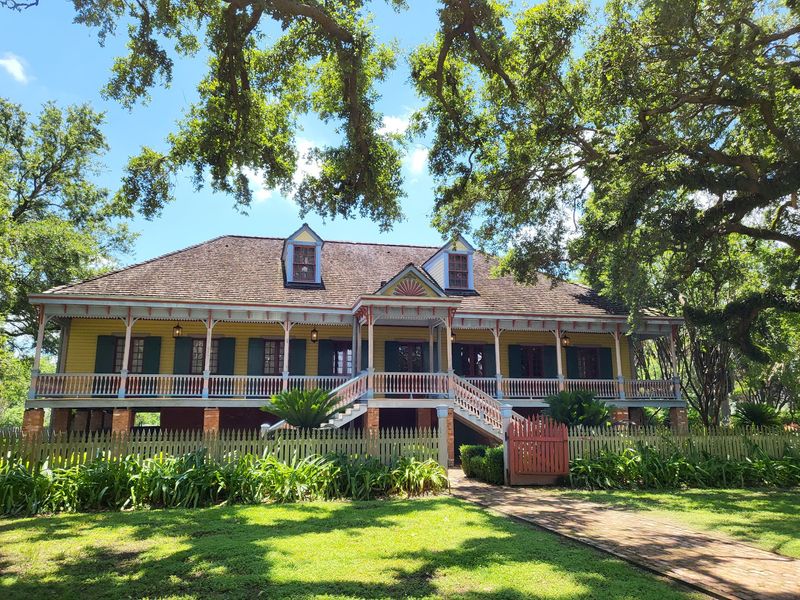
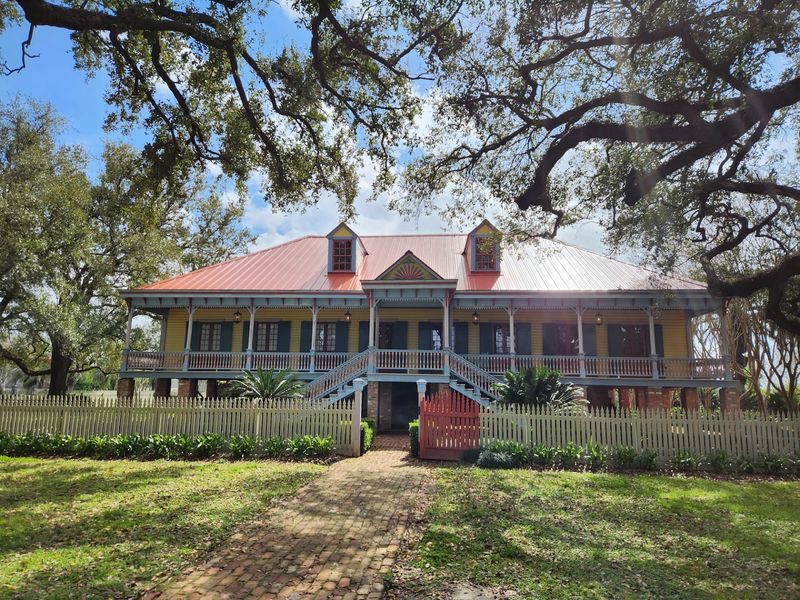
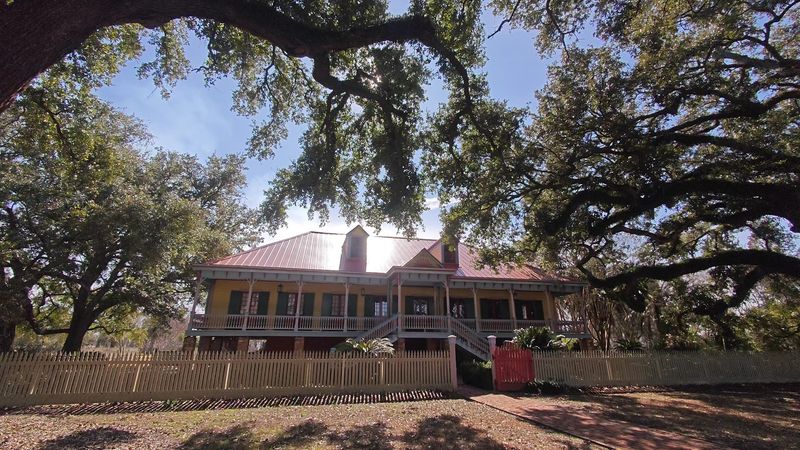
The architecture of the main house reflects that identity directly. The building follows a Créole raised cottage style, with wide galleries, thick walls, and a layout designed for the Louisiana climate rather than East Coast fashion trends.
Guides explain how Créole culture shaped everything from inheritance laws to daily routines, cooking traditions, and family relationships. For many visitors, this is the first time they encounter Créole Louisiana as a living, breathing culture rather than a footnote in a broader American story.
The Memoirs That Brought This History to Life
Few historic sites can claim the kind of primary source material that Laura Plantation has. Laura Locoul Gore, who was born on the property in 1861 and spent her early years there, wrote extensive memoirs late in her life that documented her family’s history in remarkable detail.
Those writings covered not only the Locoul family’s personal lives but also the experiences of the enslaved people who lived on the property.
The memoirs were rediscovered and translated in the late twentieth century, and they fundamentally shaped how the plantation tells its story today. Guides draw directly from those accounts, giving tours a texture and specificity that most historic sites simply cannot match.
Hearing a story sourced from someone who actually lived it changes the entire experience. You stop feeling like a tourist reading a plaque and start feeling like someone genuinely learning about real human lives.
The Sugarcane Industry and What It Cost
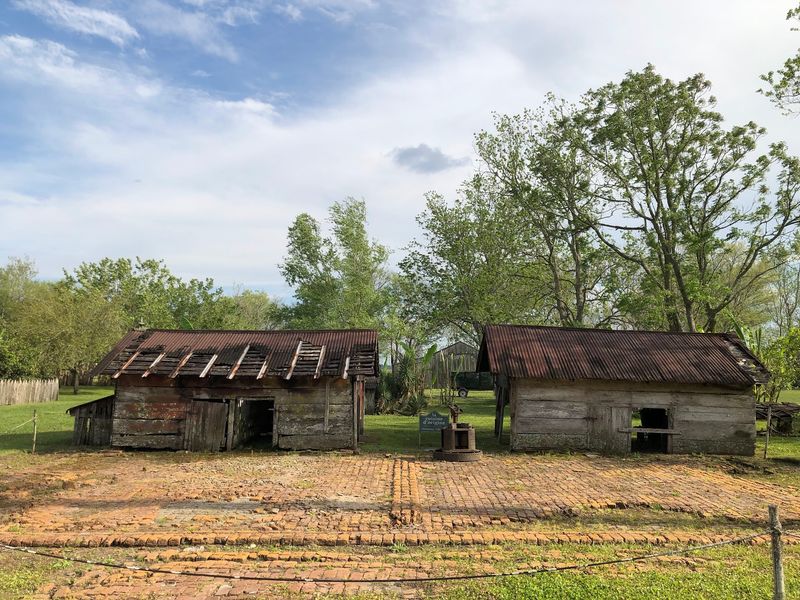
Sugarcane production in Louisiana was one of the most physically brutal industries in American history, and Laura Plantation does not shy away from that reality. At its peak, the plantation had several hundred enslaved workers whose labor powered the entire operation.
The work was relentless, dangerous, and seasonal, with harvest periods pushing workers to their physical limits.
Guides walk visitors through the mechanics of sugarcane production and connect those industrial realities to the human cost behind them. The contrast between the comfort of the main house and the conditions in the quarters becomes impossible to ignore once it is laid out clearly and honestly.
Understanding the economics of sugar also helps visitors grasp why slavery was so deeply embedded in this region’s culture. The wealth that built the house, the galleries, and the grounds came directly from that labor.
The tour makes sure that connection is never glossed over.
The Slave Cabin Tour and What It Reveals
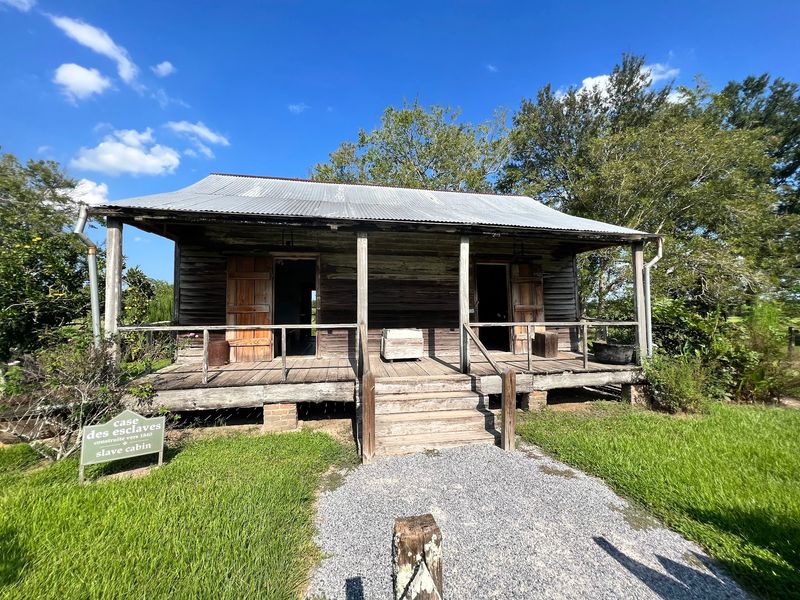
One of the most quietly powerful parts of the visit is the tour of the slave cabin on the property. The structure itself is modest and spare, which is exactly the point.
Standing inside it after walking through the main house creates a contrast that no amount of description can fully prepare you for.
Guides use this part of the tour to discuss the daily realities of enslaved life, including work schedules, family structures, cultural practices, and the ways enslaved people maintained their humanity and community under crushing conditions. The information comes from historical records and the plantation’s own primary source material.
Many visitors say this section of the tour stays with them long after they leave. The cabin is not presented as a curiosity or a backdrop for photos.
It is treated as a place where real people lived, and the guides make sure that weight is fully felt.
Four Generations of Family Drama and Conflict
The Locoul family history is genuinely compelling on its own terms, and the tour leans into that fully. Over four generations, the family navigated financial pressures, shifting legal landscapes, internal conflicts, and the slow erosion of the Créole world they had built.
Laura Locoul herself eventually left Louisiana and settled in St. Louis, where she wrote her memoirs decades later.
The family’s story involves strong-willed women who often held more power over the plantation’s fate than the men around them. Louisiana’s French legal tradition, unlike English common law, allowed women to own property and participate in business in ways that were unusual for the era.
Guides bring these personalities to life with specific anecdotes drawn directly from the memoirs. By the end of the tour, visitors often feel like they genuinely know these people, which makes the larger historical context land with much more emotional weight.
The Role of Women in Running the Plantation
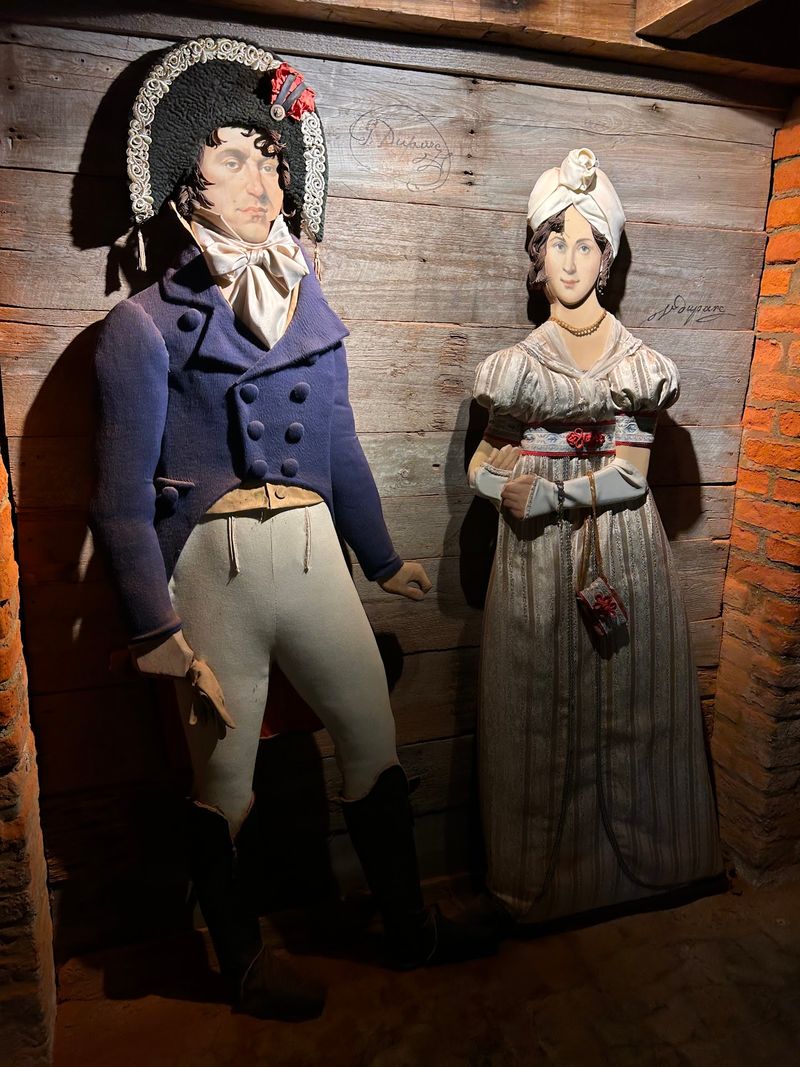
One of the more surprising threads woven through the tour is how prominently women figure in the plantation’s history. Under Louisiana’s civil law system, derived from French and Spanish legal codes, women had property rights that their counterparts in other American states did not enjoy.
Several women in the Locoul family line exercised those rights aggressively.
The plantation was at various points managed and directed by women who made major financial and operational decisions. Laura Locoul’s grandmother and mother both played central roles in shaping the property’s direction.
Their personalities, disagreements, and choices are documented in the memoirs with remarkable candor.
Hearing about these women in specific, detailed terms rather than as vague historical footnotes is one of the tour’s most engaging qualities. It challenges assumptions visitors might have about who held power in plantation society and opens up a much richer conversation about gender, law, and culture in antebellum Louisiana.
Brer Rabbit and an Unexpected Literary Connection
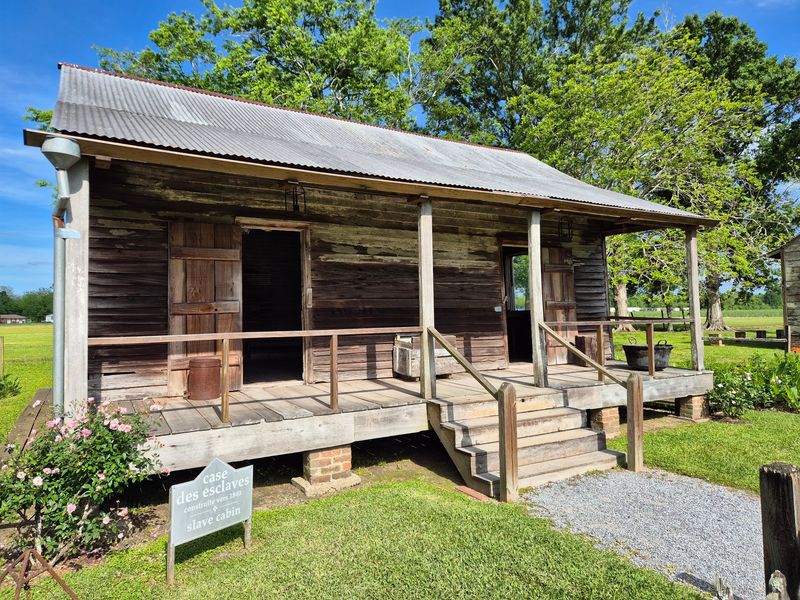
Here is a detail that genuinely surprises most visitors: the Brer Rabbit stories, popularized in the United States through the Uncle Remus tales, have roots that connect directly to this property. The enslaved West African workers at Laura Plantation brought with them oral storytelling traditions featuring a clever trickster rabbit, and those stories were documented here before they entered wider American culture.
Ethnologists have traced this connection, and the plantation acknowledges it openly during the tour. The trickster rabbit as a character, an underdog who outsmarts more powerful figures through cleverness rather than force, made perfect cultural sense in the context of enslaved life.
This literary thread adds an unexpected dimension to the visit. It is a reminder that the cultural contributions of enslaved people extended far beyond physical labor and shaped American storytelling in ways that most people never connect back to their origins.
That revelation alone is worth the trip.
The Architecture of the Main House
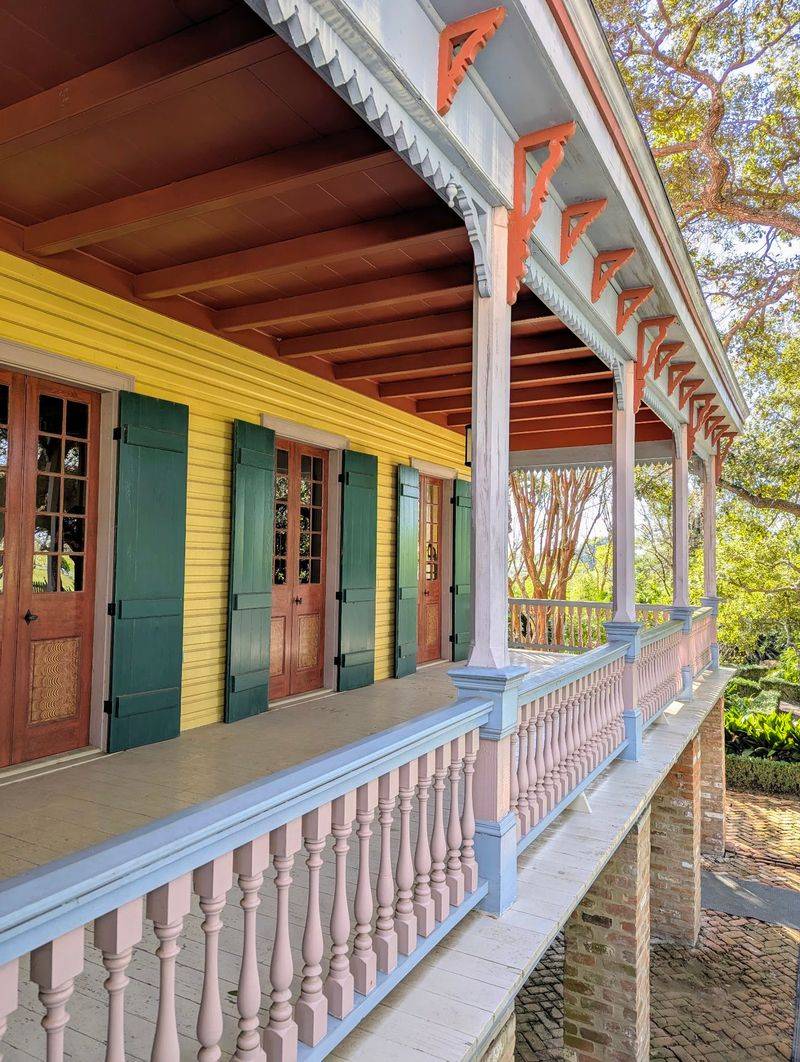
The main house at Laura Plantation is not a Greek Revival mansion with towering white columns. That distinction matters more than it might seem.
The building is a Créole raised cottage, and its design reflects a completely different cultural and climatic logic than the Anglo-American plantation houses that dominate popular imagination.
The house sits elevated on brick piers, which allowed air to circulate beneath the structure and provided some protection from flooding. The wide galleries wrapping around the building served as outdoor living spaces during Louisiana’s long, humid summers.
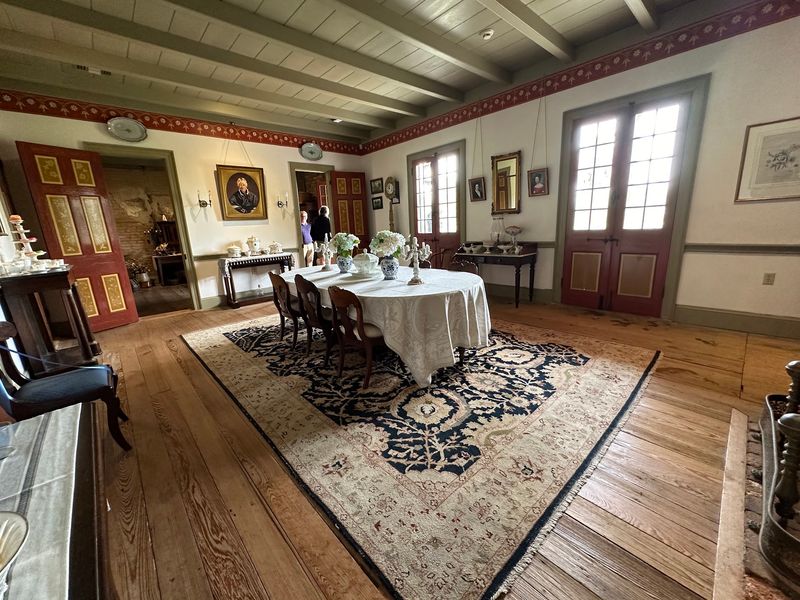
The interior layout follows a Créole floor plan with rooms arranged for both privacy and ventilation.
One visitor noted that the house actually has a basement, which is unusual for Louisiana construction given the region’s high water table. Details like this give the architecture genuine character.
The building has been carefully restored, and walking through it feels like entering a space that has been honestly preserved rather than polished for tourism.
The Small Museum on the Grounds
Most visitors focus on the guided tour of the main house and grounds, but there is a small museum on the property that deserves attention in its own right. It contains information about the plantation workers, the broader history of the region, and the cultural context surrounding Créole Louisiana in the nineteenth century.
One useful tip that experienced visitors share is to save the museum for after the tour rather than before. The names, faces, and stories covered in the guided portion give the museum’s displays much more meaning once you already have a sense of who these people were.
The museum does not get heavily promoted, which means some visitors miss it entirely. That would be a shame.
It adds a layer of context that rounds out the experience, particularly for anyone who wants to spend more time with the documentary and photographic record of life on this property.
How the Tours Are Structured and What to Expect
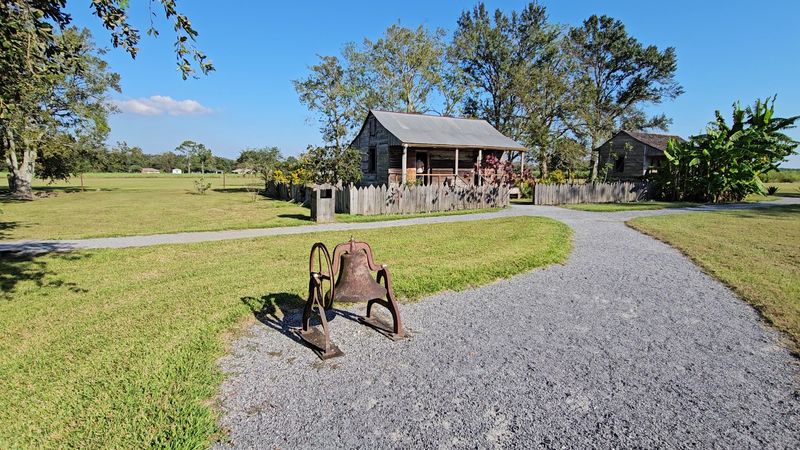
Tours at Laura Plantation run on a schedule throughout the day, with a limited number of people per group. That intentional cap on group size makes a genuine difference in the quality of the experience.
Smaller groups allow guides to take their time, answer questions fully, and create a more personal atmosphere than a large crowd would permit.
The tour itself runs well over an hour and covers the main house, the grounds, and the slave cabin. Guides work from the plantation’s primary source material, which means the information is specific and detailed rather than generalized.
Questions are welcomed, and guides handle even sensitive topics with care and depth.
The plantation is open most days, with Wednesday being the exception. Hours run from 9:30 AM into the early afternoon, so morning visits tend to allow the most time to explore.
Booking in advance is a smart move, especially during busy travel seasons.
French Language Tours and International Visitors
Louisiana’s French heritage runs deep, and Laura Plantation honors that connection in a practical way. The site offers French language tours multiple times daily, which reflects both the property’s cultural roots and the significant number of French-speaking visitors who make the trip from overseas.
French tours are offered at 11:00 AM, 1:00 PM, and 3:00 PM, giving international visitors real options for experiencing the history in their own language. This is not a token accommodation.
The plantation’s Créole history is fundamentally tied to French culture, law, and language, so hearing the story told in French actually adds a layer of authenticity.
Visitors who need language support are encouraged to book accordingly rather than arriving without a plan. The staff is bilingual, and the admissions area can help direct guests to the right tour.
Planning ahead ensures the experience lands the way it should, regardless of your first language.
The Gift Shop and What You Will Find There
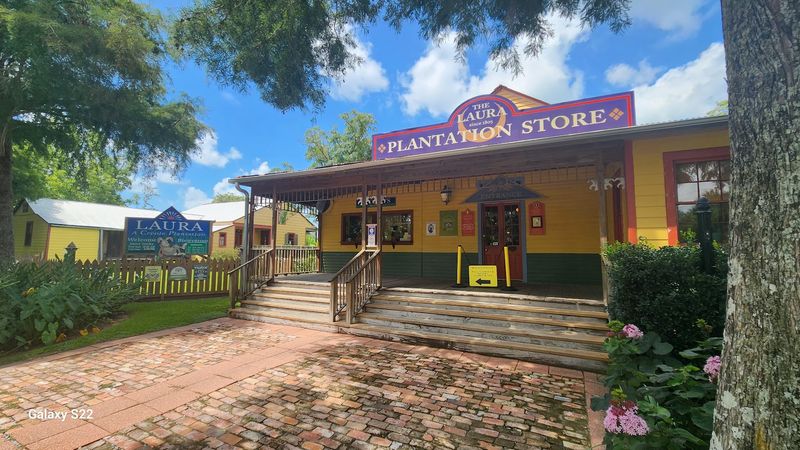
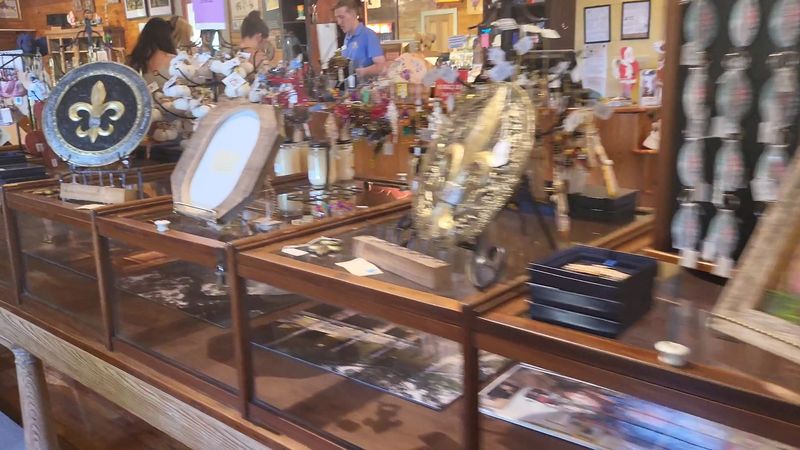
The gift shop at Laura Plantation is worth more than a quick glance on your way out. It carries a thoughtfully curated selection of books on Louisiana history, Créole culture, and the broader context of slavery in the American South.
For anyone who leaves the tour wanting to read further, the selection is genuinely useful.
Beyond books, the shop stocks Louisiana-made foods, art, and other items that reflect the region’s cultural identity rather than generic tourist merchandise. The quality of the curation matches the seriousness of the site itself, which feels consistent with the overall approach to the visitor experience.
Several visitors have noted that browsing the shop before the tour begins is a comfortable way to pass time if you arrive early. The waiting area is pleasant, and the shop gives you context for what you are about to see.
It is a small detail, but it sets the right tone for the visit ahead.
How Laura Plantation Compares to Other River Road Sites
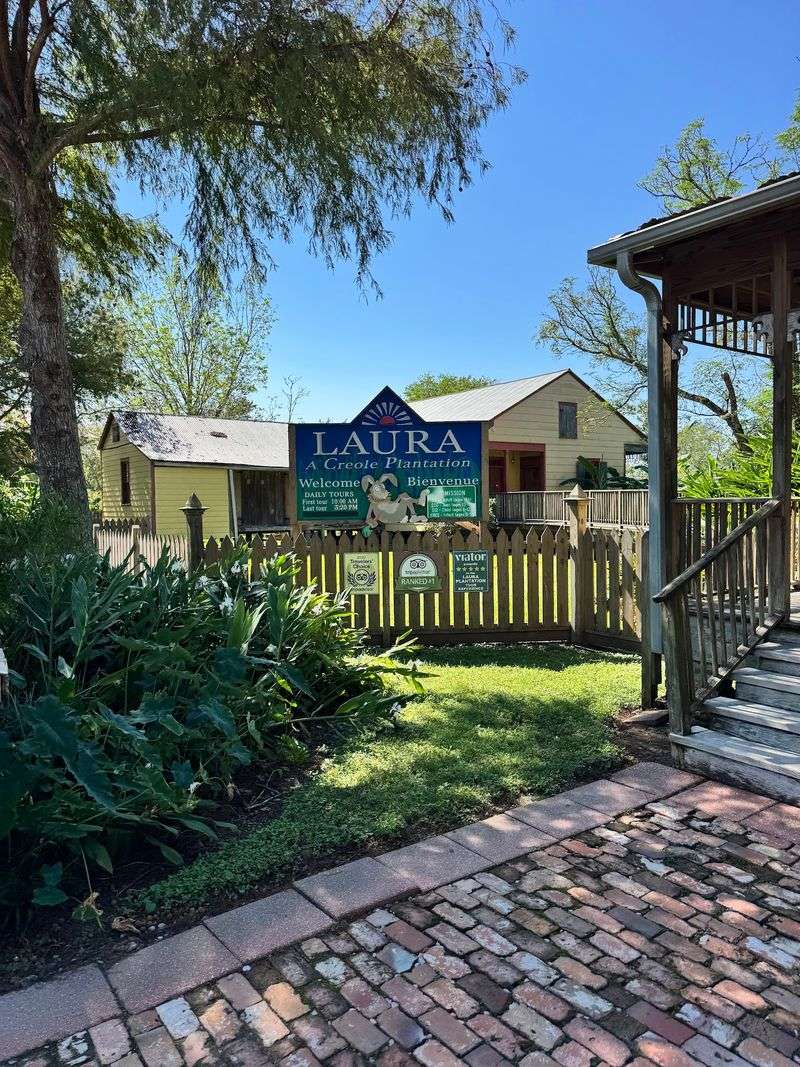
The stretch of Louisiana highway known as River Road is lined with plantation properties, and visitors often debate which ones are worth their time. Laura Plantation occupies a distinct position in that conversation because of its focus on Créole identity and its use of primary source material rather than generalized history.
Nearby Whitney Plantation, which focuses entirely on the experience of enslaved people, is frequently recommended alongside Laura as a complementary visit. The two sites approach the same difficult history from different angles, and doing both in the same trip gives visitors a much fuller picture than either one alone could provide.
Oak Alley Plantation is another well-known stop on the same road, famous for its dramatic canopy of live oaks. Each property tells a different story, and Laura’s Créole angle is specific enough that it does not feel redundant even if you visit multiple sites in the area.
Why This Visit Stays With You
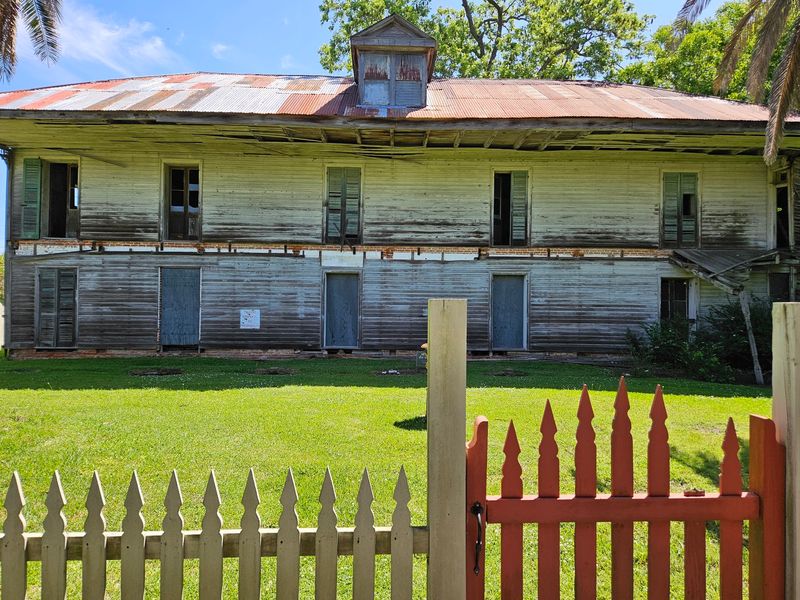
Some historic sites leave you with a vague sense that you have learned something. Laura Plantation leaves you with specific names, specific stories, and a specific understanding of how power, culture, and human dignity played out in one particular place over many decades.
That specificity is what makes it linger.
The combination of primary source material, honest guides, and a property that has been preserved rather than sanitized creates an experience that feels genuinely educational rather than theatrical. Visitors consistently describe leaving with more questions than they arrived with, which is usually the sign of a site doing its job well.
If you find yourself anywhere near New Orleans or the River Road corridor, this is the kind of stop that justifies rerouting your entire day. The drive takes about an hour from the city, and the history waiting at the end of that drive is the kind that genuinely changes how you think about Louisiana, the South, and American history as a whole.
Share this story