High above the Missouri River, Indian Cave State Park is one of Nebraska’s most scenic destinations, known for its ancient petroglyphs, forested bluffs, and panoramic river views. Visitors can hike miles of trails, explore rugged sandstone landscapes, spot wildlife, and experience one of the state’s most distinctive natural settings.
Beyond its famous rock carvings, the park features a reconstructed frontier village, scenic drives, peaceful campgrounds, and fascinating historical landmarks. Whether you’re planning a weekend camping trip or a day of hiking and sightseeing, Indian Cave State Park is one of Nebraska’s premier outdoor destinations.
Where the River Bends and History Begins
The address reads 65296 720 Rd, Shubert, NE 68437, but the moment you turn off the highway and start dropping down toward the river bluffs, you realize this is not a typical state park entrance. Indian Cave State Park sits in southeast Nebraska, straddling the county line between Nemaha and Richardson counties, roughly ten miles south of Brownville and about five to eight miles east of Shubert.
The park covers nearly 3,400 acres, and that number starts to feel very real once you are standing on a ridgetop looking down at the Missouri River below. The landscape here is shaped by forces that took thousands of years to work, and the result is something that genuinely surprises first-time visitors.
Steep forested bluffs drop toward the river, deep ravines cut through the hills, and the overall scale of the place earns the park its reputation as Nebraska’s most rugged state park. Reaching it requires a bit of effort, but that effort pays off immediately.
Loess Hills That Shatter the Flat Nebraska Myth
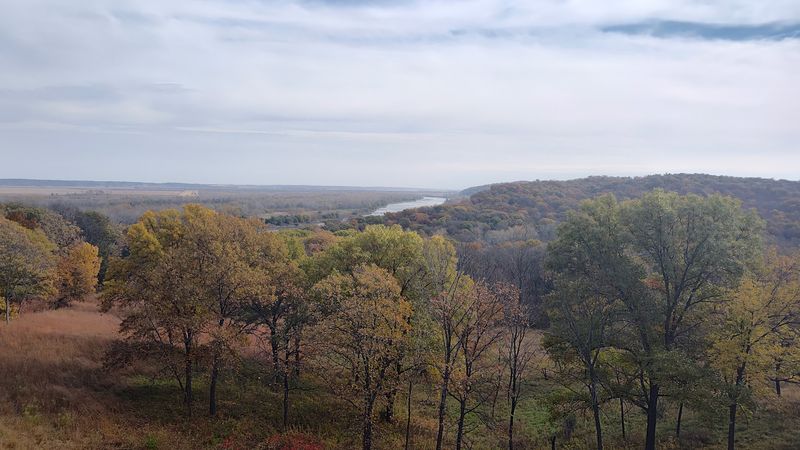
Nebraska has a reputation for flatness that this park absolutely refuses to honor. The terrain at Indian Cave is defined by the Loess Hills, wind-sculpted ridges of fine-grained silt that rise up to 300 feet above the surrounding landscape, creating a topography that feels closer to the Ozarks than the Great Plains.
These hills are not gentle, rolling bumps. They are steep, heavily forested, and laced with deep ravines that make navigation genuinely interesting. Hikers who come expecting a casual stroll through prairie grass tend to recalibrate their plans pretty quickly once the first serious climb begins.
The geological story behind these formations spans thousands of years of wind deposition and erosion, producing a landscape unlike anything else in the state. From the ridgetops, the views open up dramatically, revealing the river valley below and the forested slopes stretching in every direction. This is the kind of terrain that rewards physical effort with visual payoff, and the park delivers that exchange consistently throughout its trail system.
The Sandstone Overhang That Gave the Park Its Name
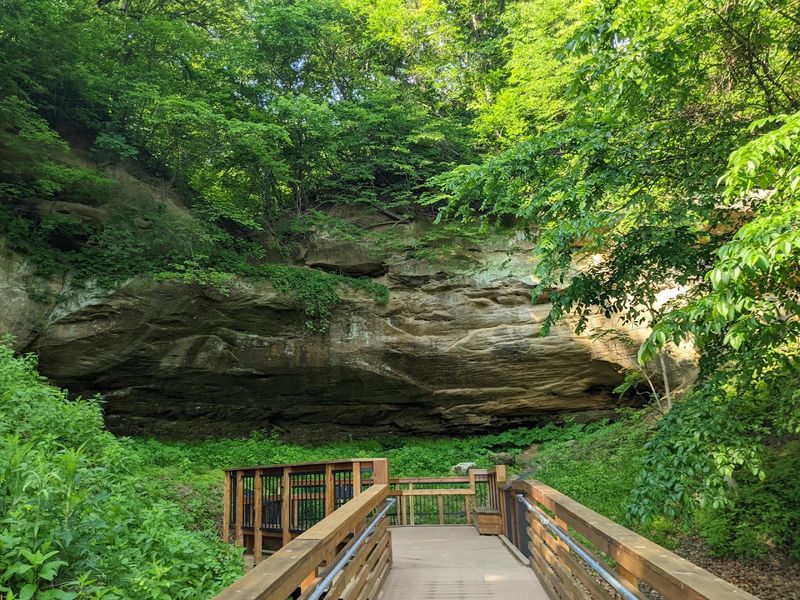
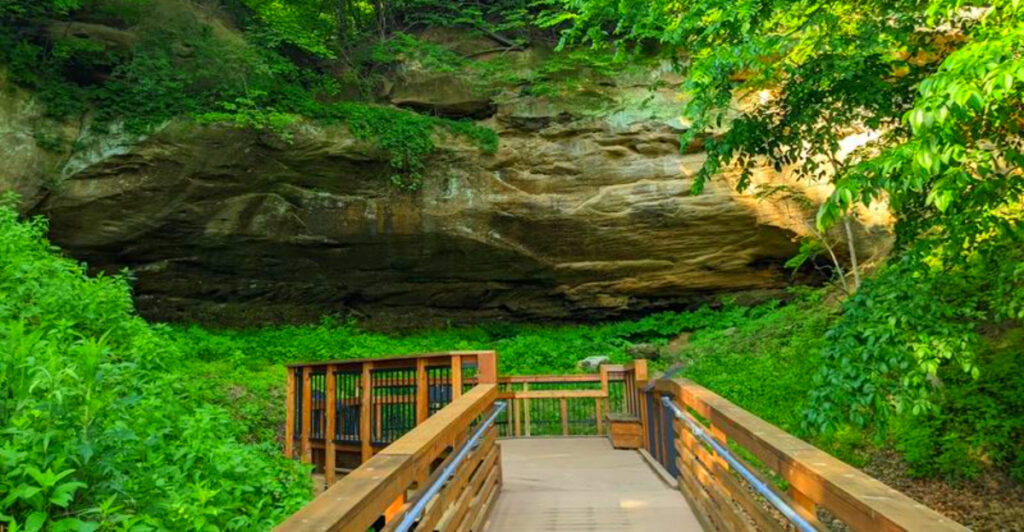
Calling it a cave is a bit generous, and the park itself will tell you so. What visitors actually encounter is a massive sandstone overhang, a natural rock shelter large enough to feel genuinely cave-like without ever going fully dark. The formation is impressive on its own terms, with a dramatic rocky ceiling arching overhead and filtered light playing across the walls.
What makes it extraordinary, though, are the petroglyphs carved into the soft sandstone surface. These ancient carvings, depicting wildlife figures and human forms, are believed to be thousands of years old and represent the only known examples of their kind in Nebraska.
An ADA-accessible boardwalk now guides visitors along the face of the overhang, providing a close-up perspective without disturbing the fragile surface. Unfortunately, modern vandalism has damaged some of the original carvings, which makes the surviving petroglyphs feel even more precious. Standing quietly in front of them, you get a rare, direct connection to the people who stood in this same spot centuries ago.
Panoramic Missouri River Views That Stop You Mid-Trail
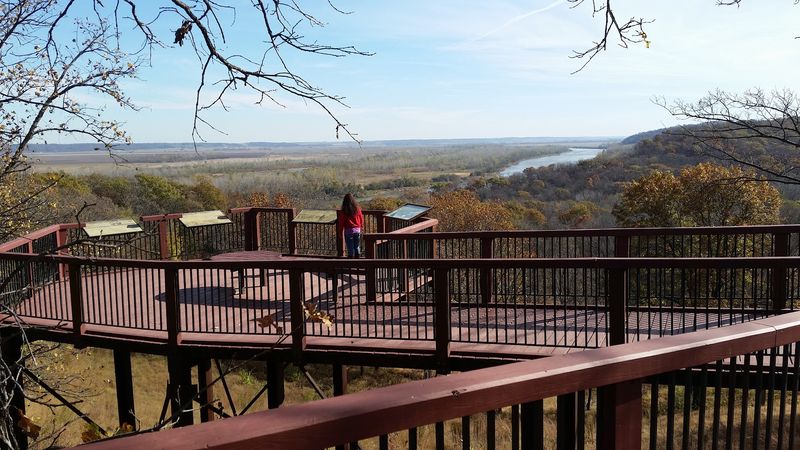
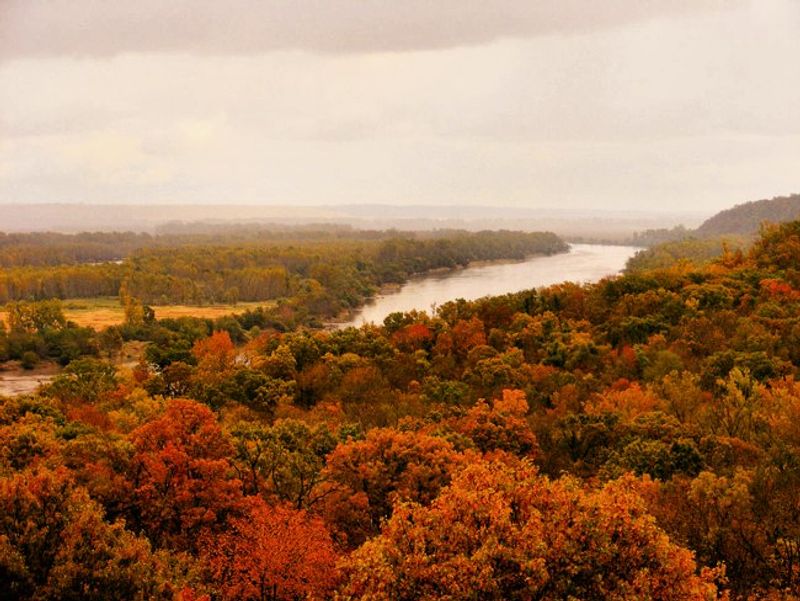
The Missouri River does not sneak up on you here. From several elevated vantage points along the park’s trails and scenic One Way Road, the river appears in full, wide-angle glory, stretching across the floodplain with a quiet authority that demands your full attention. An observation deck positioned along the scenic drive provides one of the best unobstructed views, looking out over the Deroin Bend Conservation Area and across into western Missouri.
The river served as a major highway for Indigenous peoples, early explorers, traders, and steamboat captains, and watching it from these bluffs, that history feels tangible rather than abstract. The width of the waterway and the flatness of the floodplain contrast sharply with the rugged terrain behind you, creating a visual drama that photographers and casual visitors both appreciate.
Early morning visits tend to reward patience with mist rising off the water and golden light hitting the bluffs at an angle that makes everything look like a painting. The view alone justifies a trip to this corner of Nebraska, and the rest of the park sweetens the deal considerably.
22 Miles of Trails Built for Every Type of Hiker
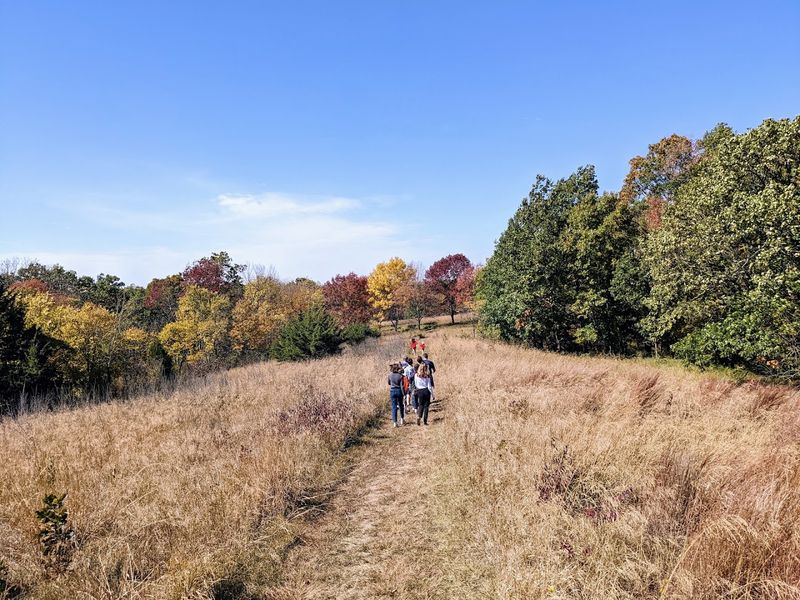
Twenty-two miles of trails sounds like a lot until you start mapping out everything you want to see, and then it starts to feel just right. The trail system at Indian Cave State Park covers a wide range of difficulty levels, from accessible paths near the cave overhang to steep ridge climbs that will have your calves reminding you about them the next morning.
The Indian Cave Trail itself runs 4.1 miles and leads directly to the sandstone overhang and its petroglyphs, making it the most popular route in the park. Trails 5, 10, and 11 reward ambitious hikers with significant elevation gain and ridgetop views of the Missouri River floodplain. A small pond near Trail 9 provides a satisfying resting spot after a long day on the slopes.
Sixteen miles of dedicated equestrian trails run alongside the hiking routes, so encounters with horses and riders are a genuine possibility. Adirondack shelters are positioned along several backcountry routes, making overnight trail camping a practical and appealing option for those who want the full wilderness experience.
St. Deroin: A Ghost Town With Living History
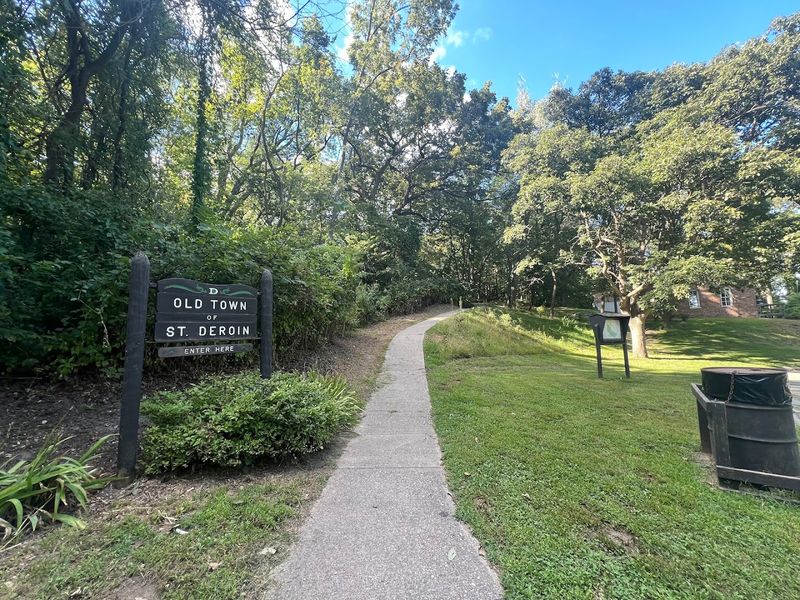
Most state parks do not come with their own ghost town, but Indian Cave State Park is not most state parks. St. Deroin was established in 1853 and 1854 as part of the Nemaha Half-Breed Reservation, growing into a significant steamboat landing and trading post along the Missouri River before eventually fading into history. The park has partially reconstructed several key structures, including a one-room schoolhouse and a general store, giving the village a tangible, walk-through quality that photographs alone cannot capture.
On weekends from May through October, living history demonstrations bring the site to life with artisans practicing traditional crafts like broom making and candlemaking. Watching someone produce a functional broom using 19th-century techniques is oddly riveting, especially when they explain the economics and daily practicalities behind each step.
The Half-Breed Cemetery and a historic interpretive log cabin round out the village experience, adding layers of human story to a place that already has plenty of natural drama. St. Deroin turns a hiking day into something closer to a genuine historical encounter.
Autumn Foliage That Draws Visitors From Across the Region
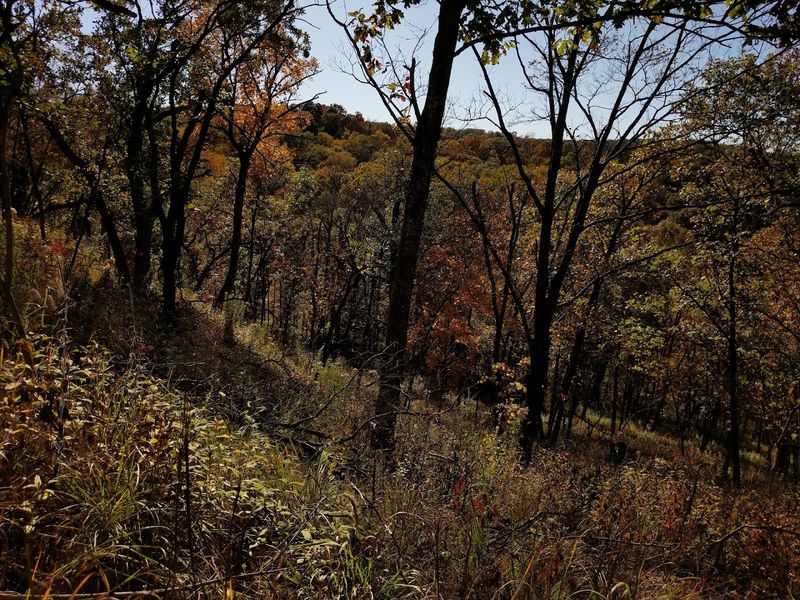
Fall at Indian Cave State Park is the kind of seasonal event that earns its own reputation. From September through October, the hardwood forest ignites in a display of yellows, oranges, brilliant reds, and occasional hints of purple that transforms the already dramatic landscape into something almost unreal. The park is widely regarded as one of the best spots in Nebraska for autumn color, and the combination of steep terrain and dense forest cover makes the visual impact considerably more intense than a flat woodland setting would provide.
Daytime temperatures in the 50s and 60s during peak foliage season create nearly ideal hiking conditions. The cooler air carries a crispness that makes the colors pop even more against the blue sky, and the trails feel especially rewarding when every switchback reveals a new burst of color through the trees.
Weekday visits during peak foliage offer noticeably more solitude than weekends, when the park fills with photographers and families chasing the color. Either way, the drive into the park through the surrounding hills is itself worth the trip during this season.
Camping Options From Comfortable RV Sites to True Backcountry
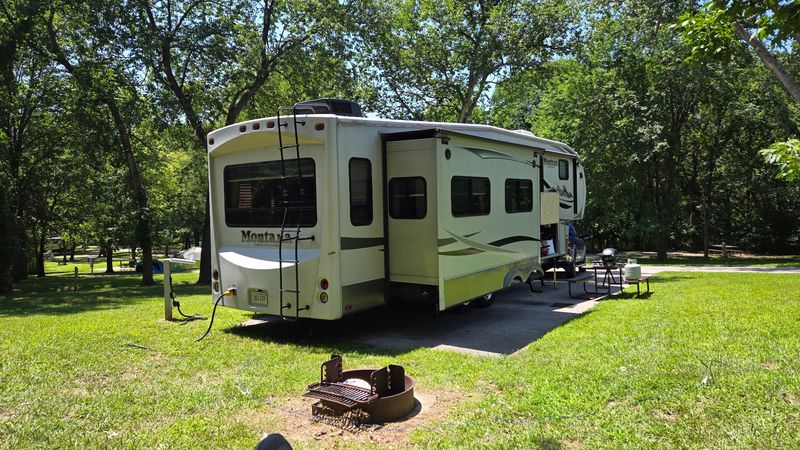
The camping infrastructure at Indian Cave State Park covers a genuinely wide range of preferences. At one end of the spectrum, 134 RV units offer electrical hookups ranging from 30-amp to 50-amp service, with modern facilities open from April 15 through October 31, often extending later depending on weather. The campground stays clean and well-maintained, with shower houses that earn consistently positive comments from visitors who appreciate functioning facilities in a remote setting.
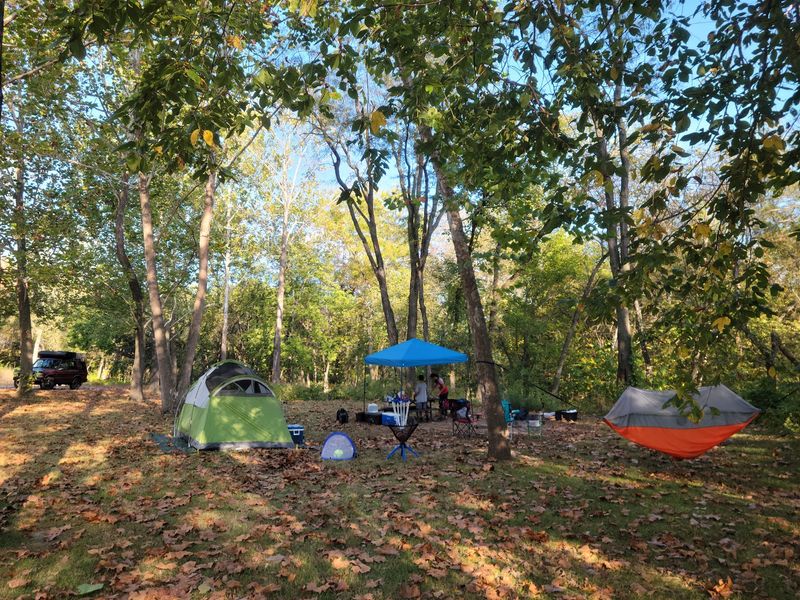
Primitive tent camping is available year-round, with dedicated areas offering showers, water hydrants, and electrical hookups for those who want a bit of comfort alongside their canvas shelter. For the genuinely adventurous, backcountry Adirondack shelters positioned along the trail system provide a true wilderness overnight experience without requiring you to carry a full shelter setup.
Equestrian campers have their own dedicated area complete with horse corrals, which is a thoughtful detail that makes the park accessible to a broader community of outdoor enthusiasts. Fees range from $7 to $42 per night, quiet hours run from 10 p.m. to 6 a.m., and leashed pets are welcome throughout.
Beyond Hiking: Archery, Disc Golf, and Picnics
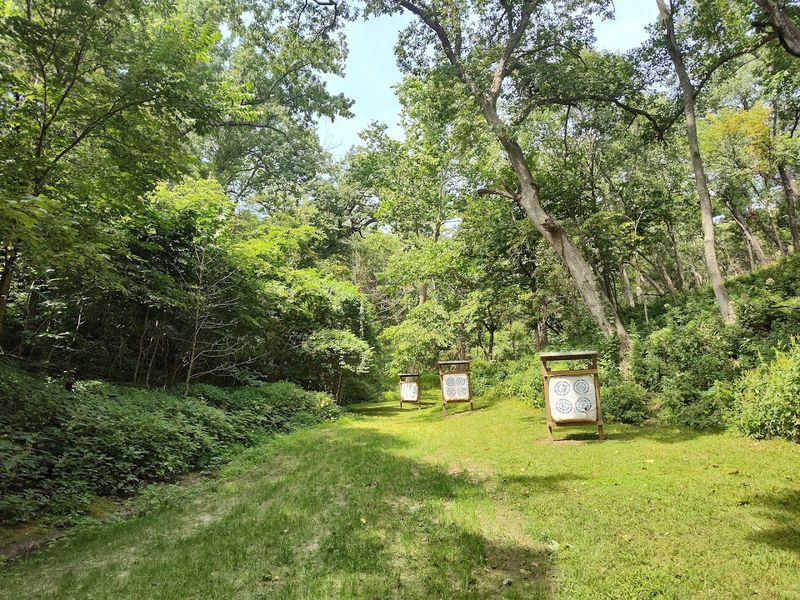
A park this size could get away with offering only trails and scenery, but Indian Cave State Park fills its activity roster with enough variety to keep non-hikers genuinely entertained. An archery range gives visitors a chance to test their aim in a scenic outdoor setting, while a nine-hole disc golf course winds through the trees for a more casual competitive experience. Both activities pair well with the park’s forested atmosphere and add a recreational layer that extends a visit well beyond a single trail loop.
Picnic areas are scattered throughout the park, with reservable group shelters available for families or larger gatherings who want a guaranteed spot. A boat ramp provides direct access to the Missouri River for fishing or scenic cruising, and a small camp store handles basic supply needs without requiring a long drive to the nearest town.
Playgrounds positioned at various points around the park give younger visitors their own reasons to stay engaged, which any parent of an energetic child will recognize as a genuinely valuable amenity. The overall activity mix makes the park work well for groups with varied interests and energy levels.
Seasonal Events and the Famous Haunted Hollow
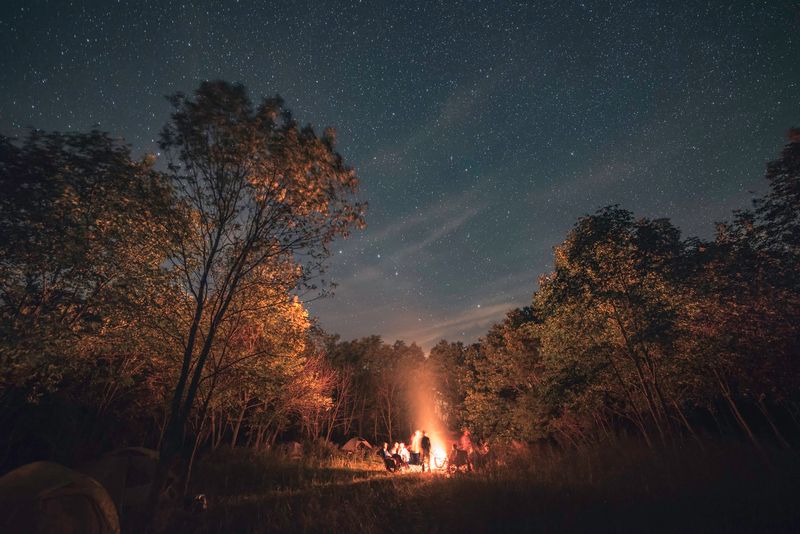
The park does not rely solely on its natural assets to draw visitors throughout the year. A calendar of seasonal events adds a community dimension that turns repeat visits into genuinely different experiences. The most celebrated of these is Haunted Hollow, an annual October tradition that leans fully into the season with hayrack rides, campsite decorating contests, games, and crafts set against the backdrop of peak autumn foliage.
A Campfire Christmas event has drawn winter campers looking for a festive reason to brave the colder temperatures, combining the park’s scenic atmosphere with family-oriented holiday programming. These events reflect a broader commitment to making the park an active, engaged destination rather than a passive one, and they succeed in drawing visitors who might not otherwise consider a late-season trip.
The combination of a dramatic natural setting and thoughtful programming creates an atmosphere during these events that feels genuinely festive without losing the park’s essential character. If your schedule allows a visit during Haunted Hollow in particular, the experience of wandering through the darkened forest on a hayrack ride is one that tends to stick with people long after the drive home.
Planning Your Visit: Practical Tips for First-Timers
A Nebraska State Park Entry Permit is required for vehicle access, so factor that into your planning before you arrive. The park is open 24 hours every day of the week, which means early morning arrivals are entirely practical for those who want the trails to themselves before the day warms up. The park’s phone number is +1 402-883-2575, and the official website at outdoornebraska.gov/indiancave carries current information on trail conditions, event schedules, and camping availability.
The drive to Shubert is remote by most standards, so arriving with a full tank of fuel and a cooler stocked with food and water is a reasonable precaution. Insect repellent becomes important during summer months when the humidity rises and the mosquito population follows suit. Sturdy footwear is non-negotiable on the steeper trails, which can become slick after rain.
The cave museum operates on weekends only, so a Saturday or Sunday visit is the best option for anyone wanting the full interpretive experience. With a 4.5-star rating across nearly 1,500 reviews, the park’s reputation is well-established, and the consistent praise for cleanliness and trail quality suggests that the experience holds up reliably across seasons.
Share this story