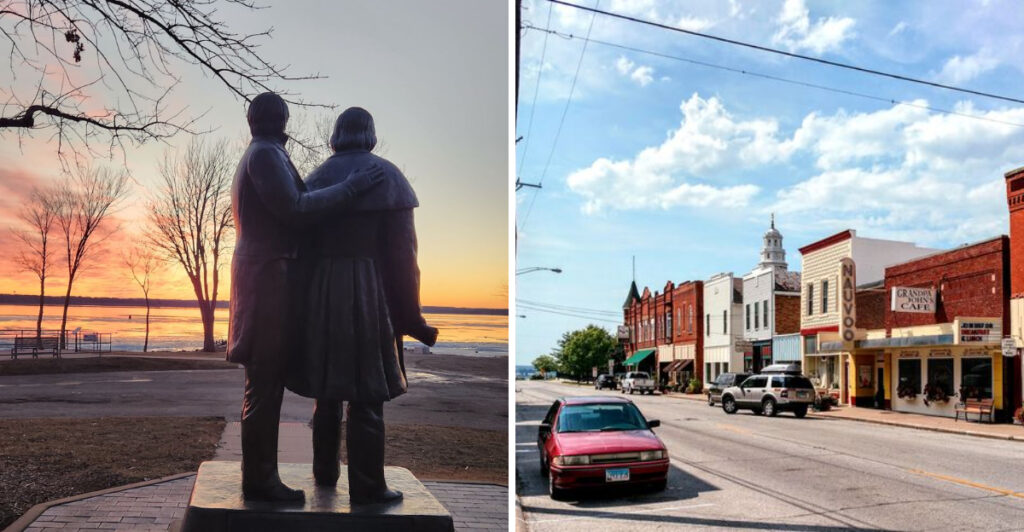
There is a small river town in western Illinois where time seems to have paused somewhere around 1845. The streets are lined with brick homes, craftsmen’s workshops, and historic religious buildings that have been carefully restored to look exactly as they did nearly two centuries ago.
Best of all, touring most of these sites costs absolutely nothing. Nauvoo sits quietly on a bend in the Mississippi River, and what it lacks in size, it more than makes up for in history.
This is a place where you can walk through a working blacksmith shop, peek inside a 19th-century bakery, and stand in rooms where some of America’s most fascinating religious history unfolded, all in a single afternoon.
Where to Find This Historic Town
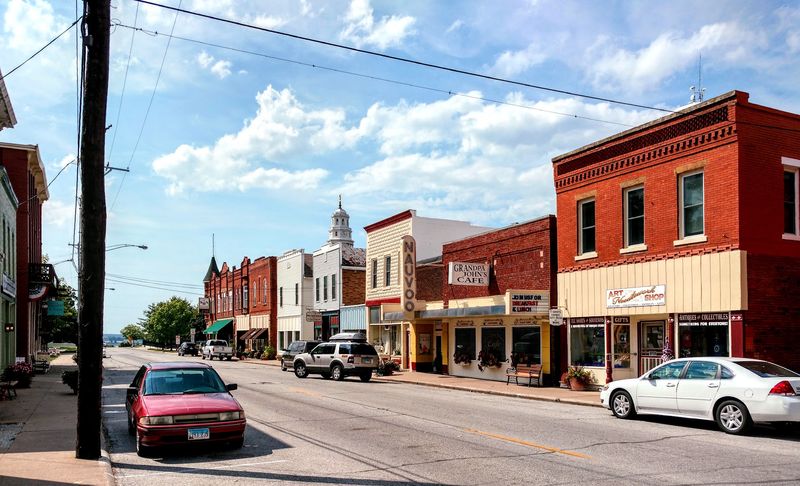
Nauvoo, Illinois sits at 40.5498 N, 91.3834 W, tucked along the eastern bank of the Mississippi River in Hancock County. The city’s official address falls under Illinois 62354, and you can reach it via Illinois Route 96, which hugs the riverbank and offers some genuinely beautiful views on the way in.
The town is about 50 miles north of Quincy and roughly 200 miles southwest of Chicago, making it a manageable road trip from several major Midwest cities. Fort Madison, Iowa is just across the river, so a visit here can easily be paired with a stop on the Iowa side.
Nauvoo had a population of just 950 people at the 2020 census, which tells you a lot about its pace and character. Despite its small size, the town draws tens of thousands of visitors each year, most of them coming specifically for the free historic tours.
The city’s official website at cityofnauvoo.org is a solid starting point for planning, with maps and seasonal information that can save you a lot of guesswork before you arrive.
The Story Behind the 1840s Buildings
Nauvoo’s history is unlike almost any other small town in America. In the early 1840s, it was one of the largest cities in Illinois, briefly rivaling Chicago in population, after members of the Church of Jesus Christ of Latter-day Saints settled here under the leadership of Joseph Smith.
At its peak around 1844, Nauvoo had somewhere between 10,000 and 20,000 residents. The settlers built quickly and ambitiously, constructing brick homes, trade workshops, a printing house, and a grand temple on the bluff above the river.
Then, following intense conflict with neighboring communities, the entire population relocated westward in 1846, leaving the city nearly empty almost overnight.
What followed was more than a century of quiet. Many buildings fell into disrepair or were demolished.
Starting in the mid-20th century, restoration efforts began in earnest, with multiple organizations working to rebuild and preserve what remained. Today, those efforts have produced a remarkably authentic open-air living history site that covers much of the original town footprint and explains why so many visitors keep coming back.
Free Tours and How They Work
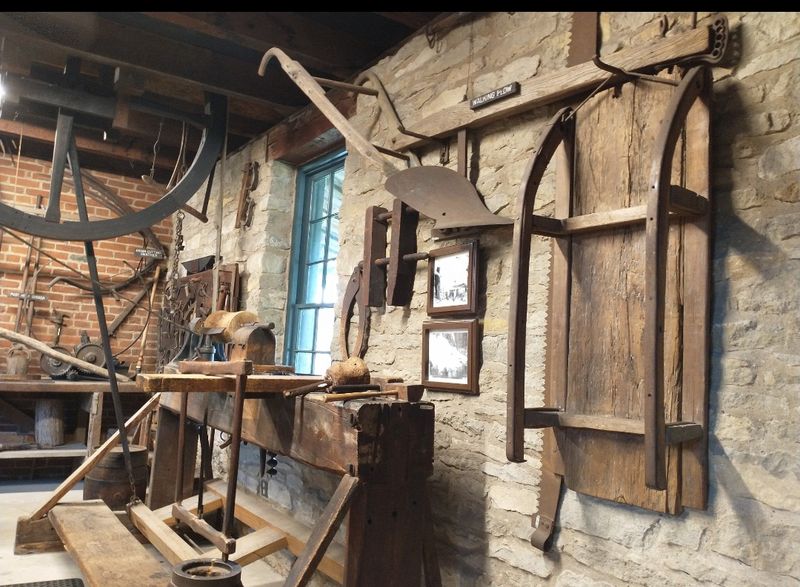
One of the most refreshing things about visiting Nauvoo is that the free tours are genuinely free. The Church of Jesus Christ of Latter-day Saints operates Historic Nauvoo, a large network of restored sites staffed by volunteer missionary couples who greet visitors and walk them through each location at no charge.
Tours run throughout the day during the spring, summer, and fall seasons, typically from late April through late October. You do not need to book in advance for most sites.
You can simply walk up, introduce yourself, and a guide will take you through the building, explain what life was like there in the 1840s, and answer questions along the way.
The guides are typically retired couples who have trained specifically for this assignment and bring a lot of warmth and personal investment to their presentations. Each building has its own dedicated guides, so you get a focused, detailed experience at every stop rather than a rushed overview.
A printed walking map available at the visitor center helps you plan your route and ensures you do not accidentally skip one of the more tucked-away workshops or homes.
Restored Homes That Tell Personal Stories
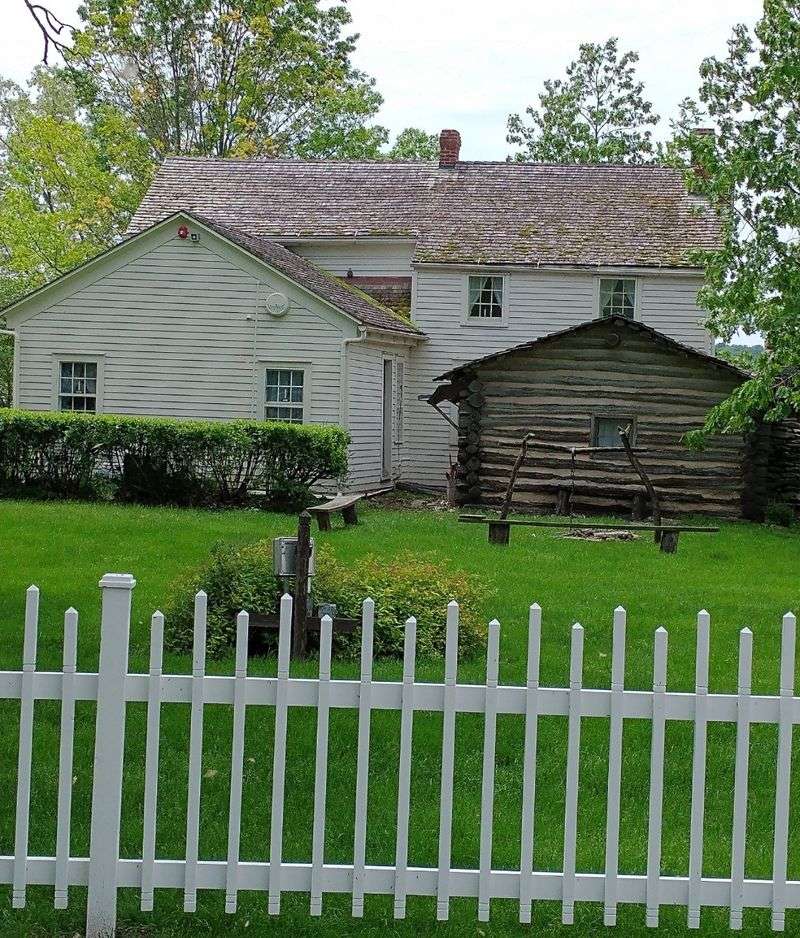
The restored homes scattered throughout Nauvoo are where the history starts to feel personal rather than textbook-distant. Each house belonged to a specific family, and the guides share details about who lived there, what they did for work, how many children they had, and what daily life actually looked like inside those walls.
The Brigham Young Home on Kimball Street is one of the most visited. Young was a prominent leader in the early Latter-day Saint community, and his home reflects both the ambitions and the practical limitations of frontier life in the 1840s.
The furniture is period-appropriate, the kitchen tools are authentic to the era, and the layout gives a clear sense of how a family of that time organized their living space.
Other homes belonged to craftsmen, teachers, and everyday settlers, and those are just as interesting in their own quieter way. Seeing how an ordinary family arranged their single-room sleeping quarters or kept their root cellar stocked adds texture that no museum display case can quite replicate.
The homes feel lived-in even now, which is a real credit to the restoration teams who worked on them.
Working Workshops Frozen in Time
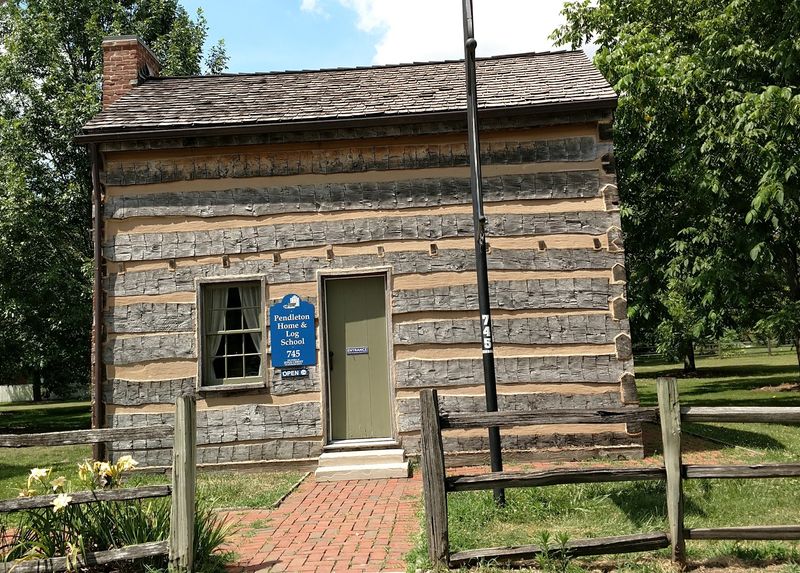
The workshops in Nauvoo are the liveliest stops on any self-guided tour. These are not static exhibits with velvet ropes and “do not touch” signs.
At several sites, costumed interpreters actually demonstrate the trades as they were practiced in the 1840s, and the results are genuinely entertaining.
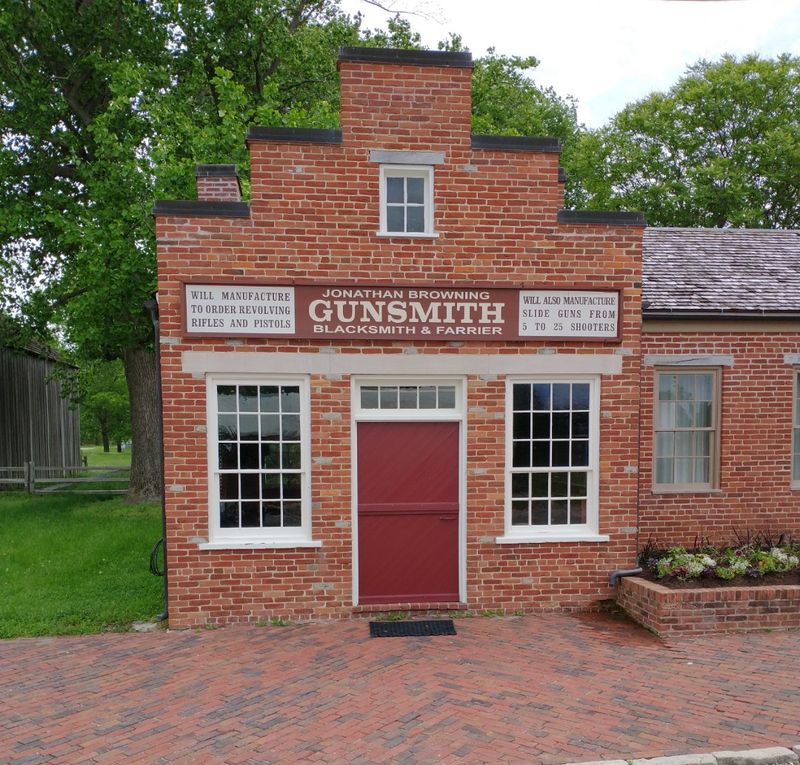
The blacksmith shop is a crowd favorite. The forge runs hot, the hammer rings against the anvil with a satisfying clang, and the interpreter explains each step of the process while shaping a piece of iron right in front of you.
Kids especially tend to plant themselves here and refuse to leave until they have seen at least three demonstrations.
The bakery is another highlight, where bread and cookies are sometimes baked in a wood-fired oven using period recipes. The printing shop shows how newspapers and pamphlets were produced by hand with a working press.
The tinsmith, the rope maker, and the woodworking shop each add their own layer to the picture of how a self-sufficient 1840s community actually kept itself running day to day. Every workshop visit feels like a short, satisfying lesson in practical history.
The Religious Buildings Worth Slowing Down For
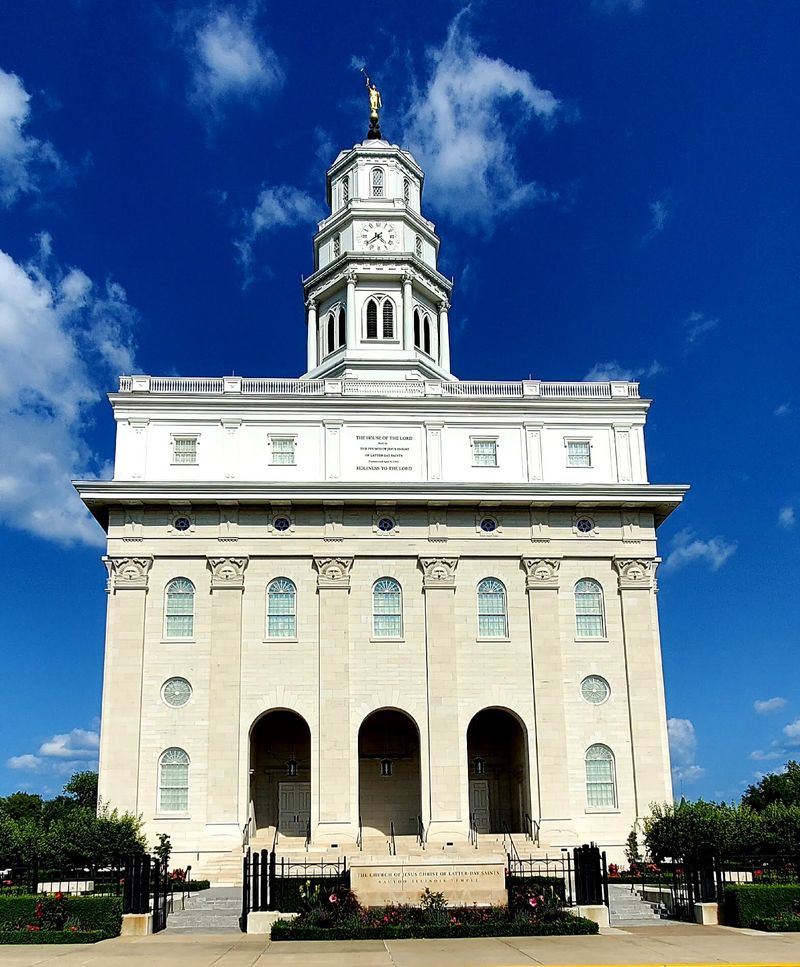
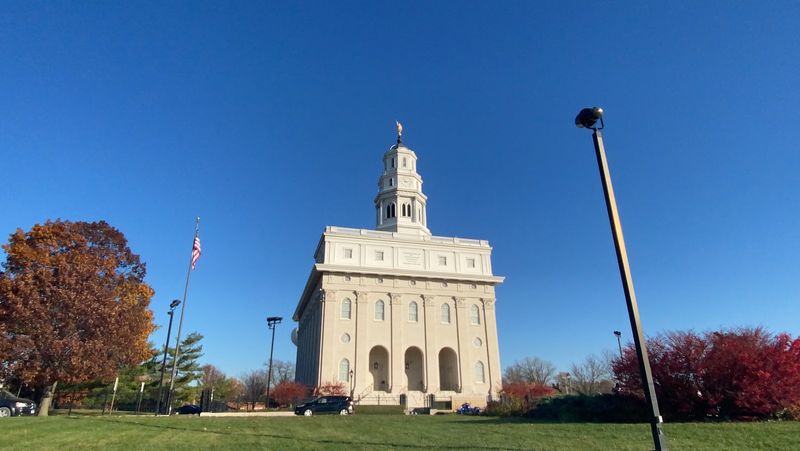
Religion is woven deeply into the fabric of Nauvoo’s history, and the religious buildings here reflect that in a way that is worth taking seriously even if you have no personal connection to the faith involved. The original Nauvoo Temple, completed in 1846, was one of the most ambitious construction projects in early American frontier history.
That original temple was destroyed by fire and later by a tornado in the years after the community departed. In 2002, a full reconstruction was completed on the same bluff overlooking the Mississippi, using historical records, daguerreotypes, and architectural drawings to recreate the building as accurately as possible.
The white limestone exterior and distinctive moon, sun, and star stone carvings make it genuinely striking against the sky.
The temple grounds are open to visitors, and the exterior can be photographed freely. Other religious sites in town include the homesite of Joseph Smith and a small outdoor amphitheater where a summer pageant has historically been performed.
Whether you visit for spiritual reasons or purely out of historical curiosity, the religious buildings give Nauvoo a sense of weight and purpose that sets it apart from most small-town historic sites.
The Old Nauvoo Visitor Center
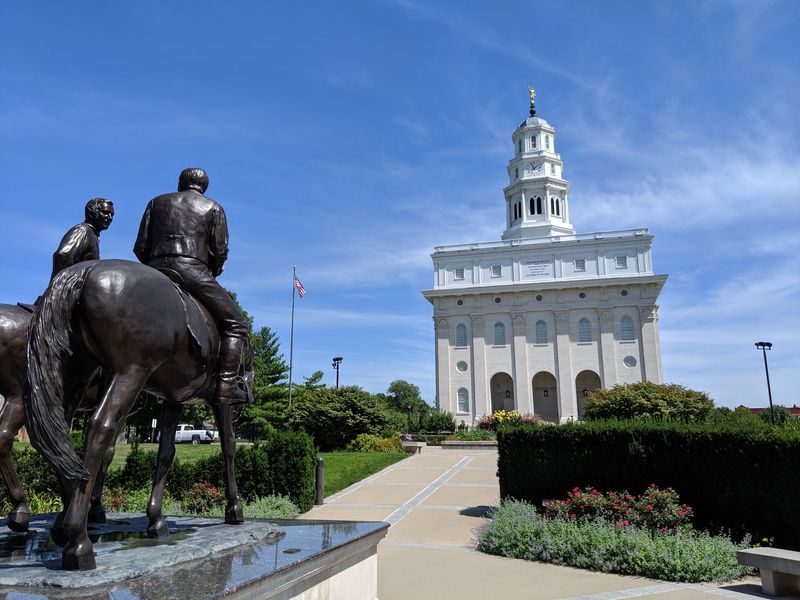
Any visit to Nauvoo benefits from starting at the visitor center, which serves as the organizational hub for the entire Historic Nauvoo site. The center is run by the Church of Jesus Christ of Latter-day Saints and is open to everyone, regardless of religious background or affiliation.
Inside, you will find orientation films, exhibits covering the settlement period, and knowledgeable staff who can help you prioritize your time based on your interests. The center also hands out the walking maps that make navigating the spread-out historic district much easier.
Without a map, it is surprisingly easy to miss a building or double back unnecessarily.
The visitor center itself contains some well-produced displays that provide context before you head out into the town. There are scale models of how Nauvoo looked at its 1844 peak, reproductions of period documents, and interactive elements that work well for families with younger children.
Staff members at the center are consistently patient and enthusiastic, and they genuinely seem to enjoy helping visitors figure out the best route through the site based on how much time they have available.
Scenic Setting Along the Mississippi
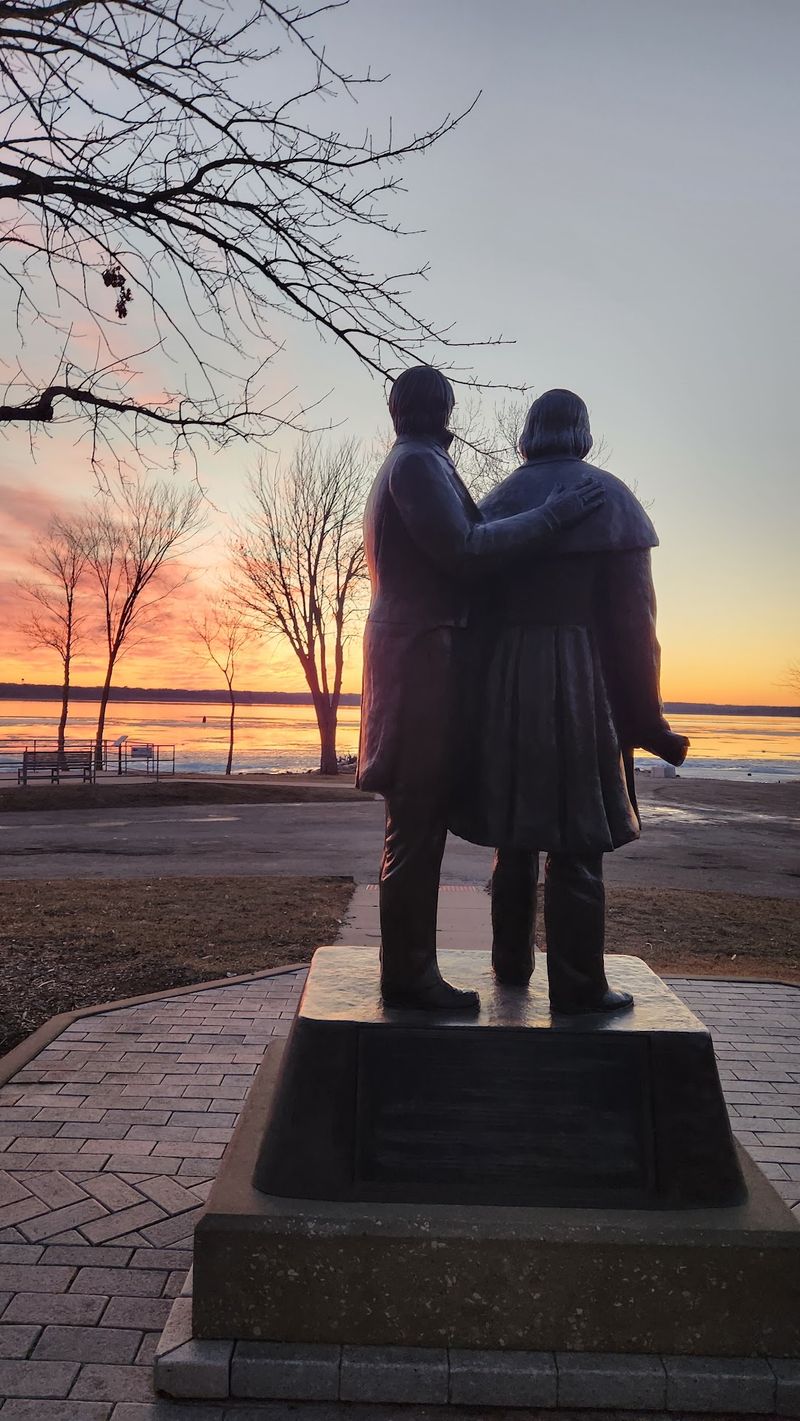
The physical setting of Nauvoo adds a layer to the experience that is easy to underestimate until you actually get there. The town sits on a broad bend in the Mississippi River, and from the bluff where the temple stands, the view across the water into Iowa is wide, calm, and genuinely beautiful.
The Mississippi here is not the narrow, hurried river you might picture. At this point, it moves slowly and spreads broadly, and on a clear morning, the light off the water turns everything golden in a way that makes even a quick phone photo look like it was taken with real effort.
The bluff itself is covered in grass and dotted with historical markers, making it a natural place to pause between building tours.
Down at river level, the old flats where steamboats once docked are quieter now, but the scale of the waterfront gives you a real sense of why settlers chose this particular location. The river was their highway, their trade route, and their connection to the wider world.
Standing at the edge of it, you can almost understand why they built so ambitiously here.
Nauvoo State Park and the Surrounding Area
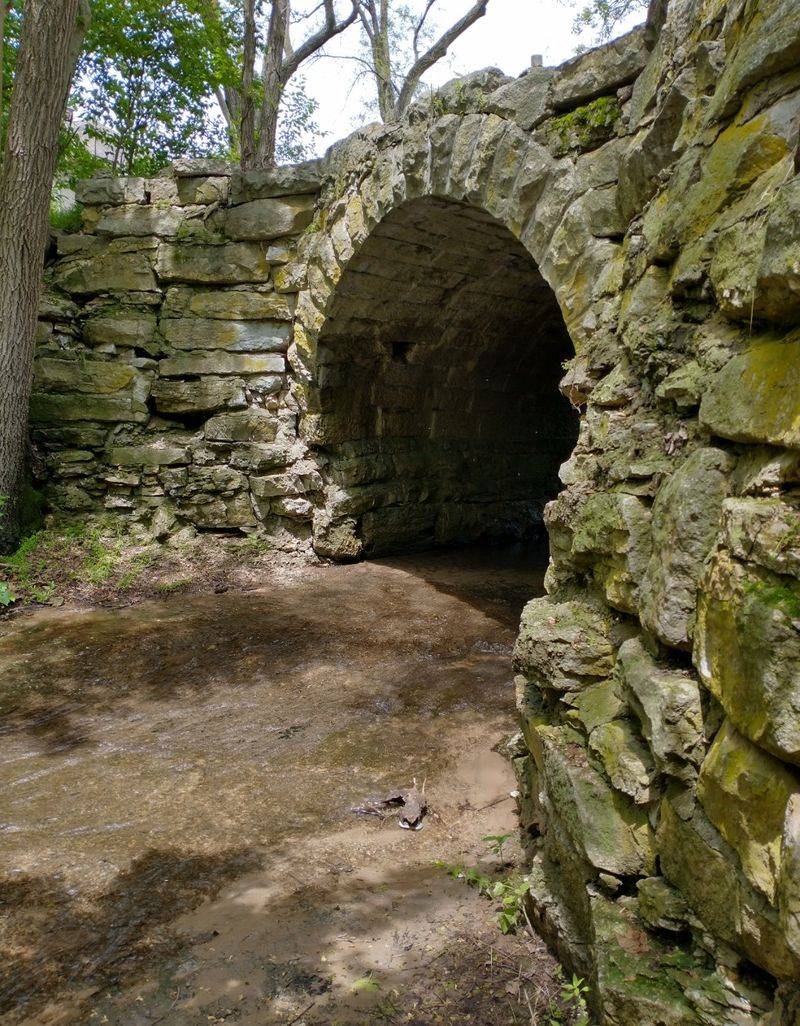
Right at the edge of town sits Nauvoo State Park, a 148-acre park that adds an outdoor dimension to what is otherwise a history-focused visit. The park includes walking trails, a picnic area, a small lake, and a museum housed in a historic stone building that dates to the 1830s.
The museum inside the park covers a different slice of Nauvoo history than the LDS-focused sites in town. It highlights the Icarian community, a group of French utopian settlers who moved into Nauvoo after the Latter-day Saints departed in 1846.
The Icarians had their own ambitious plans for the town and left behind a fascinating, lesser-known chapter in the city’s story.
The park’s trails are short but pleasant, winding through mature trees and past remnants of the old vineyard that the Icarians planted. The Illinois Department of Natural Resources maintains the park, and admission is free.
A visit here pairs naturally with the historic district and gives you a chance to stretch your legs between building tours. Autumn is a particularly good time to visit, when the trees along the trail turn and the whole park takes on a warm, unhurried quality.
The Printing Office and Cultural Life in the 1840s
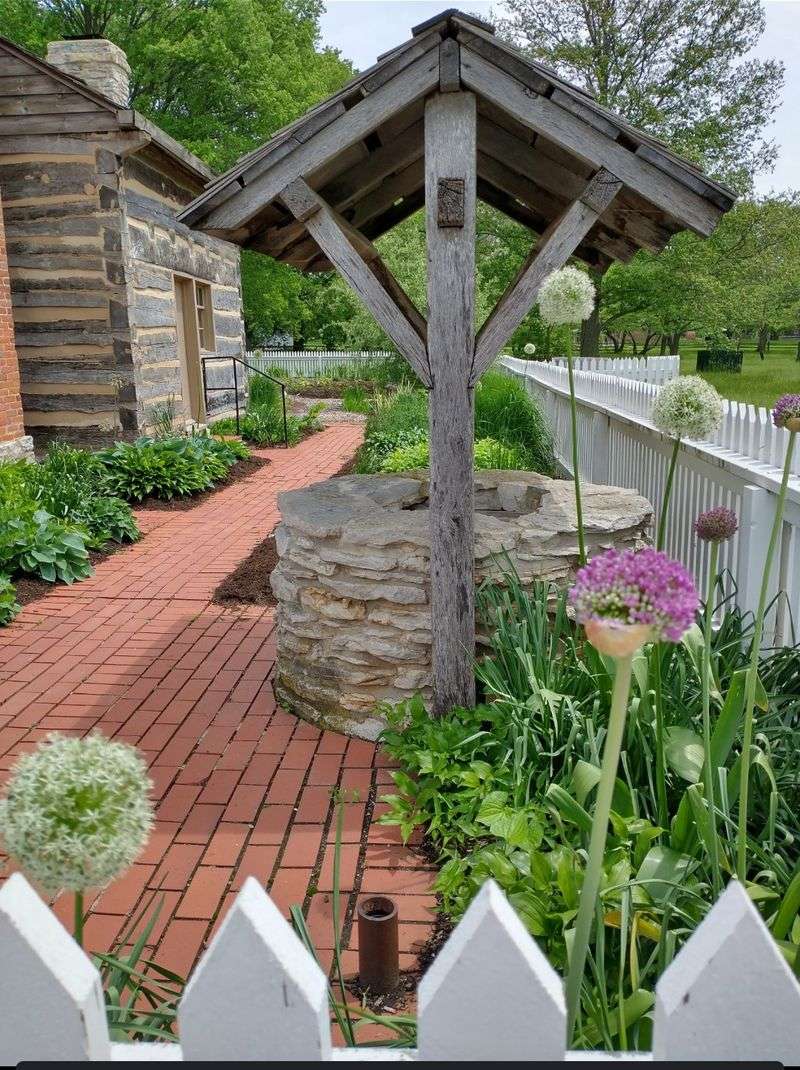
Not every building in Nauvoo tells a story about domestic life or religious practice. The restored printing office is a reminder that this was a community with real intellectual and cultural ambitions, producing its own newspaper and a significant volume of written material during its brief peak years.
The Nauvoo Neighbor and the Times and Seasons were both published here in the early 1840s, and the restored printing shop gives you a hands-on sense of how labor-intensive that process was. Each letter had to be set by hand into a frame, inked, and pressed one page at a time.
A single edition of a newspaper represented hours of careful, painstaking work by multiple people.
The interpreter at the printing shop often invites visitors to try setting a few letters themselves, and it takes about thirty seconds of fumbling with tiny metal type to develop a genuine appreciation for the people who did this for a living. The shop also explains the role the press played in the political tensions that eventually contributed to the community’s departure from Nauvoo, adding a layer of complexity that makes the building feel more significant than its modest size suggests.
Best Time to Visit and Practical Tips
The Historic Nauvoo sites are generally open from late April through late October, with the busiest period running from June through August. Summer brings the fullest schedule of demonstrations, tours, and special events, but it also brings the largest crowds and the hottest temperatures along the river.
Late September and early October offer a sweet spot: the demonstrations are still running, the crowds thin out noticeably, and the weather along the Mississippi tends to be cooler and more comfortable for a full day of walking. The trees around the historic district start to turn color by mid-October, which adds a pleasant visual backdrop to the brick buildings.
Comfortable walking shoes are genuinely important here. The historic district covers a wide area, and a thorough visit involves a lot of ground.
Bring water, especially in summer, because the river humidity can sneak up on you. Most of the sites are accessible, but some of the older buildings have uneven floors or narrow doorways, so it is worth checking the Historic Nauvoo website in advance if accessibility is a concern.
Parking is free and plentiful near the visitor center, which is a small but welcome perk.
Why Nauvoo Stays With You After You Leave
Most small towns with a historic district give you a pleasant afternoon and a few good photos. Nauvoo gives you something harder to define, a sense that you have actually spent time inside a real chapter of American history rather than just reading a plaque about it.
The combination of free access, genuinely knowledgeable guides, working demonstrations, and a beautiful natural setting makes it one of the more complete historic experiences available anywhere in the Midwest. The fact that it remains relatively uncrowded compared to more famous sites only adds to the appeal.
There is also something quietly remarkable about the scale of what was built here and then abandoned so quickly. The town rose, thrived, emptied, and eventually came back to life as a preserved memory of itself.
That arc gives Nauvoo a reflective quality that lingers after the drive home. Whether you spend three hours or a full day exploring, the town has a way of making the 1840s feel less like ancient history and more like a story that is still in the middle of being told.
Share this story