There is a small village in northern Illinois where American farming history took a sharp and permanent turn. Back in 1837, a young blacksmith named John Deere picked up a broken steel saw blade and had an idea that would change agriculture forever.
That idea became the first self-scouring steel plow, and the exact spot where he forged it still stands today. The John Deere Historic Site in Grand Detour, Dixon, Illinois, draws visitors from across the country who want to see, touch, and understand how one man’s ingenuity reshaped the way the world grows food.
From a working blacksmith shop to a lovingly restored family home, this site packs more genuine history into a free afternoon than most paid museums manage in a full day.
The Exact Address and Setting of the Historic Site
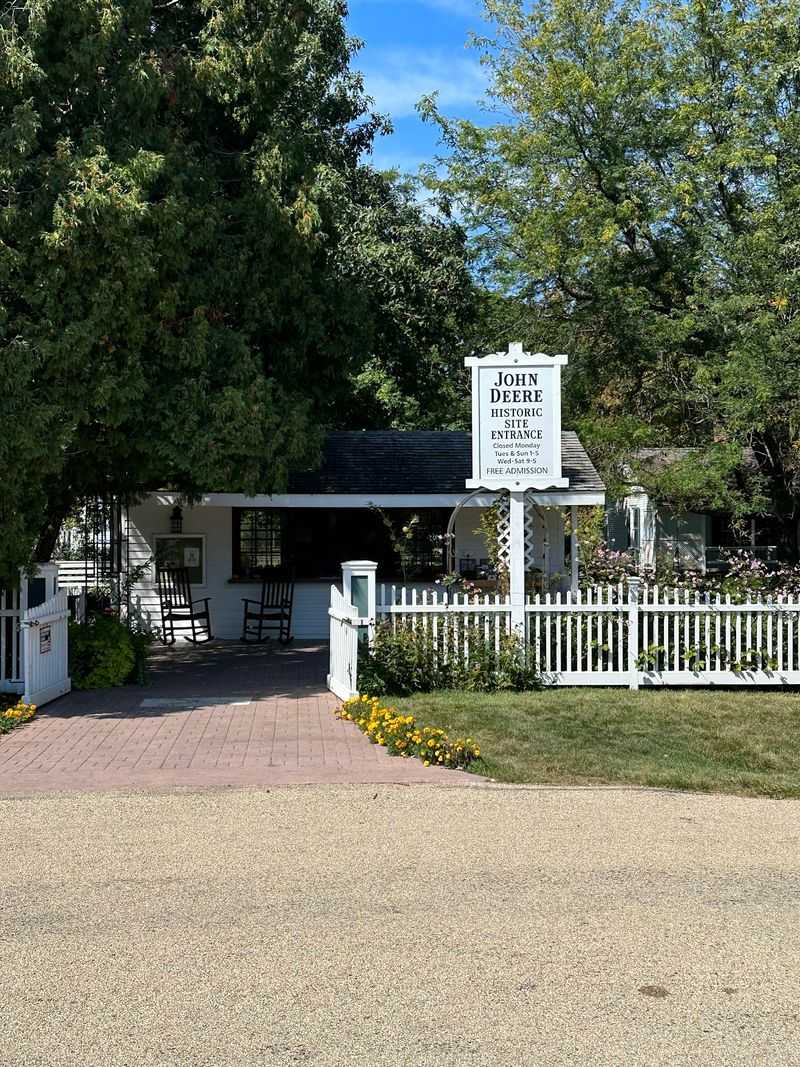
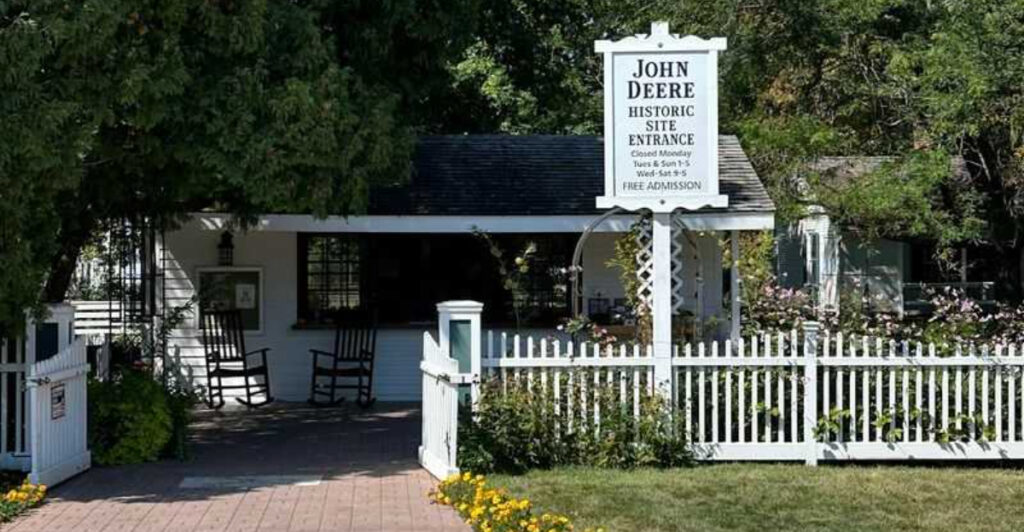
History has a way of hiding in plain sight, and the John Deere Historic Site is a perfect example of that. Tucked along South Clinton Street in the quiet village of Grand Detour, near Dixon, Illinois, the site sits at 8334 S Clinton St, Dixon, IL 61021, right where John Deere himself set up his blacksmith shop back in 1836.
The Rock River curves nearby, and the landscape feels genuinely peaceful, with mature trees, tended gardens, and a sense that not much has rushed through here in a long time. That stillness is part of the charm.
Getting here is straightforward from the main roads connecting Dixon to the surrounding region. The site is managed by Deere and Company and is open Tuesday through Saturday from 9 AM to 5 PM, and Sunday from 1 to 5 PM.
Monday is the one day it stays closed.
Admission is completely free, which makes it one of the most generous historical stops in the entire state. The phone number is 815-652-4551 if you want to call ahead and confirm tour times before making the drive.
How the Self-Scouring Steel Plow Changed Everything
Before 1837, Midwestern farmers were fighting a losing battle against the thick, sticky prairie soil that clung to their cast-iron plows and refused to let go. Every few feet, a farmer had to stop and scrape the blade clean by hand, which made plowing slow, exhausting, and discouraging.
John Deere figured out that a highly polished steel surface would allow the soil to slide right off on its own, the way water rolls off a smooth stone. He fashioned his first prototype from a broken steel sawmill blade, shaped it carefully, and tested it in a nearby field.
It worked.
That single innovation gave prairie farmers a tool that could actually keep up with the land, and it opened the American Midwest to large-scale agriculture in a way that cast iron never could.
The site features a detailed replica of that original 1837 self-scouring steel plow, displayed as part of the curated exhibition inside the visitor center. Seeing it up close, you realize just how simple yet revolutionary the design really was.
Sometimes the best ideas are the ones that seem obvious only after someone else thinks of them first.
The Archaeological Dig Site of the Original Blacksmith Shop
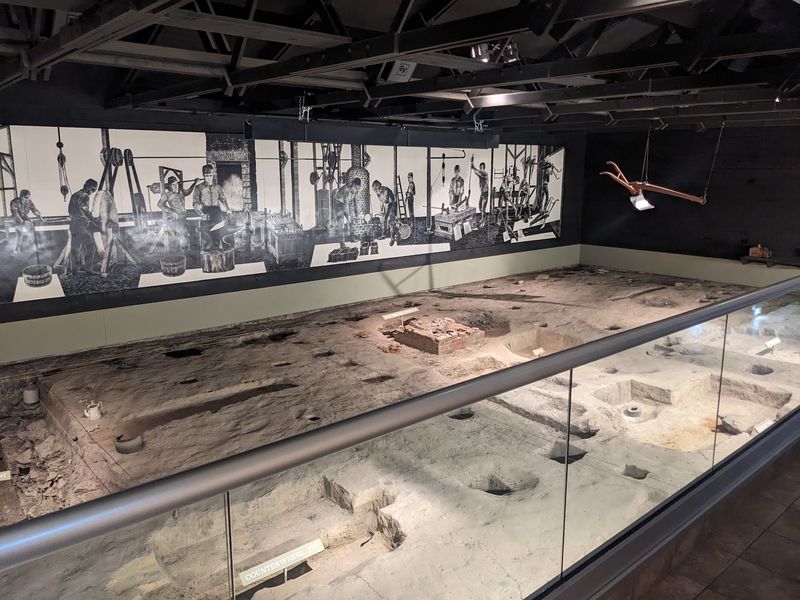
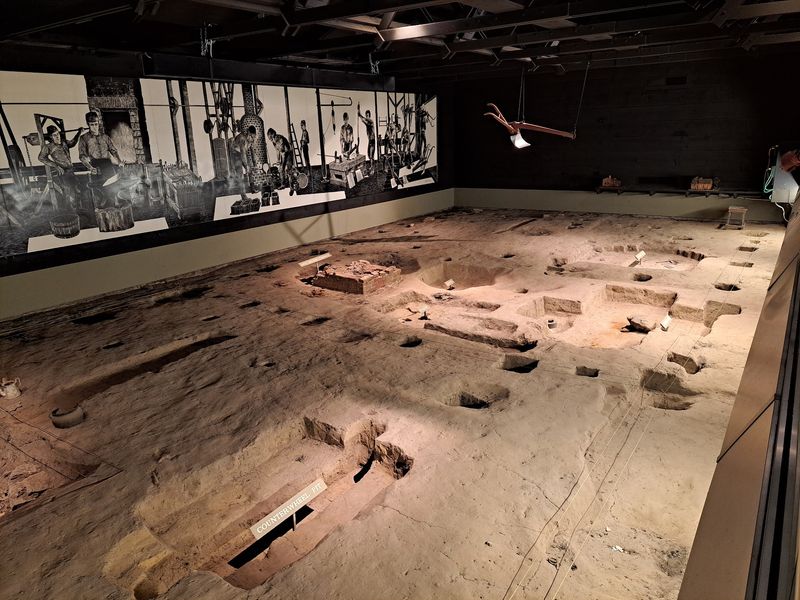
One of the most unexpected highlights of the entire visit is a preserved archaeological dig right on the property. When researchers set out to locate the exact footprint of John Deere’s original blacksmith shop, they found it right where history said it would be, and they left it exposed so visitors could see it for themselves.
The dig site is enclosed in a protective building that keeps the excavation stable while allowing guests to peer down at the actual ground where Deere hammered and shaped metal in the late 1830s. Fragments of tools, charcoal from the forge, and other period artifacts were recovered during the excavation and are part of the exhibit.
There is something quietly powerful about standing above the exact earth where a world-changing invention took shape. No recreation, no guesswork, just the real thing preserved under your feet.
A short, well-produced video accompanies the dig exhibit and gives helpful context about what the archaeological team found and why it matters. The combination of visual storytelling and physical evidence makes this section of the tour one of the most memorable stops for visitors of all ages and backgrounds.
The Working Blacksmith Demonstration
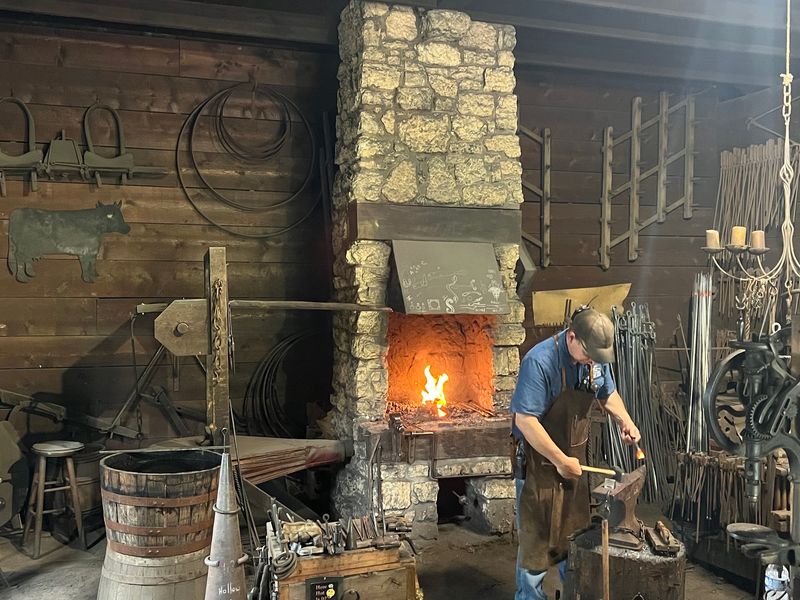
Few things grab a crowd’s attention quite like the sight of metal glowing orange in an open forge. The working blacksmith shop at the site puts on a demonstration that visitors consistently describe as the single most memorable part of the tour.
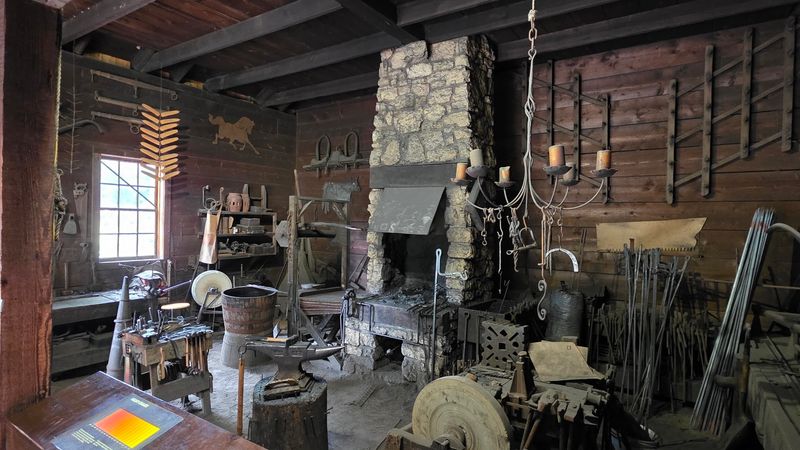
The blacksmith works with the same basic tools and techniques that John Deere himself would have used in the 1830s, shaping heated metal with a hammer and anvil while explaining each step in clear, conversational language. The heat from the forge is real, the sparks are real, and the finished objects are real pieces of hand-forged metalwork.
Watching steel go from a rough bar to a finished tool in a matter of minutes gives you a new appreciation for the skill and physical effort that went into every piece of equipment made before the industrial era. The blacksmith shop at the site has a well-earned reputation for being one of the best demonstrations of its kind in the region.
The gift shop even carries hand-forged items made right on site, priced reasonably for the craftsmanship involved. Taking one home feels like carrying a small piece of the 19th century back with you.
The Restored John Deere Family Home
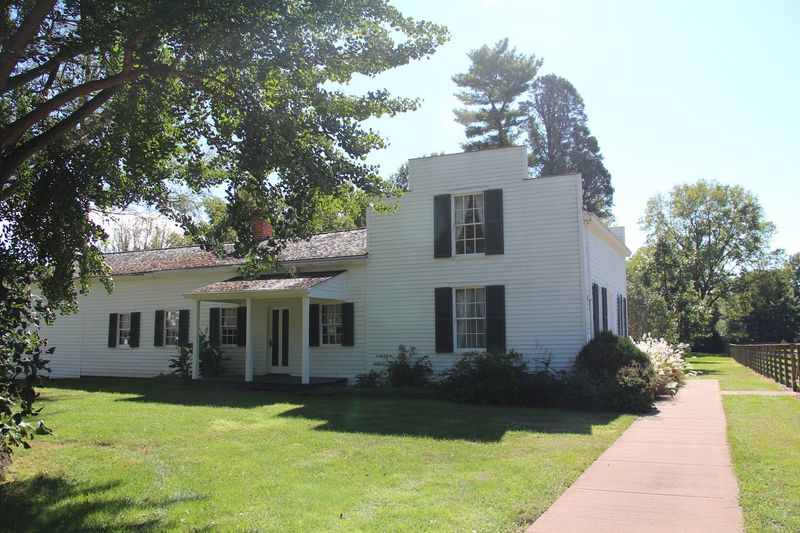
History feels different when you can stand in the actual rooms where it happened. The John Deere family home on the property has been carefully and lovingly restored to reflect how it looked during the years Deere lived there with his family in the mid-1800s.
Period furnishings, authentic details, and thoughtful interpretation throughout the house give visitors a real sense of daily life on the Illinois frontier. The rooms are modest by today’s standards, which says a great deal about the era and the circumstances in which Deere built his business from scratch.
Tour guides lead visitors through the home and share stories about the Deere family that go well beyond the standard business biography. Personal details, family dynamics, and the challenges of frontier living all come up in ways that make the history feel human rather than textbook.
One particularly memorable detail that guides often share is the origin of the old phrase about throwing the baby out with the bathwater, which connects directly to 19th-century bathing customs and lands with a satisfying mix of humor and historical insight. The house tour runs about 30 to 40 minutes and is well worth every minute of it.
The Curated Museum Exhibition and Timeline
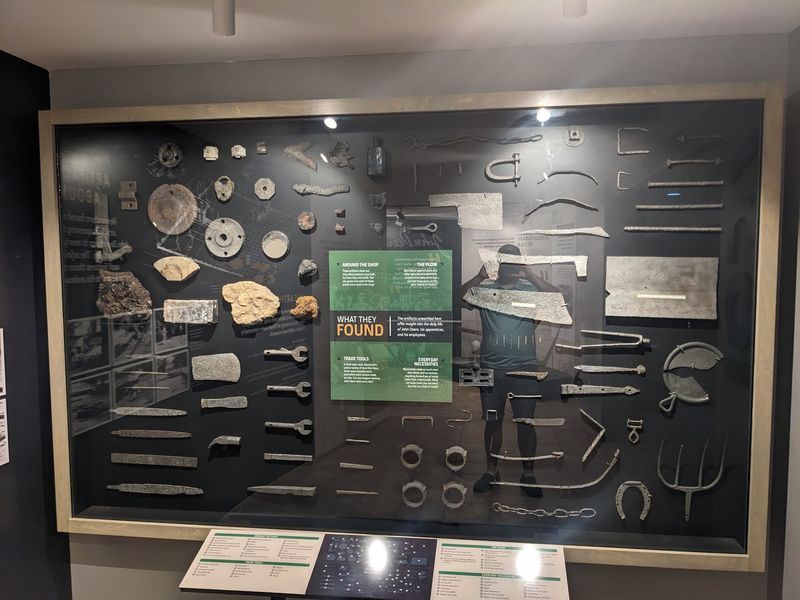
Before the guided tour begins, the visitor center greets guests with a thoughtfully arranged exhibition that traces John Deere’s life from his early years as a Vermont blacksmith to his arrival in Illinois and the invention that made his name permanent in American history.
The timeline layout makes it easy to follow the story in sequence, which helps younger visitors especially connect the dots between one event and the next. Artifacts, documents, and period photographs are displayed in a way that feels organized without feeling sterile.
A well-made short film is part of the exhibition experience and provides background context that enriches everything you see on the outdoor portion of the tour. The air-conditioned viewing space is a genuine comfort on a warm Illinois afternoon.
What stands out about the exhibition is its honesty. The curators do not oversell the story or turn Deere into a mythical figure.
They present him as a practical, hardworking craftsman who solved a real problem at the right moment in history, and that straightforward approach makes the story far more compelling than any inflated legend ever could. The exhibition sets the tone for everything that follows on the tour.
The Guided Tour Experience
Showing up at a historical site without a guide can sometimes feel like reading a book with half the pages missing. The guided tours at the John Deere Historic Site fill in every gap with genuine enthusiasm and deep knowledge of the subject.
Tour guides here are consistently praised for their ability to make history feel immediate and relevant rather than distant and dusty. They field questions naturally, adjust their pace for different groups, and manage to keep both curious adults and restless kids engaged at the same time.
The tour typically covers the museum exhibition, the archaeological dig, the blacksmith demonstration, and the family home, moving through each stop in a logical sequence that builds the story as you go. Groups that arrive right at opening often get a more personal, almost private tour experience before the crowds fill in later in the day.
The whole experience runs roughly one to two hours depending on how many questions your group asks, and trust me, you will have questions. The staff’s genuine happiness about sharing this place with visitors comes through in every interaction, and that warmth makes the whole visit feel less like a field trip and more like a conversation with someone who truly loves what they do.
The Gardens and Outdoor Grounds
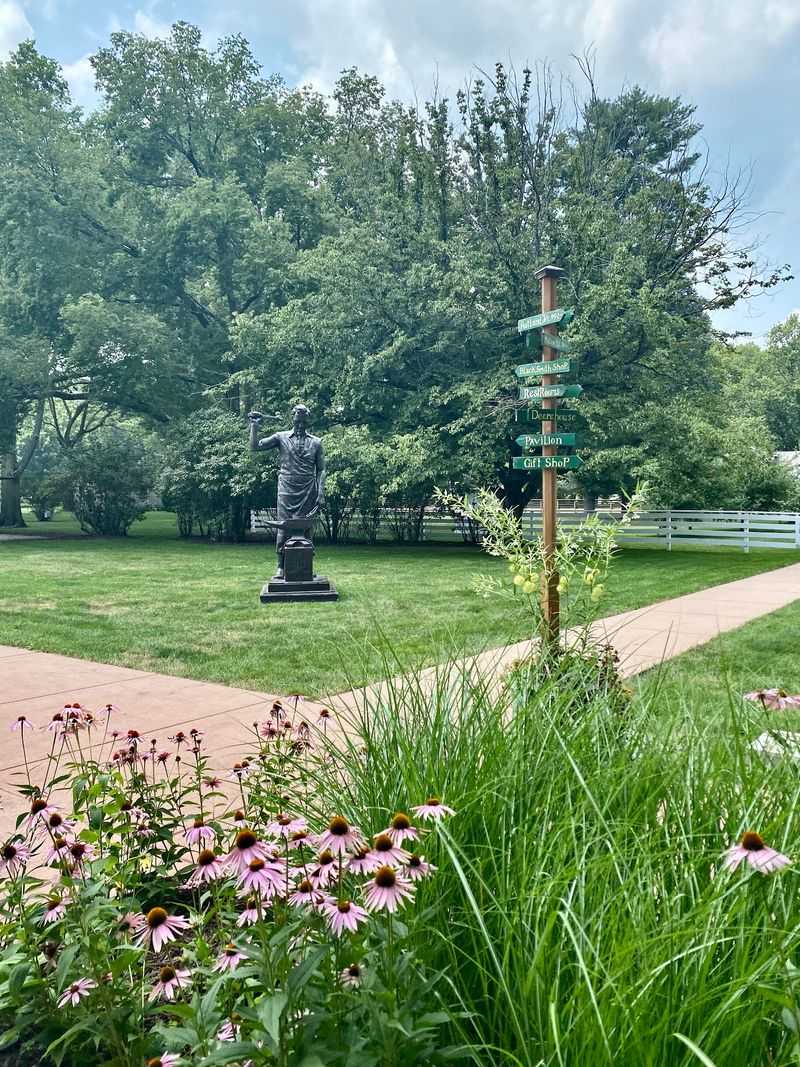
The grounds surrounding the buildings are part of the experience in a way that sneaks up on you. The gardens at the John Deere Historic Site are kept with obvious care, featuring seasonal flowers, heritage plantings, and a kitchen garden that reflects the kind of self-sufficient lifestyle frontier families depended on.
Mature trees shade the walking paths between buildings, and the overall landscape has a quiet, unhurried quality that encourages visitors to slow down and actually look at where they are. The Rock River region of Illinois has a natural beauty that the site takes full advantage of without overdoing it.
The produce grown in the garden is sometimes offered freely to visitors, which is one of those small, unexpected gestures that people tend to remember long after they have forgotten the facts and dates from the tour itself. Picking up a fresh apple from the garden before heading to the gift shop is the kind of simple pleasure that fits perfectly with the spirit of the place.
On a sunny day, the grounds make for genuinely pleasant walking, and the combination of historic architecture, well-tended plants, and open sky gives the whole property a picture-perfect quality that photographs beautifully from almost any angle.
Free Admission and Family-Friendly Access
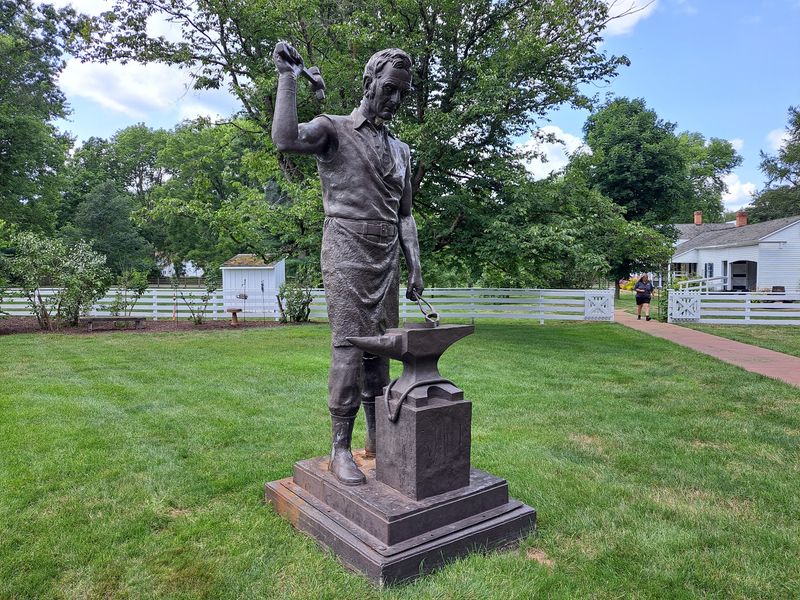
Free admission at a site this well-maintained and thoroughly staffed is genuinely surprising. The John Deere Historic Site charges nothing for the full tour, which includes the museum exhibition, the blacksmith demonstration, the archaeological dig, and the family home walkthrough.
For families traveling on a budget, or for anyone who simply appreciates getting full value without a ticket price attached, this is a rare find. The site manages to feel polished and professional without any of the commercial pressure that comes with paid attractions.
Children tend to respond especially well to the blacksmith demonstration, where the heat, the noise, and the physical drama of shaping hot metal hold attention far more effectively than any screen ever could. Groups of Cub Scouts, school field trips, and family road-trippers all find something here that connects with them.
Kids around ages 8 to 15 seem to get the most out of the visit, though adults without children consistently report being just as engaged. The site is accessible and welcoming to visitors with special needs as well, with staff who are patient, adaptable, and clearly experienced at making everyone feel comfortable throughout the tour.
A two-hour visit here costs nothing but time well spent.
The Gift Shop and Hand-Forged Keepsakes
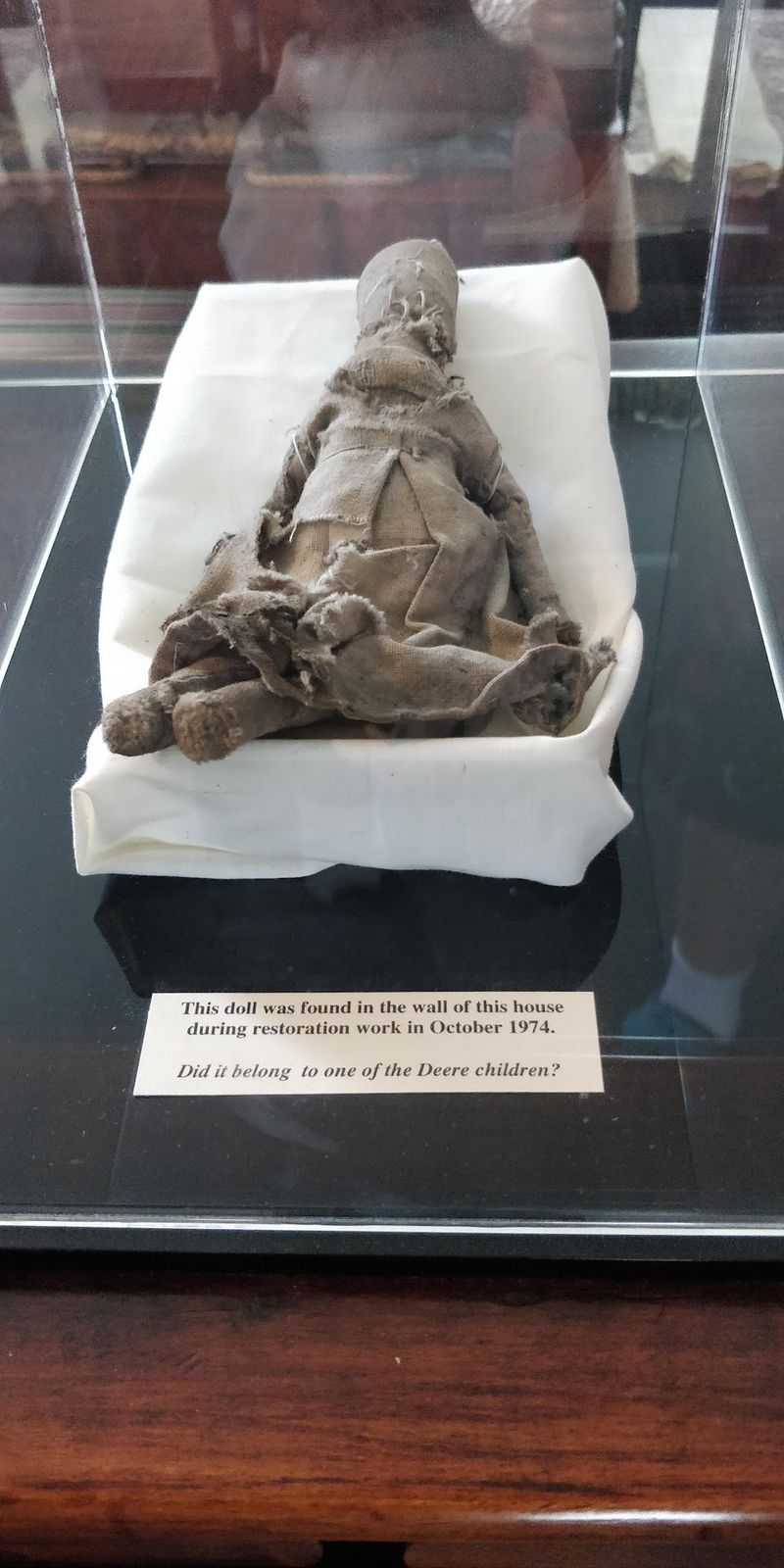
A gift shop that actually sells something worth buying is rarer than it should be. The shop at the John Deere Historic Site carries a selection of hand-forged blacksmith pieces made right on the property, which gives them a provenance and authenticity that mass-produced souvenirs simply cannot match.
Prices are reasonable, especially considering that the tour itself is free and the craftsmanship behind the forged items is the real thing. Keychains, decorative pieces, and small functional items all make their way into visitors’ bags as tangible reminders of the experience.
The shop also stocks books, educational materials, and John Deere branded items for those who want something more conventional. It is the kind of gift shop that rewards a slow browse rather than a quick grab-and-go, so budget a few extra minutes at the end of your tour to look around properly.
One visitor couple who stopped on a whim picked up a keychain to commemorate the trip and left wishing they had bought more. That feeling, of wanting to take a little more of the place home with you, is probably the best endorsement any gift shop can earn.
The shop accepts standard payment methods and is located near the exit of the main visitor building.
Special Events and the Annual Hammer-In
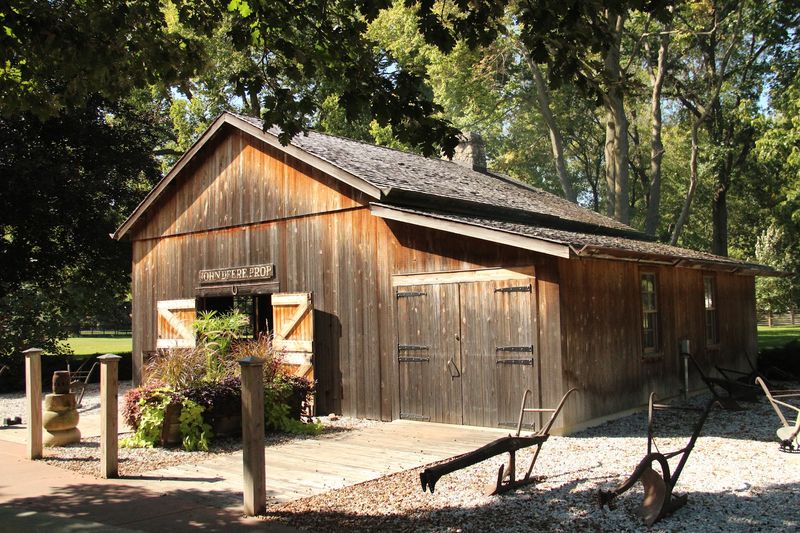
Beyond the regular daily tours, the John Deere Historic Site hosts special events throughout the year that draw visitors with a deeper interest in blacksmithing, history, and living history demonstrations. The annual Hammer-In is one of the most distinctive of these events.
The Hammer-In brings together blacksmiths from across the country for a multi-day gathering that celebrates the craft in the place where one of its most consequential practitioners once worked. Participants demonstrate a wide range of forging techniques, and the collective skill on display during this event is widely regarded as some of the finest blacksmithing demonstration work anywhere in the Midwest.
The site has also hosted a recreation of an 1858-style baseball game, played by period rules on the grounds, which gives a fun and unexpected dimension to what might otherwise seem like a strictly agricultural history destination. Events like these keep the site feeling alive rather than frozen in amber.
Checking the site’s official website at deere.com before your visit is the best way to find out what events are scheduled during your travel window. Some events draw significantly larger crowds than a typical weekday afternoon, so arriving early on event days is a smart move for anyone who wants a good view.
Why This Site Deserves a Spot on Your Illinois Road Trip
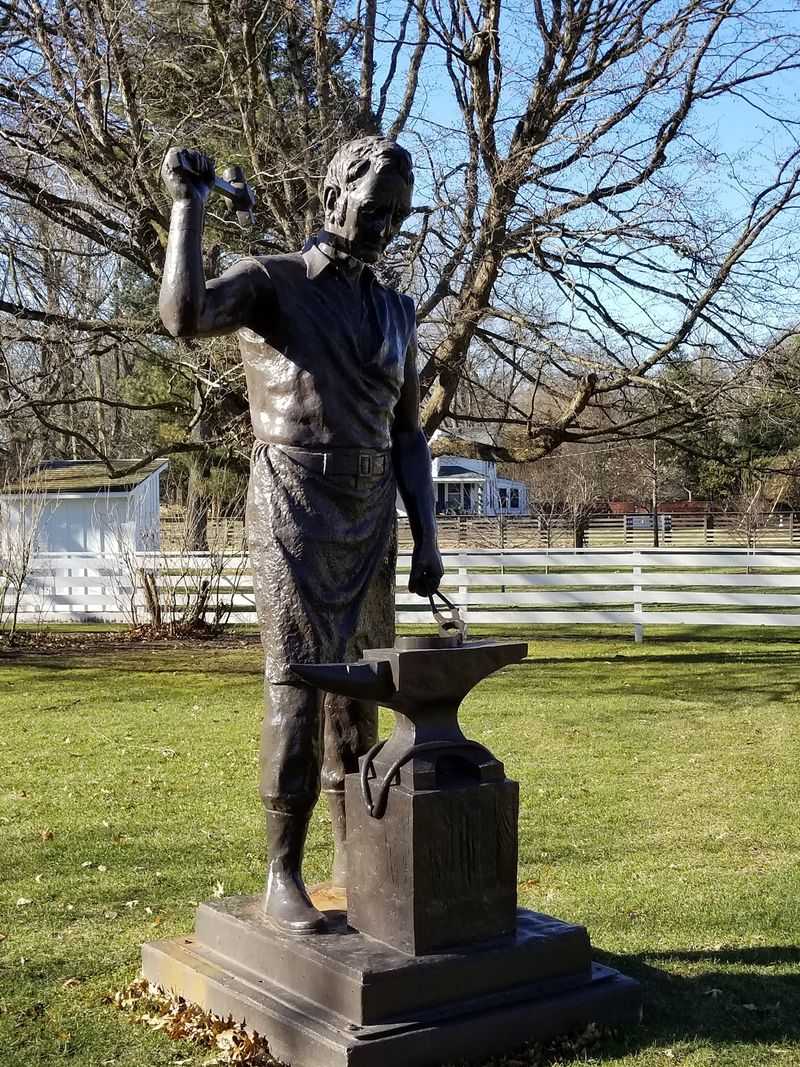
Road trips through Illinois have no shortage of stops, but few of them combine genuine historical importance, hands-on demonstrations, beautiful grounds, and zero admission cost the way this one does. The John Deere Historic Site earns its 4.8-star rating honestly, built review by review from visitors who arrived with modest expectations and left genuinely impressed.
The site works equally well as a planned destination and as a spontaneous detour. Plenty of visitors have pulled off the road on a whim after spotting a sign and ended up spending two hours they did not plan for, walking away glad they did.
That kind of happy accident is the hallmark of a truly good stop.
Grand Detour sits within easy driving distance of Dixon, the Hennepin Canal State Trail, and several other northern Illinois attractions, making it a natural anchor for a broader regional itinerary. Combining the historic site with a walk along the Rock River or a visit to a nearby state park makes for a full and satisfying day.
The story of one blacksmith, one broken saw blade, and one very good idea still echoes across every farm field in America. Coming to the place where it all started has a way of making that story feel not just historical, but genuinely alive.
Share this story