Long before words like “transgender” entered everyday conversation, real people were living authentically, fighting for dignity, and quietly reshaping the world around them. These individuals built medical careers, served in wars, created art, organized communities, and stood before governments, often without any legal protection or public support.
Their stories were sometimes buried, misrepresented, or ignored for decades. Learning about them now is not just a history lesson.
It is a reminder that trans people have always existed, contributed, and mattered, even when history tried to look the other way.
Dr. James Barry, The Surgeon Who Rewrote Medical History
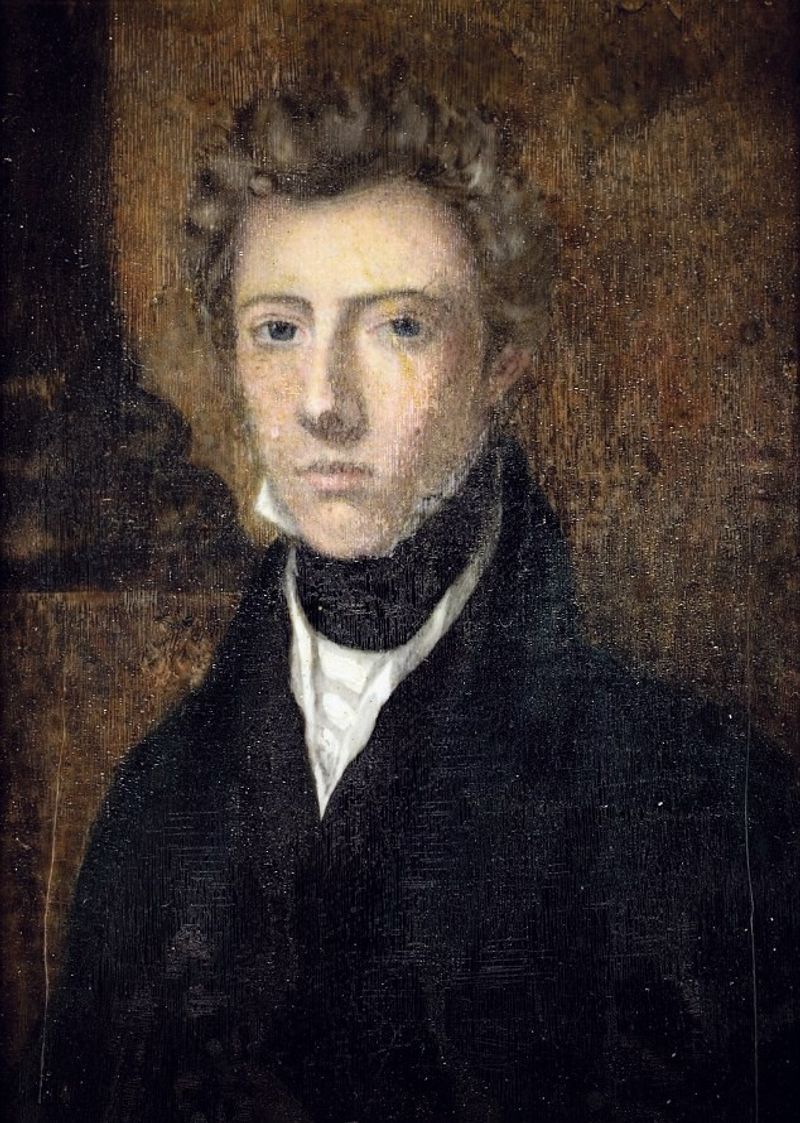
Few figures in medical history carry as much complexity and quiet defiance as Dr. James Barry. He built a distinguished career in the British Army as a surgeon at a time when medicine was a rigid and exclusive profession, and he earned genuine respect for improving hospital sanitation and patient care.
Barry performed one of the first recorded successful Caesarean sections by a European surgeon in Africa, a procedure in which both mother and child survived. That alone would have secured his place in medical history.
What makes his story part of trans history is that his anatomy was revealed only after his death, against his clearly stated wishes. Many historians and writers now discuss Barry as a transmasculine figure who lived his professional and personal life fully as a man.
His legacy belongs to both medicine and the long, complicated story of trans identity across centuries.
Albert Cashier, The Civil War Soldier Who Lived As Himself
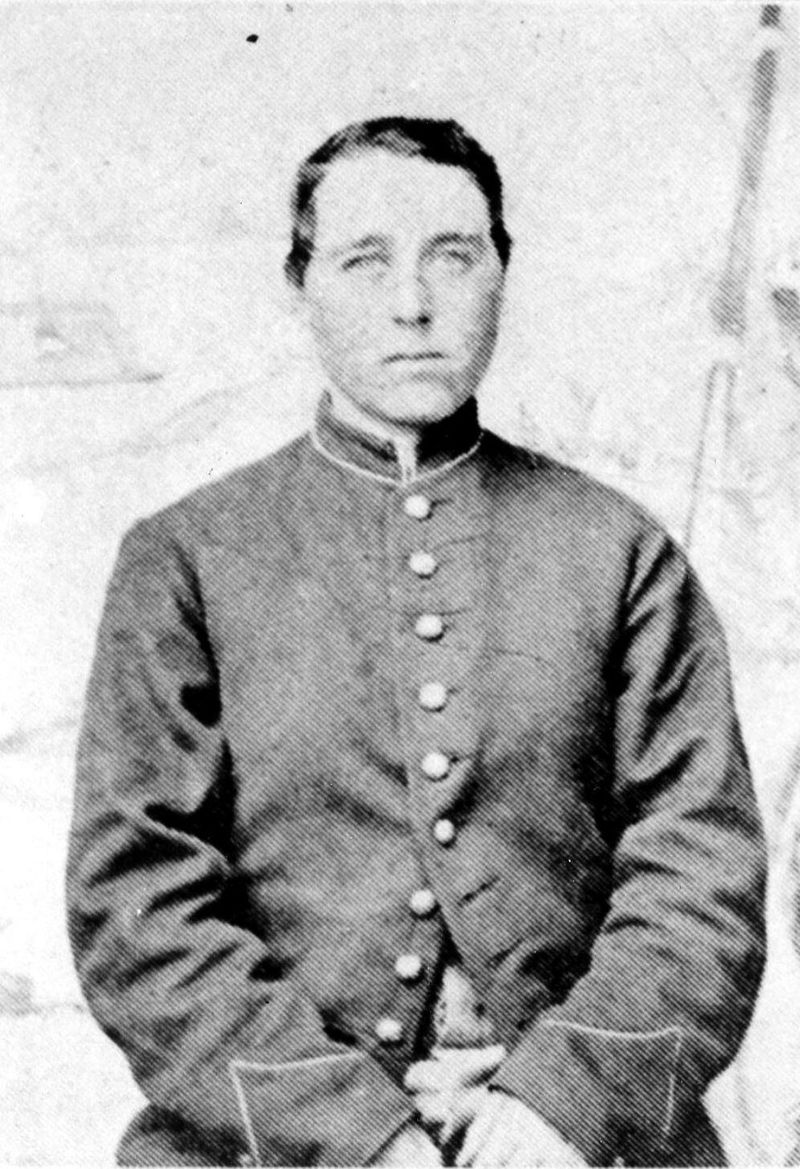
Albert Cashier enlisted in the Union Army during the American Civil War and fought with the 95th Illinois Infantry through dozens of engagements. Born in Ireland and later settled in Illinois, he was by all accounts a committed and capable soldier who earned the loyalty of the men around him.
After the war ended, Cashier continued living as a man for decades. He collected a veteran’s pension and remained part of his community without disruption for years.
His gender history only became public later in life, but something notable happened when it did: many of his fellow veterans stood by him and spoke in support of the man they had known and served alongside.
His story is one of the earliest documented examples of a person in 19th-century America maintaining a consistent male identity across most of a lifetime, through war, work, and community life.
Lili Elbe, The Danish Artist Who Became A Medical Pioneer
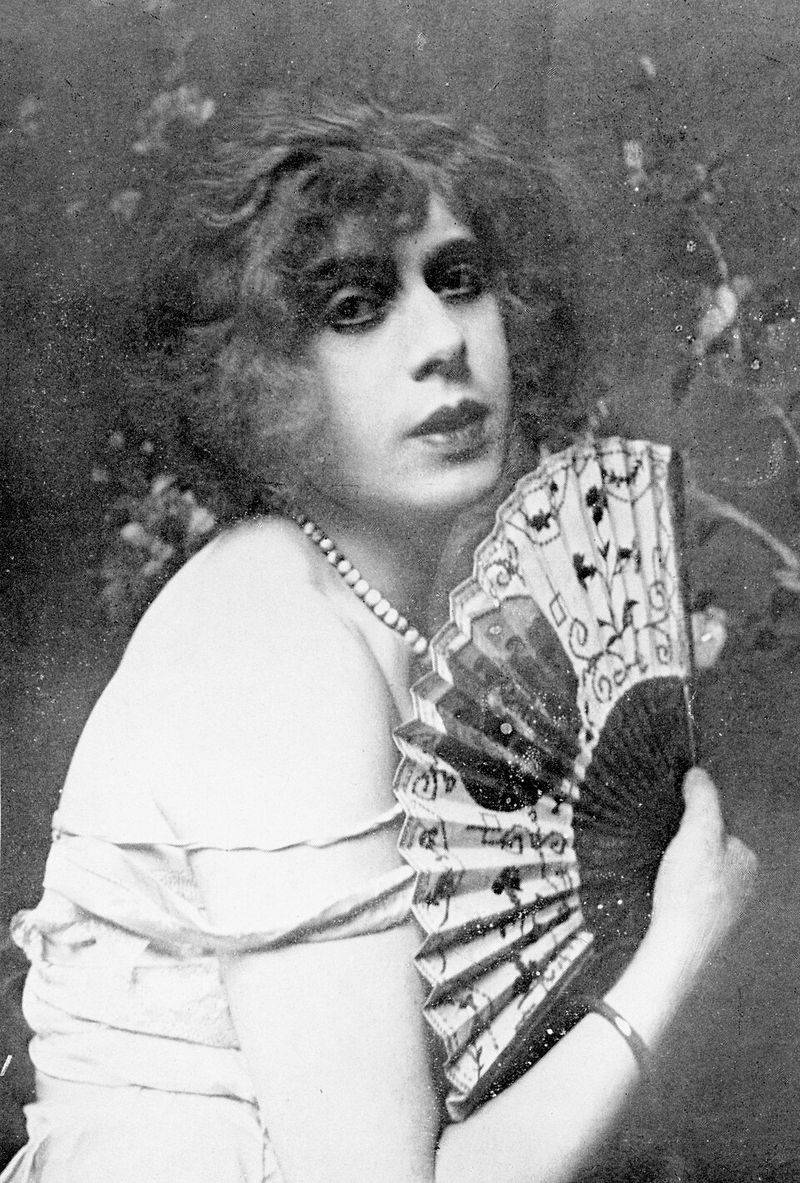
Lili Elbe was a painter before she became a name in medical history. Working alongside her wife, fellow artist Gerda Wegener, she built a career in Danish and European art circles during the early 20th century.
Her identity as a woman was not a late discovery. It was something she carried through much of her life before she had the language or medical access to act on it.
In the early 1930s, Elbe underwent a series of gender-affirming surgeries in Germany at a time when the procedures were experimental and the risks were severe. She died from complications following one of those surgeries, and her story has often been framed through that loss.
What deserves equal attention is her courage and her place in the early history of transgender healthcare. Her life helped open a conversation about medical transition that would take decades to reach wider society.
Marsha P. Johnson, The Activist Who Became A Symbol Of Resistance
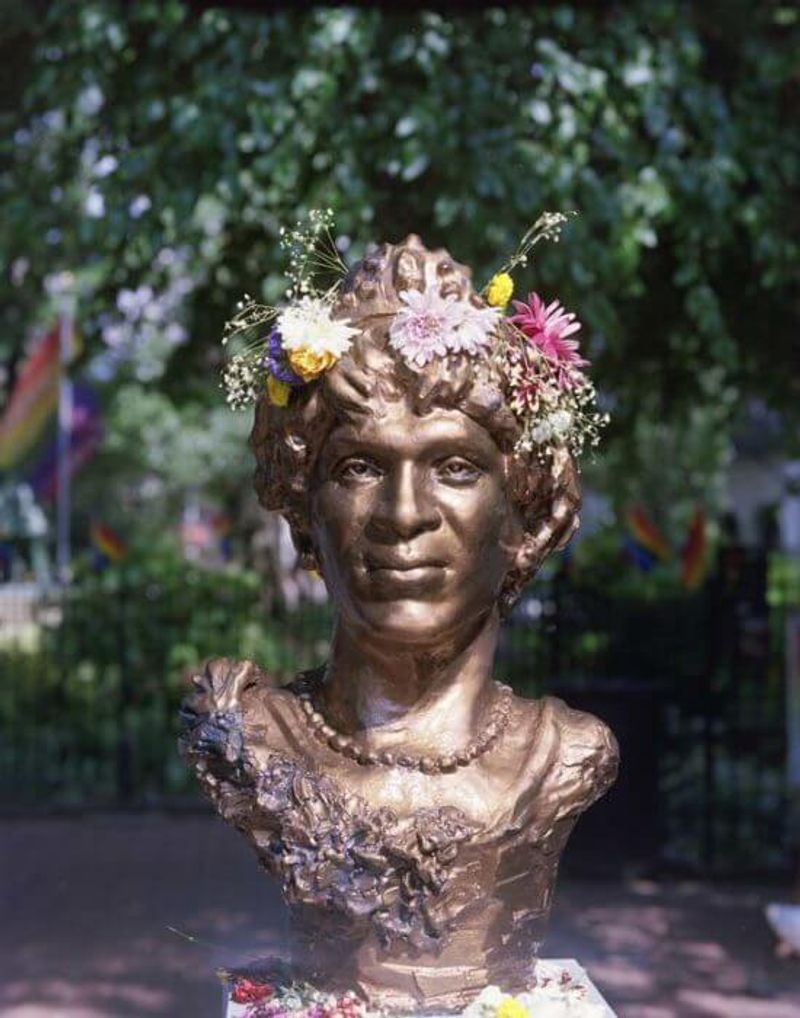
Marsha P. Johnson was one of the most recognizable figures in New York City’s liberation movement during the 1960s and 1970s.
A Black trans woman who performed in drag and lived openly in Greenwich Village, she moved through a world that offered very little protection to people like her and showed up anyway, loudly and with generosity.
Along with Sylvia Rivera, Johnson co-founded Street Transvestite Action Revolutionaries, known as STAR, which worked to support homeless queer youth and others pushed to the edges of society. She gave what she had, often including shelter and food, to people who had nowhere else to turn.
Johnson’s legacy has grown significantly in the decades since her passing. Documentaries, public memorials, and ongoing historical research have helped restore her to the center of LGBTQ+ history, where she always belonged.
Her story is inseparable from the fight for trans rights in America.
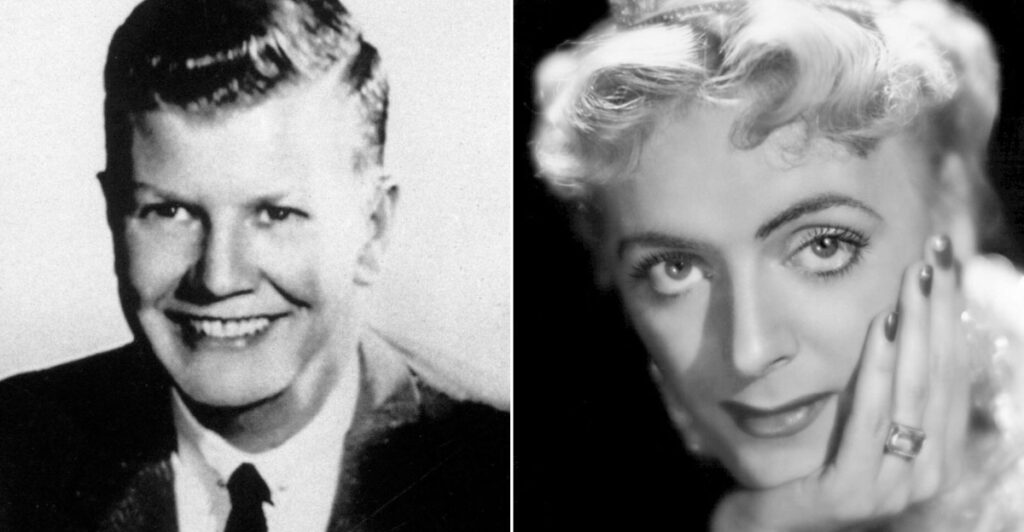
Christine Jorgensen, The Woman Who Brought Trans Visibility Into American Headlines
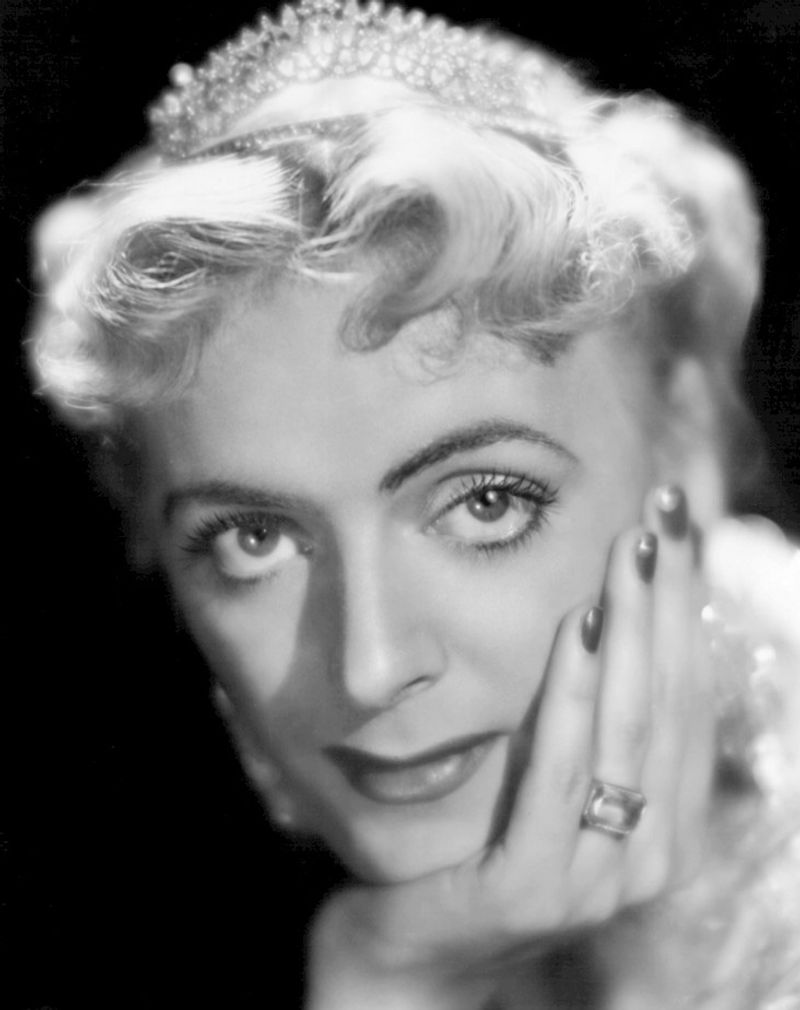
Christine Jorgensen became one of the most talked-about people in America almost overnight. When newspapers reported on her transition in December 1952, the coverage was intense and often reductive, but something important happened alongside the sensationalism: millions of people encountered the concept of gender transition in public for the first time.
A former U.S. Army clerk from the Bronx, she had traveled to Denmark for medical care and returned to a country that did not quite know how to respond to her.
She handled that attention with composure and used her public platform deliberately, working as a performer and speaker to explain her experience to audiences who had very little prior framework for understanding it.
Jorgensen was not the first person to undergo gender-affirming surgery, but she was among the first Americans to become widely known for it. Her visibility created space, however imperfect, for conversations that had never happened at that scale before.
Billy Tipton, The Jazz Musician Whose Story Was Reclaimed After Death
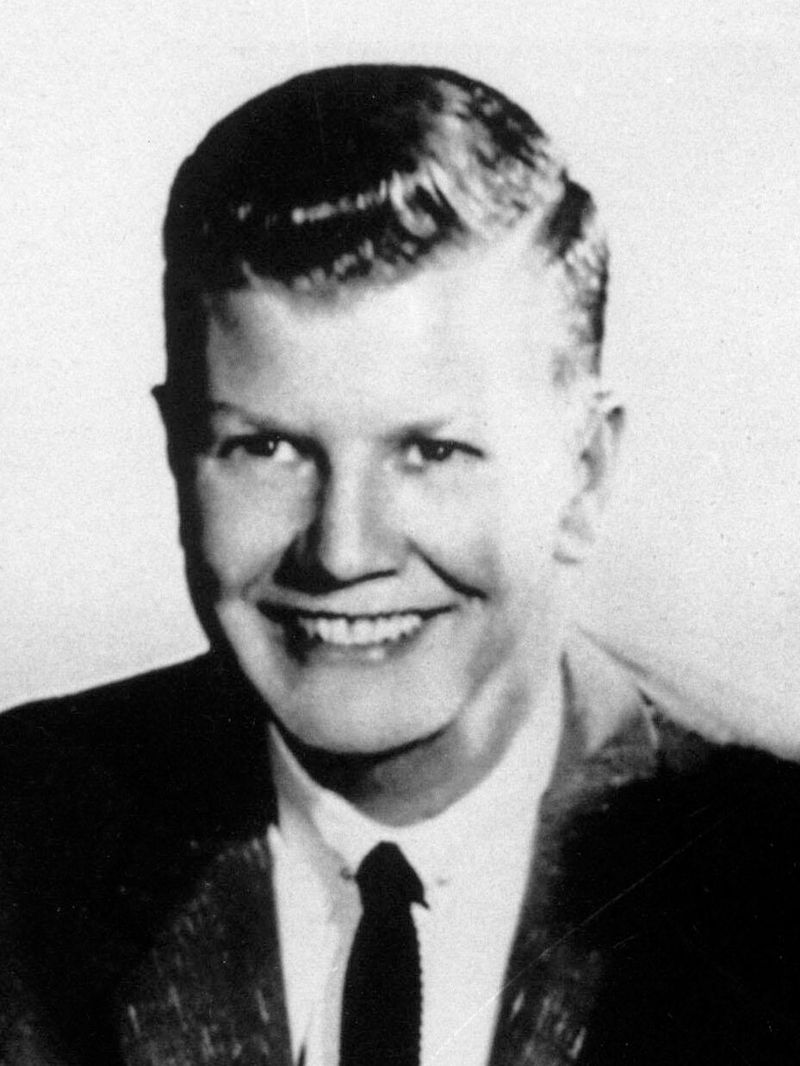
Billy Tipton spent decades building a life in music. He played piano and saxophone, led his own jazz trio, worked as a talent agent, and raised a family in Spokane, Washington.
By most accounts, he was a working musician who took his craft seriously and took his responsibilities as a father and partner just as seriously.
When Tipton’s gender history became public after his passing in 1989, much of the initial media coverage was sensational and unkind. His life was treated as a secret or a deception rather than as what it was: a life lived with intention.
More recent work has pushed back on that framing. The documentary No Ordinary Man, released in 2020, brought together trans artists and scholars to reconsider Tipton’s story with the dignity it deserves.
He is remembered now not as a mystery to be solved, but as a musician, father, and trans man whose life had real texture and meaning.
Lou Sullivan, The Advocate Who Changed Visibility For Trans Men
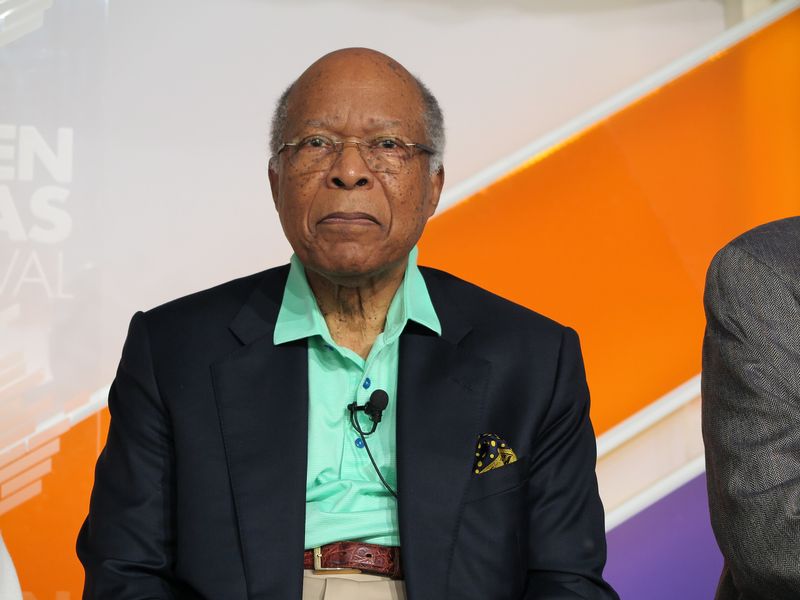
Lou Sullivan occupied a unique and important place in trans history. He was a gay trans man at a time when medical gatekeepers often insisted that trans men had to be heterosexual to qualify for care.
Sullivan challenged that assumption directly, both through his own life and through his advocacy work.
He helped found FTM International, one of the earliest support and networking organizations specifically for trans men, and he contributed extensively to the GLBT Historical Society in San Francisco. His personal diaries and correspondence are now considered significant historical records of trans male experience, desire, and community building during a period when very little of that was being documented.
Sullivan also worked to separate gender identity from sexual orientation in both public and medical understanding, an argument that seems straightforward now but required real persistence to make at the time. His writing and organizing shaped how trans men were understood and supported in the decades that followed.
Willmer “Little Ax” Broadnax, The Gospel Singer With A Powerful Hidden Legacy
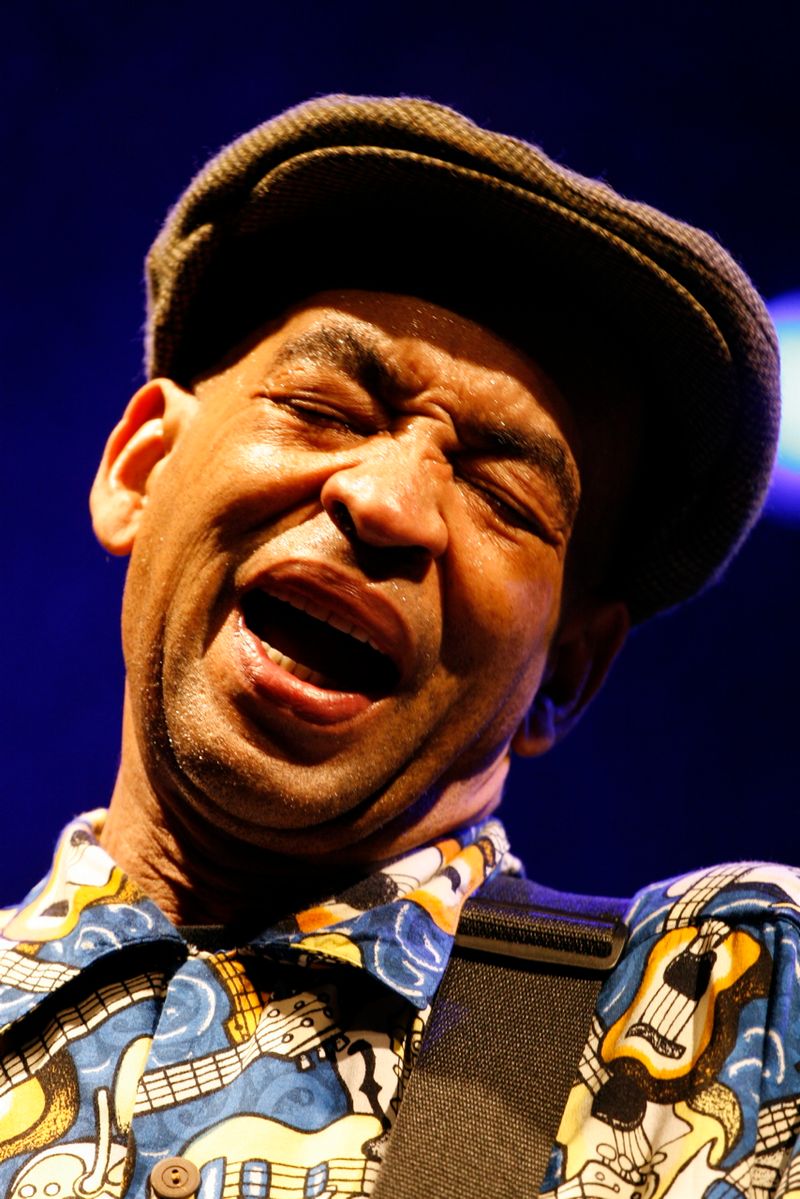
Gospel music in America carries a long tradition of voices that stop people in their tracks, and Willmer Broadnax, known as Little Ax, had one of those voices. His high tenor was a defining sound in the gospel quartet tradition, and he performed with some of the most respected groups of his era, including the Spirit of Memphis Quartet.
Broadnax’s trans history became known after his passing, adding a layer to the story of Black queer and trans presence in American religious music that had long gone unacknowledged. His life shows that trans history is not confined to hospitals, courtrooms, or activist meetings.
It lives in pews, on stages, and in recordings that people still listen to today. Broadnax sang in spaces that would not have welcomed his full identity openly, and yet his voice carried through those spaces and left something lasting behind.
That is its own kind of courage.
Frances Thompson, The Formerly Enslaved Woman Who Testified Before Congress
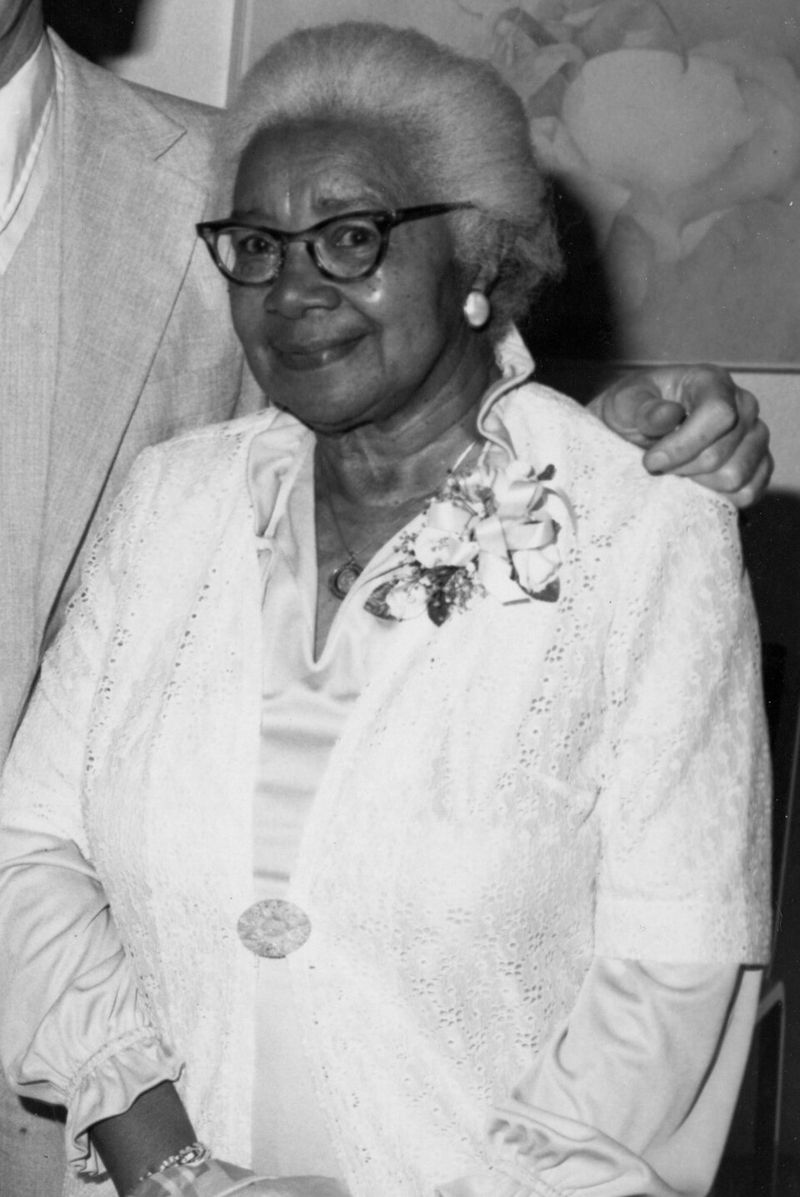
Frances Thompson’s place in history rests on an act of extraordinary courage. In 1866, she survived the Memphis Massacre, a brutal episode of racial violence in which white mobs attacked Black communities over several days.
She then testified about what she had witnessed and experienced, giving her account to federal investigators.
Her 1871 congressional testimony is recognized by historians as the first known instance of a transgender woman speaking before the United States Congress. Thompson was a formerly enslaved Black woman navigating a world shaped by racism, poverty, and the violent instability of the Reconstruction era.
Her gender identity was later weaponized against her by authorities who used it to publicly humiliate her and discredit her testimony. That effort to silence her is itself part of the historical record.
Thompson’s story is painful and complicated, but it is also a document of survival, resistance, and the long history of trans women of color being present at pivotal moments in American history.
Lucy Hicks Anderson, The Woman Who Defended Her Marriage In Court
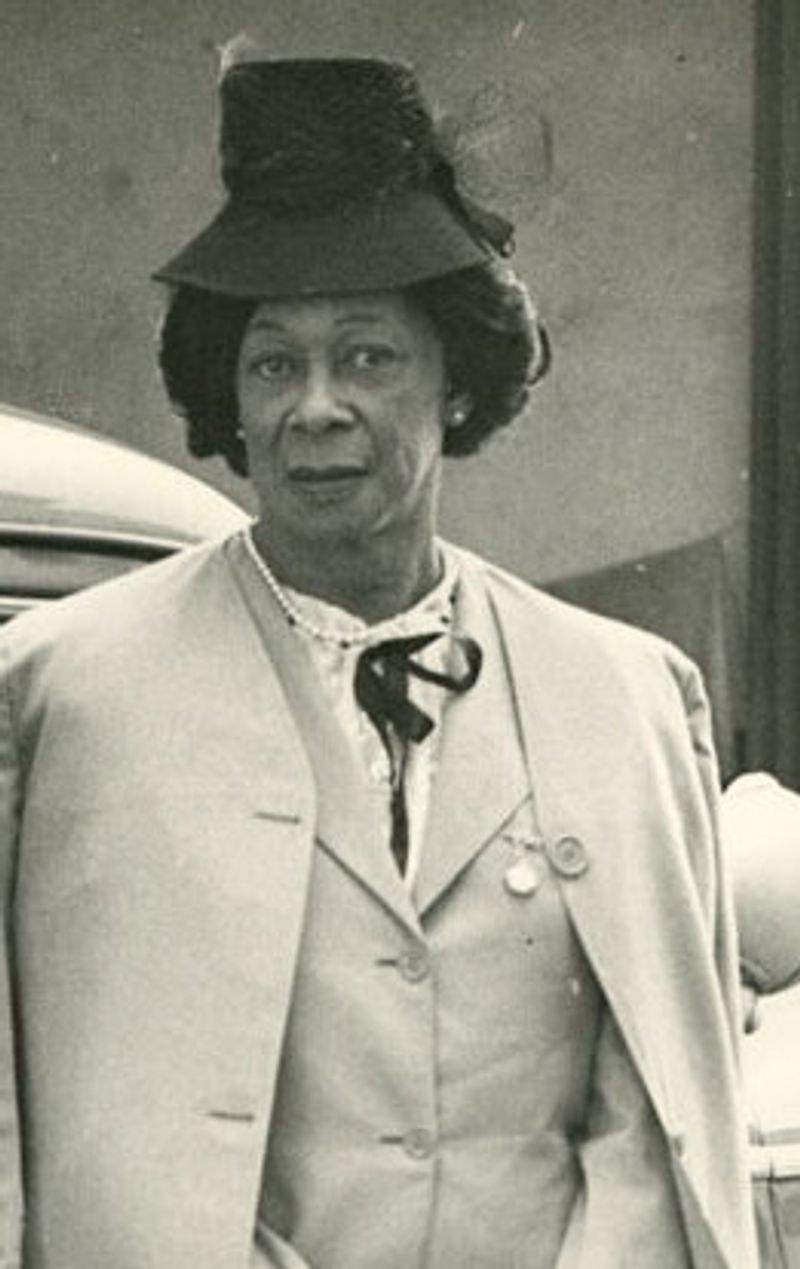
Lucy Hicks Anderson was known in Ventura County, California, as a skilled cook, a generous host, and a community figure who built a respected life through her own effort and personality. She ran a boarding house, cooked for prominent families, and was by most accounts a central presence in the social life of her community.
When authorities discovered she had been assigned male at birth, she was prosecuted for perjury in a case connected to her marriage to a U.S. Army soldier.
The charge was that she had fraudulently collected spousal benefits. Anderson’s response was not retreat.
She insisted clearly and publicly that she was a woman, and she continued to assert that identity through legal proceedings at a time when there was no framework in American law to support her claim.
Her story is one of the earliest documented examples of a Black trans woman defending her womanhood in a formal legal setting, with full awareness of what was at stake.
Share this story