Laws are meant to keep order, but some rules from the past seem baffling today. Governments once taxed windows, beards, and even the clothes people wore.
Each of these rules was written down, enforced, and felt in daily life. Here are eleven real examples that show how strange official rules could get.
1. Britain’s Window Tax

Walk down an old street in England and you may spot windows filled in with brick. Those blocked spaces trace back to the Window Tax, introduced in 1696 under William III.
Homes with more windows paid more money.
The tax was based on the idea that bigger houses belonged to wealthier families. Owners of larger homes were charged by the number of windows, so many people simply sealed some of them up.
Rooms became darker and stuffier, and health reformers later complained about the lack of fresh air.
Tax collectors visited homes to count windows, and the rules changed over the years. Poorer households were often exempt at first, but many landlords still blocked windows to save money.
Public pressure grew for decades. The tax was finally repealed in 1851, leaving behind brick-filled frames that still puzzle visitors today.
2. Britain’s Witchcraft Acts
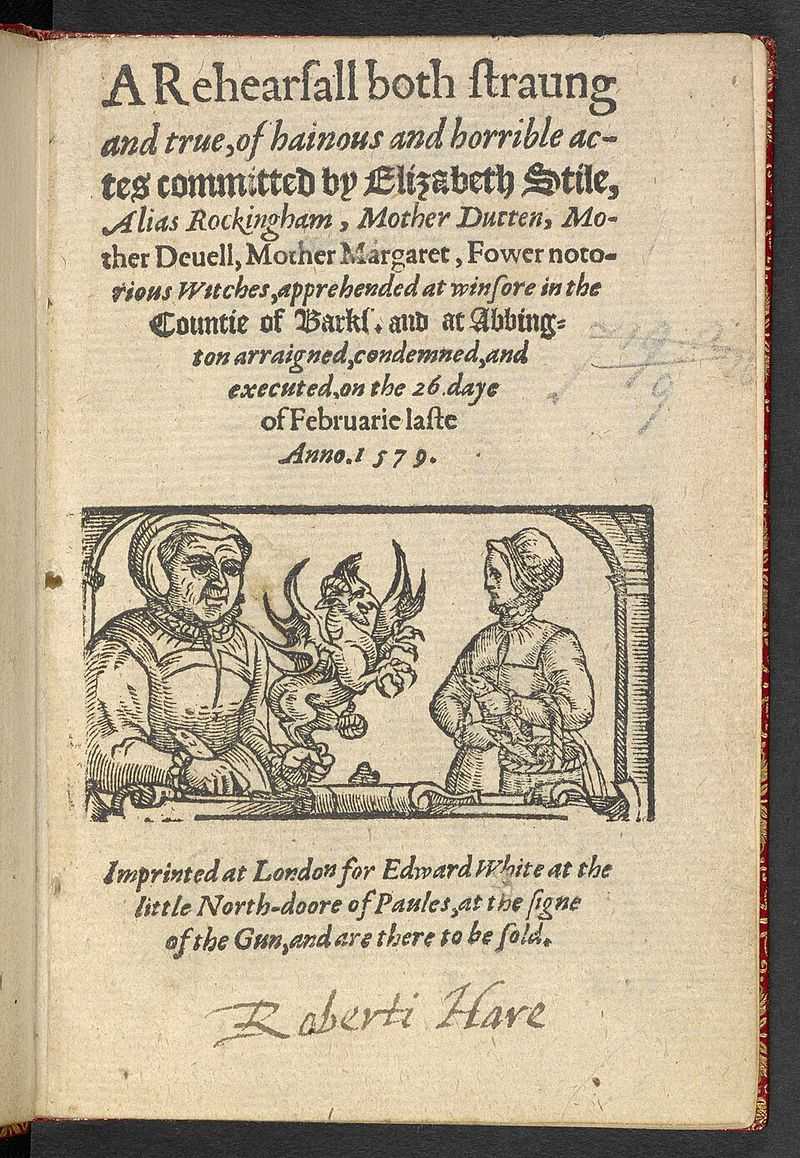
Imagine being put on trial because a neighbor claimed your cat was suspicious. Under the Witchcraft Acts, accusations like that could lead to prison or worse.
Parliament passed an act in 1542, repealed it, then passed another in 1563 and a harsher one in 1604.
Courts treated claims of magic as real crimes. Many accused people were poor, elderly, or living alone, and local disputes often sparked the charges.
Evidence was often rumor or stories from neighbors.
Thousands of people across Britain faced trial over the years, and many were executed. Attitudes began to shift as science and legal reasoning grew stronger.
The final act of 1735 changed course by punishing people for pretending to have magical powers. It replaced the death penalty with fines or short jail terms.
3. Britain’s Sumptuary Laws
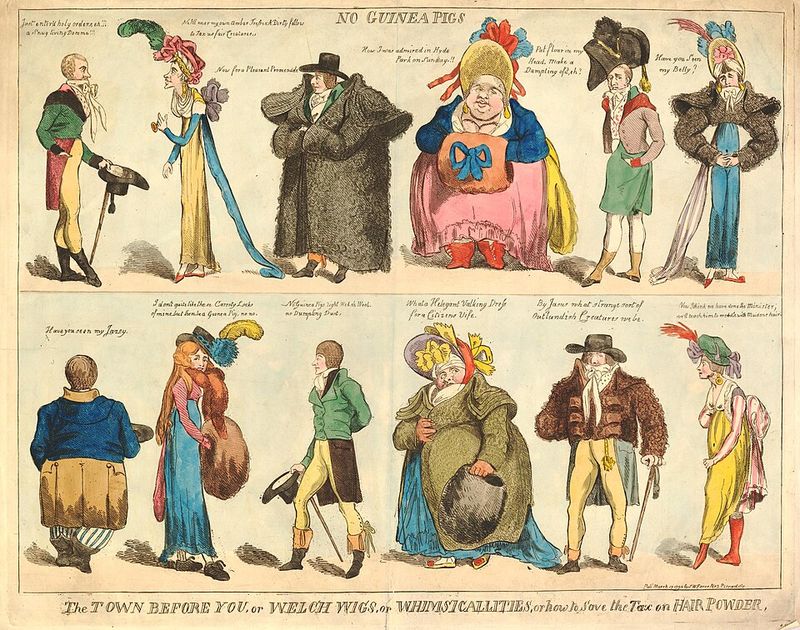
Clothing once carried legal weight. In medieval and Tudor England, sumptuary laws told people what they could wear based on their rank.
A shopkeeper who dressed like a lord could be fined.
Certain colors, fabrics, and furs were reserved for the upper classes. Purple silk was often limited to royalty, and rules covered everything from sleeve length to the cost of cloth.
Leaders had two main goals. They wanted social classes to stay visible, and they hoped to keep money from flowing toward foreign luxury goods.
Enforcement was uneven, though. Records show people were still brought before officials for dressing above their station.
As wealth grew among merchants, the rules became harder to uphold, and they faded out by the early 1600s.
4. France’s Salt Tax Laws
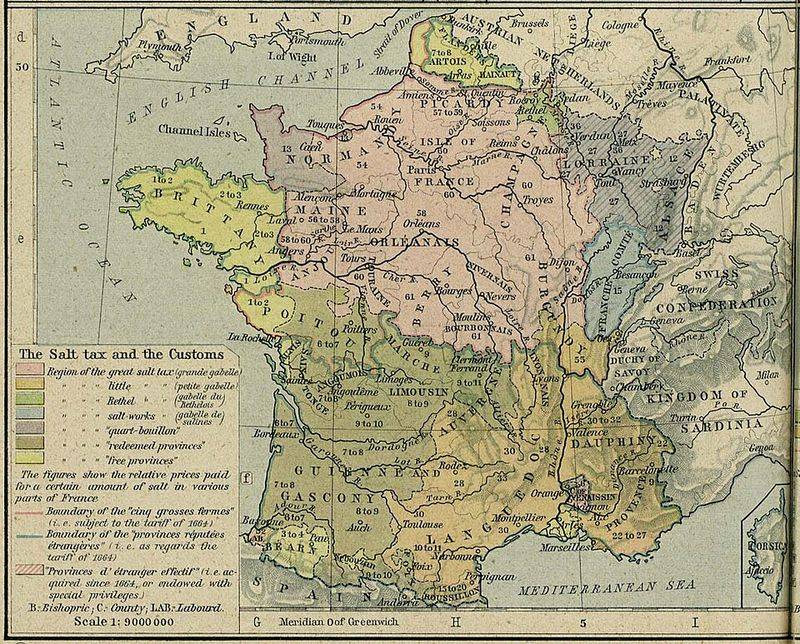
Salt seems like a simple kitchen item, yet in France it once caused serious trouble. The gabelle was a salt tax that dated back to the 1300s, and it varied sharply from region to region.
The same amount of salt might cost far more in one province than in the next.
Many households were required to buy a set amount of salt each year, whether they needed it or not. Since salt preserved food, it was vital for daily life.
Those price gaps pushed some people into smuggling. Salt smugglers, called faux-sauniers, risked prison or time rowing in royal galleys if caught.
Anger over the unfair system grew for centuries. The French Revolution finally ended the gabelle in 1790, though a version of it returned for a time under Napoleon.
5. Russia’s Beard Tax

Peter the Great wanted Russia to look more like Western Europe, and he started with faces. In 1698 he began pushing nobles to shave, and in 1705 he introduced a tax on beards.
Men who chose to keep their beards had to pay a fee. The amount depended on social rank, with wealthy merchants and nobles paying much more than peasants.
After paying, a man received a small token, often made of copper or silver, to show the tax was settled. Some versions carried a phrase saying the beard was a needless burden.
Many Russians resisted, since beards held religious meaning in the Orthodox tradition. Some men kept their shaved hair to be buried with it.
The tax faded after Peter died in 1725, but it left a lasting mark on Russian history.
6. Britain’s Calico Acts
A bright cotton fabric once caused riots in London. Calico, printed cotton from India, became wildly popular in the late 1600s.
English wool and silk weavers felt their jobs were at risk.
Parliament responded with the Calico Acts. The first, passed in 1700, banned imports of printed cotton from India, China, and Persia.
A second act in 1721 went further and banned most printed cotton clothing and furnishings in Britain.
Weavers sometimes confronted women in the street who wore the fabric, and there were reports of cloth being torn from their clothes.
Fines were meant to deter buyers and sellers alike. Yet the bans also pushed British makers to learn cotton production themselves.
The laws were relaxed in 1774, and that shift helped set the stage for Britain’s cotton industry.
7. Massachusetts’ Colonial Sabbath Laws
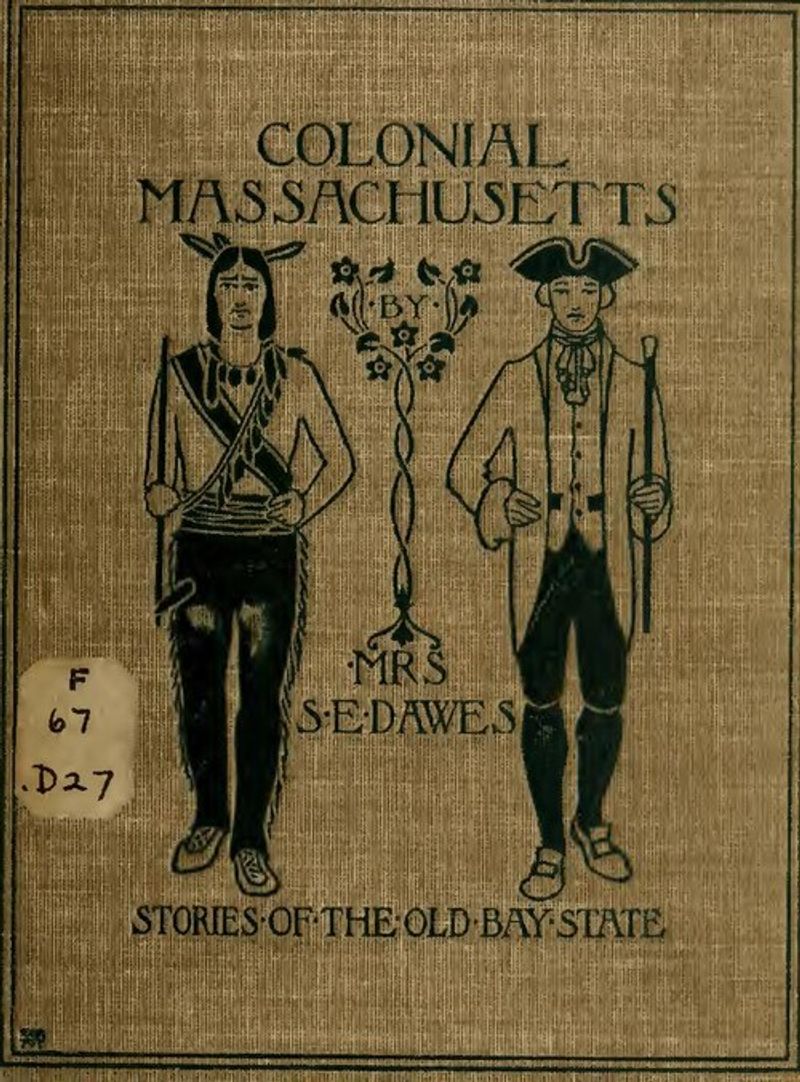
Sunday in colonial Massachusetts was meant for worship and little else. Puritan leaders passed laws that limited work, travel, and play on the Sabbath.
Attending church was expected, and absences could bring fines.
Activities that seem harmless now could be punished. Cooking elaborate meals, playing games, or taking a leisurely stroll might draw attention from town officials.
Some towns appointed tithingmen to walk the streets and keep watch. They even carried long staffs to nudge people who dozed during sermons.
Records show that people were fined or placed in stocks for breaking Sabbath rules. Over time, attitudes eased as colonies grew more diverse.
Some of these rules lingered in the form of so-called blue laws, which limited Sunday shopping in parts of the United States for centuries.
8. Britain’s Gin Act of 1736
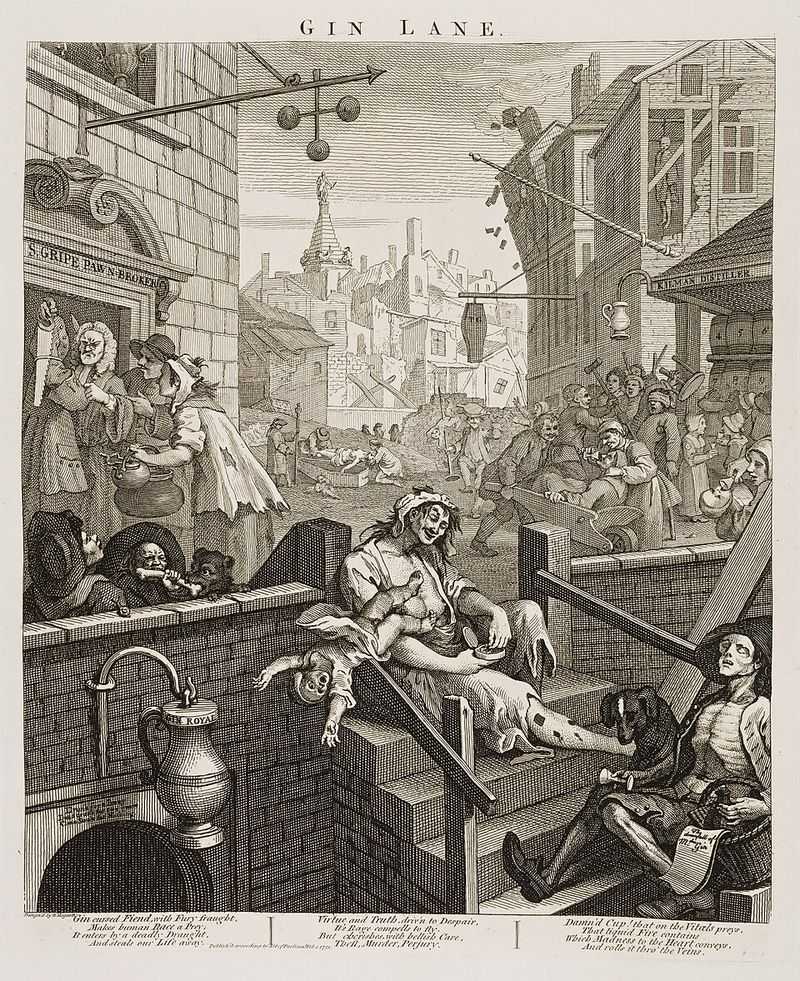
London in the early 1700s had a gin problem. Cheap spirits flowed through the city, and reformers worried about crime, poor health, and neglected families.
The Gin Act of 1736 tried to fix things with heavy costs.
Sellers needed a license that cost 50 pounds, an enormous sum then. A tax on each gallon sold added to the pressure.
The plan backfired. Most dealers simply ignored the license rule and sold gin in secret.
Some used creative tricks, such as a sign of a cat with a slot where buyers dropped coins and received gin through a tube.
Informers who reported illegal sellers were attacked in some cases. Parliament repealed the act in 1743 and tried a more moderate approach, which worked better at curbing the gin craze.
9. Japan’s Sword Hunt Edicts

In 1588, Toyotomi Hideyoshi ordered farmers across Japan to hand over their swords. This was the Sword Hunt, or katanagari.
Officials went village to village collecting blades, spears, and firearms.
Hideyoshi said the metal would be melted down for a giant Buddha statue. The statement made the order sound pious, but the main goal was control.
Fewer weapons in peasant hands meant fewer uprisings.
The edict also drew a firm line between warriors and farmers. Samurai kept the right to carry swords, while others were expected to focus on agriculture.
This division shaped Japanese society for generations. Later, under the Tokugawa shogunate, the class system became even more rigid.
The sword hunt remains one of the best-known examples of a ruler using law to reshape a whole society.
10. Ancient Rome’s Sumptuary Laws
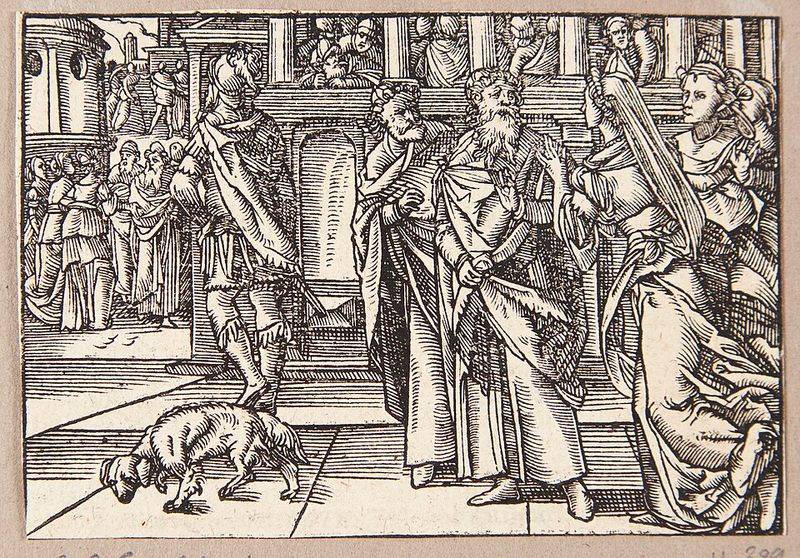
Even the mighty Romans worried about people spending too much. Sumptuary laws appeared in the Republic to limit lavish feasts, costly clothing, and showy jewelry.
One well-known example is the Lex Oppia from 215 BCE, passed during the war with Hannibal. It limited how much gold a woman could own and barred bright garments and certain carriage rides in the city.
Twenty years later, Roman women gathered in the streets to demand its repeal, and it was removed in 195 BCE.
Other laws capped the cost of banquets and restricted which foods could be served. Emperors, including Augustus, tried similar limits.
Enforcement was uneven, since wealthy Romans often found ways around the rules. Still, the laws show how leaders tried to shape public morals through spending limits.
11. Britain’s Bubble Act of 1720
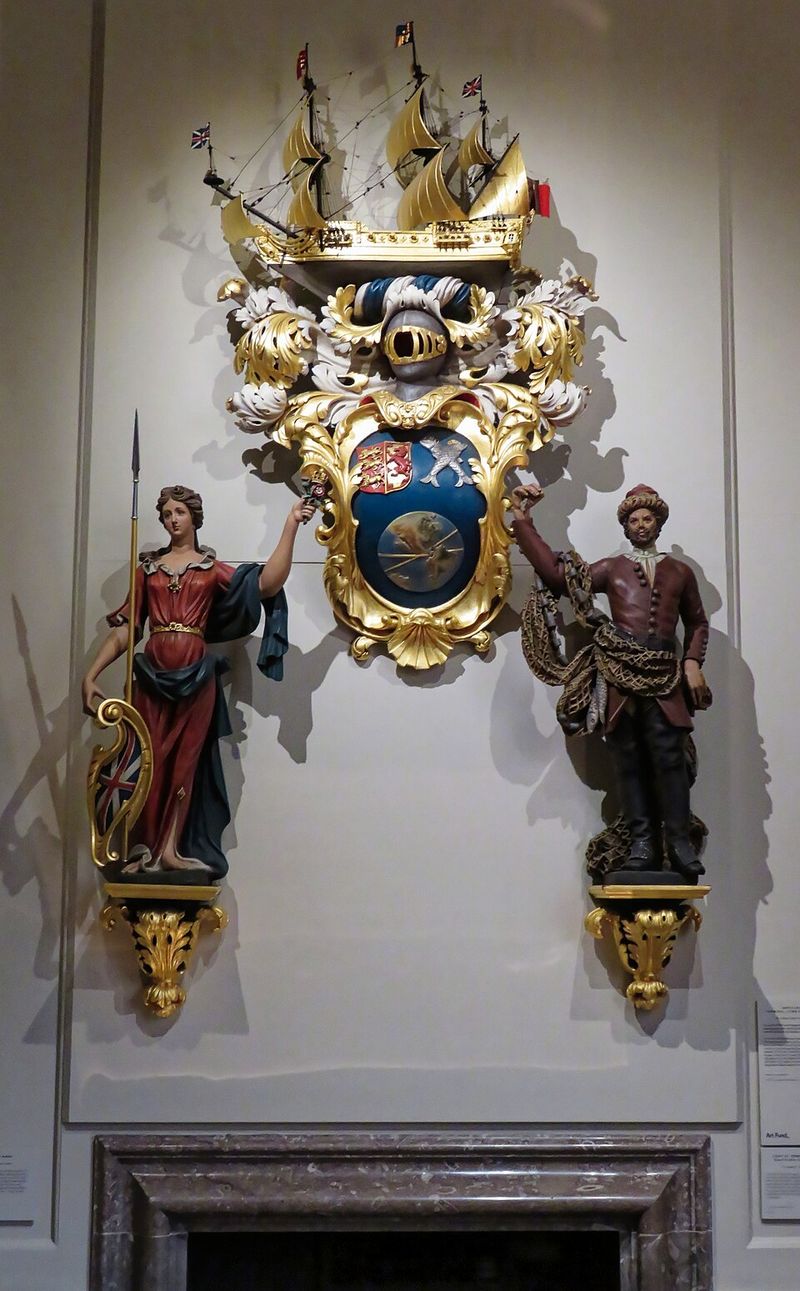
A stock market frenzy gave this law its name. In 1720, shares of the South Sea Company soared, and dozens of new companies rushed to attract investors.
Some had wild plans, and one even promised an undertaking of unspecified purpose.
Parliament passed the Bubble Act that year. It required joint-stock companies to hold a royal charter, which limited who could sell shares to the public.
Critics have long argued that the South Sea Company supported the law to shut out competitors. Soon after, its share price collapsed, and many investors lost fortunes.
The act stayed on the books for more than a century and slowed the growth of companies in Britain. It was repealed in 1825, and later company laws made it far easier to form businesses with shareholders.
Share this story