Remember the hours spent learning skills that teachers swore you would need forever? Then real life showed up with phones, calculators, and spell check.
This list looks at 14 classroom lessons that turned out to be far less useful than promised. Some still have real value, and a few even deserve a partial defense.
Others have mostly become fun trivia. Read on to see which school memories still earn their place and which ones can happily stay in the past.
Cursive Writing
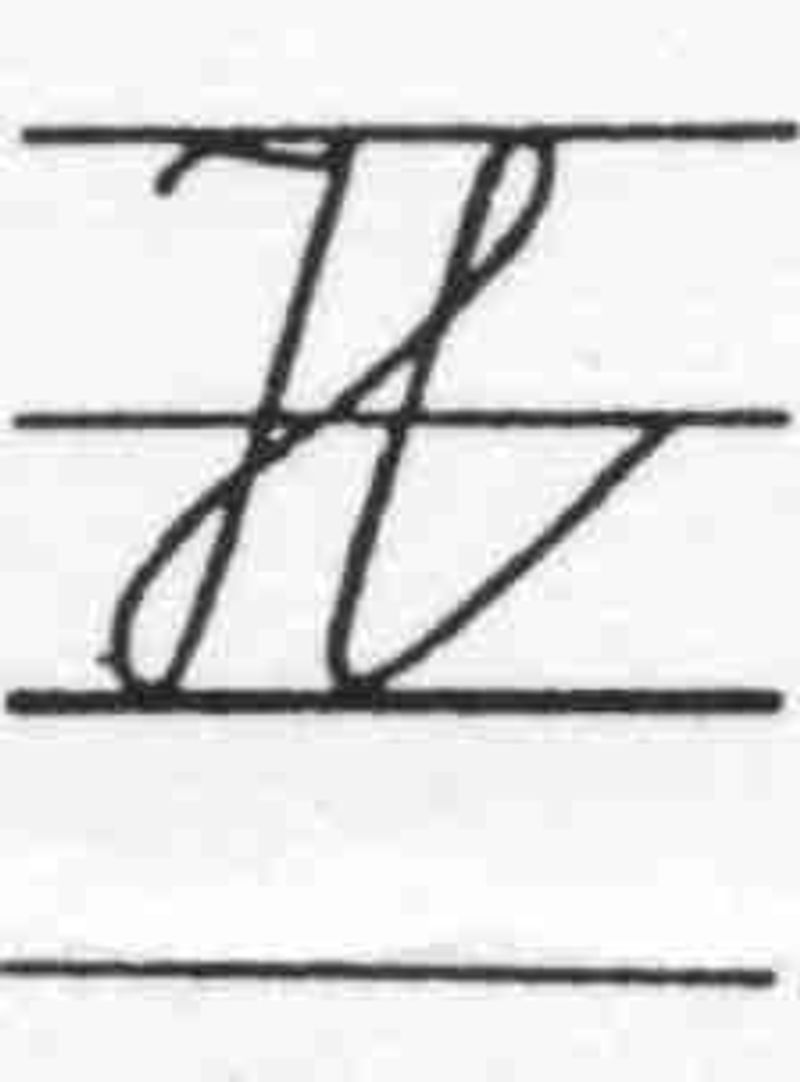
Pages of looping letters once felt like a rite of passage. Teachers often said adults would need graceful handwriting for every form and letter they ever wrote.
Then email, smartphones, online forms, and electronic signatures took over. For most people, cursive is no longer needed for daily communication.
Handwriting itself is not pointless, though. Research has found that handwriting instruction can improve legibility and writing fluency in children.
Some studies of cursive instruction have also reported benefits for early reading and writing development.
So the skill has real educational value. What probably mattered less was the pressure to make every capital letter look perfect.
Many adults now write in a mix of print and quick scribbles, and life goes on just fine. A signature and a grocery list are usually the only times cursive comes back.
Practice still helps young learners, but the fancy loops were never the main goal.
The Pythagorean Theorem
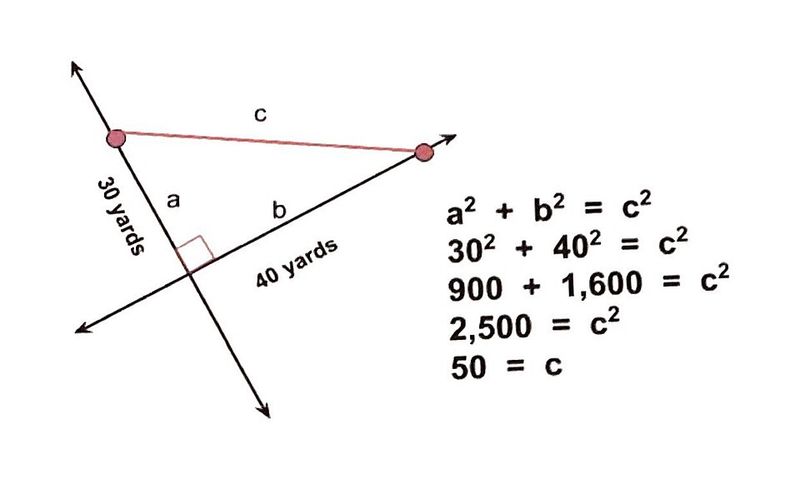
Few classroom moments feel as familiar as solving for the missing side of yet another right triangle. Students filled worksheets with them.
The theorem is far from mathematically useless. It is fundamental to geometry and shows up in engineering, construction, surveying, navigation, physics, and computing.
The funny part is how rarely the average person uses it on purpose after graduation. Unless your job involves math or technical work, you are probably not calculating square roots of squared sides in your kitchen.
Still, this lesson earns its spot on the list only as a partial entry. It teaches students how mathematical relationships work and how one rule can explain many shapes.
Most adults never use the formula by hand again, but the thinking behind it sticks around. Carpenters and map makers rely on it every day.
Periodic Table Memorization
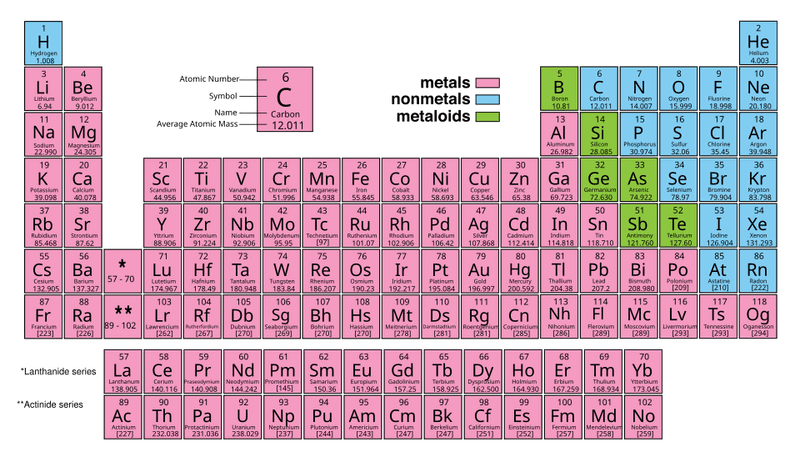
Understanding the periodic table is important. Memorizing every element and symbol is another story.
The table organizes the known chemical elements and helps scientists see patterns in properties and chemical behavior. The Royal Society of Chemistry describes it as central to understanding and classifying elements.
It also notes that memorizing elements by rote is not the same as understanding chemistry.
For most adults, knowing that oxygen is O and hydrogen is H may come in handy. Remembering the exact spot of hafnium without looking it up probably will not.
Today the full table is seconds away on a phone. That makes its structure far more useful to learn than every single square.
Students who grasp why elements sit in columns and rows gain a tool for science class. Flash cards for all one hundred eighteen entries, however, mostly created test stress.
Roman Numerals
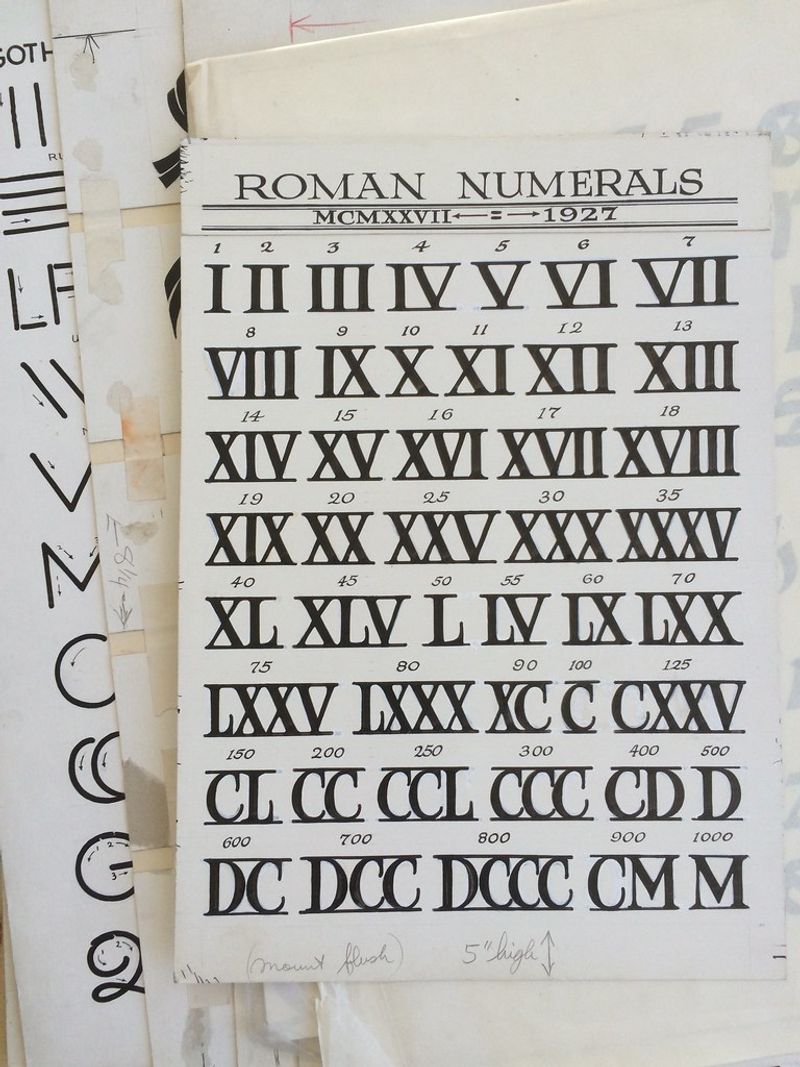
Some schools spent surprising amounts of time teaching that XL means 40 and XC means 90.
Roman numerals have not disappeared. They appear on clock faces, monuments, copyright dates, numbered book sections, monarchs and popes, and certain sporting events.
They are simply no longer the number system used for normal calculations.
Most adults need only enough knowledge to recognize common combinations. Converting long strings under exam pressure was never a daily task.
Knowing that IV means four can be handy when reading a clock or a chapter list. Translating something like MCMLXXXVII at top speed matters much less.
That skill mostly helps if you enjoy historical inscriptions or unusually complicated movie copyright screens. A quick lookup handles the rest, and the basics cover nearly every situation.
Dissecting Frogs

For generations of biology students, anatomy meant a preserved frog, a tray, and a set of dissection tools.
Dissection can give students direct experience with anatomical structures. Biology education now also has models, simulations, and detailed dissection videos.
Research comparing physical dissection with alternatives has found that videos can provide similar levels of student interest while producing less disgust. Different teaching methods still have different strengths.
Unless you went into medicine, veterinary science, biology, or a related field, the frog probably became a vivid memory with almost no role in adult life.
Many classrooms now let students choose a digital option instead. That change gives learners a way to study anatomy without the mess, and teachers can repeat the lesson as often as needed.
Learning to Use a Slide Rule
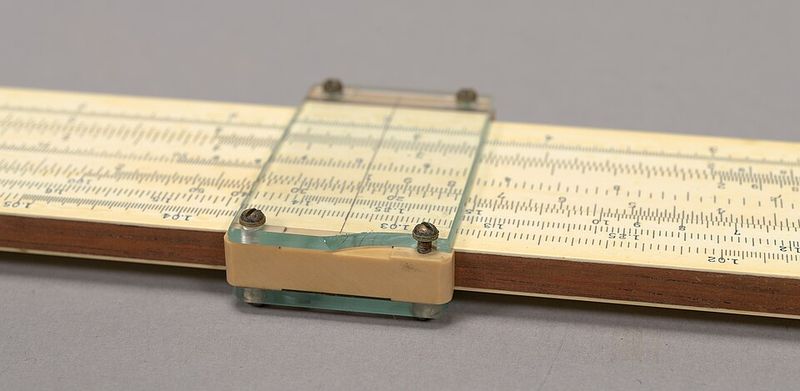
Here is a lesson that truly belongs to another technological era.
Slide rules use logarithmic scales to handle multiplication, division, roots, powers, and some trigonometric operations. For decades they were key tools for engineers, scientists, navigators, and technical students.
Then electronic calculators arrived. The Smithsonian notes that slide rules were major calculating instruments until around 1970, while handheld electronic calculators quickly replaced them during the 1970s.
Learning one today can be fascinating for anyone curious about computing history. As an everyday skill, it has been overtaken by calculators, computers, and phones that finish the same work almost instantly.
Old models still turn up in collections and antique shops, and some hobbyists enjoy using them for fun.
Shakespearean Language
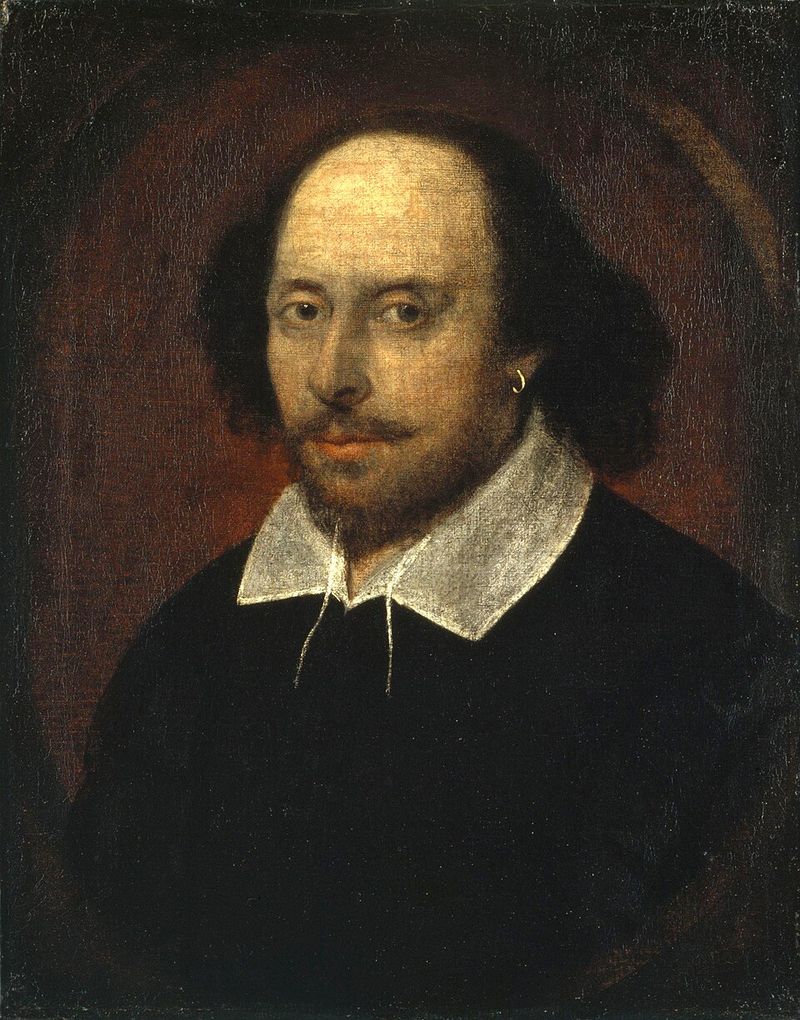
Generations of students have tried to decode sentences that seem determined to put every word in the least convenient spot.
Shakespeare remains hugely important to English literature and theater. His plays expose students to poetry, drama, rhetoric, historical language, and complex characters.
The language can be hard for modern readers, though. The Folger Shakespeare Library explains that more than four centuries of change in language and society separate us from his world, with some words gone and others changed in meaning.
Reading Shakespeare can sharpen interpretation skills. Memorizing obscure vocabulary to translate single lines on a test is something most people happily leave behind after school.
Watching a live performance often makes the stories click faster than a footnote ever could.
Semaphore Flags

At some point, someone decided students should know how to send messages by holding two flags at exact angles.
Semaphore systems send letters or messages through set flag positions. Before modern electronics, visual signaling could be useful in maritime, military, and railway settings.
Today radios, satellites, phones, and digital systems handle long-distance communication far more efficiently.
Semaphore survives in certain maritime traditions, scouting activities, historical demonstrations, and specialist settings. Unless your future involves signaling across a ship without electronics, it is unlikely to become a frequent adult skill.
Interesting? Absolutely.
Essential for everyone? Probably not.
It makes a great party trick, though, and a fun way to learn how people once shared news across a distance.
Long Division by Hand
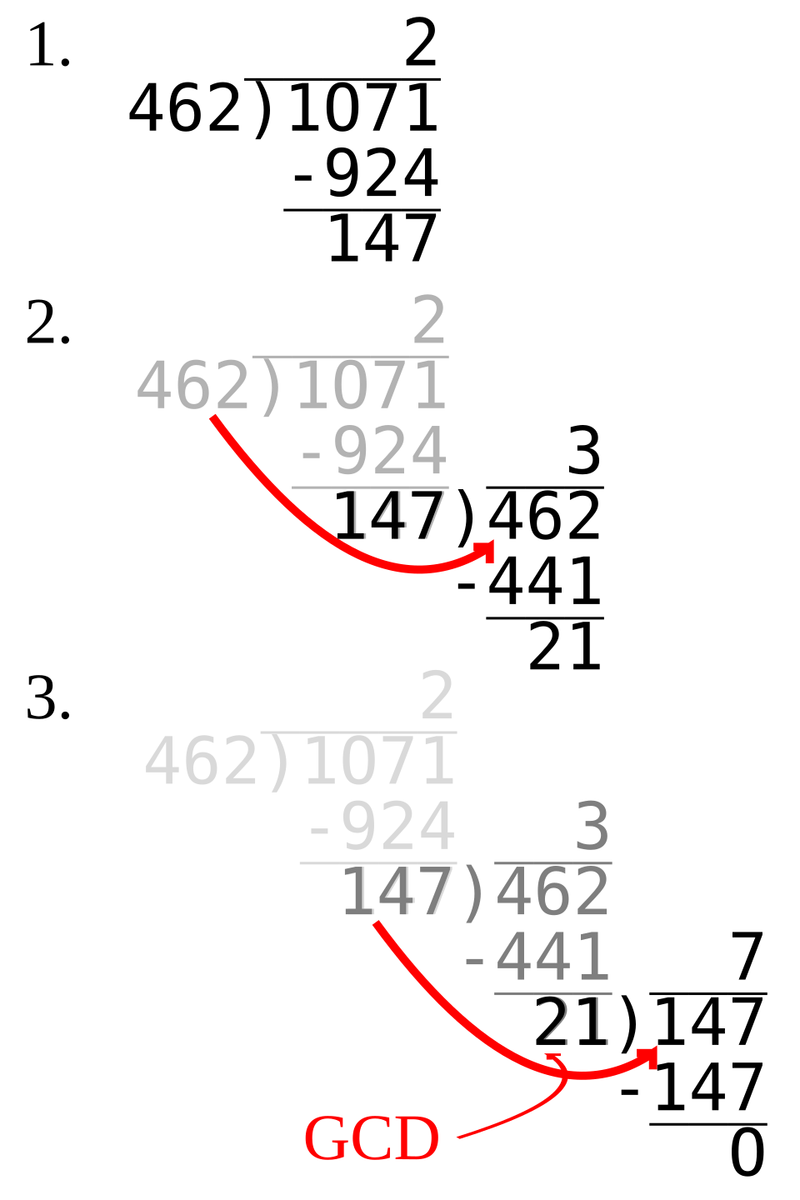
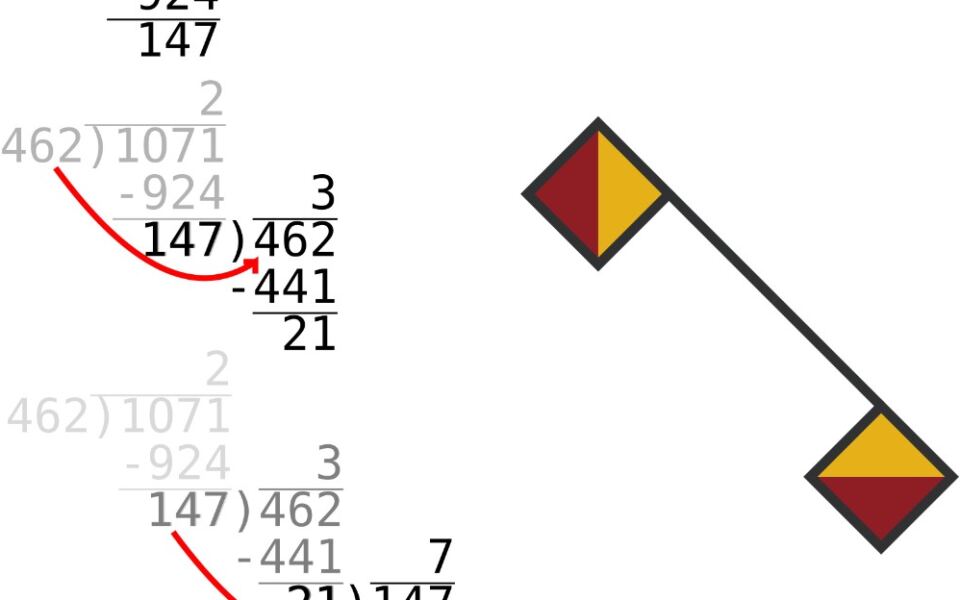
Few math steps created more crossed-out numbers, arrows, and mysterious pencil marks than long division.
The method matters because it shows place value and how division works one step at a time. Students can learn more by doing the calculation than by simply pressing a calculator button.
Once the idea is clear, everyday life rarely asks for pages of handwritten division.
Calculators are built into phones, computers, watches, search engines, and countless other devices. Even people who work with numbers professionally usually use software for complicated problems.
Understanding division remains essential. Becoming lightning fast at dividing huge numbers by hand is far less necessary than it was before cheap electronic calculators became common.
Morse Code
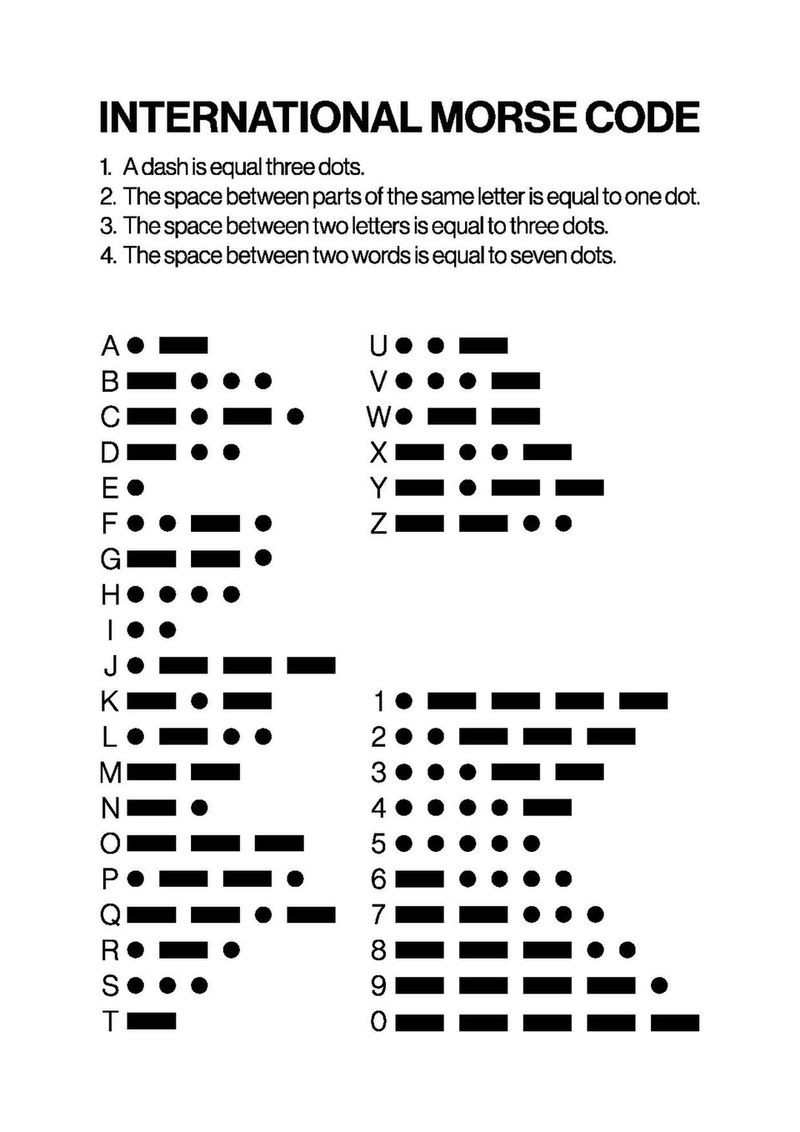
Dots. Dashes.
Short pauses. Long pauses.
And somehow someone in class always learned SOS first.
Morse code was groundbreaking because messages could travel across telegraph systems and later radio networks. Modern digital communication eventually replaced it in most commercial uses.
It has not vanished completely. The American Radio Relay League notes that Morse code is still used by amateur radio operators and has some aviation applications, including identifiers tied to certain radio navigation aids.
That makes it a legitimate specialist skill.
For the average person, memorizing the whole alphabet is more likely to become trivia than a daily way to communicate.
Learning to Use an Abacus
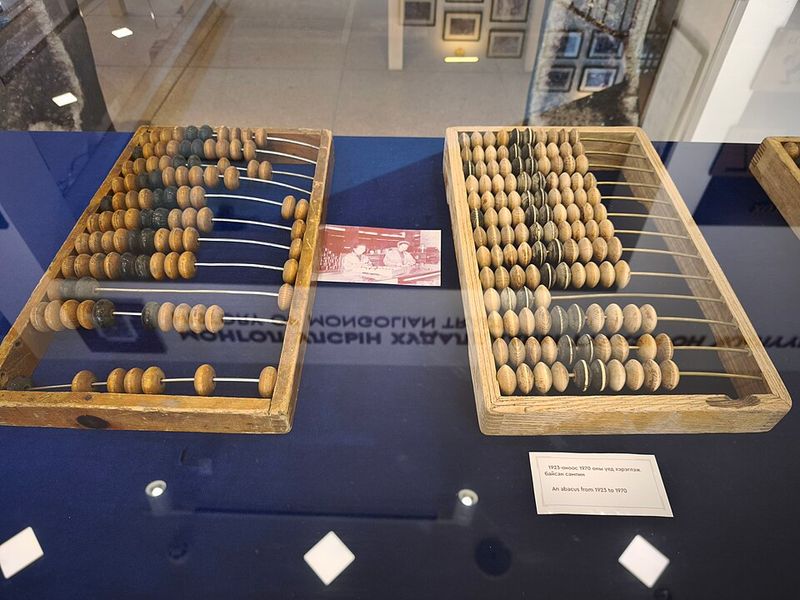
Long before calculators, spreadsheets, and smartphones, the abacus was an extremely effective calculating tool.
Versions of it have been used for centuries to do arithmetic by moving beads or counters along rods or grooves. Learning one can also strengthen number sense and mental arithmetic.
Modern life offers easier ways to split a restaurant bill or check a bank balance.
That puts the abacus in an interesting category. It is not useless at all, but it is unnecessary for most people in a digital society.
Learning the principle can be educational. Becoming an expert at flicking beads is more likely to be a specialized skill than something adults rely on every day.
Home Economics: Sewing

Home economics often taught students to thread needles, attach buttons, repair seams, and sometimes finish whole sewing projects.
Of all the supposedly useless subjects here, this one may deserve a partial defense.
Knowing how to replace a button or fix a small tear can save money and extend the life of clothing. The skill became less common as inexpensive mass-produced clothing made replacing easier than repairing for many shoppers.
You probably do not need to sew an apron from scratch to survive adulthood.
Still, the first time a button pops off your favorite shirt five minutes before you leave, those old classroom lessons suddenly feel very practical.
Learning to Use a Compass
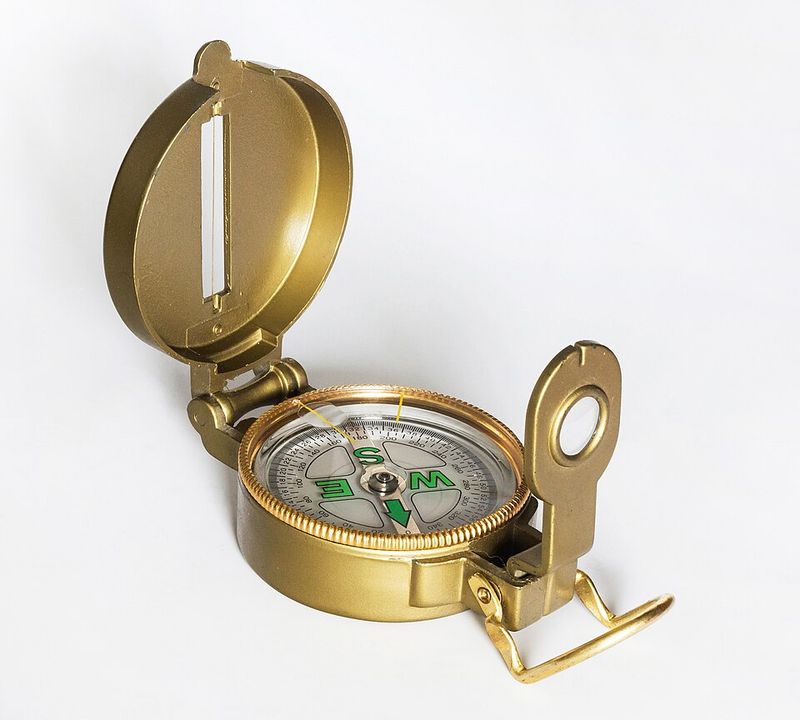
GPS made getting lost remarkably difficult, at least until your battery dies.
Compass navigation teaches direction, orientation, map reading, and how your position relates to the landscape. For ordinary city life, smartphone maps have made those skills much less needed.
Outdoors is another matter.
The U.S. National Park Service still lists navigation gear such as maps, compasses, and GPS systems among recommended hiking essentials and advises people to know how to use them.
So compass skills are not obsolete. They are specialized.
A daily commuter probably does not need them, but someone heading miles into the wilderness may be very glad they paid attention in class.
Learning Binary Code
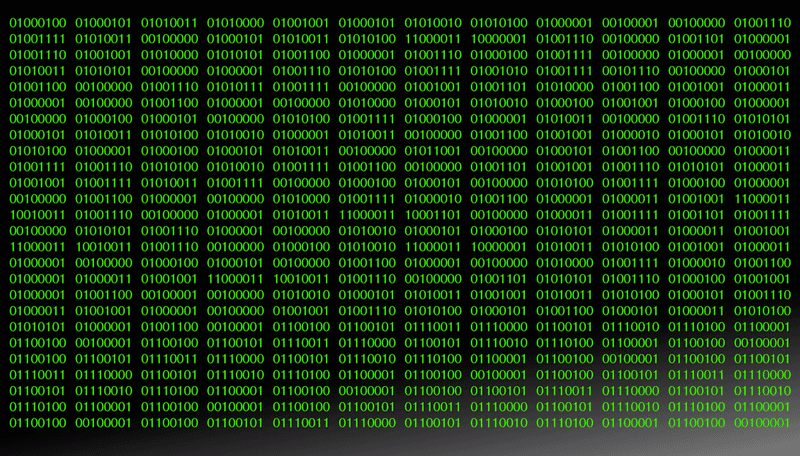
Students learning binary often wondered when they would ever need to write everyday numbers using only zeros and ones.
The answer for most people is probably never by hand.
Yet binary itself could hardly be more relevant. Digital computers represent and process information using binary states, which makes the concept basic to computing and electronics.
What has changed is how people interact with it. Programmers usually work in high-level languages instead of typing enormous streams of binary digits.
Understanding why binary works gives valuable insight into computing. Memorizing long conversions is another matter.
The computers around us rely on binary every second, and thankfully they do not ask us to do the conversions.
Share this story