Some of your favorite foods have a surprising backstory hiding right in their names. From a classic sandwich to a fancy Italian pasta dish, many beloved recipes were actually named after the real people who created or inspired them.
History and food have a way of coming together in the most delicious ways. Here are 15 popular foods that carry a person’s name and the fascinating stories behind them.
1. Beef Wellington
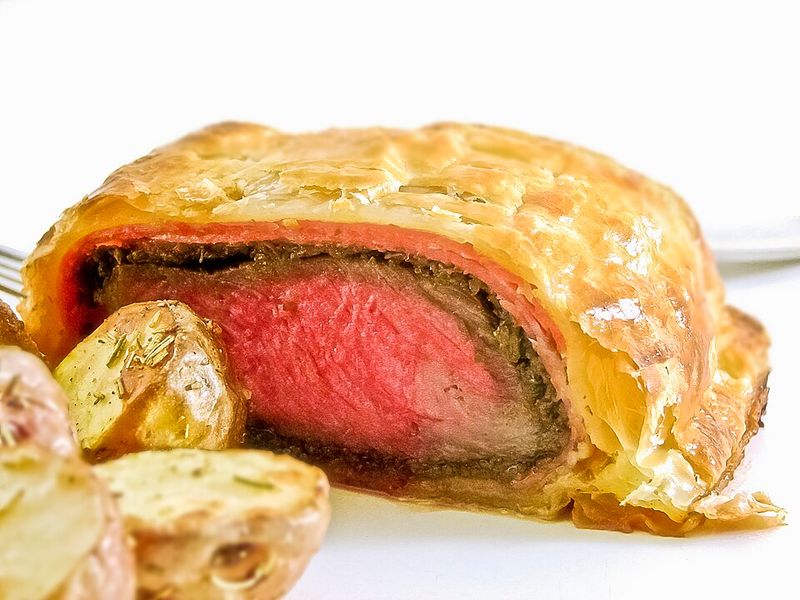
Few dishes carry as much drama and elegance as Beef Wellington, a tender beef fillet wrapped in mushroom paste and golden puff pastry. The dish is widely credited to Arthur Wellesley, the 1st Duke of Wellington, the British military hero famous for defeating Napoleon at the Battle of Waterloo in 1815.
While the exact origin story is debated, the name has stuck for centuries.
Some food historians believe the dish was simply named in his honor rather than invented by him. Either way, the Duke was known to enjoy fine dining and grand celebrations.
The connection made the dish sound prestigious and worthy of a military legend.
Today, Beef Wellington remains a showstopper at dinner parties and fancy restaurants around the world. Its rich flavor and impressive presentation make it a timeless classic that carries a little piece of British history in every slice.
2. The Sandwich
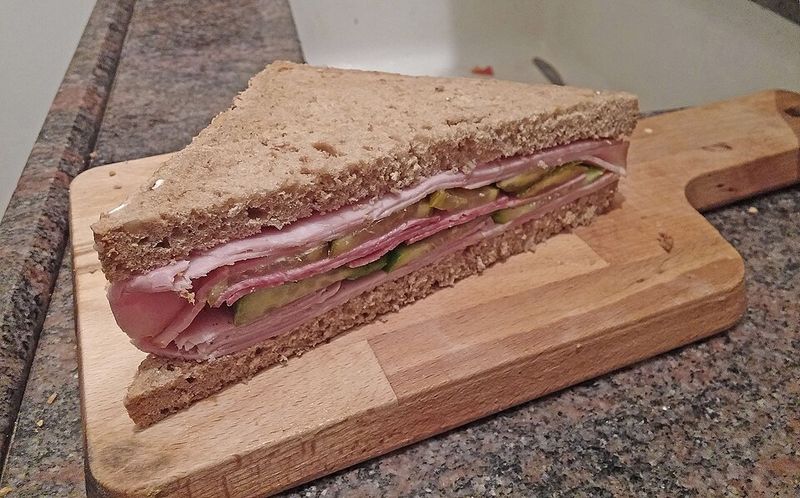
It is hard to imagine lunch without a sandwich, yet this everyday staple owes its name to one very specific man. John Montagu, the 4th Earl of Sandwich, is credited with popularizing the idea of placing meat between two slices of bread in the 1760s.
Legend says he requested it so he could eat without leaving the card table during long gambling sessions.
Whether the story is completely true or slightly embellished, the Earl’s love for convenient eating changed food culture forever. Cooks began referring to the meal as a “sandwich” in his honor, and the name spread quickly across England and beyond.
Today, sandwiches come in thousands of varieties, from simple peanut butter and jelly to towering club sandwiches packed with layers of flavor. Every time someone grabs a quick bite between two slices of bread, they are unknowingly tipping their hat to an 18th-century British nobleman.
3. Caesar Salad
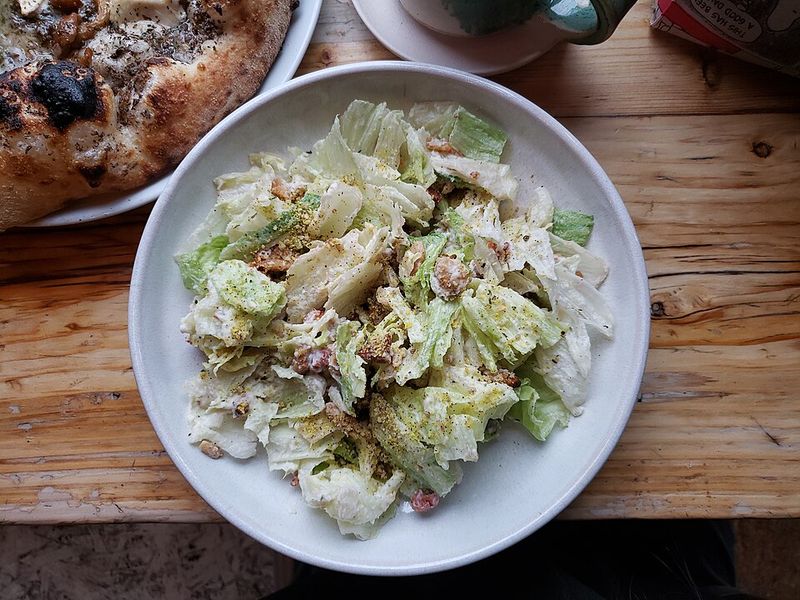
Caesar Cardini was an Italian-born chef and restaurateur working in Tijuana, Mexico, when he accidentally created one of the most popular salads in the world. On a busy Fourth of July weekend in 1924, his kitchen was running low on supplies.
He tossed together romaine lettuce, parmesan cheese, croutons, lemon juice, olive oil, egg, and Worcestershire sauce, and the Caesar salad was born.
Cardini reportedly mixed the salad tableside to impress his guests, making the whole experience feel theatrical and special. Word spread quickly, and soon Hollywood celebrities were driving across the border just to enjoy his creation.
His daughter Rosa later trademarked the original Caesar dressing recipe to protect her father’s legacy. Today, Caesar salad is served everywhere from fast food chains to upscale restaurants.
It is a remarkable story of kitchen improvisation turning into a global food phenomenon that still carries the chef’s name proudly.
4. Peach Melba
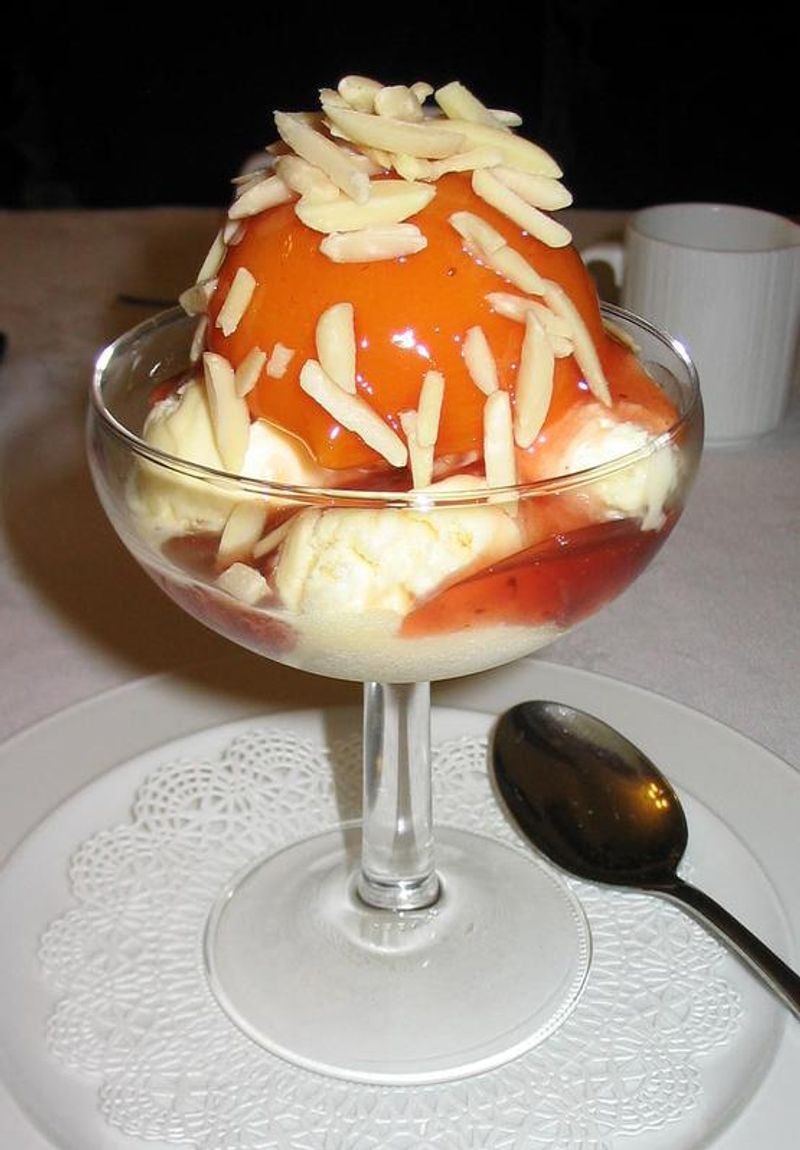
Named after the legendary Australian opera singer Dame Nellie Melba, Peach Melba is one of the most elegant desserts in culinary history. The dish was created in the 1890s by the famous French chef Auguste Escoffier, who worked at the Savoy Hotel in London.
He crafted the dessert as a tribute after attending one of Melba’s performances and being completely captivated by her talent.
The original version featured poached peaches, vanilla ice cream, and a raspberry sauce, all arranged beautifully to reflect the grace and beauty of the performer herself. Escoffier reportedly presented it to her in an ice sculpture of a swan, inspired by a role she played in an opera.
Peach Melba remains a staple of classic French cuisine and fine dining menus worldwide. It is a sweet reminder that food can be just as artistic and expressive as a perfectly performed opera aria.
5. Melba Toast
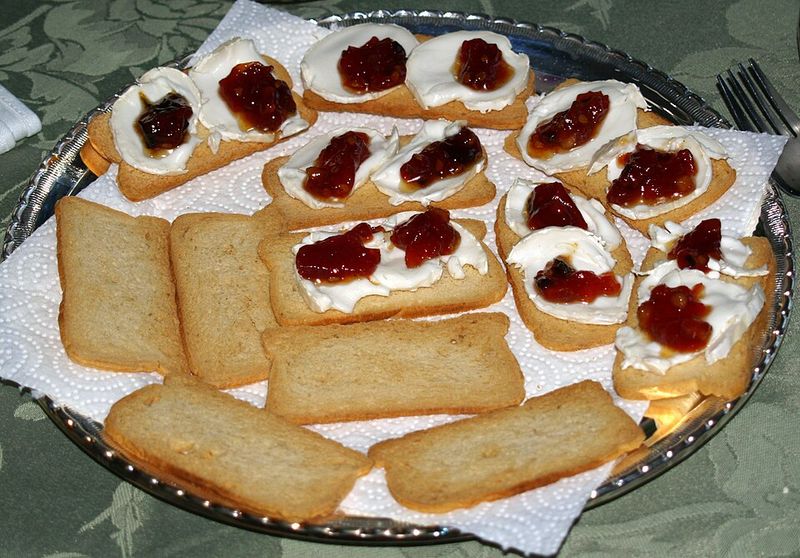
Dame Nellie Melba inspired not one but two famous foods, and Melba Toast is the second one. The story goes that Melba fell seriously ill in 1897, and her doctor placed her on a very restricted diet.
Chef Auguste Escoffier, who had already created Peach Melba in her honor, came up with these thin, twice-toasted slices of bread to help her eat something light and easy to digest.
The crispy crackers were so popular with other hotel guests that the Savoy began serving them regularly. Escoffier named them after Melba as a nod to the challenging time she was going through, and the name stuck permanently.
Today, Melba Toast is a pantry staple enjoyed with soups, cheese spreads, and dips around the world. It is remarkable that one opera singer ended up with her name on both a luxurious dessert and a humble, everyday cracker loved by millions.
6. Eggs Benedict
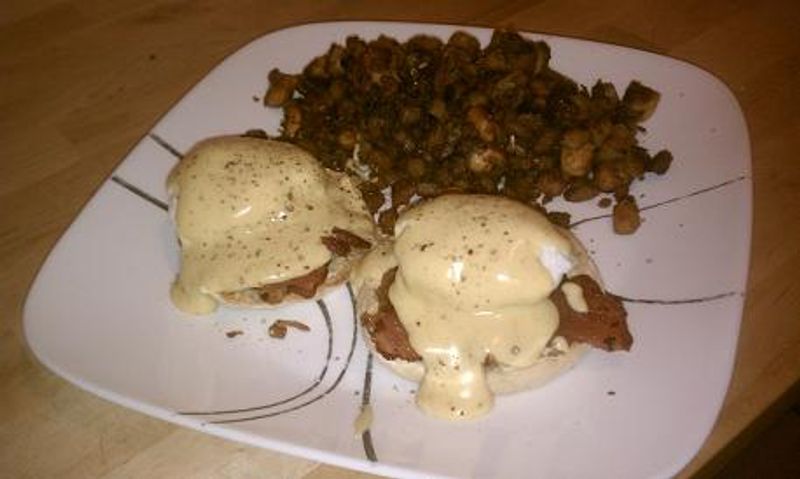
Eggs Benedict has a slightly murky origin, but the most widely accepted story points to a New York stockbroker named Lemuel Benedict. In 1894, he reportedly walked into the Waldorf Hotel feeling hungover and asked for buttered toast, crispy bacon, two poached eggs, and hollandaise sauce.
The maitre d’ was so impressed that he added it to the menu, swapping toast for English muffins and bacon for Canadian ham.
Another version credits a couple named Mr. and Mrs. LeGrand Benedict, who were regulars at Delmonico’s restaurant in New York. Regardless of who actually came up with it first, the dish became a brunch icon almost immediately.
Today, Eggs Benedict is one of the most ordered brunch items across the United States and beyond. Variations like smoked salmon Benedict or avocado Benedict show just how versatile and beloved this poached egg masterpiece has become over more than a century.
7. Carpaccio
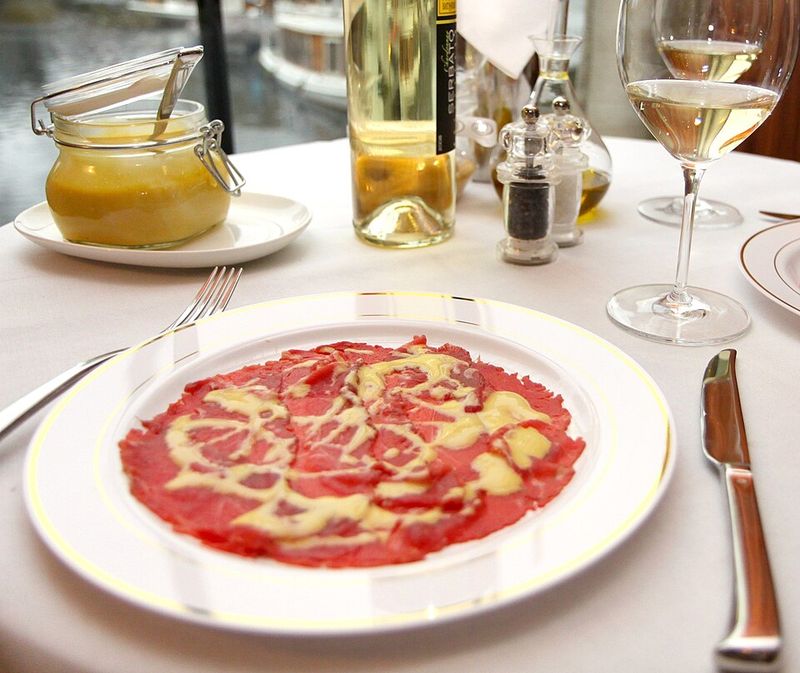
Carpaccio is a dish of thinly sliced raw meat or fish, usually drizzled with olive oil and lemon, and it was named after a 15th-century Italian Renaissance painter. Giuseppe Cipriani, the founder of Harry’s Bar in Venice, created the dish in 1950 for a countess whose doctor had forbidden her from eating cooked meat.
He named it after Vittore Carpaccio because the dish’s deep red color reminded him of the rich crimson tones in the painter’s famous works.
Vittore Carpaccio was known for his vivid use of red and white in his paintings, and the visual connection felt natural and poetic to Cipriani. The dish became a signature item at Harry’s Bar and quickly gained international attention.
Now carpaccio appears on menus worldwide in many creative forms, including tuna, salmon, and even beet versions. It is a beautiful example of art and food history blending together on a single plate.
8. Nachos
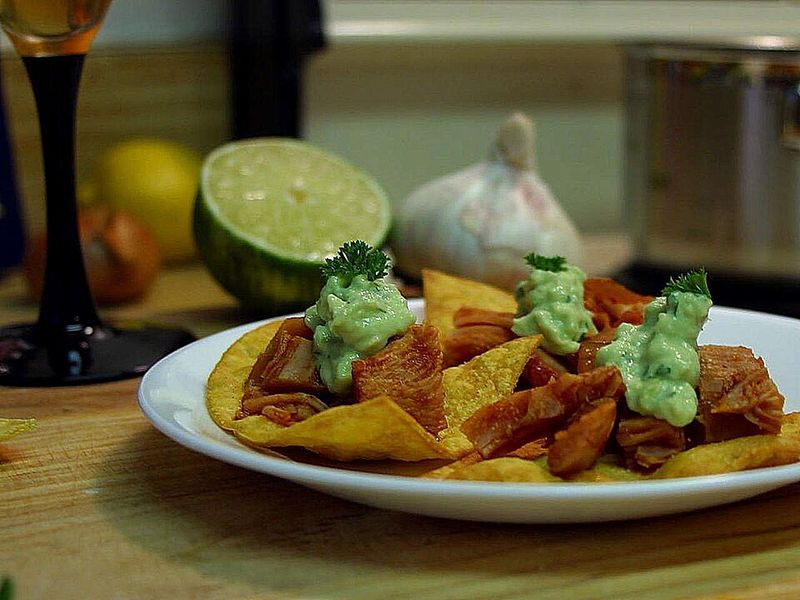
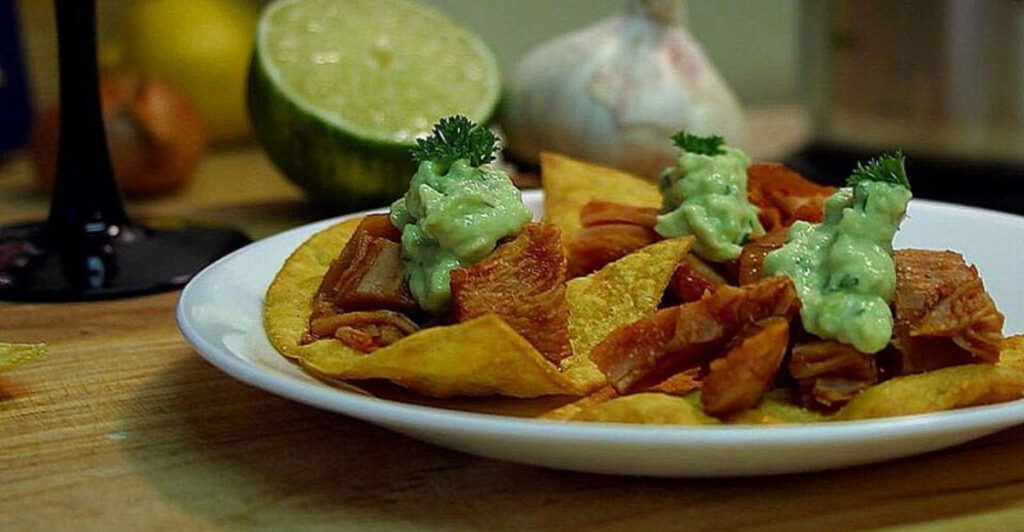
Nachos were born out of a happy accident in 1943 at a small restaurant called the Victory Club in Piedras Negras, Mexico, just across the border from Eagle Pass, Texas. A group of U.S. military wives arrived after the restaurant had officially closed for the night.
The maitre d’, Ignacio Anaya, nicknamed “Nacho,” had to improvise with whatever was left in the kitchen.
He grabbed tortilla chips, sliced jalapenos, and shredded Wisconsin cheese, then quickly baked them together. The ladies loved the snack so much that they asked what it was called.
Nacho proudly named it after himself, calling it “Nacho’s especiales.”
From that small border-town kitchen, nachos grew into one of the most popular snack foods in the world. They are now a staple at sporting events, movie theaters, and restaurants everywhere.
Ignacio Anaya never patented the idea, but his nickname lives on at every chip-and-cheese moment shared worldwide.
9. Pavlova
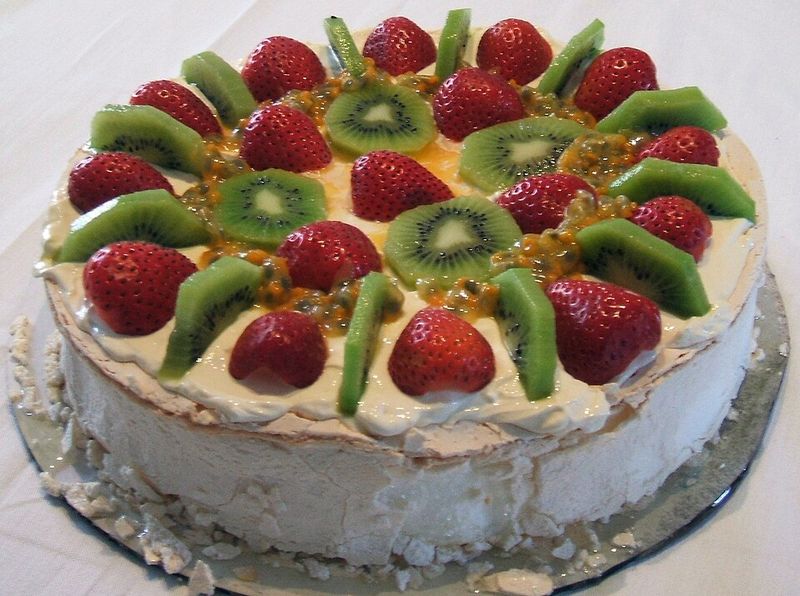
Light, airy, and topped with fresh fruit, pavlova is a meringue-based dessert that was created to honor one of the greatest ballet dancers who ever lived. Anna Pavlova was a Russian prima ballerina who toured the world in the early 1900s, dazzling audiences everywhere she performed.
When she visited Australia and New Zealand in the 1920s, local chefs wanted to create something as light and graceful as her dancing.
Both countries still debate which one invented the dessert first, and the rivalry remains friendly but fierce. The crispy outer shell giving way to a soft, marshmallow-like center is said to reflect the layers of a ballerina’s tutu.
Pavlova is now a beloved national dessert in both Australia and New Zealand, especially during holidays and summer celebrations. Topped with whipped cream, strawberries, kiwi, and passionfruit, it is as visually stunning as the woman it was named after.
10. Fettuccine Alfredo
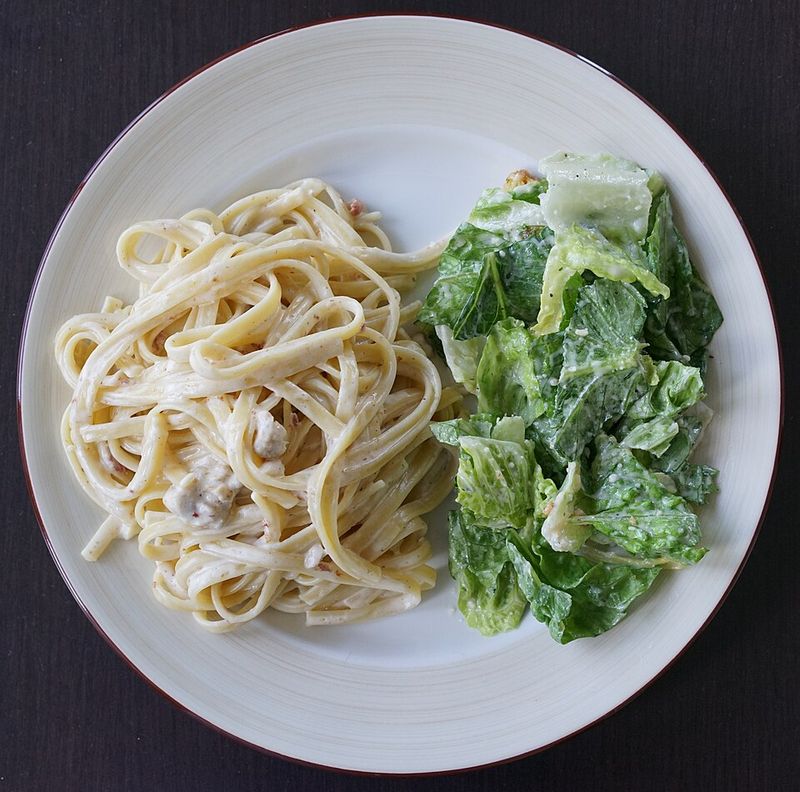
Behind one of the world’s most beloved pasta dishes is a Roman restaurateur with a very simple goal: help his wife recover after giving birth. In 1908, Alfredo di Lelio created a rich, buttery pasta dish to help his wife regain her strength and appetite after the birth of their son.
He mixed fresh fettuccine with generous amounts of butter and parmesan cheese until it became a silky, comforting bowl of pure warmth.
The dish became a staple at his Rome restaurant, but it truly exploded in popularity when American silent film stars Douglas Fairbanks and Mary Pickford tried it during their honeymoon in 1920. They were so enchanted that they brought golden forks back to Alfredo as a gift, and word spread fast across the Atlantic.
Today, Fettuccine Alfredo is a cornerstone of Italian-American cooking. The version served in the U.S. often includes heavy cream, though Alfredo’s original recipe relied solely on butter and cheese.
11. Graham Crackers
Graham crackers were not originally designed to be a snack. Sylvester Graham was a 19th-century American minister and dietary reformer who believed that a bland, plant-based diet could improve both physical and moral health.
In the 1820s and 1830s, he promoted whole wheat flour as a healthier alternative to refined white flour, which he thought was dangerous and overly stimulating.
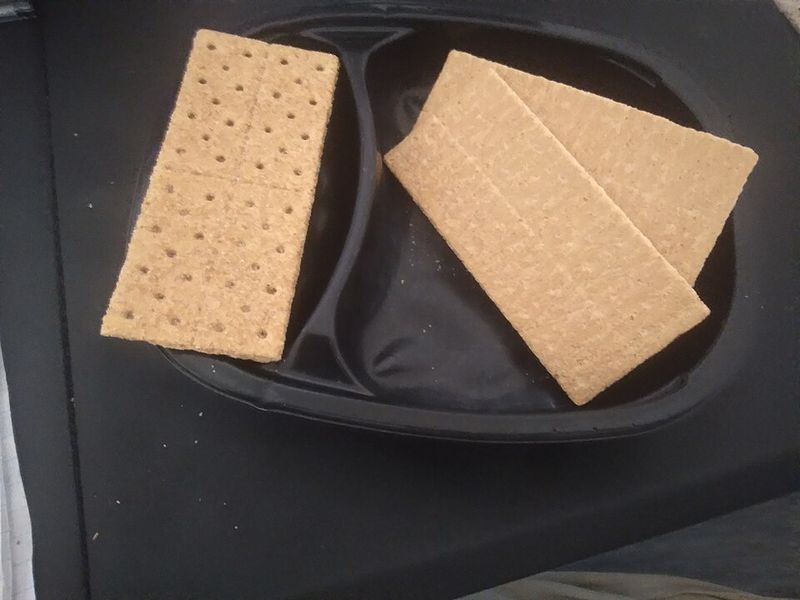
He developed a cracker made from coarsely ground whole wheat flour, which his followers called “Graham crackers” in his honor. Graham believed that spicy, rich, and flavorful foods encouraged immoral behavior, so his crackers were intentionally plain and unsweetened.
The irony is that today’s graham crackers are sweet, honey-flavored, and used as the base for s’mores and cheesecake crusts, which is basically the opposite of Graham’s original vision. His name lives on, though his strict dietary philosophy has been largely forgotten in favor of marshmallows and chocolate.
12. Reuben Sandwich
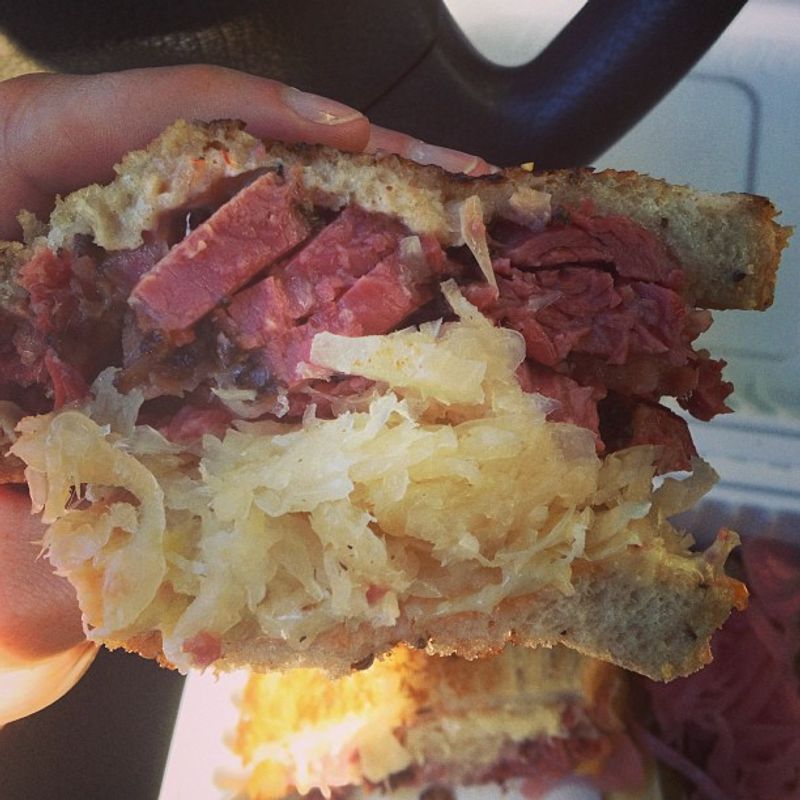
The Reuben sandwich is a stack of corned beef, sauerkraut, Swiss cheese, and Thousand Island dressing grilled between slices of rye bread, and its origin story comes with competing claims. The most popular version credits Reuben Kulakofsky, a Lithuanian-born grocer from Omaha, Nebraska, who allegedly created the sandwich during a late-night poker game around 1925.
The other claim comes from New York, where Arnold Reuben, owner of Reuben’s Restaurant and Delicatessen, reportedly invented a similar sandwich years earlier. Food historians have gone back and forth on the debate for decades without a clear winner.
What is not debated is how delicious the sandwich became. It won a national sandwich competition in 1956, which helped spread its popularity across the entire country.
Today, the Reuben is a cornerstone of American deli culture, showing up on menus from coast to coast as a hearty, satisfying classic that clearly stood the test of time.
13. Margherita Pizza
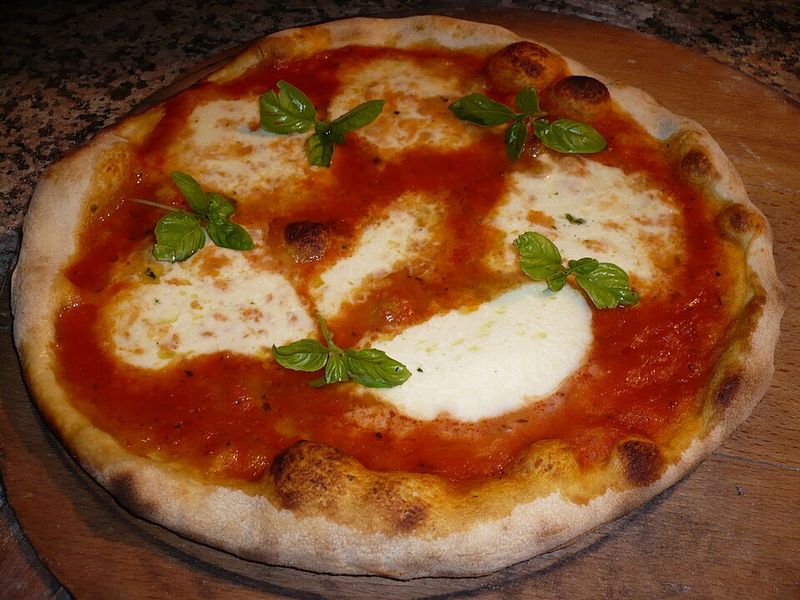
The story of Margherita pizza is one of the most charming in all of food history. In 1889, Queen Margherita of Savoy visited Naples, Italy, and a local pizza maker named Raffaele Esposito was asked to prepare a special meal in her honor.
He made three different pizzas, and the Queen’s favorite featured tomatoes, mozzarella cheese, and fresh basil, the three colors of the Italian flag.
Esposito named the pizza after her, and the royal endorsement made it famous overnight. A letter of appreciation from the Queen’s household is still preserved and displayed in Naples today, adding a delightful paper trail to the legend.
Margherita pizza became the standard by which all other pizzas are measured. Its simple combination of quality ingredients reflects the heart of Italian cooking philosophy.
Whether you top yours with pepperoni or keep it classic, every pizza you eat traces its roots back to this royal Neapolitan moment.
14. Bananas Foster
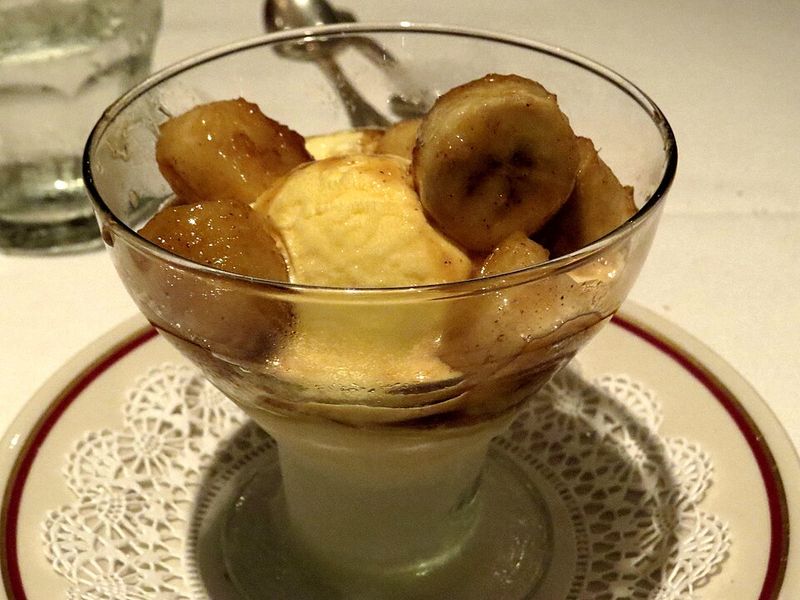
Bananas Foster is a warm, caramelized dessert made with bananas, butter, brown sugar, cinnamon, and rum, served flaming tableside over vanilla ice cream. It was created in 1951 at Brennan’s Restaurant in New Orleans, Louisiana, by chef Paul Blange.
The restaurant’s owner, Owen Brennan, challenged his chef to create a new dessert featuring bananas, since New Orleans was a major port city for banana imports at the time.
The dish was named after Richard Foster, a friend of Owen Brennan’s and the chairman of the New Orleans Crime Commission. Foster was a regular customer and a respected figure in the city, so naming the dessert after him was a natural and flattering tribute.
Bananas Foster quickly became one of the most famous desserts in American culinary history. Brennan’s Restaurant reportedly uses around 35,000 pounds of bananas every year to keep up with demand, proving that this sweet, boozy classic has never gone out of style.
15. Salisbury Steak
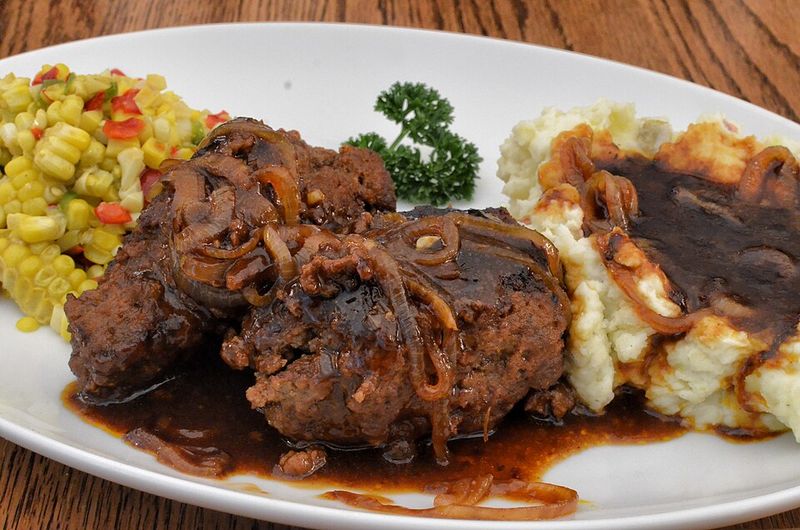
Long before the frozen TV dinner version became a school cafeteria staple, Salisbury steak had a serious medical origin story. Dr. James H.
Salisbury was a 19th-century American physician who believed that a diet centered on lean ground beef could cure a wide range of health problems, including digestive issues and even certain mental conditions. He recommended his patients eat ground beef patties three times a day.
Dr. Salisbury published his dietary ideas in an 1888 book called “The Relation of Alimentation and Disease,” making him one of the early advocates for what might loosely be called a high-protein diet. His followers began referring to the seasoned ground beef patties as Salisbury steaks in his honor.
Today, Salisbury steak is far removed from its medicinal roots and is simply a hearty, comforting dish smothered in gravy. It remains a staple of American comfort food, showing up in diners, home kitchens, and yes, still in the occasional frozen meal aisle.
Share this story