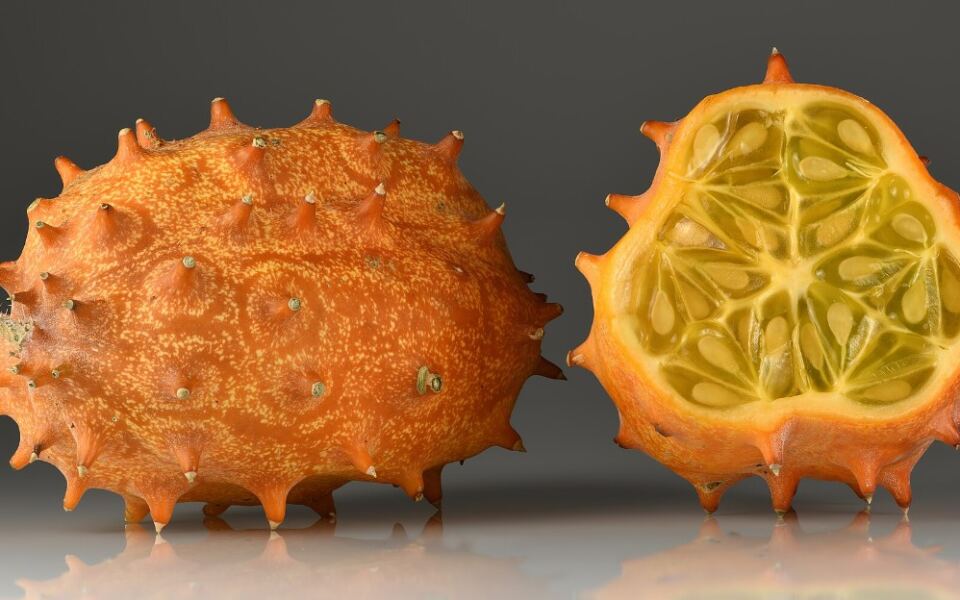
Exotic fruits can look strange on the shelf, and many shoppers walk past them because they are not sure where to start. The good news is that most of them are simple to open once you know the trick.
A sharp knife, a spoon, and a little patience are usually all you need. Here is a friendly guide to enjoying fifteen of them.
1. Dragon Fruit (Pitaya)
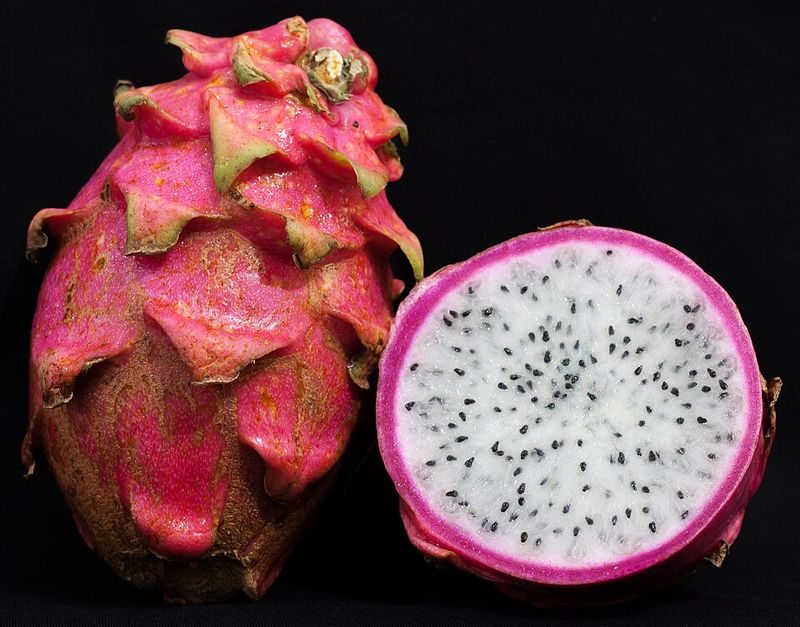
With its hot pink skin and green scales, dragon fruit looks like something from a fantasy movie. Inside, though, it is calm and mild, with a flavor somewhere between a pear and a kiwi.
The easiest method is to cut the fruit in half from top to bottom. Then take a spoon and slide it between the skin and the flesh.
The whole scoop should come out in one piece, ready to slice or eat right away.
Those tiny black seeds scattered through the flesh are edible, so there is no need to pick them out. They add a light crunch, much like the seeds in a kiwi.
Chill the fruit first for the best taste. Cold dragon fruit is more refreshing, and it works well cubed into yogurt bowls or fruit salads.
2. Rambutan
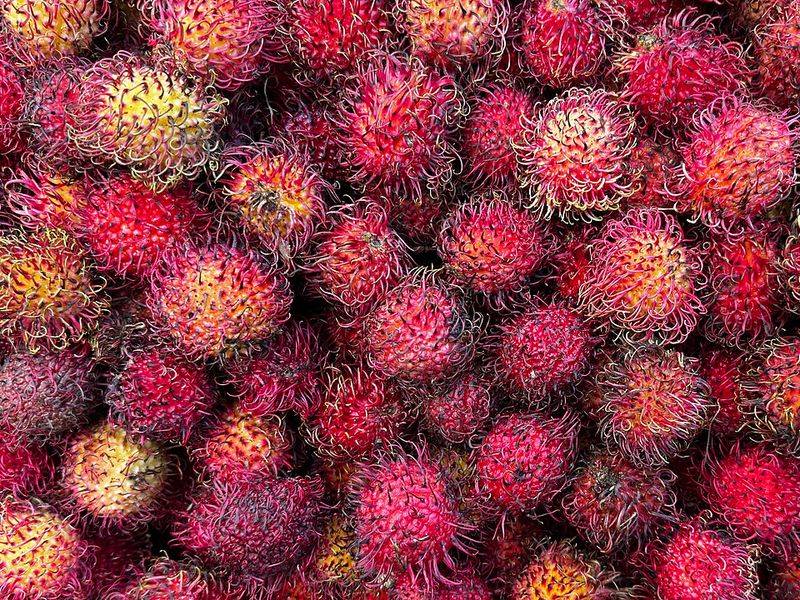
Few fruits look as wild as the rambutan, which is covered in soft, hairy spikes. The name actually comes from the Malay word for hair.
Behind that shaggy look is a juicy, grape-like treat.
To open one, make a shallow cut around the middle of the skin with a small knife. Then pull the two halves apart, or just squeeze gently until the flesh pops free.
Your fingers can do most of the work.
The white flesh is sweet with a slight floral note. Inside sits one seed, and it should not be eaten, so spit it out or cut around it.
Rambutans taste best when fresh, with bright red skin. Store them in the fridge and eat them within a few days.
3. Mangosteen
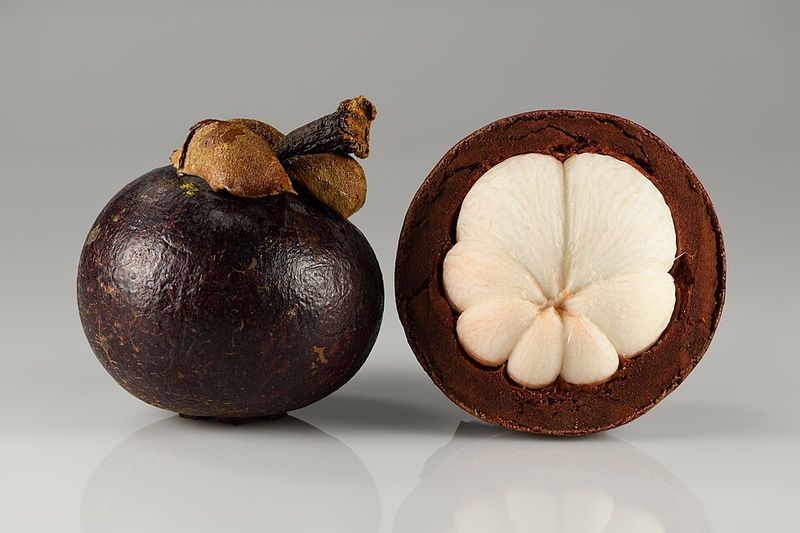
Called the queen of fruits in Southeast Asia, the mangosteen hides a delicate treat inside a tough purple shell. Nothing about the outside suggests how soft and fragrant the inside will be.
Hold the fruit in both hands and press gently around the middle until the rind cracks. You can also score the shell with a knife, but be careful to cut only through the rind.
Then lift off the top half like a lid.
Inside you will find white segments arranged like garlic cloves. Pull them out one at a time.
They taste sweet and a little tangy, with a texture like a ripe peach.
Some segments have a bigger seed, which is bitter, so avoid biting into it. Skip the purple rind, too, since its juice can stain fingers and clothes.
4. Durian
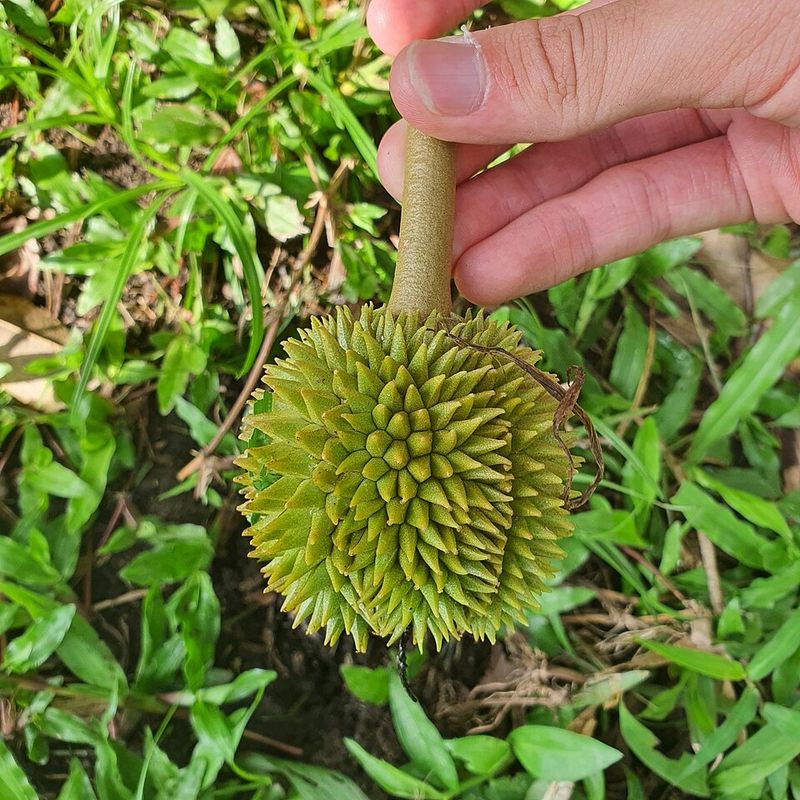
Love it or hate it, durian is famous for its powerful smell. Some hotels in Asia even ban it from their rooms.
Yet fans swear its custard-like flesh is one of the most rewarding tastes on earth.
Opening a whole durian takes a sturdy knife and thick gloves. Find the natural seams that run along the husk and cut along them, then pry the fruit apart.
If that sounds like too much work, buy it pre-opened from a market or grocery store.
Inside, the creamy yellow flesh wraps around large seeds. Eat the flesh only and set the seeds aside.
First-timers should start with a small piece. Eating it chilled can soften the smell, and it is best enjoyed in a well-ventilated space.
5. Jackfruit
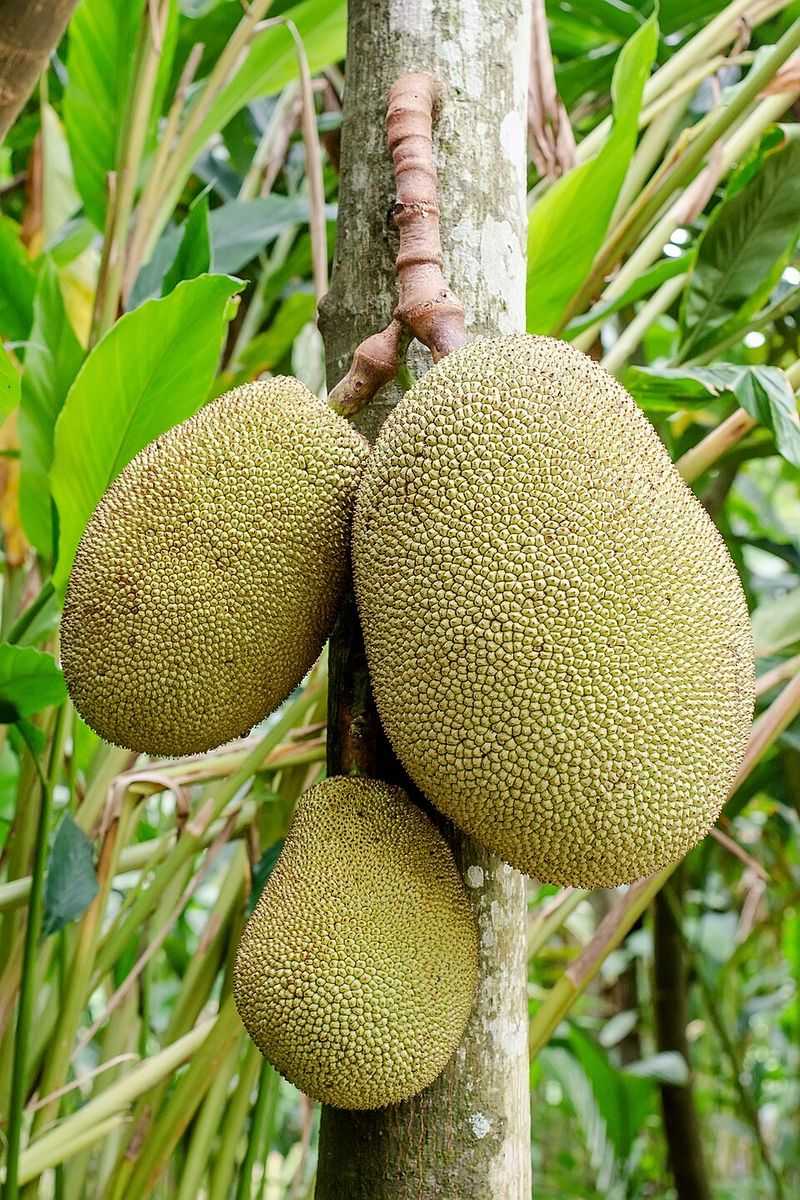
Picture a fruit as big as a toddler. Jackfruit is the largest tree fruit in the world, and a single one can weigh over forty pounds.
Cutting into it is more of a kitchen project than a snack.
Start by rubbing cooking oil on your knife and hands. The fruit has a sticky white sap that clings to everything, and oil keeps it from gluing itself to your tools.
Slice the fruit open and pull out the yellow pods.
Each pod holds a seed. Discard the seeds, or boil or roast them separately, since they should be cooked before eating.
Ripe jackfruit tastes like a mix of banana and pineapple. Many cooks also use unripe jackfruit as a meat substitute in savory dishes.
6. Passion Fruit
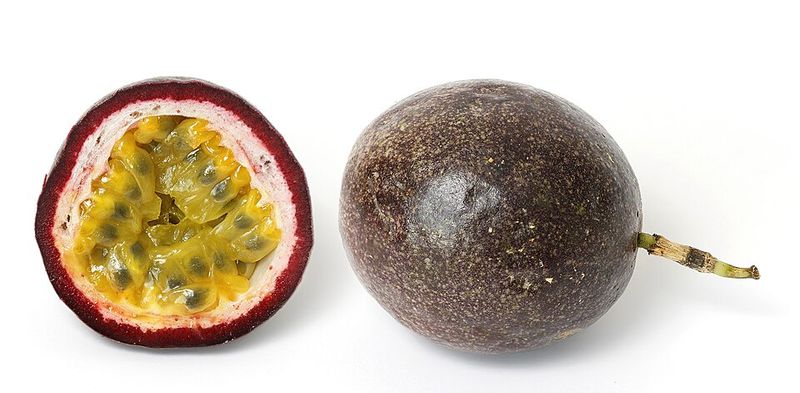
A wrinkled passion fruit may look past its prime, but that crinkly skin usually means it is ready. Smooth, firm ones are often still ripening, so give them a few days on the counter.
Slice the fruit in half with a knife and you will see golden, jelly-like pulp packed around dark seeds. Scoop it out with a spoon and eat it straight from the shell.
The seeds are crunchy and perfectly safe to swallow.
The taste is bold, tart, and fragrant, so a little goes a long way. Many people stir the pulp into yogurt, drizzle it over ice cream, or mix it into sparkling water.
The thick outer rind is not eaten, but it makes a handy little bowl for serving.
7. Starfruit (Carambola)
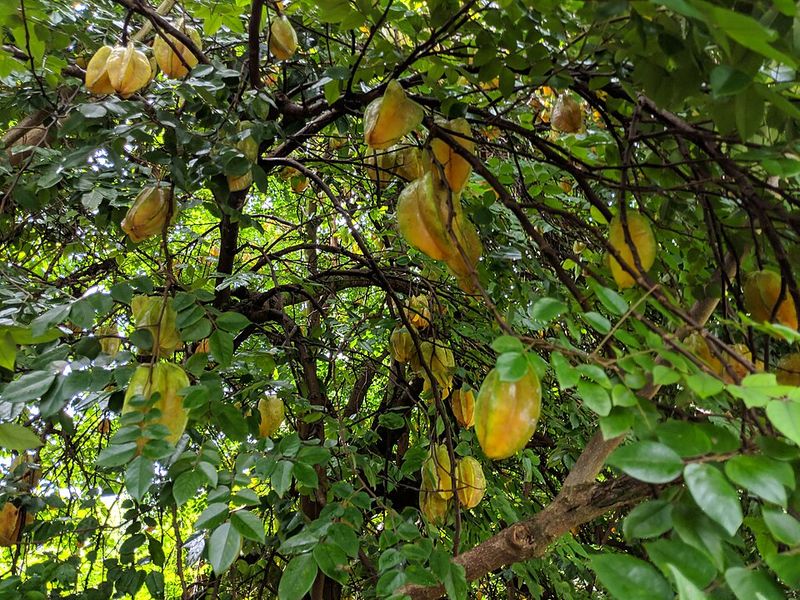
Slice a starfruit crosswise and every piece turns into a perfect star. That built-in party trick makes it a favorite for decorating plates and drinks.
Preparation is quick. Wash the fruit well, then trim the brownish edges of the ridges if you like.
Slice it across into thin pieces and pick out any seeds. The skin is edible, so there is no peeling required.
The flavor is juicy and lightly tart, somewhat like a mix of apple and grape. Ripe, yellow fruits taste sweeter than green ones.
One important safety note: people with kidney disease should avoid starfruit. It contains a substance that the kidneys may struggle to clear, so anyone with kidney concerns should check with a doctor first.
8. Cherimoya
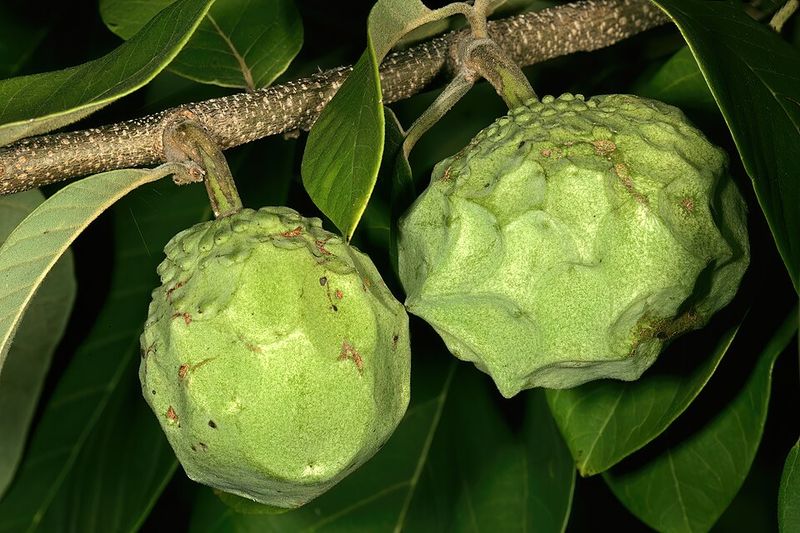
Mark Twain once called the cherimoya the most delicious fruit known to men. That is quite a review for a bumpy green fruit that looks a bit like an artichoke.
Wait until it gives slightly when pressed, like a ripe avocado. Then cut it in half and scoop out the creamy flesh with a spoon.
Its texture is soft and custard-like, which is why some people call it the custard apple.
The flavor blends banana, pineapple, and a hint of vanilla. Chilling it in the fridge for an hour makes it even better.
Remove the large black seeds as you go, since they are not safe to eat. Skip the skin as well, and just enjoy the sweet, smooth center.
9. Kiwano (Horned Melon)
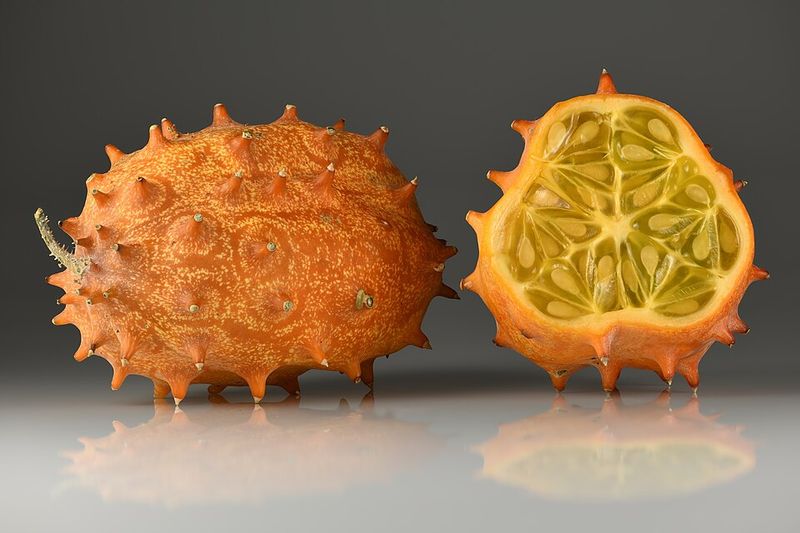
Bright orange and covered in spikes, the kiwano looks more like a decoration than dinner. Cut it open, though, and you find a vivid green surprise.
Slice the melon in half lengthwise. Use a spoon to scoop out the jelly-like pulp, or squeeze it right into your mouth if you are feeling adventurous.
The spikes are blunt, but the rind is not meant for eating.
The seeds are soft and edible, much like cucumber seeds. The taste is mild and refreshing, with notes of cucumber, lime, and banana.
Because the flavor is gentle, many people add a pinch of salt or a squeeze of lime. It also makes a colorful topping for smoothies, salads, and cocktails.
10. Longan
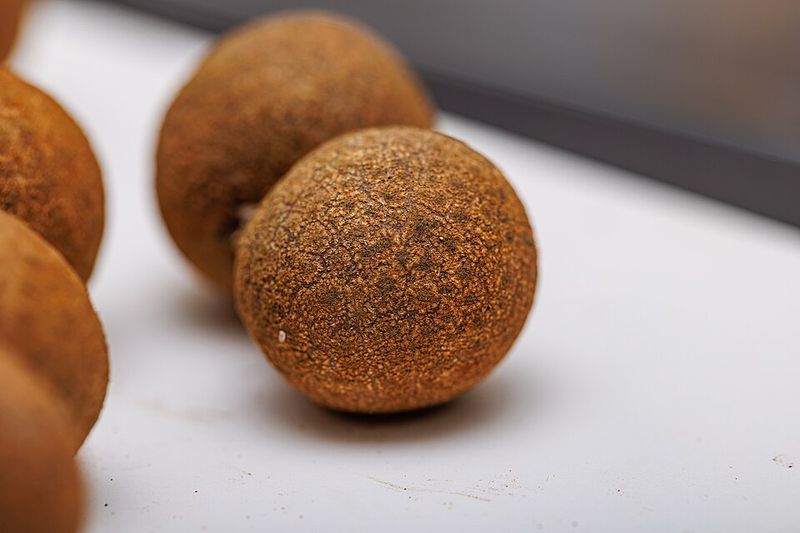
The name longan means dragon eye in Chinese, and one look at a peeled fruit explains why. A glossy black seed sits inside a pale, see-through ball of flesh, like a little eye staring back.
Opening it takes no tools at all. Squeeze the thin, brown shell between your fingers until it cracks, then peel it away.
The flesh slips out easily.
The taste is sweet and musky, similar to a lychee but a bit lighter. Eat the flesh and avoid the hard black seed in the center.
Longans are often sold in bunches still on the stem. Keep them in the fridge, and eat them within about a week.
They are also popular in sweet soups and herbal teas across Asia.
11. Lychee
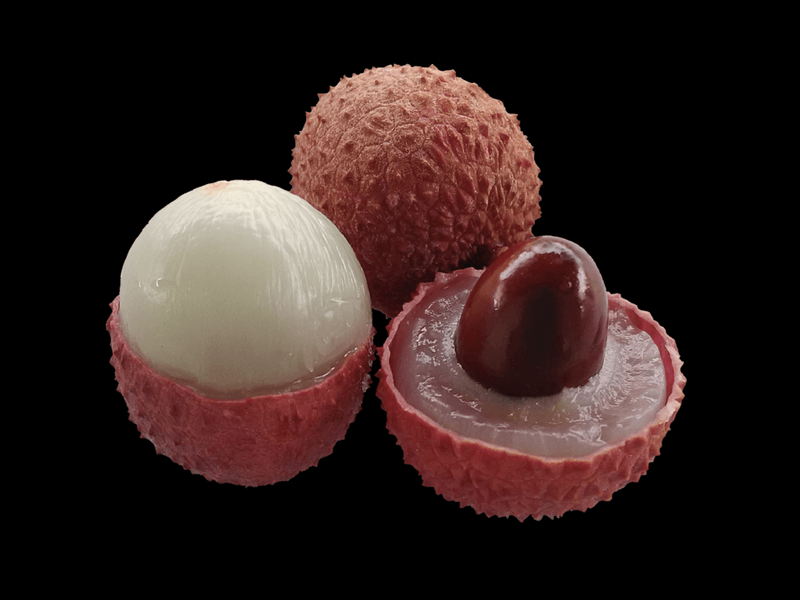
In ancient China, lychees were treasured so much that emperors had them rushed to the palace by fast horses. Today you can pick them up at many grocery stores in summer.
Peeling one is easy. Dig your thumbnail into the rough red skin near the stem and pull it away.
The shell comes off in a piece or two, leaving a glossy white globe.
The flesh is juicy, sweet, and floral, with a taste a little like grapes and roses. Be sure to discard the large, shiny seed in the middle.
Lychees are especially good when chilled. Toss a handful in the freezer for twenty minutes and you have a cool, sweet snack for a hot afternoon.
12. Salak (Snake Fruit)
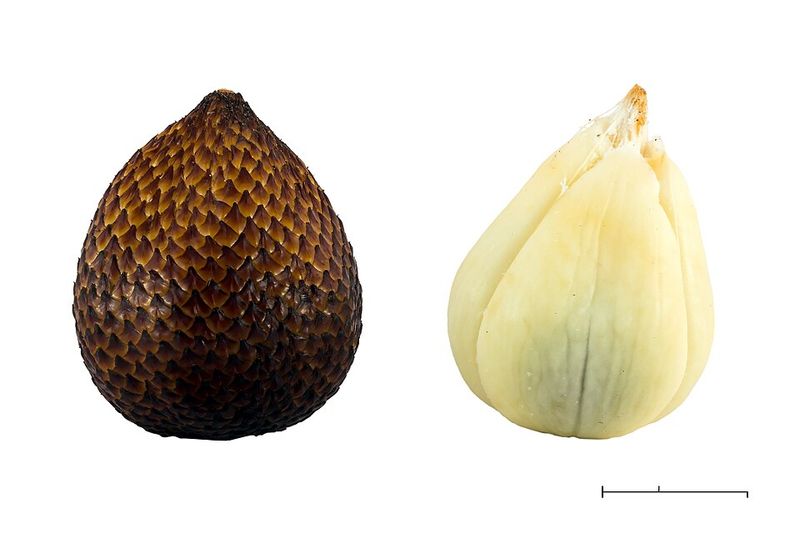
Snake fruit gets its nickname from its reddish-brown, scaly skin that looks a lot like a reptile. Despite that tough look, it peels easily and rewards you with a crisp bite.
Pinch the pointed tip of the fruit and pull gently. The skin should crack and peel away in pieces, since it is thin and brittle.
Underneath, you will find segments that look a bit like garlic cloves.
Separate the segments and remove the hard seeds inside each one. The texture is crunchy, and the flavor mixes apple, pineapple, and a little tartness.
Watch out for the sharp tips on the skin, which can prick fingers. Choose fruit that feels firm and has shiny, unblemished skin.
13. Soursop (Guanábana)
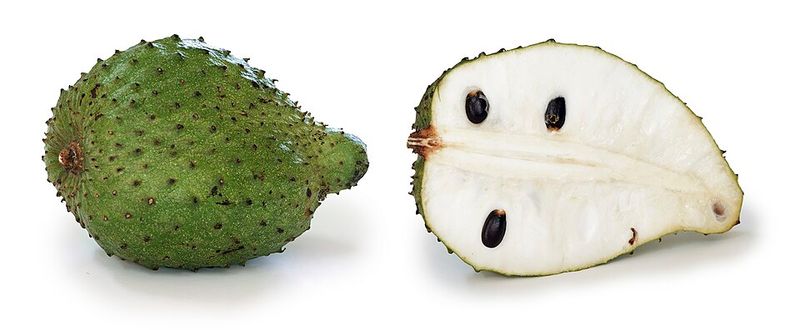
Soursop is a favorite in Latin America and the Caribbean, where it often ends up in juices and ice cream. The big, spiny green fruit hides a cottony white pulp that smells sweet and tropical.
Wait until the skin turns slightly soft and darker green. Then cut the fruit open lengthwise and scoop out the white pulp with a spoon.
Along the way, pick out all of the black seeds, which should not be eaten.
The rind is also not edible, so leave it behind. The taste is a blend of strawberry, pineapple, and a little citrus, with a creamy finish.
If the pulp feels stringy, press it through a strainer. That makes a smooth base for drinks and desserts.
14. Sapodilla
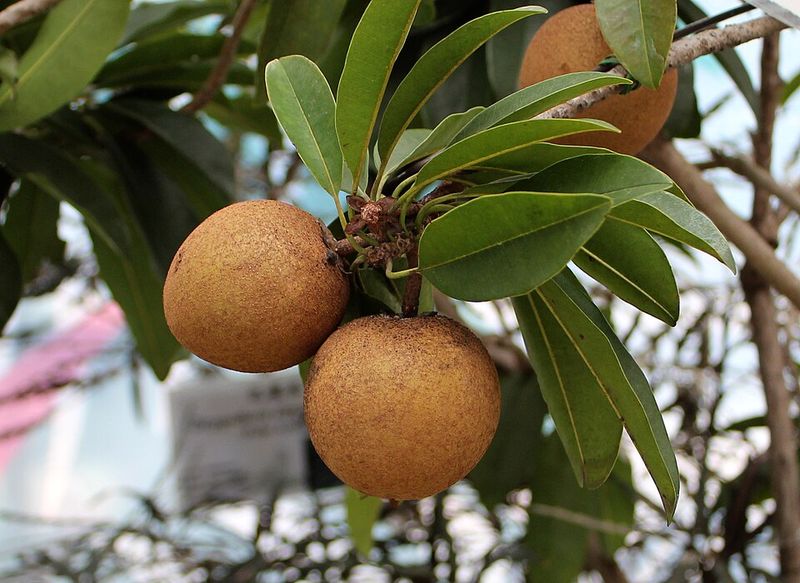
Patience pays off with sapodilla. An unripe one is hard, bitter, and sticky with latex, but a ripe one tastes like brown sugar and pear mixed together.
Wait until the fruit feels soft, like a ripe peach. Gently scratch the skin: if it shows a brown color underneath instead of green, it is ready.
Slice it open with a knife.
Scoop out the sweet, grainy flesh with a spoon. Take out the shiny black seeds, which are hard and have a small hooked tip that can scratch the throat.
Sapodilla is the tree that gave the world chicle, the original base for chewing gum. Eat the fruit fresh, or blend it into milkshakes for a dessert-like drink.
15. Feijoa (Pineapple Guava)
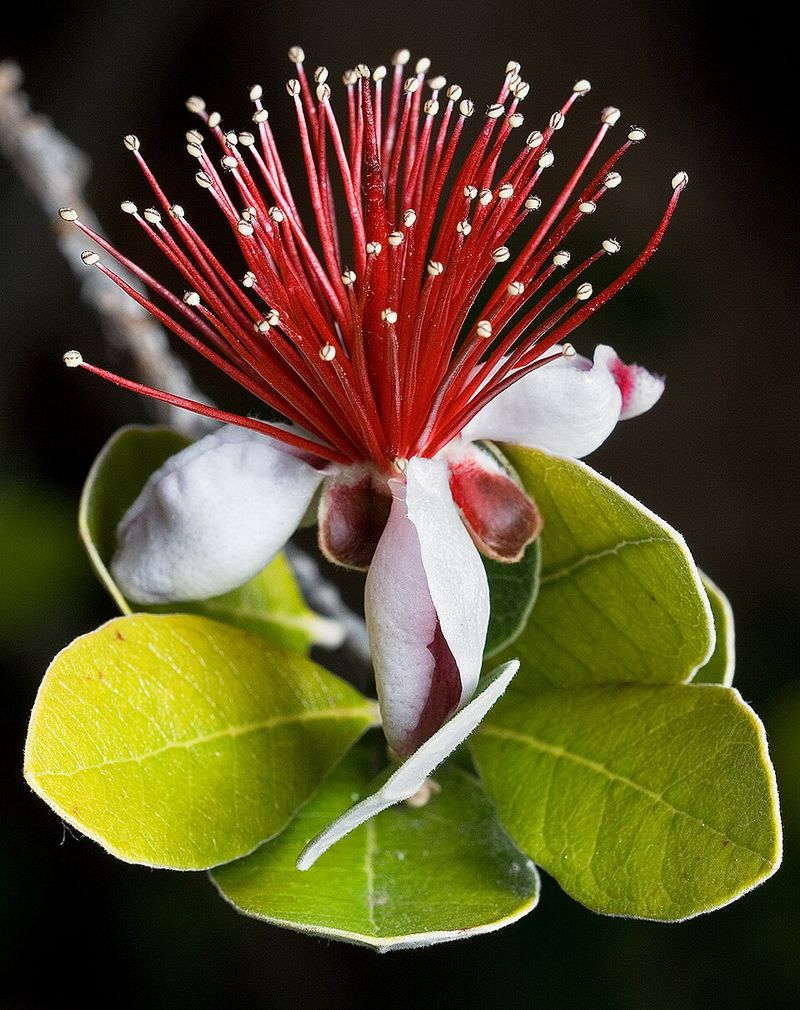
If you smell a feijoa before you taste it, you will probably notice a perfume-like fragrance. This small green fruit from South America is a backyard favorite in New Zealand, where people gather them by the bucket.
The easiest way to enjoy one is to cut it in half and scoop out the flesh with a spoon, just like a boiled egg. The center is soft and jelly-like, surrounded by a slightly gritty layer.
The flavor combines pineapple, guava, and mint, with a tart edge. The skin is bitter, so most people leave it behind.
Ripe feijoas drop from the tree on their own and feel slightly soft. Add them to muffins, smoothies, or fruit salads for a bright, tropical twist.
Share this story