Some dishes look simple on a menu but hide hours of work, special tools, and years of practice. Cooking them at home can mean a messy kitchen, a long day, and a result that falls short.
Ordering them from a skilled kitchen often saves time and money on ingredients. Here are 13 foods that are usually better left to the professionals.
1. Ramen
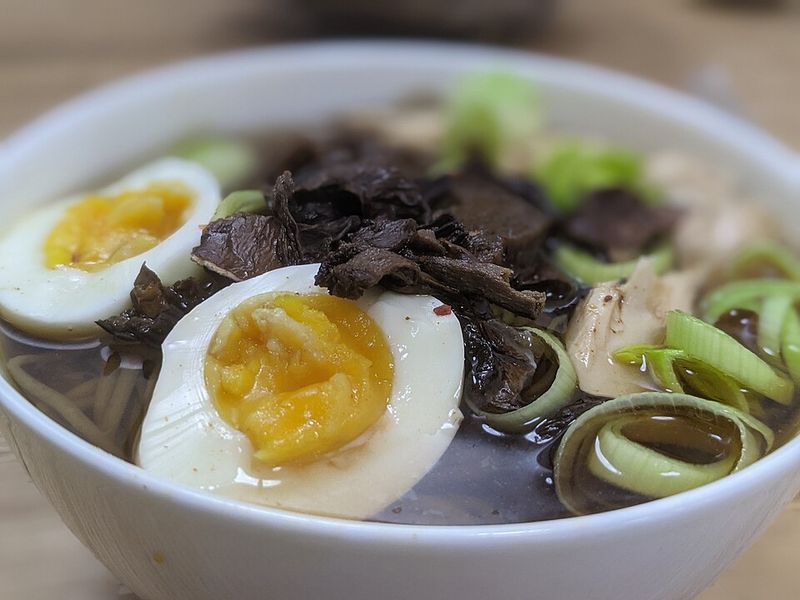
A great bowl of ramen starts long before you sit down. The broth can simmer for many hours as pork bones, chicken, or seafood slowly give up their flavor.
Then come the extras. Noodles are made or chosen to match the soup, and a seasoning base called tare adds salt and depth.
Toppings such as marinated eggs, sliced pork, and scallions each need their own steps.
At home, that means several pots, a crowded stove, and a full day of work. A ramen shop does all of this in large batches, so every part is ready at the same moment.
Ordering a bowl lets you taste the balance that cooks spend years learning. It is also a good way to compare styles like miso, shoyu, and tonkotsu without buying a pantry full of ingredients.
2. Beef Wellington
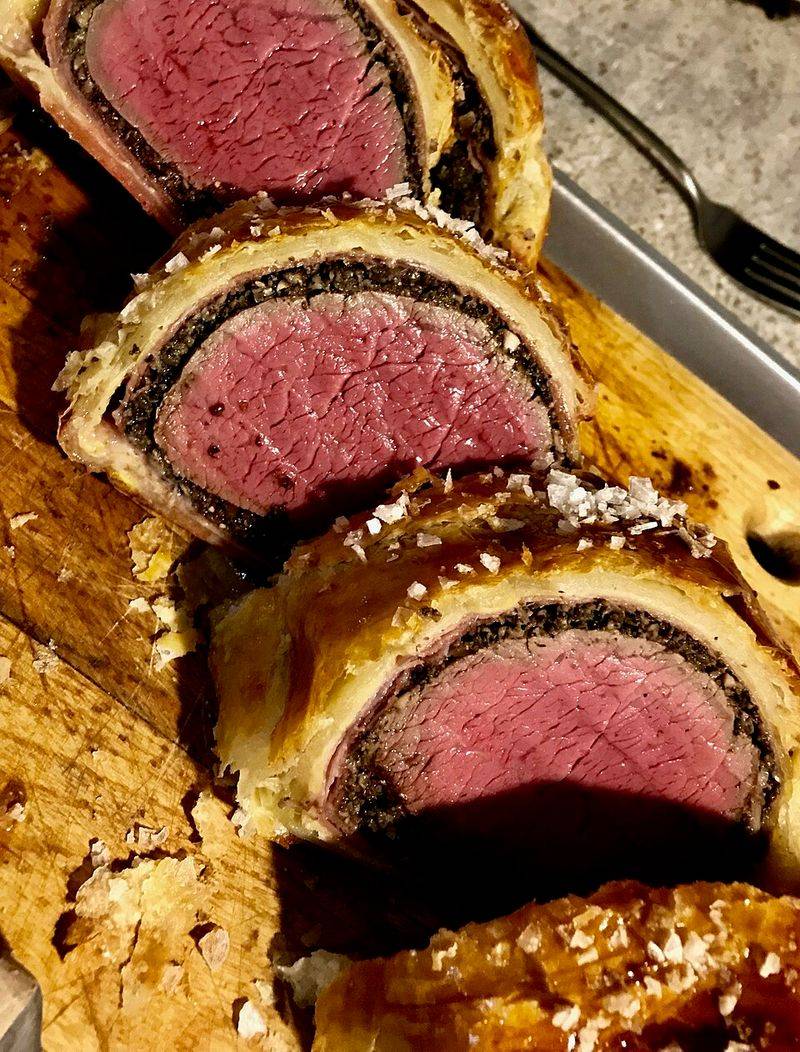
Few dishes carry as much risk as beef Wellington. A tender cut of beef is wrapped in mushroom paste, often with ham, and sealed inside pastry.
The challenge is timing. The pastry needs to turn golden and crisp, but the beef inside must stay juicy and pink.
If the filling is too wet, the bottom turns soggy.
Professional kitchens make this dish often, so they know exactly how long to chill, bake, and rest it. Home cooks may only try it once a year, and the cost of a whole tenderloin makes mistakes painful.
When you order it at a restaurant, you pay for a proven result instead of a gamble. It is a fine choice for a special dinner when you want every slice to look and taste right.
3. Peking Duck
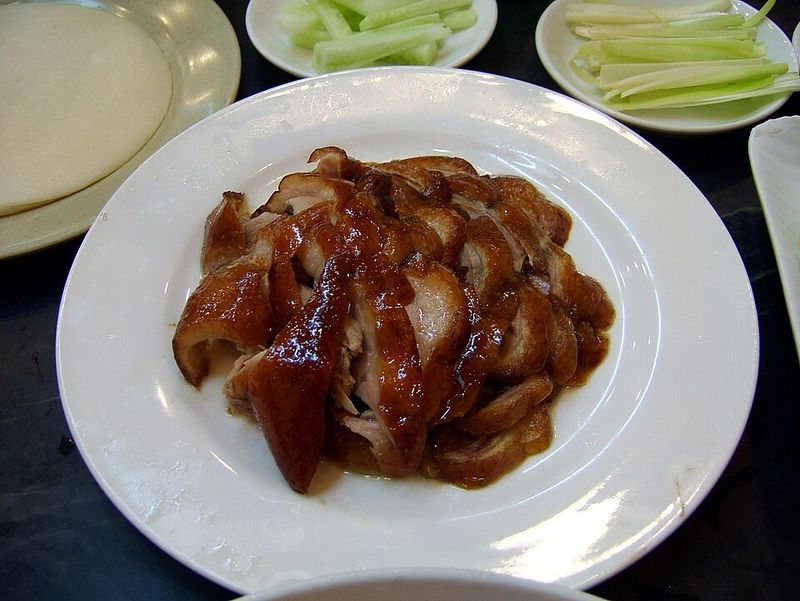
The crackle of Peking duck skin is the whole point. Getting there takes planning, since the bird is traditionally dried for a long time so the skin can turn thin and crisp in the oven.
Many restaurants use special hanging ovens that circulate heat evenly around the duck. Most home ovens cannot copy that, and fat can leave the skin chewy instead of glassy.
The meal also includes thin pancakes, hoisin sauce, cucumber, and scallions, all served in a careful way. Carving is a skill too, because each slice should include skin and a little meat.
Ordering it at a good Chinese restaurant gives you the full experience without days of prep. It is also a fun dish to share with a group, since one duck can feed several people.
4. Croissants

Ever wonder why bakery croissants cost so much? The answer is layers.
Dough is folded around cold butter again and again, creating dozens of thin sheets that puff up in the oven.
Warm kitchens are the enemy here. If the butter softens too soon, it blends into the dough and the flaky texture is lost.
Bakers work in cool rooms and use machines called sheeters to keep the layers even.
The process also takes patience. Dough must rest between folds, and then it rises before baking, which can stretch the job across two days.
A good bakery handles all of that before sunrise. You get a warm, crisp, buttery pastry with a soft inside, and your only task is to pick a coffee to go with it.
5. Sushi and Sashimi
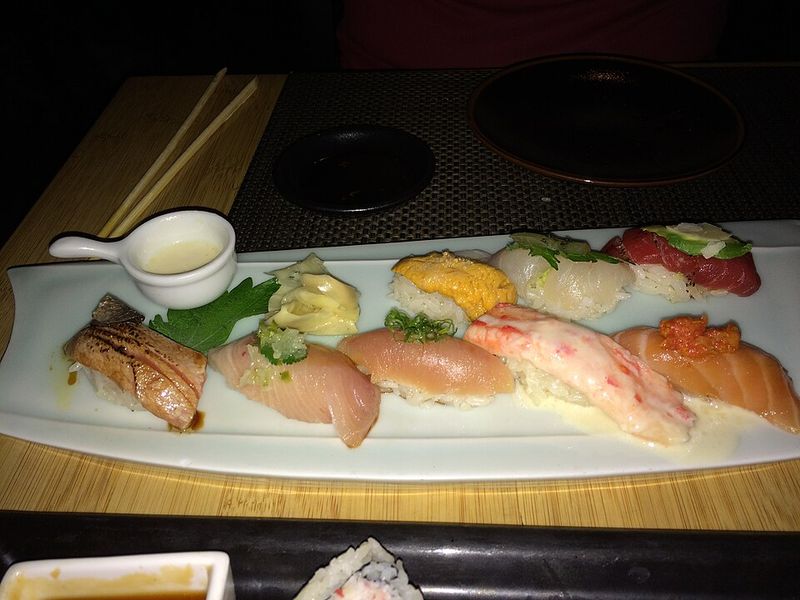
Raw fish asks for more trust than almost any other food. Sushi restaurants buy from suppliers who follow strict handling and freezing rules, which helps keep the fish safe and fresh.
Skill matters just as much. A sharp knife and a steady hand create clean slices that hold their texture.
The rice is also tricky, since it needs the right seasoning, temperature, and gentle shaping.
Home cooks can buy fish labeled for raw use, but quality varies, and the tools and training are hard to match. Rolling neat pieces takes lots of practice.
That is why a reputable sushi restaurant is a smart pick. You get safer fish, better cuts, and the chance to try varieties like yellowtail or sea bream that are rarely sold in regular stores.
6. Pho
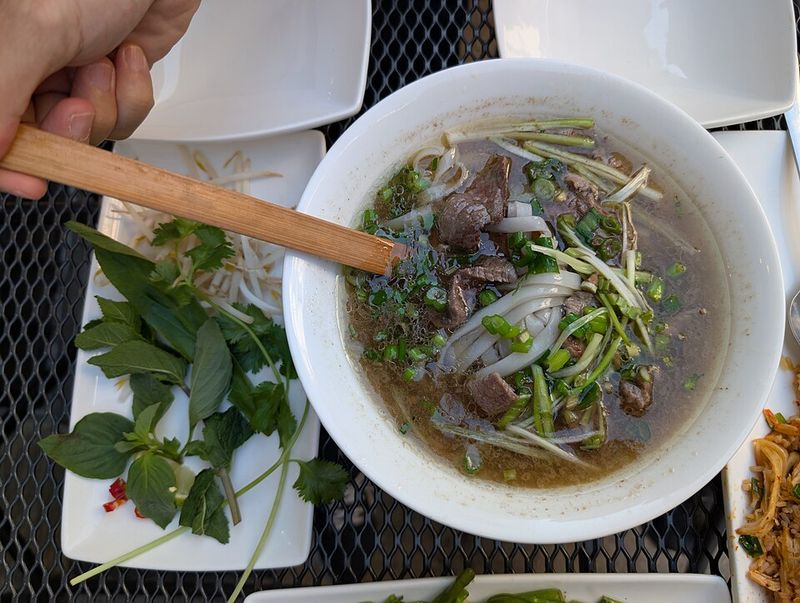
Pho smells like comfort, and that aroma comes from patience. Beef bones are often parboiled and simmered for hours with charred onion and ginger, plus spices like star anise, cinnamon, and cloves.
The goal is a clear broth that tastes rich but clean. Skimming away foam and balancing the spices takes a careful eye, and a small mistake can make the soup cloudy or bitter.
Then there are the fresh extras. Rice noodles, herbs, lime, chilies, and bean sprouts all come together at the table.
Many pho shops keep a large pot going all day, so the flavor is deep and steady. Ordering a bowl saves you from a long shopping list and a stove that stays busy from morning until night.
7. Dim Sum
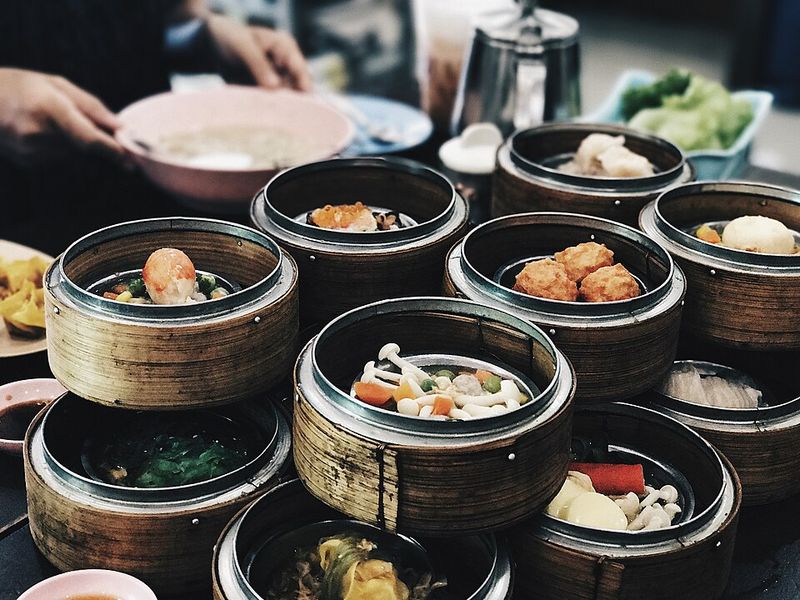
Picture a table covered in tiny steamer baskets. Each one holds something different, from shrimp dumplings to fluffy pork buns and silky rice rolls.
That variety is the challenge. Every item has its own dough, filling, and folding style, and many need hand shaping.
A single dumpling wrapper can take real practice to pleat neatly.
Dim sum chefs train for years and work in teams, so the steamers can come out fresh and fast. Making even three or four types at home could fill an entire weekend.
Eating out also fits the spirit of the meal. Dim sum is meant to be shared, so a group can sample many dishes in one sitting.
Order a few favorites, add tea, and let the carts or the menu guide the rest.
8. Mole Poblano
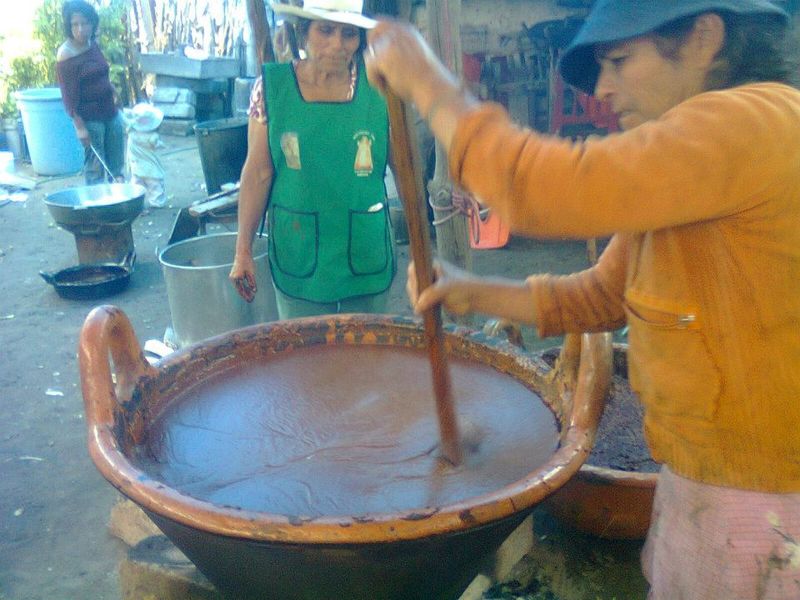
Some sauces are recipes, and mole poblano is closer to a family project. Cooks may use twenty or more ingredients, including dried chiles, nuts, seeds, spices, fruit, and a little chocolate.
Each ingredient is usually toasted, fried, or roasted on its own before everything is ground and simmered together. The steps take hours, and burning one chile can leave a bitter taste.
Many Mexican cooks treat their mole as a treasured tradition, with recipes passed down through generations. Restaurants that specialize in it often make big batches that develop more flavor over time.
Ordering mole lets you taste that depth without hunting for rare chiles. Try it over chicken or with tortillas and rice, and notice how sweet, smoky, and savory notes arrive one after another.
9. Tonkatsu
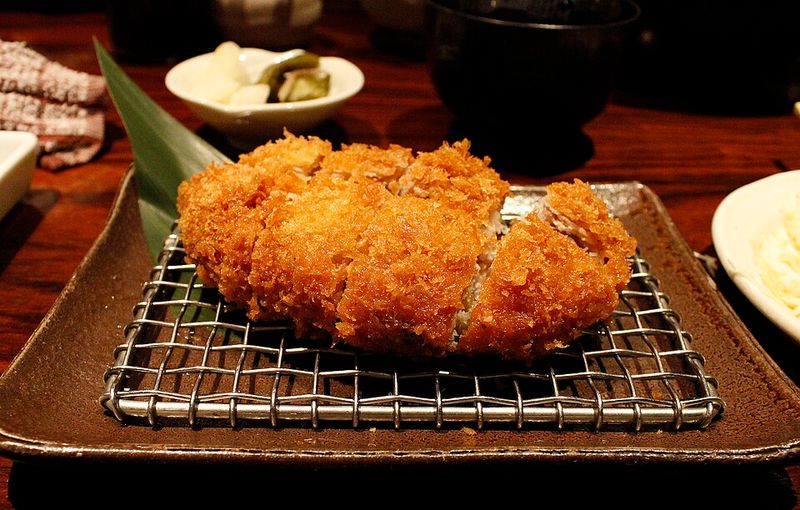
Crunch is the heart of tonkatsu. A thick pork cutlet is coated in flour, egg, and panko crumbs, then fried until the outside turns golden while the inside stays juicy.
Specialty shops spend years refining this single dish. They choose specific cuts of pork, control the oil temperature closely, and let the cutlet rest so the coating stays crisp after slicing.
At home, the breading can slip off, the oil can cool too quickly, and the pork can dry out. Frying also leaves a lingering smell that many cooks would rather avoid.
A tonkatsu restaurant usually serves the cutlet with unlimited shredded cabbage, rice, miso soup, and a tangy sauce. It is a simple, filling meal that tastes best when someone with plenty of practice does the frying.
10. Lobster Thermidor
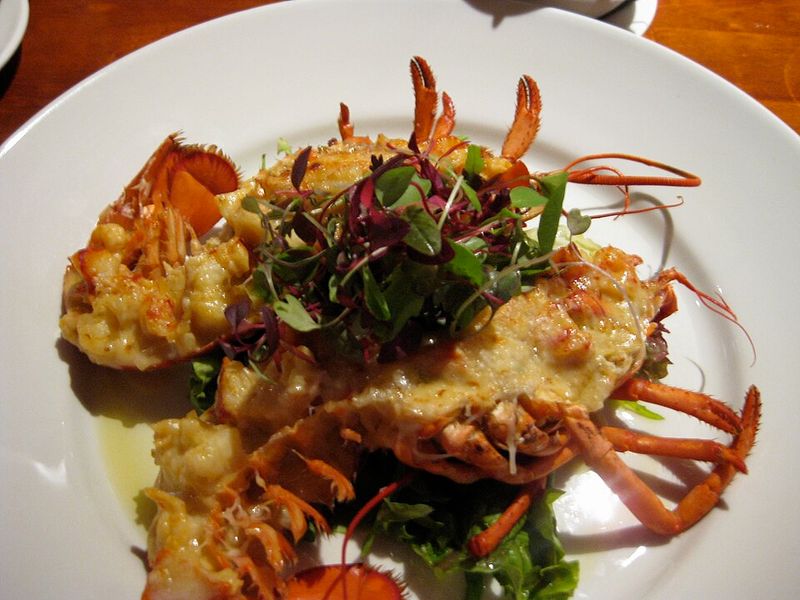
Lobster Thermidor is a classic French dish that feels made for white tablecloths. A cooked lobster is removed from its shell, mixed with a creamy sauce, then returned to the shell and baked until bubbly.
Every part takes effort. Live lobsters can be costly, and cooking them just right keeps the meat tender instead of rubbery.
The sauce often involves butter, cream, mustard, wine, and herbs, and it must be smooth.
Then comes the finish, when cheese is browned under high heat. A few seconds too long can spoil the topping.
With the price of seafood and the number of steps, a mistake at home can be expensive. A restaurant with a skilled chef gives you a polished version for a special night out.
11. Soufflé
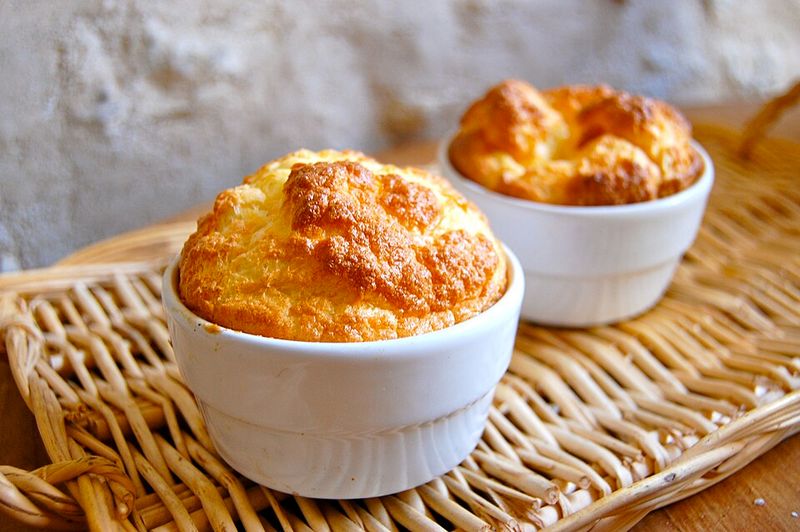
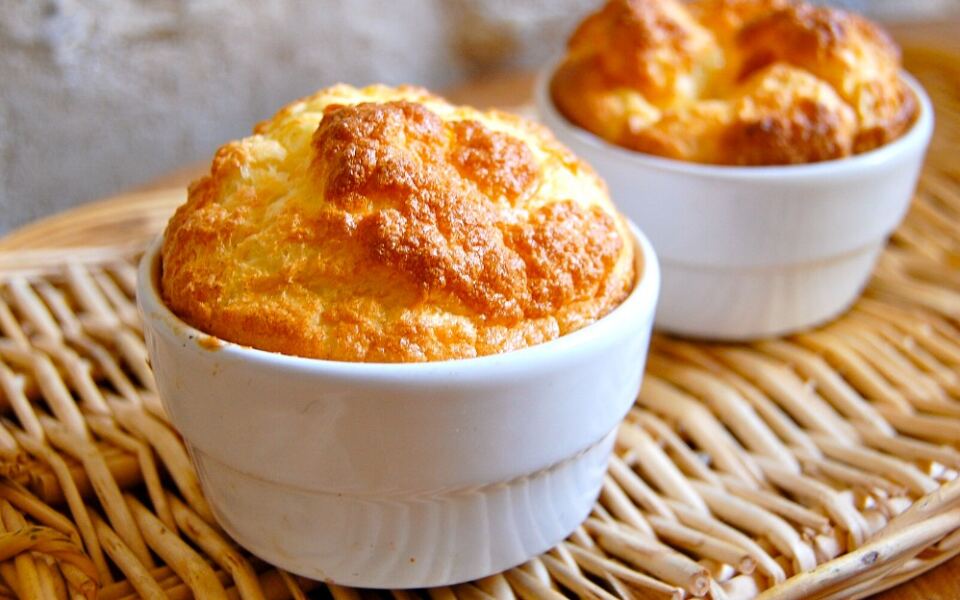
Soufflés have a reputation for a reason. Made from a flavorful base and whipped egg whites, they puff high above the dish and begin to fall within minutes of leaving the oven.
Small details decide the result. Egg whites must be whipped to the right stiffness, folded in gently, and baked at a steady temperature.
Opening the oven door too early can ruin the rise.
Restaurants that serve soufflés time them to the guest, so the dish arrives at its tallest. That kind of timing is hard to copy when you are also tending dinner guests and other courses.
Whether you pick cheese or chocolate, ordering one is a small show at the table. Take a spoon, break the top, and enjoy the airy texture while it is still warm.
12. Birria
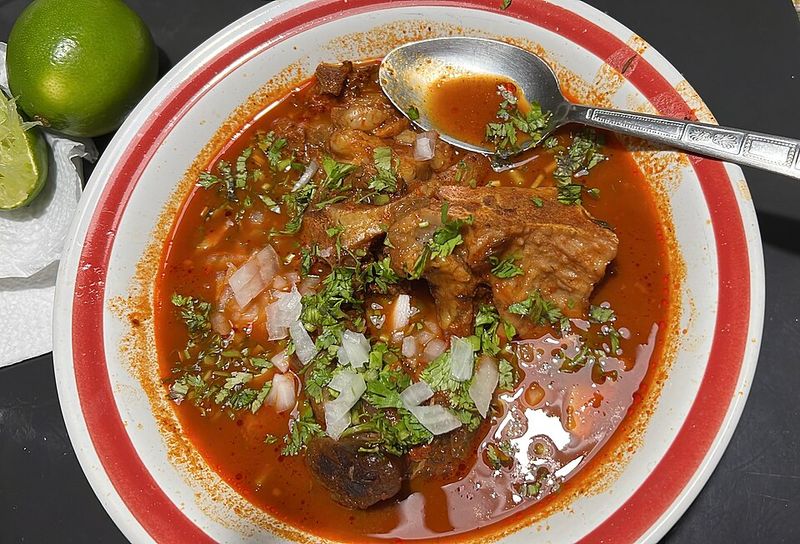
Birria began as a celebration dish in Jalisco, Mexico, traditionally made with goat and now often with beef. It is known for tender, shredded meat in a deep red sauce.
The process is long. Meat is marinated in a blend of dried chiles, vinegar, garlic, and spices, then slowly braised for hours until it falls apart.
The chile sauce must be toasted, soaked, blended, and strained.
Taquerias that focus on birria cook large pots, which helps build rich flavor. They also serve it in popular ways, such as crisp tacos with a cup of broth for dipping.
Making that at home takes planning, big cookware, and plenty of time. Ordering it is an easy way to enjoy a dish that tastes like it has been cooking all day, because it has.
13. Tempura
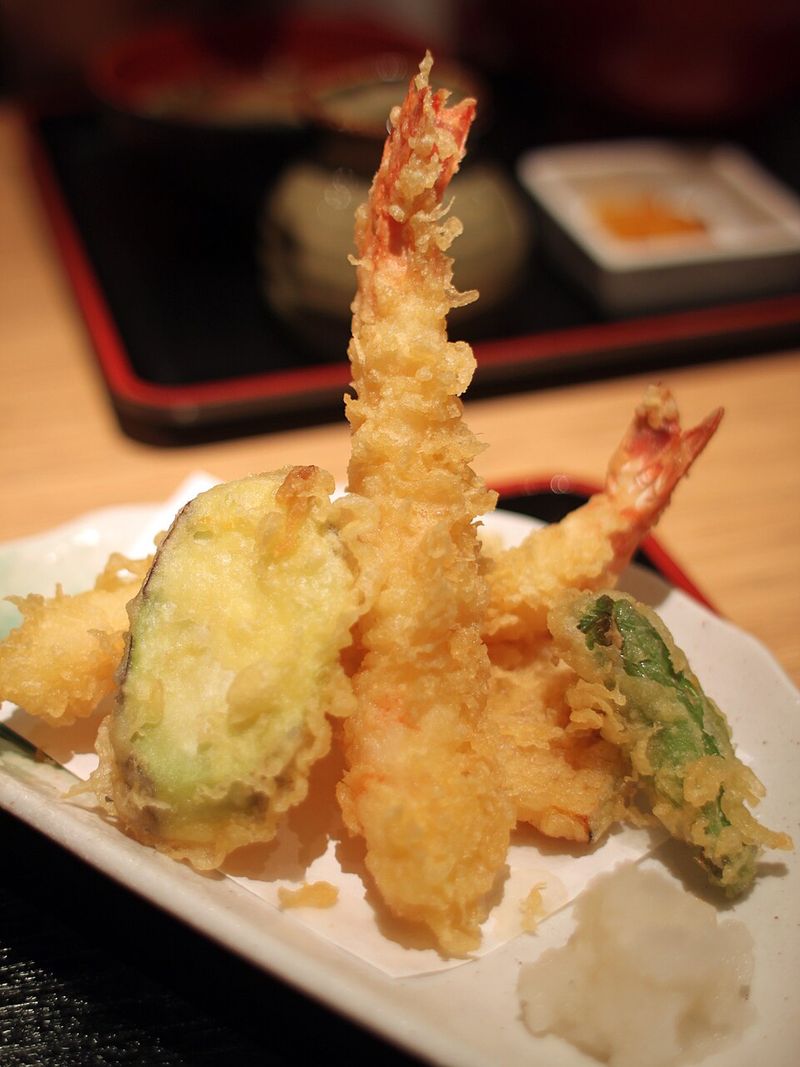
Good tempura should feel almost weightless. The coating is thin, lacy, and crisp, and it lets the shrimp or vegetables inside taste fresh instead of oily.
The batter is surprisingly fussy. It is mixed with very cold water and stirred only a little, since too much mixing builds gluten and makes the crust heavy.
The oil must also stay at a steady temperature.
Frying too many pieces at once drops the heat and leads to a greasy result. Professional cooks fry in small batches and serve each piece right away, when the crunch is at its peak.
At home, cleanup and oil handling add more hassle. A tempura restaurant gives you hot, crisp pieces straight from the fryer, along with dipping sauce that brings out the sweetness of each bite.
Share this story