Seven scenic lakes, converted railroad caboose cabins, sandy swimming beaches, outstanding fishing, and peaceful camping have made this Nebraska recreation area one of the state’s favorite outdoor escapes. Visitors come for trout fishing, kayaking, family campgrounds, wildlife watching, unique overnight stays, and relaxing days surrounded by water just minutes from Omaha. It’s the kind of place where a simple afternoon at the lake easily turns into an entire weekend outdoors.
The experience extends far beyond the shoreline. One-of-a-kind caboose lodging, miles of quiet lakefront, family-friendly recreation, abundant birdlife, scenic picnic areas, and year-round outdoor activities have earned this park a loyal following among anglers, campers, and families alike. Every visit offers another reason to see why this unique destination remains one of eastern Nebraska’s most popular places to unplug and enjoy nature.
Here’s why Two Rivers State Recreation Area has become one of Nebraska’s favorite outdoor destinations and a must-visit spot for fishing, camping, and unforgettable family adventures.
Where Two Rivers Meet: Location and First Impressions
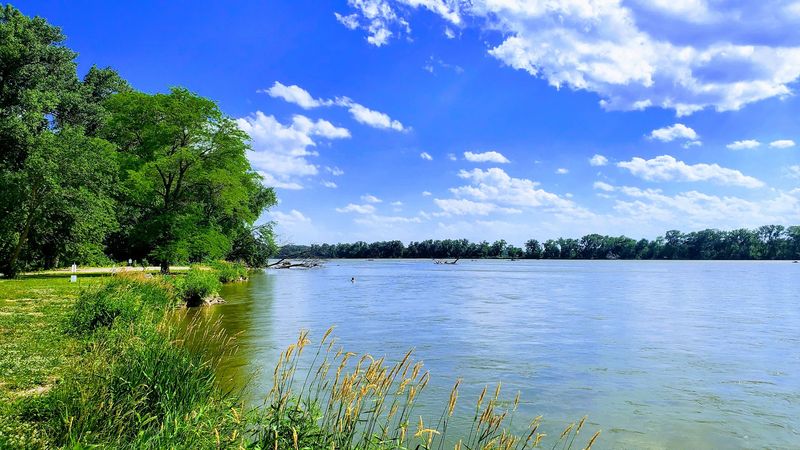
The full address is 27702 F St., Waterloo, NE 68069, and the park sits in Douglas County just west of Omaha, tucked into the valley where the Platte and Elkhorn rivers run close together. That geography is exactly why the place is called Two Rivers State Recreation Area, and the moment you pull your vehicle through the entrance, the name starts to make sense.
The landscape opens up into cottonwood groves, sandy shorelines, and wide-open skies that feel nothing like the city you just left behind. The park covers roughly 622 to 644 acres of land, with 320 of those acres being water spread across seven sandpit lakes.
A Nebraska State Park Permit is required for all vehicles entering, priced at $6 for Nebraska residents and $12 for out-of-state visitors. The park is open year-round from 6 AM to 10 PM, so you have plenty of daylight hours to explore everything it offers.
The Sandpit Lakes That Started It All
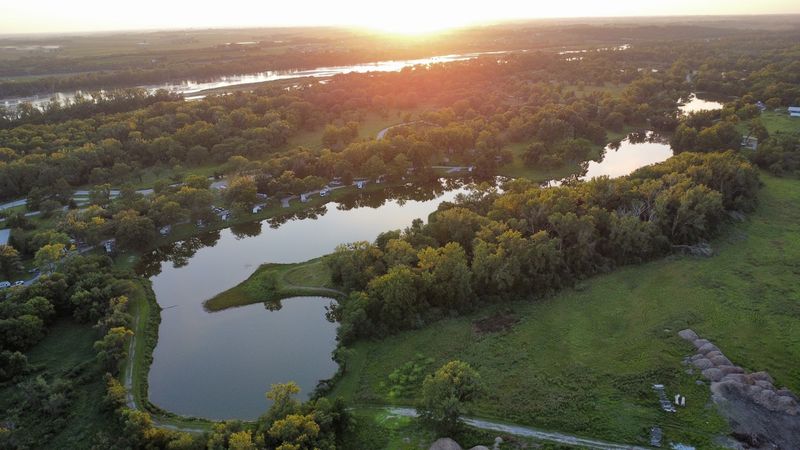
Before these lakes were a recreation destination, they were the byproduct of gravel mining operations. Workers extracted material from the ground, water filled the voids, and nature gradually transformed industrial pits into clear, calm lakes that now attract thousands of visitors every year.
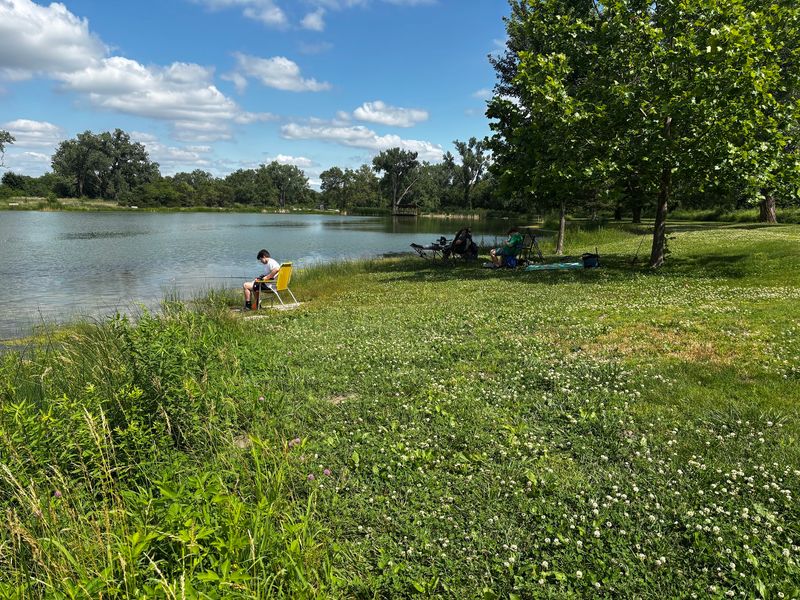
Seven of these lakes sit within the park boundaries, each with its own character and purpose. Some go deep, reaching over 20 feet in spots, while others stay shallow and sandy, perfect for wading or paddling. Submerged timber, weedlines, dropoffs, and sand flats create a variety of underwater structures that fish absolutely love.
The lakes are set at an elevation of 1,109 feet in the Platte River valley, which gives the surrounding terrain a flat, open feel with wide sky views in every direction. Standing on the shoreline of any one of these lakes, it is hard to believe that gravel trucks once rumbled across this same ground not so many decades ago.
Fishing Rules, Tags, and the Trout Lake You Need to Know About
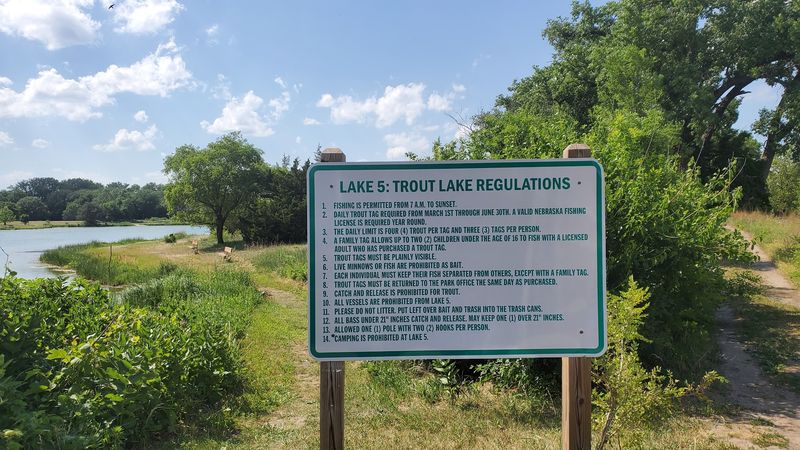
Lake 5 is the park’s designated put-and-take trout lake, and it operates on a system that keeps things fair and fun. Pan-sized rainbow trout are regularly stocked here, and to fish this lake, you need to purchase a daily trout tag for $4 from the Two Rivers office. Each tag allows you to take four trout, and you can buy up to three tags per day for a possession limit of twelve fish.
Catch-and-release is not permitted on Lake 5, which means every fish you hook is yours to keep. An ADA-accessible fishing pier makes this spot welcoming for visitors of all mobility levels.
Lakes 3 and 4 are catch-and-release only, requiring barbless hooks, while lakes 1, 2, 6, and 7 hold largemouth bass, channel catfish, bluegill, black crappie, bullhead, and common carp. Morning and evening sessions with topwater lures tend to produce the best bass action, and a simple nightcrawler rig near deeper ledges works well for catfish starting around May.
Sleeping in a Caboose: The Most Unique Lodging Option in the Area
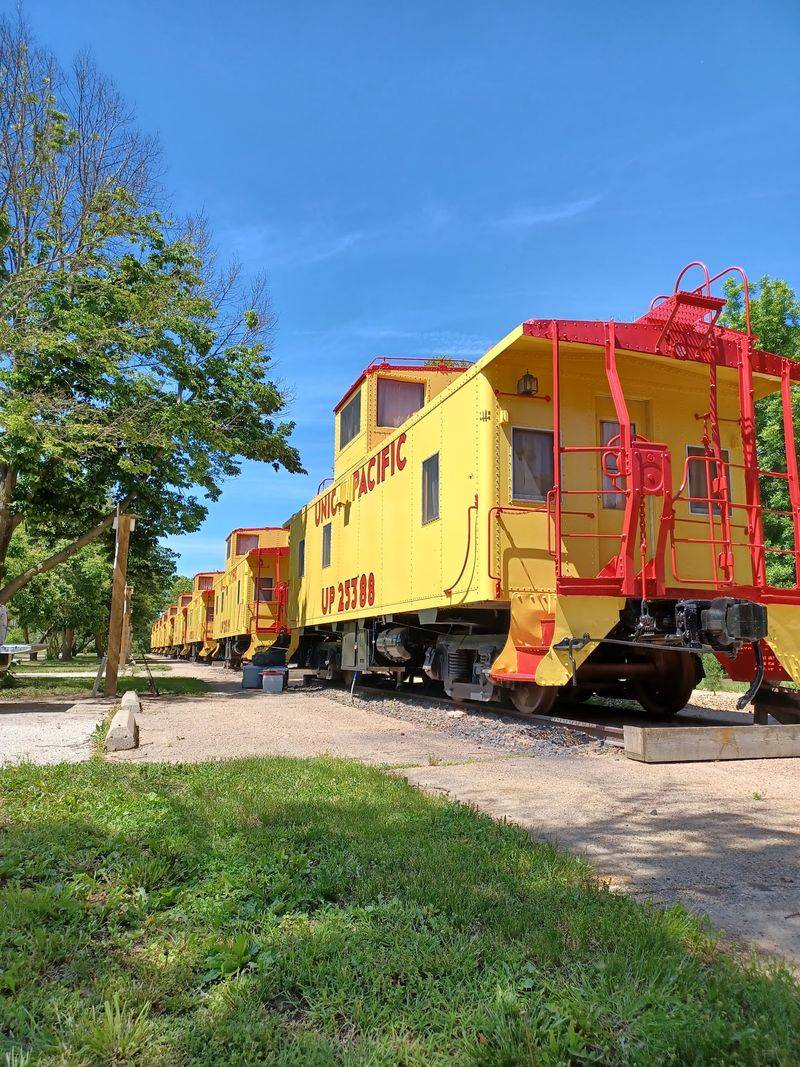
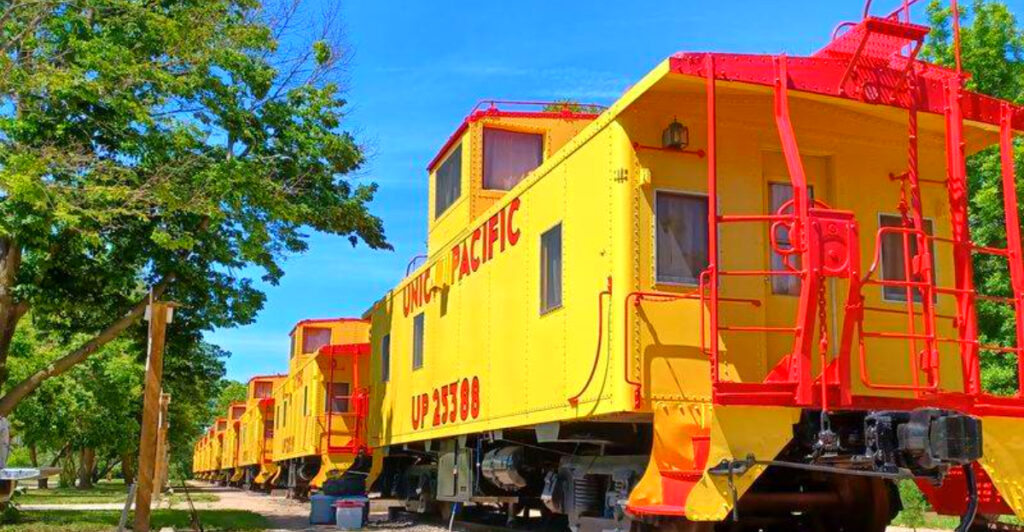
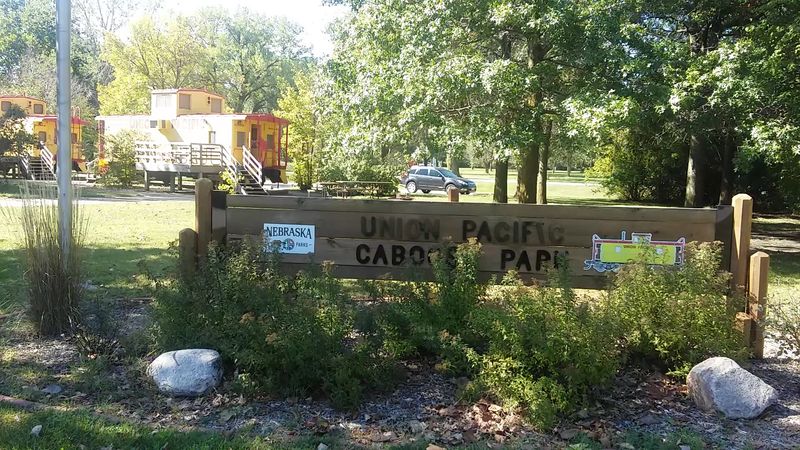
Ten authentic Union Pacific cabooses have been refurbished and converted into overnight cabins, and they are absolutely the most talked-about feature of this park. Each one sleeps six people, with two bunk beds in the rear sleeping area and two mattresses up in the cupola, that raised observation section on top of the caboose.
Inside, you get a modern tiled bathroom with a shower, a kitchen stocked with a stove, refrigerator, and sink, plus a dining area with a table and chairs. Outside, each caboose has a deck with a picnic table and grill, which makes evening cookouts feel genuinely special.
These cabins are available from Memorial Day weekend through Labor Day and are air-conditioned for summer comfort. A few practical notes: bring your own bedding, towels, and cooking utensils, because those are not provided. Cell service can be spotty inside the steel walls, and the cabooses are not ADA accessible due to their original rail-height design. Book well in advance because they fill up fast.
Camping Options for Every Style and Setup
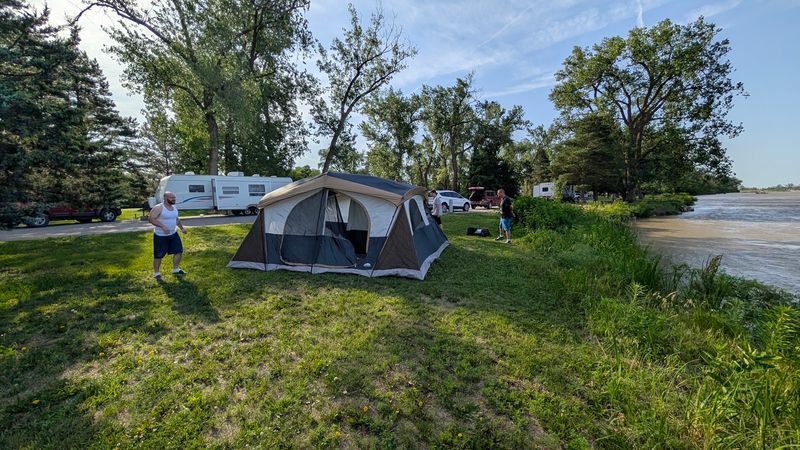
The park offers 209 campsites spread across seven distinct camping areas, including Cottonwood, Fawn Meadows, Riverside, Oak Grove, and Goldenrod Campgrounds. That variety means you can find something that fits your setup, whether you are rolling in with a large RV or just tossing a tent in the trunk.
Electrical hookups come in 20-, 30-, and 50-amp options, some with water connections as well. The Riverside Campground is reserved for tent campers only, giving those who prefer a quieter, more rustic experience a dedicated space away from generators and slide-outs.
Each campsite typically includes a fire ring, picnic table, and grill. Modern restrooms and coin-operated showers are available throughout the park, though water pressure in the showers can be inconsistent, so keep that in mind. Equestrian camping is also available at the Whitetail Campground on a first-come, first-served basis. Reservations for peak season open up to a year in advance, and weekends from mid-May through September fill quickly, so planning ahead is genuinely worth the effort.
Swimming, Boating, and Getting Out on the Water
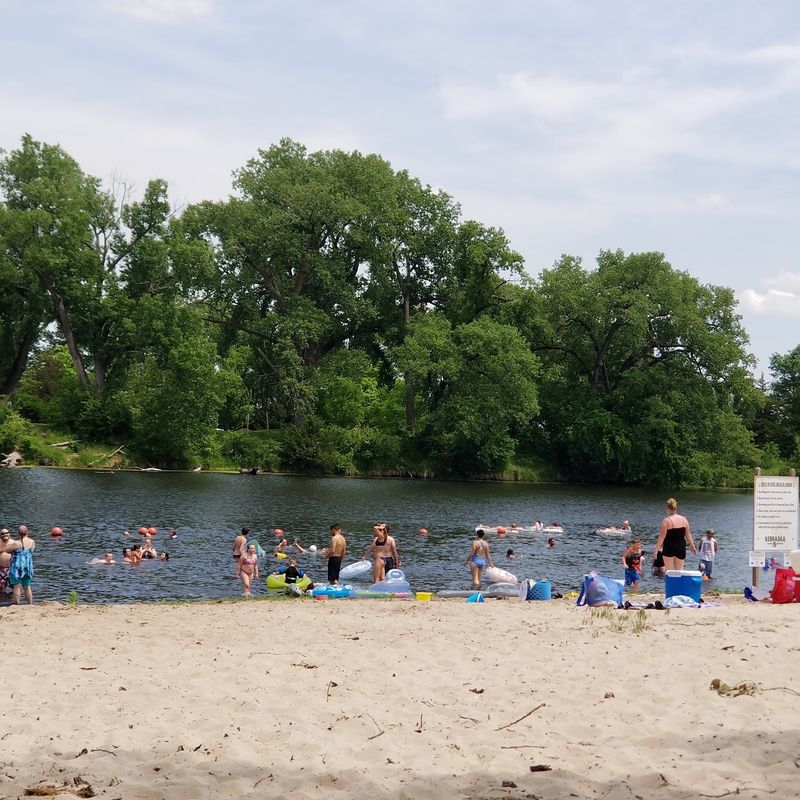
Lake 4 is home to the park’s designated swimming beach, open seasonally from Memorial Day weekend through Labor Day weekend. The beach is unsupervised with no lifeguard on duty, so adults need to keep a close eye on younger swimmers. The sandy shoreline and calm water make it a popular spot for families on hot summer afternoons.
Non-powered boating is permitted on all seven sandpit lakes and the Platte River, covering kayaks, canoes, paddleboards, and rafts. No motorized boats are allowed, which keeps the water calm and the atmosphere peaceful. There are no formal boat ramps, so you will need to carry your watercraft to the shore.
Bike rentals are available within the park, and the easy terrain makes casual rides along the lakefronts genuinely enjoyable for all ages. A small concession store operates with limited hours, offering beach toys, camping supplies, ice cream, and cold water refills, which is a welcome sight on a warm afternoon when you have been paddling under the sun all day.
Hiking and Biking Through Prairie, Woods, and Lakefronts
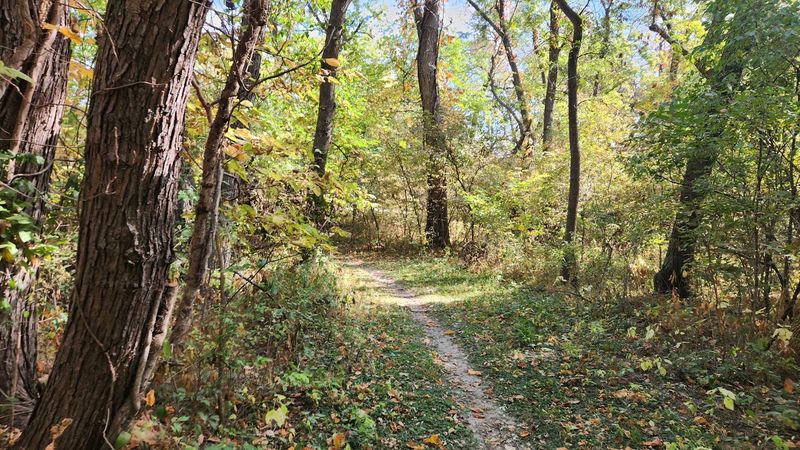
The park has one mile of designated hiking trail, plus a 342-acre wildlife management area that is also open for foot traffic. Trails run through prairie grass, cottonwood groves, and along the lakefronts, giving walkers a rotating set of scenery without ever breaking a serious sweat. The terrain is mostly flat, which makes it genuinely accessible for young kids and older visitors alike.
One thing worth knowing: trail markings are not always clearly posted, and some visitors have spent time wandering before finding the main paths. Asking at the park office before heading out saves a lot of guesswork. There is also a trail that follows the Platte River, with smaller paths branching off in different directions.
Biking is another solid option, with easy routes that suit casual riders rather than serious mountain bikers. Bike rentals on-site mean you do not need to haul your own equipment. Pack a picnic, load up a backpack with snacks and sunscreen, and plan for at least a couple of hours outdoors because the combination of trails and lakeside paths adds up quickly.
Wildlife Watching and the Birdlife That Will Surprise You
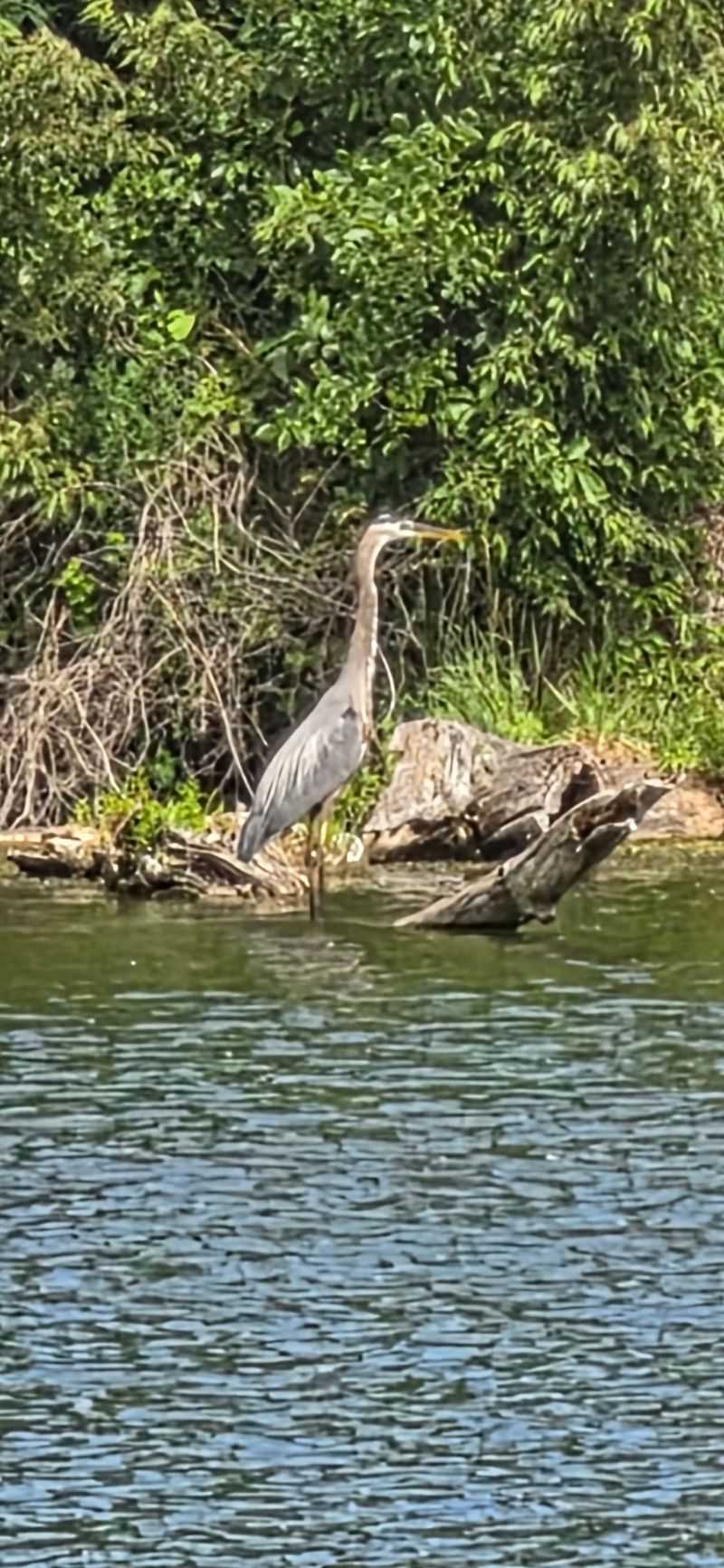
Two Rivers sits in the Platte River valley, one of the most active migratory corridors in North America, and the wildlife here reflects that. Bald eagles are a regular sight, particularly in fall and winter when they gather near the water. Deer and wild turkeys move through the cottonwood groves, and if you walk quietly along the Platte River trail, you have a real chance of spotting waterfowl in numbers that feel almost theatrical.
Quail, pheasant, cottontail rabbits, and squirrels round out the cast of regular residents. The mix of wetlands, grasslands, and forested areas creates the kind of habitat diversity that draws a wide range of species to one relatively compact area.
Birdwatchers with binoculars and a little patience will find that early morning visits, especially in spring and fall, offer the most active wildlife windows. The park does not have formal wildlife viewing platforms, but the trails and lakeshores provide natural vantage points that work just as well. Spotting a bald eagle on your first morning here never really gets old.
Best Times to Visit and What Each Season Offers
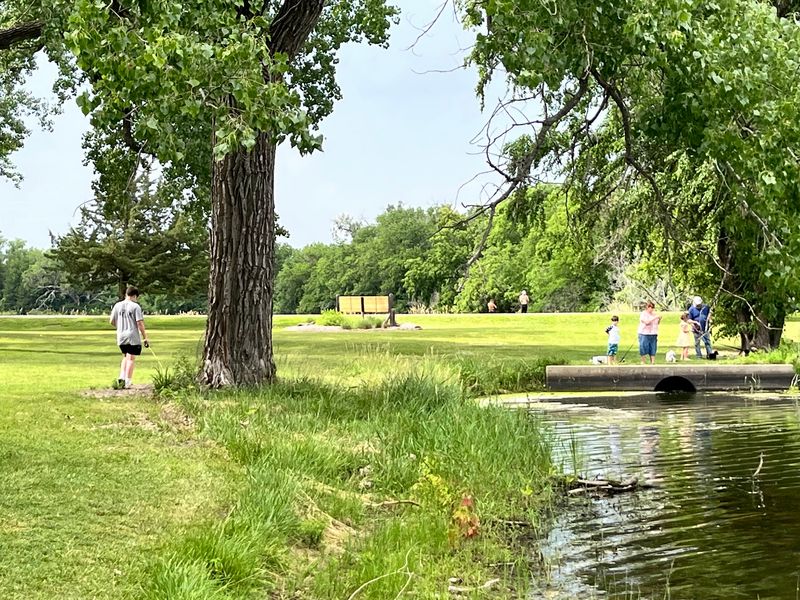
Late spring through early fall covers the park’s most active season, with the swimming beach, full camping amenities, and caboose cabin rentals all operating during those warmer months. Summer weekends get crowded, particularly from Memorial Day through Labor Day, so arriving mid-week or early in the morning makes a noticeable difference in how relaxed the experience feels.
Fall is widely considered the best season for comfortable temperatures, thinner crowds, and peak waterfowl migration along the Platte River valley. The cottonwood trees turn gold, the air cools down, and the wildlife activity picks up considerably. Spring brings mushroom hunters into the woods, with morel mushrooms showing up in the forested sections for those who know where to look.
Winter keeps the park open for ice fishing and quiet hiking, and the reduced visitor numbers give the whole place a peaceful, unhurried quality. Bug spray is essential from late spring through summer, especially near the lakes and wooded areas where mosquitoes gather. Pack sun protection for the open lakefront areas regardless of the season you choose.
Practical Tips to Make Your Visit Run Smoothly
A Nebraska State Park Permit is required for every vehicle entering the park, so purchase one before arrival if possible to avoid delays at the gate. A current Nebraska Fishing Permit is also required for anyone casting a line, and the trout tag for Lake 5 must be purchased separately at the Two Rivers office on the day of your visit.
There are no restaurants inside the recreation area, so plan to bring your own food and drinks or stop in nearby Omaha before heading in. Campsites and day-use areas all have picnic tables and grills, making it easy to cook your own meals on-site. Firewood is not sold inside the park, but a gas station about 18 minutes away carries bundles for around $7.50.
The park is best reached by private vehicle since public transportation options are very limited in this area. Reservations for camping and especially the caboose cabins should be made well in advance, with peak season bookings sometimes filling up a full year ahead. Quiet hours run from 10 PM to 6 AM, so plan your evening accordingly.
Why This Park Keeps Drawing People Back
The park holds a 4.4-star rating across more than a thousand reviews, and the reasons people keep returning are pretty consistent: clean facilities, friendly staff at check-in, a wide range of activities for different ages and interests, and a location that feels far enough from the city to unwind without requiring a long drive.
Families catch fish and frogs alongside turtles sunning themselves on logs. Couples book caboose cabins for a weekend that feels genuinely different from a standard hotel stay. Hikers and birdwatchers find enough variety in the trails and wildlife to justify multiple visits throughout the year.
The coin-operated showers and occasional crowding on peak weekends are the most common criticisms, and both are easy to plan around with a little preparation. Recent storm damage has reduced shade in some areas, so bringing your own sun protection is more important than ever this season. For a park that sits just west of a major city, Two Rivers punches well above its weight, and that is exactly why the parking lot fills up every warm weekend from May through September.
Share this story