Argentina is far more than Buenos Aires when it comes to food and wine. From the high-altitude vineyards of Salta to the cool Patagonian south, the country offers an extraordinary range of flavors, landscapes, and culinary experiences that most travelers never get to see.
Whether you are planning a dedicated wine trip or simply want to eat well while exploring, these destinations will completely change how you think about Argentine cuisine. This list covers 13 real, operating food and wine destinations spread across the country, each with its own story, setting, and reason to visit.
Zuccardi Valle de Uco, Paraje Altamira, Mendoza
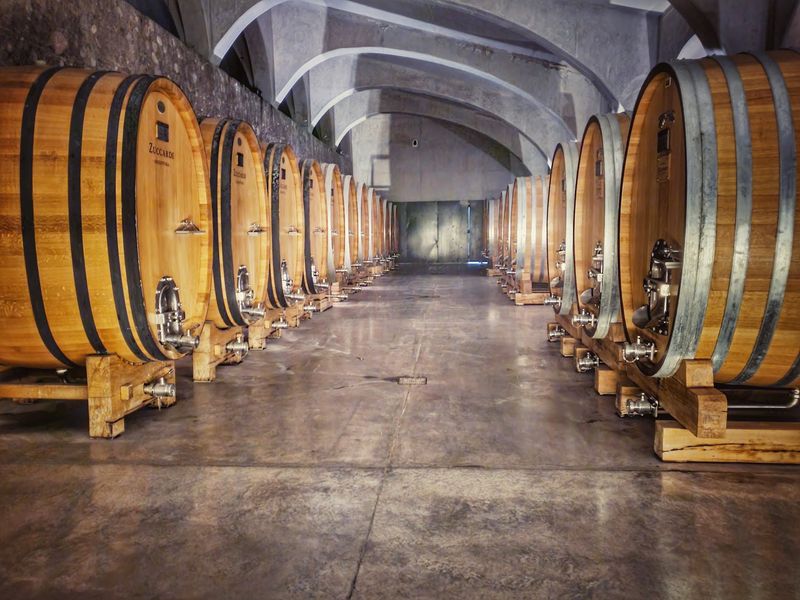
Few wineries in Argentina manage to make the building itself feel like part of the experience, but Zuccardi Valle de Uco does exactly that. The Finca Piedra Infinita structure was built from local stone and designed to blend into the surrounding landscape of the Uco Valley rather than stand apart from it.
Beneath that striking architecture is Piedra Infinita Cocina, a restaurant offering multi-course menus built around seasonal regional ingredients. Each course is paired with wines chosen to showcase the different soils and microregions of the valley, making the meal feel like a geography lesson you actually want to attend.
Lunch is served daily, with dinner available Thursday through Saturday. Seating is limited, so reservations are especially important during harvest season.
The Uco Valley sits at a high elevation, which gives the wines a freshness and structure that sets them apart from Mendoza’s lower-altitude estates.
Casa Vigil El Enemigo, Chachingo, Mendoza
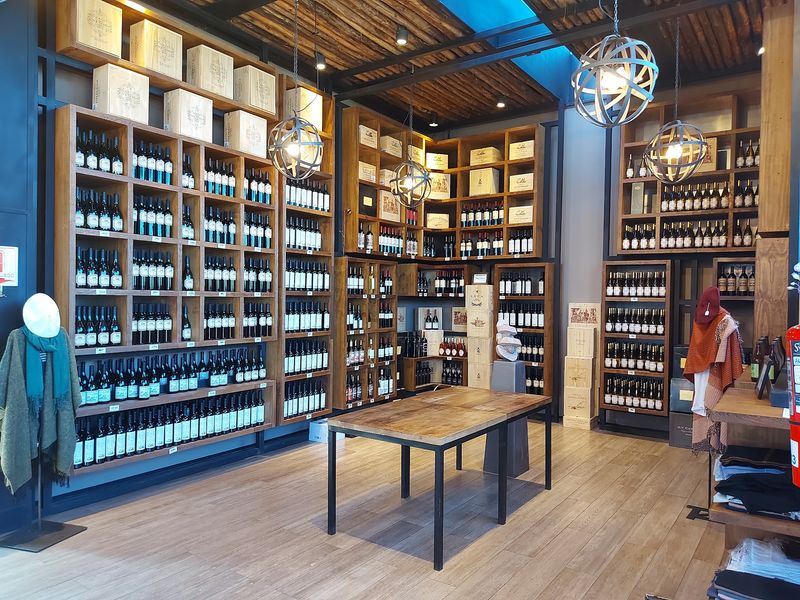
Casa Vigil El Enemigo is not a typical winery visit. The estate was created by celebrated winemaker Alejandro Vigil as a space that combines a working winery, restaurant, gardens, artwork, and theatrical spaces all inspired by Dante’s Divine Comedy.
The dining experience here ranges from shorter meals to extended tasting menus, each accompanied by wines from the El Enemigo and Gran Enemigo labels produced on the property. The kitchen leans on seasonal produce and family-influenced recipes, with every dish shaped around the character of the wine it accompanies rather than the other way around.
Casa Vigil holds both a Michelin Star and a Michelin Green Star, recognizing not only the quality of the food but also its commitment to sustainable practices. Lunch runs Wednesday through Sunday, with dinner experiences and winery tastings also available.
Reservations are strongly recommended, as the property draws serious food and wine travelers from across the country.
Catena Zapata and Angelica Cocina Maestra, Agrelo, Mendoza
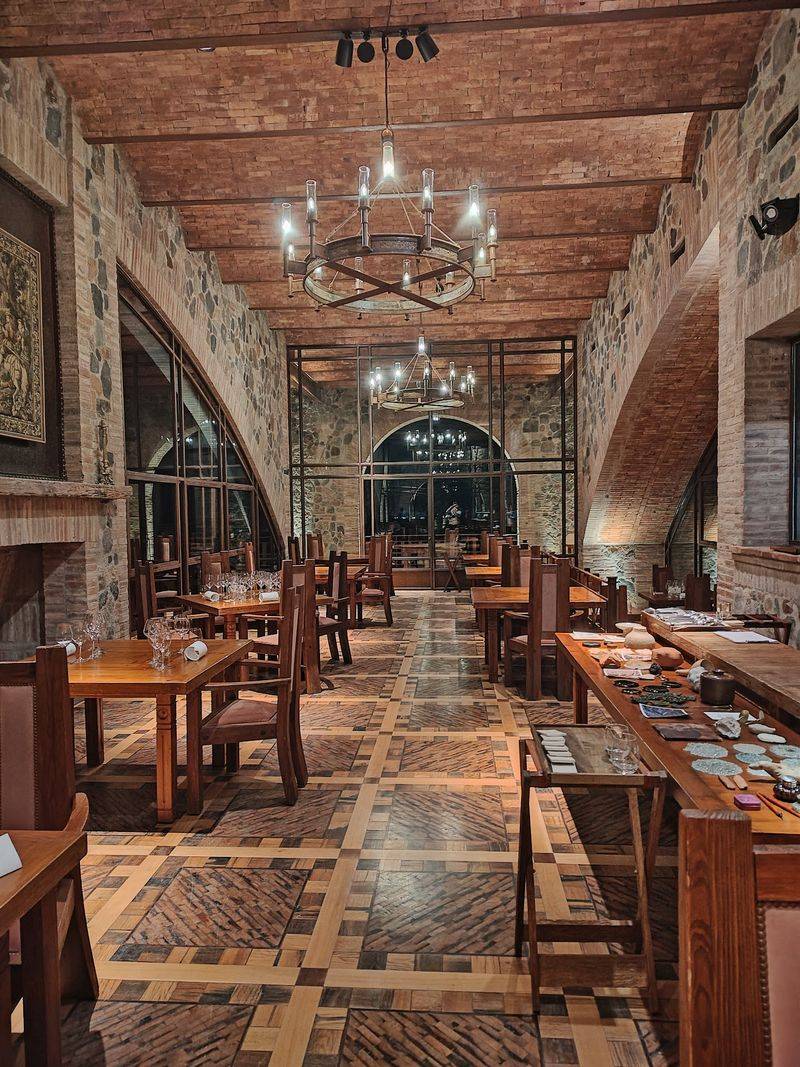
The pyramid-shaped winery at Catena Zapata has become one of the most recognizable structures in all of Argentine wine country. Located in Agrelo, the estate played a central role in bringing high-altitude Argentine Malbec to international attention, and its visitor programs continue to reflect that ambition.
Guests can choose from guided tastings, sensory experiences, blending sessions, and vineyard history tours. Beneath the winery is Angelica Cocina Maestra, a Michelin-starred restaurant built around a philosophy that puts the wine first.
Instead of selecting bottles to complement finished dishes, the culinary team works in reverse, creating food that highlights specific wines.
The official Catena Zapata site currently publishes 2026 visitor programs and pricing, confirming that both tours and tastings remain fully active. Restaurant reservations are handled separately from winery visits.
For anyone serious about understanding Argentine Malbec, this estate offers one of the most complete and educational experiences available in the region.
Bodega Salentein and Killka Restaurant, Tunuyan, Mendoza
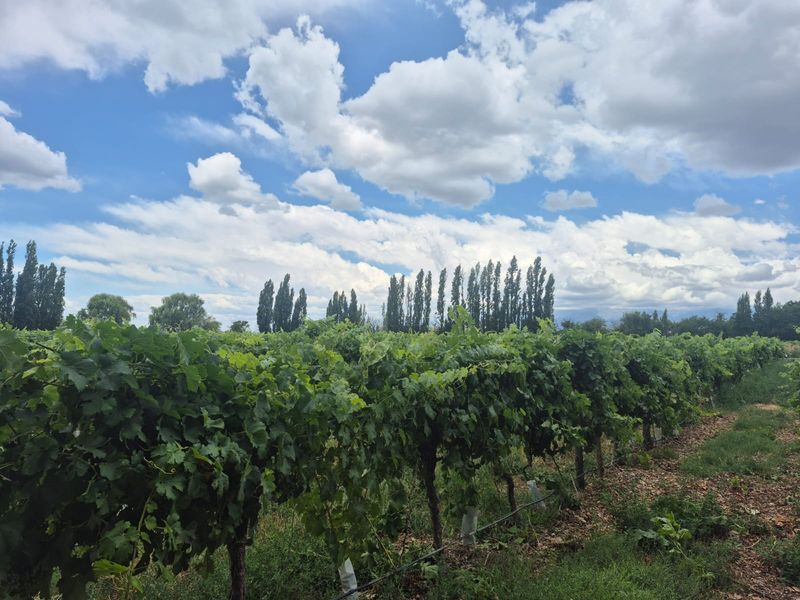
Bodega Salentein is the kind of property that surprises visitors who expect a simple tasting room. The estate in Tunuyan includes a visually striking cellar, an art gallery, a cultural center called Killka, landscaped grounds, a chapel, and a vineyard lodge, all set against the backdrop of the Andes.
Killka Restaurant serves contemporary regional cuisine using seasonal ingredients, and visitors can combine lunch with a gallery visit, a cellar tour, and wine tastings in a single afternoon. The flow between art, architecture, landscape, and food is one of the things that makes Salentein stand out from neighboring wineries.
Premium programs are also available, including private gallery tours, vineyard and cellar visits, and paired multi-course lunches. Current reservation details are published on the official Salentein website.
The property is especially popular during autumn harvest, when the vineyards take on deep orange and red tones that make the whole visit feel distinctly cinematic.
Riccitelli Wines and Riccitelli Bistro, Las Compuertas, Mendoza
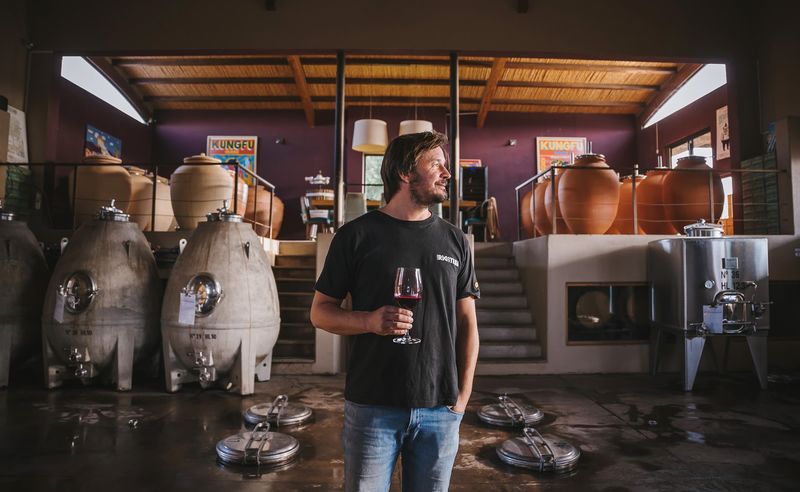
Vegetable-forward cooking does not always get the spotlight it deserves in Argentine wine country, which makes Riccitelli Bistro a genuinely refreshing stop. Located at Matias Riccitelli Wines in Las Compuertas, the restaurant draws directly from its own gardens and surrounding farmland to shape each season’s menu.
The focus here is on regenerative agriculture and creative preparations that treat plant-based ingredients as the main event rather than an afterthought. Estate wines, including Malbec and less common varieties, are paired thoughtfully with each course.
Riccitelli Bistro earned a Michelin Star in 2025 and also received a Michelin Green Star recognizing its environmental practices. That combination of culinary achievement and ecological commitment is still relatively rare in Argentine wine tourism.
Current telephone, email, and booking details are available through official tourism listings. For travelers who want a meal that reflects both quality and a genuine sense of place, this is a stop worth planning around.
Bodega La Azul, Vista Flores, Mendoza
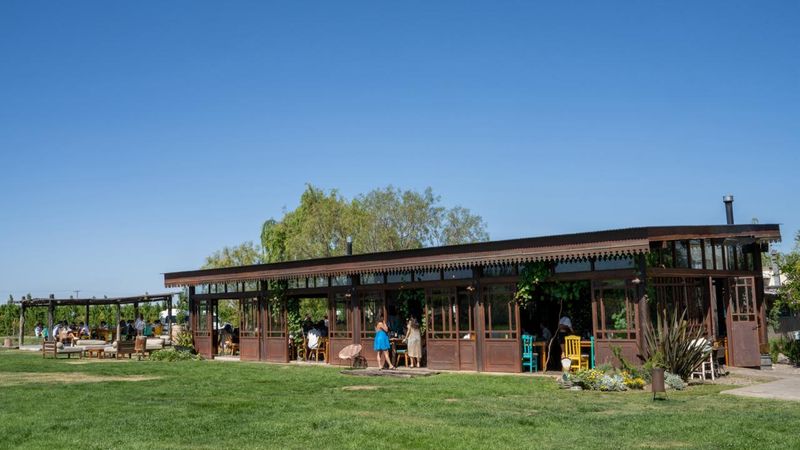
Not every great winery meal needs to be a formal multi-course affair. Bodega La Azul in Vista Flores has built a following by offering something more relaxed and personal, with an open kitchen, a wood-fired grill, and courses created specifically to complement the estate’s own wines.
The food leans into traditional Argentine cooking, featuring grilled meats and regional ingredients rather than theatrical presentations. The relatively intimate scale keeps the atmosphere unhurried, which makes it a good choice for travelers who want to enjoy a long lunch without feeling rushed to the next tasting.
Guests who want to extend the experience can stay at La Azul’s six-room guesthouse, where rooms have balconies or terraces overlooking the vines and the Cordon del Plata. Current reservation channels remain listed online.
Vista Flores sits within the Uco Valley, so the surrounding scenery alone makes the drive worthwhile before you even sit down to eat.
Bodega El Esteco and Patios de Cafayate, Cafayate, Salta
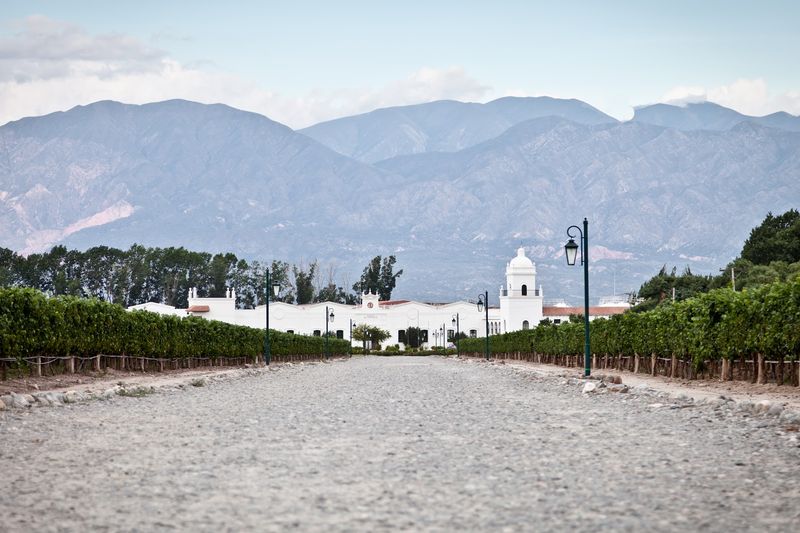
Cafayate sits at roughly 1,700 meters above sea level in the Calchaqui Valleys, and Bodega El Esteco has been part of its story since 1892. The altitude and dry climate here produce conditions that are ideal for Torrontes, the aromatic white grape that has made Cafayate one of Argentina’s most distinctive wine regions.
The adjacent Patios de Cafayate restaurant serves northern Argentine dishes made with regional products and paired with El Esteco wines. Expect local specialties influenced by Salta’s culinary traditions, including empanadas and dishes featuring Andean ingredients.
The winery currently promotes daily visitor experiences, including an evening program under the stars that runs by advance reservation. That nighttime option is worth considering, since Cafayate’s clear skies and dry air make for exceptional stargazing.
The surrounding landscape of red rock formations and vineyard rows is visually striking even before you factor in the food and wine. Plan for at least a half day here.
Piattelli Vineyards, Cafayate, Salta
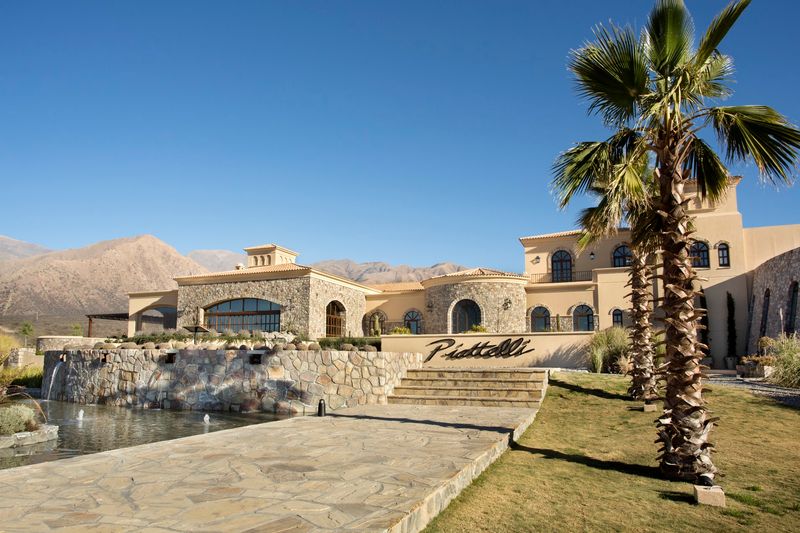
Piattelli Vineyards occupies a dramatic position overlooking the Calchaqui Valleys, and the elevation and mountain scenery set the tone for everything that follows. The Cafayate property combines vineyards, tasting facilities, dining spaces, and a luxury wine resort, making it a strong candidate for an overnight stay rather than just a quick visit.
Dining options at the resort currently include the Aura restaurant and La Bestia, a grill centered on barbecued meats. The elevated location makes a long lunch or a sunset meal feel especially worthwhile, with the valley spreading out below and the surrounding peaks catching the changing light.
Wine tastings, lodging, and reservation contacts are all advertised through official pages. Piattelli also produces wines from its Mendoza property, so tastings can offer an interesting comparison between two very different Argentine terroirs.
For a first visit to Cafayate, the combination of scenery, food, and wine makes this one of the easier properties to justify spending a full afternoon exploring.
Finca La Matilde and DeAdobe Restaurant, San Javier, Cordoba
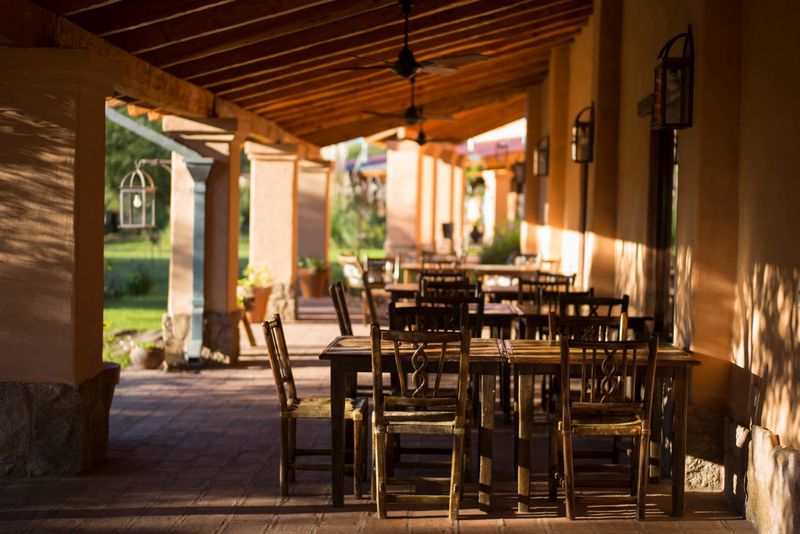
Cordoba does not always appear on Argentina’s wine tourism radar, which makes Finca La Matilde in the Traslasierra Valley a genuinely interesting discovery. The estate produces certified organic and biodynamic wines using minimal intervention, with a philosophy rooted in agroecological farming rather than conventional viticulture.
Visitors can explore the vineyards, join guided walks, or attend sunset tastings before eating at DeAdobe, the property’s farm-to-table restaurant. The kitchen draws from an organic garden on the estate, combining fresh vegetables and herbs with flavors associated with Cordoba’s regional cooking traditions.
Accommodation, restaurant, and winery services all remain part of the active tourism program, according to the estate’s current visitor listing. San Javier sits in a valley known for its mild climate and scenic hills, giving the whole property a quieter, more pastoral feel than the major Mendoza estates.
For travelers who prefer a smaller-scale, sustainability-focused experience, this is one of the most coherent and thoughtful stops on this list.
Familia Schroeder, San Patricio del Chañar, Neuquen
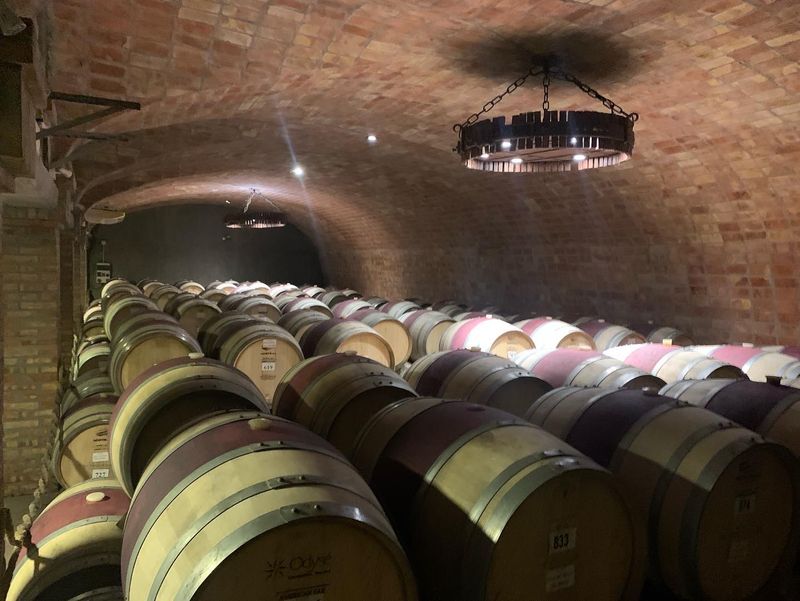
Northern Patagonia is not the first place most people picture when they think about Argentine wine, but San Patricio del Chañar in Neuquen is one of the region’s most productive and interesting wine zones. Long winters, mild summers, and reliably dry conditions help produce wines with bright acidity and concentrated fruit character.
Familia Schroeder is among the best-known estates in the area, and it comes with an unusual backstory. Fossil remains were discovered during the winery’s construction, a detail that inspired the name of its Saurus wine range and gives the property a quirky piece of history worth mentioning at the tasting table.
Visitors can tour production facilities, taste Patagonian wines, and eat at the estate restaurant. Argentina’s official tourism portal currently lists Familia Schroeder as an active wine-tourism destination in Neuquen.
The surrounding landscape is flat and windswept, with a stark beauty that feels very different from the Andean wine regions farther north.
Bodega Trina and Manggia Orecchio, Rio Colorado, Rio Negro
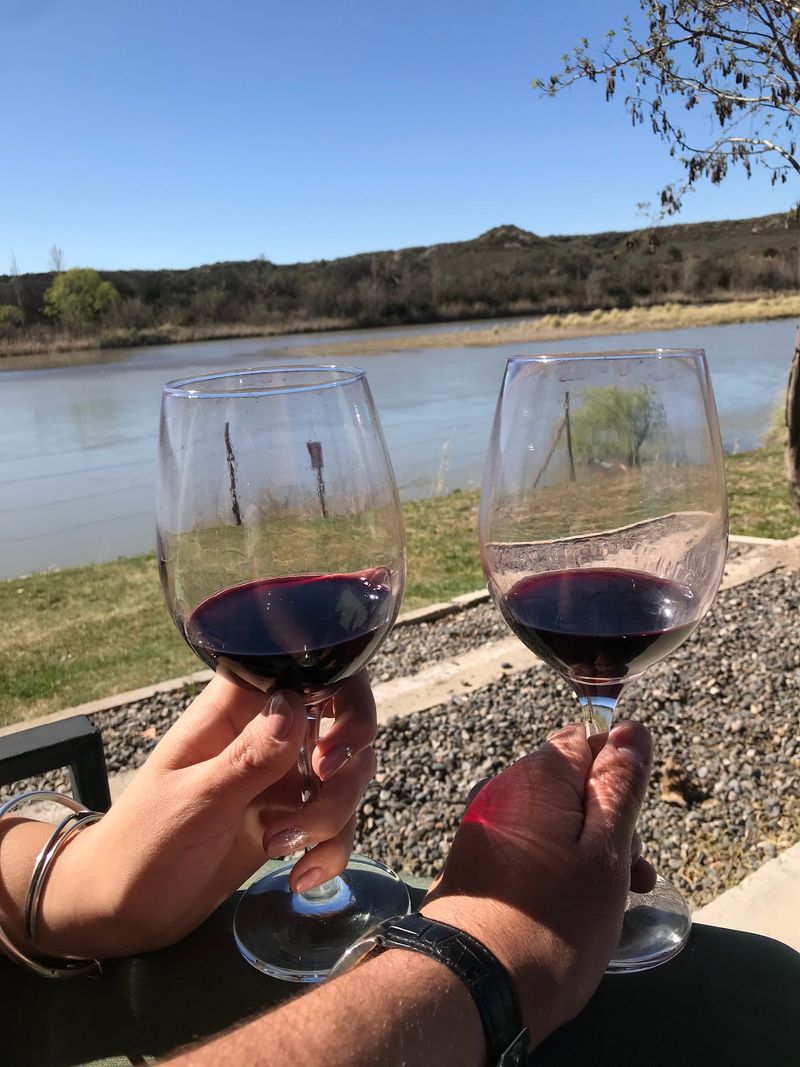
Founded in 2020, Bodega Trina represents a newer wave of Patagonian wine projects that are expanding the region’s reputation beyond its established names. The estate sits beside the Colorado River, combining wine production with lodging, tastings, and riverside dining in a setting that feels genuinely off the beaten path.
Its Manggia Orecchio restaurant overlooks both the vineyards and the river, creating a calm and scenic backdrop for meals, celebrations, and wine-focused events. Accommodation on the property takes the form of compact units inspired by the nests of hornero birds, which is a detail that makes the lodging feel thoughtfully connected to the local environment.
The winery currently accepts inquiries and reservations through phone, WhatsApp, social media, and its website. Rio Colorado sits in the northern part of Rio Negro province, making Bodega Trina a practical stop for travelers moving between Mendoza and the deeper Patagonian south.
The riverside location gives it a character that most vineyard stays simply cannot replicate.
Contra Corriente Winery, Trevelin, Chubut
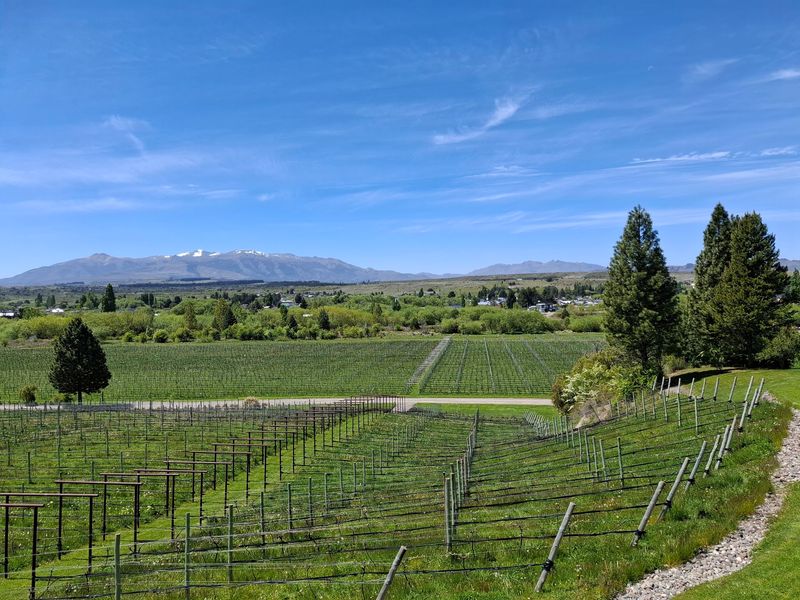
Trevelin, in the Chubut province of Patagonia, is not a name that appears on many wine itineraries, and that is exactly what makes Contra Corriente worth knowing about. The boutique estate produces small quantities of cool-climate wine shaped by the surrounding forests, mountains, and persistent Patagonian winds near the Percy River.
The property combines a working winery with a restaurant and an intimate Wine Lodge, allowing guests to experience locally inspired food, small-batch wines, and outdoor activities without leaving the vineyard environment. The scale here is deliberately small, which gives visits a personal quality that larger estates cannot always offer.
Current tourism listings provide reservation contacts for both the winery and lodge, confirming that the property remains open to guests by arrangement. Trevelin itself has Welsh cultural roots, adding an unexpected historical layer to the area.
The combination of remote Patagonian scenery, artisan winemaking, and a genuine sense of discovery makes this one of the most compelling stops for adventurous wine travelers heading south.
BordeRio Bodega and Vinedos, Victoria, Entre Rios
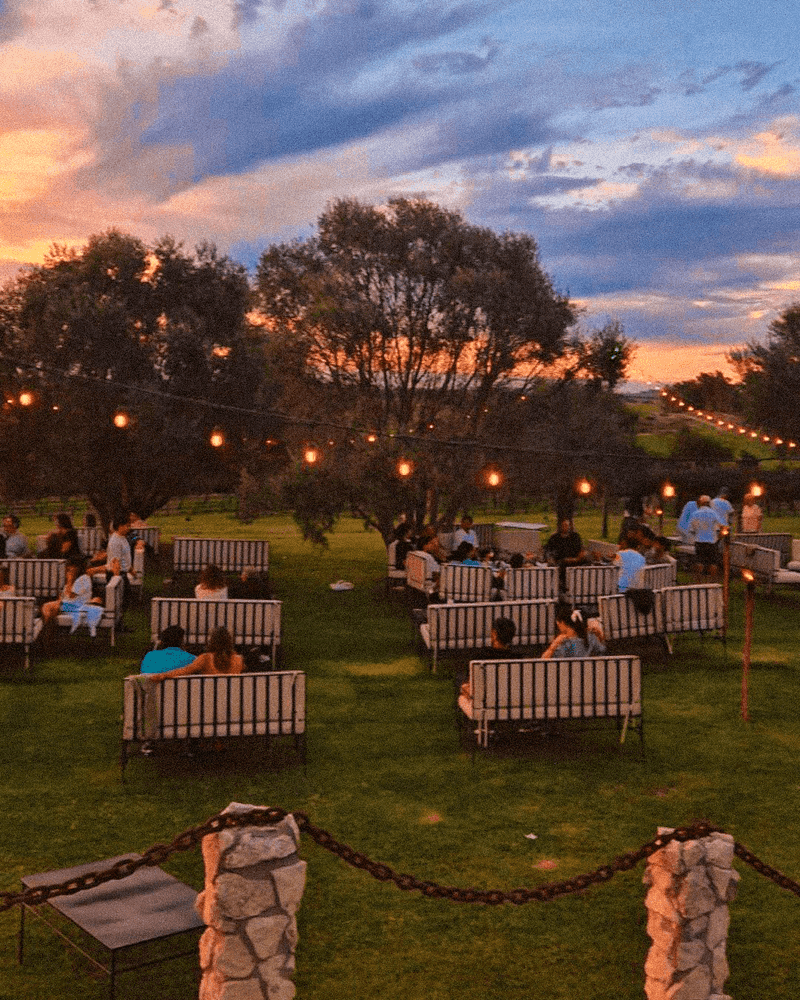
Entre Rios is not a province that typically appears on international wine maps, which is part of what makes BordeRio such an interesting find. The estate near Victoria is helping revive a local wine tradition, with vineyards, olive groves, walking paths, an underground cellar, and multiple spaces for food and events all spread across the property.
La Trattoria BordeRio focuses on Italian and regional cooking, with handmade pasta, pizza, empanadas, and slow-cooked dishes all paired with estate wines. The menu reflects the Italian heritage that shaped much of Entre Rios’s culinary identity, and the combination of familiar flavors and local ingredients gives the food a comfortable, satisfying quality.
The property also organizes picnics, sunset activities, and themed dining experiences throughout the year. BordeRio’s official website currently has an active restaurant reservation system and advertises ongoing food-and-wine programs.
For travelers exploring the Mesopotamia region or looking for a wine destination that feels genuinely off the standard circuit, this estate offers a full afternoon’s worth of reasons to stop.
Share this story