Diets have shaped how people eat for more than a century, and a few of them are still talked about today. Some focus on heart health, some on weight loss, and others on a certain way of life.
Knowing how each plan works can help you understand the choices people make at the grocery store. Here is a clear look at fifteen well-known eating plans and what they are all about.
1. Mediterranean Diet

Picture a long lunch on a sunny Greek island, with olive oil drizzled over every plate. That scene sums up the Mediterranean diet, which is based on how people in countries like Greece, Italy, and Spain have traditionally eaten.
The plan centers on vegetables, fruits, beans, nuts, whole grains, and olive oil. Fish and seafood show up a couple of times each week, while poultry, eggs, and dairy are eaten in smaller amounts.
Red meat and sweets are saved for special times.
Researchers began studying this style of eating in the 1950s, and many studies since have linked it to better heart health. It has no strict calorie counting, which makes it easier to follow for years.
Many people also enjoy sharing meals with family and friends, which is part of the tradition. Simple swaps, like using olive oil instead of butter, are a good place to start.
2. Keto Diet

Originally created in the 1920s to help manage seizures in children, the keto diet has a surprising medical past. Today it is best known as a way to lose weight.
The plan is very low in carbohydrates and high in fat, with a moderate amount of protein. Bread, pasta, sugar, and many fruits are mostly off the menu.
Foods like eggs, meat, fish, cheese, nuts, and avocado take their place.
The goal is to push the body into ketosis, a state where it burns fat for fuel instead of sugar. Some people feel tired or headachy in the first week, often called the keto flu.
Because the rules are strict, it can be hard to stick with over time. Anyone with a health condition should talk with a doctor before trying it.
3. Atkins Diet
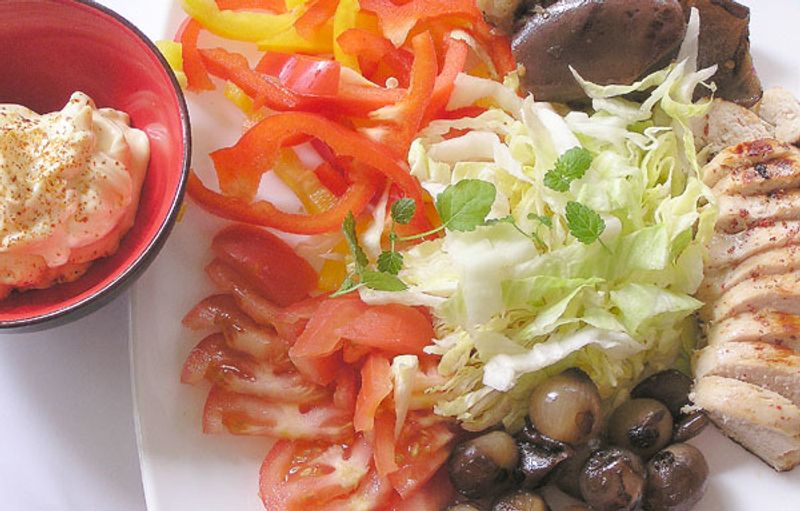
In 2003, it seemed like everyone at the dinner table was talking about carbs. The reason was Dr. Robert Atkins, a cardiologist whose 1972 book started a low-carb movement that later exploded in popularity.
The Atkins plan moves through four phases. It starts with a very low carb limit, known as induction, and then slowly adds carbs back as weight comes off.
The last phase is meant to be a lasting way of eating.
Meals often include meat, eggs, cheese, and non-starchy vegetables. Foods like white bread, sugary snacks, and many grains are limited early on.
Fans like that they can eat filling foods without counting calories. Critics say the first phase can be hard to keep up, so many people find the later phases easier to live with.
4. Paleo Diet

Could eating like a cave dweller be good for you? That is the idea behind the paleo diet, which asks people to eat foods that hunters and gatherers might have found long ago.
Lean meats, fish, eggs, vegetables, fruits, nuts, and seeds are the stars. Grains, dairy, legumes, refined sugar, and processed foods are left out.
The thinking is that our bodies have not fully adapted to farming-era foods.
Loren Cordain helped bring the plan to a wide audience in the early 2000s. Supporters say it cuts out junk food and encourages whole foods.
Some experts point out that skipping grains and dairy can make it harder to get enough calcium and fiber. Planning meals with a variety of vegetables and nuts can help fill those gaps.
5. DASH Diet
Blood pressure is the main character here. DASH stands for Dietary Approaches to Stop Hypertension, and it was developed with support from the National Institutes of Health.
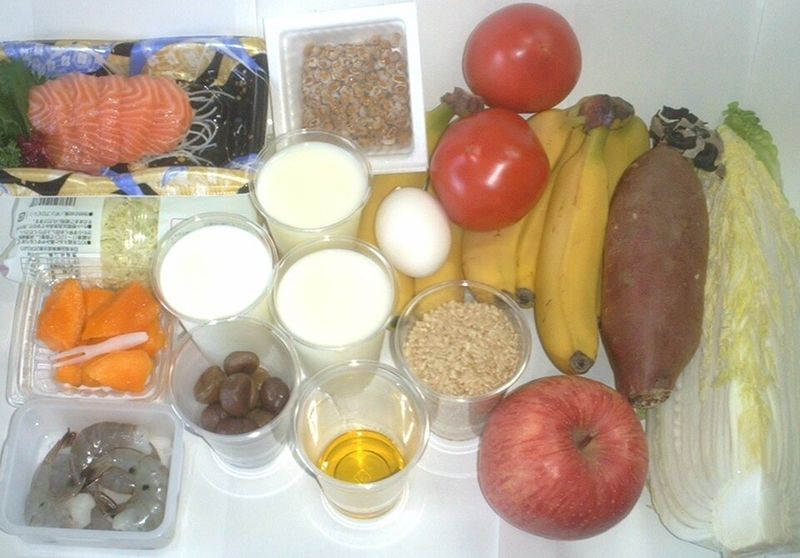
The plan encourages fruits, vegetables, whole grains, low-fat dairy, lean protein, and nuts. It asks people to cut back on salt, red meat, and sweets.
The standard version limits sodium to 2,300 milligrams per day, and a lower version aims for 1,500.
Studies have shown that DASH can lower blood pressure in a matter of weeks. It also lines up with general advice for heart health, so it is often recommended by doctors.
Since it does not ban any food group outright, families can follow it together. Reading nutrition labels for sodium is a handy habit to build.
6. Intermittent Fasting
Timing, not menu, is what sets this plan apart. Intermittent fasting switches between periods of eating and periods of not eating, and people have practiced fasting in many cultures for centuries.
One popular approach is the 16:8 method, where all meals fit within an eight-hour window. Another is the 5:2 pattern, with two low-calorie days each week.
Water, black coffee, and plain tea are usually allowed during fasting times.
Some studies suggest it can help with weight loss, mostly because people end up eating fewer calories. It may not suit everyone, including children, pregnant women, and people with certain health issues.
Hunger and low energy can show up early on. What you eat during your eating window still matters a great deal.
7. WeightWatchers (WW)

It all began in a living room in Queens, New York, in 1961. Jean Nidetch invited friends over to talk about weight loss, and that small meeting grew into a global company.
WeightWatchers uses a points system. Foods are given values based on things like calories, protein, and sugar, and members stay within a daily points budget.
Healthier foods tend to cost fewer points, which nudges choices in a good direction.
Support is a big part of the program. Members can join workshops or use an app to track meals and connect with coaches.
No food is completely banned, so people can fit in a favorite treat now and then. That flexibility is one reason the program has lasted for more than sixty years.
8. Vegan Diet

Plants take the whole spotlight in a vegan diet. The word vegan was coined in 1944 by Donald Watson, who helped found the Vegan Society in England.
Followers skip all animal products, including meat, fish, eggs, dairy, and honey. Meals are built around vegetables, fruits, grains, beans, lentils, nuts, and seeds.
Many people choose the diet for health, animal welfare, or environmental reasons.
A well-planned vegan diet can supply plenty of fiber and can be low in saturated fat. Vitamin B12 does not occur naturally in plant foods, so supplements or fortified foods are needed.
Iron, calcium, and omega-3 fats also deserve attention. A dietitian can help build a balanced plan.
9. South Beach Diet
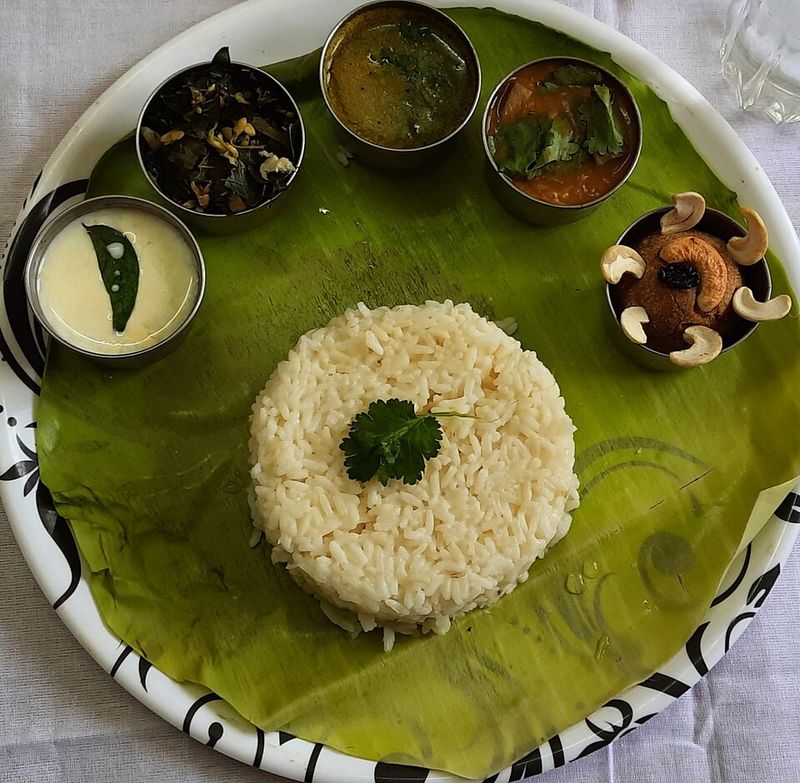
Palm trees and pastel buildings might come to mind, since this plan is named after a Miami neighborhood. Cardiologist Dr. Arthur Agatston created it in the 1990s to help his patients improve heart health.
The diet sorts carbs and fats into good and bad types. Whole grains, lean protein, vegetables, and healthy fats like olive oil are encouraged.
Refined carbs and unhealthy fats are limited.
It has three phases. The first is the strictest and lasts two weeks, cutting out most carbs, fruit, and sweets.
Later phases slowly bring foods back until the eating style becomes a habit. Many people found it less extreme than other low-carb plans, and its focus on food quality still matches modern advice.
10. Zone Diet
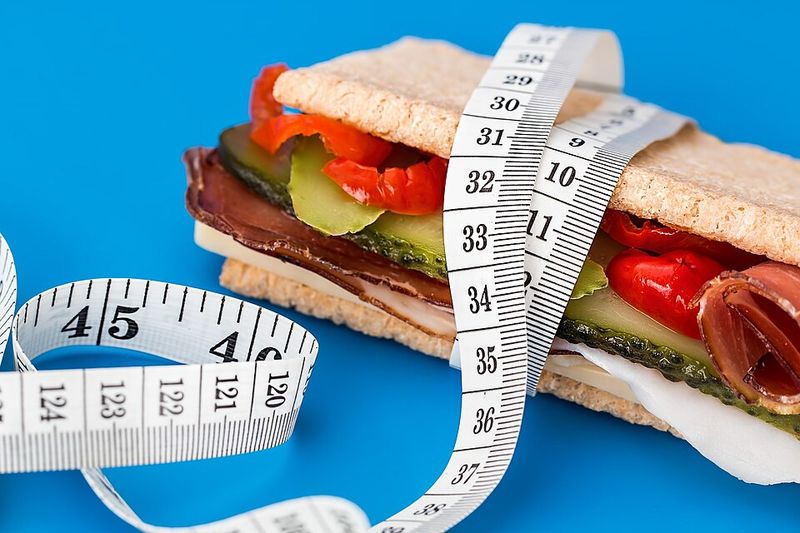
Imagine your dinner plate cut into three sections. That simple picture is the heart of the Zone diet, created by biochemist Barry Sears in the 1990s.
Each meal aims for a balance of 40 percent carbohydrates, 30 percent protein, and 30 percent fat. Followers can use a hand-and-eye method, filling one-third of the plate with lean protein and the rest with colorful fruits and vegetables, plus a dash of healthy fat.
The idea is to keep blood sugar steady and reduce inflammation. Meals are spaced about five hours apart, with snacks in between.
Some athletes and celebrities have tried it. Research on its long-term benefits is limited, though the focus on portion balance is easy to understand.
11. Whole30
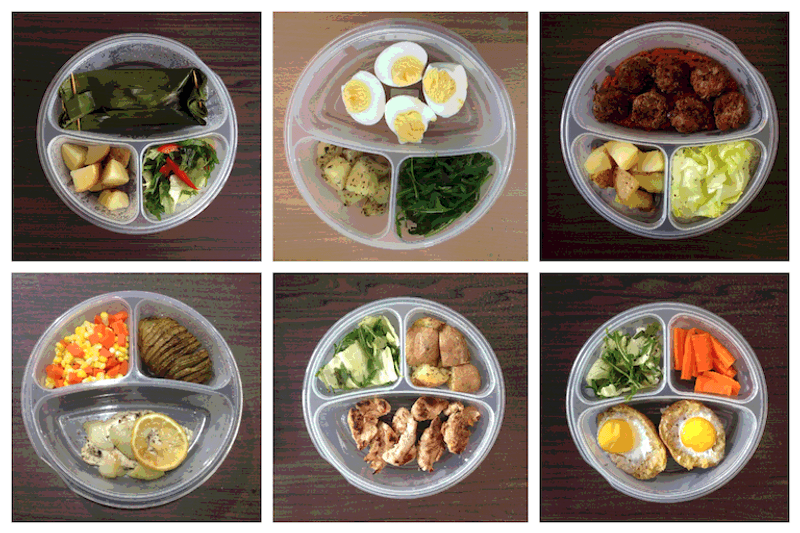
Thirty days is the magic number here. Whole30 began in 2009 as a short reset, created by Melissa and Dallas Hartwig, and it caught on quickly through social media.
For one month, participants eat meat, seafood, eggs, vegetables, fruit, and natural fats. They avoid sugar, alcohol, grains, legumes, and dairy.
Even the scale is off limits, since the program focuses on how people feel rather than on weight.
After the month ends, foods are added back one at a time to see how the body reacts. Supporters say this helps them notice which foods bother them.
Dietitians point out that the rules are strict and not based on strong scientific proof. It can work as a short experiment, but it is not meant for the long haul.
12. Ornish Diet

Can food alone protect your heart? Dr. Dean Ornish tested a bigger idea in the 1990s, combining a low-fat diet with exercise, stress control, and social support.
The eating plan is mostly vegetarian. It is built on fruits, vegetables, whole grains, beans, and soy products, with very little fat.
Foods are ranked from most healthy to least healthy, so it is easy to see what to choose more often.
His research suggested that lifestyle changes could slow or even reverse heart disease in some patients. The plan is quite strict, and some people find the low fat level hard to keep up.
Even so, its message about movement, calm, and community has influenced many other health programs.
13. Mayo Clinic Diet

Backed by a well-known medical center, the Mayo Clinic Diet aims to help people change habits for good. It was first published in 2010 and is built on advice from doctors and dietitians.
The plan starts with a two-week phase called Lose It, which promotes fifteen habits, like eating breakfast and moving more. Five habits are ones to break, such as snacking while watching TV.
Afterward, the Live It phase teaches how to keep weight steady.
A food pyramid puts vegetables and fruits at the base, so they can be eaten in large amounts. Portion sizes matter more than strict food bans.
Because it matches mainstream nutrition guidance, experts often rate it well. It works best for people who like clear steps and gradual change.
14. Raw Food Diet
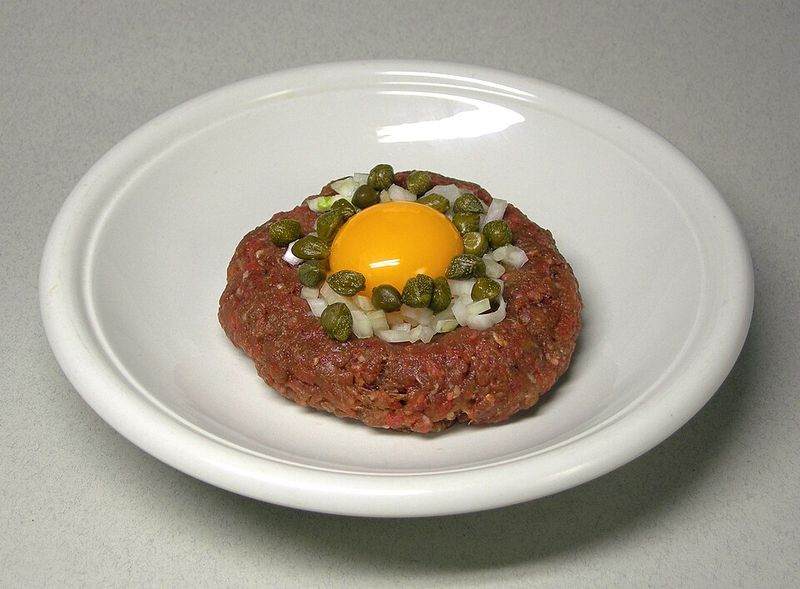
No stove needed. The raw food diet is built on the belief that heating food destroys nutrients and natural enzymes, so most meals stay uncooked.
Followers eat mainly fresh fruits, vegetables, nuts, seeds, and sprouted grains. Foods are not heated above about 104 to 118 degrees Fahrenheit.
Some people also blend juices, dehydrate snacks, or ferment vegetables.
Eating more fresh produce has clear benefits, including plenty of fiber and vitamins. Still, cooking can make some nutrients, like lycopene in tomatoes, easier for the body to use.
A fully raw plan can also be low in protein, vitamin B12, and calcium. It takes careful planning and time in the kitchen, so many people choose to eat only part of their meals raw.
15. Cabbage Soup Diet

If you have ever smelled a big pot of cabbage simmering, you know what this diet is like. The Cabbage Soup Diet became a fad in the 1980s and has popped up again and again since.
For seven days, people eat as much homemade cabbage soup as they want. Each day adds a few other foods, such as fruit, vegetables, or a small amount of beef.
The calories stay very low the whole week.
Quick weight loss is the promise, but most of it is water and often returns fast. The menu is limited and lacks enough protein and nutrients for long-term health.
Nutrition experts generally advise against it. It is remembered mostly as an example of a fad diet rather than a healthy plan.
Share this story