Your gut does a lot more than just digest food. It acts as a barrier, keeping harmful substances out of your bloodstream while letting nutrients in.
When the gut lining is healthy, your whole body tends to feel better. The good news is that certain everyday foods can help keep that lining strong and your digestive system running smoothly.
1. Oats

Oats have been a breakfast staple for centuries, and science is finally catching up to what grandmothers have known all along. They contain a special type of soluble fiber called beta-glucan, which dissolves in water and forms a gel-like substance in your digestive tract.
This gel slows digestion and feeds the beneficial bacteria living in your gut.
Beta-glucan acts as a prebiotic, meaning it serves as food for good microbes rather than being digested by you directly. When those microbes break it down, they produce short-chain fatty acids that help nourish and strengthen the gut lining.
Regular oat consumption has been linked to improved gut microbiome diversity.
Steel-cut or rolled oats tend to retain more of this fiber than instant varieties. Starting your morning with a bowl of plain oats is one of the simplest ways to give your gut a healthy boost.
2. Lentils
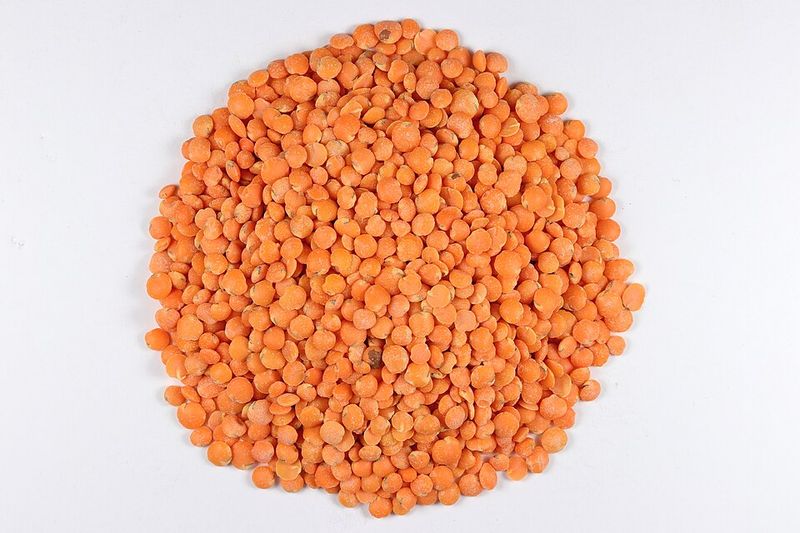
Few foods pack as much nutritional punch into a small package as lentils. These tiny legumes are loaded with dietary fiber that travels through your small intestine largely undigested, arriving in your colon ready to feed the beneficial bacteria that live there.
That process is what makes them so valuable for gut health.
The fiber in lentils encourages the growth of microbes like Bifidobacterium and Lactobacillus, two strains commonly associated with a healthy digestive system. As these bacteria ferment the fiber, they release compounds that help maintain the integrity of the gut lining.
A well-fed gut microbiome is better equipped to protect against inflammation and infection.
Lentils are also budget-friendly and incredibly versatile. You can toss them into soups, salads, or grain bowls.
Eating them a few times a week is a practical and affordable way to support your digestive health.
3. Beans
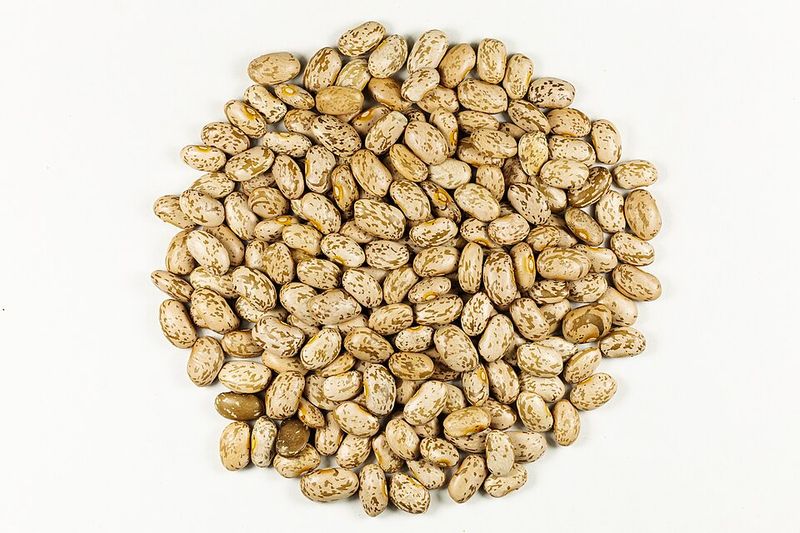
Beans might get a bad reputation for causing bloating, but that reaction is actually a sign that your gut bacteria are hard at work. The fermentable fiber and resistant starch found in beans are exactly what beneficial microbes need to thrive.
Over time, eating beans regularly can help your gut adapt and reduce those uncomfortable side effects.
Resistant starch in beans escapes digestion in the small intestine and reaches the colon intact. There, gut bacteria ferment it and produce butyrate, a short-chain fatty acid that is one of the primary energy sources for the cells lining your colon.
Healthy colon cells mean a stronger, more protective gut barrier.
Black beans, kidney beans, chickpeas, and navy beans are all excellent choices. If canned beans cause issues, try rinsing them thoroughly before cooking.
Adding beans gradually to your diet gives your gut time to adjust comfortably.
4. Cooked and Cooled Potatoes

Here is a food that becomes even more gut-friendly after it cools down. When potatoes are cooked and then allowed to cool, some of the starch they contain transforms into resistant starch.
This type of starch behaves more like fiber than a typical carbohydrate, passing through the small intestine without being fully absorbed.
Once resistant starch reaches the colon, gut bacteria ferment it and produce beneficial compounds, including butyrate. Butyrate plays a key role in keeping the cells of the colon lining healthy and reducing inflammation.
Studies suggest that diets higher in resistant starch may support a more balanced gut microbiome overall.
You do not need to eat your potatoes cold to get the benefit. Potato salad eaten at room temperature or slightly chilled still contains meaningful amounts of resistant starch.
This makes it a surprisingly smart choice for gut health at your next meal or cookout.
5. Plain Yogurt with Live Cultures
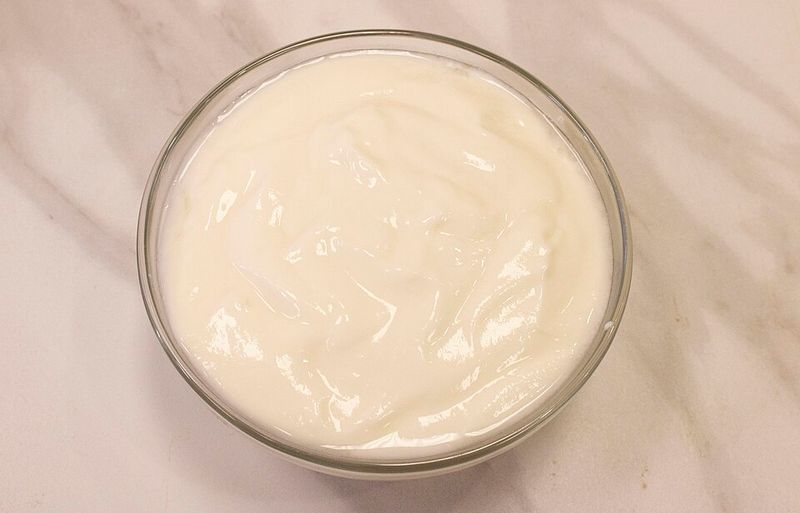
Walk down the dairy aisle and you will find dozens of yogurt options, but not all of them are created equal when it comes to gut health. Plain yogurt made with live and active cultures is the one worth reaching for.
Those cultures, typically strains of Lactobacillus and Streptococcus, are living microorganisms that can contribute to a healthier gut environment when consumed regularly.
These beneficial bacteria, often called probiotics, can help restore balance in the gut microbiome, especially after illness or antibiotic use. They may also help reduce symptoms of digestive discomfort, such as bloating or irregular bowel movements.
Research continues to explore how specific strains benefit different aspects of gut and immune health.
When shopping, look for the phrase “live and active cultures” on the label. Avoid yogurts loaded with added sugar, which can feed harmful bacteria instead.
Plain varieties give you the most benefit with the fewest drawbacks.
6. Kefir

Kefir is often described as drinkable yogurt, but it actually contains a wider and more diverse range of beneficial microorganisms than most yogurts. Made by fermenting milk with kefir grains, a combination of bacteria and yeasts, this tangy beverage has been consumed for centuries in Eastern Europe and Central Asia.
Its long history speaks to how well people have trusted it for digestive wellness.
The microbial diversity in kefir is one of its biggest advantages. A single serving can contain dozens of different bacterial strains that may help populate and diversify the gut microbiome.
A more diverse microbiome is generally considered a sign of better gut health and resilience against digestive problems.
Kefir is also lower in lactose than regular milk, making it easier for many lactose-sensitive people to tolerate. You can drink it plain, blend it into smoothies, or use it as a base for salad dressings.
It is a flavorful way to support your gut daily.
7. Sauerkraut
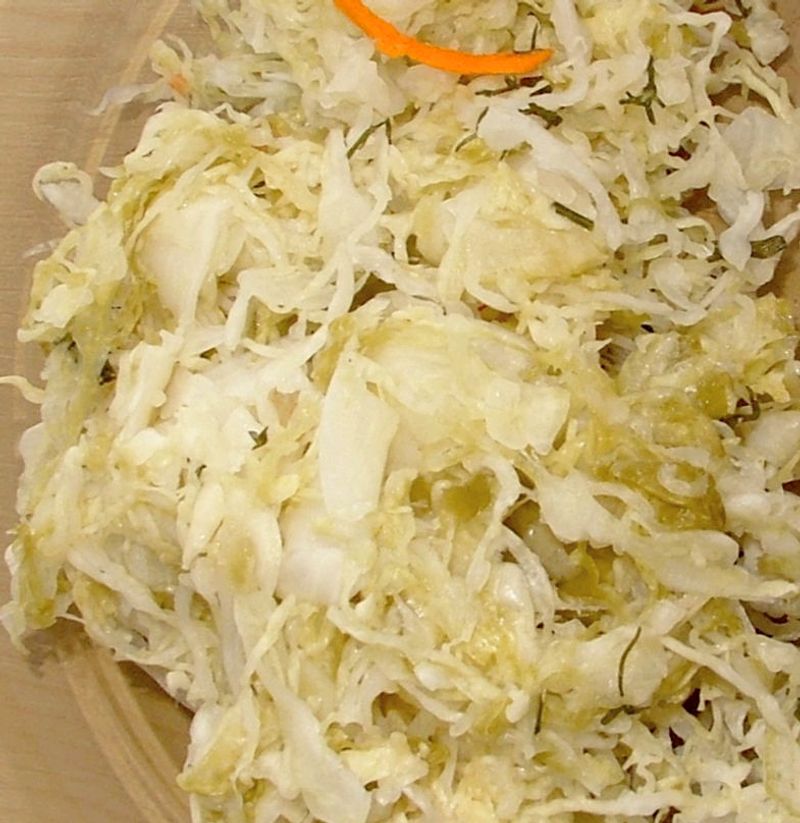
Sauerkraut is simply fermented cabbage, but that simple process creates something genuinely powerful for gut health. When cabbage ferments naturally, beneficial bacteria called Lactobacillus species multiply and produce lactic acid, which preserves the food and gives it that signature sour flavor.
Unpasteurized varieties still contain these live cultures when you eat them.
Pasteurized sauerkraut, the kind found in most grocery store cans, has been heated to kill bacteria, including the beneficial ones. For gut health benefits, look for refrigerated sauerkraut labeled as raw or unpasteurized.
Farmers markets and health food stores are often good places to find authentic versions with active cultures.
Beyond probiotics, sauerkraut also provides fiber from the cabbage itself, which feeds existing gut bacteria. It is low in calories and rich in vitamin C and vitamin K.
Adding a small spoonful as a side dish or topping is an easy way to work it into your regular meals.
8. Bananas
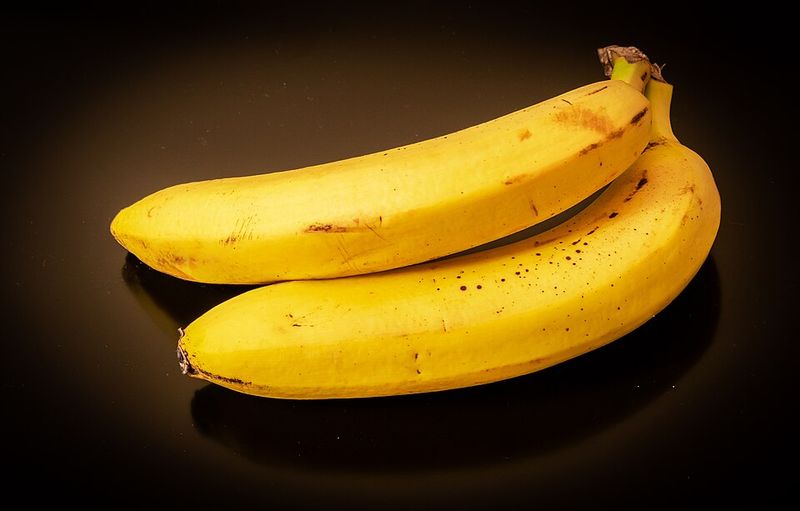
Bananas are one of the most convenient fruits around, and they offer real benefits for your gut depending on how ripe they are. A banana that is still slightly green contains more resistant starch, which functions like a prebiotic fiber in your digestive system.
As bananas ripen and turn fully yellow, that resistant starch converts into regular sugars that digest more quickly.
Both ripe and less ripe bananas still contain fiber that supports digestive health. Ripe bananas are gentler on the stomach and are often recommended for people dealing with diarrhea or an upset stomach.
Less ripe bananas, on the other hand, are better for feeding gut bacteria and producing butyrate through fermentation.
Bananas also contain pectin, a type of soluble fiber that can help regulate bowel movements and feed beneficial microbes. Whether you prefer them barely yellow or fully spotted, keeping bananas in your diet is a smart, gut-friendly habit worth maintaining.
9. Apples
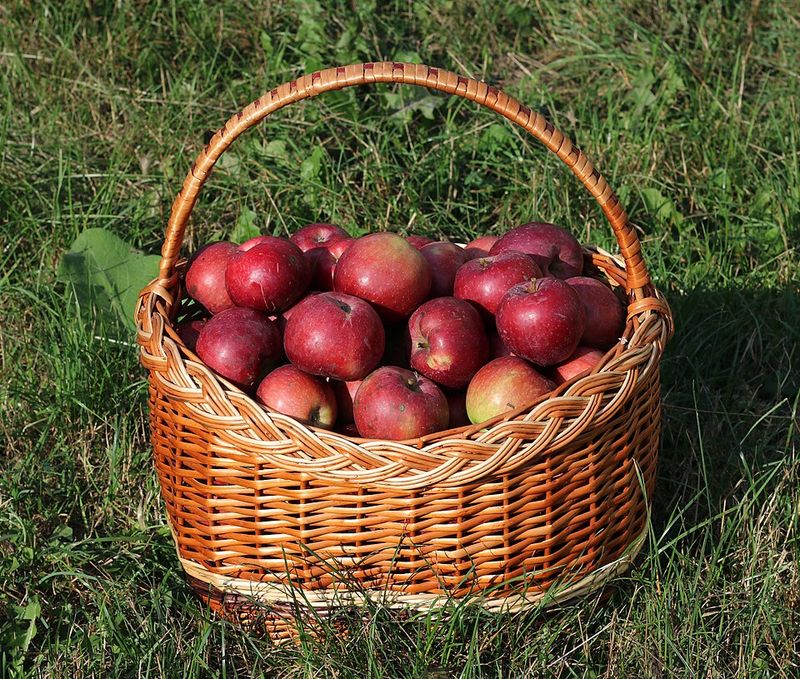
An apple a day might actually have some science behind it, at least when it comes to your gut. Apples are a rich source of pectin, a type of soluble fiber found mainly in the skin and flesh.
Pectin is fermentable, meaning your gut bacteria can break it down and use it as fuel, producing beneficial compounds in the process.
Research has shown that pectin can increase the population of helpful bacteria like Lactobacillus and Bifidobacterium in the colon. It also helps slow digestion, which supports steadier blood sugar levels and a feeling of fullness after eating.
That combination makes apples a valuable fruit for both gut and metabolic health.
Eating apples with the skin on gives you the most pectin. Organic apples are a good option if you want to avoid pesticide residue on the peel.
Sliced apples with a bit of nut butter make a satisfying, gut-supportive snack any time of day.
10. Berries
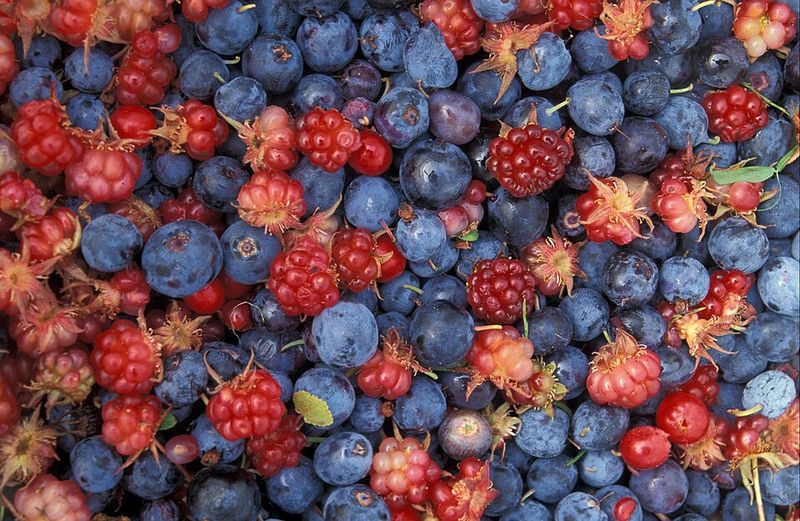
Berries are small but surprisingly powerful when it comes to supporting your gut. Blueberries, raspberries, blackberries, and strawberries all contain a combination of dietary fiber and polyphenols, plant-based compounds that have a unique and beneficial relationship with your gut microbiome.
Polyphenols are not fully absorbed by the small intestine, so they reach the colon where gut bacteria can interact with them.
When gut bacteria metabolize polyphenols, they produce bioactive compounds that may help reduce gut inflammation and strengthen the intestinal barrier. Some research suggests that berry consumption can shift the gut microbiome toward a healthier composition, increasing beneficial strains while reducing harmful ones.
That is a meaningful effect from something so easy to add to your diet.
Fresh or frozen berries work equally well for gut health. Tossing a handful into oatmeal, yogurt, or a smoothie is one of the tastiest ways to give your digestive system something to celebrate every morning.
11. Broccoli
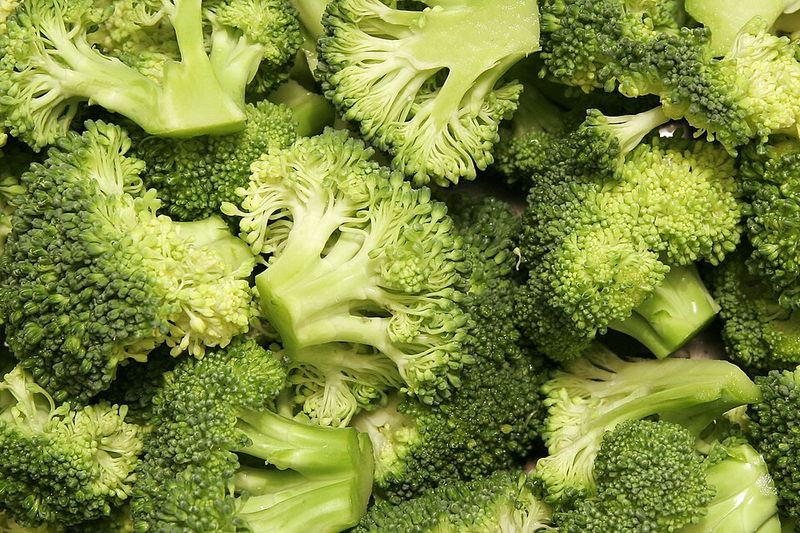
Broccoli has a reputation for being a vegetable people are told to eat but do not always love. However, for anyone focused on gut health, it is worth making peace with this cruciferous powerhouse.
Broccoli contains both soluble and insoluble fiber, which together support regularity, feed beneficial bacteria, and help maintain the physical structure of the gut lining.
Beyond fiber, broccoli is rich in glucosinolates, plant compounds that break down into bioactive molecules during digestion. These molecules have been studied for their potential to reduce gut inflammation and support the health of intestinal cells.
Sulforaphane, one of the most researched of these compounds, may help protect the gut lining from damage caused by harmful bacteria and environmental stressors.
Steaming or lightly roasting broccoli preserves more of its beneficial compounds compared to boiling it for a long time. Even small servings a few times per week can make a meaningful difference in your overall digestive health and gut microbiome balance.
12. Garlic
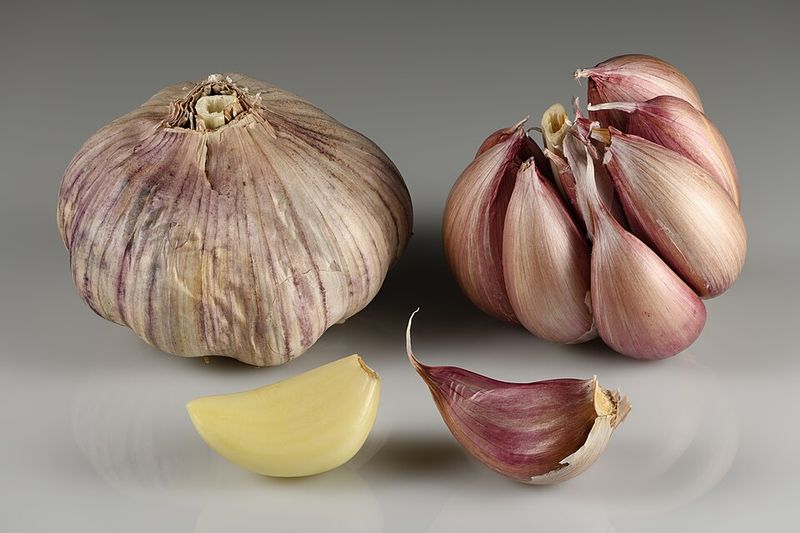
Garlic is one of those ingredients that makes almost every savory dish taste better, and it turns out your gut bacteria are just as big a fan as your taste buds. Garlic contains fructans, a type of carbohydrate with prebiotic properties.
Fructans pass through the stomach and small intestine largely undigested, eventually reaching the colon where beneficial bacteria ferment them for energy.
This fermentation process encourages the growth of good bacteria like Bifidobacterium while helping to keep populations of less desirable microbes in check. Garlic also contains allicin, a sulfur compound formed when garlic is chopped or crushed, which has shown antimicrobial and anti-inflammatory properties in research studies.
Together, these compounds create a favorable environment in the gut.
Raw garlic delivers the most allicin, but cooked garlic still retains meaningful prebiotic properties. Adding minced garlic to dressings, stir-fries, or roasted vegetables is an effortless way to support your gut microbiome with every meal you prepare.
13. Onions
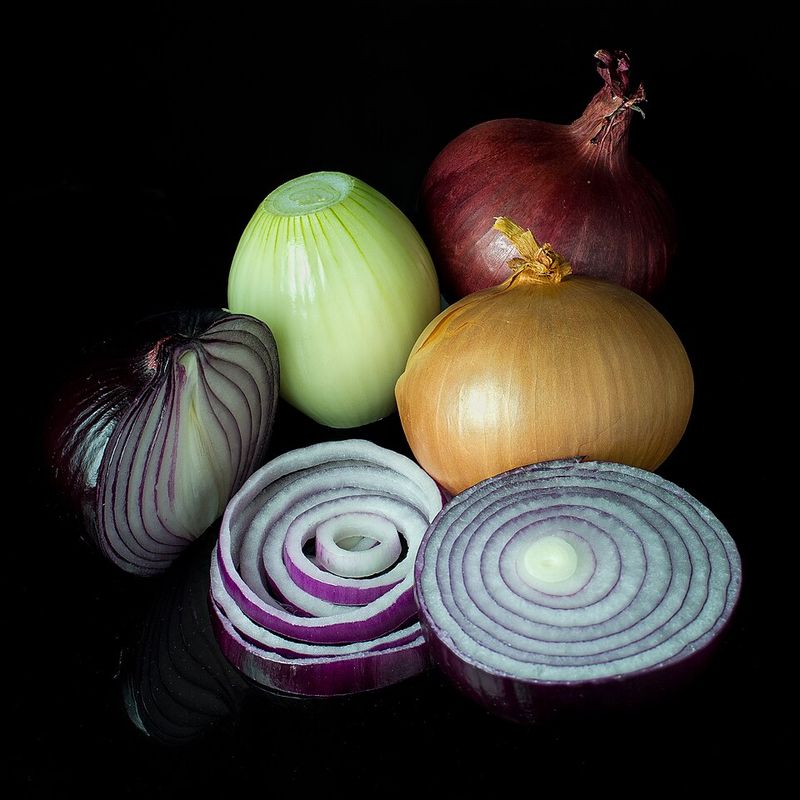
Onions and garlic are close relatives in the plant world, and they share a similar gift for gut health. Like garlic, onions are rich in fructans, particularly a prebiotic fiber called inulin.
Inulin is one of the most well-studied prebiotics, and research consistently shows it promotes the growth of beneficial bacteria in the colon, especially Bifidobacterium species.
When gut bacteria ferment inulin, they produce short-chain fatty acids including butyrate, propionate, and acetate. These compounds play important roles in gut barrier function, immune regulation, and reducing intestinal inflammation.
A diet consistently high in prebiotic-rich foods like onions can help maintain a more balanced and resilient gut ecosystem over time.
Onions are also packed with quercetin, a polyphenol with antioxidant properties that may provide additional protection for gut cells. Red onions tend to have the highest quercetin content.
Using onions as a flavor base in cooking is an easy, everyday habit with real benefits for your digestive system.
14. Salmon

Salmon stands out on this list because it supports gut health through a different pathway than fiber or probiotics. This fatty fish is one of the richest dietary sources of omega-3 fatty acids, particularly EPA and DHA.
These healthy fats are well known for their role in reducing inflammation throughout the body, including in the digestive tract.
Chronic low-grade inflammation in the gut can damage the intestinal lining over time, making it more permeable and less effective as a barrier. Omega-3 fatty acids help counteract this by modulating the immune response and reducing inflammatory signals.
Some research also suggests that omega-3s can positively influence the composition of the gut microbiome, although this area of study is still developing.
Wild-caught salmon tends to have higher omega-3 content than farmed varieties. Eating salmon two or three times a week is a practical goal for most people.
Baked, grilled, or pan-seared, it is a satisfying meal that does your gut a quiet but meaningful favor.
15. Extra-Virgin Olive Oil

Extra-virgin olive oil is the cornerstone of the Mediterranean diet, and its benefits extend well beyond heart health. This oil is rich in polyphenols, particularly oleocanthal and oleuropein, which have notable anti-inflammatory and antioxidant properties.
These compounds interact with your gut microbiome in ways that researchers are increasingly finding to be beneficial for intestinal health.
Studies have shown that regular consumption of extra-virgin olive oil can increase populations of beneficial gut bacteria while reducing levels of harmful strains. Its polyphenols reach the colon partially intact, where gut microbes metabolize them into bioactive compounds that help protect the gut lining.
The oleic acid in olive oil, a monounsaturated fat, also plays a role in reducing intestinal inflammation.
The key is choosing genuine extra-virgin olive oil, which is cold-pressed and minimally processed to retain its polyphenol content. Using it as a salad dressing, drizzled over roasted vegetables, or as a dipping oil for bread are all simple, flavorful ways to make it a daily habit.
Share this story