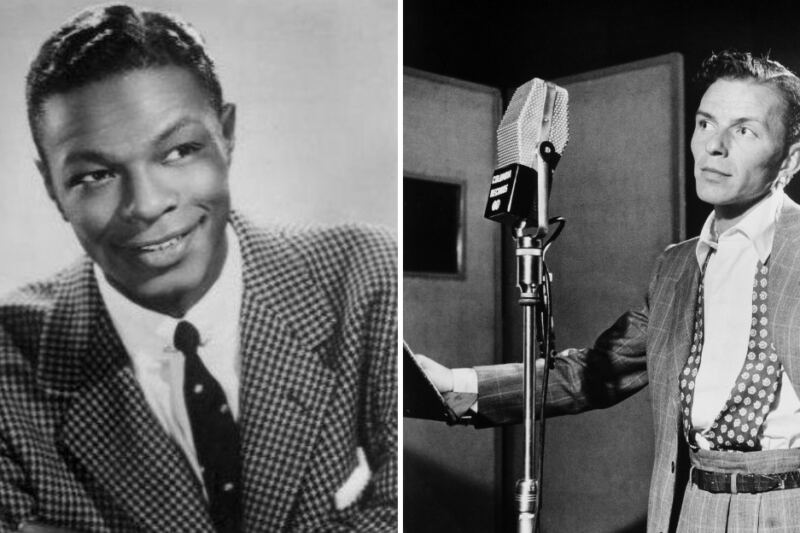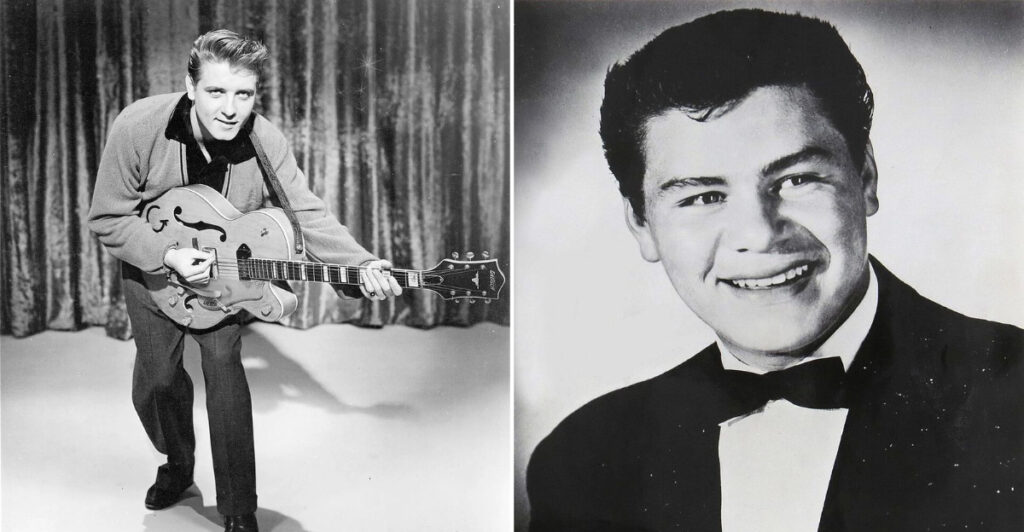
By 1958, rock and roll was no longer a passing craze. The music had grown louder, more confident, and more adventurous, while doo-wop, country, R&B, and pop continued borrowing ideas from one another. That year produced a remarkable collection of songs that helped define the sound of the late 1950s and laid the groundwork for what would follow in the 1960s. Whether you lived through it or discovered it later, these 13 hits capture a year when popular music was changing faster than anyone expected, and the results were unforgettable.
1. Johnny B. Goode, Chuck Berry
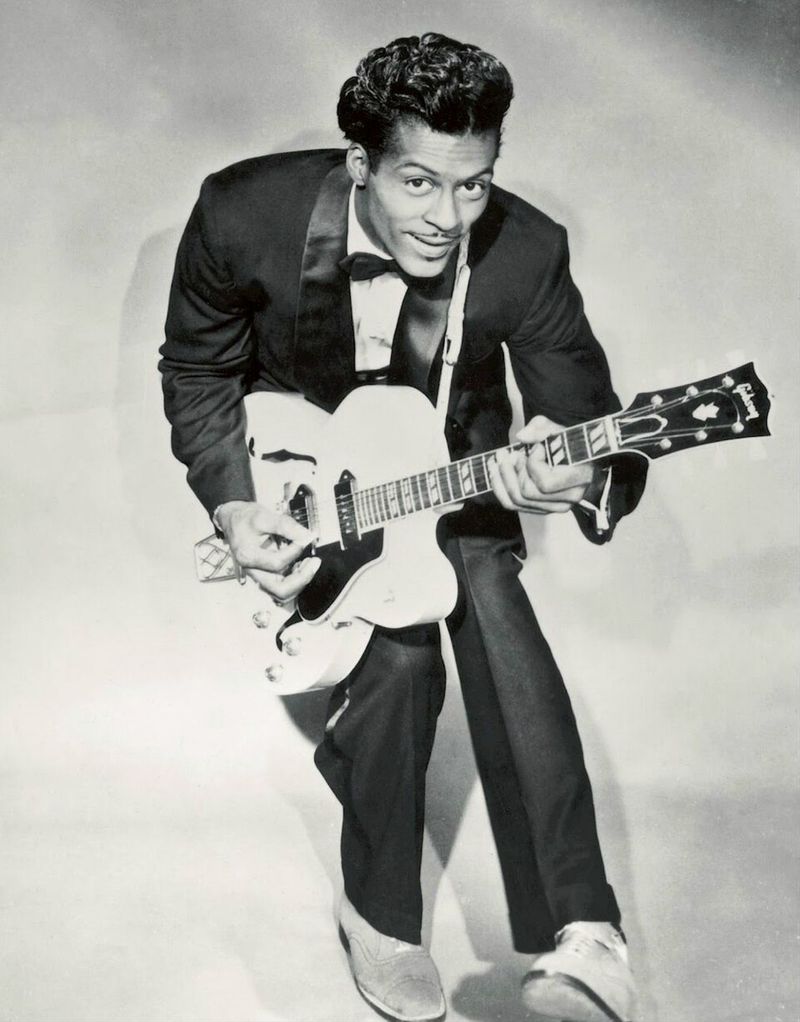
Released in March 1958, this song did something no rock and roll record had quite managed before: it made the guitar hero the subject of the story itself. Chuck Berry’s tale of a country boy who could play guitar “just like ringing a bell” climbed to number two on the Hot R&B Sides chart and reached number eight on the early Billboard pop chart.
Berry originally wrote the protagonist as a “colored boy” from the New Orleans area, but adjusted the lyrics to “country boy” to secure broader radio play. That small change helped the song reach a wider audience without losing any of its original spirit.
Its cultural weight only grew with time. In 1977, NASA included the track on the Voyager Golden Record, sending it into deep space as one of humanity’s musical representatives. John Lennon once suggested that if rock and roll needed another name, you could simply call it Chuck Berry.
2. Yakety Yak, The Coasters
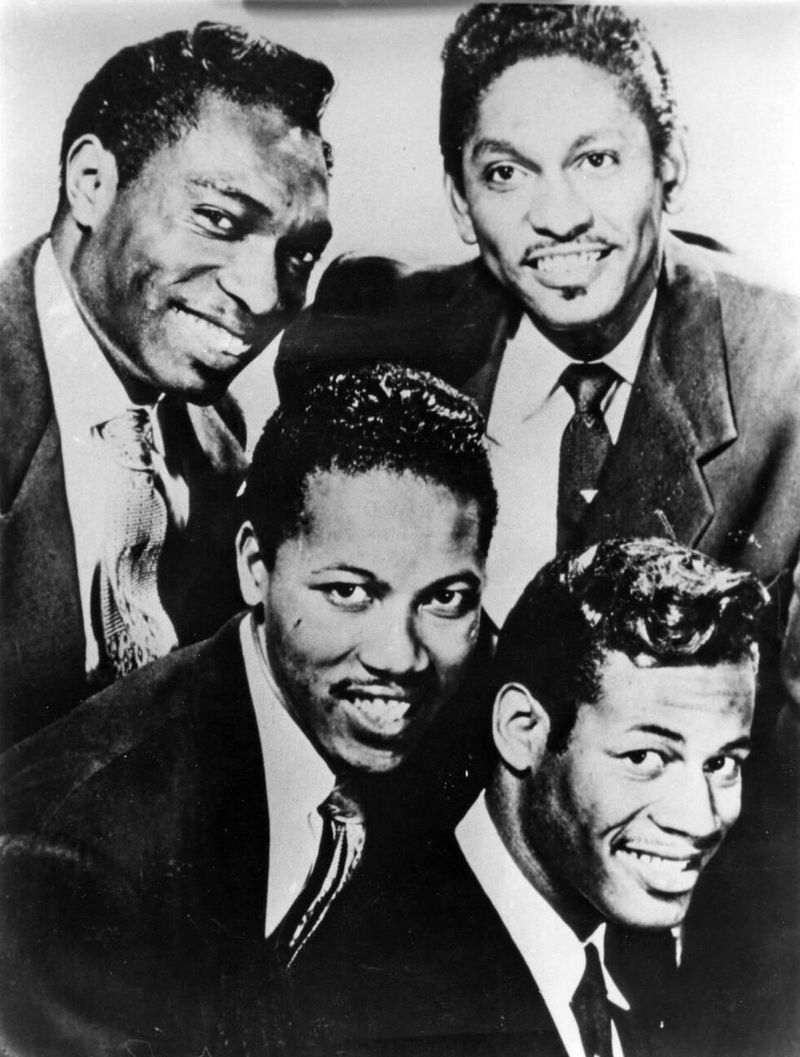
Jerry Leiber and Mike Stoller called their songs “playlets,” and this one fit that description perfectly. Released in April 1958, it dramatized the domestic standoff between a teenager and their parents over household chores, with the kid receiving a firm list of demands and a sharper “don’t talk back” for good measure.
The song spent seven weeks at number one on the R&B charts and climbed to the top of the pop chart as well. King Curtis supplied the signature tenor saxophone hook that gave the track its title and its most memorable musical moment.
The Grammy Hall of Fame inducted the original 1958 recording in 1999, recognizing its place in popular music history. More than just a novelty record, it documented a specific generational tension with enough wit and precision that listeners decades removed from 1958 still find it completely recognizable.
3. At the Hop, Danny & the Juniors
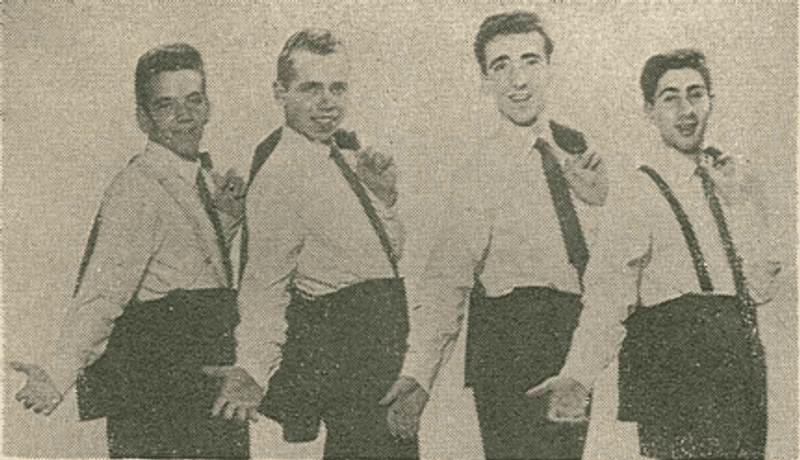
Originally titled “Do the Bop,” this song got a crucial name change after Dick Clark pointed out that the bop dance was already fading. The revised title aligned perfectly with the era’s popular “record hop” events, and the song became an instant fixture at school dances across the country.
First released in late 1957, it became a genuine phenomenon in early 1958, spending five consecutive weeks at number one on the U.S. charts. It also topped the R&B Best Sellers list, demonstrating broad appeal across multiple audiences.
Musically, it drew from twelve-bar blues, boogie-woogie piano, and the standard chord progressions that defined 1950s rock. Its lasting cultural footprint was confirmed when the 1973 film “American Graffiti” featured it prominently, introducing the track to an entirely new generation that found its energy just as irresistible as audiences had fifteen years earlier.
4. Poor Little Fool, Ricky Nelson
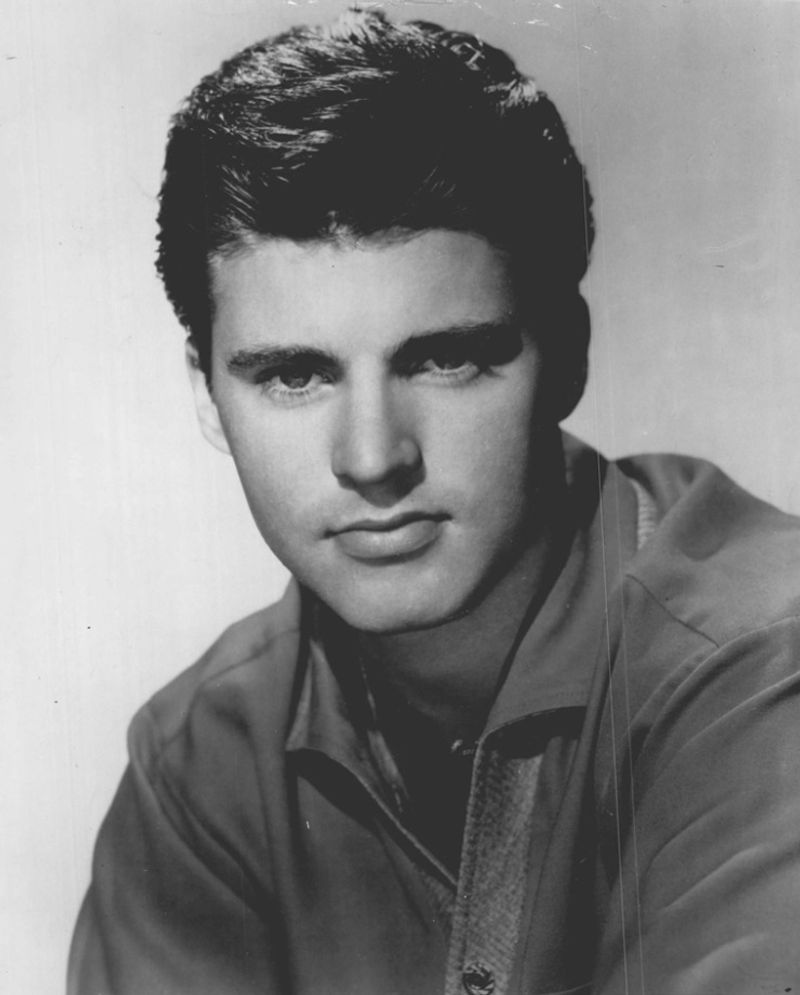
On August 4, 1958, Billboard magazine launched its new Hot 100 chart, and this song earned the distinction of being the very first track to hold the number one position. That alone would guarantee its place in music history, but the record had plenty going for it beyond the timing.
Written by Sharon Sheeley at just 15 years old, the song drew from a real personal disappointment. Nelson recorded it on April 17, 1958, with The Jordanaires providing background vocals and James Burton contributing on guitar. The combination gave the track a polished but warm sound that worked for both pop and rock audiences.
Nelson was 18 at the time of release and managed to appeal to teenagers and adults equally. The song charted in the top three on both the country and R&B charts as well, confirming that its crossover appeal was genuine rather than accidental.
5. Summertime Blues, Eddie Cochran
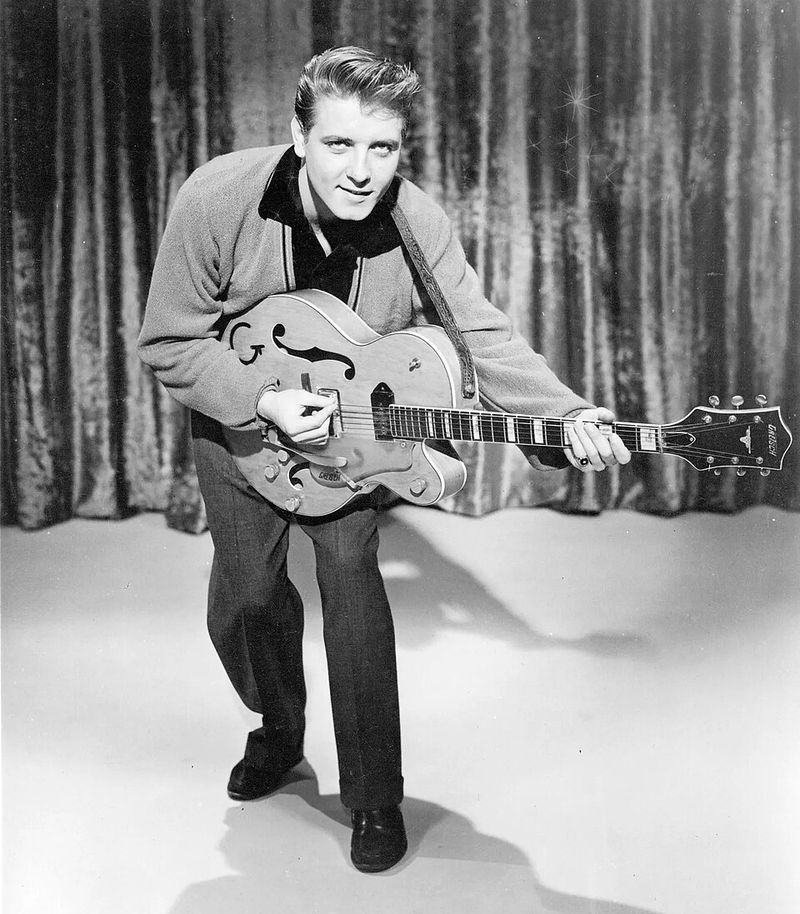
Teenage frustration got a proper soundtrack in July 1958 when Eddie Cochran released a track that managed to be both funny and genuinely cutting. Co-written with his manager Jerry Capehart, the song tackled work schedules, strict parents, and the general powerlessness of being young, all wrapped in a driving guitar arrangement that felt urgent and real.
Cochran handled both the lead and bass vocals himself, and played all the guitar parts on the recording. That level of creative control gave the track a cohesion that stood out from many of its contemporaries.
It reached number eight on the Billboard Hot 100 by late September 1958. Decades later, artists as different as Blue Cheer, The Who, Rush, and Alan Jackson all recorded their own versions, each finding something relevant in its core complaint. Few songs from the era aged quite so well across such a wide range of genres.
6. La Bamba, Ritchie Valens
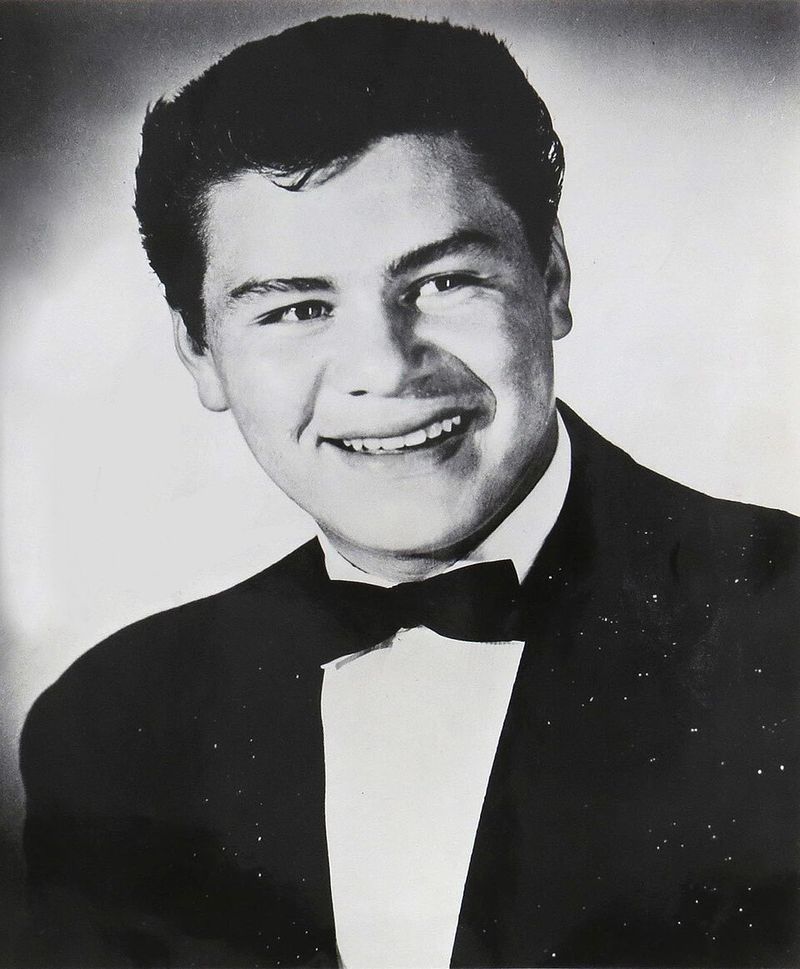
Most rock and roll artists in 1958 were drawing from American blues, country, and gospel traditions. Ritchie Valens did something different: he took a centuries-old son jarocho folk song from Veracruz, Mexico, added electric guitars and a rock rhythm section, and kept the original Spanish lyrics completely intact.
Released in October 1958 as the B-side to his ballad “Donna,” the track reached number 22 on the Billboard Hot 100. That chart position undersells its actual significance considerably. Valens, at 17, became the first Latino teen idol in the United States, and his approach to blending traditional Mexican music with rock and roll opened a door that many artists would later walk through.
Latin influences had existed in American popular music before, but “La Bamba” made that connection explicit and commercially viable. Its impact on the cultural range of rock and roll proved far more lasting than its original chart position suggested.
7. Chantilly Lace, The Big Bopper
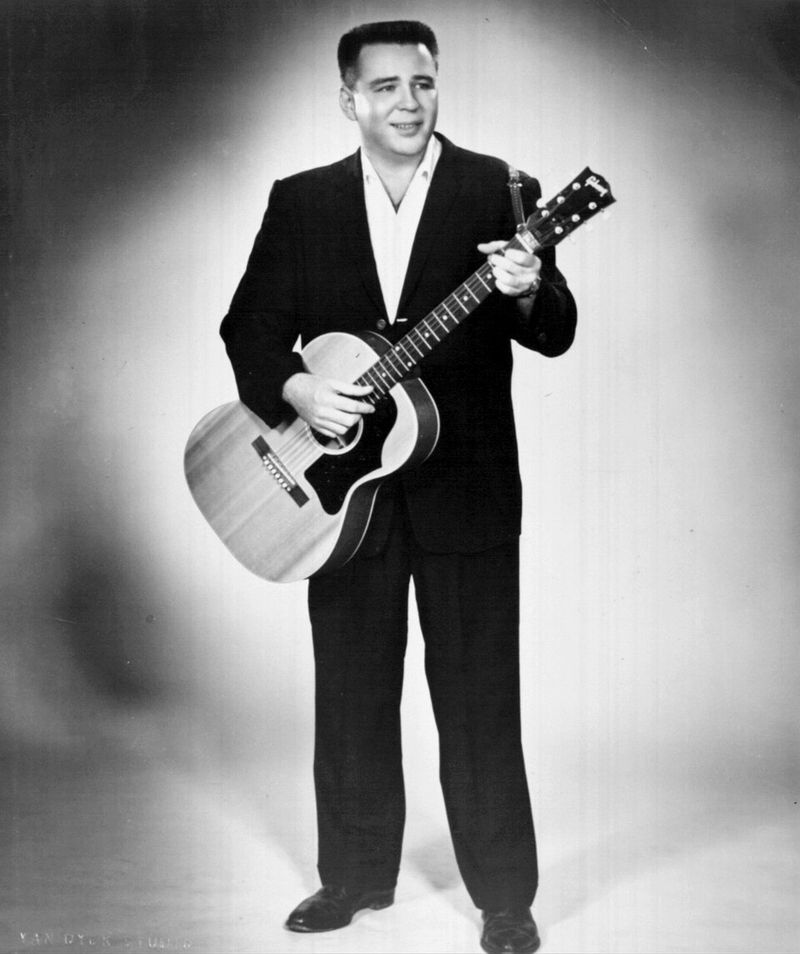
J.P. Richardson built an entire persona around one record, and it worked remarkably well. “Chantilly Lace” arrived in August 1958 presenting only one side of a flirtatious phone conversation, with Richardson’s deep, theatrical voice doing all the heavy lifting. The listener never heard the other end, which made the performance even more entertaining.
The track was originally released as a flip side but quickly became the side that radio stations and listeners preferred. It climbed to number six on the Billboard Hot 100 and spent 22 weeks on the national Top 40, finishing as the third most played song of 1958.
Its success came from personality rather than musical complexity. Richardson understood that rock and roll had room for characters, not just singers, and “Chantilly Lace” proved that a well-crafted novelty record could compete directly with straightforward pop and rock hits on the same charts.
8. Sweet Little Sixteen, Chuck Berry
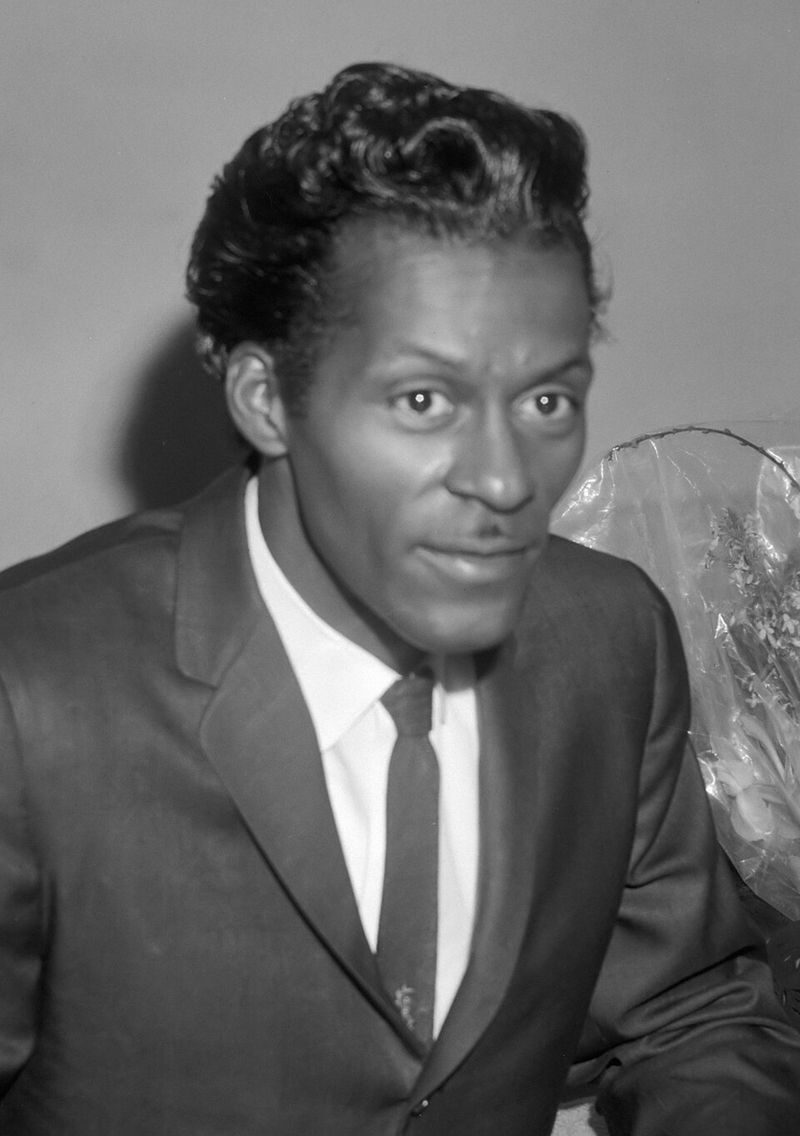
Chuck Berry reportedly came up with this song after watching a young girl at a Denver concert spend the entire evening chasing autographs, seemingly more interested in collecting signatures than listening to the music. That observation became the foundation for one of his most celebrated tracks.
Released in January 1958, it reached number two on the Billboard Hot 100 and topped the R&B Best Sellers chart. Rather than centering the song on romance, Berry focused entirely on the experience of being a rock and roll fan, capturing the concert-going rituals of 1950s teenagers with sharp, specific detail.
The song’s melody proved so appealing that The Beach Boys adapted it for their 1963 hit “Surfin’ U.S.A.,” a direct line of influence that speaks to Berry’s reach across generations. Rolling Stone later ranked it at number 272 on its list of the 500 Greatest Songs of All Time.
9. Stagger Lee, Lloyd Price
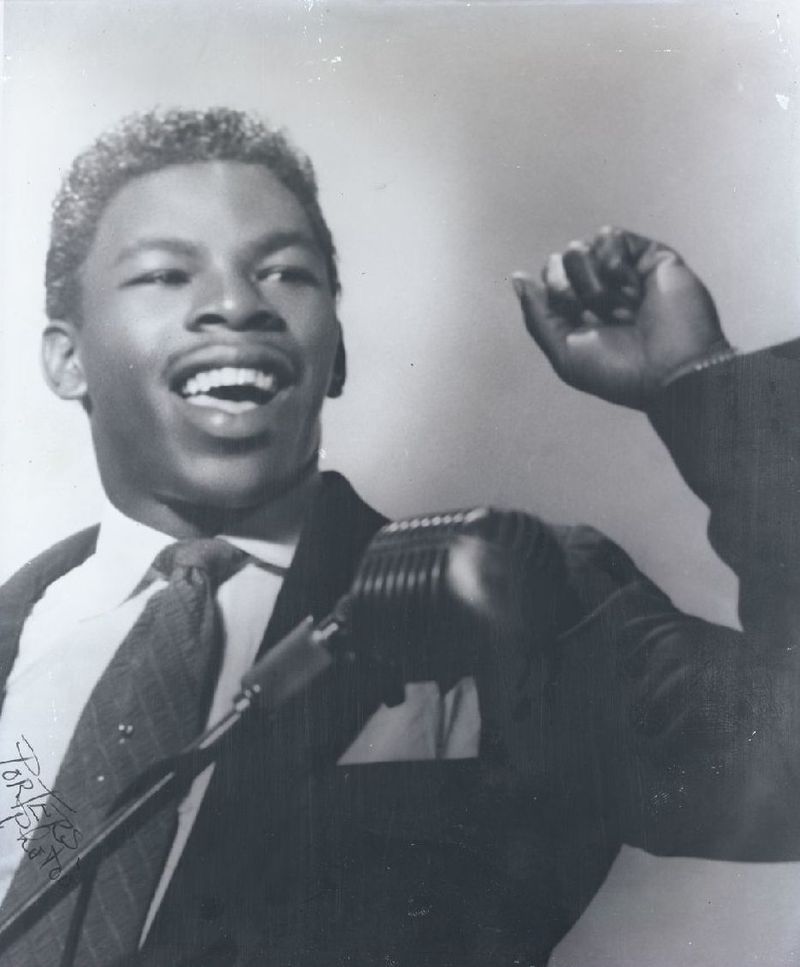
Lloyd Price took one of the oldest narrative folk songs in American tradition and gave it a complete musical makeover. The original “Stagger Lee” ballad had existed in various forms for decades, but Price’s 1958 recording replaced its grim acoustic roots with a lively horn section, a driving beat, and an arrangement designed for dancing.
The contrast between the song’s violent storyline and its upbeat musical setting created an odd but effective tension. Price even recorded a cleaned-up version with an alternate, peaceable ending for radio stations that found the original lyrics too direct.
The record reached number one on both the Billboard Hot 100 and the R&B charts in early 1959, following its 1958 release, and hit number seven on the UK singles chart. Rolling Stone placed it at number 456 on its 500 Greatest Songs list, recognizing Price’s achievement in reshaping traditional material into a mainstream pop and R&B force.
10. Smoke Gets in Your Eyes, The Platters
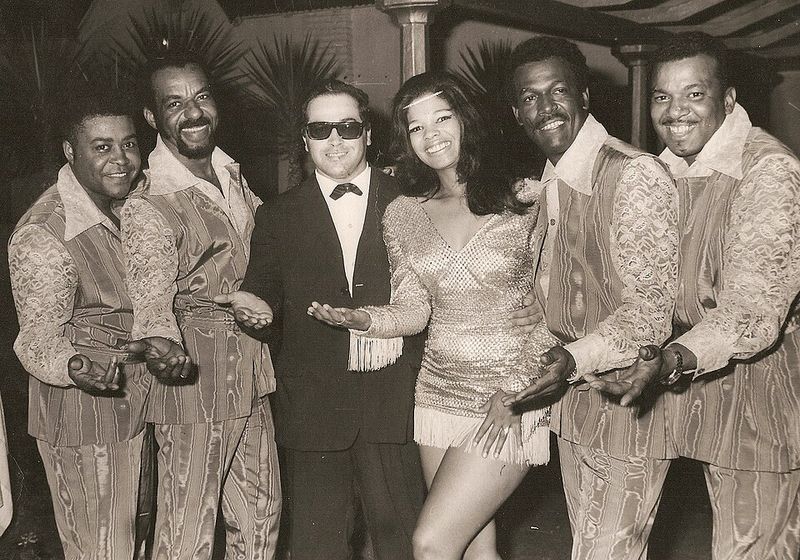
Jerome Kern and Otto Harbach wrote this song for a 1933 Broadway musical called “Roberta,” making it already 25 years old when The Platters recorded their version at the end of 1958. That gap between composition and recording raises an obvious question: what made a Broadway standard relevant to rock-era audiences? The answer was largely Tony Williams.
Williams’s soaring tenor, supported by a lush orchestral arrangement produced by Buck Ram, gave the song an emotional directness that connected across generations. The Platters had built their reputation on gospel-influenced vocal harmony and a willingness to reinterpret standards rather than compete directly with harder-edged rock acts.
Their version reached number one on the Billboard Pop chart and topped the R&B chart in early 1959. It became one of their signature recordings and demonstrated that vocal group harmony still commanded serious commercial power even as rock and roll continued expanding its reach.
11. It’s Only Make Believe, Conway Twitty
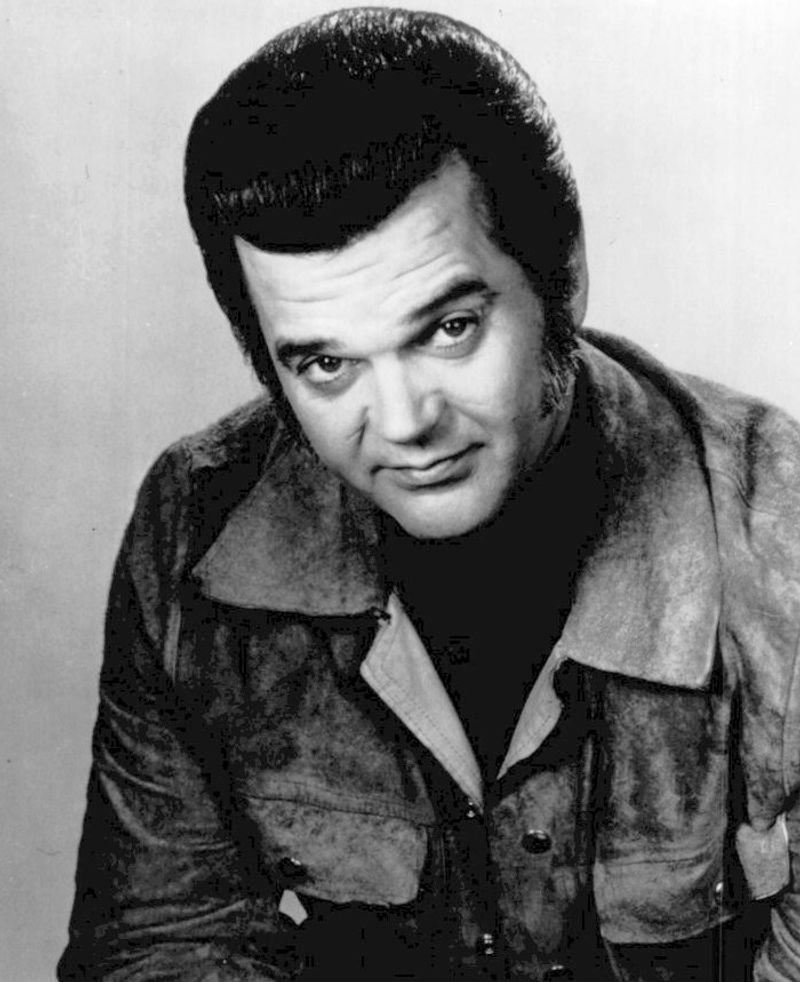
Conway Twitty and his drummer Jack Nance wrote this song during a tour stop in Ontario, Canada, reportedly in less than an hour. It was released in July 1958 as the B-side to “I’ll Try,” and for a while it looked like neither side would amount to much. Then a DJ in Columbus, Ohio, flipped the record over and the rest sorted itself out quickly.
Twitty’s vocal delivery on the track drew consistent comparisons to Elvis Presley, particularly his lower register and the controlled intensity he brought to the performance. That comparison helped generate early interest, but the song’s dramatic structure kept listeners engaged on its own terms.
By November 1958, it had spent two weeks at number one on the Billboard chart and eventually sold over eight million copies across 22 countries. Although Twitty later became known primarily as a country artist, this record established him first as a rock and roll performer with genuine mainstream reach.
12. Bird Dog, The Everly Brothers
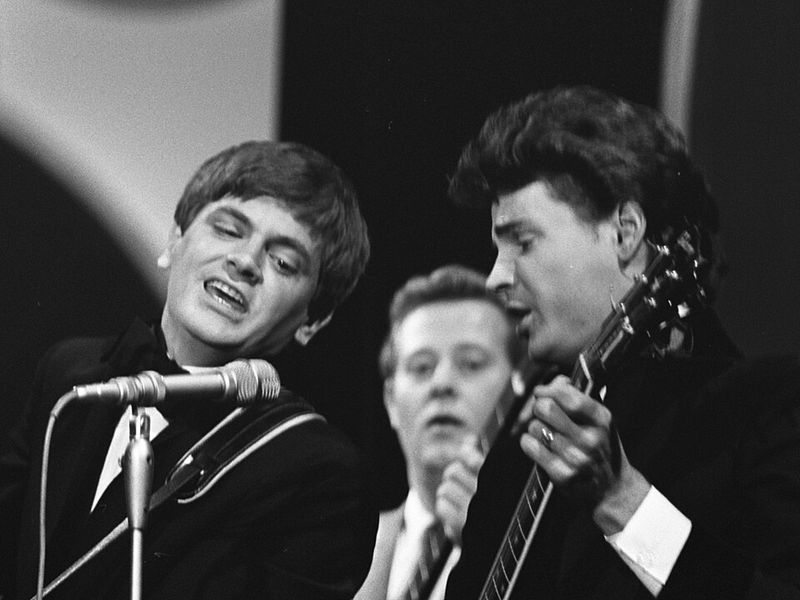
Boudleaux Bryant wrote this song, and Don and Phil Everly reportedly were not particularly enthusiastic about recording it. That reluctance makes the outcome even more surprising. Released in July 1958, “Bird Dog” spent six weeks at number one on the Billboard Country Chart and reached number two on both the Hot 100 and the R&B charts simultaneously.
The song’s structure is genuinely unusual, combining a twelve-bar blues stanza with an eight-bar blues chorus in a way that feels natural rather than experimental. Bryant’s lyrics used the bird dog comparison to comic effect, narrating a persistent rival’s attempts to move in on the singer’s girlfriend.
What the track really showcased, beyond its structure and humor, was the Everly Brothers’ close vocal harmony. Their ability to blend two voices into a single, seamless sound became a direct influence on artists ranging from Simon and Garfunkel to The Beatles, making this record’s impact far larger than its chart numbers alone suggest.
13. Whole Lotta Loving, Fats Domino
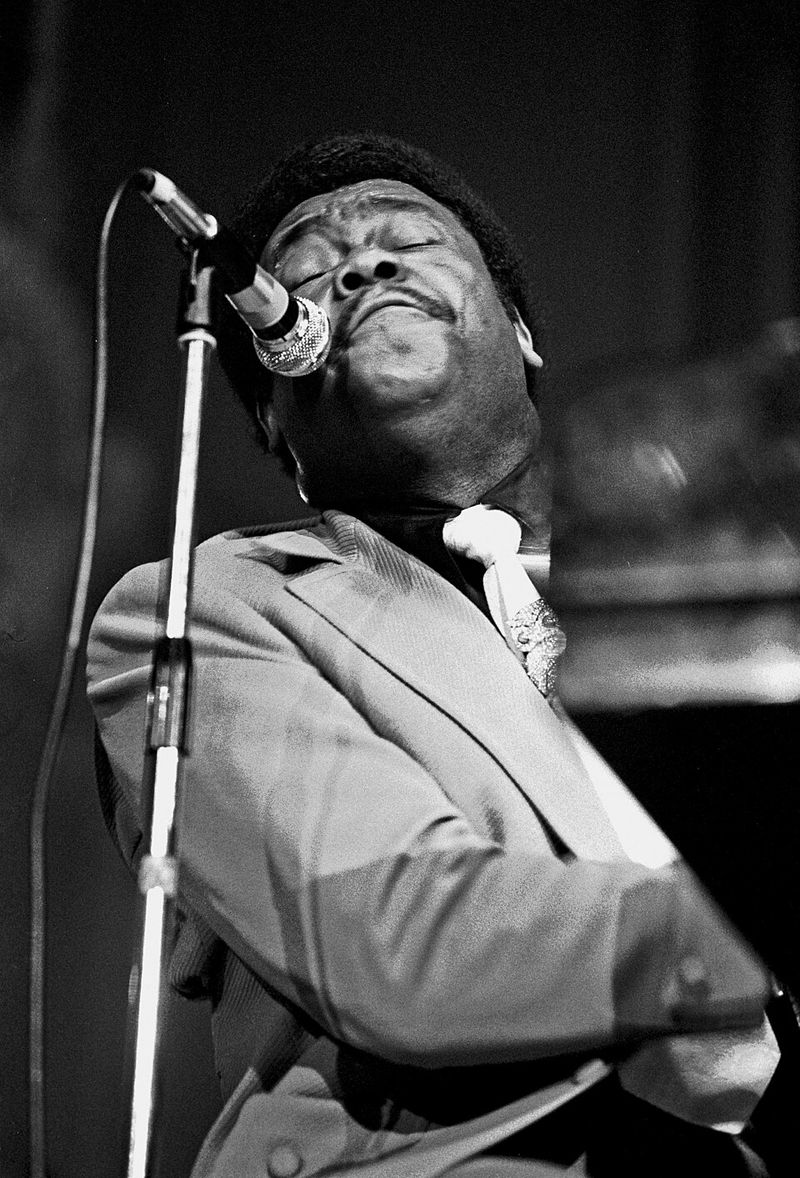
Fats Domino and his longtime collaborator Dave Bartholomew co-wrote this track, and it arrived in 1958 as another confident entry in a catalog that had already shaped the early years of rock and roll. Domino promoted the single with an appearance on The Dick Clark Beechnut Show, putting his relaxed, assured performance style in front of a national television audience.
The song peaked at number two on the Hot R&B Sides chart and reached number six on the Billboard Hot 100. Those numbers reflect consistent commercial performance rather than a sudden breakthrough, which was entirely characteristic of Domino’s career at that point.
His piano style, built on rolling triplets rooted in New Orleans tradition, gave his recordings a distinctive identity that no other artist of the era quite replicated. “Whole Lotta Loving” kept early rock connected to its R&B foundation at a moment when the genre was rapidly expanding in multiple new directions.
Share this story