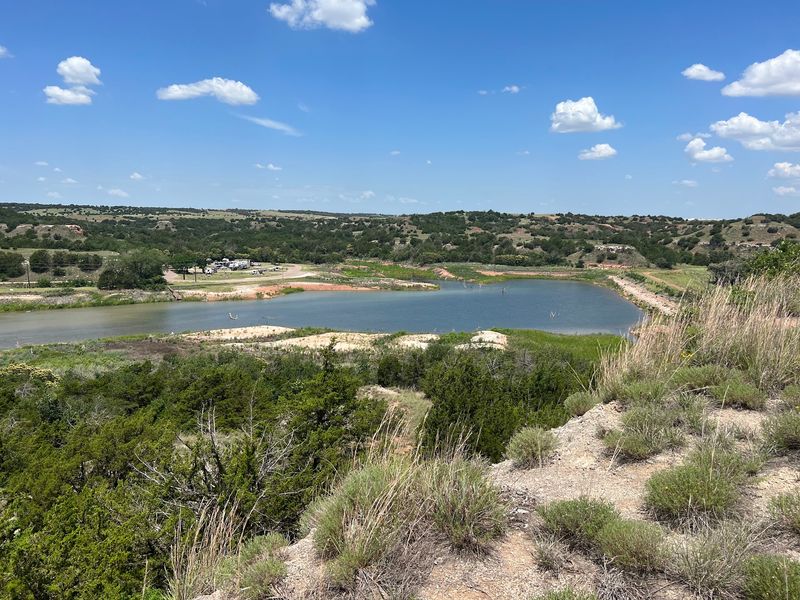
Most Oklahomans drive right past the turnoff without a second glance, which is honestly their loss. Roman Nose State Park sits quietly in the red-rock canyon country of western Oklahoma, offering a slice of dramatic landscape that feels more like New Mexico than the southern plains.
For just five dollars, you get access to canyon rim trails, a historic lodge, and some of the darkest skies in the region. It is the kind of place that rewards the curious traveler who bothers to look beyond the well-worn tourist trail.
Where Roman Nose State Park Actually Lives
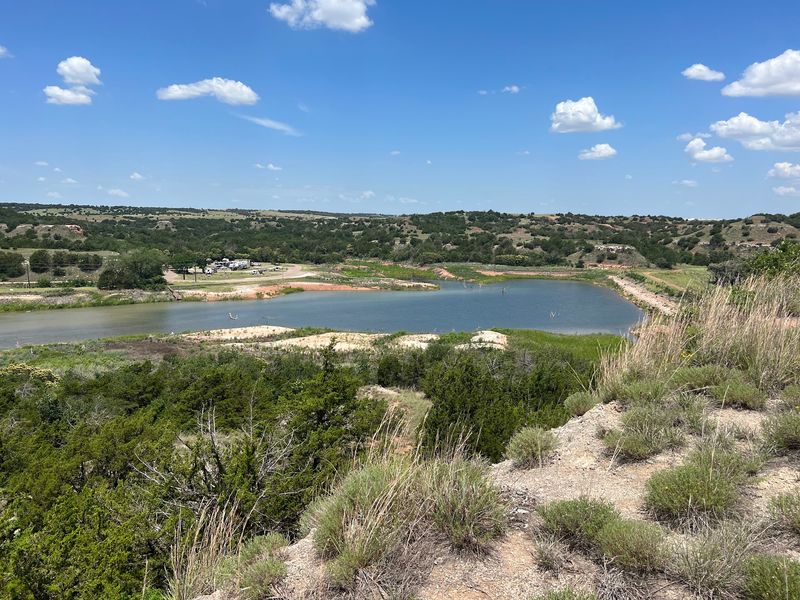
Carved into the rolling canyon country of Blaine County, Roman Nose State Park calls 3236 OK-8A, Watonga, Oklahoma 73772 home. The park sits roughly seven miles north of the small town of Watonga and about an hour and a half west of Oklahoma City, making it a genuinely reachable escape for anyone based in the metro area.
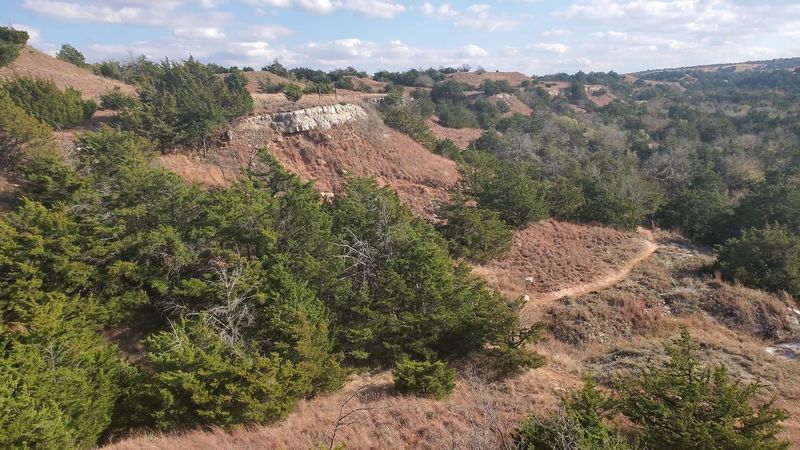
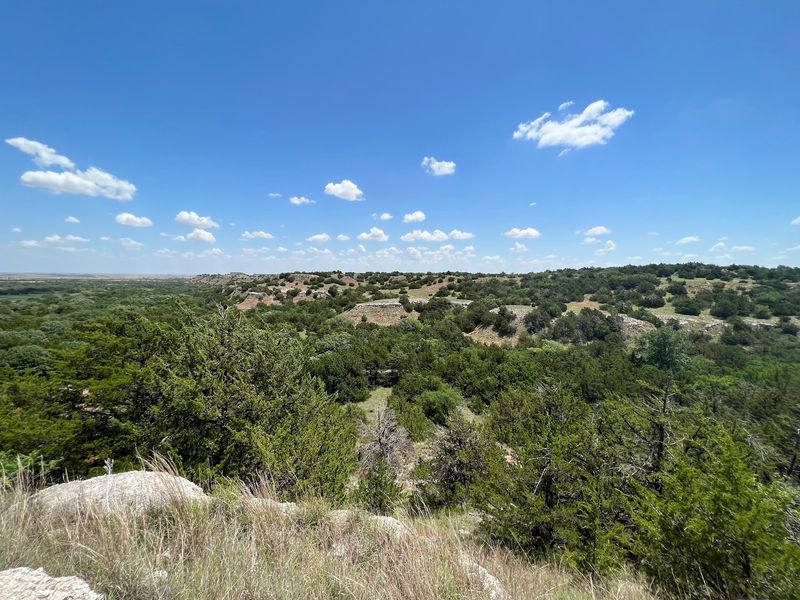
The landscape here is the first thing that stops you cold. Red and white gypsum cliffs rise above cedar-draped canyon walls, cutting a surprisingly dramatic profile against the wide western sky.
It does not look like the Oklahoma most people picture when they think of the state.
Named after Henry Roman Nose, a Southern Cheyenne chief who camped in these canyons during the late 1800s, the park carries real historical weight alongside its natural beauty. That combination of geology, Indigenous history, and sheer scenic surprise is what makes the address worth punching into your GPS in the first place.
The History Baked Into These Canyon Walls
Long before it became a state park, this stretch of gypsum canyon was a gathering place. Henry Roman Nose, a respected Southern Cheyenne leader, used these sheltered canyon floors as a campsite during the turbulent years following the Civil War.
The land carries that legacy quietly but unmistakably.
The park itself was developed during the New Deal era, when the Civilian Conservation Corps built much of the infrastructure that still defines the property today. The lodge, the stone pathways, and the general layout of the grounds all reflect that 1930s craftsmanship, which prioritized blending built structures into the natural terrain rather than overpowering it.
Inside the lodge, local flair celebrating the Cheyenne and Arapaho tribes gives the interior a sense of place that feels earned rather than decorative. A visit from a traveler in 2024 noted that the lodge retains the same bones it had in 1977, updated but not stripped of its character.
That continuity across nearly a century is rarer than it sounds in Oklahoma state parks.
Canyon Terrain and the Lay of the Land
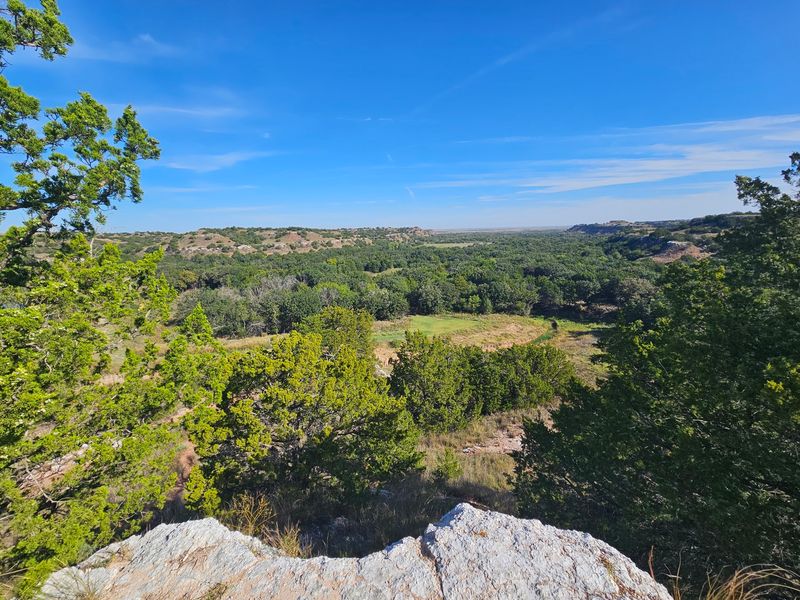
The geology here is genuinely unusual for a landlocked plains state. Gypsum and red sandstone formations create canyon walls that shift color through the day, going from pale cream in the morning to a deep rust by late afternoon.
Cedar trees cling to the slopes in dense clusters, filling the canyon air with a sharp, clean scent that hits you the moment you step out of the car.
The park sits at the edge of the Gloss Mountains region, where the flat Oklahoma plains abruptly give way to eroded canyon country. That transition happens fast, and the visual payoff is significant.
One moment you are driving through open farmland, and the next you are winding down into a red-walled canyon that feels genuinely remote.
Natural springs feed a small creek through the canyon floor, and the park’s pool is reportedly fed by those same springs, giving the water a cool, clear quality even in the heat of summer. The terrain rewards slow exploration more than speed, and the canyon’s layered walls offer a geology lesson that no sign is needed to appreciate.
Trails Worth Lacing Up For
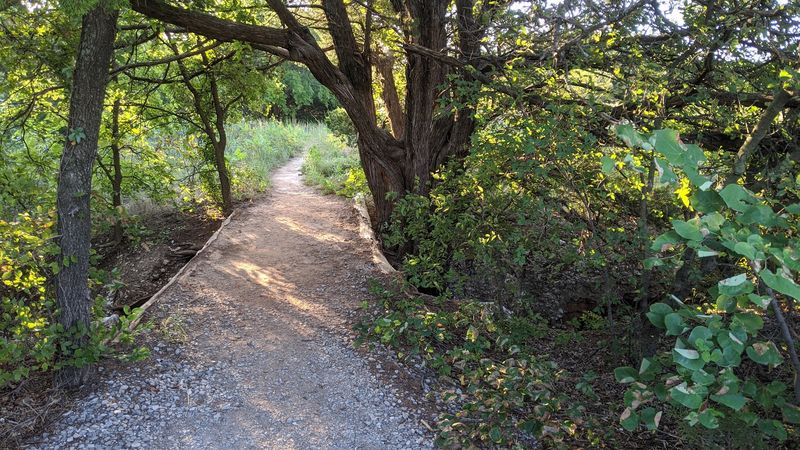
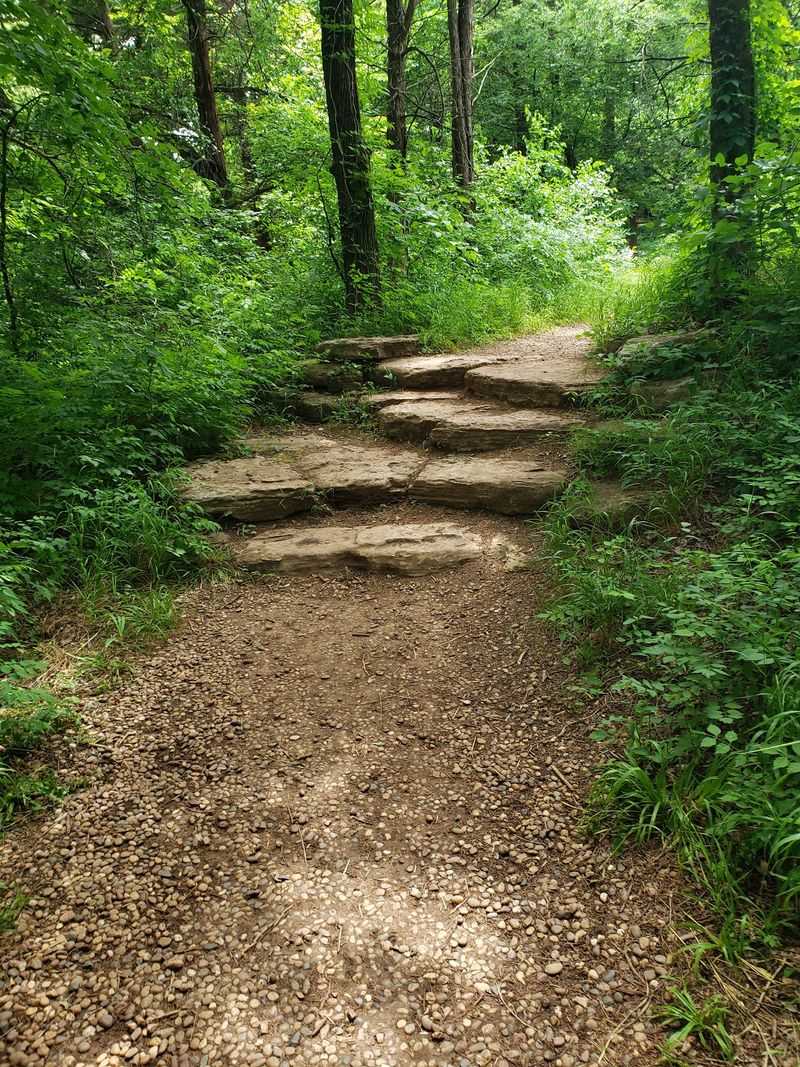
Hiking at Roman Nose State Park is not a manicured, hand-holding experience, and that is precisely what makes it appealing for people who want terrain with some personality. The trail network winds through canyon bottoms and up along rim edges, offering views that surprise you at every turn.
Getting to Inspiration Point from the lodge involves real elevation change, with steep climbs that make the payoff feel genuinely earned.
A paved ADA-accessible trail connects the main camping area to the lodge and continues toward Inspiration Point, making at least part of the canyon rim experience available to visitors with mobility considerations. That is a thoughtful detail that not every rural Oklahoma park has bothered to include.
Some trails have faced closures in recent years due to construction and maintenance, so checking current conditions before visiting is worth the two-minute phone call. Visitors who have explored the open routes report covering five miles comfortably on a good weather day.
The trail markings on the dirt paths can be inconsistent, so bringing a downloaded map or asking the staff at the lodge before heading out is a smart move.
The Golf Course Nobody Expects to Find Here
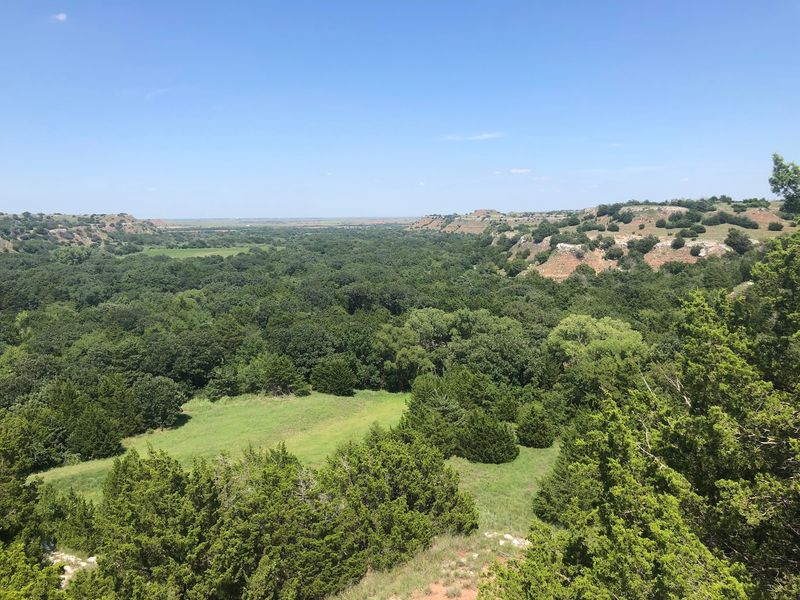
An 18-hole golf course built along the edges of a gypsum canyon is not something you expect to find at a rural Oklahoma state park, but Roman Nose delivers exactly that. The fairways run right up against canyon drop-offs, and errant shots into the rough carry a real consequence.
One visitor put it plainly: if your ball goes deep into the brush, leave it for the snakes and drop another.
The course is consistently reported to be in excellent shape, which is a pleasant surprise given the park’s remote location. Playing a round here is more about the experience of the terrain than scoring well.
The canyon walls frame each hole in a way that no flat-land municipal course can replicate.
For golfers who have grown tired of cookie-cutter courses, Roman Nose offers something genuinely different. The combination of natural hazards, canyon scenery, and the sheer oddity of finding a well-maintained course this far off the beaten path gives the round a memorable quality.
It is the kind of course you tell people about afterward, even if you lost three balls in the process.
Camping, Cabins, and a Lodge With Character
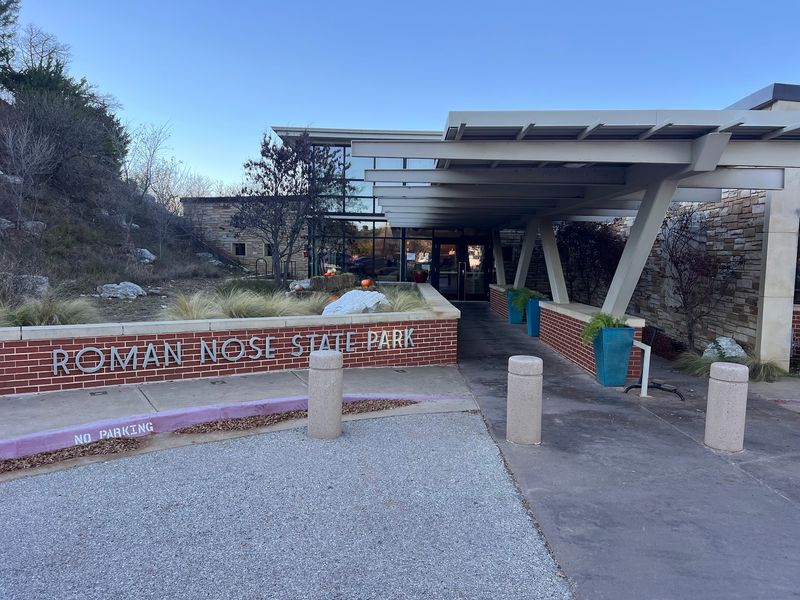
Overnight options at Roman Nose run the full range from bare-ground tent sites to lodge rooms with satellite TV and lake views. The duplex-style cabins draw consistent praise for being clean and well-maintained, with generous concrete driveways, fire pits, and picnic tables tucked into the backyard.
They sit within reasonable walking distance of the lodge, making the setup feel more like a small resort than a roughing-it experience.
Cabin interiors include living and dining areas with kitchenettes, which makes longer stays genuinely comfortable. The beds are not luxury hotel quality, and past visitors suggest bringing your own pillows and extra bedding if you are particular about sleep.
That honest caveat aside, the cabins deliver solid value for the price point.
Lodge rooms come with minifridges and coffee makers, and the whole property offers free Wi-Fi throughout. RV sites are available as well, though the narrow roads and uneven terrain make the park better suited to smaller rigs and tent campers than to large Class A motorhomes.
The staff at the front desk consistently earns high marks for friendliness and going out of their way to help guests sort out any issues.
Dark Skies and the Case for Stargazing Here
One of the least-talked-about reasons to visit Roman Nose State Park is what happens after the sun goes down. Blaine County sits far enough from any major city that light pollution drops to near nothing on clear nights, turning the sky above the canyon into something genuinely spectacular.
A recent visitor specifically made the trip for astrophotography and came away satisfied, noting the near-total absence of nearby city lights.
The canyon setting actually helps the stargazing experience by blocking out any residual glow from distant towns and creating a natural dark bowl overhead. Wide-open western Oklahoma skies combined with that canyon framing make for compositions that hold up well in a camera frame.
For anyone who has never seen the Milky Way in person, the drive out to Roman Nose on a moonless night is worth making for that reason alone. The cell service is spotty, which turns out to be a feature rather than a flaw when you are trying to disconnect and look up.
Bring a red-light headlamp, a blanket, and enough patience to let your eyes fully adjust to the dark.
Who This Park Is Really Built For
Roman Nose State Park hits a sweet spot for a specific kind of traveler: someone who wants genuine nature without the crowds, does not need every amenity to be polished, and appreciates a place that still has rough edges. Families looking for an affordable weekend away from Oklahoma City find the hour-and-a-half drive easy to justify when the per-vehicle entry fee is just five dollars.
Hikers who prefer trails with actual elevation and real terrain over flat paved loops will find the canyon paths satisfying. The park is also well-suited to photographers, whether they are shooting the canyon walls at golden hour or the stars at midnight.
Golfers looking for a course with genuine character rather than manicured sameness have a strong reason to make the trip.
Campers traveling with kids report the park being friendly and manageable for families, with enough open space to keep younger visitors entertained. Pet owners will find the park accommodating as well.
The experience is not for visitors who need a resort experience or expect every listed amenity to be fully operational on any given visit. Flexibility and a spirit of exploration go a long way here.
Getting There, Current Conditions, and What to Know Before You Go
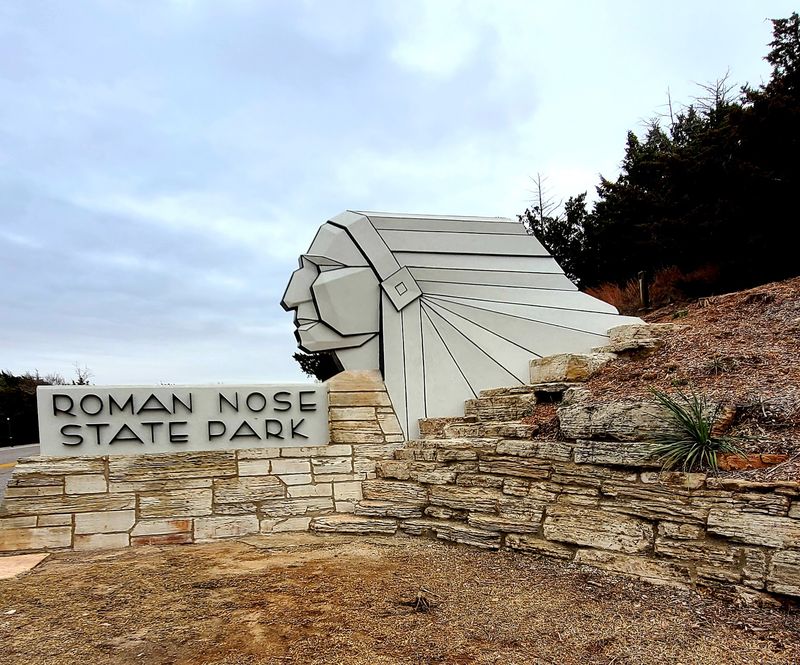
Roman Nose State Park is located at 3236 OK-8A, Watonga, OK 73772, reachable by phone at 405-295-2770 and online through travelok.com. The park holds a 4.5-star rating across more than 1,000 reviews, which reflects a genuine split between visitors who love the canyon scenery and those who arrived expecting fully operational water amenities.
Both Boecher and Watonga Lakes have been drained due to dam failures, and as of recent visits, construction timelines remain unclear. Anyone planning a kayaking or fishing trip should call ahead to confirm current water conditions before making the drive.
The paddleboats visible near the store are currently sitting on dry ground, and the general store hours vary by season.
The outdoor pool is fed by natural springs and operates seasonally, typically on weekends during warmer months. Parking is free, and the entry fee is five dollars per vehicle.
Watonga itself is about seven miles away and worth a quick detour for its own small-town character. Cell service is limited inside the canyon, so downloading maps and trail information before arrival saves real frustration on the day of your visit.
Share this story