Some of the best surprises in Oklahoma show up where you least expect them, tucked behind a quiet road and a few trees. I went in thinking I would kill an hour and walked out wishing I had planned a whole day.
There was a village, a dance circle, a cafe serving venison stew, and stories that stayed with me long after the drive home. If you love history that feels alive, this hidden spot deserves a place on your map.
A Hidden Campus Off Cooper Memorial Road
Plenty of travelers roll through south central Oklahoma without realizing what sits just off Cooper Memorial Road. The Chickasaw Cultural Center, at 867 Cooper Memorial Rd in Sulphur, is a sprawling campus built to share the history and living culture of the Chickasaw people.
It mixes indoor exhibits with an outdoor re-created village, and the whole place feels more like a peaceful park than a typical museum.
Getting there can be part of the adventure. One visitor described driving behind Veterans Lake in the Chickasaw National Recreation Area, taking a back road, and suddenly spotting a bridge with no signs to warn them the complex existed.
They admitted it felt a little like stumbling into a secret.
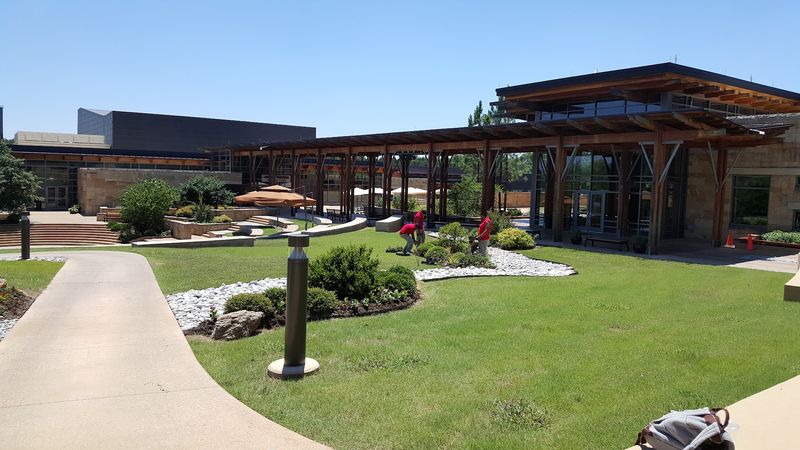
That sense of discovery is a big part of the charm. Once you arrive, you will find exhibit halls, a theater, a cafe, a gift shop, a research center, gardens, and the traditional village, all linked by walkways and water areas.
Visitors often describe the campus as extensive, so it rewards anyone who slows down. Several people mention they could easily spend an entire day exploring and still leave things unseen.
Consider it less of a pit stop and more of a destination in its own right.
Chickasaw Stories Before and After Removal
History hits differently when it is told by the people who lived it. At the center, the exhibits walk you through Chickasaw life before and after forced removal from their homelands, offering a fuller picture than most textbooks provide.
One family shared that they came specifically so their kids could learn more than one side of the story. That goal fits the place well.
The exhibit hall starts with the basics of Chickasaw culture, then moves into deeper and more personal chapters.
Some sections are deeply moving. Visitors describe reading letters written by children and seeing a barber chair connected to the experience of young people having their hair cut off at boarding schools.
One guest said it left a profound impression, the kind that makes you pause and think hard about the past.
Yet the story does not end in sorrow. The same visitor said watching young people dance afterward felt uplifting, a reminder that traditions continue and new generations carry them forward with pride.
Chickasaw visitors themselves have called it a wonderful place to learn about and celebrate their own culture. For everyone else, it is a respectful, honest introduction that leaves you understanding Oklahoma a little better than when you arrived.
The Traditional Village and Its Mound
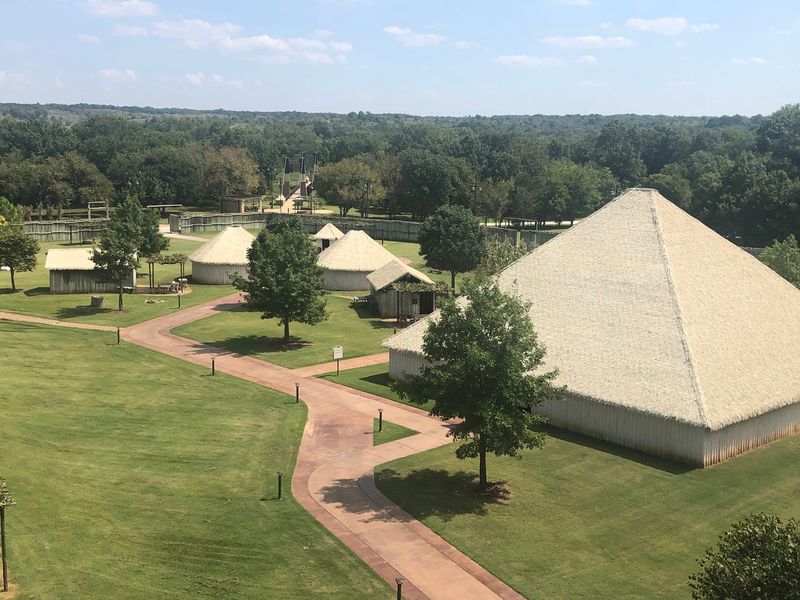
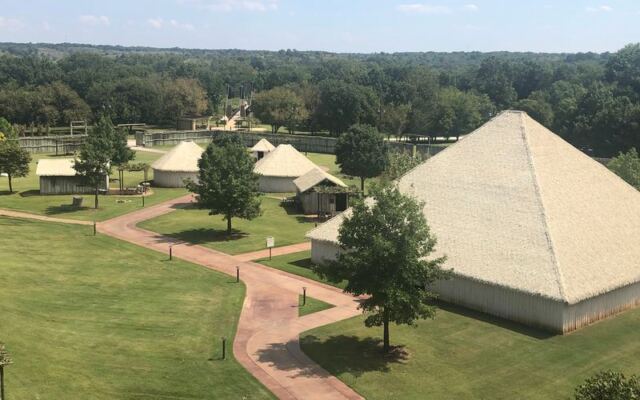
Picture stepping through a tall surrounding wall and finding yourself in a whole community of handmade homes. That is the feeling of the Traditional Village, the life-size re-creation that gives this place much of its magic.
Inside, you will find ceremonial and housing buildings, a simulated Mississippian mound, and a dance circle. Visitors learn about the difference between winter and summer homes, and informational plaques explain how daily life worked.
One guest called the village especially interesting and well designed, and many rank it as a highlight.
Walking through it at your own pace helps the history click. Seeing the structures up close makes the past feel tangible instead of abstract, which is exactly why families love it.
A quick heads-up is worth sharing. The center has been working through a multi-year construction and maintenance project, and some visitors found the outdoor village roped off during their trip.
One guest noted staff mentioned the work could take around five years, so areas may move or close for a while.
Calling ahead before you go is a smart move if the village is your main reason for visiting. When it is open, it easily earns its reputation as the heart of the campus.
Views From the Sky Pavilion
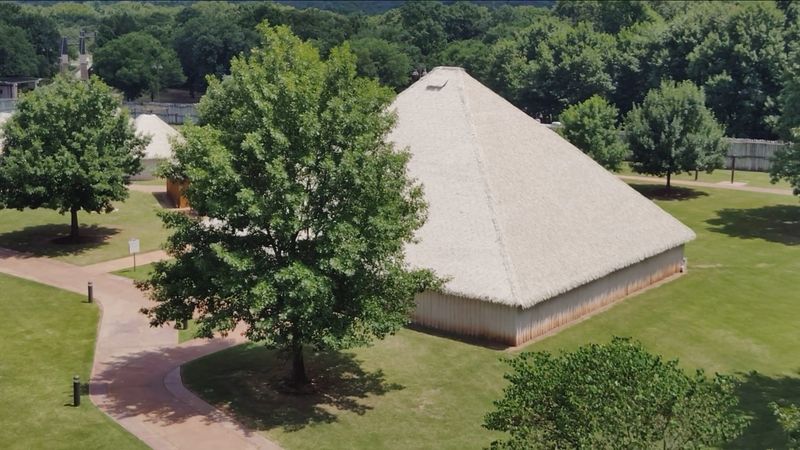
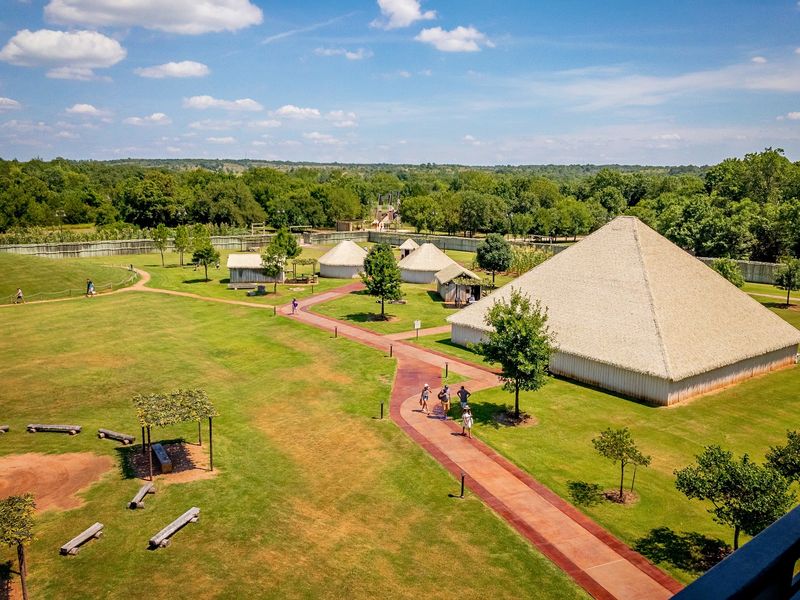
For the best seat on the whole campus, head up. The Sky Pavilion offers a sweeping look down over the Traditional Village, and visitors describe the view as magnificent.
From above, the layout of the village makes a lot more sense. You can see how the homes, ceremonial buildings, mound, and dance circle fit together inside the wall, almost like looking at a living map.
It is a great spot to orient yourself before wandering down among the buildings.
Photographers will appreciate it too. The mix of native greenery, walkways, and water areas around the campus creates a calm, scenic backdrop, especially on a pleasant day.
Nearby, the Friendship Bridge connects the main campus with a larger natural preserve area. Strolling across it adds a quiet outdoor moment to your visit and reminds you how closely this place is tied to the surrounding landscape.
Not everyone wants to cover every step on foot, and that is fine. Visitors mention that the terrain can be taxing for some, so trams pick guests up in the parking area and carry them to different spots.
Between the pavilion, the bridge, and the trams, enjoying the big picture here is easy for nearly anyone.
Stomp Dances and Stickball on the Grounds
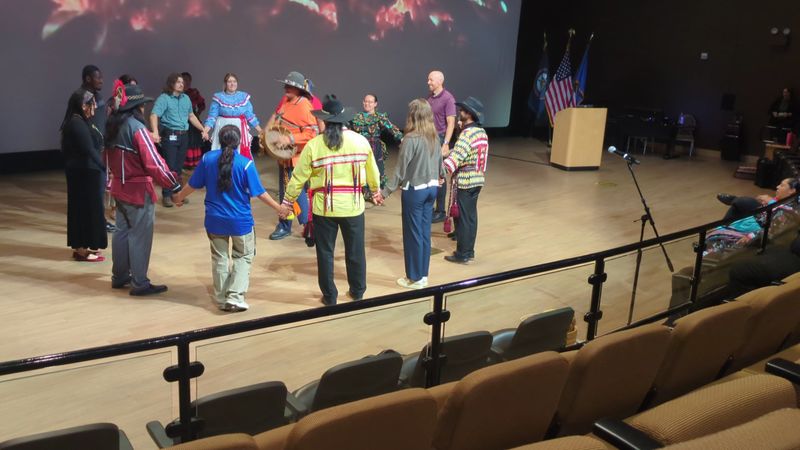
Rhythm and movement bring the whole place to life. Stomp dance demonstrations come up again and again in visitor stories, and many say watching them was the moment their trip went from interesting to unforgettable.
One guest simply said it was neat to watch an actual stomp dance performed by Chickasaw dancers. Parents mention their kids always enjoy the dances, and sometimes they even get invited to join in.
Being part of the circle, even briefly, leaves a lasting impression on young visitors.
Games are part of the fun too. A family shared that staff taught their energetic kids how to play stickball and then jumped right in to play alongside them.
That kind of hands-on welcome makes the culture feel shared rather than simply displayed.
Beyond dances, visitors mention demonstrations, presentations, performances, and interactive classes. These rotating activities mean the experience can change from one visit to the next.
Timing matters if live programs are a priority. Since schedules can vary and construction has affected some areas, checking with the center before your trip helps you catch the dances.
Few things in Oklahoma match the feeling of hearing those steps echo across the grounds.
Immersive Exhibits, Theater, and Hands-On Learning
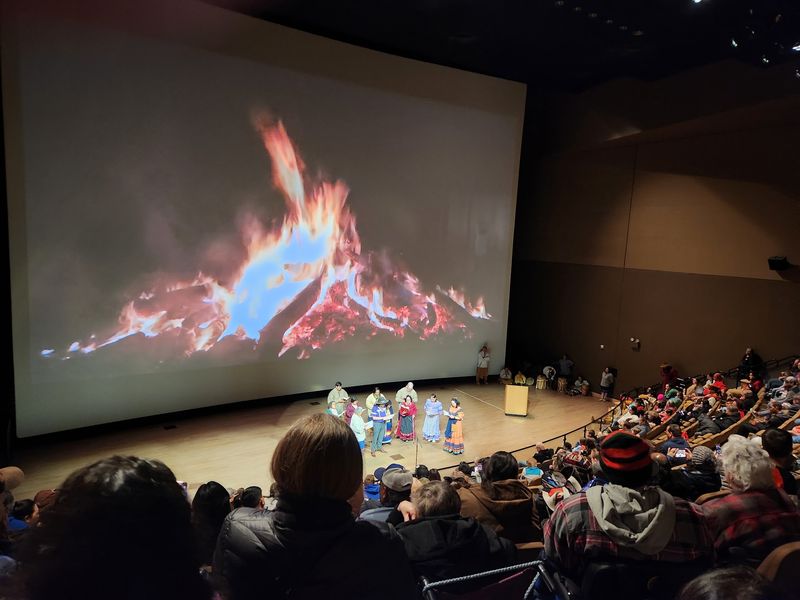
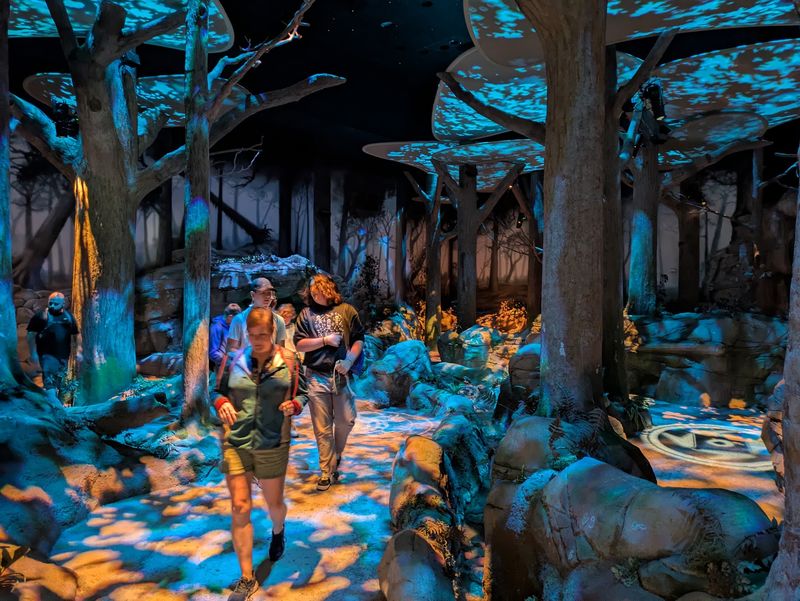
Forget dusty glass cases. Inside the exhibit hall, one of the standouts is a wonderful immersive forest simulation that pulls you into the world the Chickasaw once knew.
Educational is the word visitors use most when describing the center, and the interactive displays explain why. People say the museum is engaging enough that both kids and adults come away having learned a lot.
One guest advised taking your time, warning that rushing means missing hidden treasures.
The immersive section on the Trail of Tears is especially powerful. Visitors call it very moving, a space designed to help you feel the weight of the journey instead of just reading about it.
Movie lovers have something to enjoy, too. Guests praise the films in the theater as fantastic and well made.
One visitor joked that the air conditioning was stuck cold during their showing, but the lobby happened to sell sweatshirts.
Bookish visitors will want to peek into the library, which one guest described as cute, with friendly and helpful staff. Little readers get a bonus as well.
Free comic books are available, and one parent said their kids devoured them within a day of getting home.
Venison Stew and Native Tacos at the Cafe
Hungry travelers, take note. The cafe on campus might be the most talked-about lunch stop in the area, and visitors keep telling each other not to skip it.
The menu leans into Native American themed dishes. Guests mention Native tacos, three sisters salad, a buffalo burger, and a venison stew that earns serious praise.
One longtime venison eater said the stew was amazingly tasty and tender, possibly the best version they had ever tried.
Others keep it simple, calling lunch at the cafe a must and describing the food as amazing. A guest even thanked the kitchen staff for a meal that left them warm and full.
Eating here fits naturally into the day. After wandering the village and exhibits, sitting down to a bowl of stew feels like a continuation of the lesson, since the dishes connect to the same traditions you just learned about.
The three sisters theme shows up beyond the menu, too. One visitor mentioned the center was celebrating the Three Sisters with a special focus running into March 2026.
Corn, beans, and squash have deep roots, and tasting them in a salad makes that history easy to remember.
Gardens, Turtles, and Quiet Corners
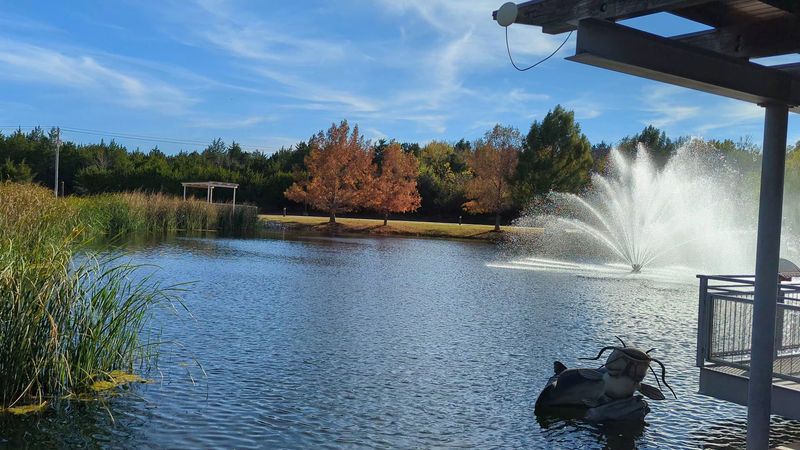
Sometimes the smallest moments steal the show. For one visitor, the favorite part of the entire trip was feeding the turtles, along with spotting the Native American statues scattered around the grounds.
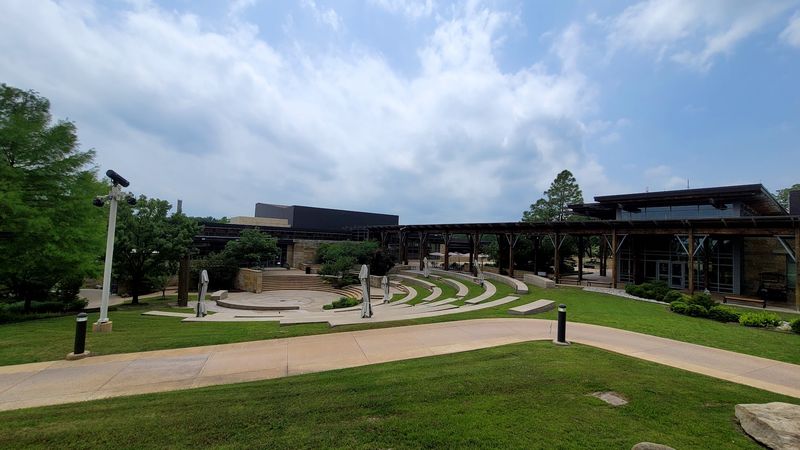
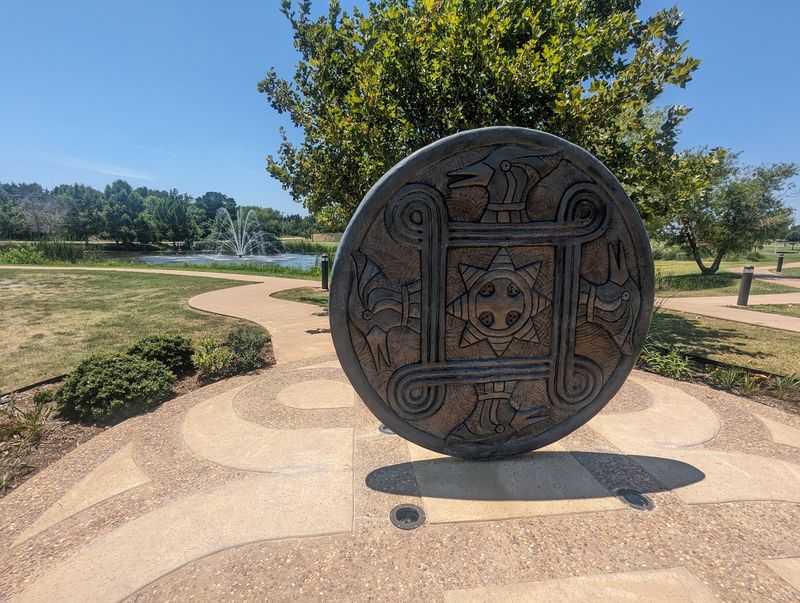
Nature runs through every part of the campus. Guests praise the water areas, native greenery, walkways, and amphitheater, saying they are put together nicely to complement the buildings.
Facilities are described as well kept and still looking fresh.
Out back, a garden area invites slow strolling. One visitor said the garden is big and that guests were even allowed to pick things, which turned a simple walk into a fun little harvest.
There is also a butterfly garden, and some guests plan visits around butterfly events.
Peaceful is how many people describe the atmosphere. One group arrived to find they were the only visitors there, which they said felt almost eerie in a fun way, like having a secret world to themselves.
These quiet corners make the center a nice escape from busy highways. Whether you are watching turtles glide through the water or resting on a bench among native plants, it is easy to linger longer than planned.
Festivals, Holiday Lights, and the Research Center
Come back in December and the whole campus seems to glow. Visitors rave about a Christmas drive-through display, describing it as absolutely gorgeous and, best of all, free.
Holiday guests mention beautiful scenery, tons of decorations, and plenty of photo opportunities. One said they wished they had taken more pictures, though the cold weather cut that short.
Bundling up is the obvious tip.
Festivals pop up through the year too. A family who attended the Toompalli festival found lots of activities for children, and others mention a butterfly festival.
Regulars say there is often something new to experience, even for repeat visitors.
History buffs and genealogy seekers have another reason to visit. The Holisso Research Center helps people dig into family records, and one guest praised a staff member there for patiently guiding their search for land allotment history.
That mix of celebrations and serious research gives the center a wide reach. You can show up for twinkling lights one season and return months later to trace your roots.
Either way, events seem to bring out the warm, welcoming energy visitors talk about most.
Hours, Admission, and Getting There
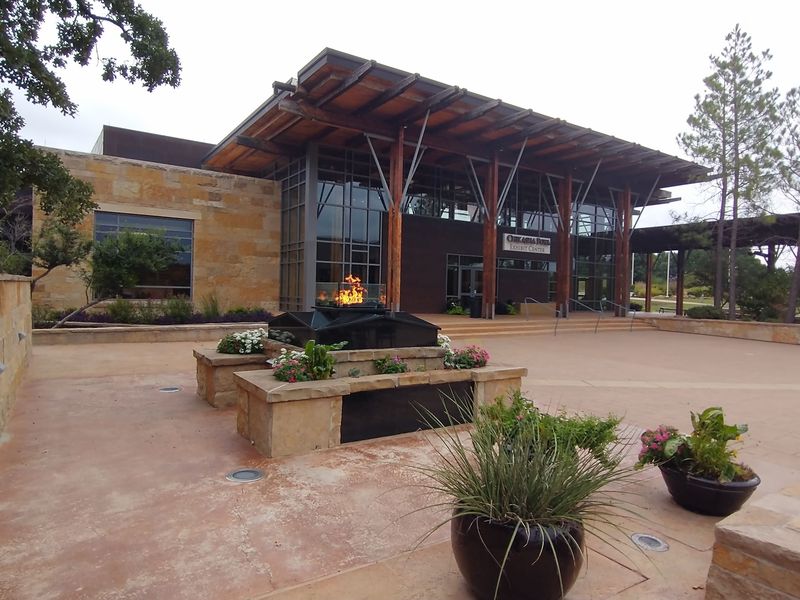
Planning ahead pays off, starting with the calendar. The center is open Tuesday through Saturday from 10 AM to 5 PM and stays closed on Sunday and Monday, so weekend travelers should aim for Saturday.
Here is a pleasant surprise for budget road-trippers. Several visitors describe their experience as free, which makes it an easy add to any trip through south central Oklahoma.
For current details on programs or special events, call 580-622-7130 or check chickasawculturalcenter.com.
The address is 867 Cooper Memorial Rd, Sulphur, OK 73086. It sits near the Chickasaw National Recreation Area, and one visitor found it by driving behind Veterans Lake.
Signage can be sparse, so plug the address into your map app.
Arriving guests often meet friendly guards at the entrance and cart drivers ready to help. Trams run from the parking area for anyone who would rather not tackle the terrain on foot.
Weather is worth a thought. One visitor recommended choosing a cooler day, since summers get very hot.
Staying overnight is an option, too, with a guest noting that Pauls Valley and Ardmore offer affordable hotels for multi-day visits.
Why the Drive Pays Off
Ask around and you will hear one phrase over and over: worth the drive. Visitors from near and far say the Chickasaw Cultural Center deserves more attention than its quiet location suggests.
Friendly staff earn constant praise. Guides are described as knowledgeable, fun, and welcoming enough to make guests feel at home.
One visitor gave a gold star to everyone from the entrance guards to the servers in the cafe.
The center suits a wide range of travelers. Families appreciate the kid-friendly activities, homeschoolers treat it as a field trip, and culture lovers find enough depth to justify a dedicated journey.
Casual history fans in the region will still find plenty to enjoy in a single afternoon.
Some practical patience helps right now, since ongoing construction may close certain areas. Still, most guests leave planning a return visit, saying there are more things to do than they managed to fit in.
For anyone who loves discovering hidden Oklahoma places with real stories behind them, this one belongs near the top of the list. Bring curiosity, an appetite for venison stew, and enough time to soak it all in.
The rewards stack up quickly.
Share this story