Some of the best stories in Oklahoma hide in places you could drive past without a second glance. A quiet little town, a stretch of old highway, and suddenly you are standing inside a tale people still talk about.
I went looking for the real story behind the outlaw legends of the northeast corner of the state, and I found something more interesting than the rumors. Here is what the records say, what the folklore adds, and where you can go this fall.
A documented Commerce-area episode anchors the legend
Plenty of towns claim a brush with outlaws. Northeast Oklahoma has something sturdier: a court record.
On April 6, 1934, Clyde Barrow, Bonnie Parker, and Henry Methvin were near Commerce when Constable Cal Campbell was fatally shot, and the Oklahoma Court of Criminal Appeals opinion lays out where it happened and what the trial evidence showed.
That one episode is the solid ground under the whole regional legend. It gives the story a real place, a real date, and a real lawman who lost his life in the line of duty.
Everything beyond it needs a more careful eye. Stories about secret hideouts, favorite back roads, and midnight sightings across the northeast corner of the state are local lore.
They make for great campfire talk, but the records reviewed for this article do not confirm a network of hideouts or frequent visits.
So think of Commerce as the anchor and the rest as the rope of folklore tied to it. Knowing which is which makes the drive far more rewarding.
Different sources name different places
Read two accounts of the same day and you may end up in two different towns. The FBI summary describes the event as happening at Miami.
The court opinion is more specific. It places the encounter on a road south of Commerce and west of Highway 66.
That is a difference between sources, and nothing more should be read into it. This article does not guess why the wording varies.
For the location detail, it follows the court record, since that document gives the more precise description.
If you see Miami attached to this story online, you now know why a second look at the sources is worth a minute.
The court record leaves the shooter’s identity disputed
Court records can be less tidy than legends, and this one is a good example. The opinion identifies Cal Campbell as a Commerce constable and Percy Boyd as the city marshal, and it describes who was present at the roadside that April day.
Bonnie Parker is described as being in the car. The opinion does not say she fired the fatal shot, and it would be wrong to say so.
What the testimony offers instead is conflict. Witnesses gave differing accounts of who fired, and the court did not turn that disagreement into a single neat answer.
Henry Methvin was prosecuted and convicted. The case against him rested on a theory that he either fired the fatal shot or aided Clyde Barrow, and the court found the evidence supported the finding that he aided Barrow.
That wording matters. It shows how a conviction can stand while a smaller question, exactly whose hand fired, stays unresolved in the record.
Honest storytelling leaves that gap open instead of filling it with a more dramatic version.
Publicity and popular culture carried the story forward
A good legend needs a good storyteller, and this pair had plenty. Newspapers of the 1930s printed sensational coverage, and later books and films polished the image further.
A Boston University history guide looks at how the story turned into myth in American memory.
The result is a glamorous outlaw couple that often feels bigger than the facts. Romance and daring sell well, so those parts tend to travel farthest.
PBS American Experience offers another look at the pair and the world around them, a useful companion if you want the bigger picture before a drive.
Here is the practical clue for road-trippers. When a tale sounds like a movie scene, such as a daring escape down a gravel road or a hideout behind a barn, treat it as popular memory unless a record backs it up.
That does not make the tales worthless. They show why people keep telling the story.
It just means they belong in the folklore column, not the documented one, and nothing here confirms sightings across Northeast Oklahoma.
The Commerce memorial is not the roadside scene
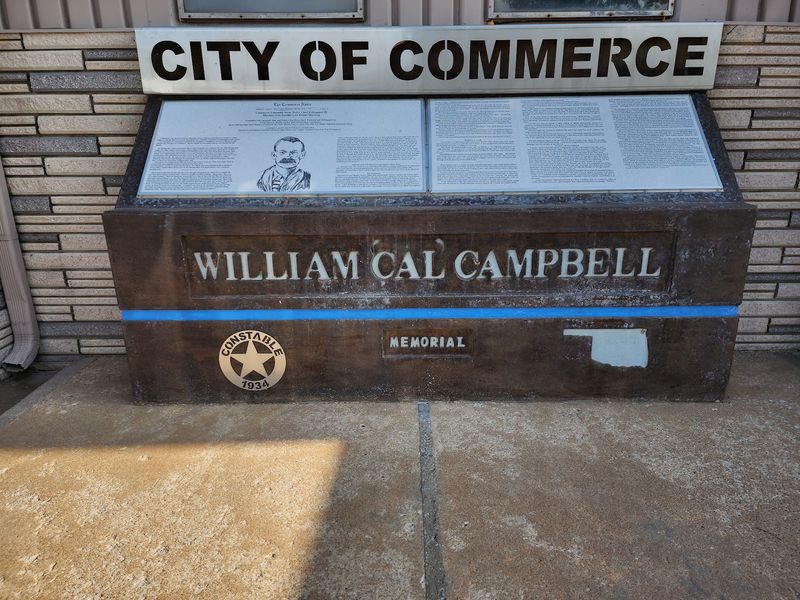
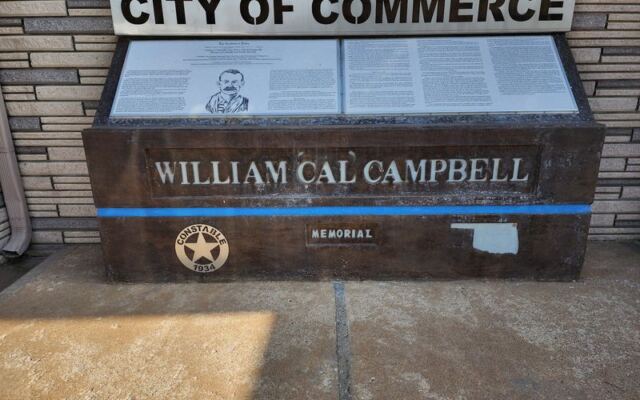
Commerce does honor the lawman at the center of this story. Oklahoma tourism lists the Constable “Cal” Campbell Memorial at Commerce City Hall, 618 Commerce Ave.
It is a memorial in town, not the spot where the encounter happened. The court record puts that on a road south of Commerce, so City Hall should not be pictured as the exact scene.
The listing also gives no visiting hours, which is a small but useful detail for planning.
Memorials and markers help us remember, but they interpret as much as they prove. The Oklahoma Historical Society’s marker program notes that markers may have moved, gone missing, or reflect a sponsor’s account.
Read them as a starting point, then check the story against other records.
Plan a visit around public places
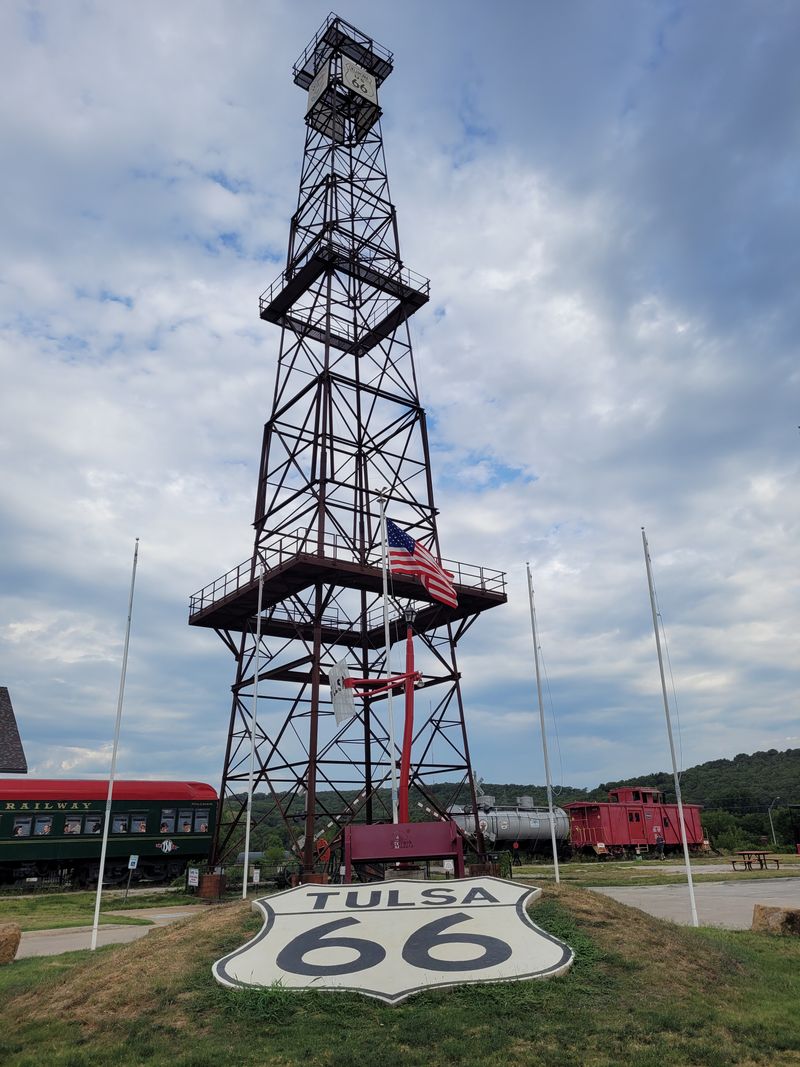
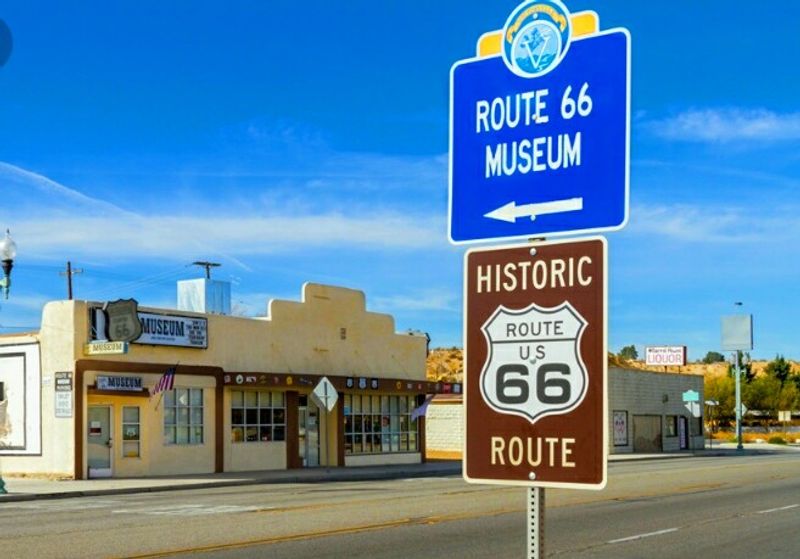
Fall is a lovely time to roll through this corner of the state. State tourism lists Commerce on historic Route 66, and Oklahoma’s Route 66 page promotes the highway as a drivable route through the state.
Make the town your destination and the memorial your stop. Since the memorial listing shows no hours, check with the city before making a special trip.
The roadside location from the court record is another matter. The opinion gives a general location, not a public visitor site.
So skip the hunt for an unmarked spot. Do not pull over on a busy road, and do not step onto private land.
Enjoy the drive, the historic highway, and the town itself, and let the story ride along in your head.
Keep the legend distinct from the evidence
Commerce holds a documented chapter, preserved in a court opinion, and a listed public memorial you can plan around. The wider tales of hideouts and sightings go beyond what the sources confirm.
Enjoy them the way historians treat myth: as part of how a story is remembered.
The back roads keep their secrets, and the honest ones make the best stories.
Share this story