
Tucked away on 85 wooded acres in Durham, the Duke Lemur Center is one of North Carolina’s best-kept secrets. It is the biggest collection of lemurs anywhere outside of Madagascar, and you can walk right into the forest to watch these wide-eyed primates leap through the trees.
Every ticket helps fund the science and care that keeps these endangered animals safe. If you love animals and want an experience most tourists have never even heard of, this quiet Durham treasure is worth the trip.
A Hidden Durham Landmark on Duke’s Campus
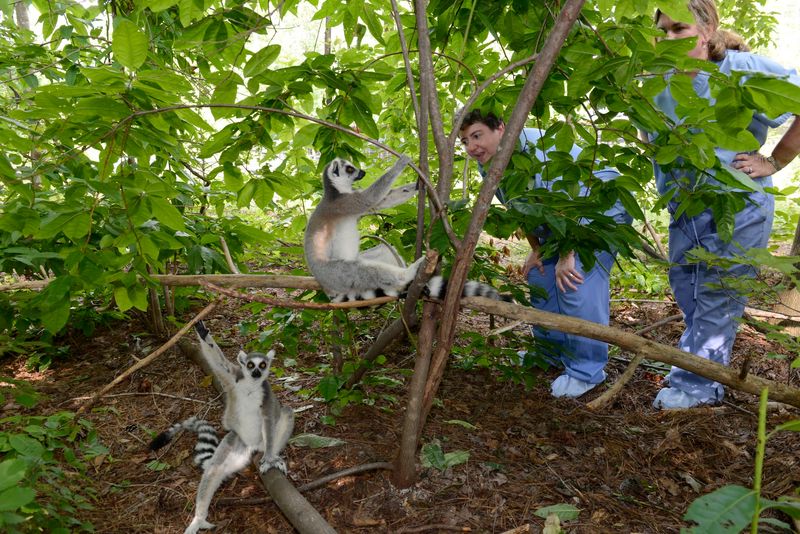
Drive down Erwin Road in Durham and you might pass it without a second glance, but behind the trees sits a genuinely world-class facility that most locals still do not know about. The Duke Lemur Center spreads across 85 acres and is part of Duke University, though it feels a world away from the busy campus.
Opened in 1966, the center is first and foremost a research foundation rather than a zoo. Scientists here study lemurs in a non-invasive way, meaning they observe and learn without harming the animals.
Visitors regularly describe it as a lovely little place they wish more people knew about. That in-the-know feeling is exactly what makes a trip here special.
You are stepping into a place that combines serious science with the pure joy of watching lemurs be lemurs, and you get to say you found it first.
The Yale Researcher Who Started It All

Believe it or not, this North Carolina icon began with a scientist who simply had nowhere to put his lemurs. A researcher from Yale had been collecting the animals and needed a permanent home for them, and that need eventually brought the whole collection south to Durham.
Since opening its doors in 1966, the center has grown into something remarkable. Over the decades, staff have bred around 3,400 lemurs, carefully protecting genetic diversity so these rare primates have a fighting chance at survival.
Lemurs rank among the most endangered animals on the planet, which gives the center’s mission real weight. Learning that a happy accident of relocation turned into a global conservation powerhouse adds a layer of wonder to any visit.
Guides love sharing this backstory, and it helps visitors understand why every enclosure and every research project here matters so much.
The Largest Lemur Collection Outside Madagascar

Here is the fact that stops people in their tracks: this Durham center holds the most diverse group of lemurs found anywhere outside of Madagascar. For animals that naturally live only on one island off the coast of Africa, that is a staggering achievement.
All lemurs trace their roots back to Madagascar, where mining and deforestation continue to shrink their wild homes. Guides often explain how the jungles are being torn down, making survival harder for lemurs in the wild.
Because of that, the variety you can see here becomes even more meaningful. Visitors have described it as reportedly the largest collection of lemur species outside their native island.
Standing a few feet from species you would otherwise have to fly across the world to see is genuinely humbling, and it drives home just how important the center’s breeding and conservation work has become for the future of these animals.
Walking With Lemurs in the Open Forest

For many visitors, the Walking with Lemurs tour is the headline experience, and it lives up to the hype. Small groups of about eight people head into the forest to see lemurs up close in their natural habitat enclosures, moving among the trees just as they would in the wild.
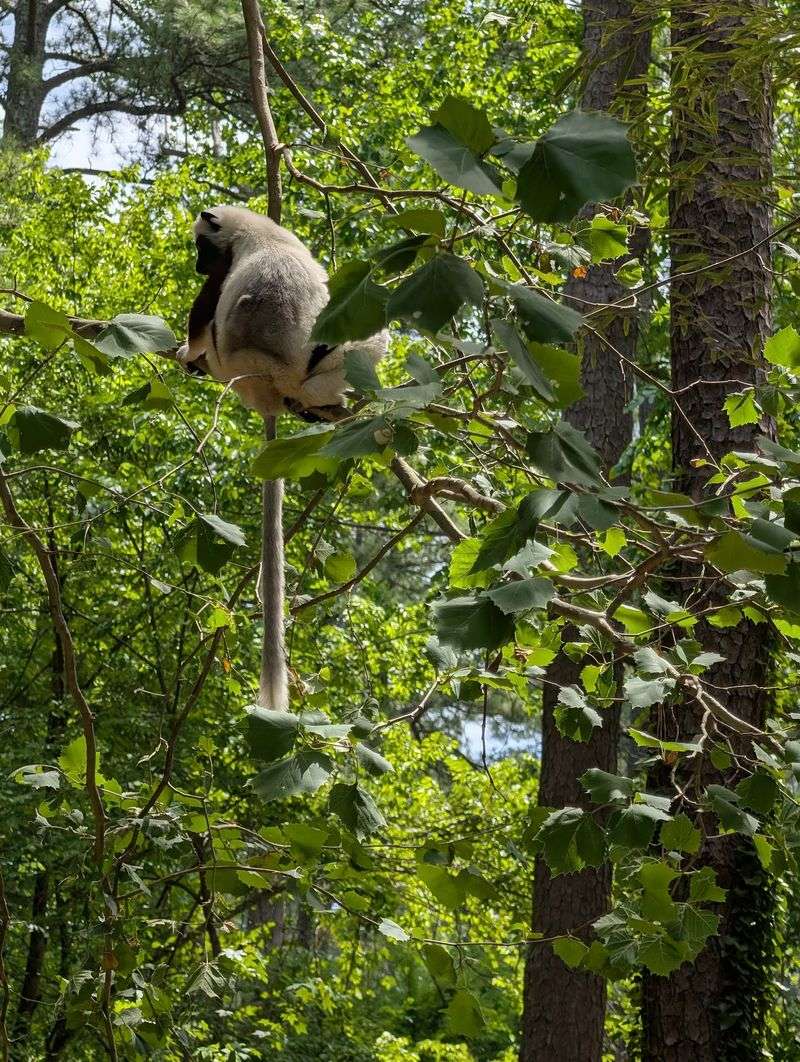
One guest called it easily one of the top five tours of their life, while another described being that close to lemurs in their own habitat as simply incredible. People have spotted ring-tailed lemurs and Coquerel’s sifakas leaping and lounging within a short distance.
The rules keep everyone safe and respectful. You stay at least six feet away, and touching is never allowed.
Some lemurs may stay high in the trees while others come close, so every walk is a little different. That unpredictability is part of the magic, and regulars say the forest setting makes photos and memories that no video could ever match.
Behind-the-Scenes Tours You Won’t Forget

Want to go even deeper? The behind-the-scenes tour gives visitors two full hours to see lemurs in their habitats and glimpse the daily work of caring for them.
One group of four called it one of the best experiences of their lives and said the time completely flew by.
What makes these tours stand out is how personal they can get. When booking certain tour types online, you can tell the team what you most want to see, and guides will try to build the visit around your interests.
One aye-aye superfan got to help prepare honey and peanut butter treats, then watched two aye-ayes dig right into them. That kind of hands-on, curated moment is something regular zoo trips rarely offer.
Guests routinely praise how creative, patient, and passionate the guides are, and many walk away calling it a truly one-of-a-kind experience they hope to repeat.
The Self-Guided General Tour

If you would rather set your own pace, the General Tour is the self-guided option and also the most affordable. You walk along a path and can linger as long as you like within your time slot, taking in the lemurs in their enclosures.
Even without a dedicated guide, you are never really on your own. Docents and volunteers are stationed along the route to share facts and answer questions, and a few of them are surprisingly deep experts on these primates.
Visitors enjoy strolling past the informative, visually pleasing signs while watching mongoose lemurs and crowned lemurs groom each other with their sweet faces. It is a relaxed, budget-friendly way to experience the center, and one guest happily reported seeing three different species across two enclosures on a self-guided afternoon.
For families and thrifty explorers alike, this is a gentle, rewarding introduction.
Meeting the Nocturnal Aye-Ayes
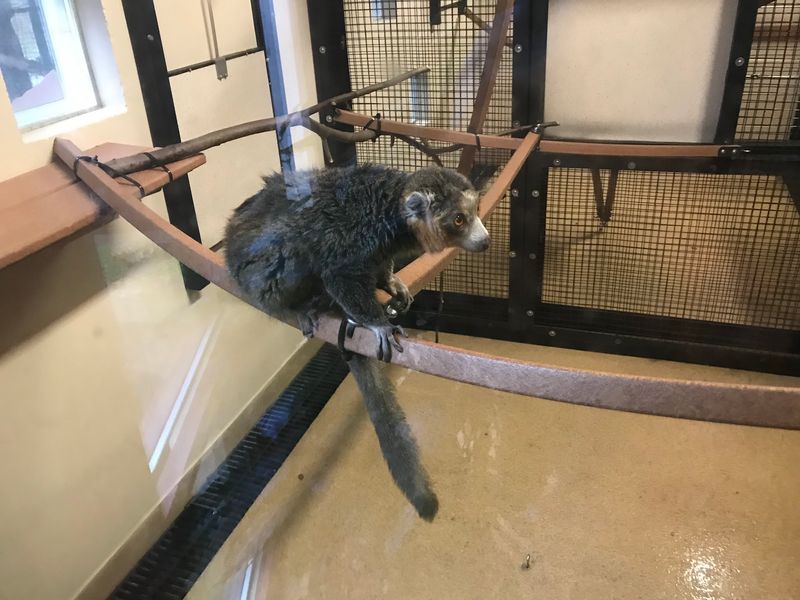
Not every star here comes out in daylight. The center keeps nocturnal lemurs in their own specialized habitat with very low lighting, and stepping inside feels like entering a secret world.
Quiet is the rule here. Visitors must stay silent, avoid talking, and never shine lights at the animals, all for the health and well-being of these sensitive creatures.
The undisputed celebrity of this dim room is the aye-aye, a strange and wonderful lemur with enormous eyes and long, bony fingers. One guest named the aye-aye their absolute favorite animal and got exactly the encounter they hoped for.
Watching these odd little primates move through the shadows leaves a lasting impression, and it is a reminder that the center protects species most people have never even seen in a photograph, let alone a few feet from their own eyes.
A Research Facility, Not a Traditional Zoo

Set your expectations right and you will love this place. Guests are quick to point out that the Duke Lemur Center is a conservation and research facility, not a zoo built for entertainment.
There are no big open viewing areas with constant close-up animal action.
The outdoor enclosures sit behind double mesh and wire fencing, which keeps the lemurs safe but can make them a little harder to see. On any given day, some animals may be eating, napping, or staying inside out of view.
What shines through instead is the education. Visitors describe the volunteers and guides as engaging, knowledgeable, and clearly passionate, and they note that you can learn something new on every visit.
Many say the whole thing has more of a museum or learning-center feel. For anyone curious about science, rare species, or conservation, that trade-off is exactly what makes the experience meaningful rather than just fun.
Passionate Guides Who Make the Visit

Ask anyone who has toured here and the conversation quickly turns to the guides. Names like Anna, Jillian, Matthew, Zack, Jessica, and Ethan come up again and again, each praised for being knowledgeable, energetic, and deeply committed to the animals.
Several guides are Duke University graduates who share rich detail about the lives of lemurs, from their origins in Madagascar to the threats they face today. One visitor said their guide was not only informative but careful to keep both the group and the lemurs safe.
The enthusiasm is contagious. Guests describe guides who work hard to get everyone great photo angles and who answer endless questions with a smile.
More than once, people have said a guide’s energy and encyclopedic knowledge pushed the whole experience beyond their highest expectations. In a place where the animals set their own schedule, a great guide turns any visit into something unforgettable.
The Visitor Center and Gift Shop

Before or after your walk, the visitor center is worth a wander. Shelves are stocked with everything from T-shirts and stuffed lemurs to polished ammonite fossils and Duke Lemur Center magazines, all tidy and staffed by friendly cashiers.
Prices are fair for a good cause, though a few guests note the souvenirs can run a little pricey. One group picked up a T-shirt for around 32 dollars, and every dollar spent helps support the lemurs.
There is more here than merchandise, too. A small room displays lemur skulls alongside biographies of women in STEM, which visitors found genuinely touching.
One guest liked to imagine young girls seeing those displays and feeling inspired to chase careers in science. Between the meaningful exhibits and the swag that funds real conservation, the gift shop becomes part of the experience rather than an afterthought, so give yourself a few extra minutes to explore it.
Hours, Reservations, and Getting There
Plan ahead, because you cannot just show up. Reservations are required, and more than one hopeful visitor has arrived without one and missed the lemurs entirely.
The center welcomes guests Thursday through Monday from 10 AM to 4 PM, and it is closed on Tuesdays. Some tours, including early morning walks, start well before midday, so double-check your booking time.
You will find the center at 3705 Erwin Rd in Durham, and you can reach the team at 919-401-7240 or through lemur.duke.edu to book.
Parking is refreshingly simple. There is a free parking lot plus an overflow lot, and if both fill up, staff will happily point you toward another spot.
Tickets range from the budget-friendly self-guided General Tour up to the small-group Walking with Lemurs and private options, so there is a level to fit most wallets. Book online in advance and you are set for a smooth, stress-free visit.
Why This Durham Gem Is Worth the Trip
With a glowing 4.7-star rating from more than 200 reviews, the Duke Lemur Center has quietly earned its reputation as a world-class asset to the Triangle. Guests who came as kids return as adults and still call it top tier.
Summer visitors get an extra treat, since warmer months mean the outdoor enclosures are open and the lemurs are often more active. Whether you choose the affordable self-guided walk or splurge on the forest tour, people agree the experience justifies the ticket price.
What lingers most is the feeling of having done something good. Every admission fee and gift shop purchase goes directly toward caring for these endangered animals and studying how to save them.
Visitors leave with a deeper appreciation for lemurs and a real awareness of the dangers they face. For an authentic, meaningful North Carolina outing that most tourists overlook, this Durham sanctuary is hard to beat.
Share this story