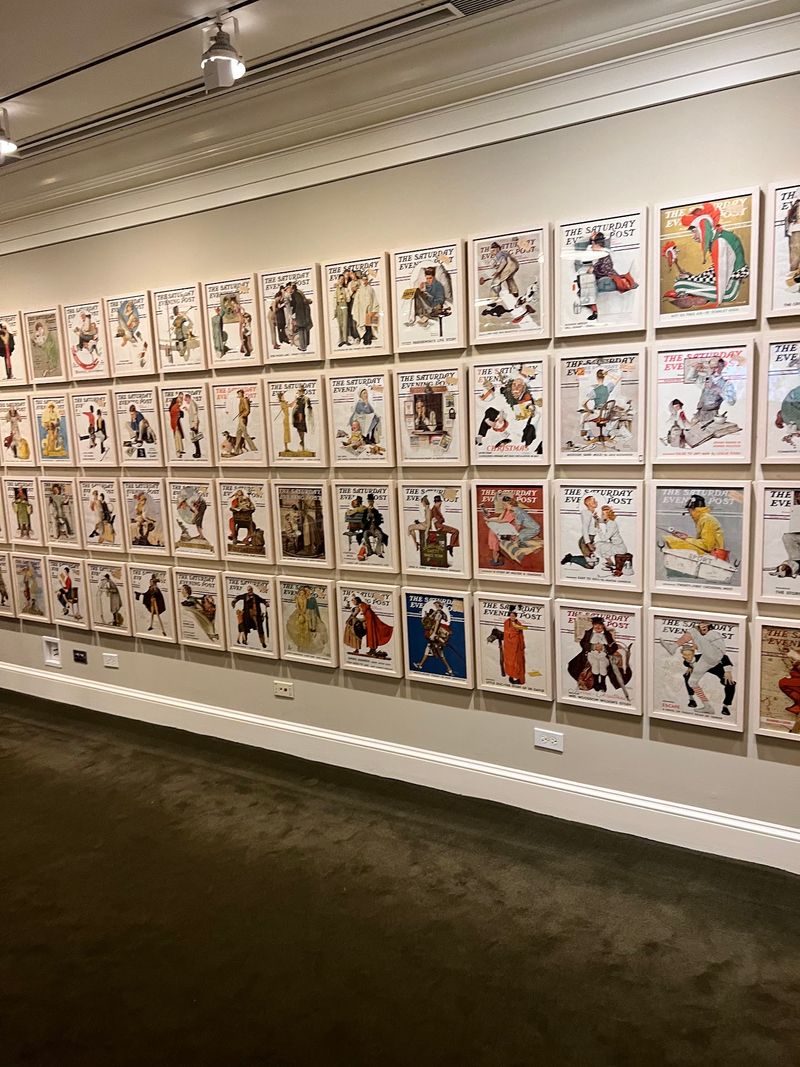
Tucked away in a quiet corner of the Berkshires sits a museum where more than 300 magazine covers hang in one downstairs room, and plenty of people who live nearby have driven right past it for years. The paintings inside capture an entire century of American feeling, from small-town happiness to hard questions about who we are.
There is a converted studio out back, walking paths through pastoral grounds, and sculptures scattered across the lawn. Most folks expect a quick stop and end up staying half the day.
If you have ever wanted a low-key outing that feels bigger than the ticket suggests, this Stockbridge stop deserves a spot on your list. Keep reading, because the best part is that hidden room downstairs, and there is a smart way to see it all without missing a thing.
Where to Find It in the Heart of the Berkshires
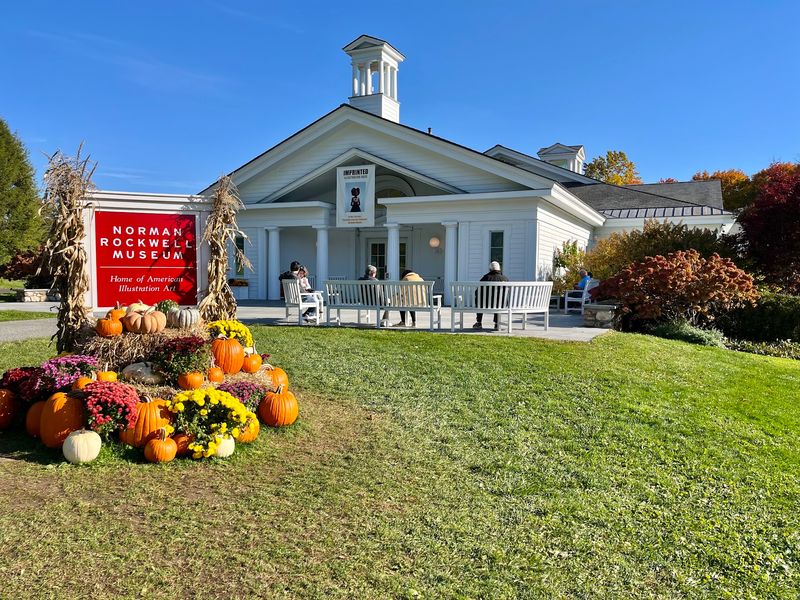
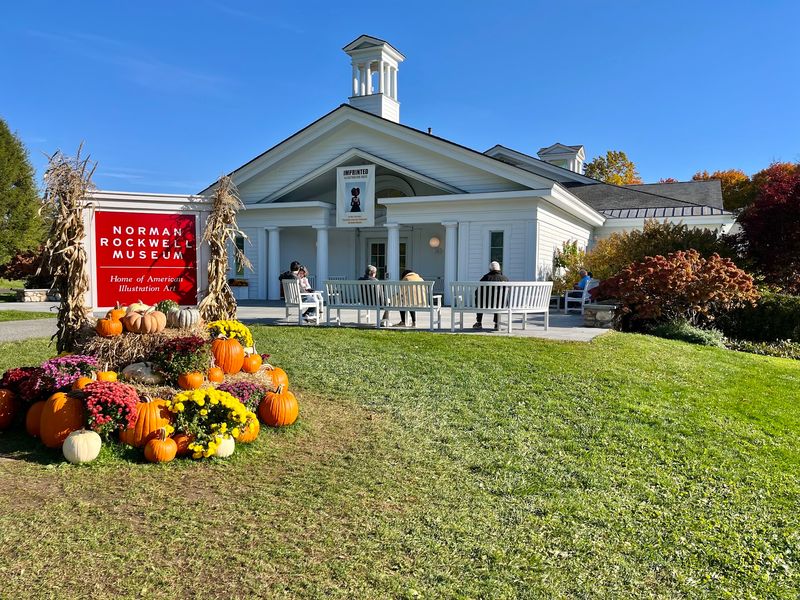
The address to punch into your phone is 9 Glendale Rd, Stockbridge, MA 01262, set on a wide green campus in the western part of the state.
Stockbridge itself is one of those sleepy Berkshire towns that already draws people looking for a slow weekend. The museum sits a short drive from the town center, close to the Red Lion Inn area that Rockwell knew well.
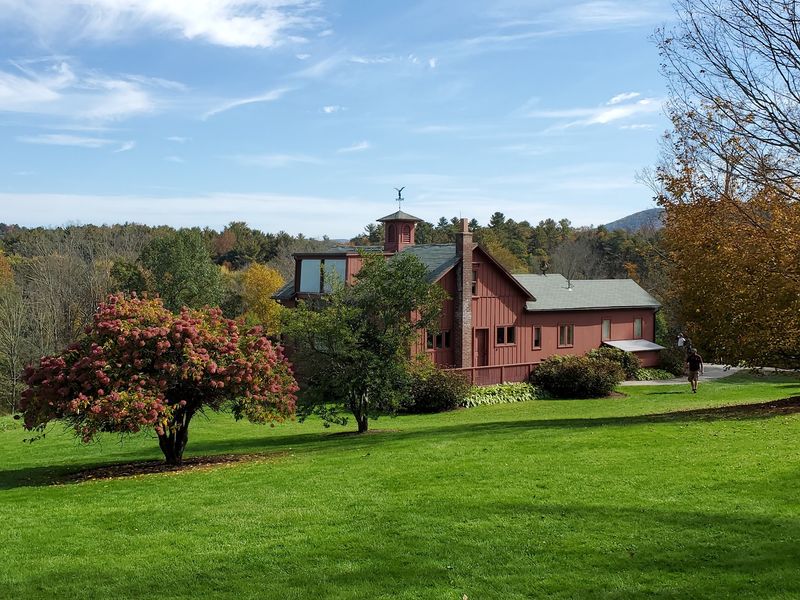
The property is large and has a pastoral feel, with the main building surrounded by open lawn and easy walking paths. You park in a lot, then stroll toward the entrance past a small park with picnic tables and concrete art structures.
Regulars from nearby towns like Lenox often use the museum as one stop on a broader Berkshires day trip, pairing it with the historic mansions in the area. Being in the same landscape that shaped so many of his paintings adds a layer that no reproduction can match.
For a place this well regarded, holding a 4.8-star average across more than 3,300 marks, it stays surprisingly under the radar for locals who assume they already know their own backyard.
The Downstairs Room Most People Never Walk Into
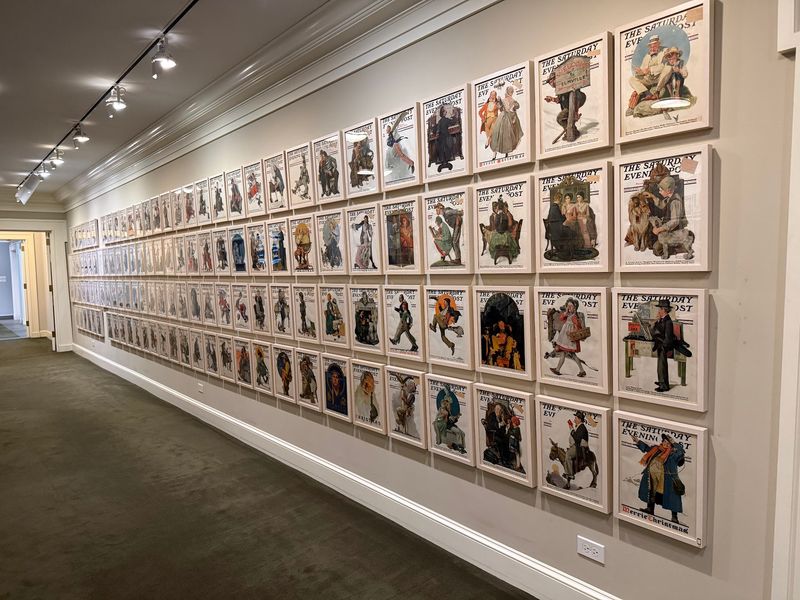
Head down the stairs and you land in the room that quietly steals the show. Framed and displayed in order, the full run of Rockwell’s Saturday Evening Post covers lines the walls, all 323 of them.
People consistently mention that this is the hidden favorite, the space they almost skipped and then could not leave. The covers are arranged chronologically, so a slow walk becomes a walk through decades of American life.
Because the layout is not always heavily labeled, some folks wander in without realizing what they are about to see. That surprise is part of the charm, and it explains why so many end up spending far more time here than they planned.
You can trace the mood of the country year by year, from lighthearted scenes to the heavier feelings families carried through changing times. It is the kind of display that rewards patience, letting you stop at any single cover and study the details.
Staff often suggest starting downstairs for exactly this reason. Skip it and you miss the single most talked-about corner of the whole building.
Rockwell’s Studio, Moved to the Grounds
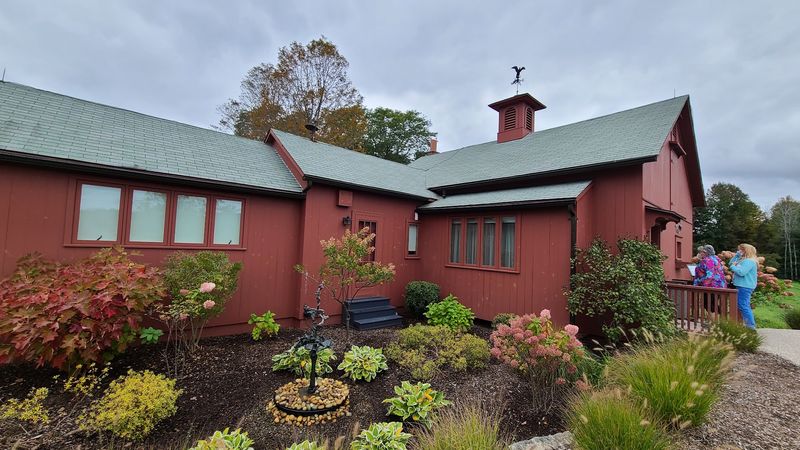
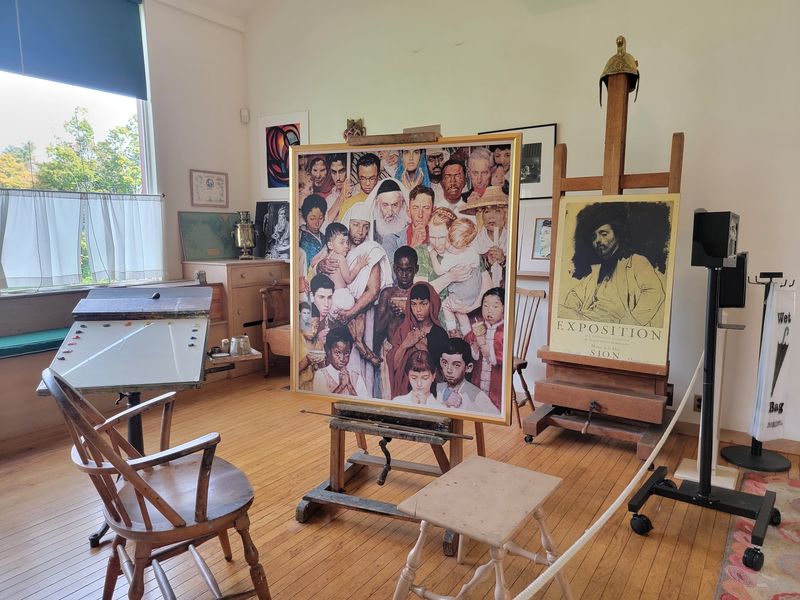
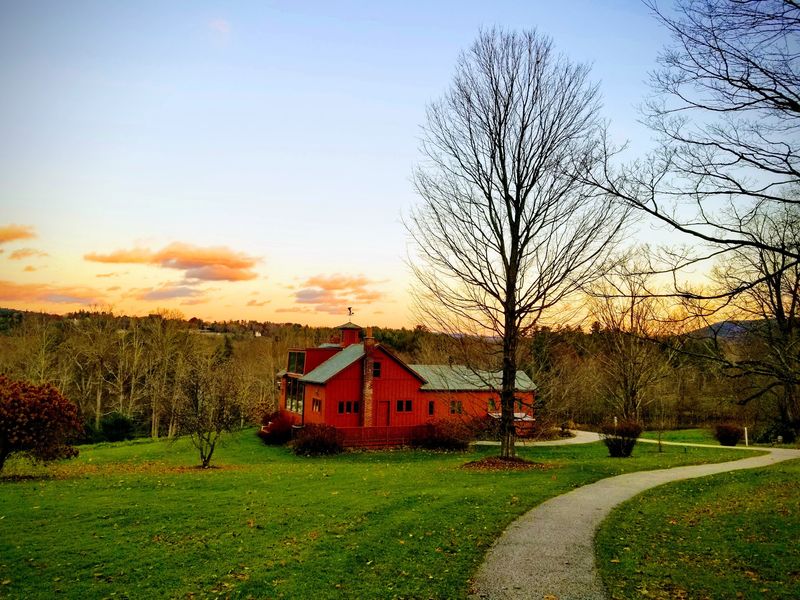
Out back, a short and comfortable walk from the main building, stands the actual studio where much of Rockwell’s later work took shape.
Worth knowing before you go: this is not the original spot where he lived and worked. His studio was relocated to the museum grounds, while his Stockbridge home stood near the town center.
Even so, walking into the space carries real weight.
The studio can only be viewed on a guided tour, and it requires a separate ticket from general admission. Guides share how he built his paintings and how much effort went into each one, which people describe as informative and genuinely engaging.
Here is the catch that trips folks up. The final studio tour group of the day departs around 2:30 PM, even though the museum stays open until 5 PM.
Arrive later than that and you will only see the exterior.
The strong advice from those who learned the hard way is simple. Reserve your studio tour well in advance so the timing never becomes a problem.
Far More Than Saturday Evening Post Art

A common surprise is just how wide the collection reaches beyond the famous magazine covers.
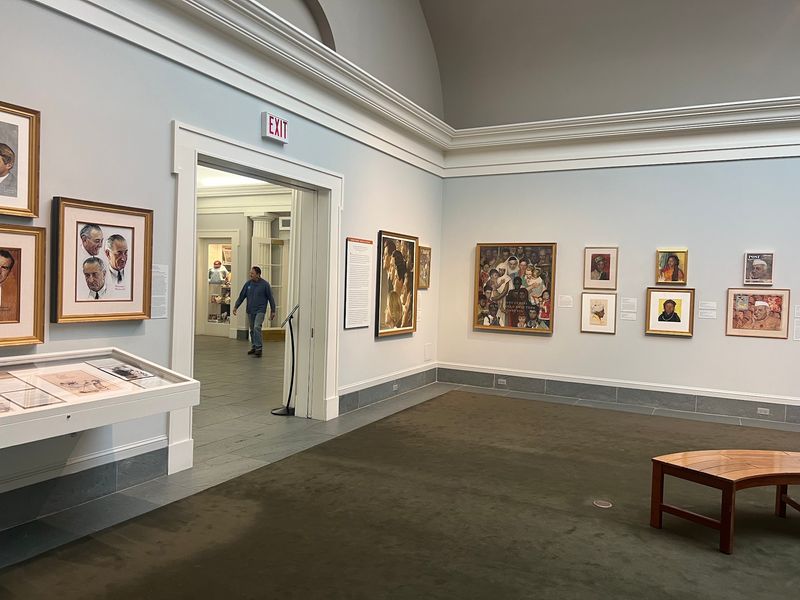
Upstairs mixes Rockwell’s paintings with work from other artists, and the range keeps things interesting for people who arrived thinking they knew what to expect. His early works sit alongside later pieces, including paintings that dug into social commentary rather than pure warmth.
Many point to his Stockbridge painting as a standout, a look at the very town holding the museum. His skill as a portrait painter also comes through, capturing full and layered moments in a single frame.
Rotating exhibitions expand the story even more. Past shows have featured Walter Wick’s Hidden Wonders, Jazz Age illustration pieces, and a museum-wide American Stories exhibition tied to the country’s history.
The breadth means the visit works for a wide audience, not only devoted fans. People new to art often describe the trip as educational, while longtime admirers appreciate seeing the less familiar side of a man known mostly for cheerful covers.
There is a reason the phrase always something new to see comes up again and again.
Grounds That Are Worth the Trip on Their Own
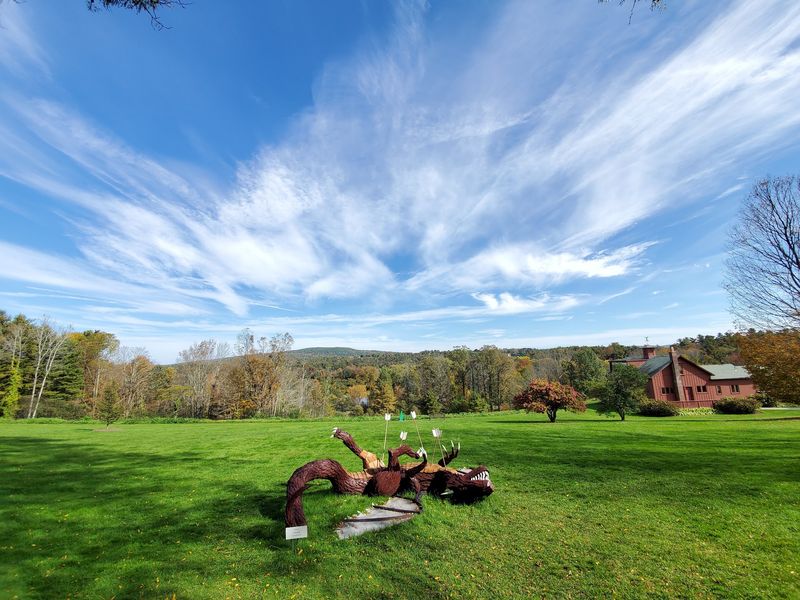
Before you even reach the front doors, the setting makes a case for itself.
The grounds spread across a large, well-kept property with easy walking paths that loop through nature and around the buildings. People frequently say the landscape alone makes the trip worthwhile, which is high praise for a place built around famous art.
Sculptures dot the lawn, giving the walk a gallery-outdoors feel as you move between the main building and the studio. On the right day in autumn, apples fall from the trees in the Rockwell apple grove, and some families have even picked apples there.
Because the paths are gentle and the layout is open, this is an outing that suits a wide mix of ages and paces. You can slow down, sit on a bench, or spread out at one of the picnic tables near the parking area.
Even on days the museum is closed, some people park and walk the grounds to enjoy the sculptures and the pastoral views. The scenery quietly earns its own reason to visit.
Start With the Film Narrated by His Son
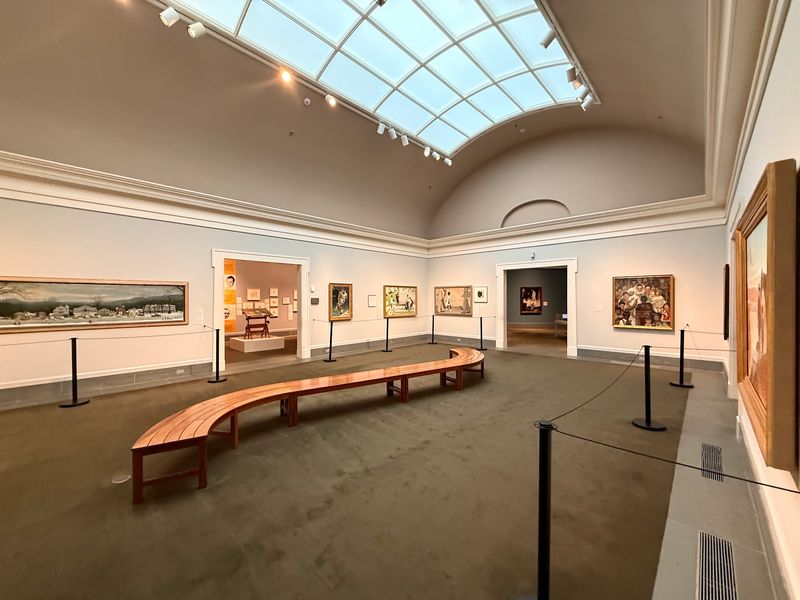
A smart way to begin the indoor portion is with the short film waiting on the upper level.
Narrated by Rockwell’s son, the introduction video sets up his life and career in a way people find both educational and interesting. There is plenty of seating, so you can settle in before the galleries.
Understanding the man first changes how the rest of the visit lands. Once you know how his work shifted over the years to reflect events in the country and the wider world, the paintings carry more meaning as you move through the rooms.
For deeper context, an audio guide walks you through some of the most famous paintings, adding detail you might otherwise miss. On certain days, group tours tied to the country’s 250th anniversary connect his art to the historical moments that shaped it.
The film and audio guide together turn a simple walk-through into a fuller experience. It is the difference between glancing at pictures and actually reading the story behind each one.
Take the few extra minutes at the start, and everything after makes more sense.
The Cafe With a View
Midway through, the on-site cafe makes an easy and pleasant break.
The large space hangs a few of Rockwell’s pieces from the ceiling and features spacious windows that look out over the landscape and outdoor art structures. It is a comfortable spot to rest without leaving the property.
The menu keeps things simple, offering snacks, cold beverages, and other light items. Some people fold lunch into their visit here, treating it as a natural pause between the two floors and the studio walk.
Having food on-site matters more than it sounds, because this is a place where a planned two hours often stretches into three or more. Rather than driving off and losing momentum, you can refuel and head right back into the galleries.
The windows do double duty, keeping those pastoral Berkshire views in front of you even while you sit. Between the natural light, the suspended artwork, and the open feel, the cafe fits the relaxed pace the whole museum encourages.
It is one of those small touches that makes a longer, unhurried afternoon feel effortless.
A Gift Shop Full of Keepsakes
Browsing before you leave is half the fun, and the gift shop delivers plenty to look through.
Stocked with unique items and worthwhile keepsakes, it charms people even when they walk in only planning to peek. Matted and framed Rockwell prints are a popular pick, and some visitors leave with a large one tucked under an arm.
Fair warning that prices run a bit high, which is common for museum shops. Even so, there is enough variety that browsing feels rewarding whether or not you buy.
The shop makes a natural bookend to the visit, a place to hold onto something after hours spent with the art. For fans, a print of a favorite cover or painting turns the day into a lasting reminder.
If you spotted a piece upstairs or downstairs that stayed with you, there is a decent chance you can bring a version of it home. Keep a little room in the budget for a treasure or two, and the shop becomes a happy last stop rather than an afterthought.
Hours, Admission, and the One Ticket Detail That Matters

Planning ahead saves headaches, so here are the numbers to know.
The museum runs Thursday through Tuesday from 10 AM to 5 PM and is closed on Wednesdays. Adult admission has been listed around 25 dollars, and the self-guided galleries let you move at your own speed.
The detail people wish they had known sooner involves the studio. General admission does not include the studio tour, which costs extra and runs on a limited guided schedule that wraps up in the early afternoon.
Because the website can feel confusing, the repeated advice is to buy tickets online in advance and reserve any studio tour early. Doing so has made entry quick and smooth for those who plan ahead.
Budget a solid two hours at minimum, though plenty of people stay much longer once they get pulled into the covers and paintings. If seeing the studio inside is your main goal, lock that reservation first and build the rest of the day around it.
A little pre-planning turns a good visit into a complete one.
Getting There and Making It a Day Trip
Reaching the museum is straightforward, and it pairs beautifully with a broader western Massachusetts outing.
Many people base themselves in nearby Lenox and drive out to see various historic Berkshire sites, from the gilded age mansions to this museum, over a couple of relaxed days. Others come from an hour or so away, treating it as an easy single-day escape.
The town of Stockbridge inspired much of Rockwell’s work, which makes the surrounding area part of the experience rather than just a route to it. Combining the museum with a walk around the historic town center rounds out the trip nicely.
Because parking is on-site and the grounds are open and gentle, arrival is low-stress. That fits the wider appeal of a Berkshires outing that does not demand a long or complicated journey.
For locals in particular, this is the kind of close-to-home destination that feels bigger than the drive it takes. Pair it with lunch and a stroll, and a single afternoon covers a lot of ground without ever feeling rushed.
Who Will Get the Most Out of a Visit
Not every museum works for every kind of traveler, but this one casts a wide net.
Devoted admirers of Rockwell obviously find plenty to love, calling it a must-see and often returning years later for a second visit. Yet people brand new to art describe the trip as educational and welcoming rather than intimidating.
Families do well here too, with kids exploring the galleries and grounds while parents take in the deeper story. The gentle walking paths and open lawn make it comfortable for a mix of ages and energy levels.
Those chasing scenery alone still leave satisfied, since the landscape and sculptures hold their own. Art lovers looking for range appreciate the rotating exhibitions and the non-Rockwell pieces upstairs.
One honest note is that a few people wished for even more Rockwell on display, a sign of how much they enjoyed what was there. A small number felt the price ran high for the size, though the strong overall marks tell the bigger story.
Curious, patient, and open-minded visitors tend to walk away the happiest.
Why This Quiet Stop Deserves a Spot on Your List
By the end, the pattern is clear. A place many assume they can breeze through in an hour tends to hold people for an afternoon.
Between the hidden downstairs room of magazine covers, the relocated studio, the wide-ranging galleries, and the pastoral grounds, there is more packed into one campus than the modest reputation suggests. That gap between expectation and reality is exactly why it earns such consistent praise.
For Massachusetts residents, the appeal is doubled. It is close to home, easy to reach, and the kind of spot that makes you feel like you finally discovered something in your own region that others keep overlooking.
Plan around the studio tour timing, buy your tickets ahead, and give yourself more time than you think you need. Do that, and a simple stop in Stockbridge turns into a full and satisfying day.
The art, the setting, and the story of the man behind it all come together in a way that lingers long after you drive off. Some corners of the Berkshires are worth keeping on your list, and this is firmly one of them.
Share this story