Food is one of life’s greatest pleasures, but not every dish on the menu is as safe as it looks. Some of the most surprising dangers come from everyday ingredients and exotic delicacies enjoyed around the world.
From toxic mushrooms to improperly prepared fish, certain foods can cause serious illness or even death if handled the wrong way. Knowing what makes these foods risky can help you make smarter, safer choices at the table.
1. Fugu (Pufferfish)
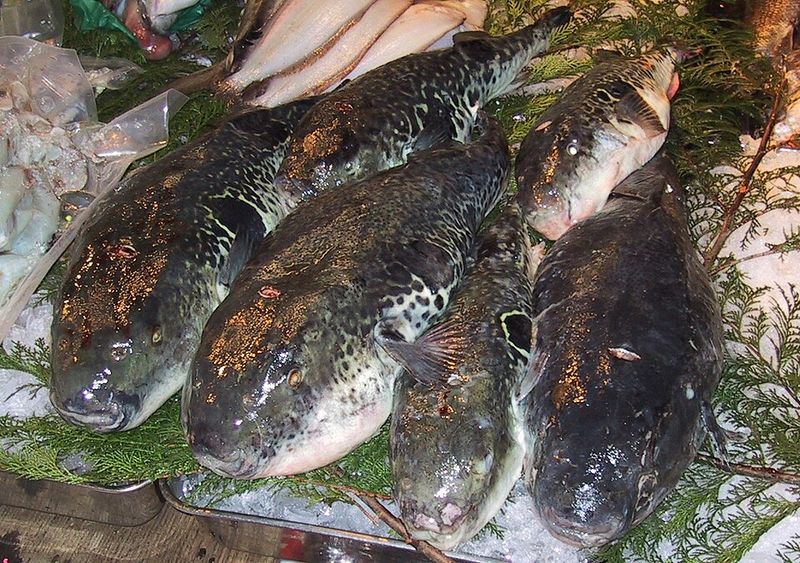
In Japan, eating fugu is considered both a culinary art and a calculated risk. The pufferfish contains tetrodotoxin, a neurotoxin so powerful that even a tiny amount can paralyze the muscles and stop breathing within hours.
There is no antidote, making precision in preparation absolutely critical.
Only licensed chefs who have trained for years are legally allowed to prepare fugu in Japan. The liver, skin, and ovaries hold the highest concentrations of the toxin and must be carefully removed without contaminating the meat.
A single slip can turn dinner into a medical emergency.
Despite the danger, fugu remains a popular delicacy, prized for its clean, mild flavor. Restaurants that serve it are strictly regulated, and deaths have become rare thanks to tight safety standards.
Still, fugu serves as a powerful reminder that some foods demand serious respect.
2. Death Cap Mushroom (Amanita phalloides)
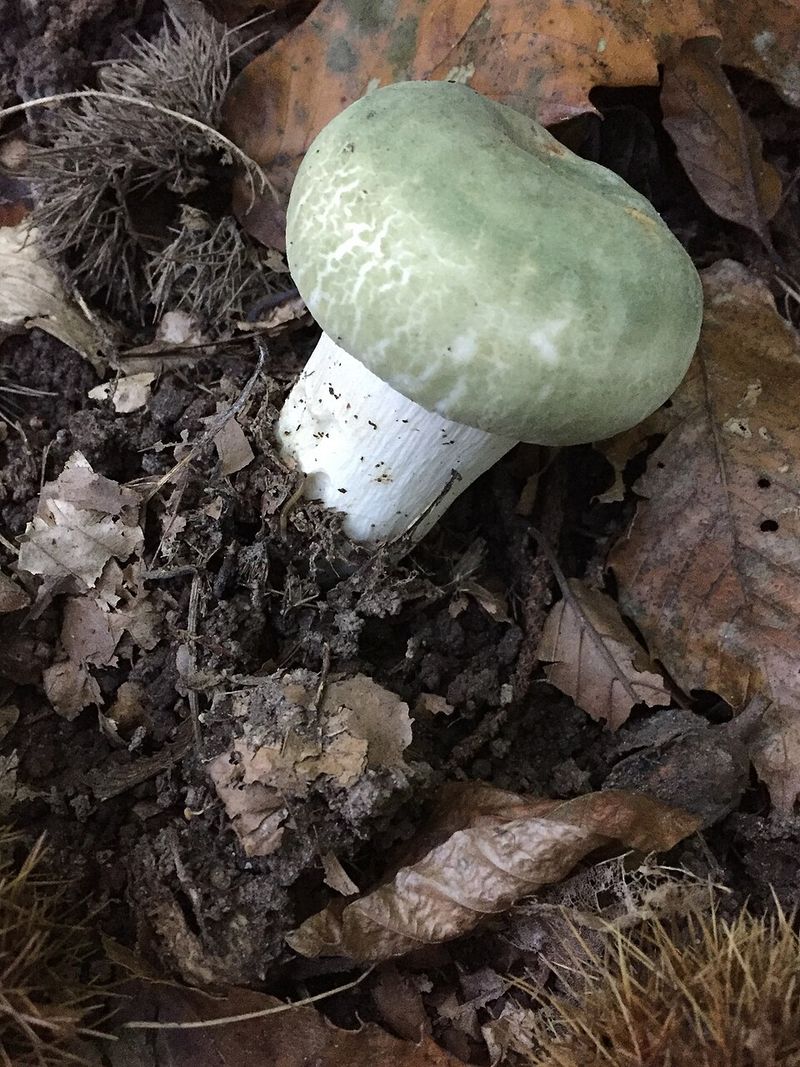
Responsible for more fatal mushroom poisonings than any other species on earth, the Death Cap looks deceptively harmless. Its pale greenish cap and white stem can easily be mistaken for edible varieties, which is exactly why it claims so many lives each year.
Wild mushroom foragers are most at risk.
What makes it especially treacherous is the delayed reaction. Symptoms of poisoning, including nausea, vomiting, and severe abdominal pain, may not appear for 6 to 24 hours after eating.
By the time a person feels sick, the toxins have already begun destroying liver and kidney cells.
Amatoxins, the compounds responsible for the damage, are heat-stable, meaning cooking does not neutralize them. Even a small piece of this mushroom can cause fatal organ failure.
Experts strongly advise against eating any wild mushroom unless it has been positively identified by a trained mycologist.
3. Cassava
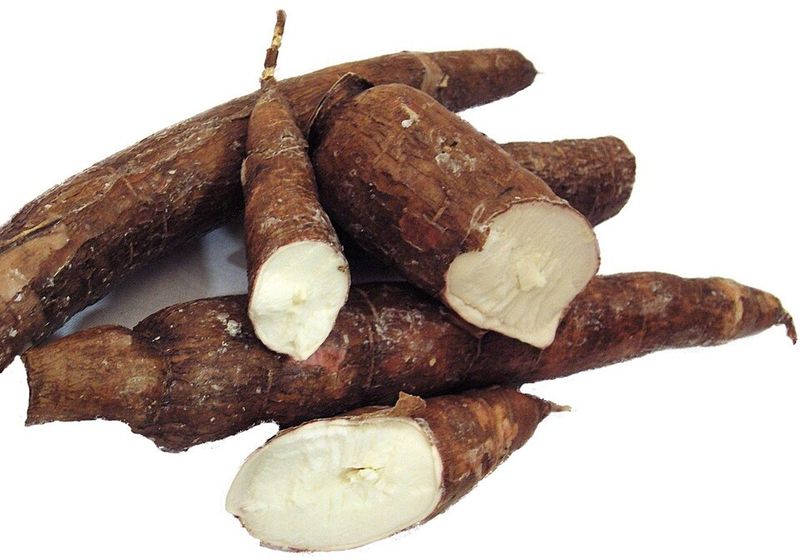
Cassava is a staple crop feeding hundreds of millions of people across Africa, Asia, and Latin America. When prepared correctly, it is a perfectly safe and nutritious source of carbohydrates.
The problem arises when it is consumed raw or improperly processed, because the root contains compounds called cyanogenic glycosides.
When these compounds break down in the body, they release hydrogen cyanide, a toxic gas that can cause headaches, dizziness, vomiting, and in severe cases, death. Bitter cassava varieties carry significantly higher concentrations of these compounds than sweet varieties, making them far more dangerous to eat without proper treatment.
Traditional preparation methods such as soaking, fermenting, and cooking help break down and remove the cyanide. Communities that rely heavily on cassava without following these steps face a condition called konzo, a paralytic disease linked to chronic cyanide exposure.
Proper processing makes all the difference.
4. Ackee
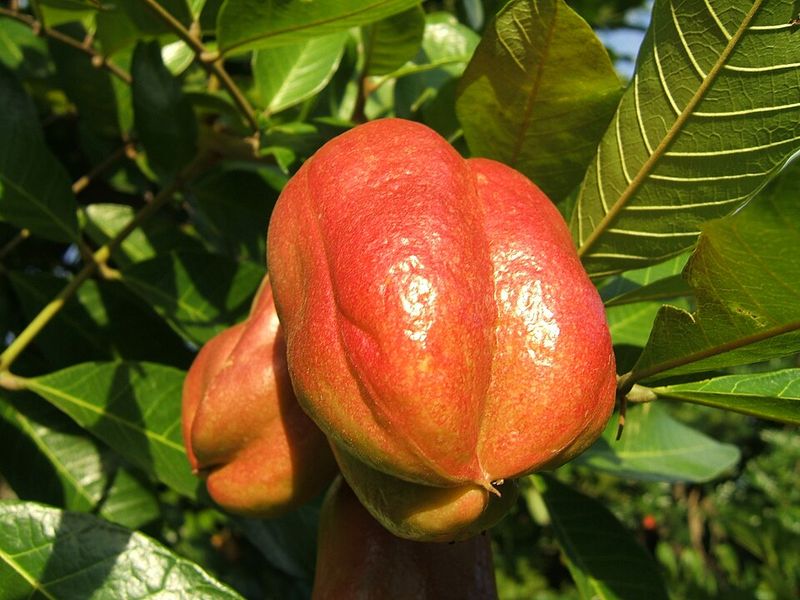
Jamaica’s national fruit is beautiful, flavorful, and potentially deadly. Ackee is safe to eat only after it has fully ripened and the pod has opened naturally on its own.
Eating it before that point exposes you to hypoglycin A, a toxin that disrupts the body’s ability to regulate blood sugar levels.
The resulting condition, known as Jamaican Vomiting Sickness, causes severe vomiting, hypoglycemia, and in serious cases, seizures or death. Children are especially vulnerable because their smaller body mass means even a modest amount of the toxin can have a devastating effect.
Historically, outbreaks of the illness have been tied to food scarcity, when people consumed unripe fruit out of desperation.
The seeds and the pink membrane inside the fruit are toxic even when ripe and should always be removed before cooking. Properly prepared ackee, especially the national dish ackee and saltfish, is enjoyed safely by Jamaicans every day.
5. Raw Red Kidney Beans
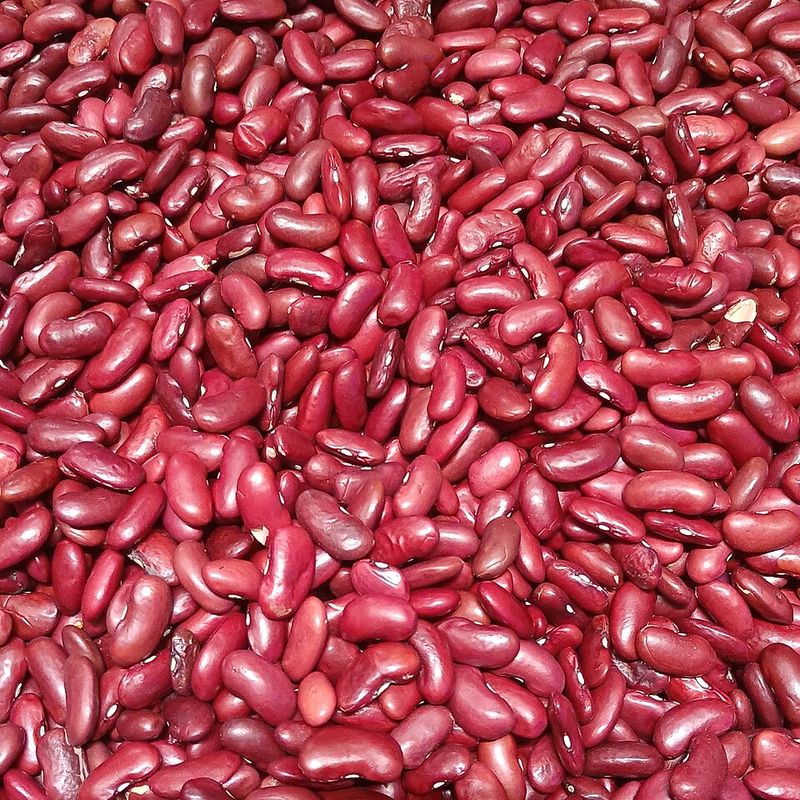
Most people assume that beans are among the safest foods around, but raw red kidney beans tell a different story. They contain very high levels of a natural protein called phytohaemagglutinin, also known as kidney bean lectin.
Even eating just four or five raw beans can trigger intense food poisoning within a few hours.
Symptoms include extreme nausea, vomiting, and diarrhea that can last for hours. The toxin disrupts the cells lining the digestive tract, which is what causes such rapid and violent reactions.
Interestingly, beans that have been cooked at too low a temperature, such as in a slow cooker set to a low heat, can actually have higher toxin levels than raw beans.
The fix is straightforward: soak the beans in cold water for at least five hours, discard the soaking water, and then boil them vigorously for at least ten minutes. That process destroys the lectin completely and makes the beans perfectly safe to enjoy.
6. Blood Clams
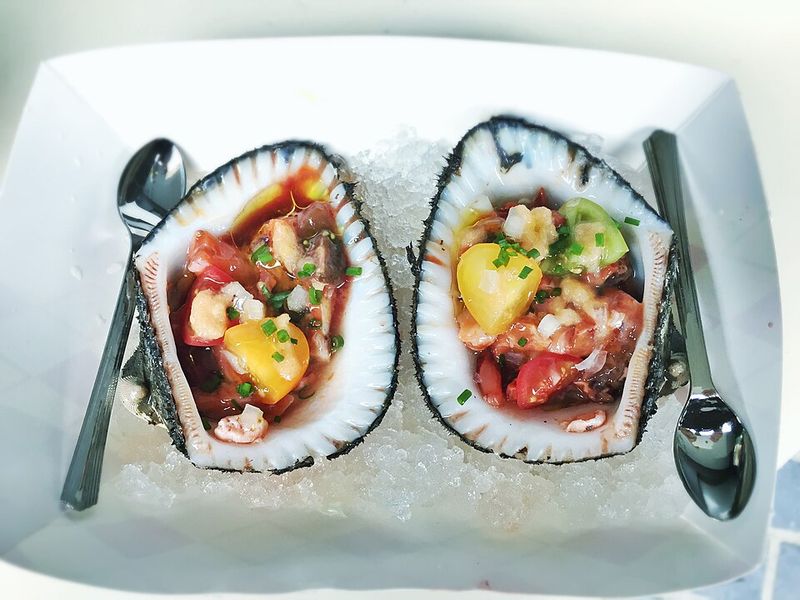
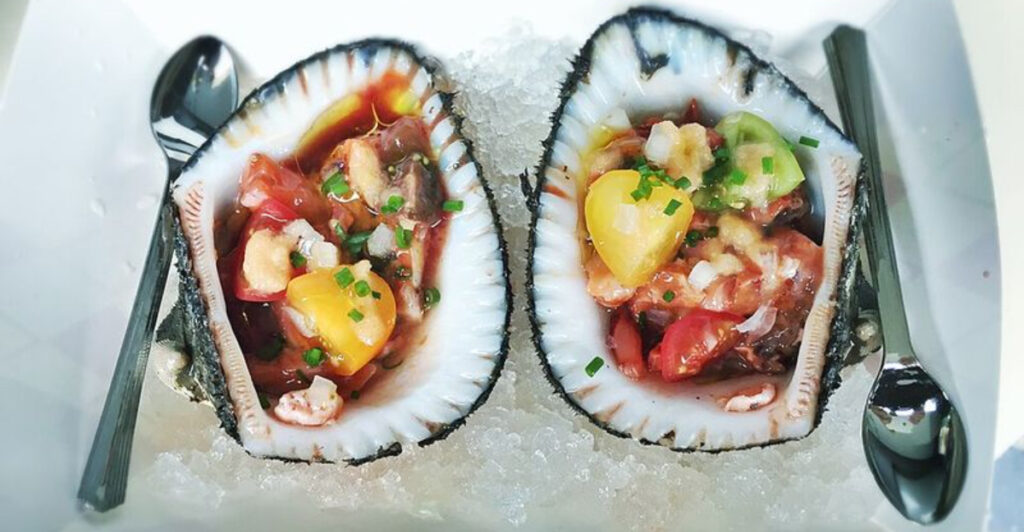
Blood clams get their vivid name from the red hemoglobin-rich fluid inside their shells. They are a popular street food in parts of China, Vietnam, and other Southeast Asian countries, often served lightly steamed or eaten nearly raw.
That minimal cooking is where the danger begins.
These clams are filter feeders, which means they absorb whatever is in the water around them, including bacteria and viruses. When harvested from polluted coastal waters, blood clams can carry hepatitis A, typhoid, and a range of other dangerous pathogens.
Outbreaks of hepatitis A linked to blood clam consumption have been documented in China for decades.
Thorough cooking kills the harmful microorganisms, but many traditional preparations do not reach the temperatures needed to do so. Health authorities in several countries have issued warnings about consuming undercooked blood clams.
Knowing the source of your seafood and ensuring it is fully cooked is the best protection available.
7. Raw Oysters
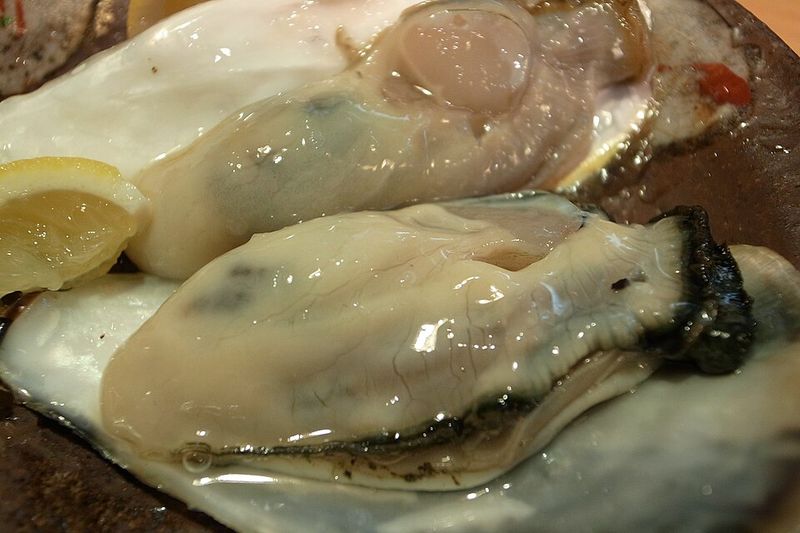
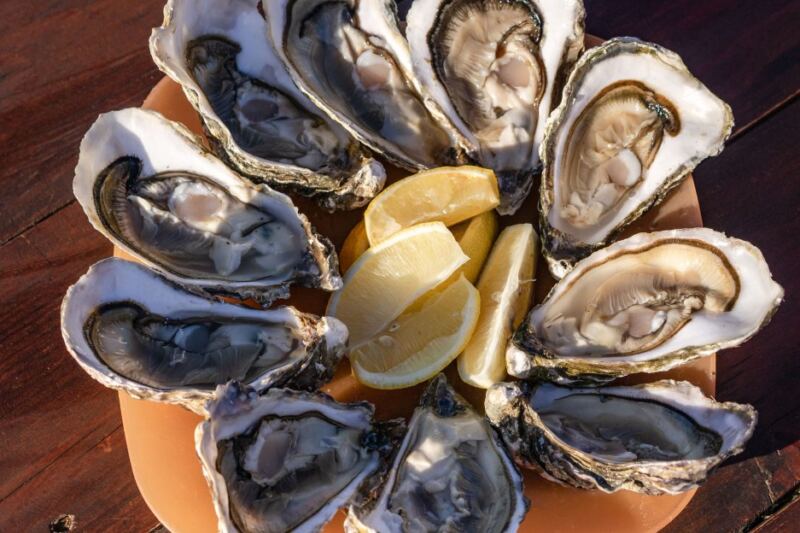
Raw oysters have long been a symbol of fine dining and coastal living. Slurped straight from the shell with a squeeze of lemon, they feel effortlessly elegant.
But these bivalves can harbor Vibrio vulnificus, a naturally occurring bacterium found in warm coastal waters that poses a serious health threat to certain people.
For healthy individuals, a Vibrio infection might cause stomach cramps, vomiting, and diarrhea that resolve within a few days. For people with liver disease, diabetes, or weakened immune systems, the same infection can turn life-threatening, causing bloodstream infections and a fatality rate that can reach 50 percent in severe cases.
Vibrio bacteria thrive during warmer months, which is part of why the old advice of only eating oysters in months with an “r” in the name still holds some practical wisdom. Cooking oysters thoroughly eliminates the risk entirely.
If you love them raw, knowing your health status first is a smart move.
8. Sannakji (Live Octopus)
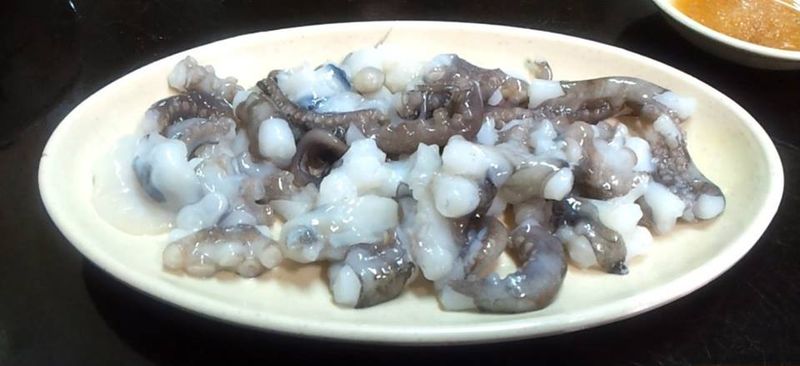
Sannakji is a Korean dish that takes freshness to an extreme level. Small octopuses are cut into pieces and served immediately, while the tentacles are still actively moving on the plate.
Seasoned with sesame oil and seeds, it is considered a delicacy in South Korea and draws adventurous food tourists from around the world.
The danger is not a toxin or a bacteria. It is something far more immediate: choking.
The suction cups on the tentacles remain active even after the octopus has been cut, and they can attach firmly to the inside of the mouth, throat, or esophagus as the diner swallows. Several deaths from choking have been attributed to this dish.
Chefs who prepare sannakji typically advise diners to chew thoroughly before swallowing to disable the suction cups. Eating slowly and deliberately is essential.
For those who enjoy the dish, mindful eating is not just a wellness trend, it is a genuine safety measure.
9. Star Fruit
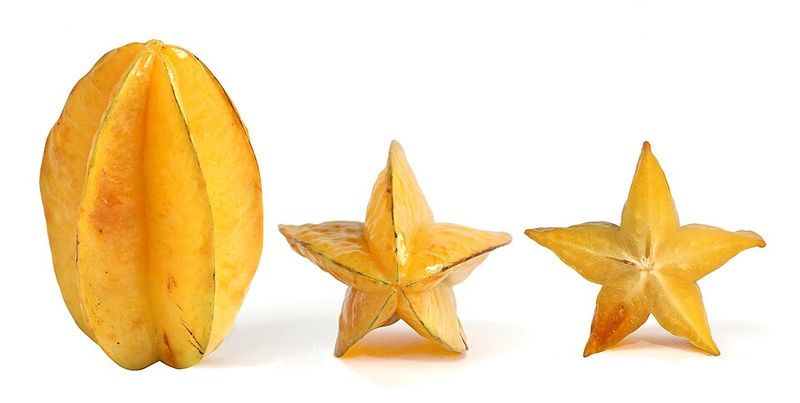
Star fruit, known scientifically as carambola, is a pretty tropical fruit with a sweet and tangy flavor. For most people, it is a harmless and refreshing snack.
But for people with kidney disease or impaired kidney function, eating star fruit can trigger a cascade of serious neurological symptoms.
The fruit contains a neurotoxin called caramboxin that healthy kidneys filter out efficiently. When the kidneys are not functioning properly, the toxin builds up in the bloodstream and can cause hiccups, confusion, seizures, and even death.
Even small amounts have been known to cause severe reactions in dialysis patients and others with chronic kidney problems.
Medical literature has documented multiple cases of star fruit neurotoxicity, particularly in countries where the fruit is widely consumed. Doctors who treat kidney patients routinely advise them to avoid star fruit entirely.
If you have any kidney concerns, it is worth checking with your doctor before eating this seemingly innocent fruit.
10. Stone Fruit Kernels
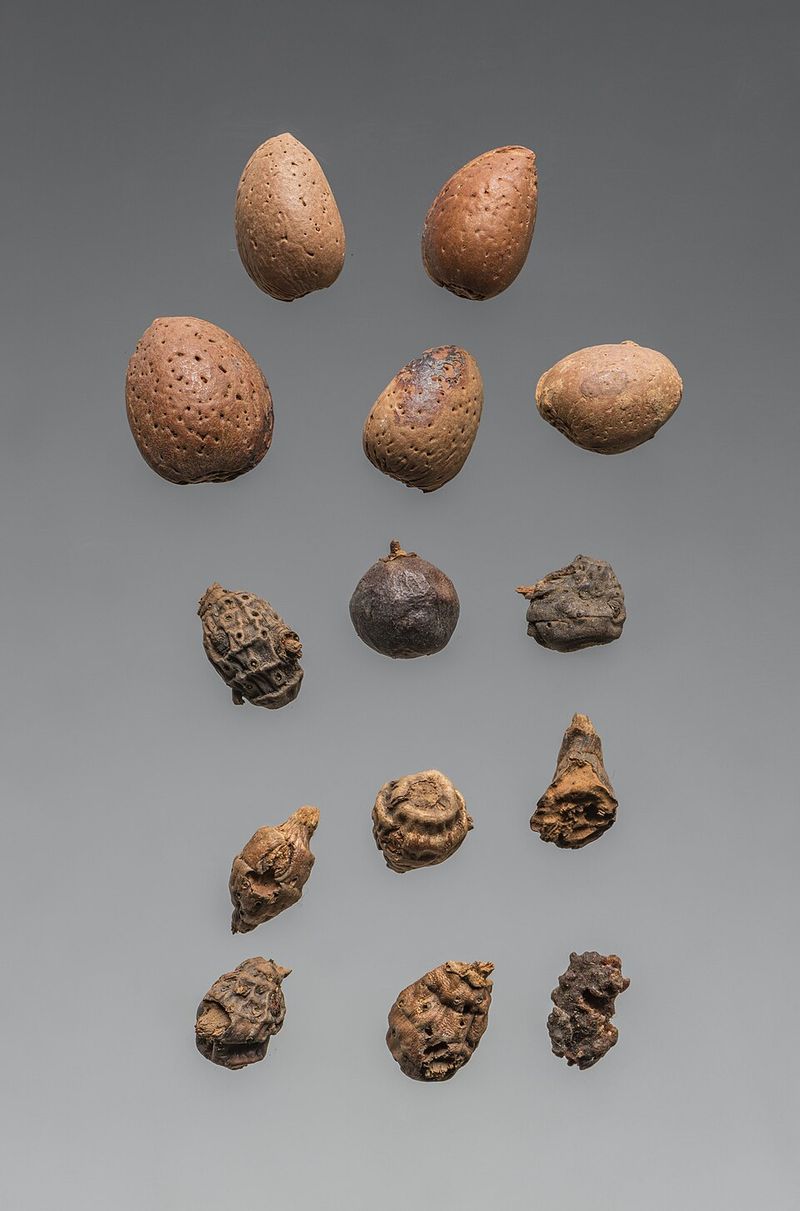
Crack open the hard pit of an apricot, peach, cherry, or plum and you will find a small kernel that looks a lot like an almond. Some health communities have promoted these kernels as a source of vitamin B17 or a natural cancer remedy.
The scientific consensus, however, paints a very different picture.
These kernels contain amygdalin, a compound that the body converts into hydrogen cyanide during digestion. Eating a small number might not cause noticeable symptoms, but consuming larger quantities can lead to cyanide poisoning, with symptoms including headache, dizziness, rapid heart rate, and in extreme cases, loss of consciousness.
Regulatory agencies like the European Food Safety Authority have set strict limits on how many apricot kernels a person should consume per day. Children are at much higher risk due to their smaller body weight.
Bitter apricot kernels in particular carry significantly higher amygdalin levels than sweet varieties and should be treated with real caution.
11. Elderberries
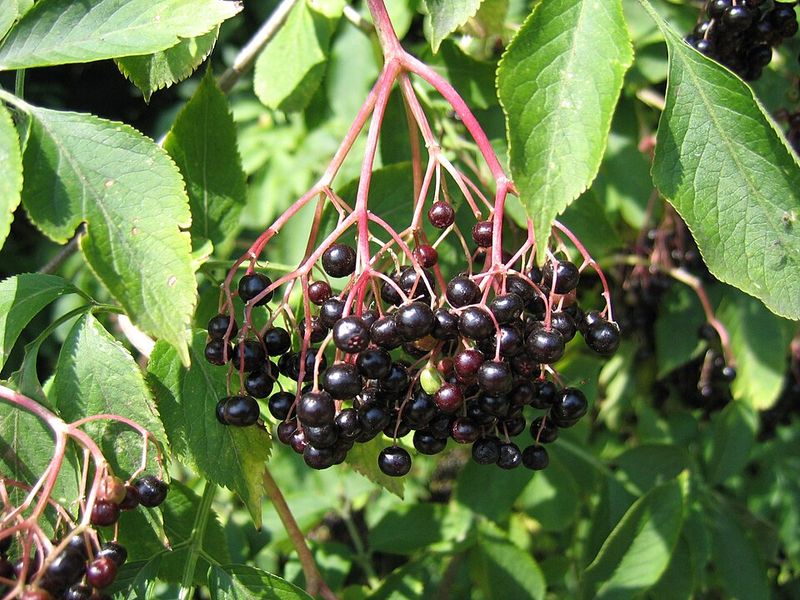
Elderberry syrup has become incredibly popular as a natural remedy for colds and flu, and cooked elderberries are genuinely rich in antioxidants and vitamins. But the raw version of this fruit is a different matter entirely.
Raw elderberries, along with the plant’s leaves, stems, bark, and seeds, all contain cyanogenic glycosides that can make you seriously ill.
Eating raw elderberries or improperly prepared elderberry products can cause nausea, vomiting, and diarrhea within a short time. There have been documented cases of elderberry juice poisoning, including a 1984 outbreak in the United States linked to freshly pressed raw elderberry juice that sent multiple people to the hospital.
Fortunately, cooking the berries destroys the toxic compounds and makes them completely safe to eat. Commercial elderberry syrups and supplements are processed to eliminate the risk.
If you are making elderberry preparations at home, always cook the berries thoroughly and never consume any other part of the plant raw.
12. Rhubarb Leaves

Walk through any garden in spring and you might spot rhubarb’s thick, rosy stalks poking up from the ground. Those stalks are used in pies, jams, and sauces and are perfectly safe to eat.
The large, leafy green tops attached to those stalks are a completely different story and should never end up on your plate.
Rhubarb leaves contain very high concentrations of oxalic acid, a compound that can cause burning in the mouth and throat, nausea, kidney damage, and in severe cases, convulsions and death. The leaves also contain anthraquinone glycosides, adding another layer of toxicity that makes them genuinely dangerous to consume in significant amounts.
During World War I, British officials mistakenly promoted rhubarb leaves as a food source, which led to several reported poisoning deaths. Today, the leaves are routinely removed before rhubarb is sold in stores.
Always discard them immediately and keep them away from children and pets who might be curious about the plant.
13. Green Potatoes
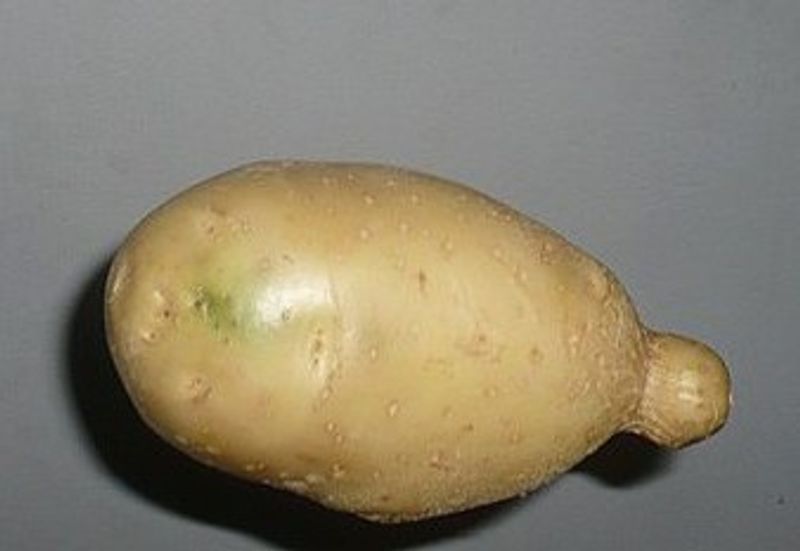
Potatoes are one of the most universally loved foods on earth, but a green potato is a warning sign worth taking seriously. When potatoes are exposed to light during storage or growth, they produce a natural chemical called solanine as a defense mechanism against insects and fungi.
That green color is a visible indicator that solanine levels have risen.
Solanine can cause a range of unpleasant symptoms, including nausea, vomiting, diarrhea, headaches, and in more serious cases, neurological effects like confusion and hallucinations. The toxin is concentrated just beneath the skin and in the green areas, and it is not destroyed by cooking at normal temperatures.
Cutting away all green portions generously before cooking can reduce the risk significantly. If a potato is very green throughout or tastes bitter after a bite, it is safer to throw it away entirely.
Storing potatoes in a cool, dark place away from light is the easiest way to prevent solanine from forming in the first place.
14. Hakarl (Fermented Greenland Shark)
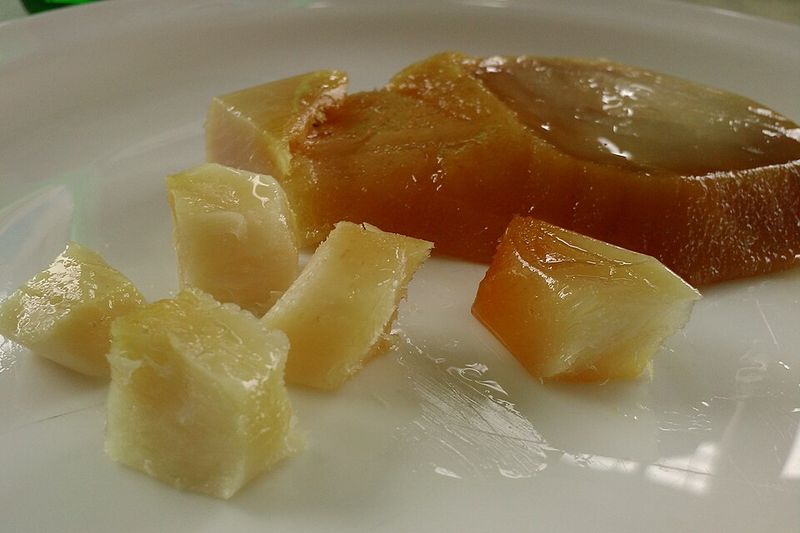
Iceland’s most notorious traditional food has a smell that stops most visitors in their tracks. Hakarl is made from Greenland shark, a species whose flesh is naturally toxic when fresh due to high concentrations of trimethylamine oxide and urea.
Eating fresh Greenland shark meat can cause symptoms similar to extreme intoxication, including disorientation and muscle weakness.
To make the meat safe, it must go through a months-long process of fermentation and drying. The shark is buried underground or placed in a container to ferment for several months, then hung in the open air to cure for several more months.
This process gradually breaks down the toxic compounds and produces the strong ammonia-like smell the food is famous for.
Even after processing, hakarl remains an acquired taste that challenges most first-timers. Celebrity chef Anthony Bourdain once called it one of the worst things he had ever eaten.
For Icelanders, it is a cultural tradition tied to centuries of resourcefulness in a land with few other food sources available.
15. Nutmeg
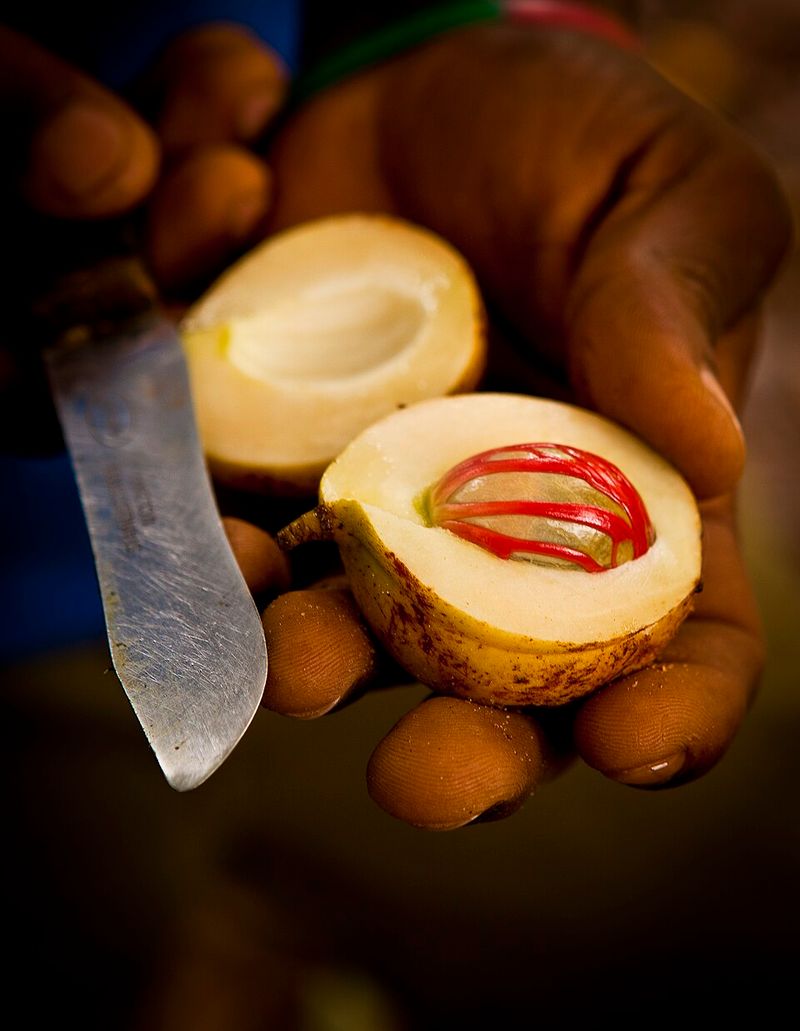
Nutmeg sits in most kitchen spice racks without raising any concern, and rightly so when used in small culinary amounts. A pinch of freshly grated nutmeg in a bechamel sauce or a holiday eggnog adds warmth and depth with no risk at all.
The problem starts when someone consumes a much larger quantity than a recipe would ever call for.
Nutmeg contains a compound called myristicin, which in high doses acts as a psychoactive substance and a toxin. Consuming one to three teaspoons of ground nutmeg can cause hallucinations, rapid heartbeat, nausea, dry mouth, agitation, and a general feeling of extreme discomfort that can last for hours or even days.
Nutmeg poisoning has been documented in medical literature for centuries, and there are modern reports of people deliberately consuming large amounts in an attempt to get high. The experience is widely described as deeply unpleasant rather than recreational.
Poison control centers handle nutmeg ingestion cases regularly, particularly among teenagers who underestimate how seriously the spice can affect the body.
Share this story